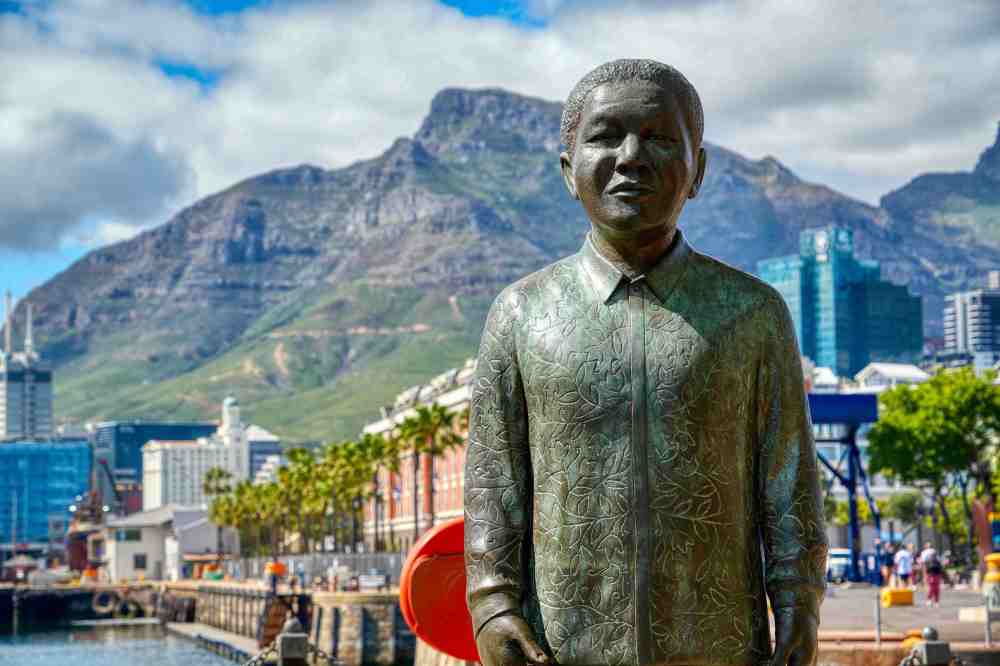
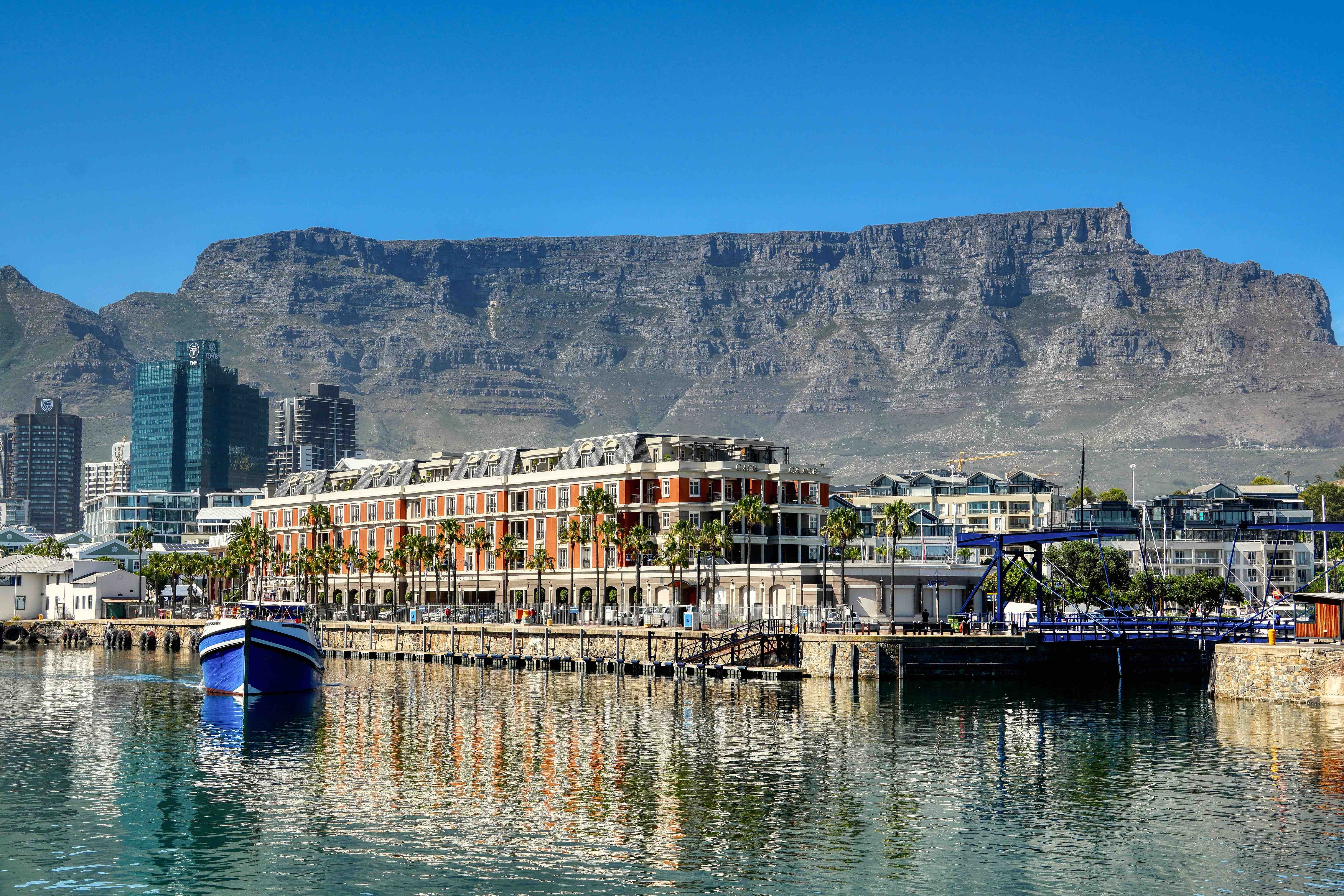
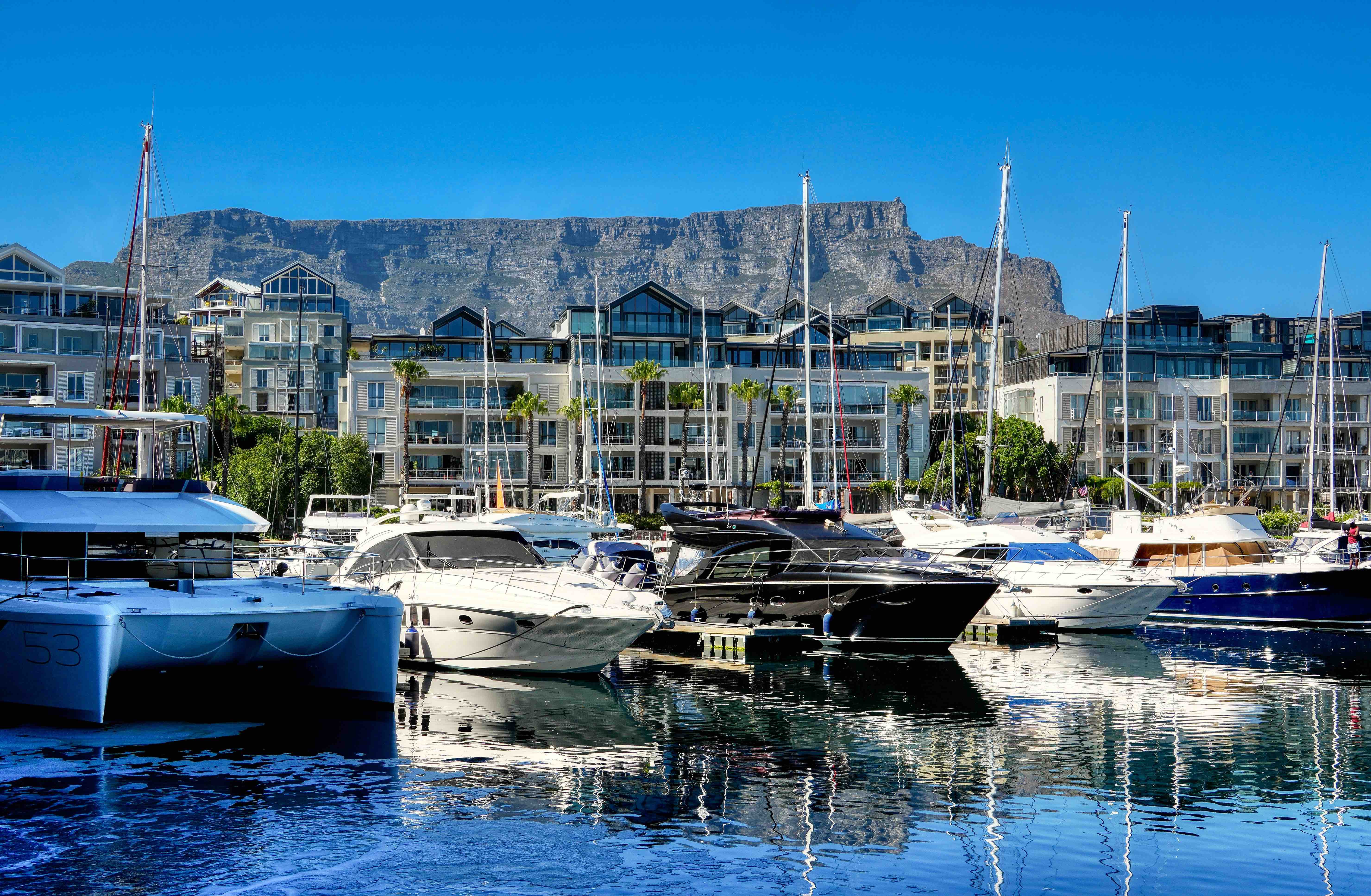
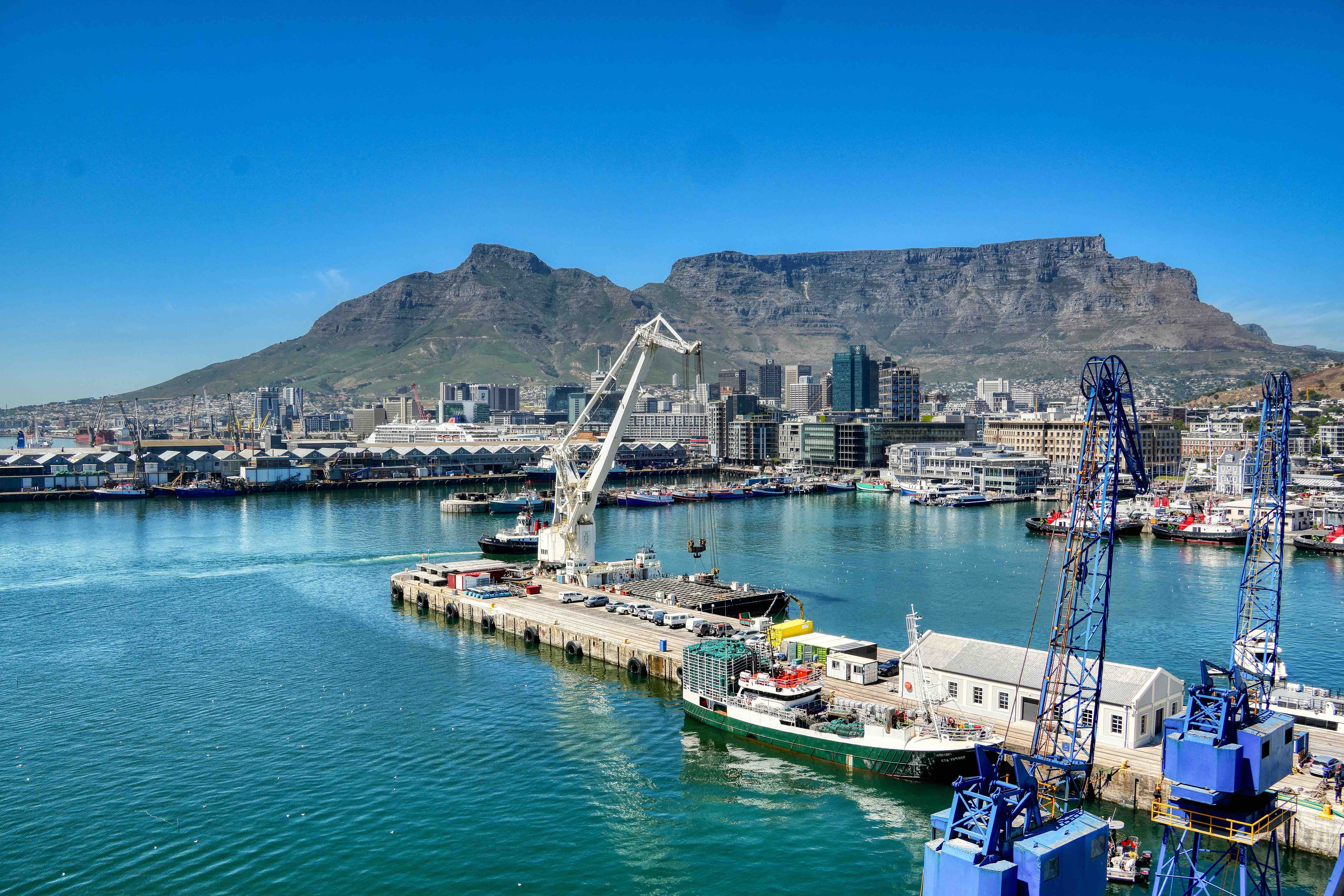
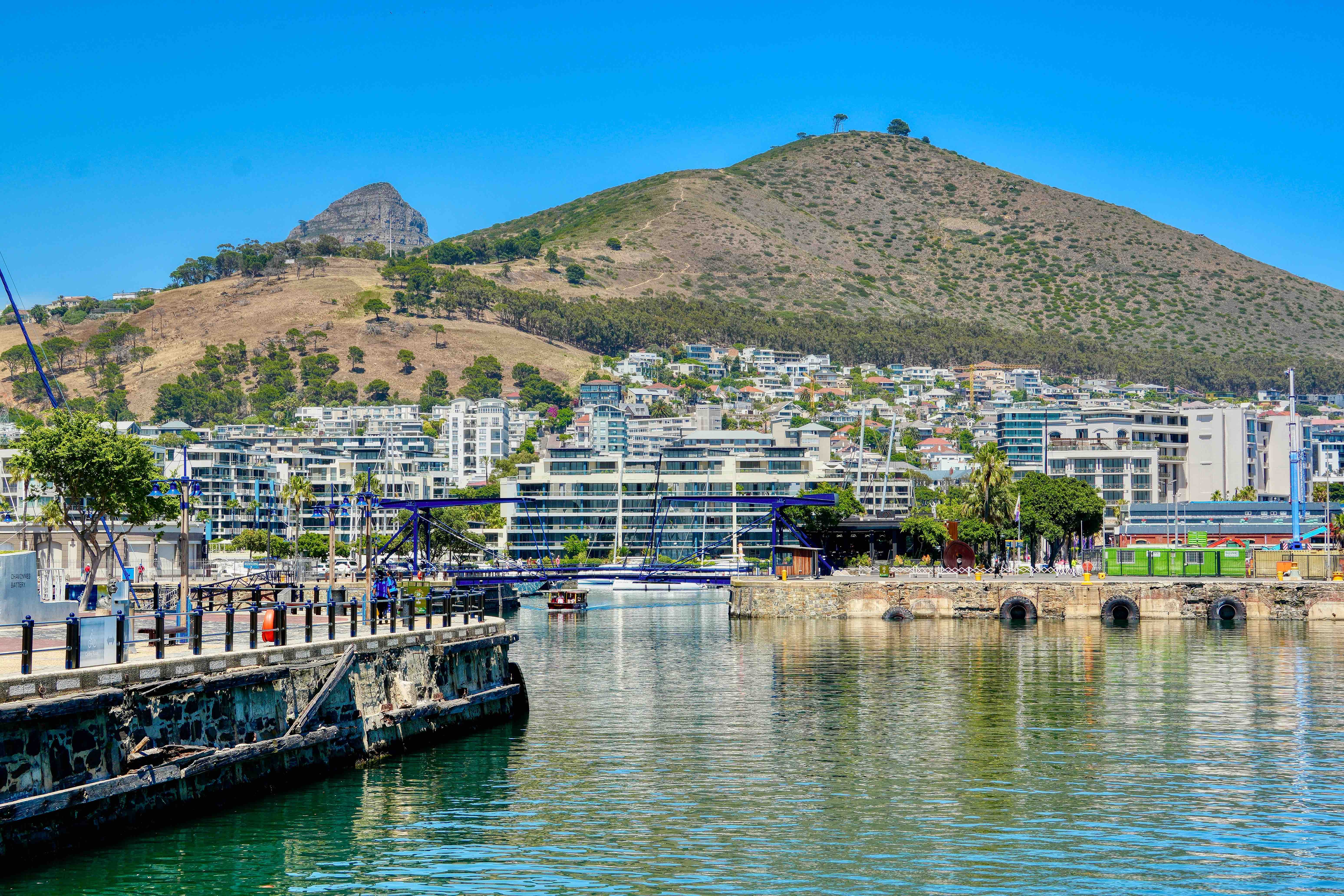
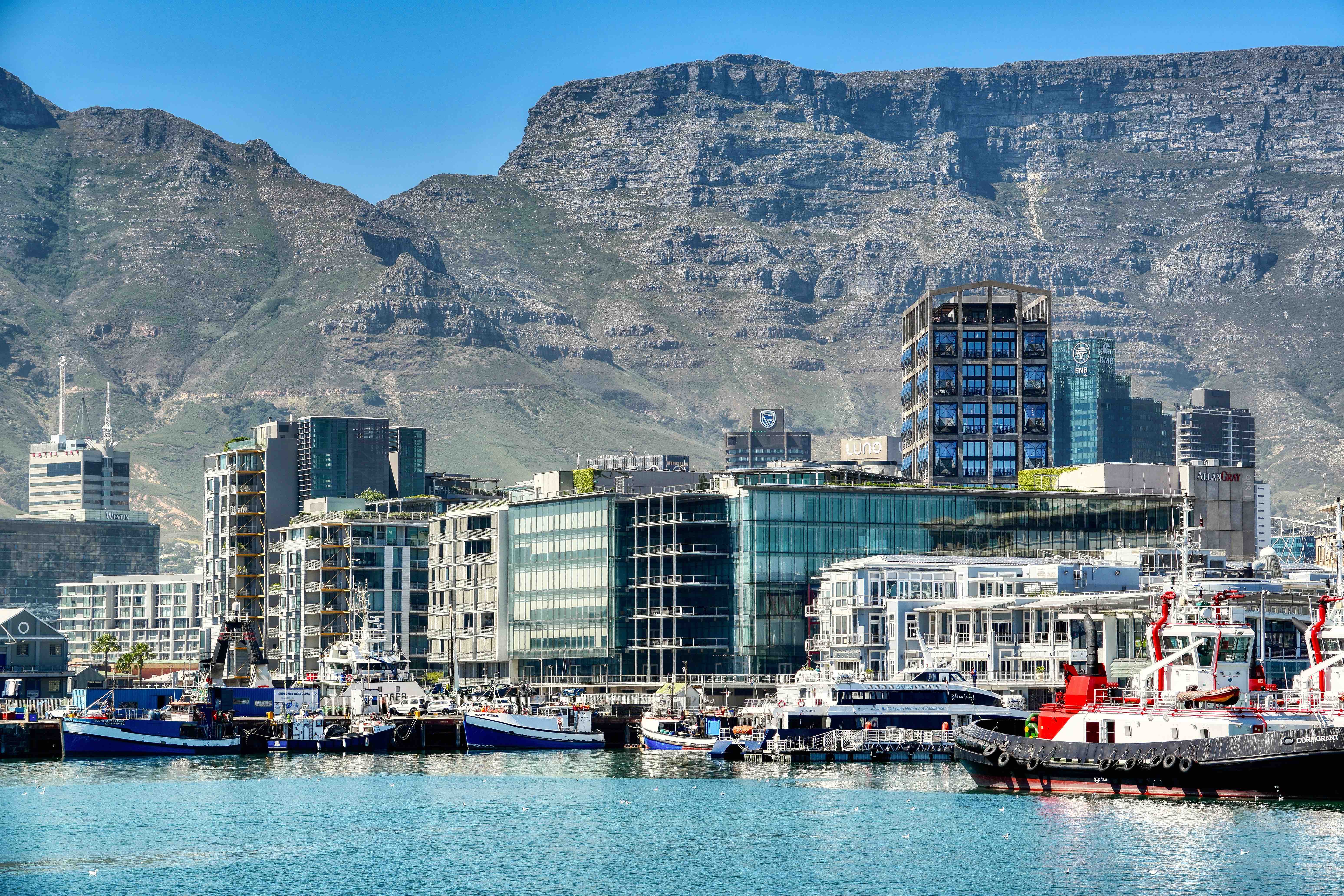
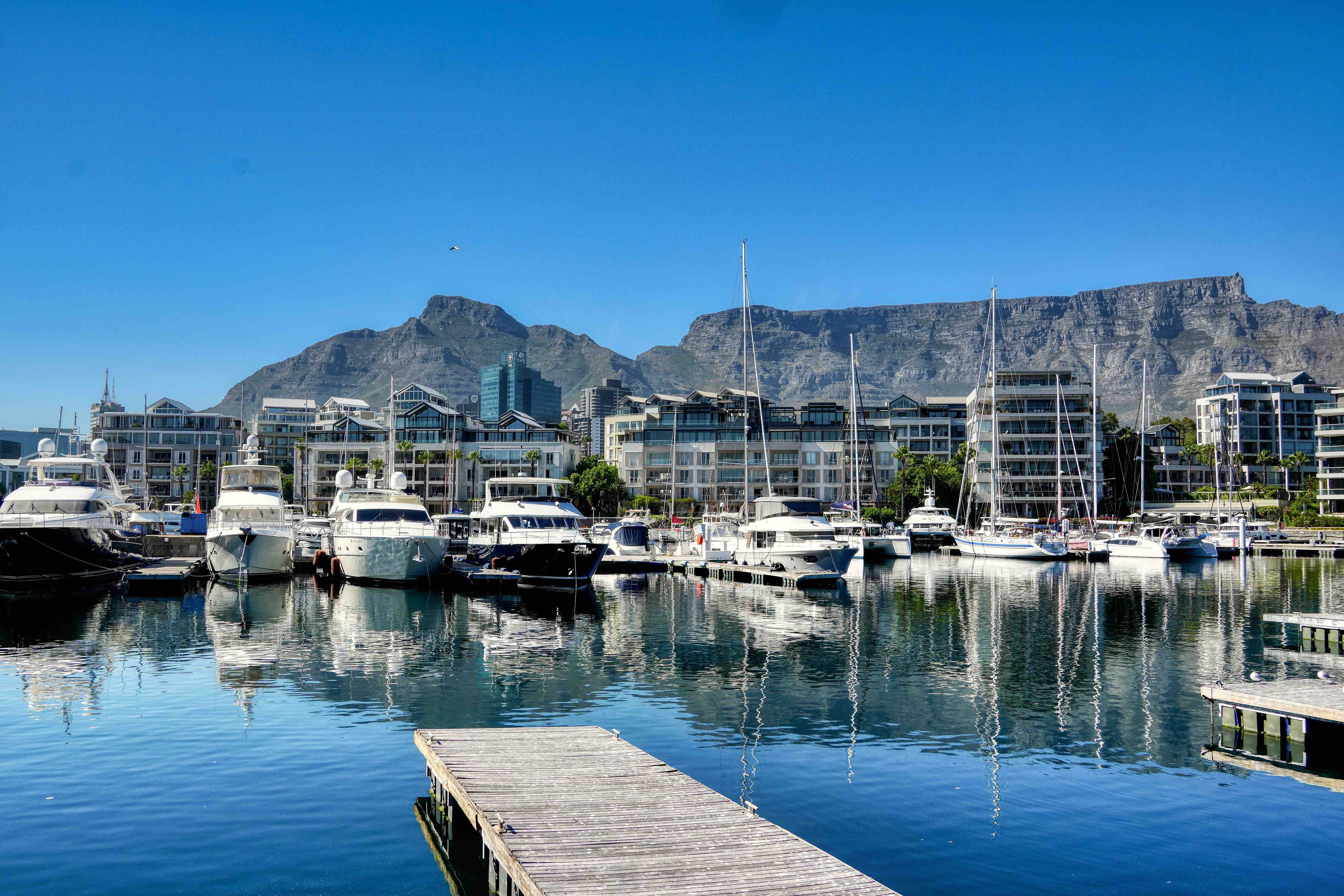
The Victoria & Alfred Waterfront District is probably one of the best known and most touristy frequented places in Cape Town, other than Table Mountain of course, which looms large over this city. In essence the V&A is a bubble – secure from the rest of Cape Town, with major tourist hotels, museums, retail stores, luxury waterside apartments, restaurants, bars and cafes – V&A has it all. It’s also bristling with security, so this is one of the few places you can safely walk around with a flashy camera around your neck and not feel you’re being watched. In other places in this city, perhaps not so. But you know, we’ve felt safer here in Cape Town than other cities including, would you believe, Vancouver in Canada, where the scourge of Fentanyl is everywhere! Here, drugs don’t seem to be an obvious problem, but then again – living in the bubble. Of course Cape Town, like other cities in South Africa has enormous problems with violent crime and you are warned not to be in the city after dark but wandering around the city and fringes during the day does seem to be relatively safe.
The V&A Waterfront started out as a 17th Century maritime stopover before becoming a major hub and working harbour in the late 19th Century – named after, though not as you’d think Victoria & Albert but instead, Victoria, Queen and Empress and Alfred, her second son. Prince Alfred aged just 15 years old visited the Cape Colony and laid the first stone in the construction of Cape Town’s first harbour, the Alfred Basin. The Queen Victoria Basin was added later and named of course in honour of the Queen.
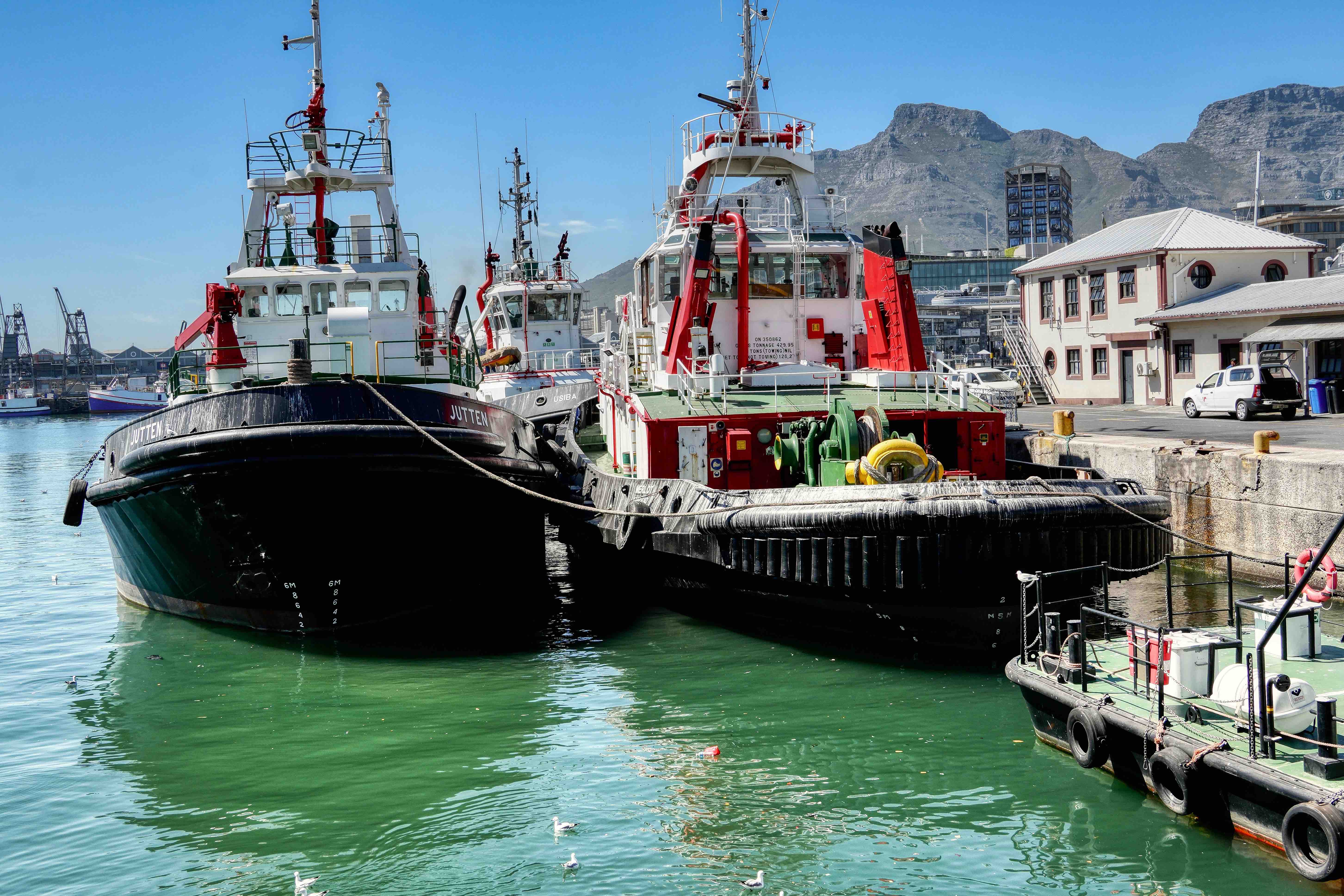
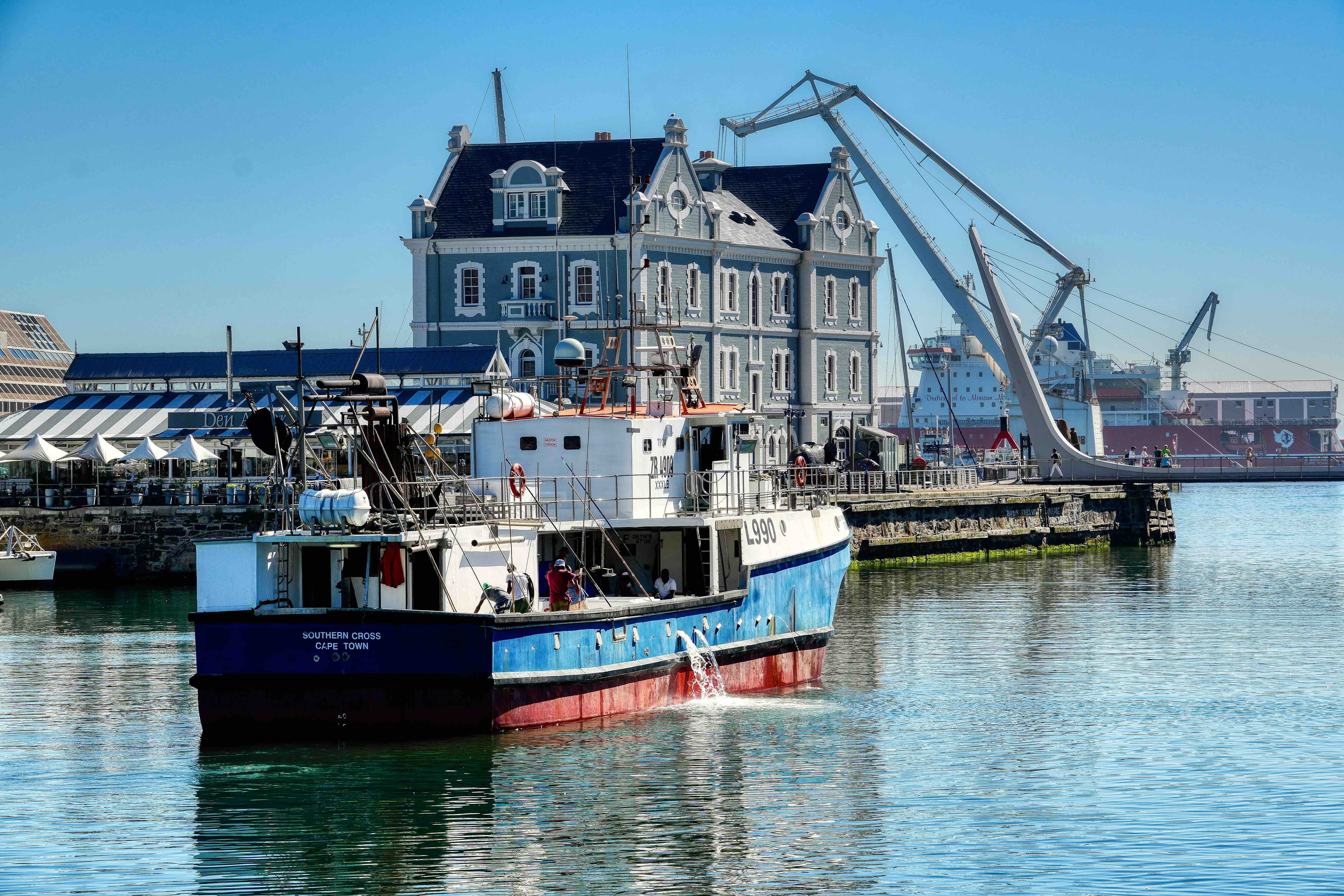
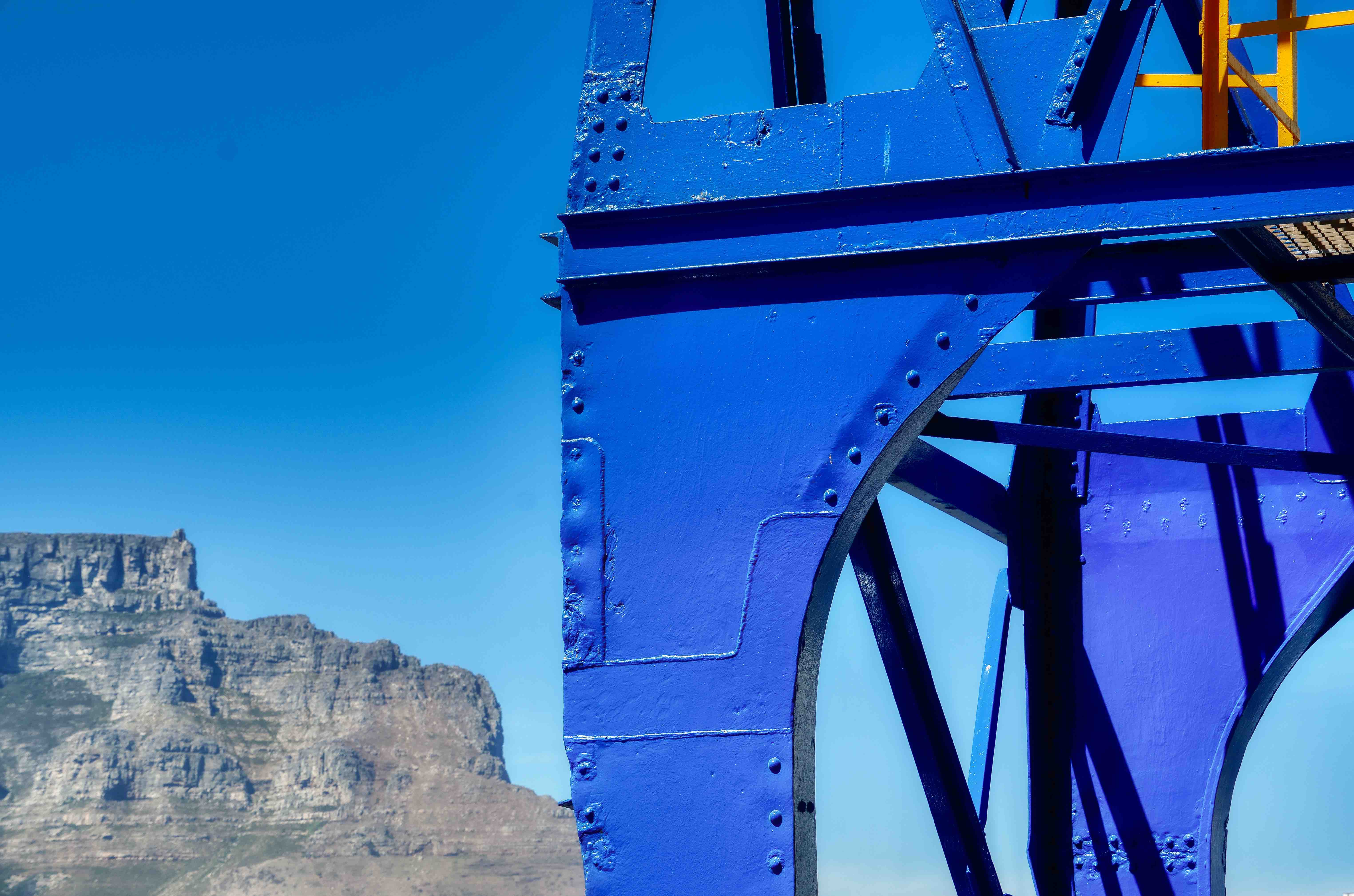
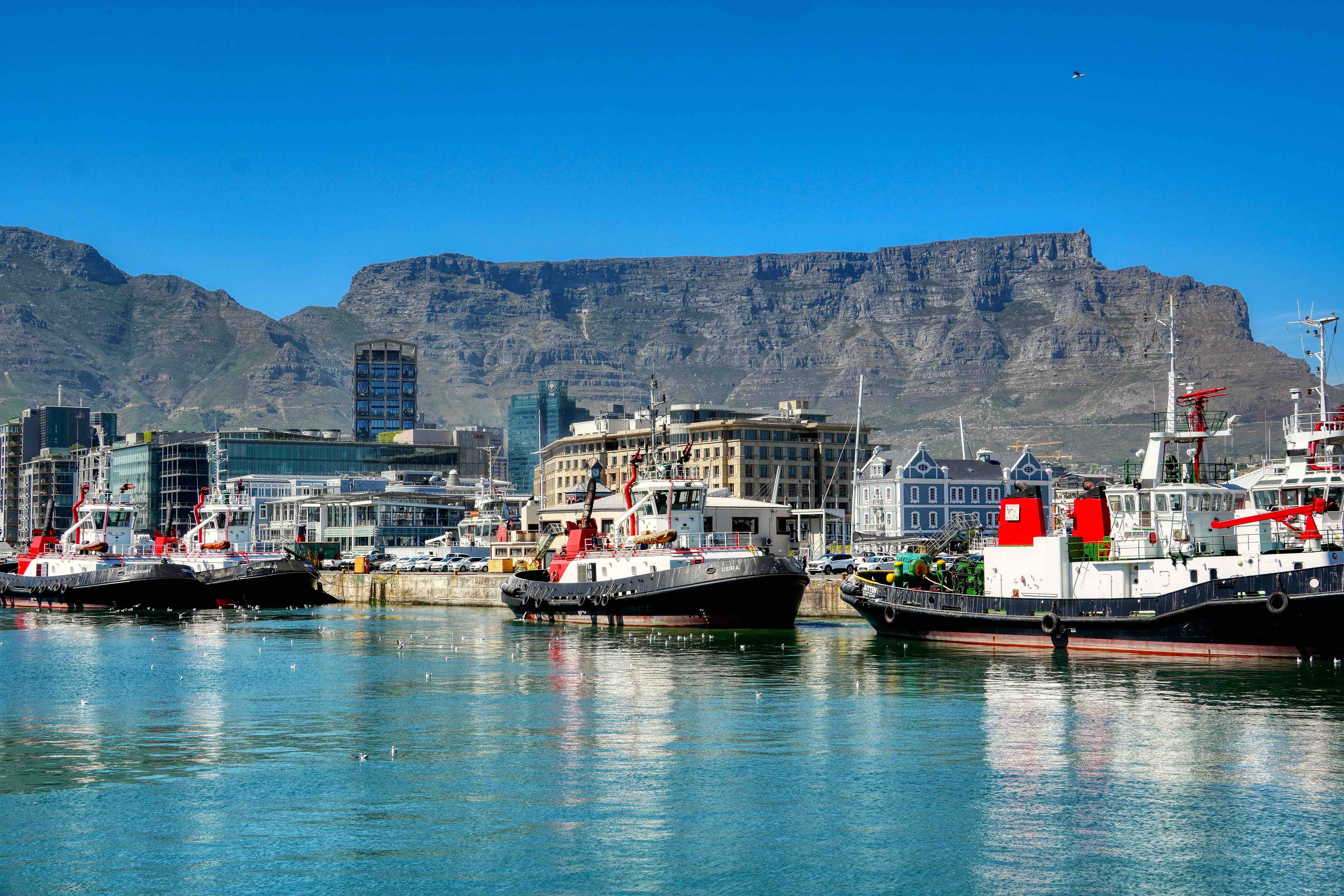
On first impressions, the V&A today is a large shiny retail and restaurant precinct, much as you’d find anywhere in the world, but of course it’s the setting that sets this place apart. But venture to the sides and towards the sea wall and it’s obvious this is very much a working port. Amongst tourist pleasure craft there are weathered fishing fleets, rugged tugs, tankers and cargo vessels occasionally, massive cruise liners. There are working repair and dry docks, marine engineering and refit facilities and even rescue lifeboats, that handle all marine emergencies across Table Bay.
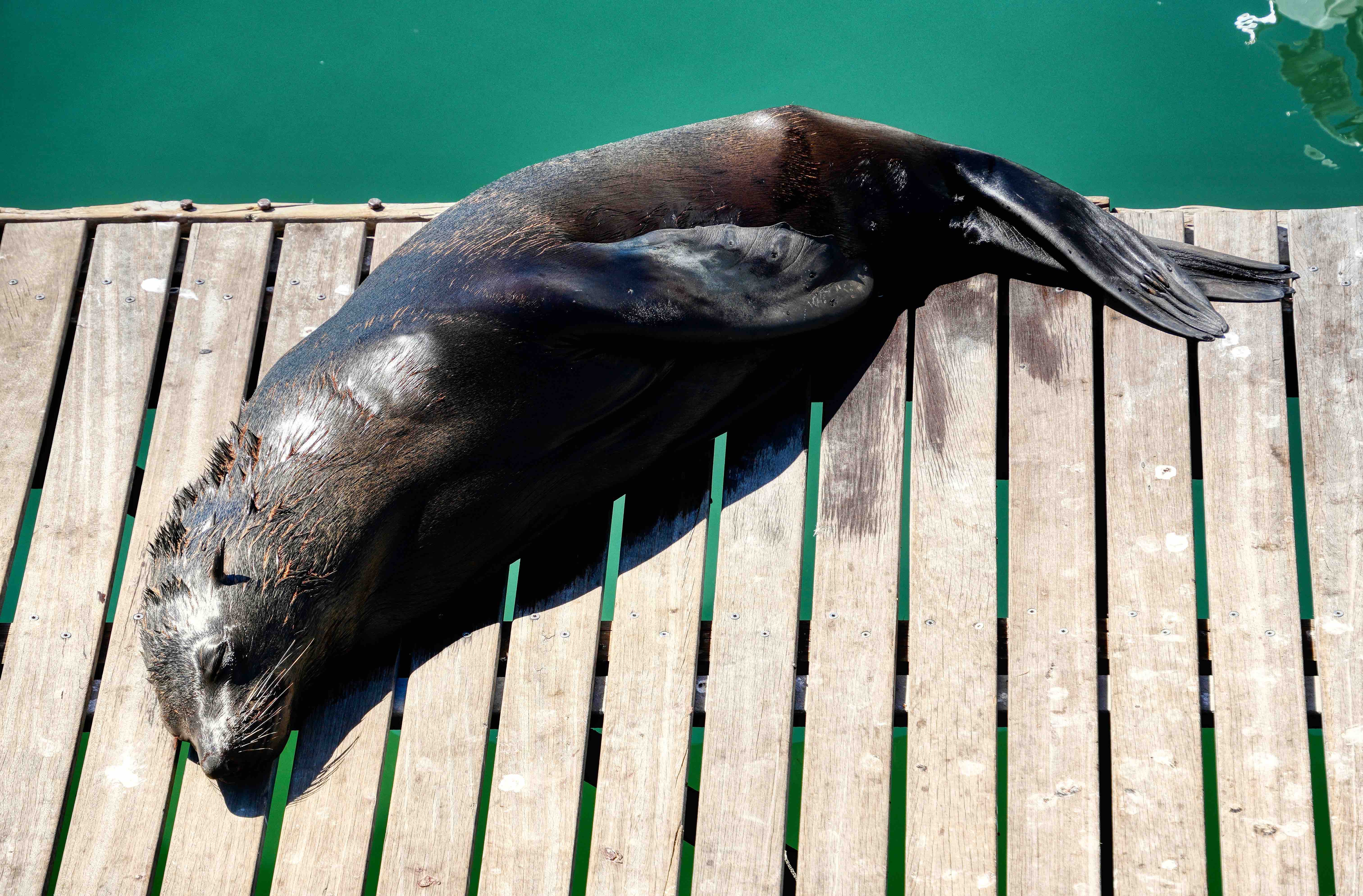
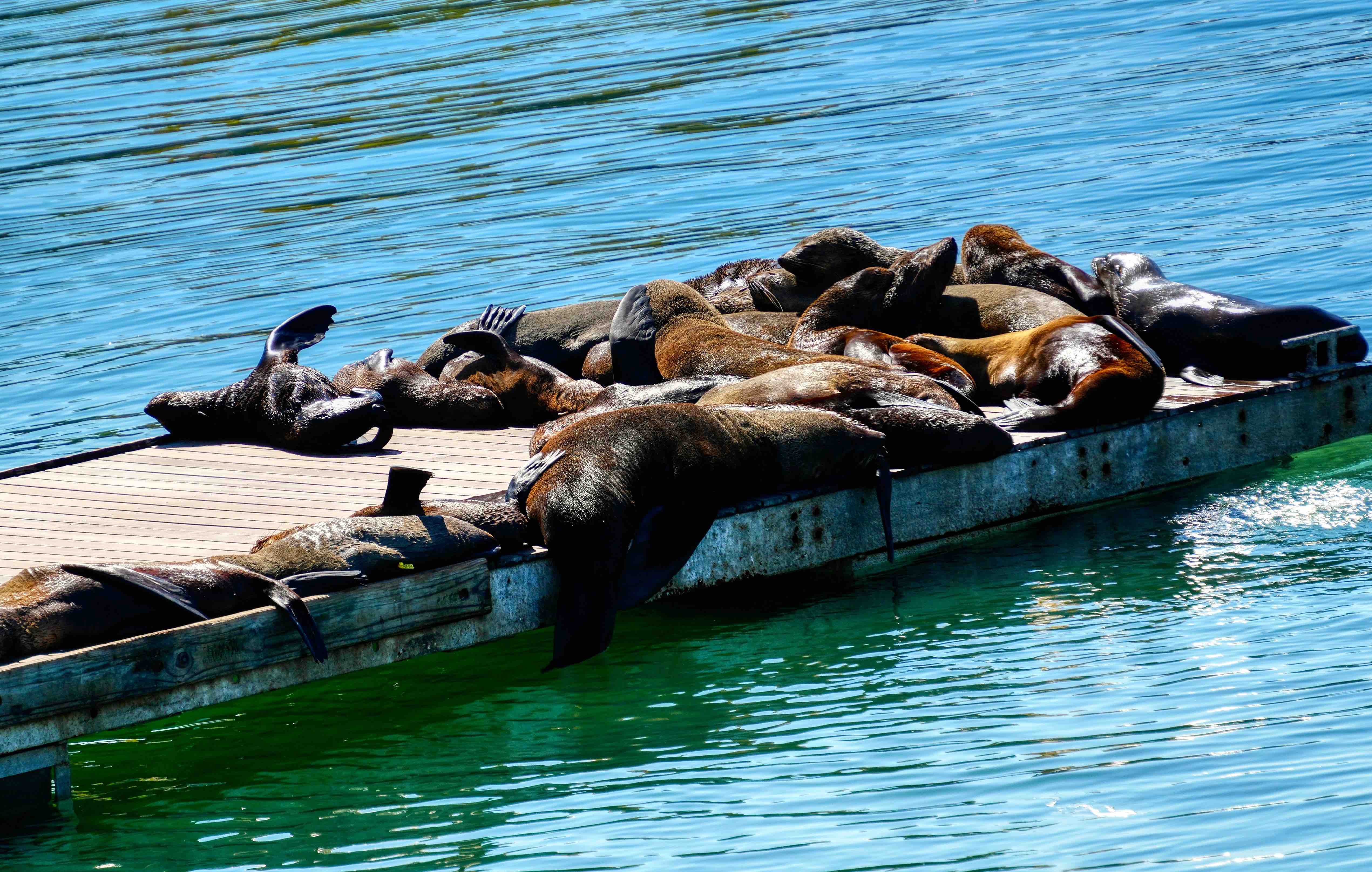
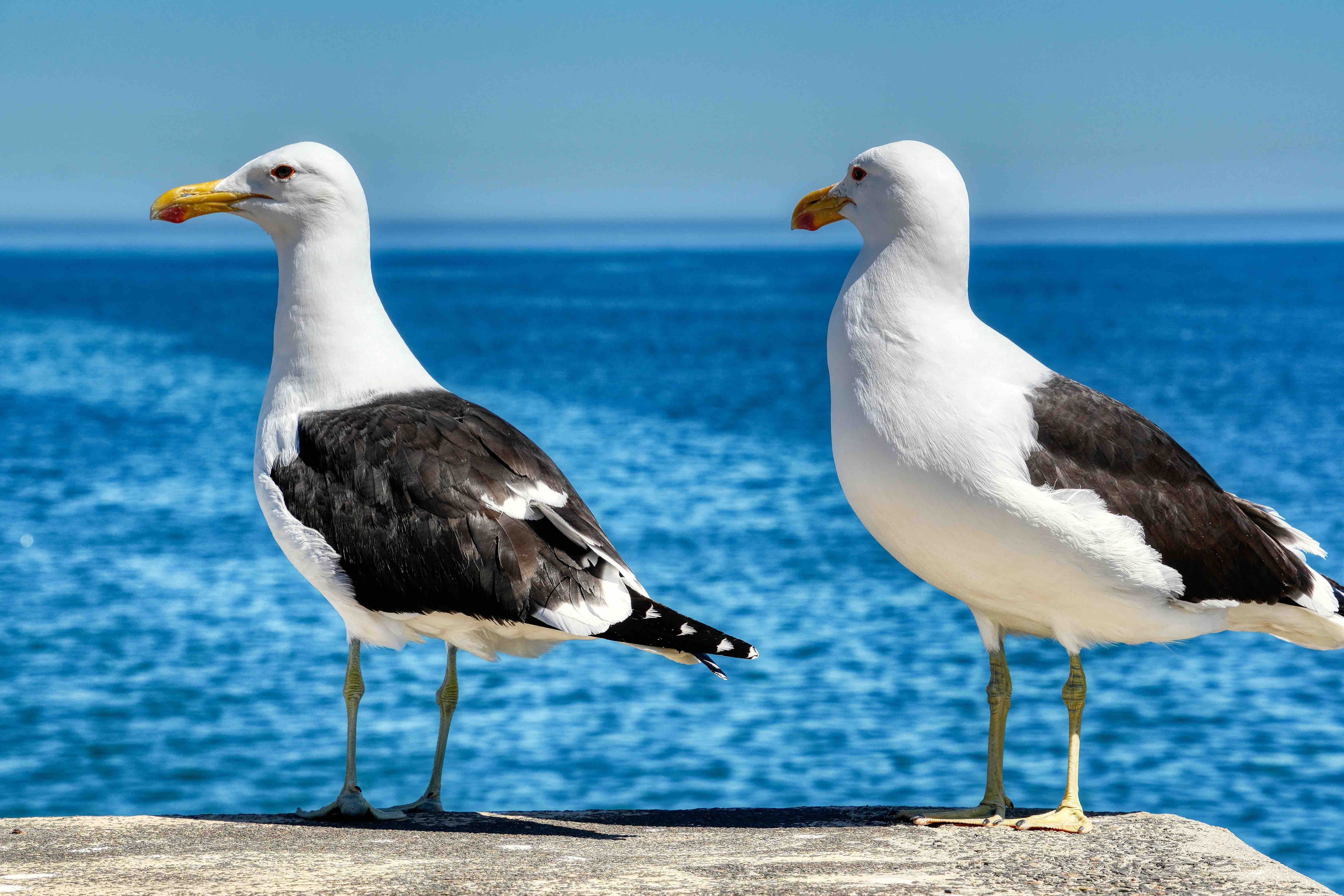
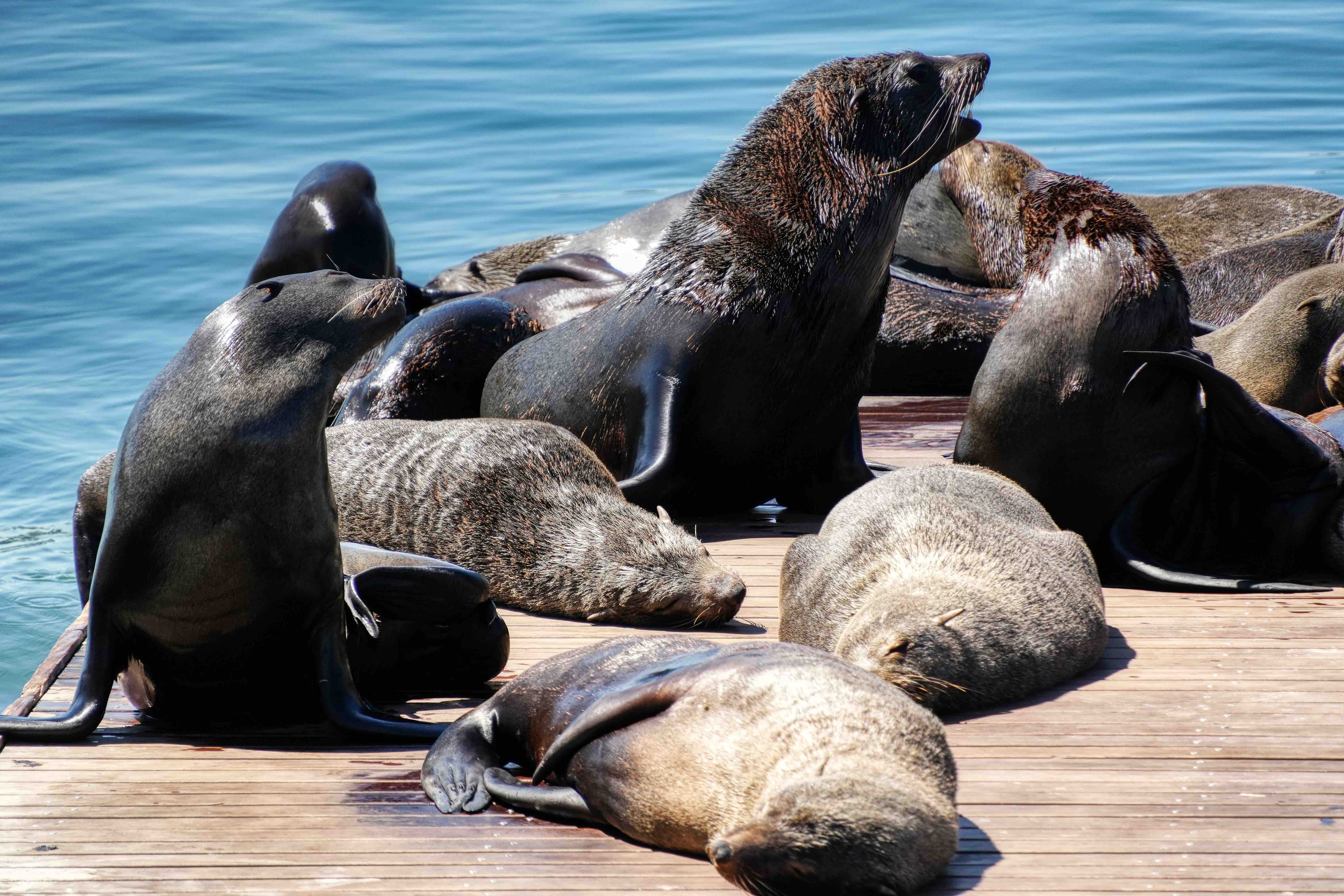
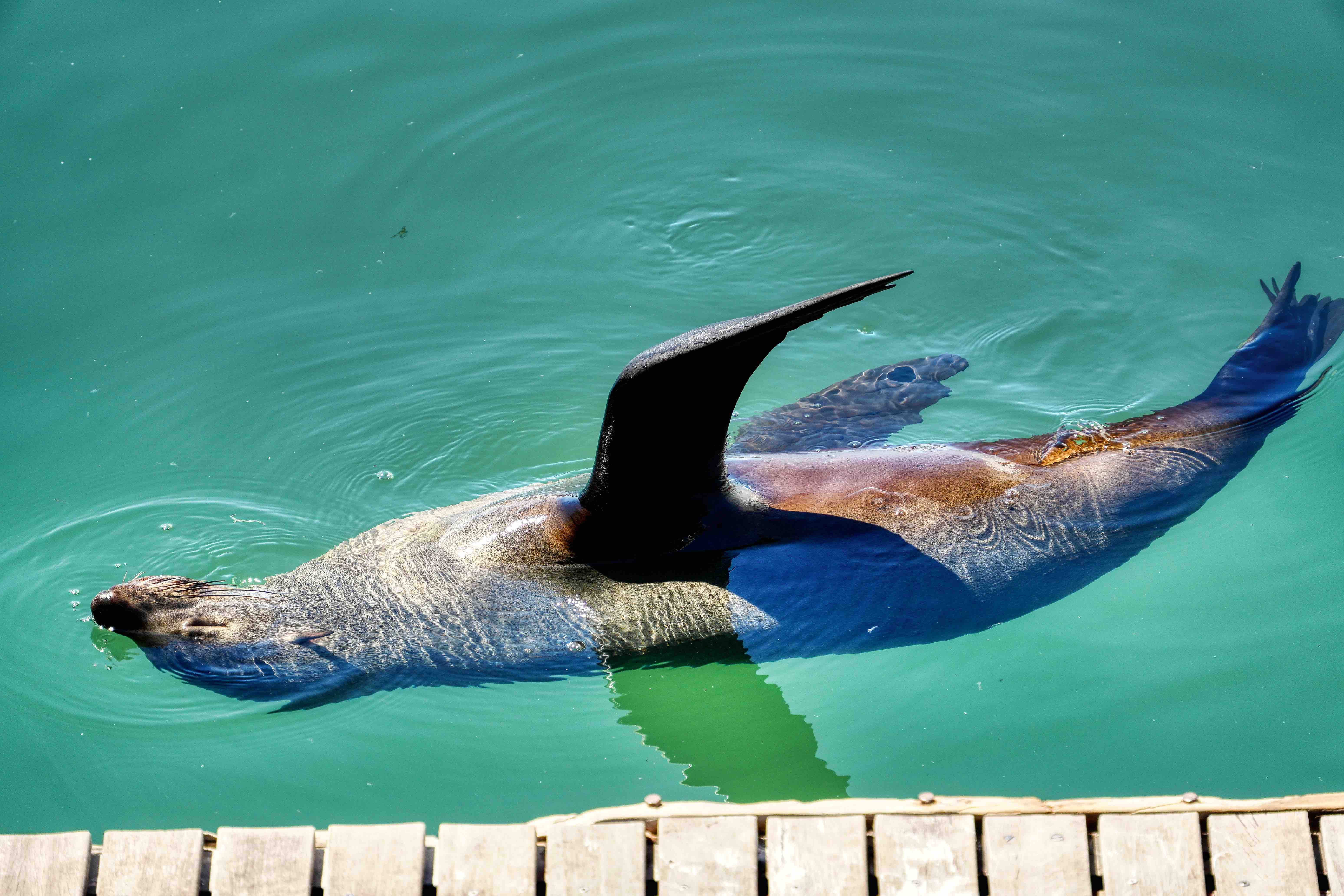
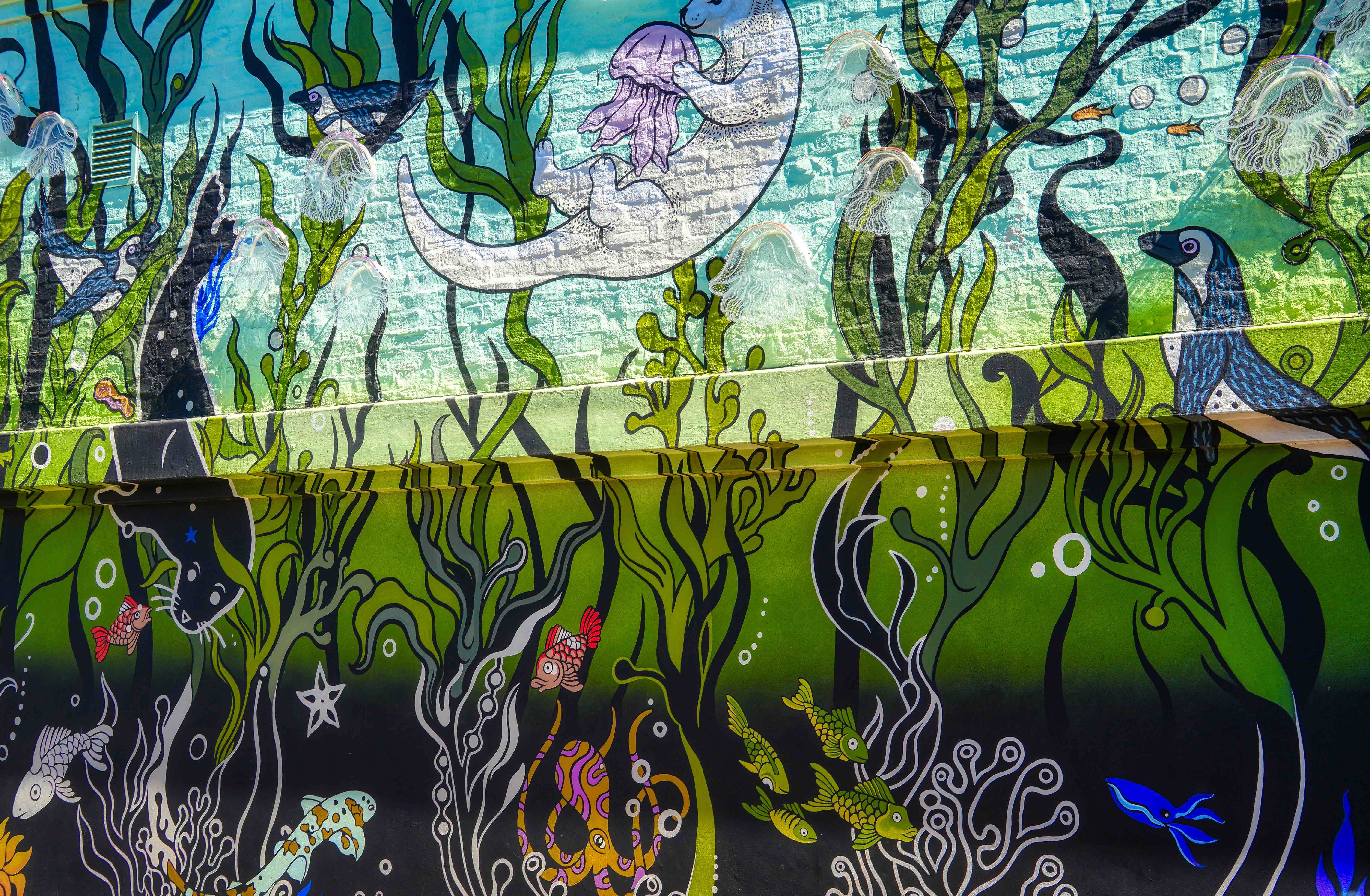
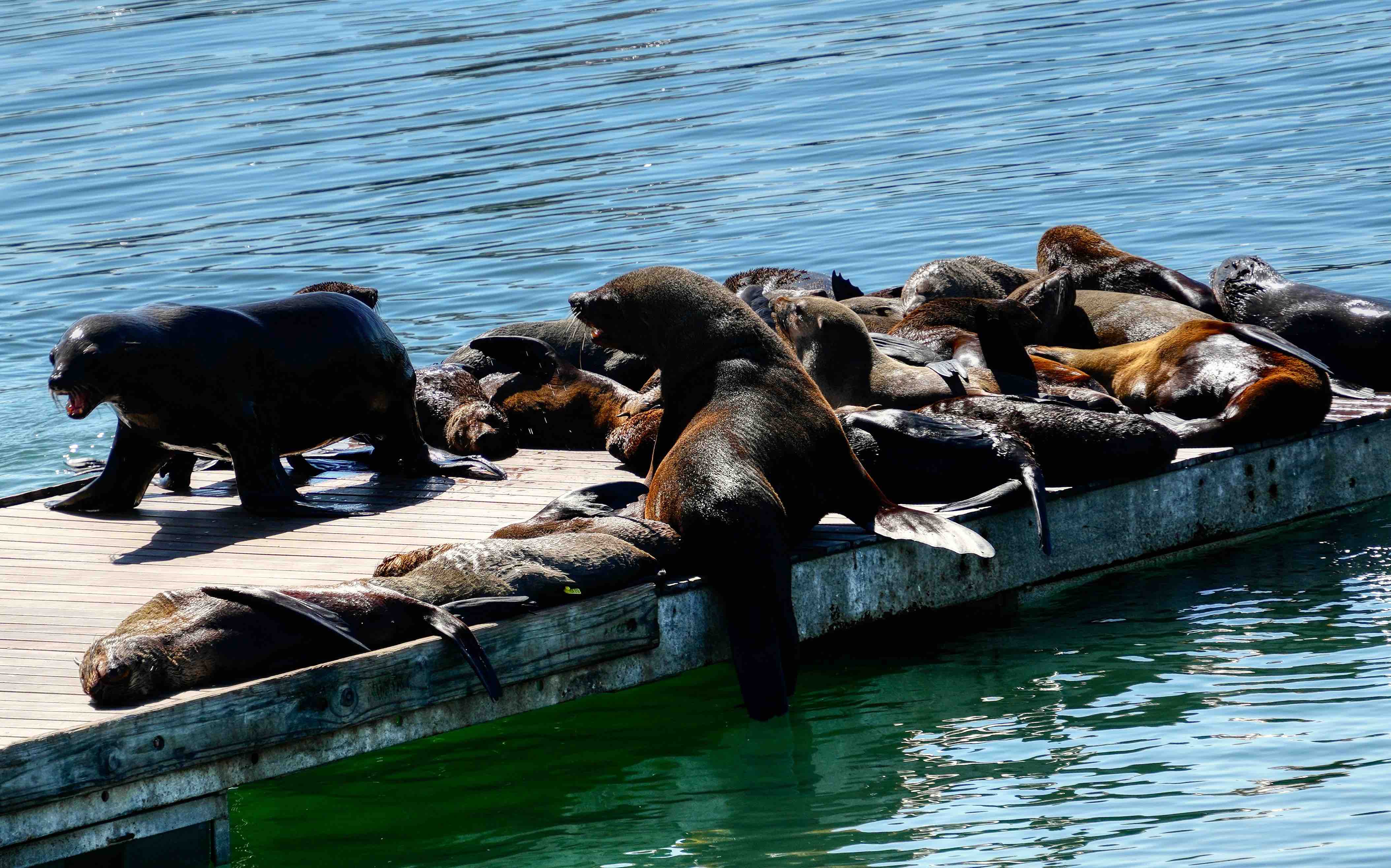
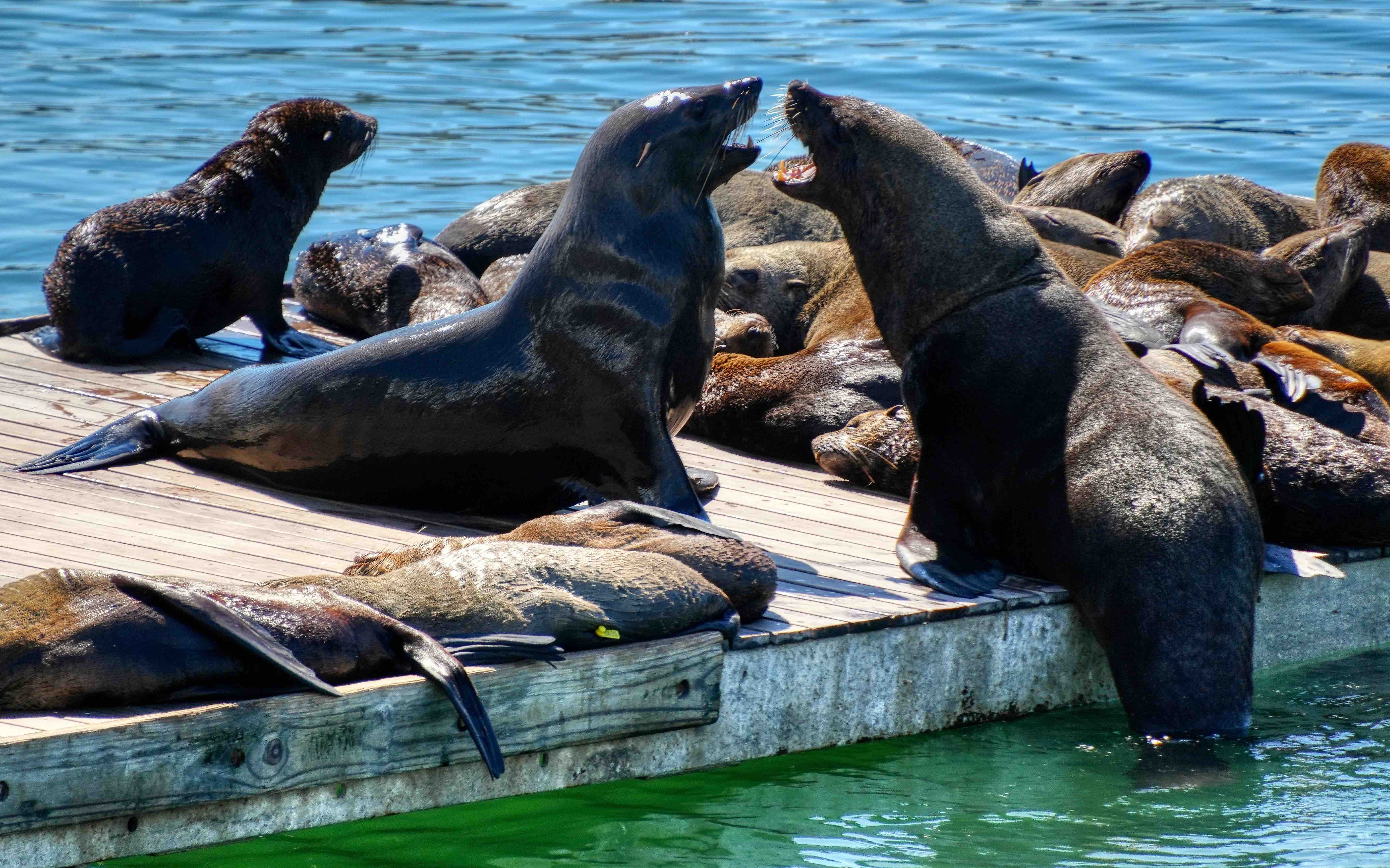
And hanging around these waters, resting, sunbathing, squabbling and swimming around are the Cape Fur Seals that roam free here. It’s estimated there are some 250 that live around the V&A Waterfront. You can often smell them before you see them as they love nothing more than a dry spot in the sunshine to laze the afternoon away.
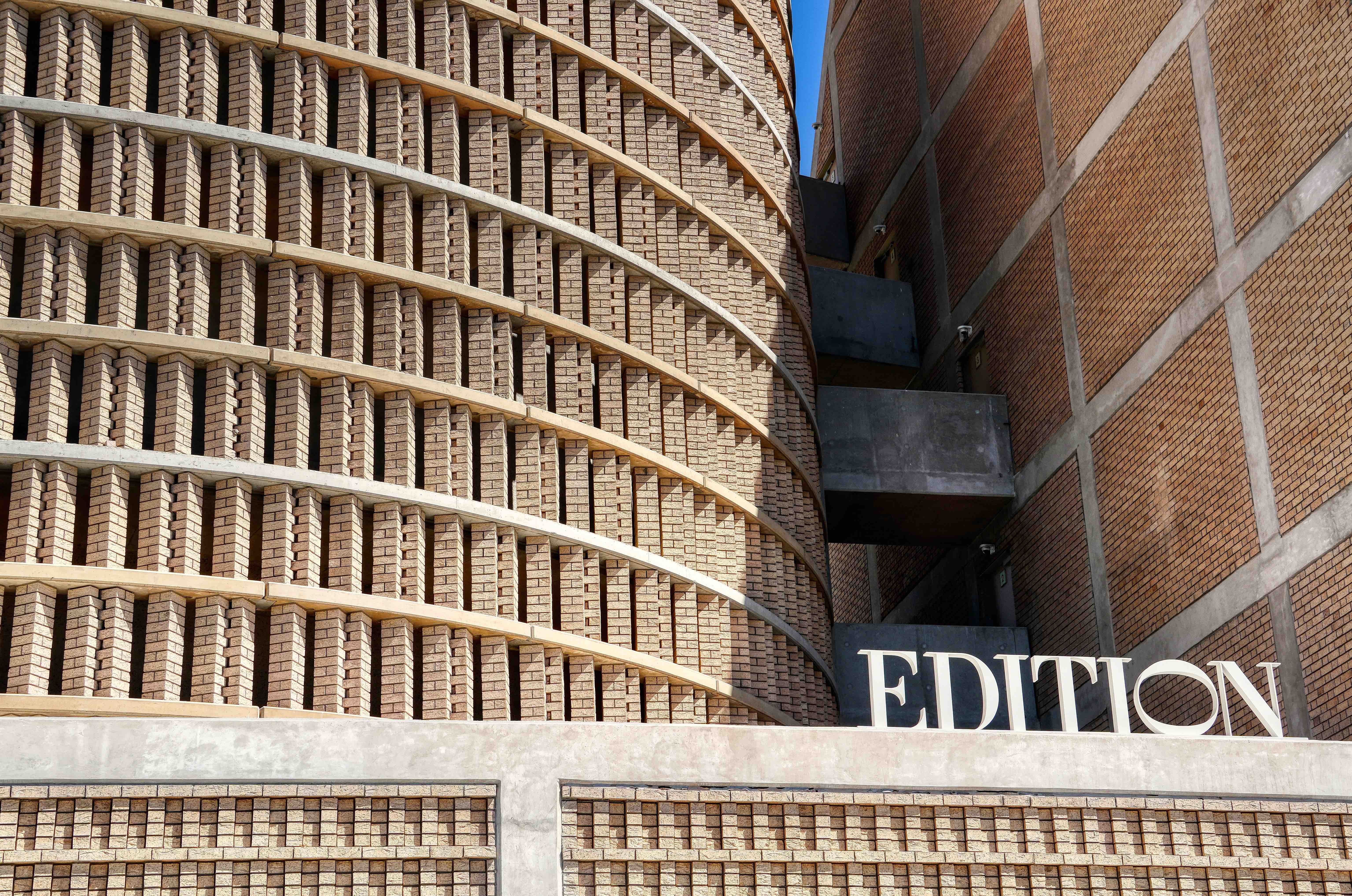
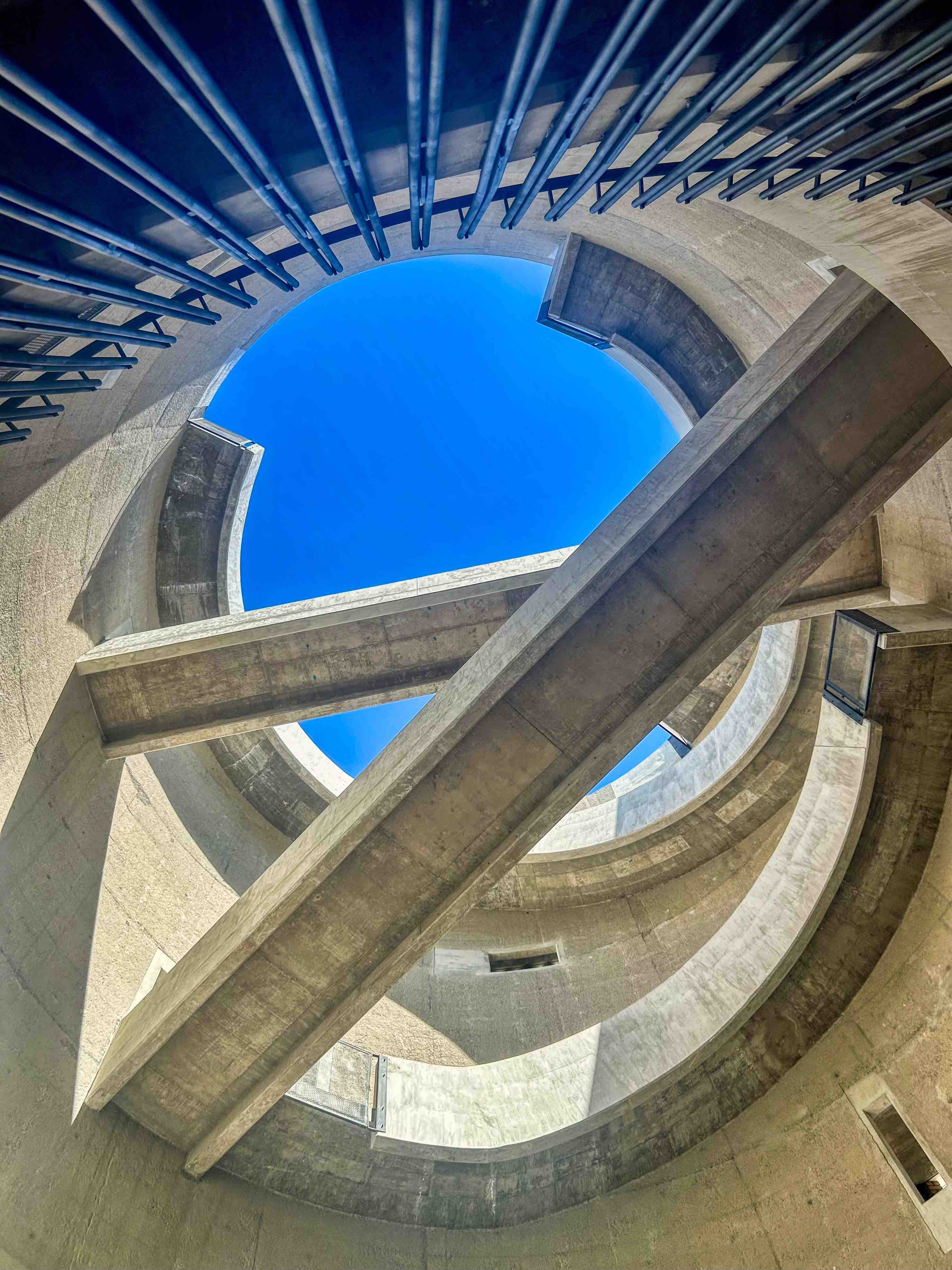
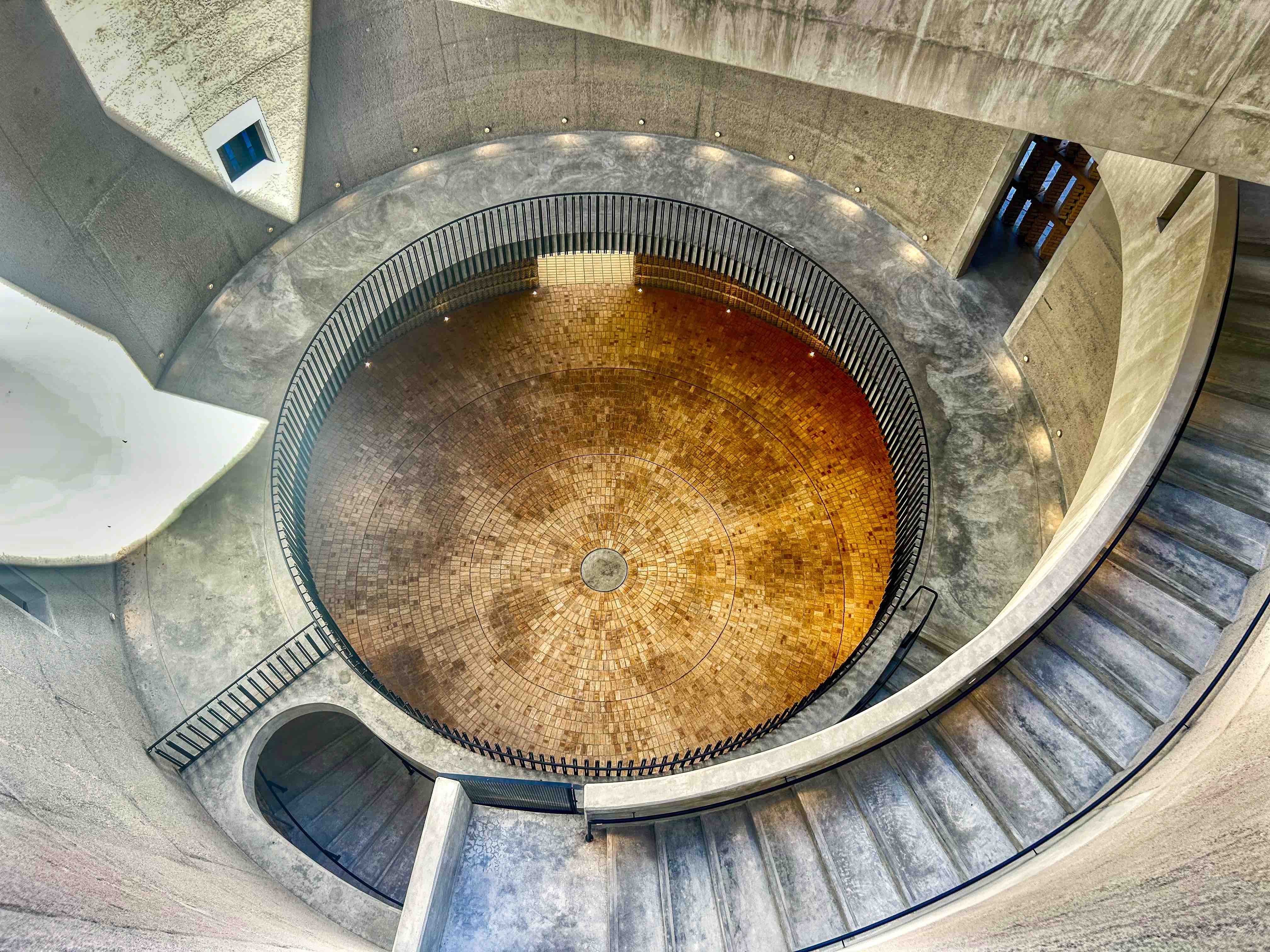
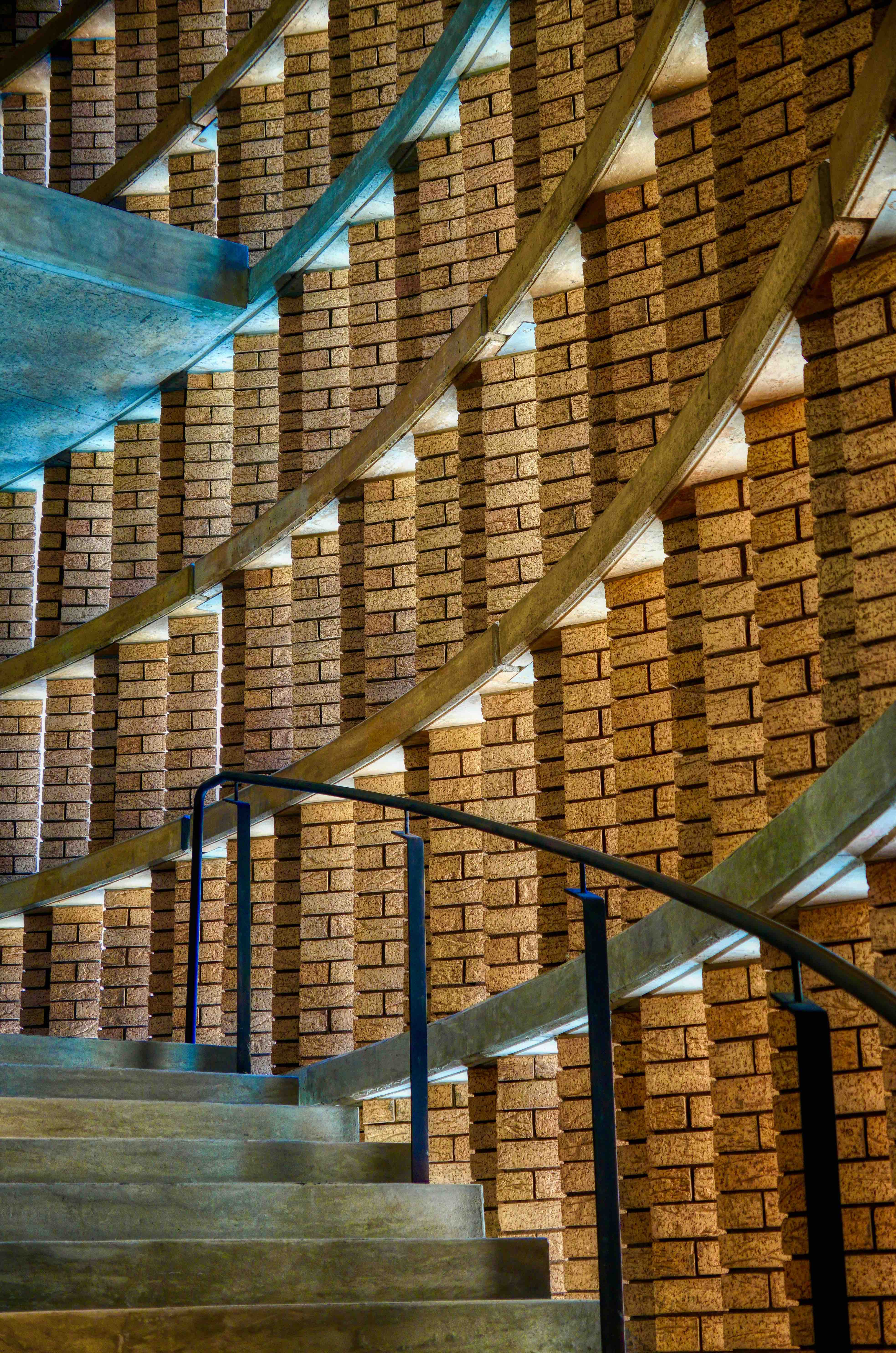
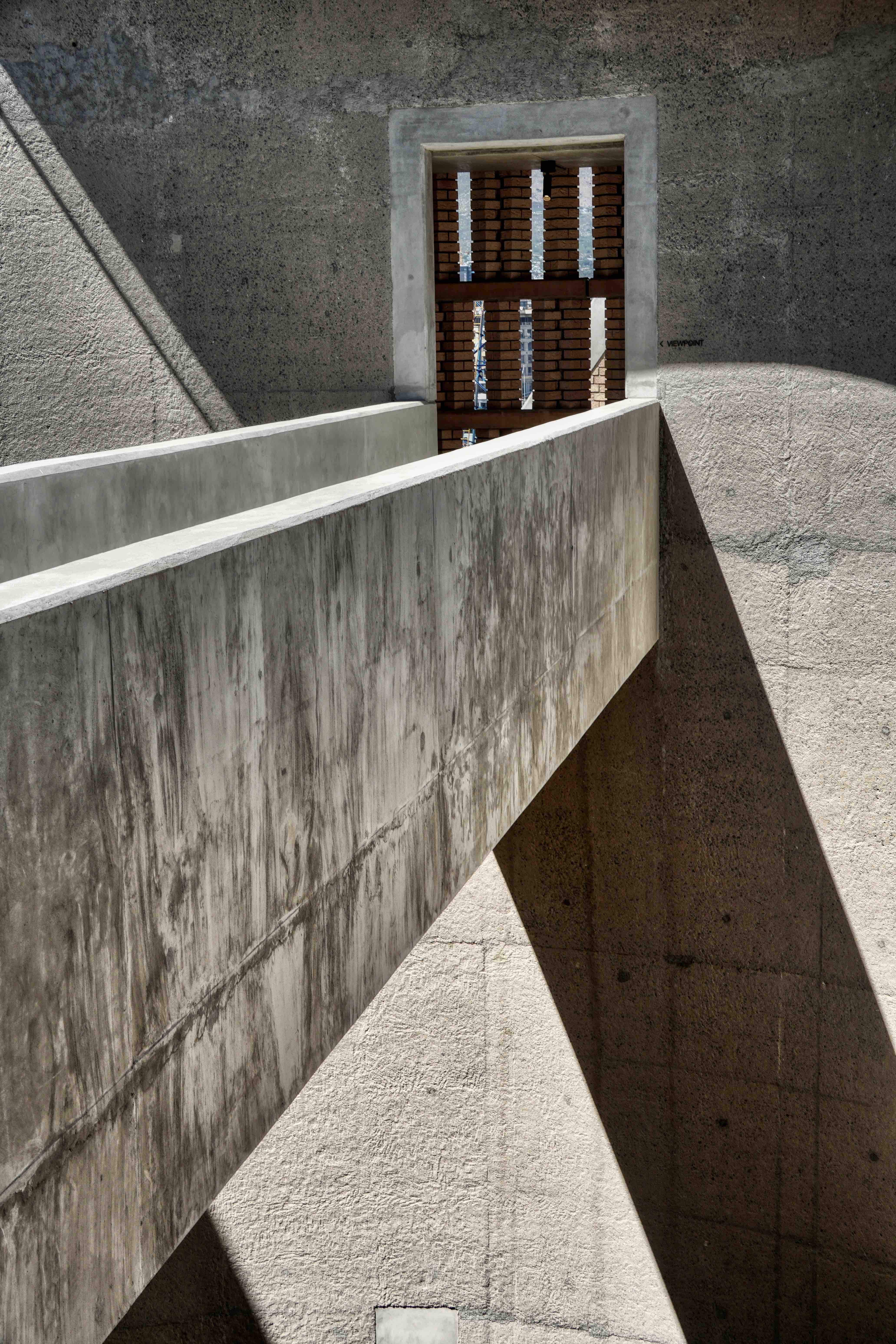
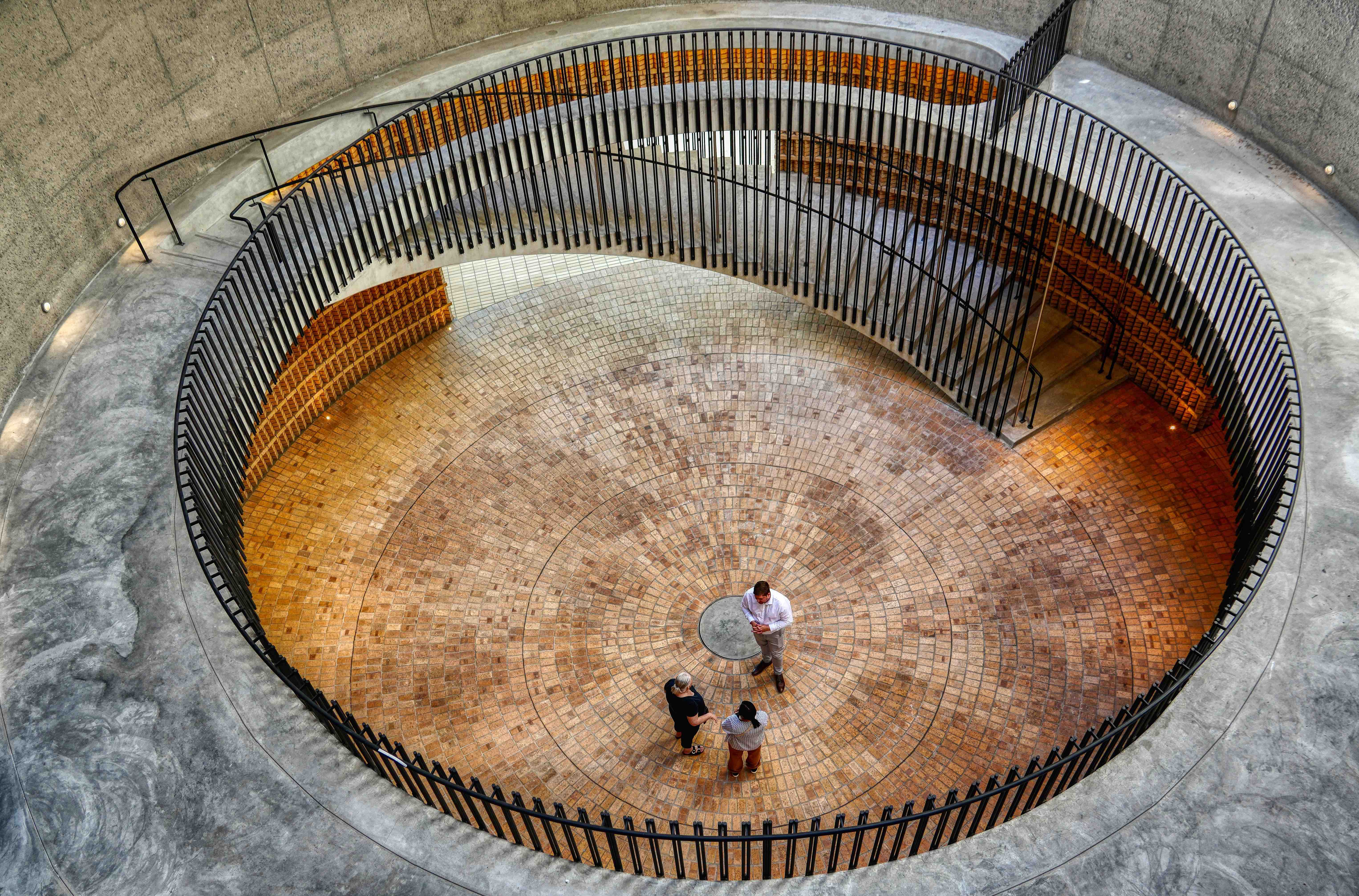
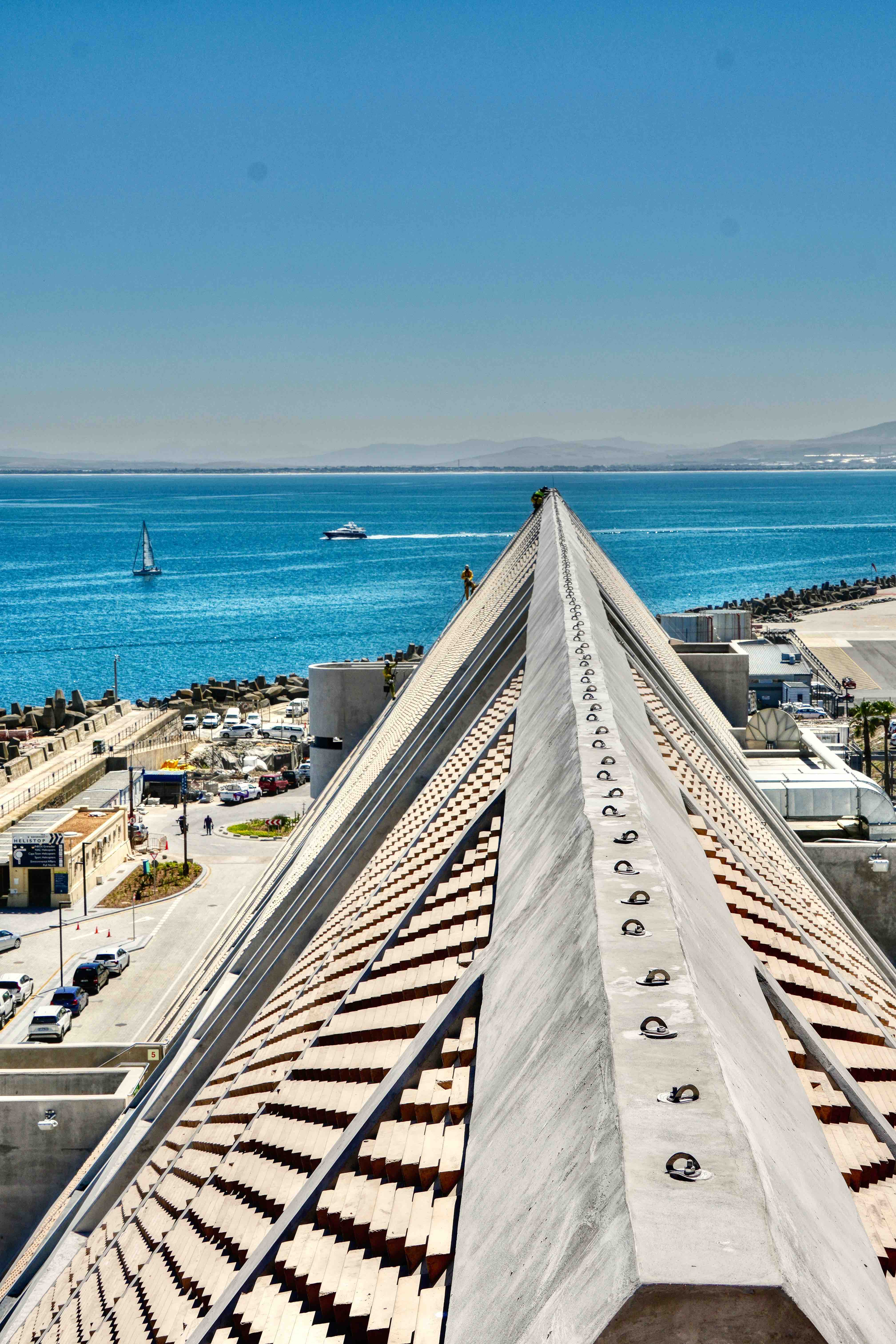
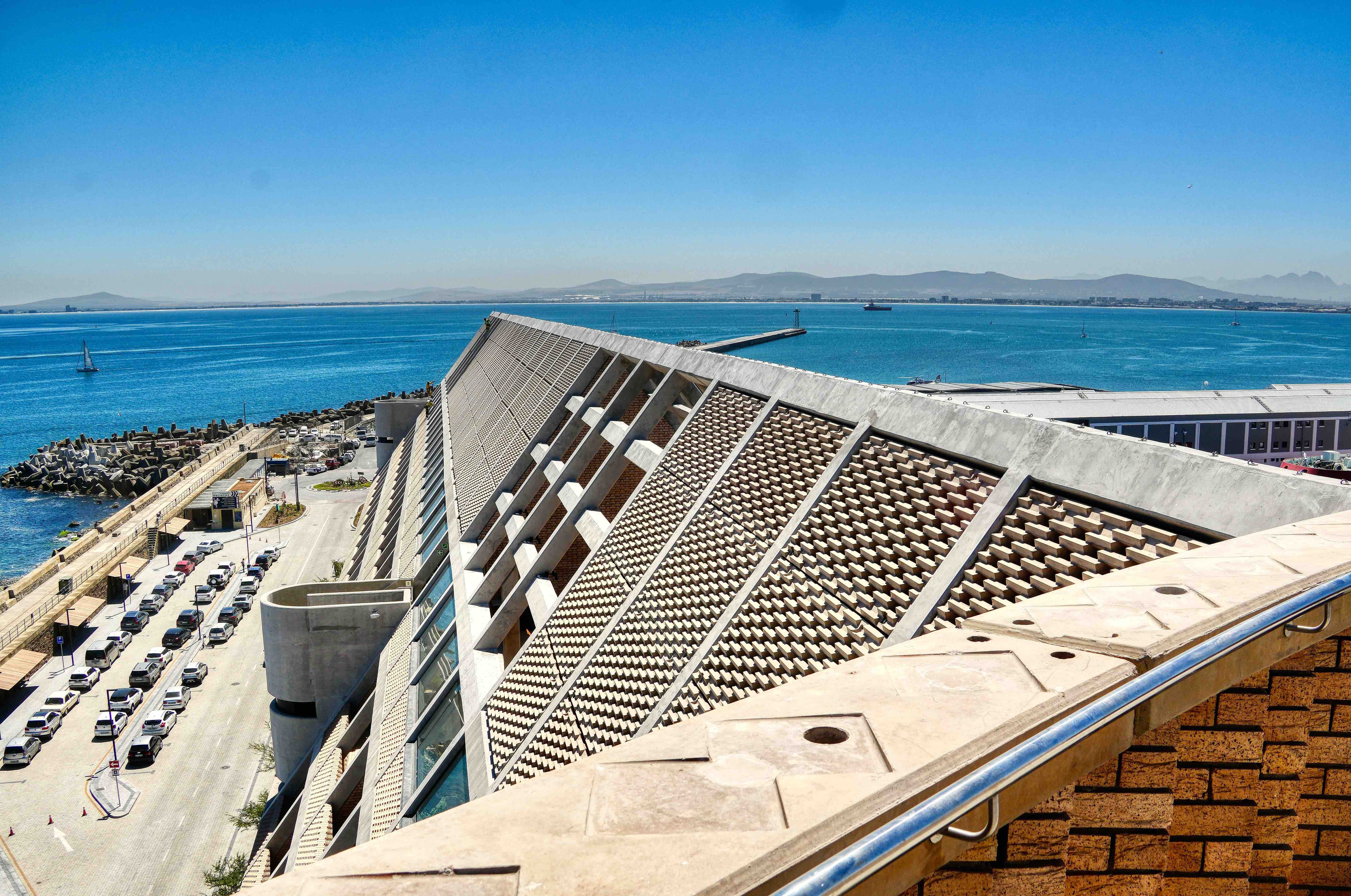
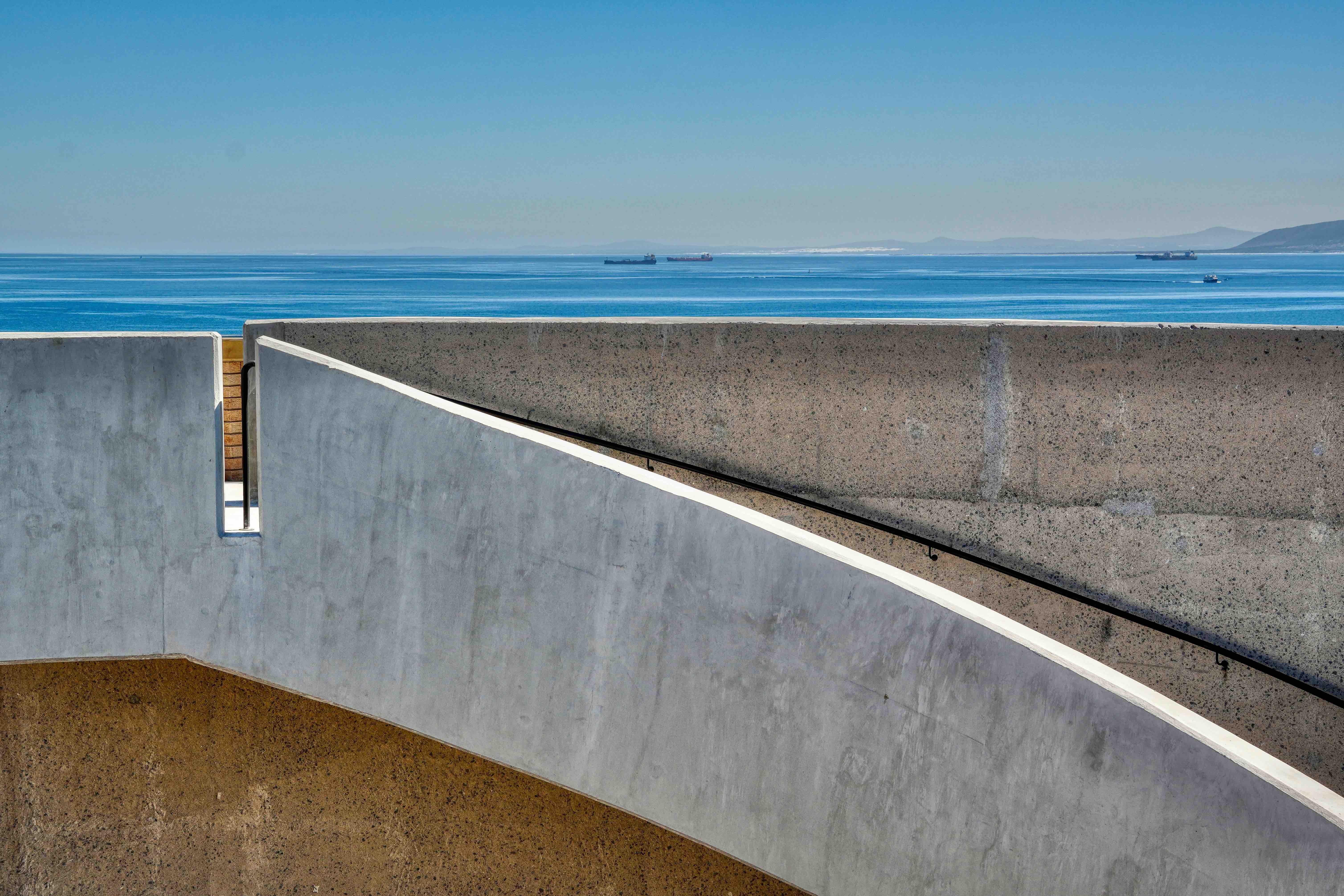
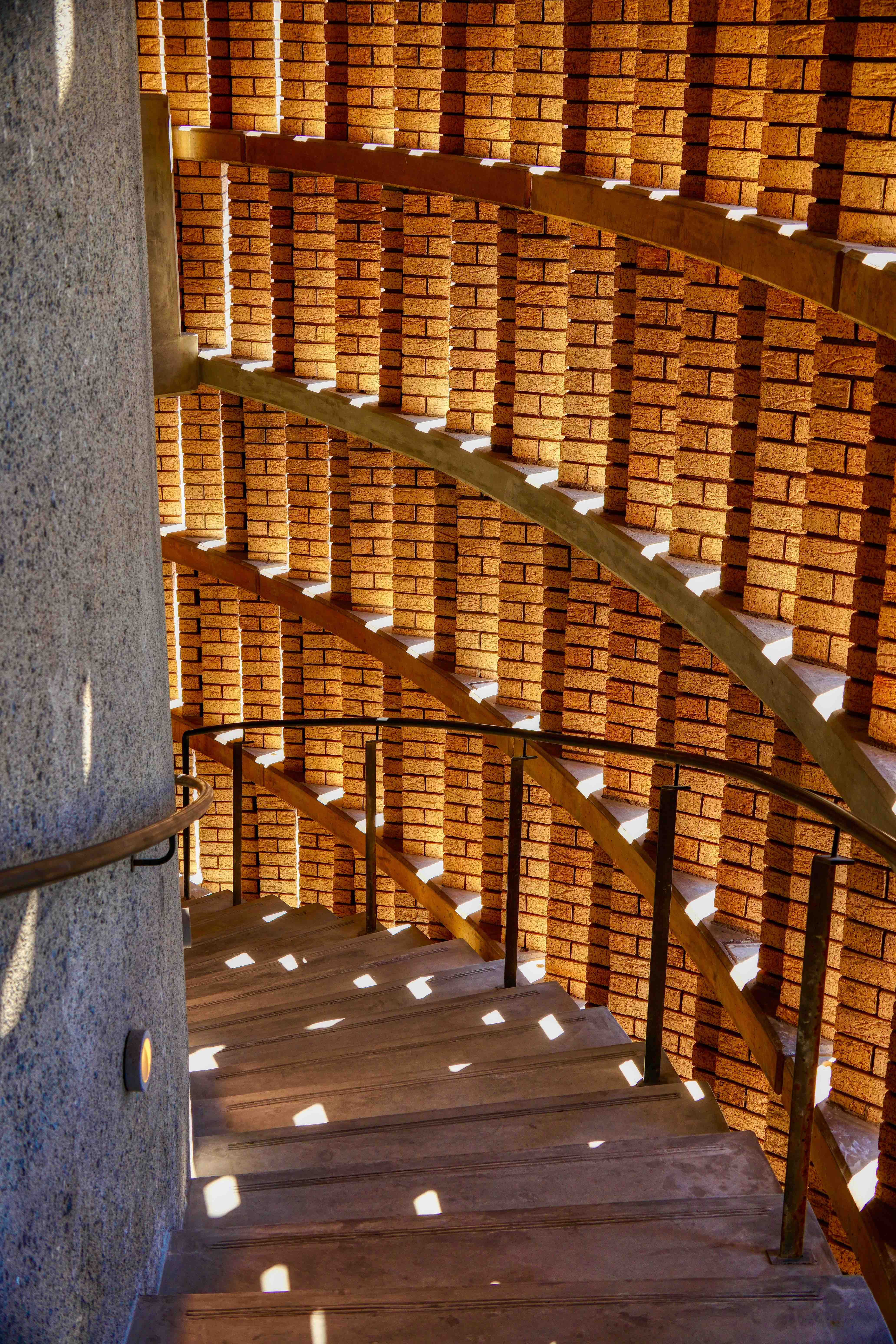
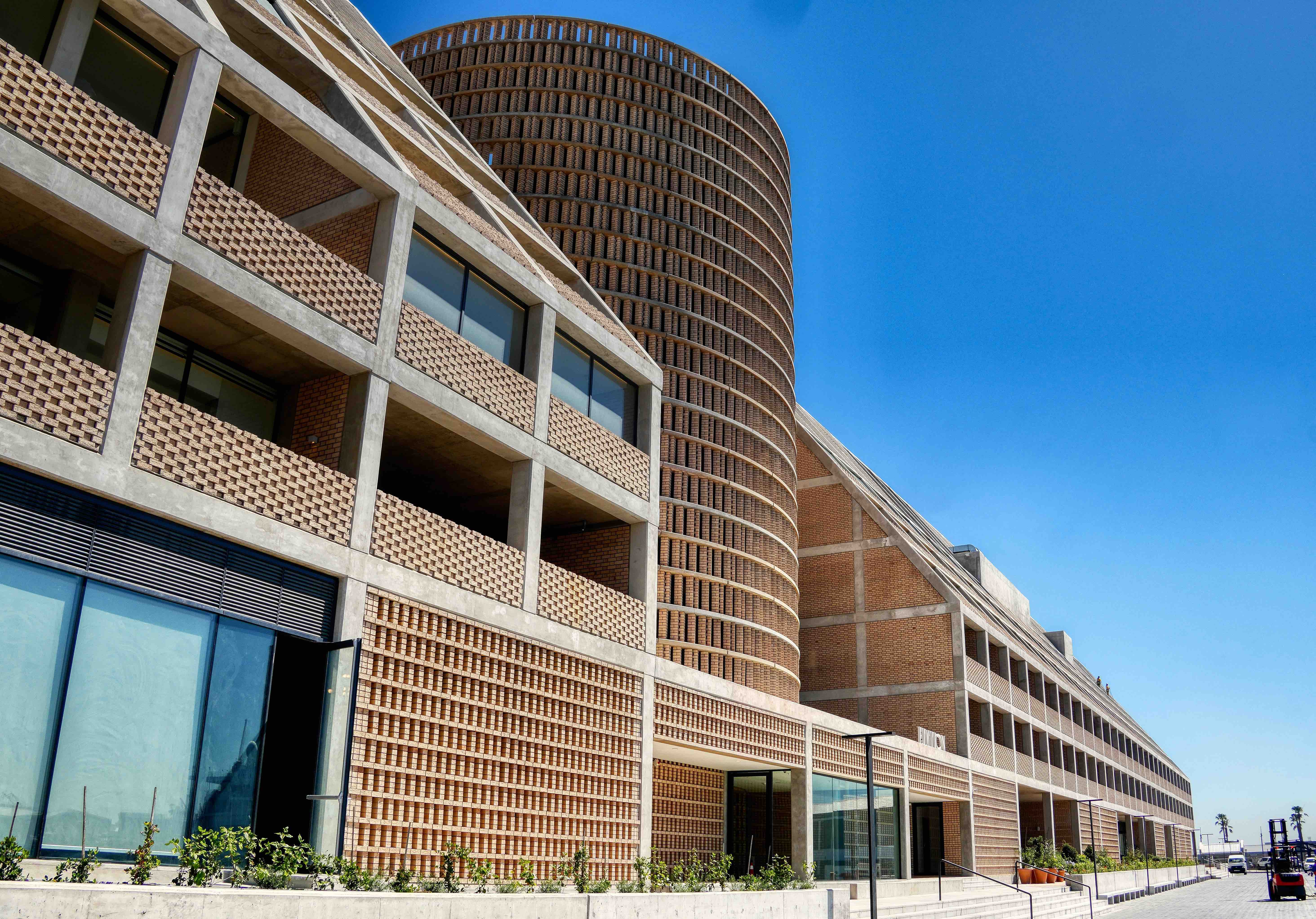
There’s a brand-new edition to the V&A Waterfront, the massively impressive Edition Luxury Boutique Hotel. Designed by Shanghai-based architecture studio Neri&Hu, it draws inspiration from the V&A’s industrial and maritime heritage. It’s a massive structure entirely made of brick – containing some 6 million bricks in fact. At its heart is the hotel’s signature sculptural feature, The Drum, an open-air cylindrical brick tower. The hotel opened in August 2026, so I don’t think many people are aware of it as yet, for I was able to walk in to the impressive foyer and encouraged to walk the circular staircase to the open-air roof, providing spectacular 360-degree views over Cape Town – probably one of the best all-encompassing views in this city. I was on my own. Amazing!
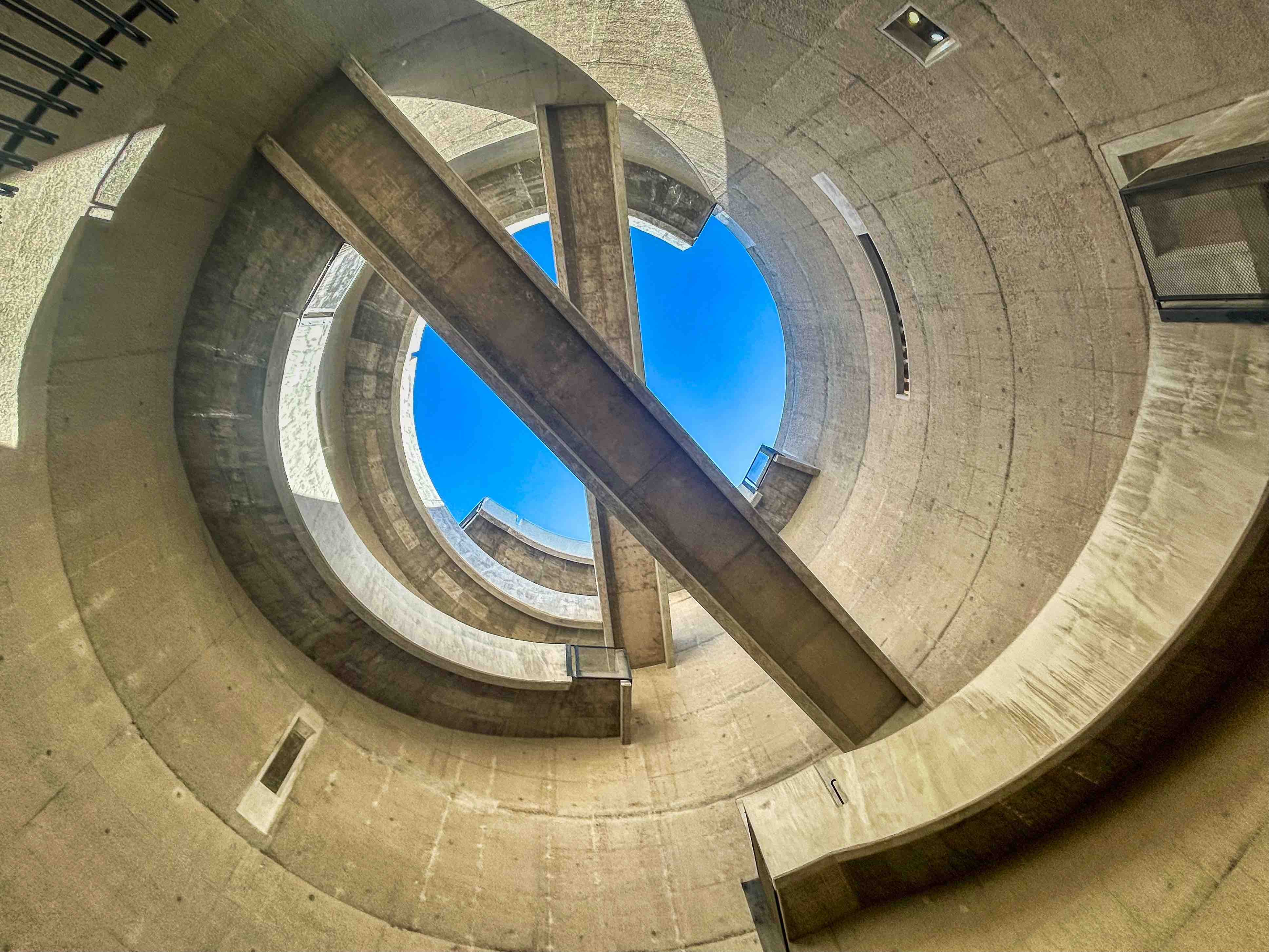
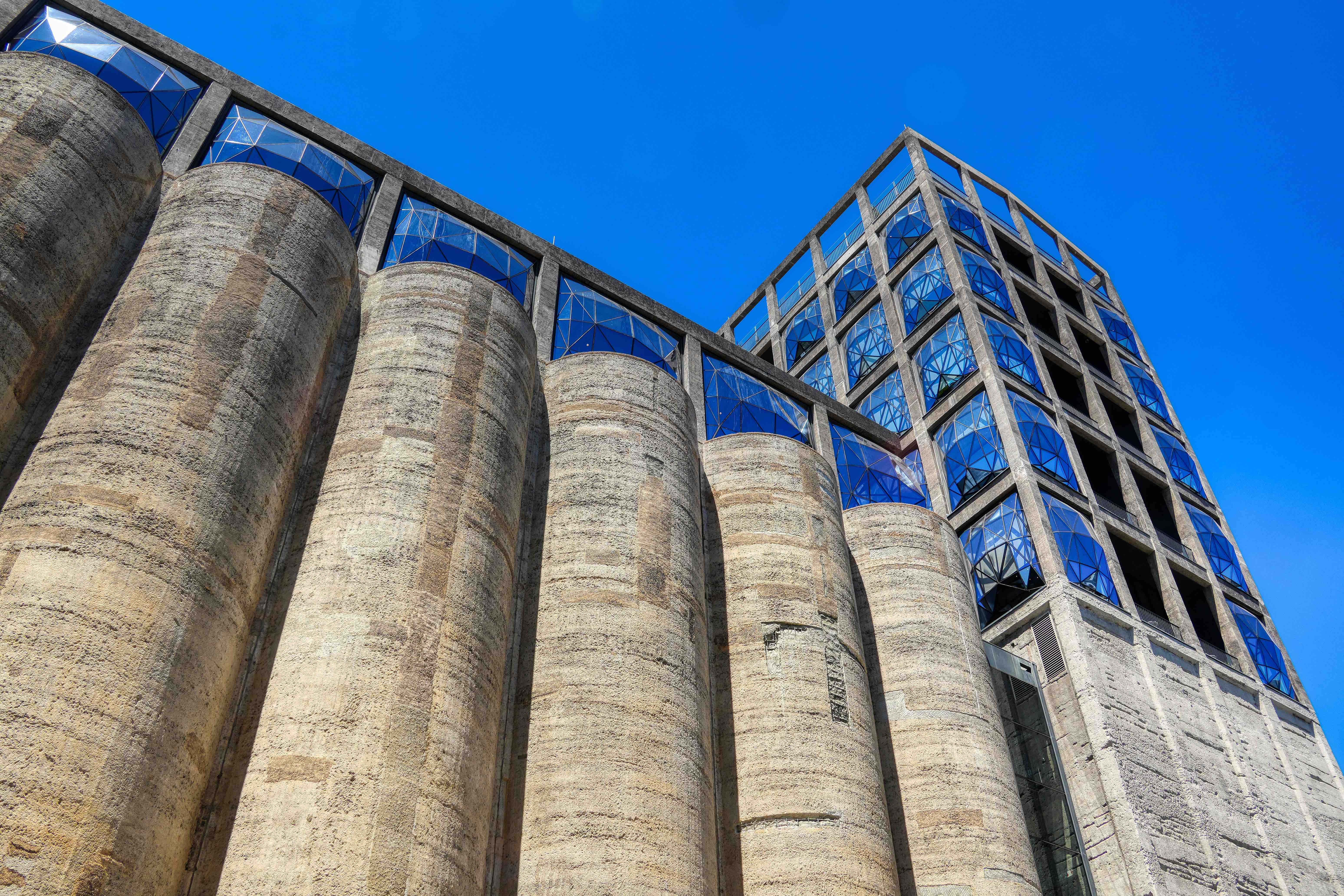
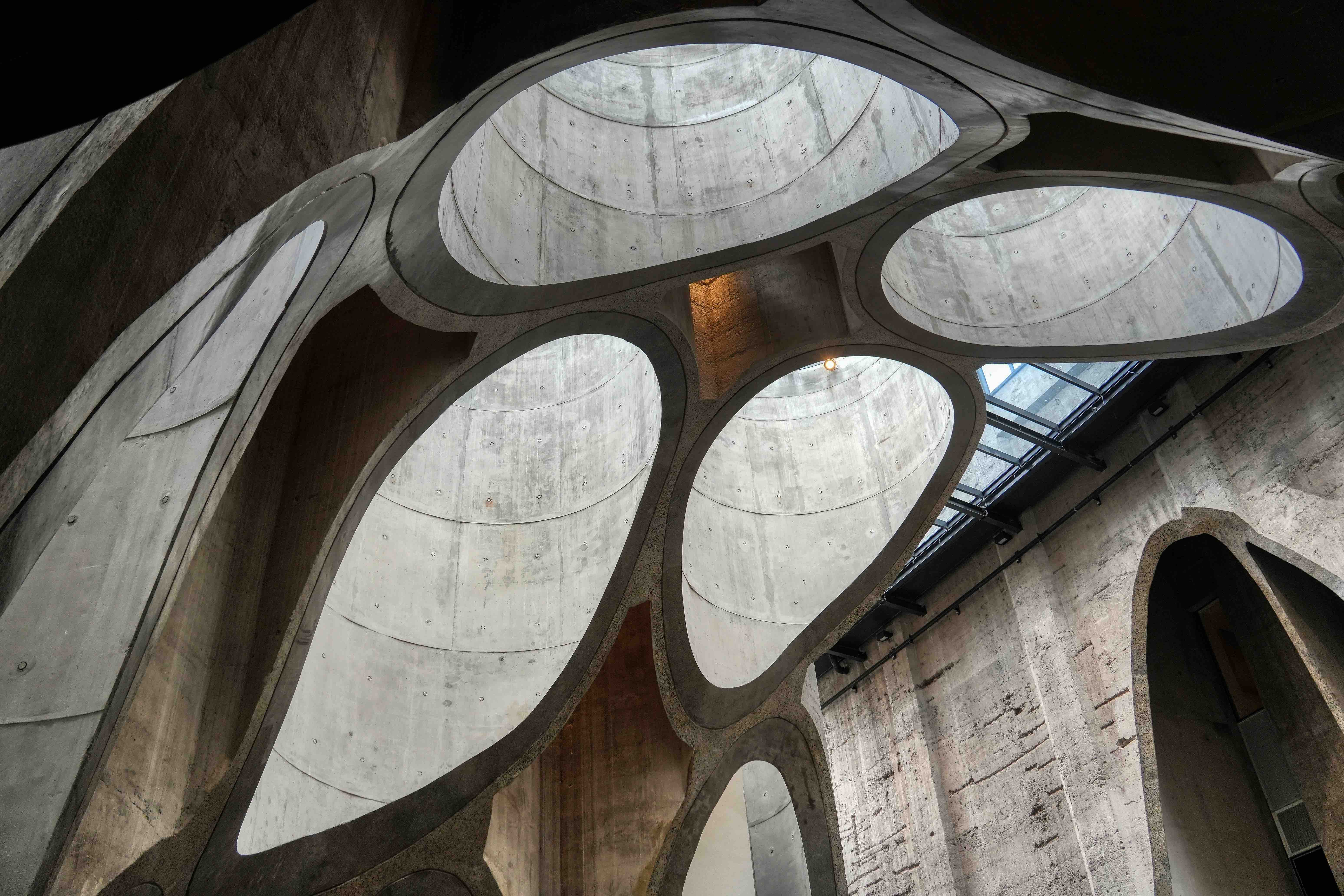
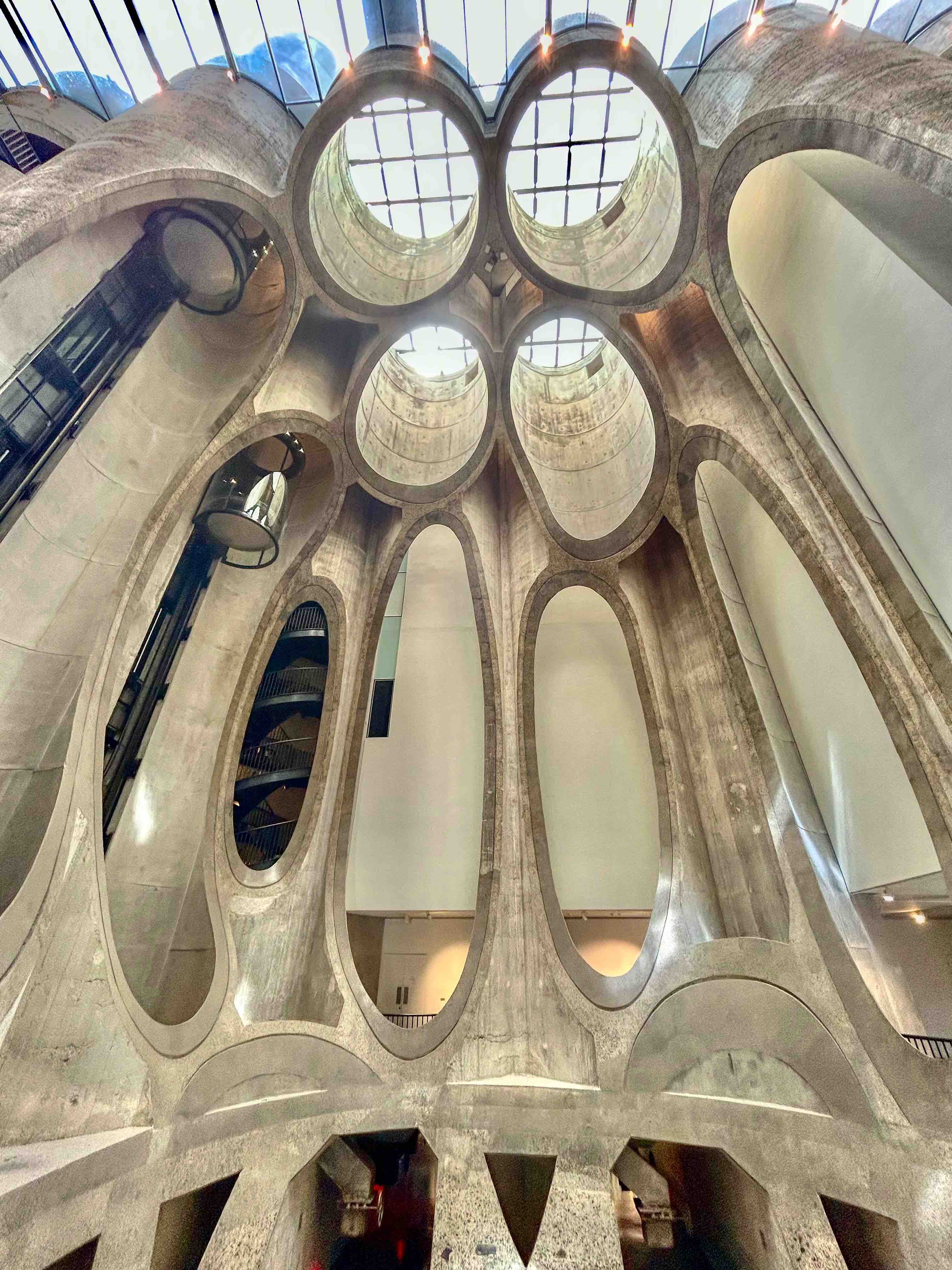
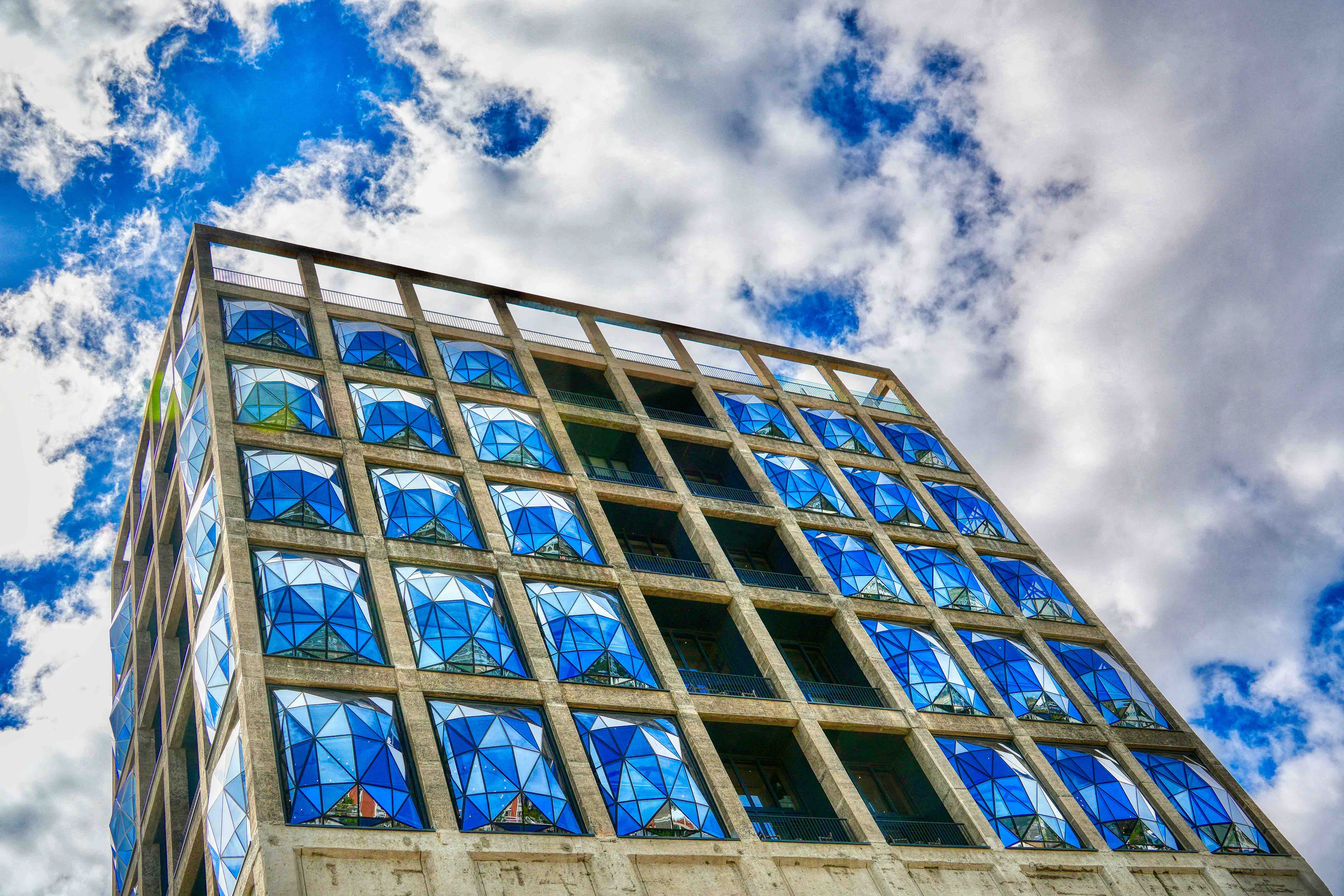
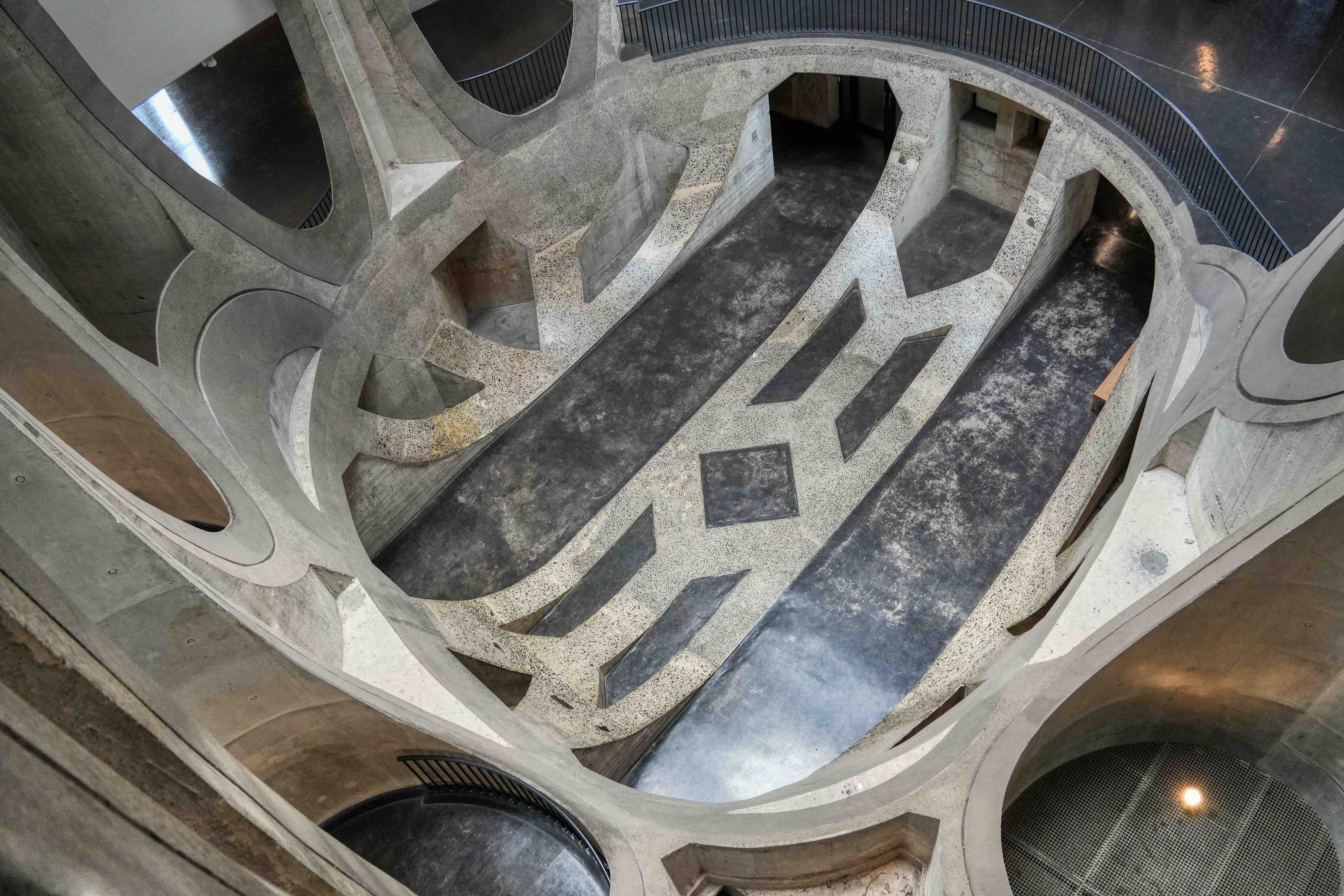
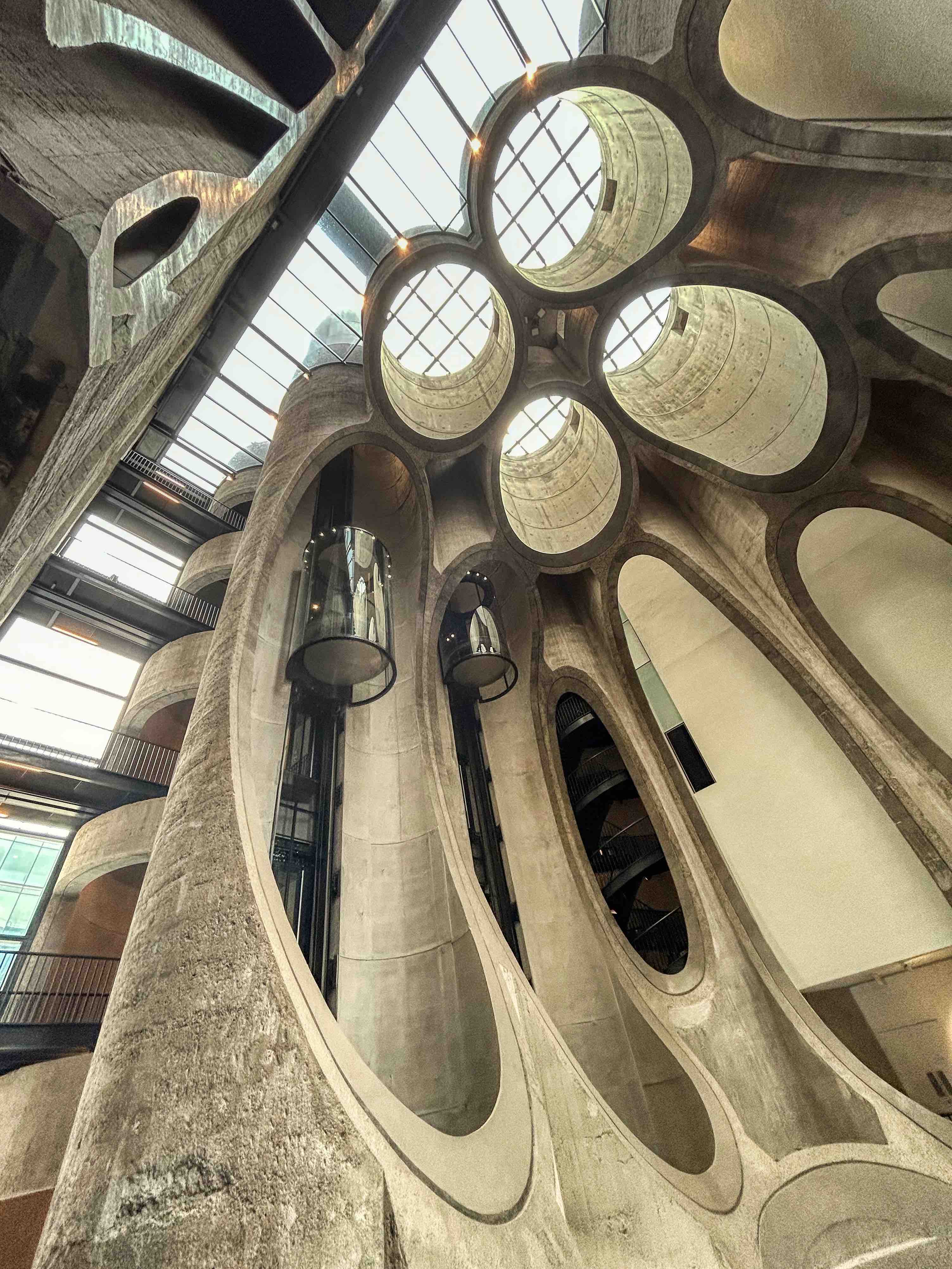
There’s another impressive architectural wonder at the V&A, the Zeitz MOCAA (Museum of Contemporary Art Africa). The museum is housed in the rejuvenated 57-metre-tall grain silo that began life in 1924 and was, at the time, the tallest building in Cape Town. In 2017, the Zeitz MOCAA opened as a dual-purpose site – the museum across the lower/gallery levels and The Silo Hotel on the upper floors.
Heatherwick Studios from London carved out an organic 27-metre central cathedral-like atrium directly out of 42 tightly packed vertical concrete tubes. Heatherwick designed the space using a scaled-up form of a single grain of corn, creating curved swirling forms, arches and sweeping organic shapes. https://heatherwick.com/project/zeitz-mocaa/