Perhaps it was the incredibly loud midday cannon, fired over Lion Battery at Signal Hill that first shook us into the realisation that we were indeed in Cape Town. It’s the oldest continuously used active gun time signal in the world, operating since 1806. And boy, was it loud. So loud, it resonated through the ground and up through our feet.
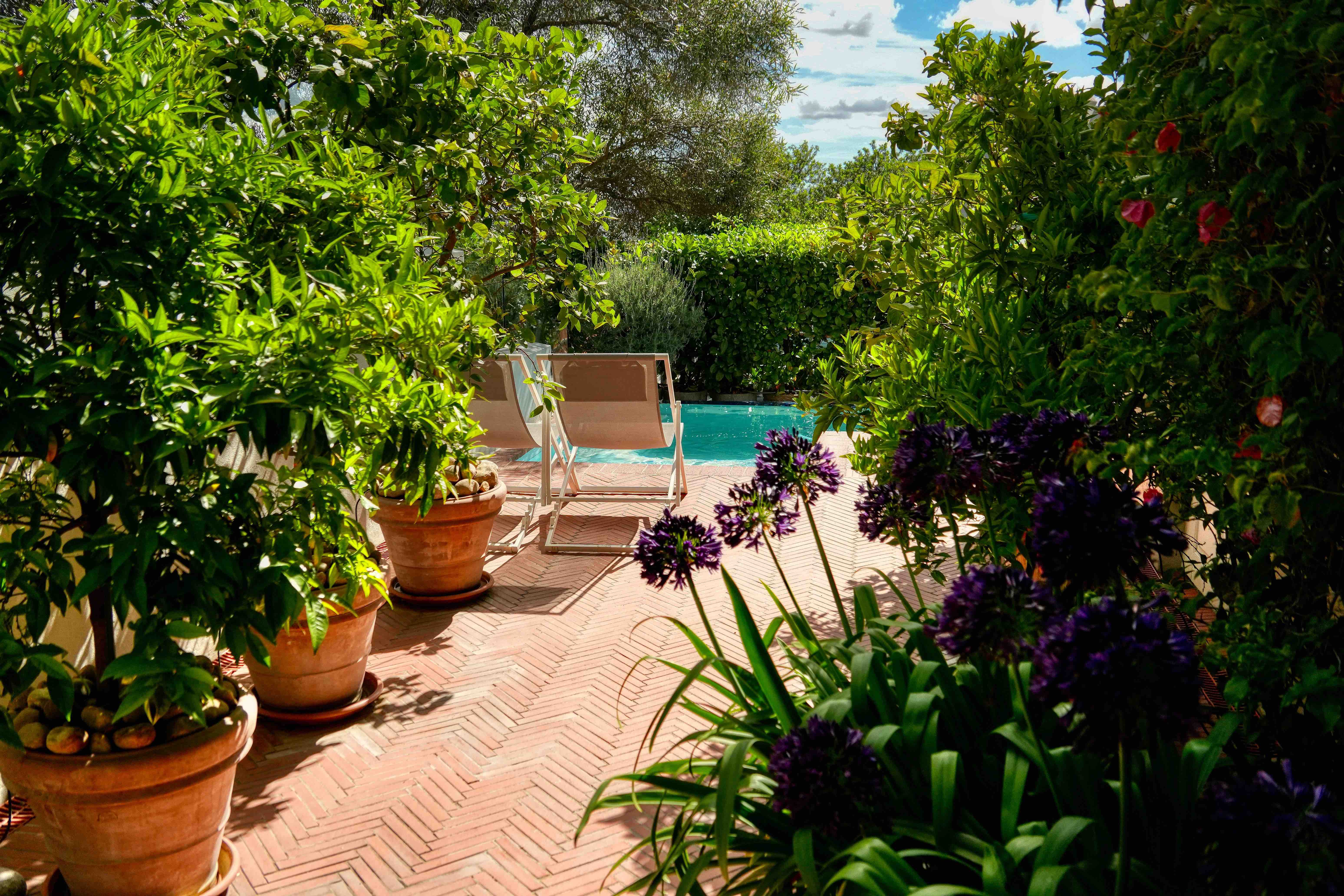
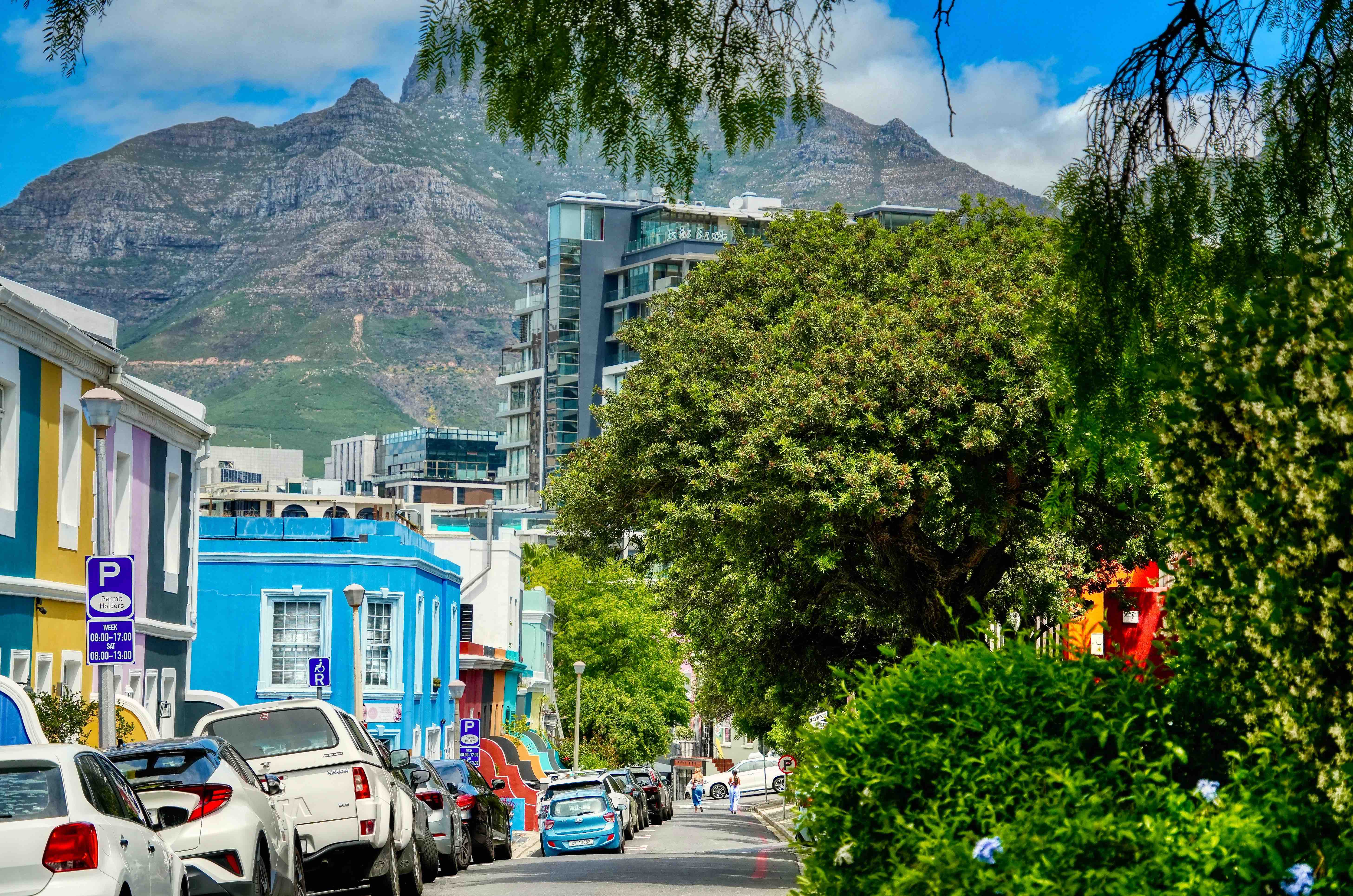
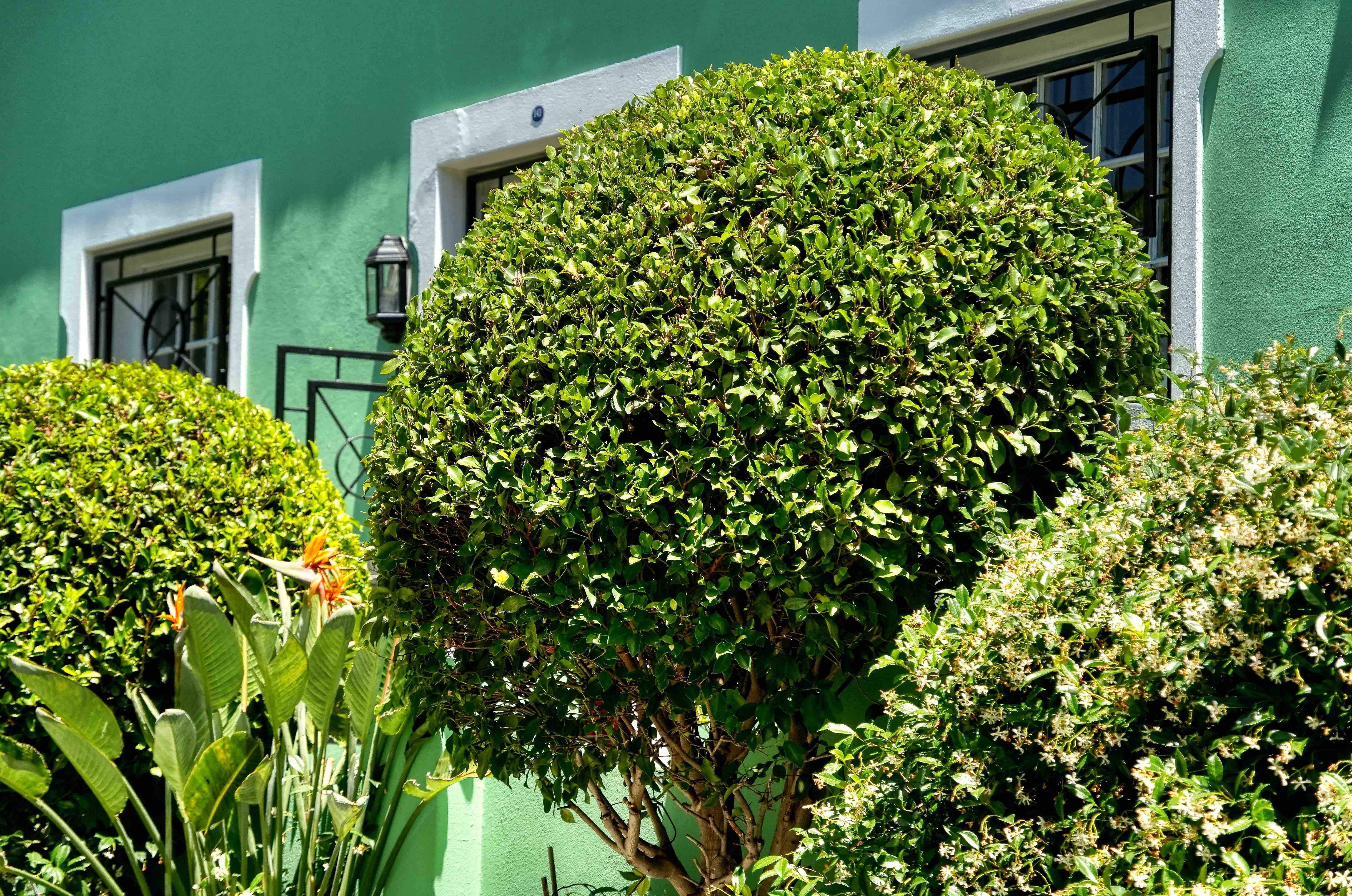
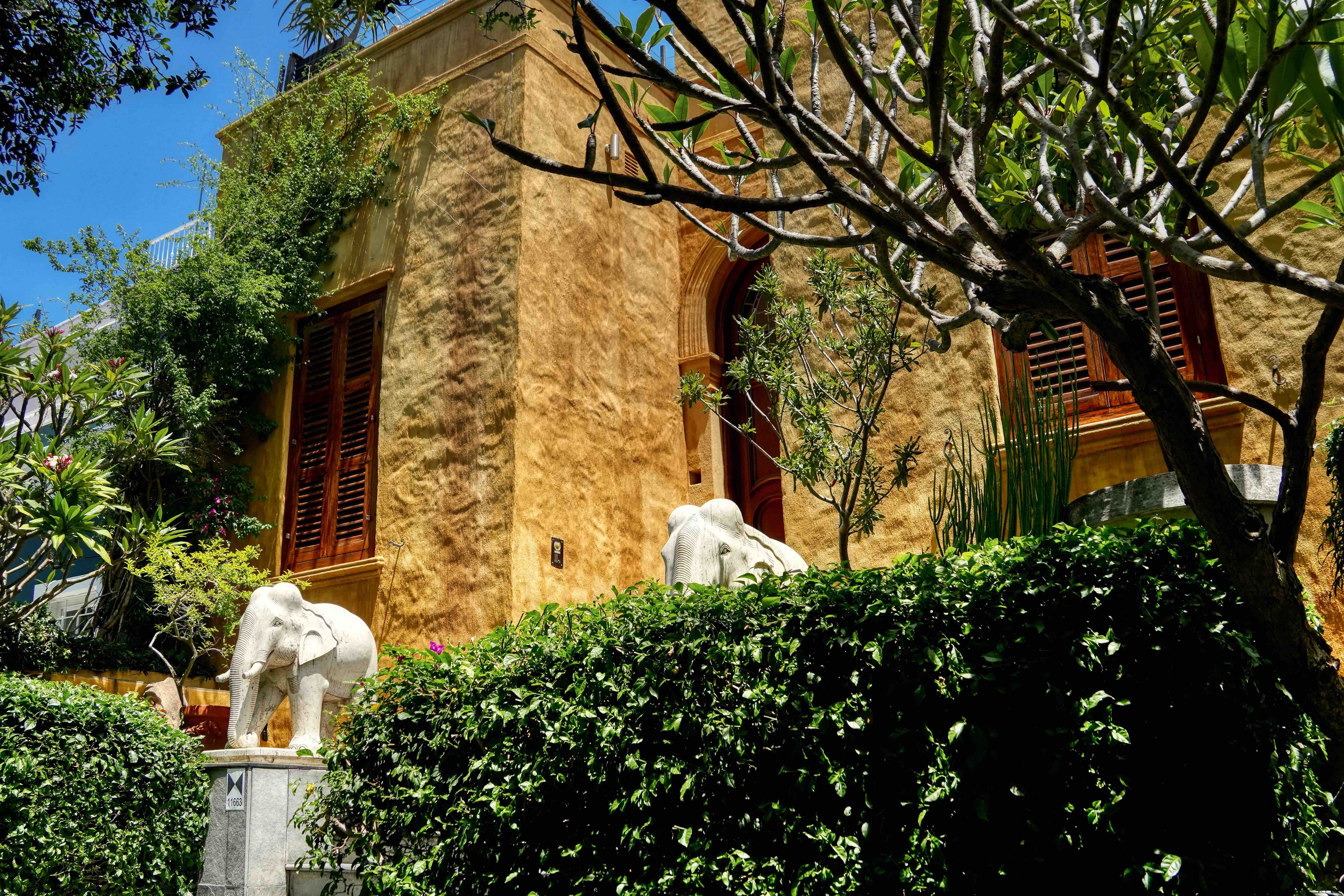
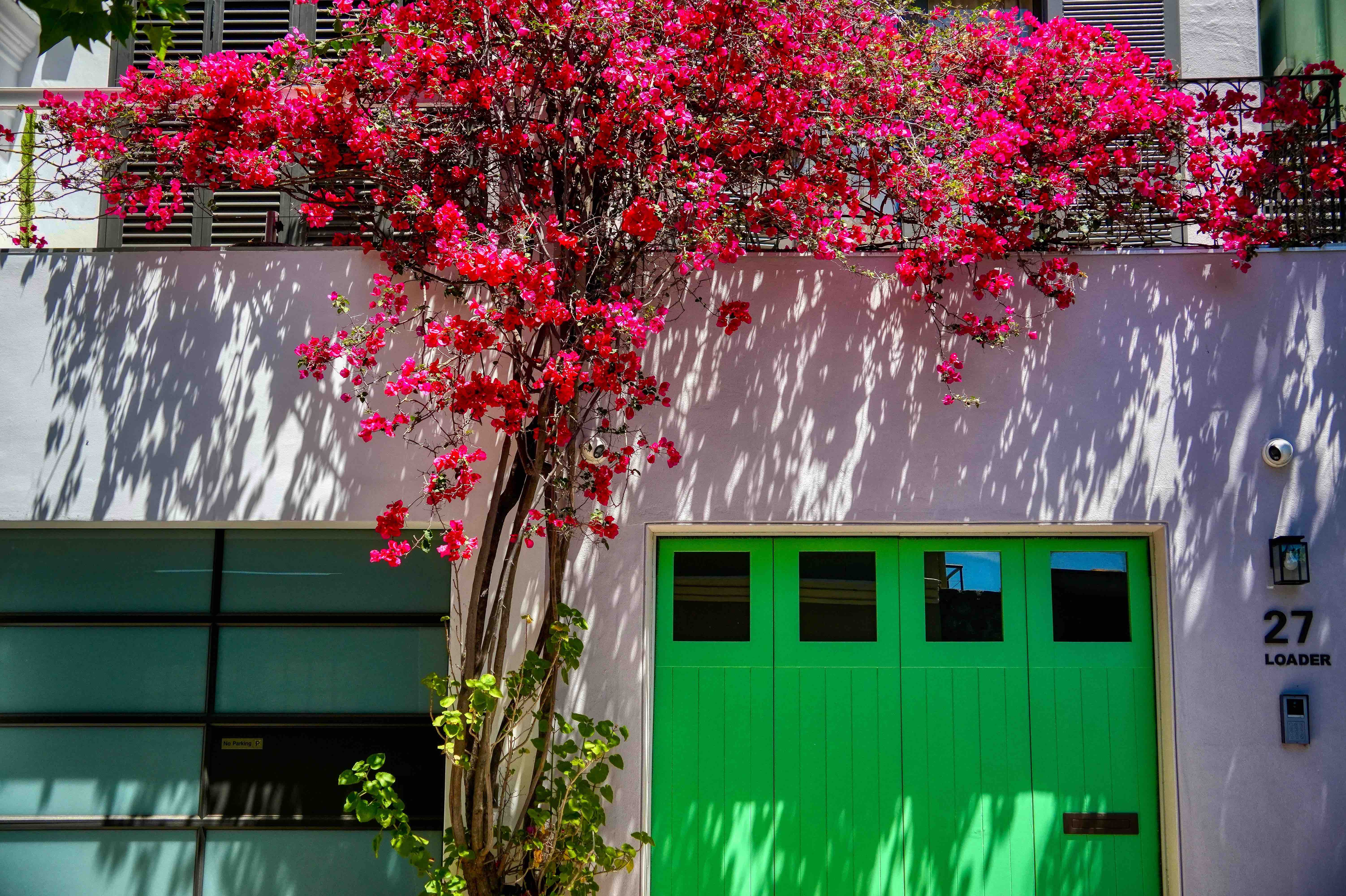
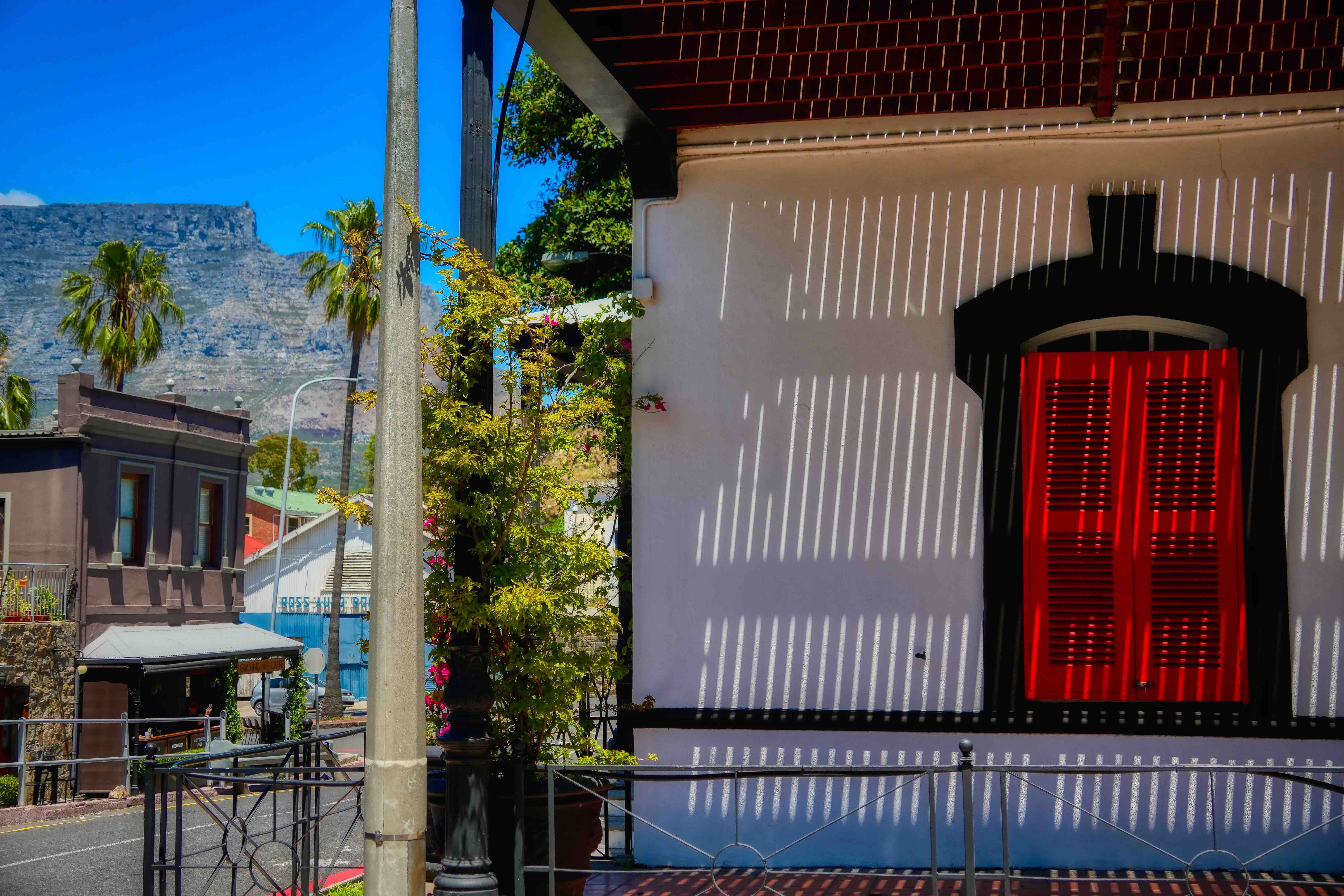
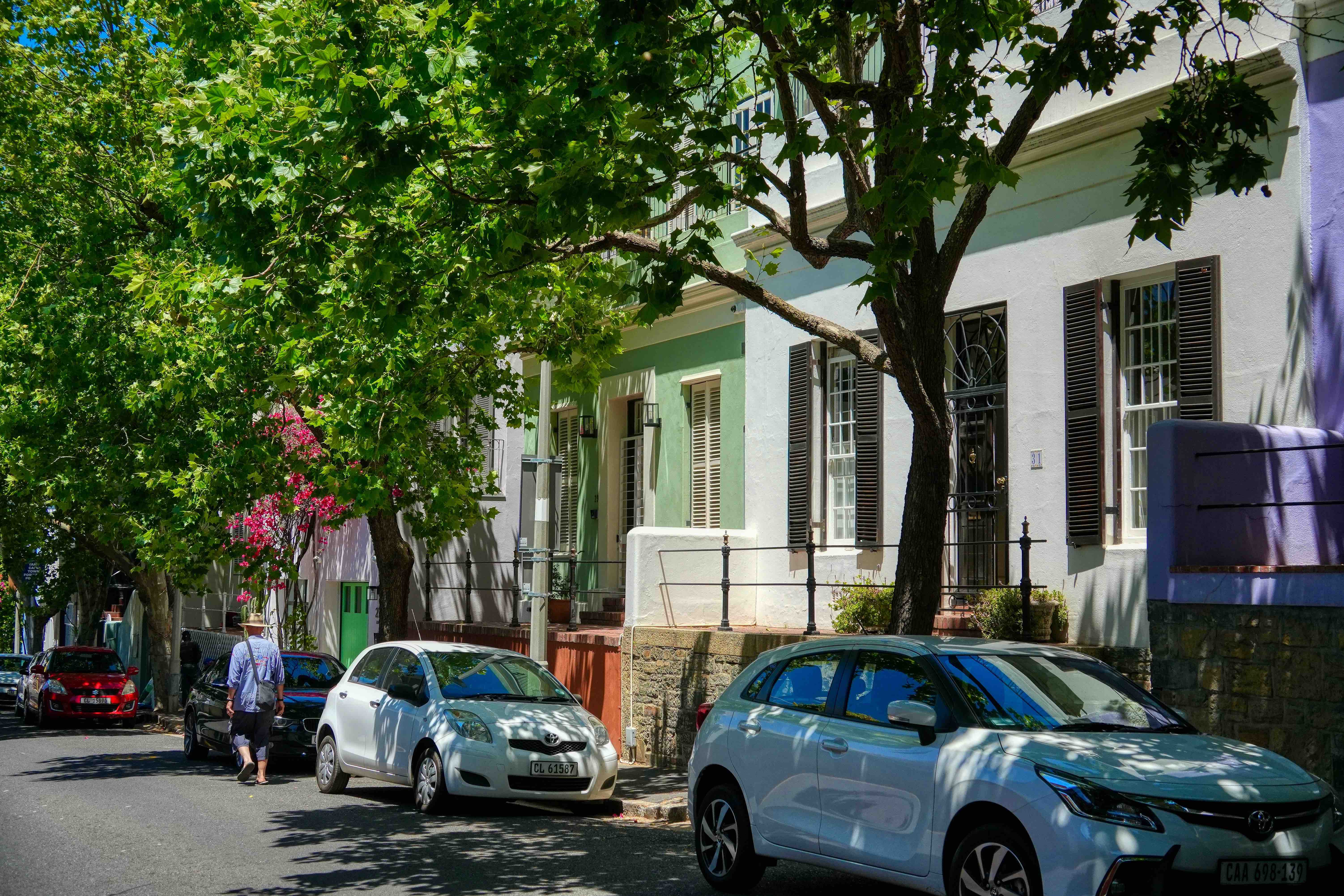
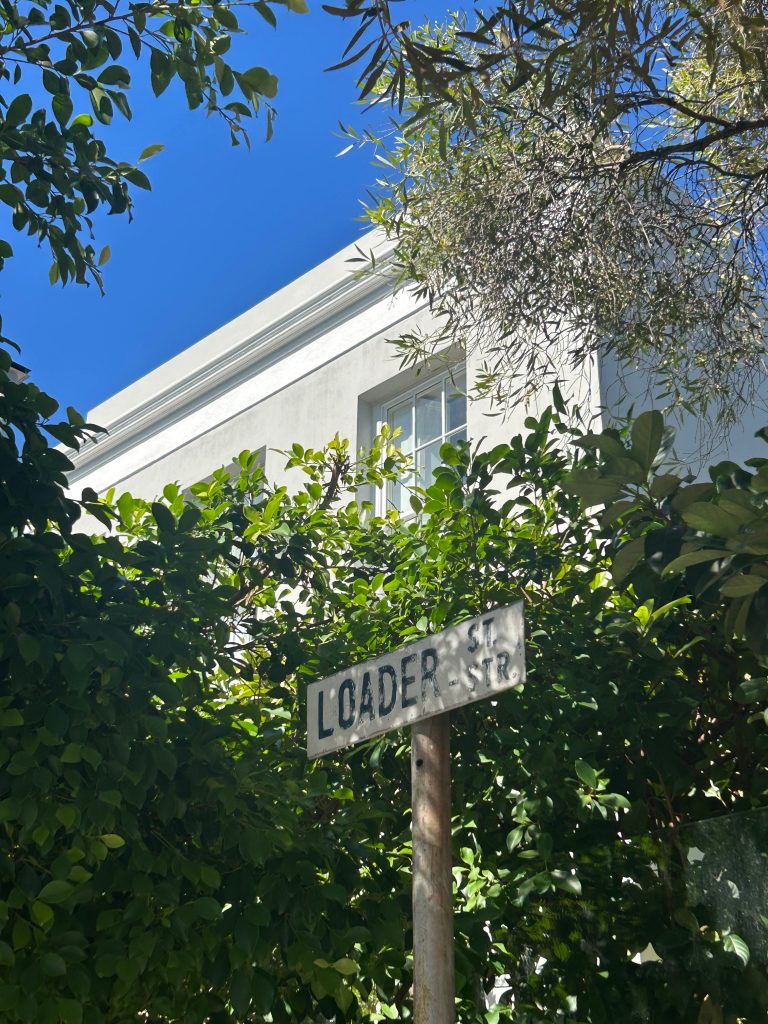
Cape Town feels like a far-flung civilised post (1,200k’s) from the wilds of Thorny Bush – no Lions, Elephants and Leopards here! An altogether different animal. The tourist. Cape Town is one of our dream destinations, a much longed for city at the very tip of Africa – a continent, until recently I hadn’t even stepped foot in. We’re in De Waterkant, the ‘waterside’ in Dutch, a hilly colourful district on the slopes of Signal Hill overlooking Table Bay, one of Cape Town’s earliest settlement areas, dating back to the late 1770’s – a mixed working-class neighbourhood of freed slaves, Cape Malay and Muslim communities. It feels very well to do with beautifully renovated town houses, most of them well-preserved 18th and 19th century architecture, combining Cape Dutch and English Georgian style – shuttered windows, pastel-coloured hues, flat roofs (many with roof terraces), hidden courtyard gardens (many with swimming pools). The area is rather hilly as it climbs up Signal Hill with cobbled stone streets, the higher you get the better the view over the bay. Just walk to the end of the street and Table Mountain looms large, often with the famous tablecloth cloud spilling over the mountain. We’re in a small boutique hotel called De Waterkant House – looking exactly as described above. Just five beautifully appointed rooms with ours, Victoria 1 looking out over the V&A, the harbour and the distant Blaauwberg northern coastline.
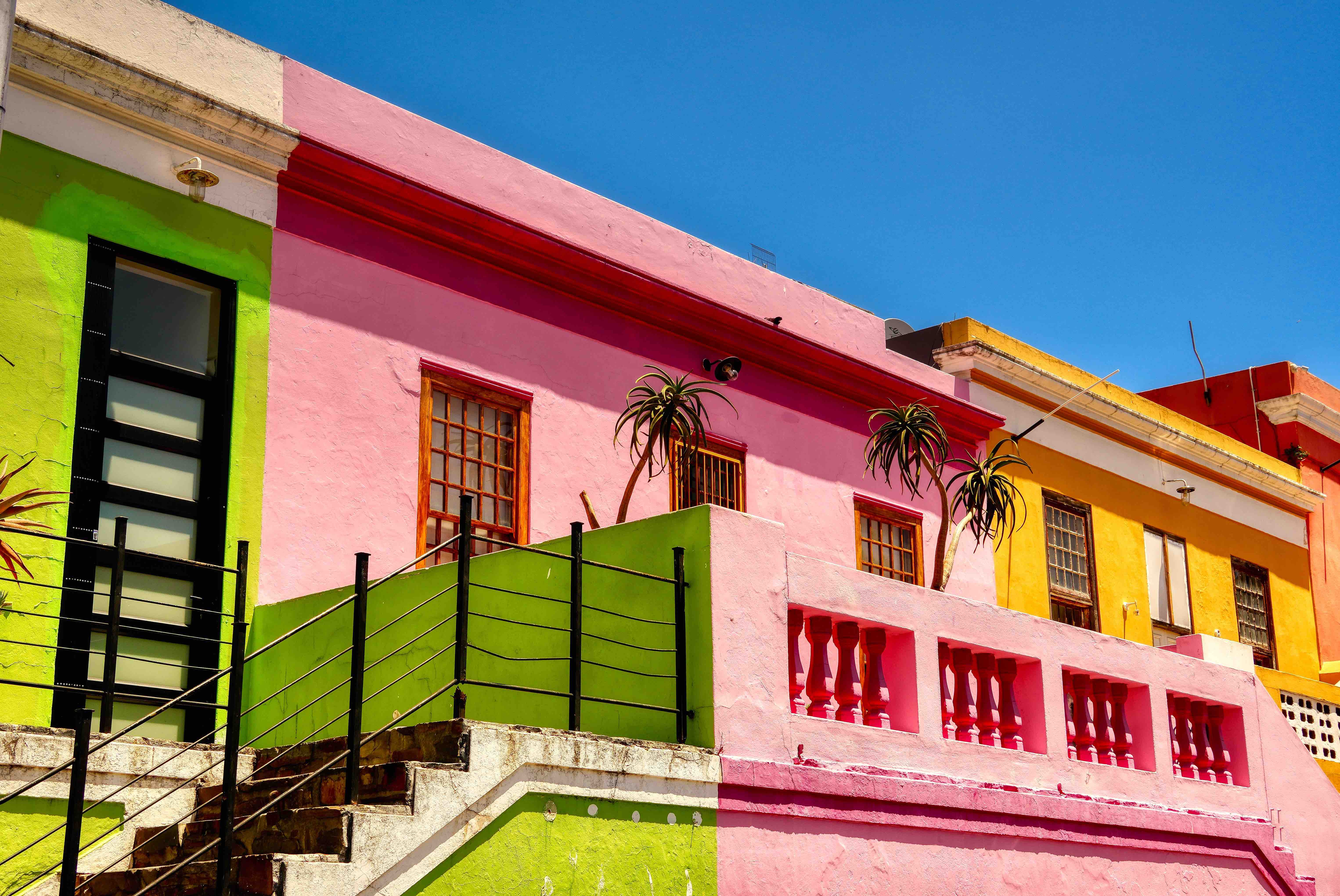
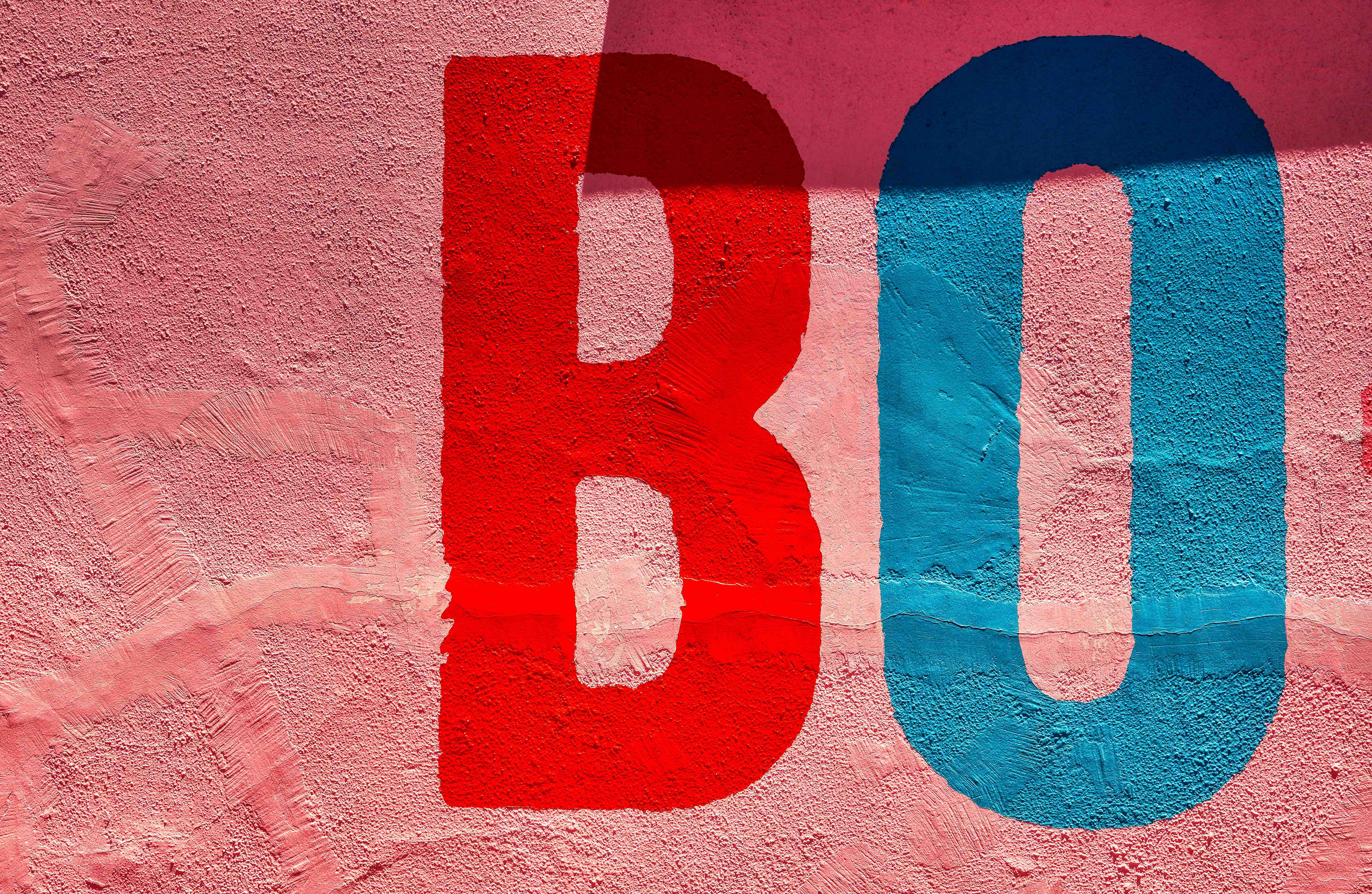
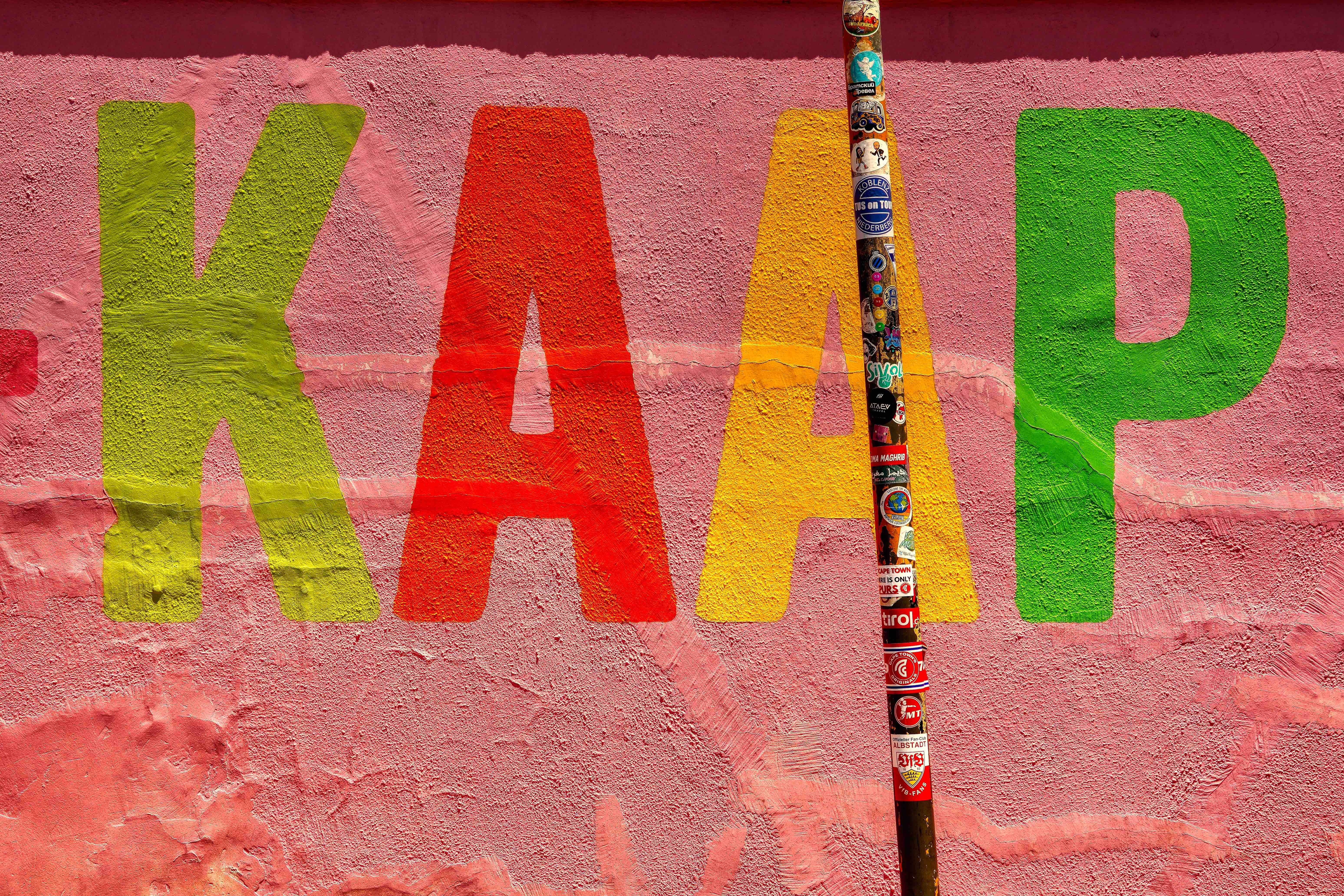
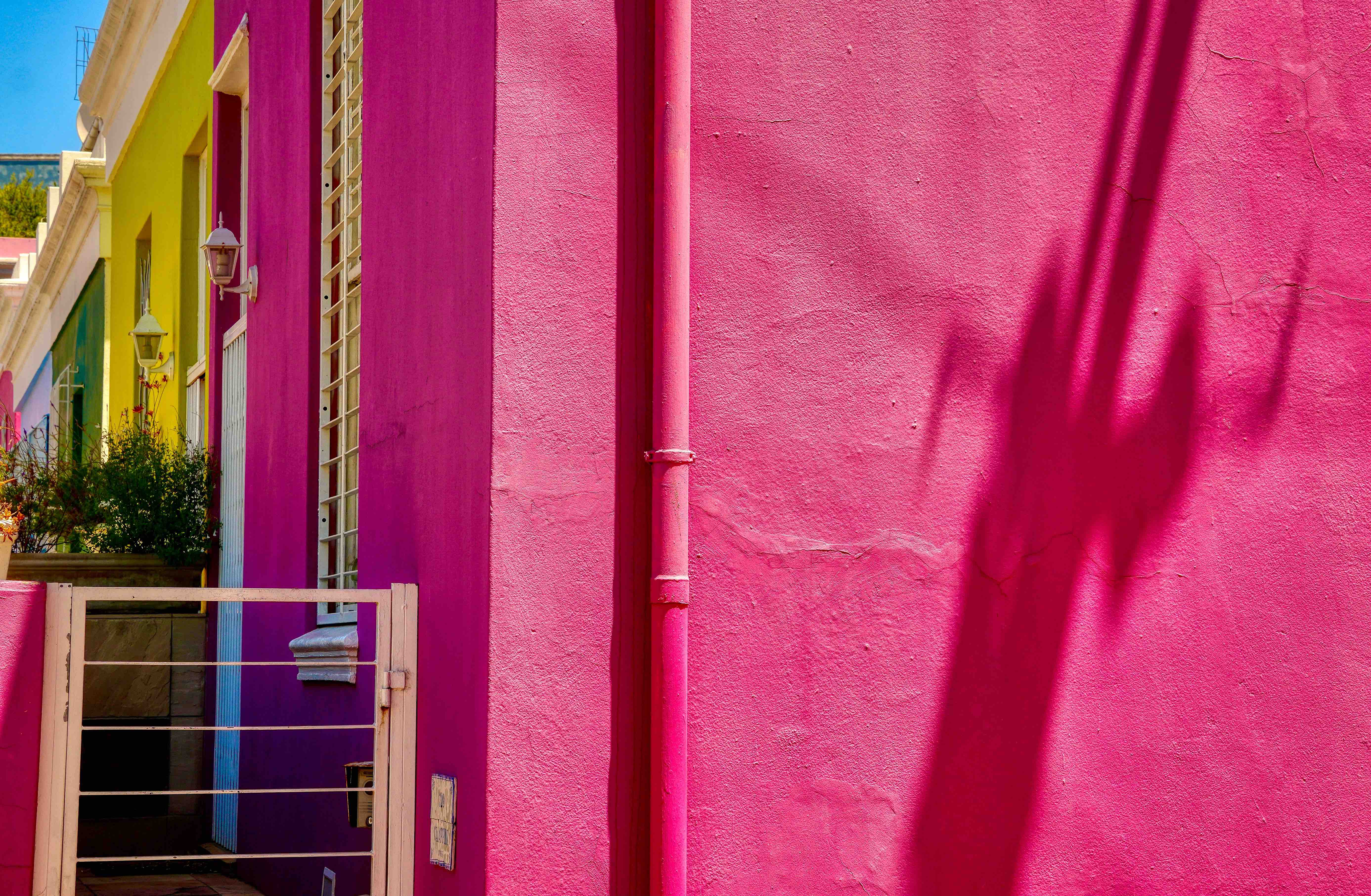
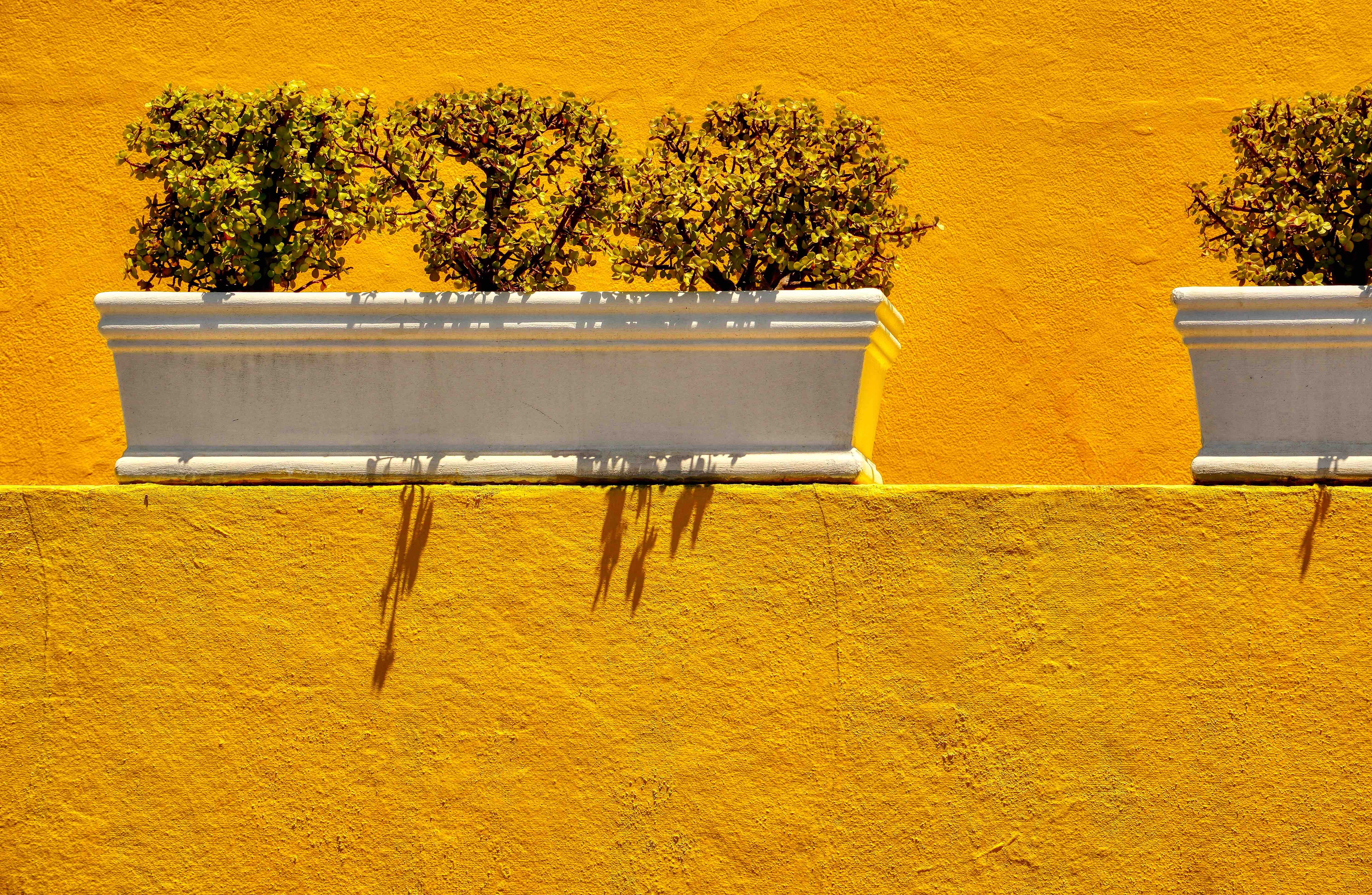
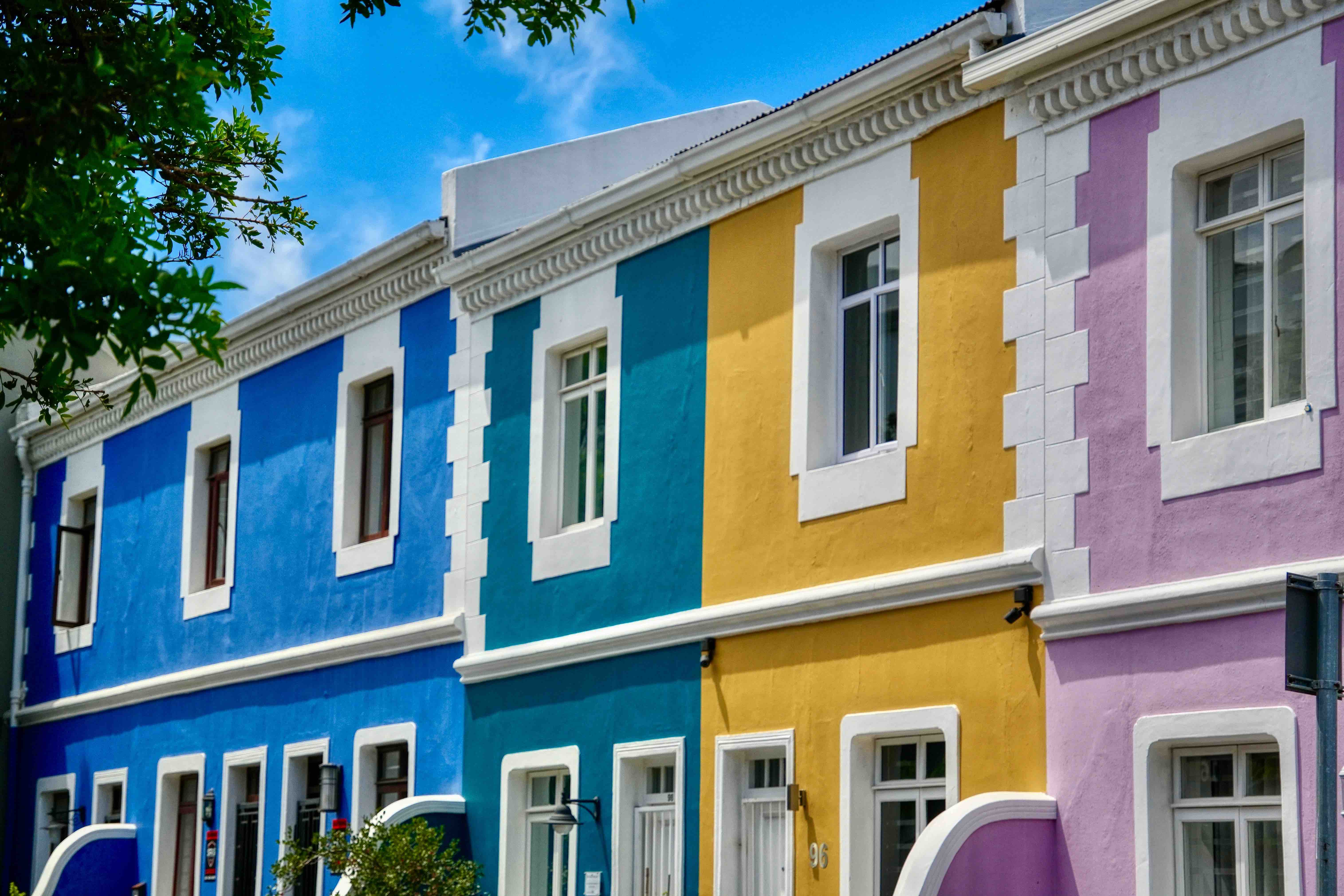
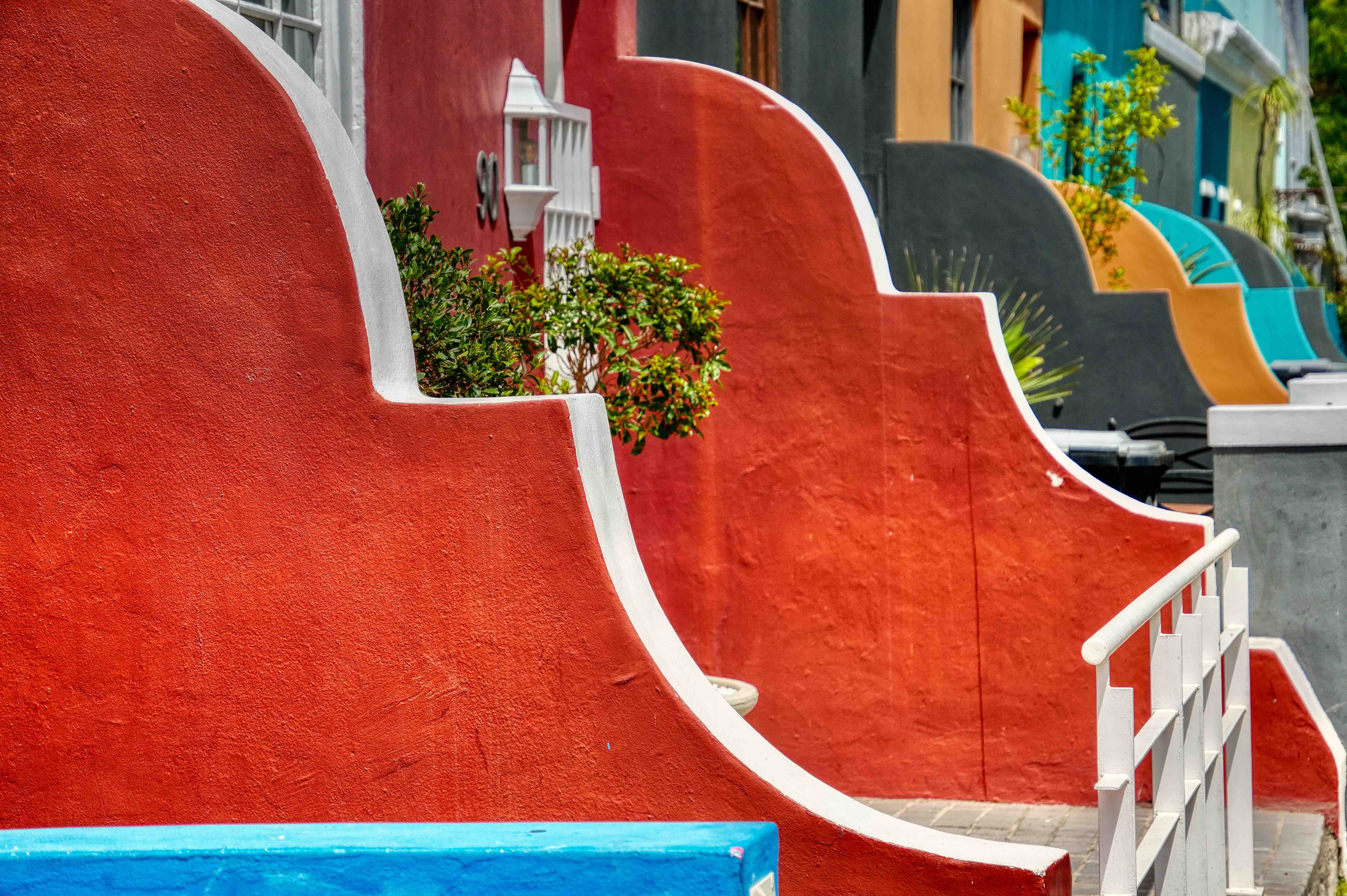
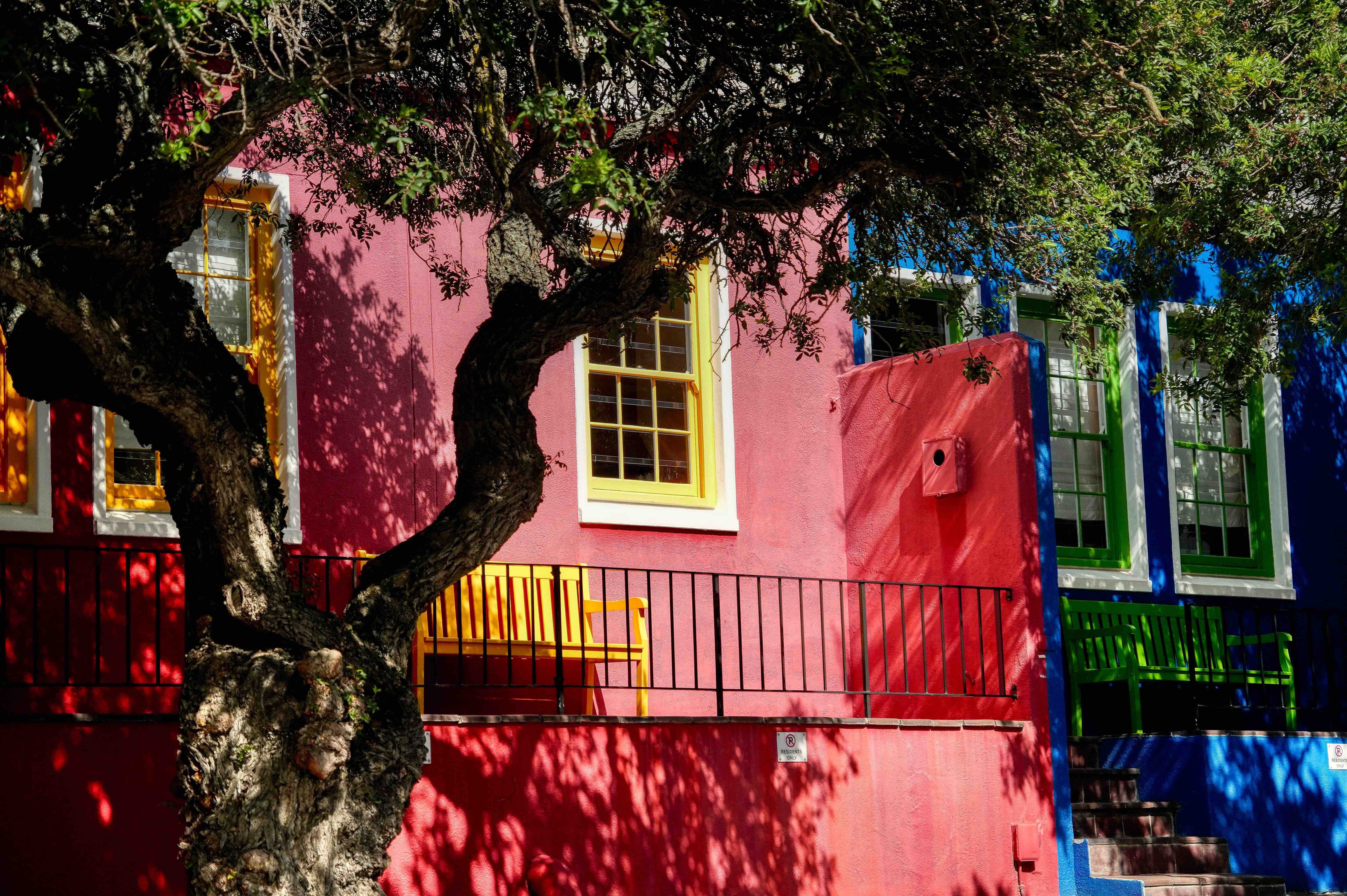
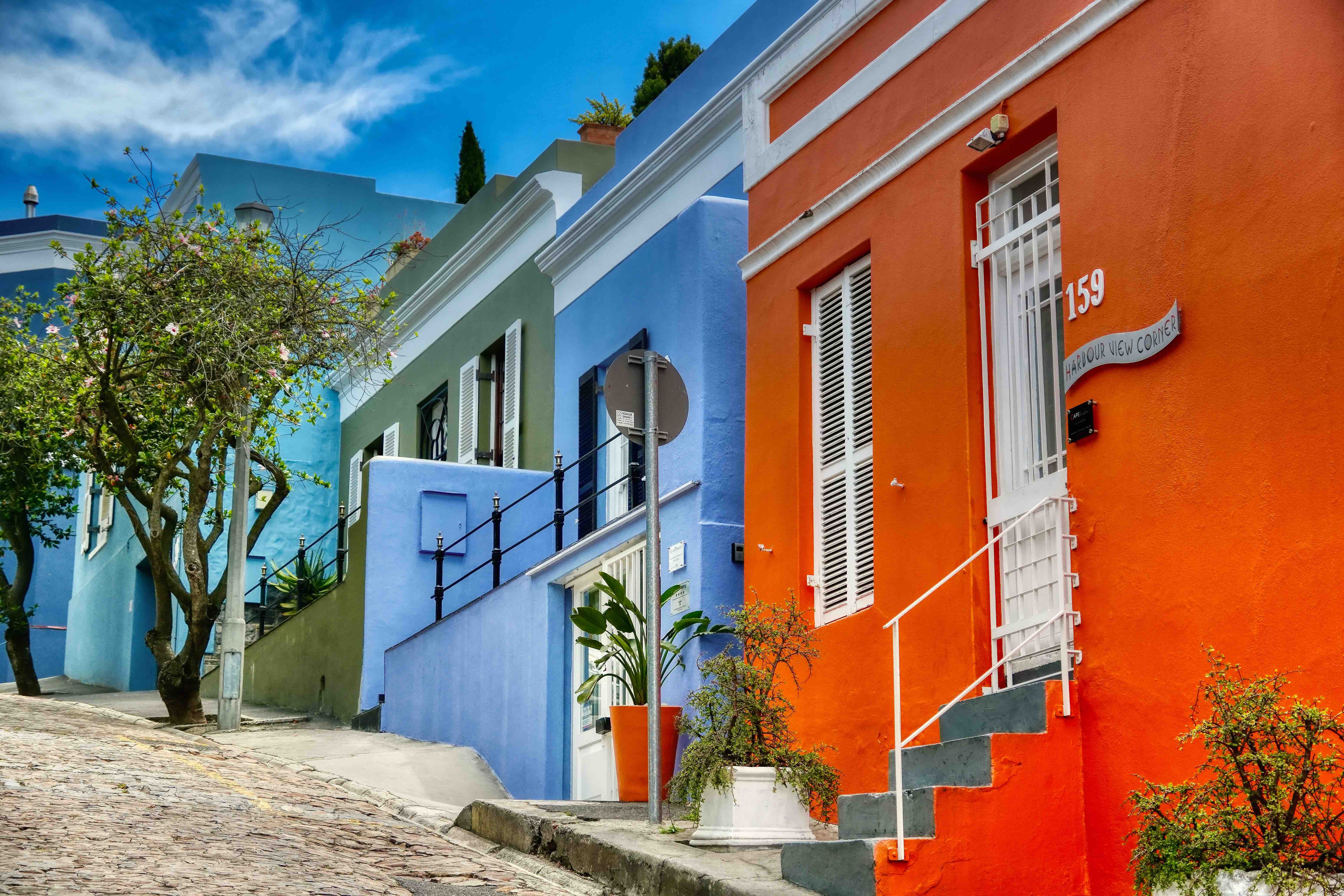
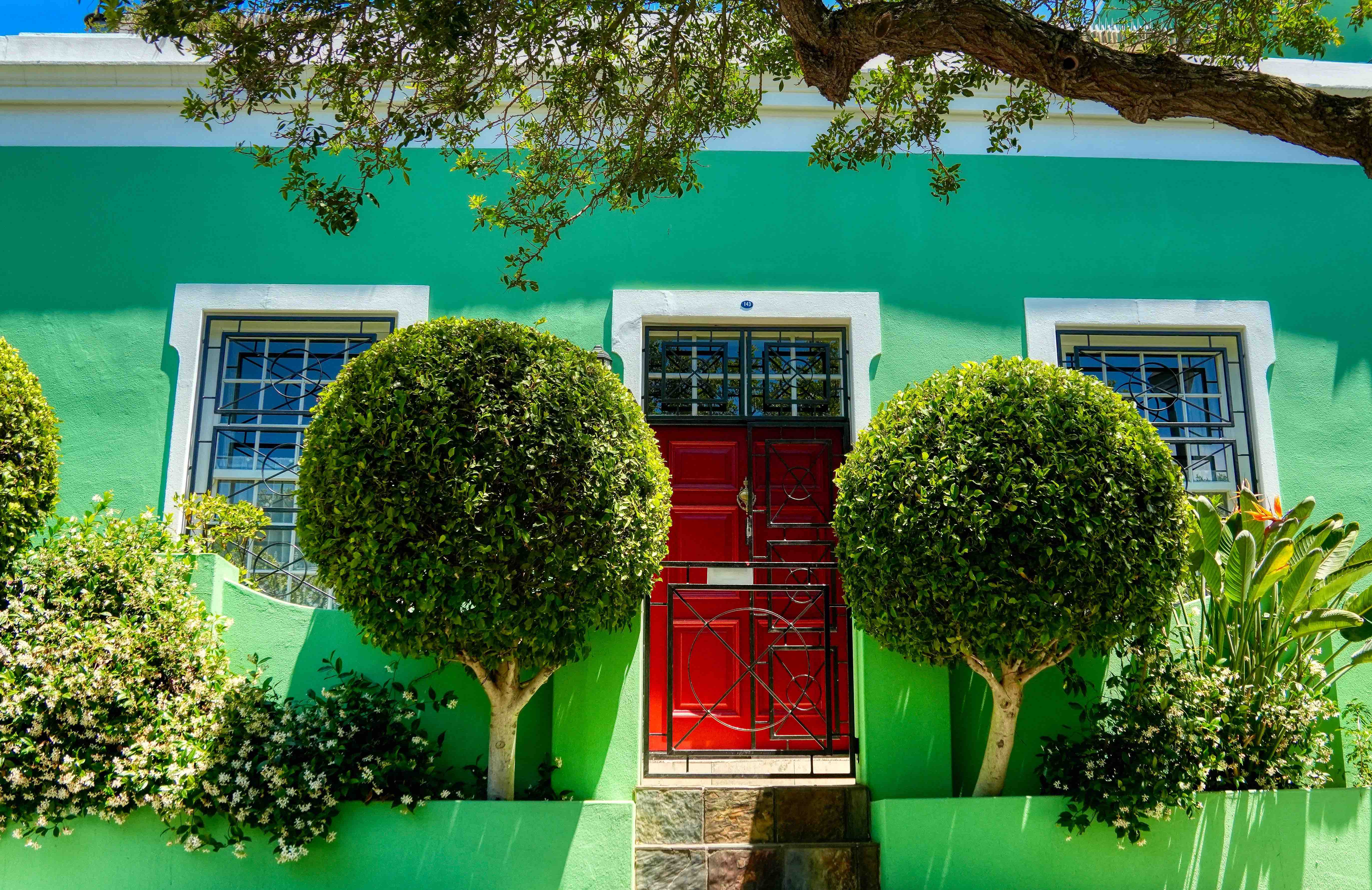
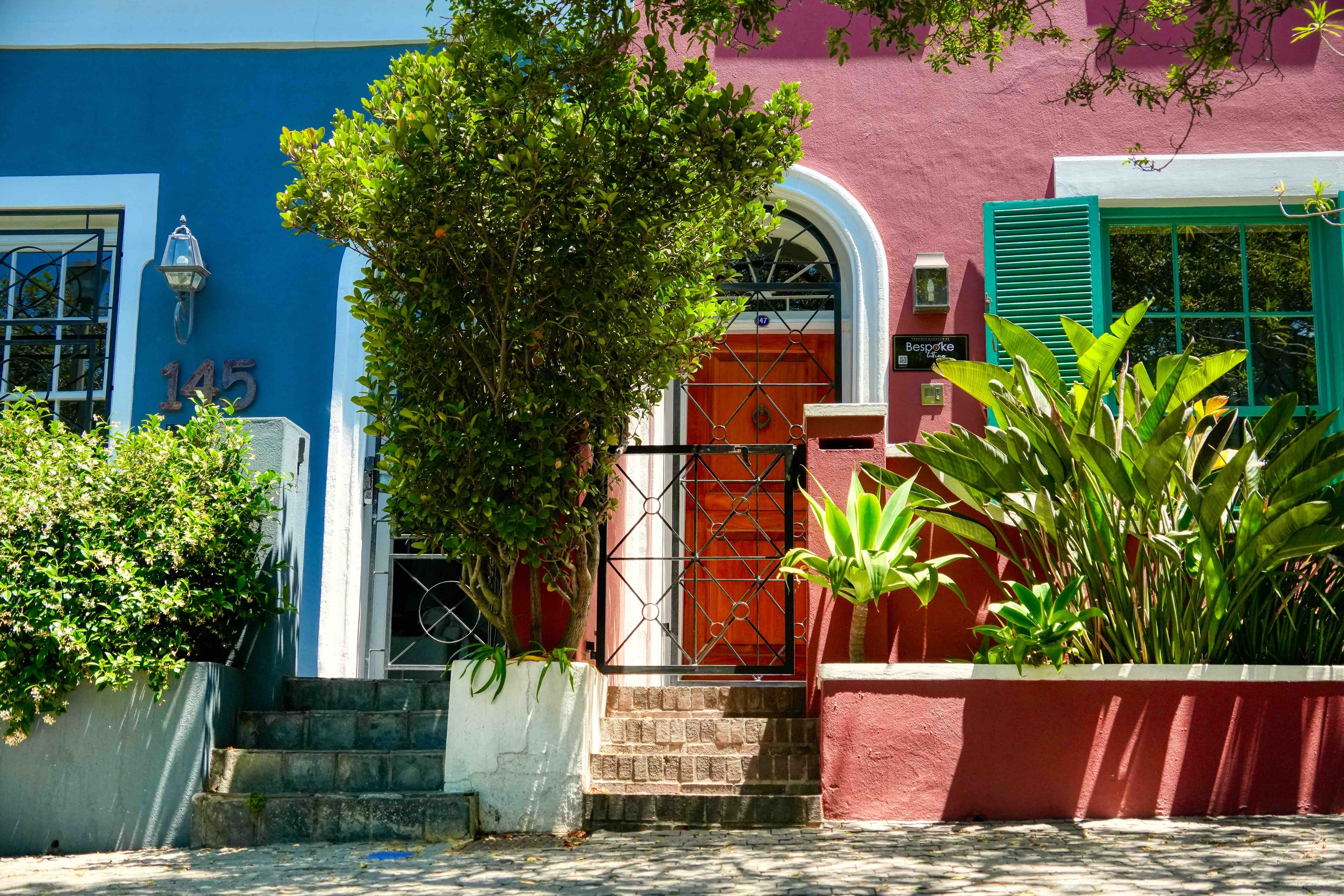
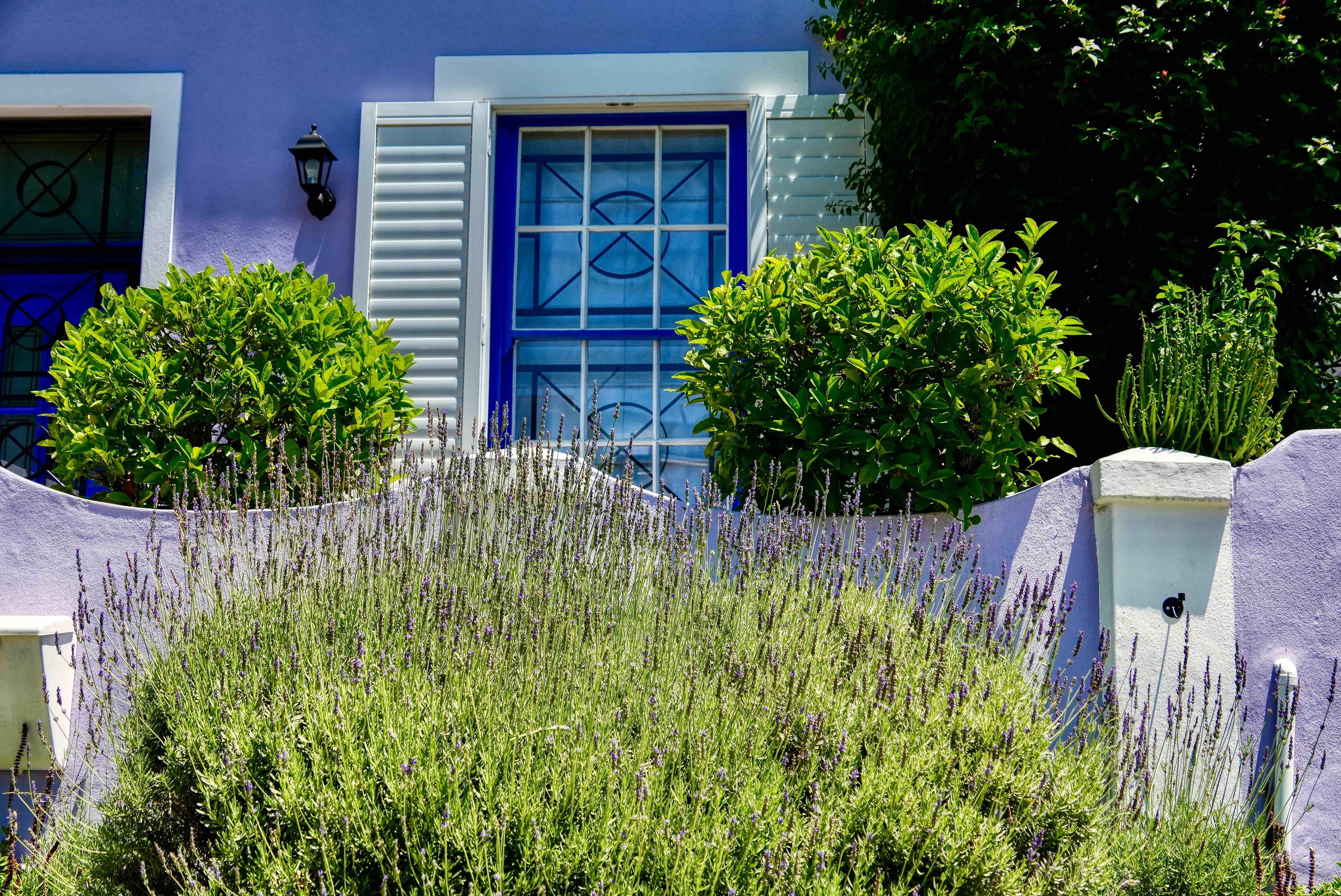
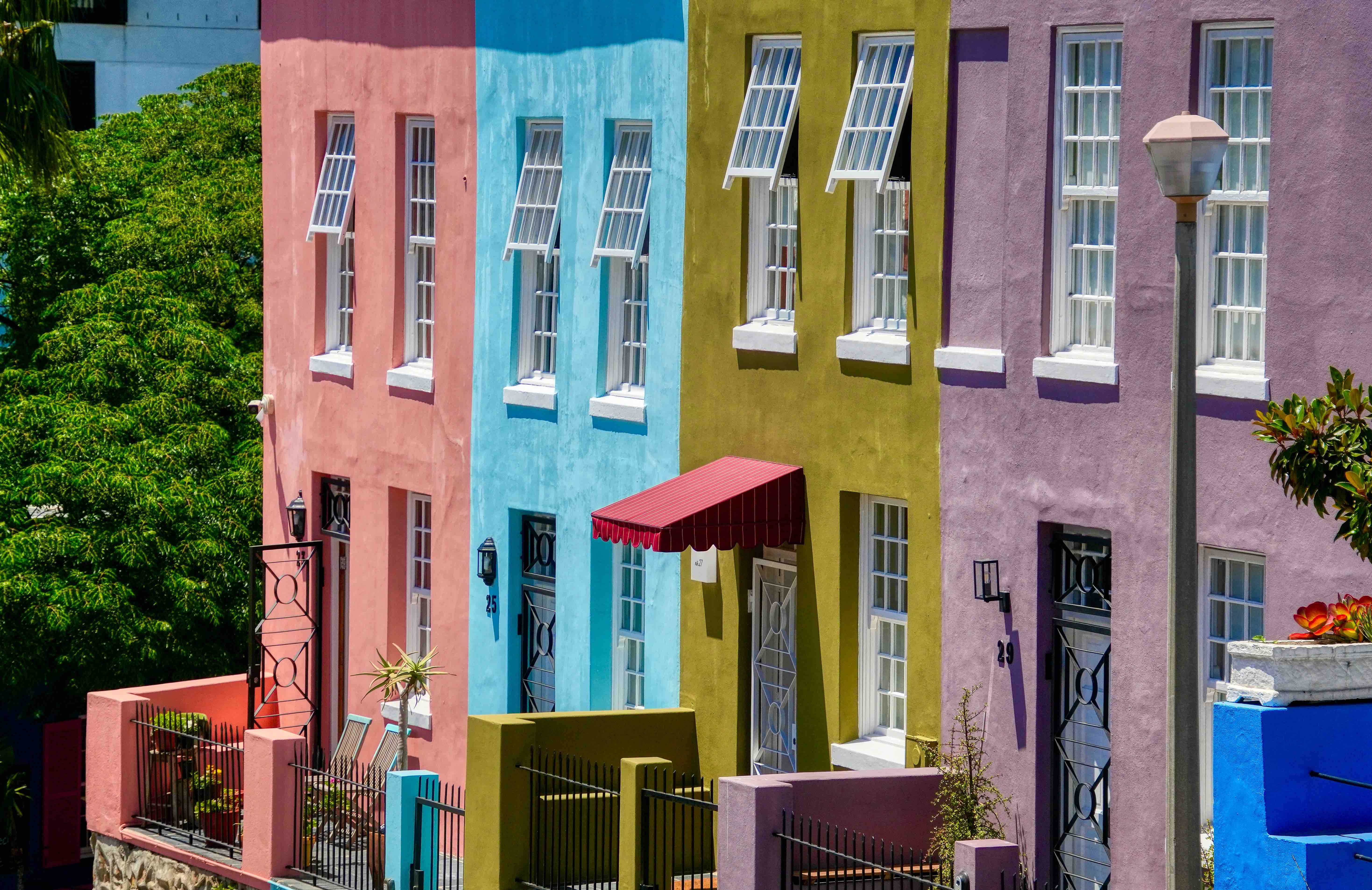
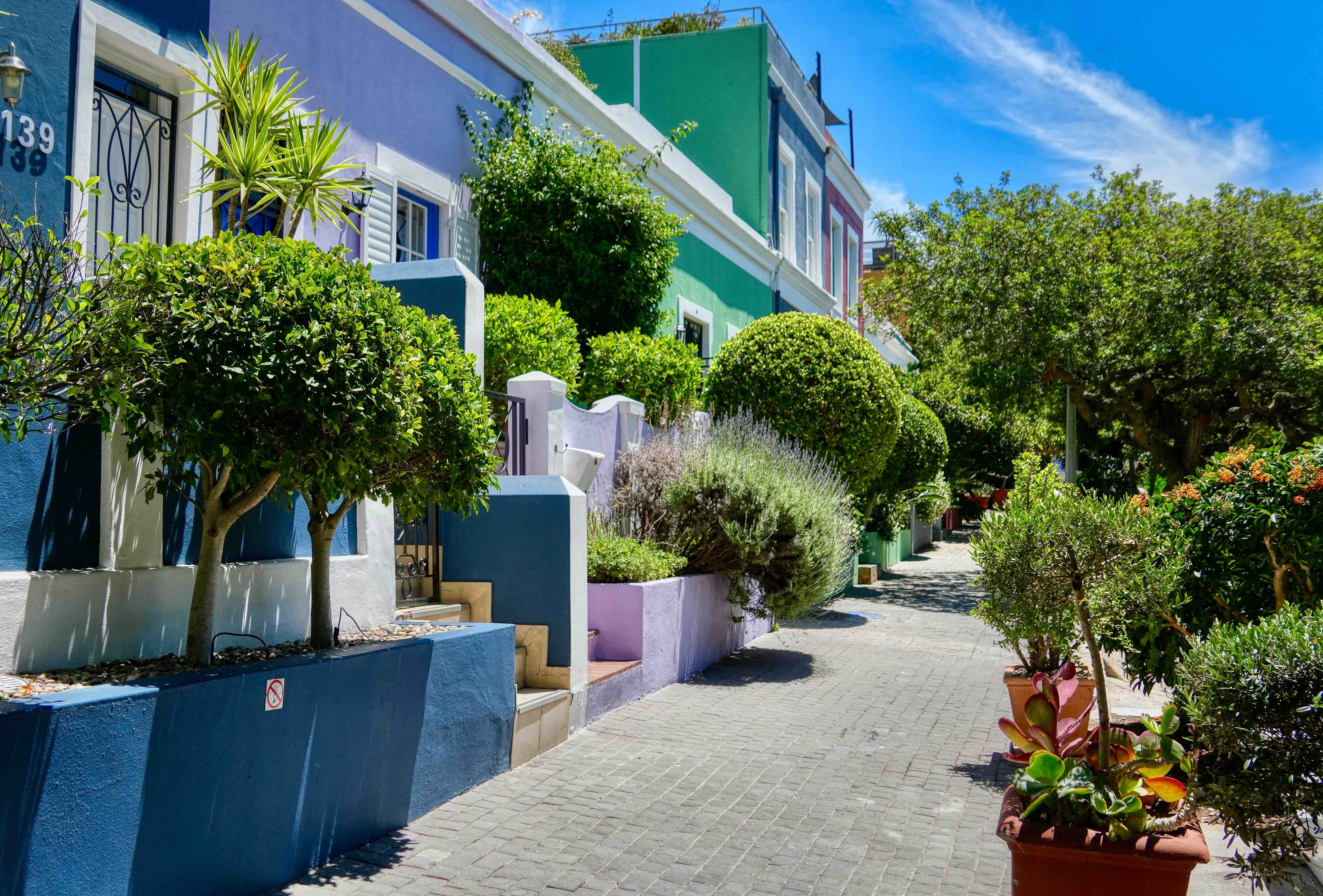
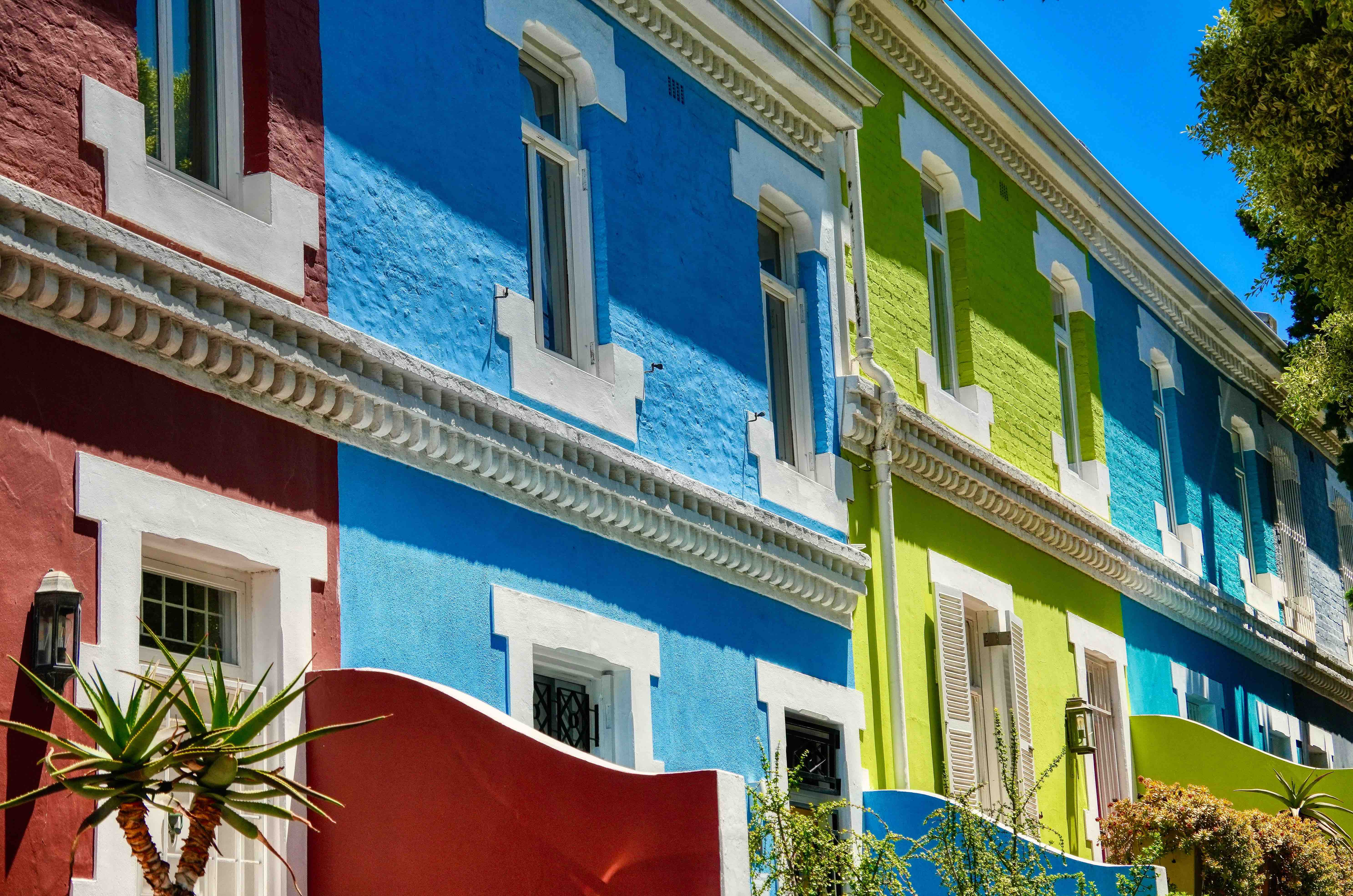
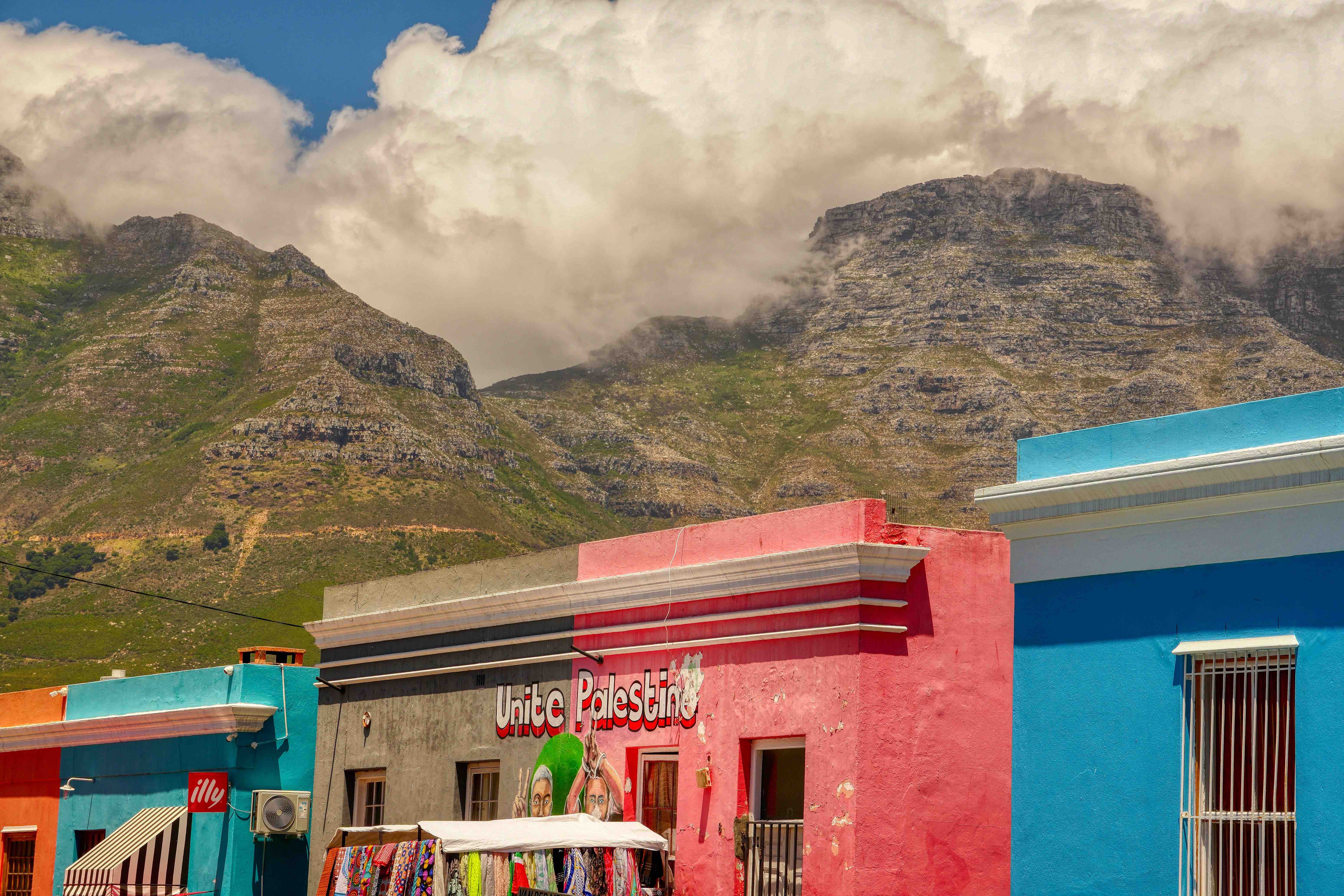
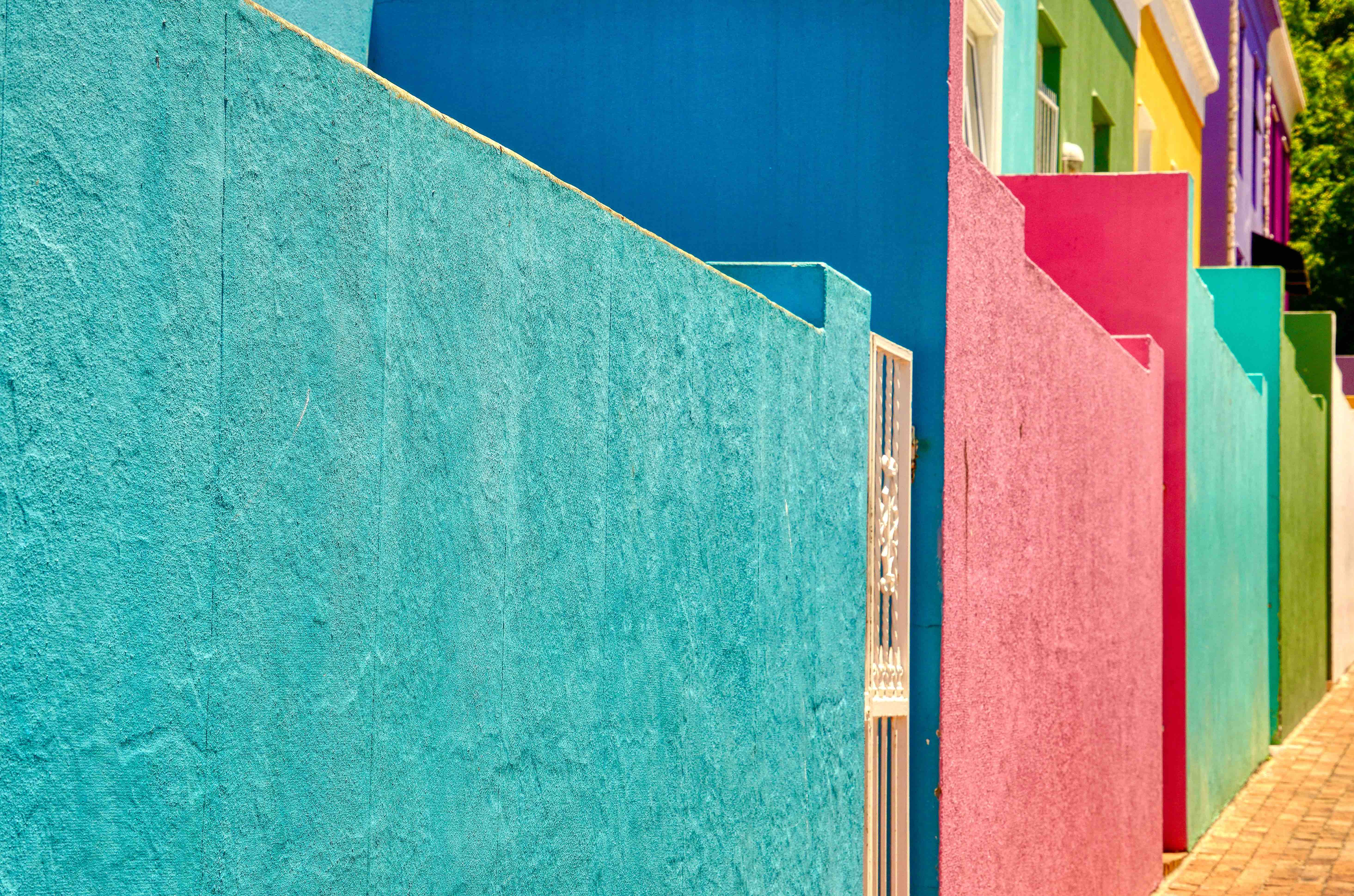
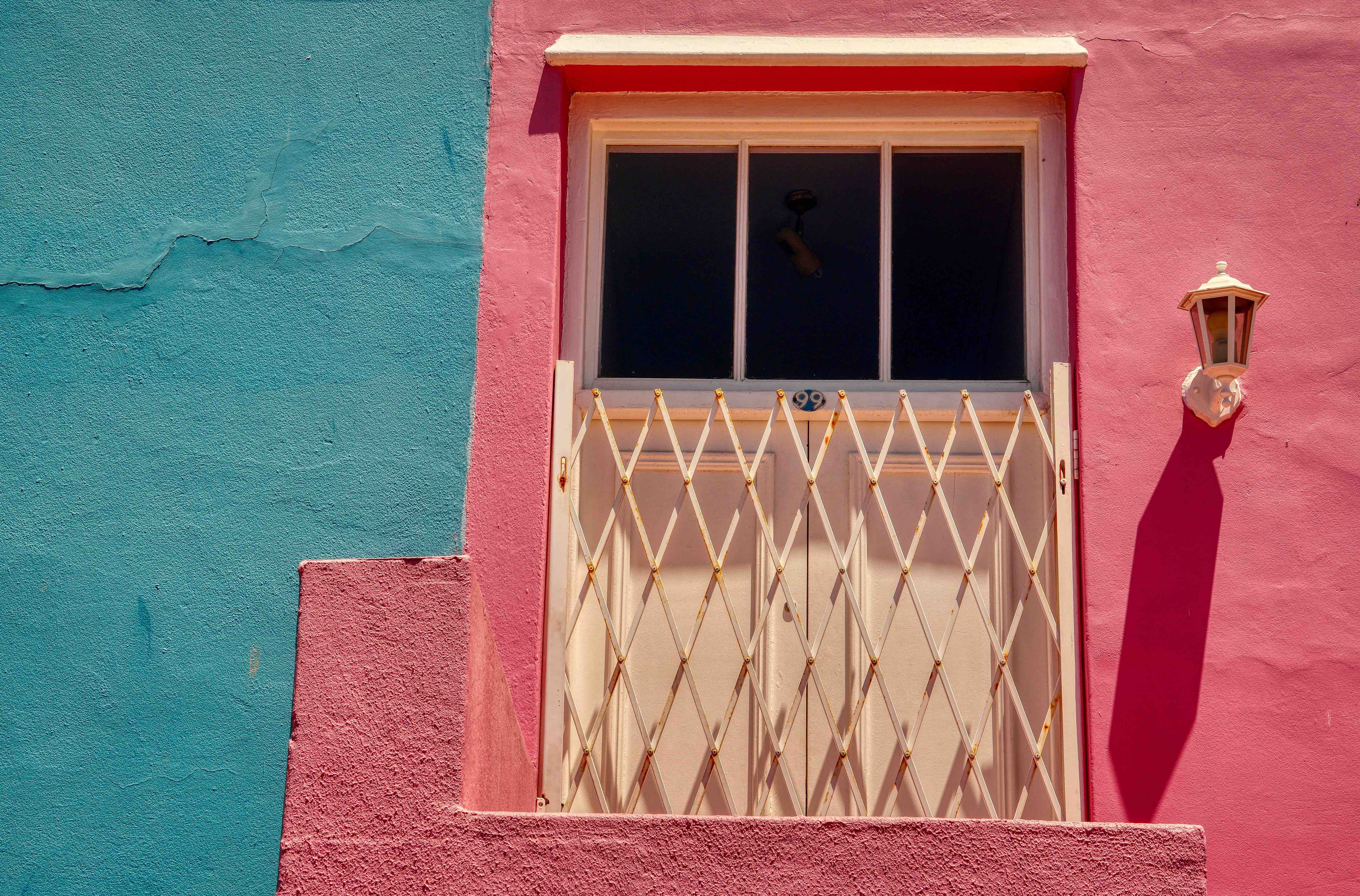
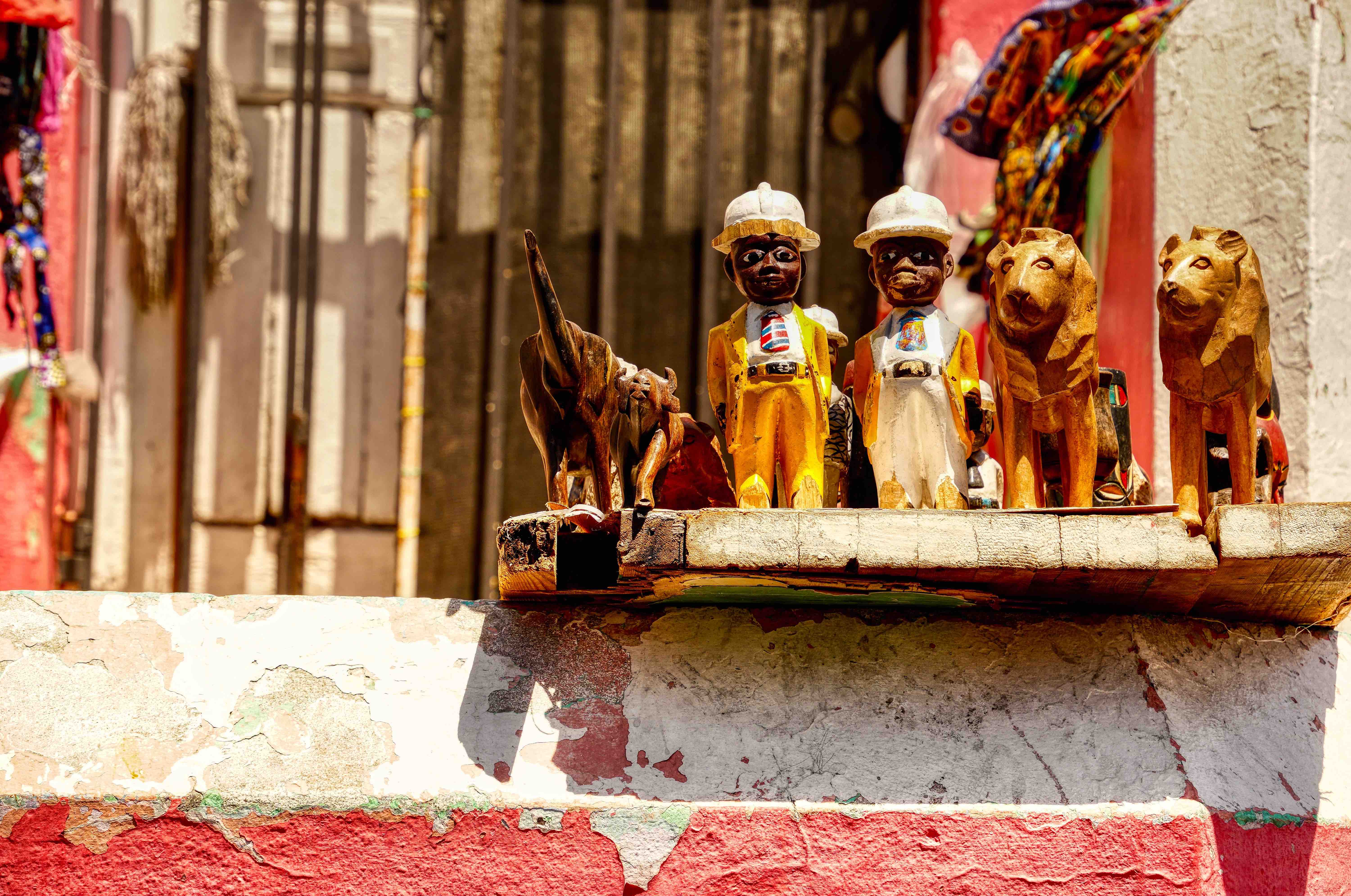
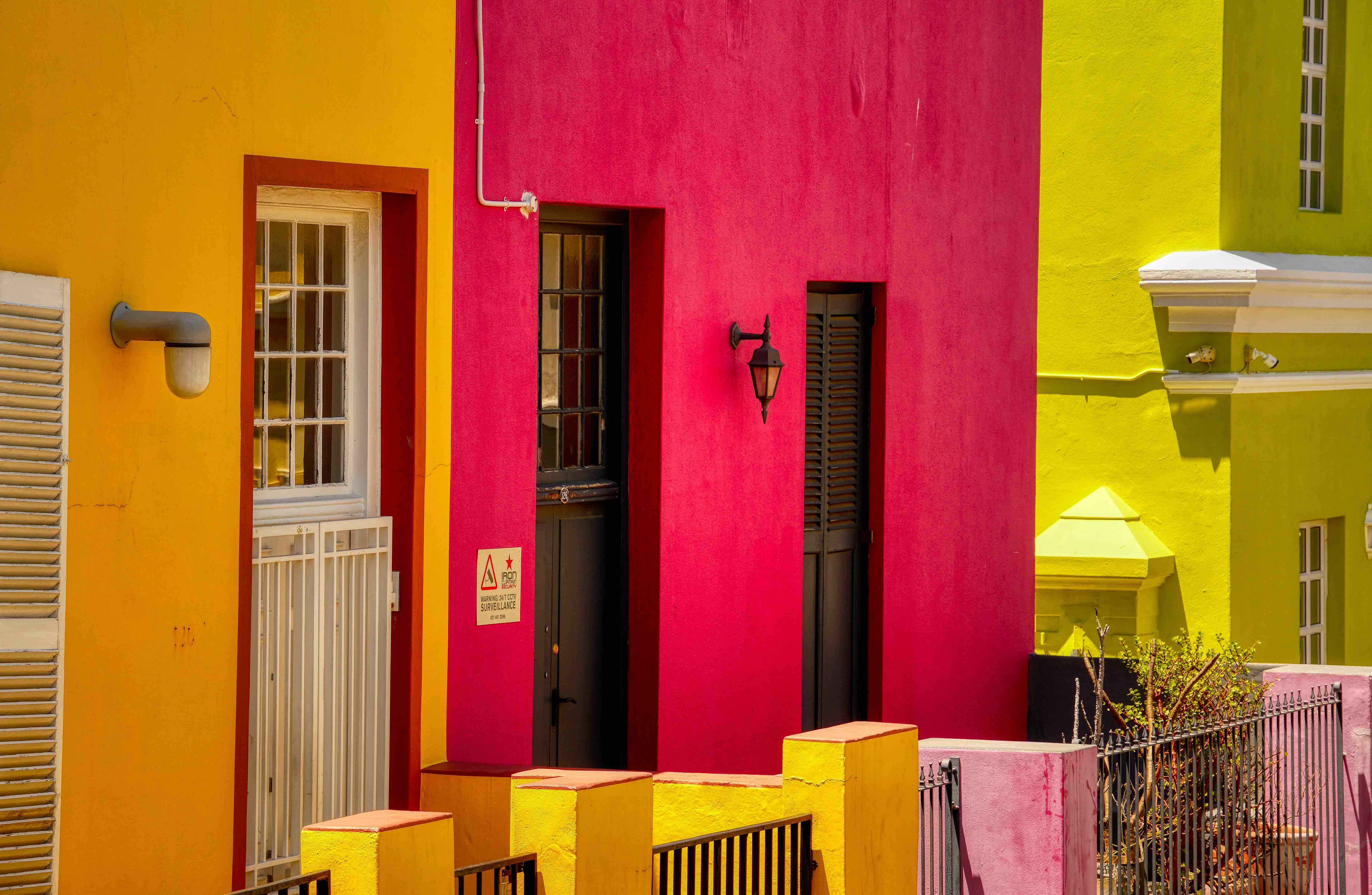
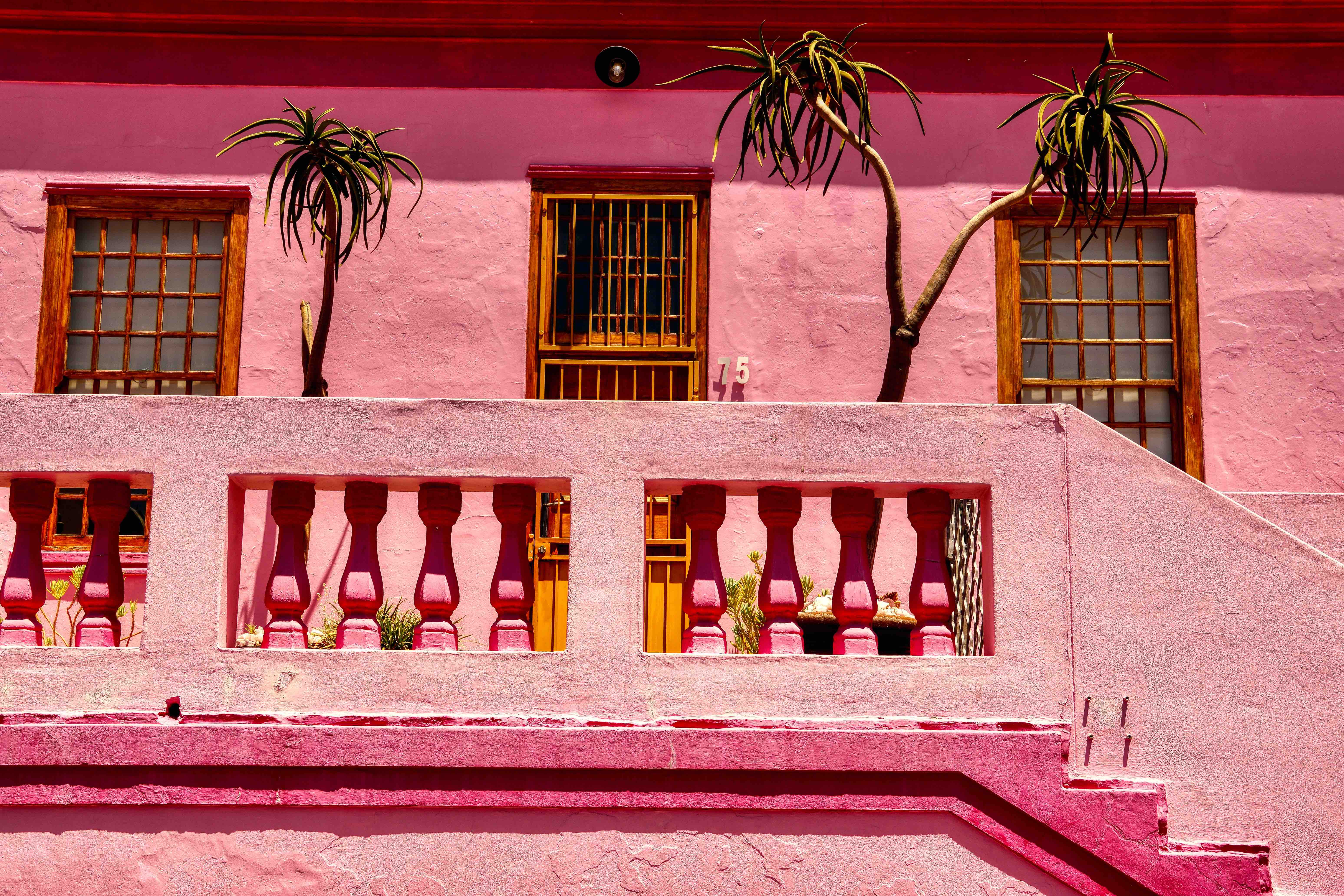
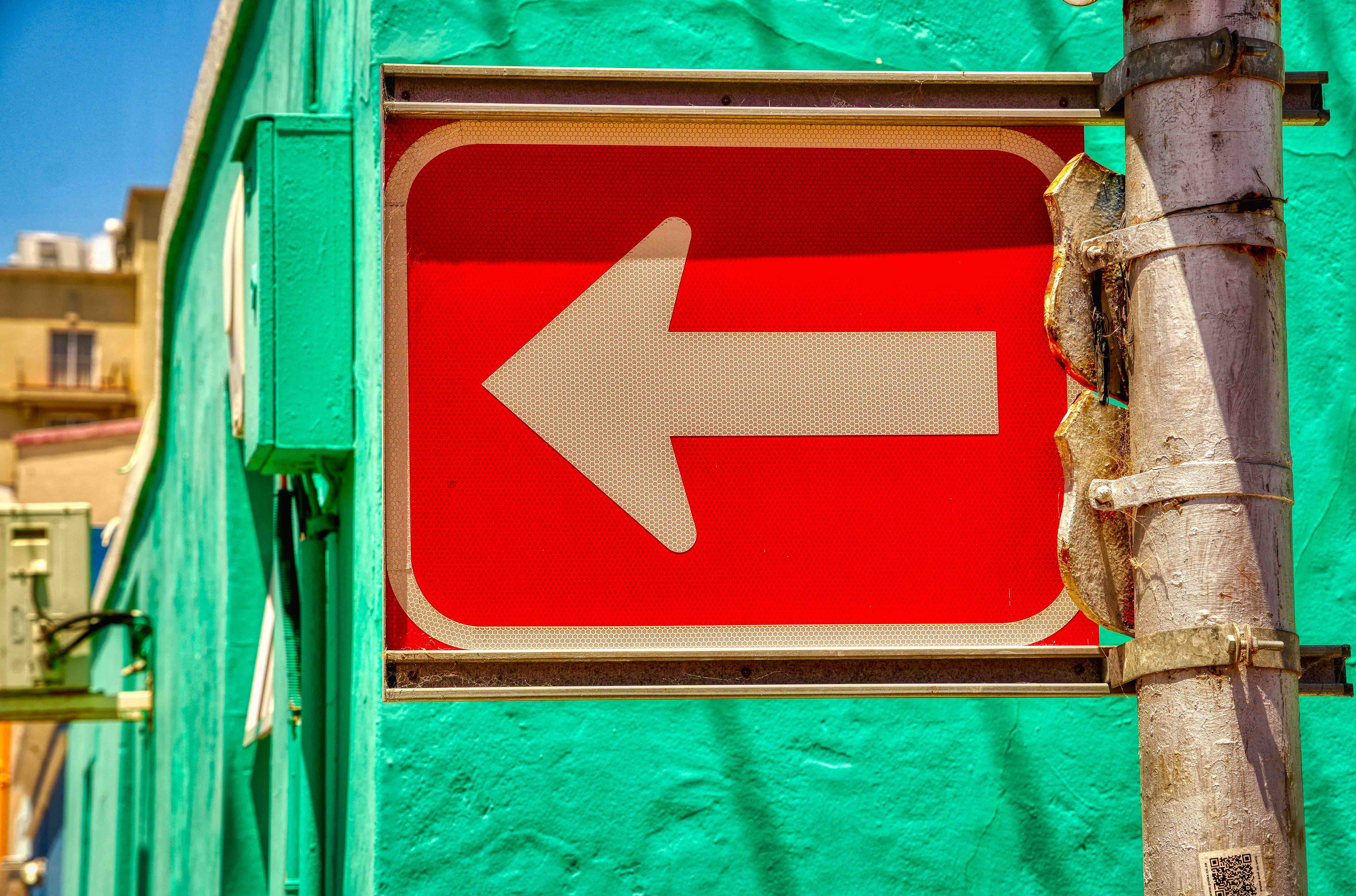
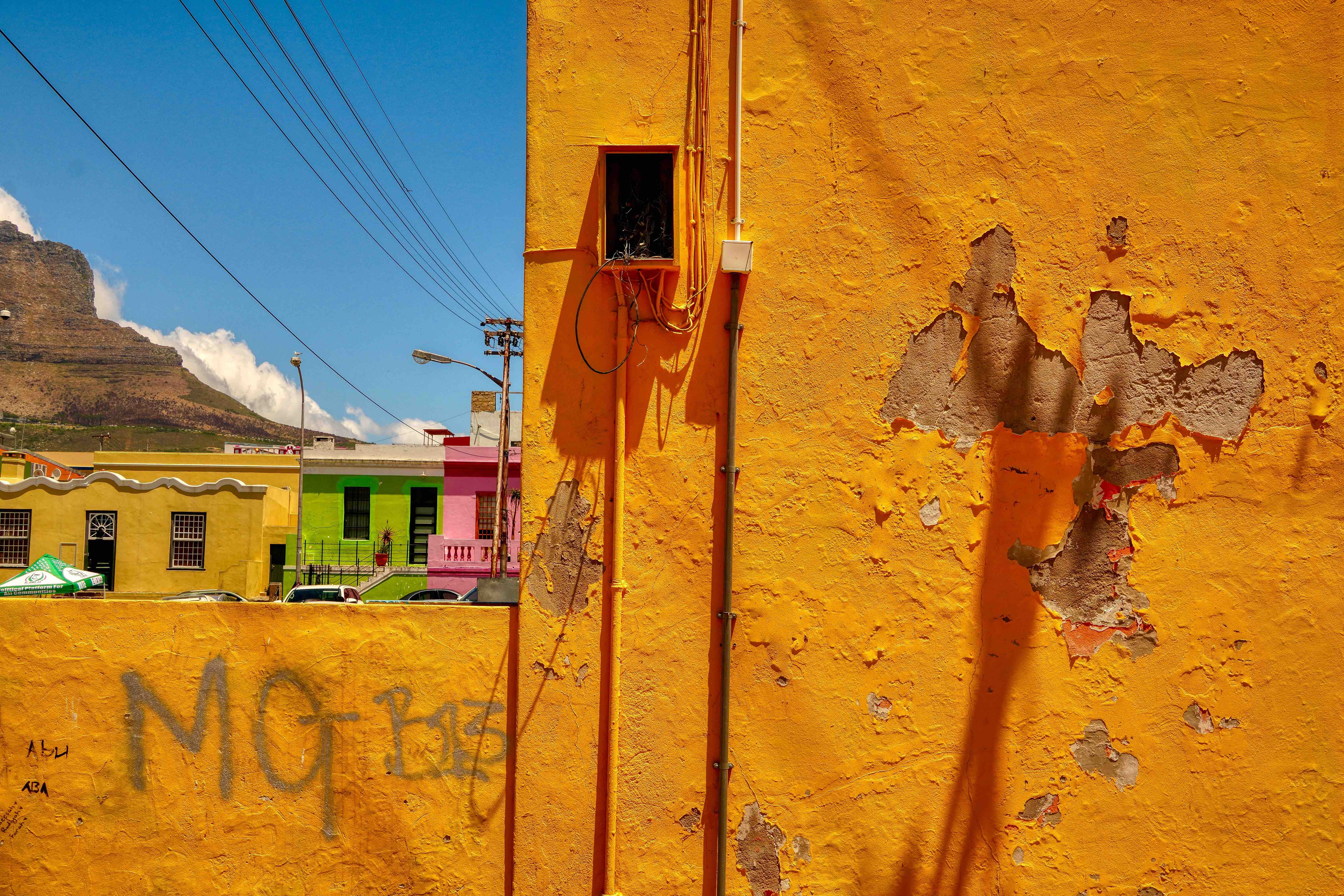
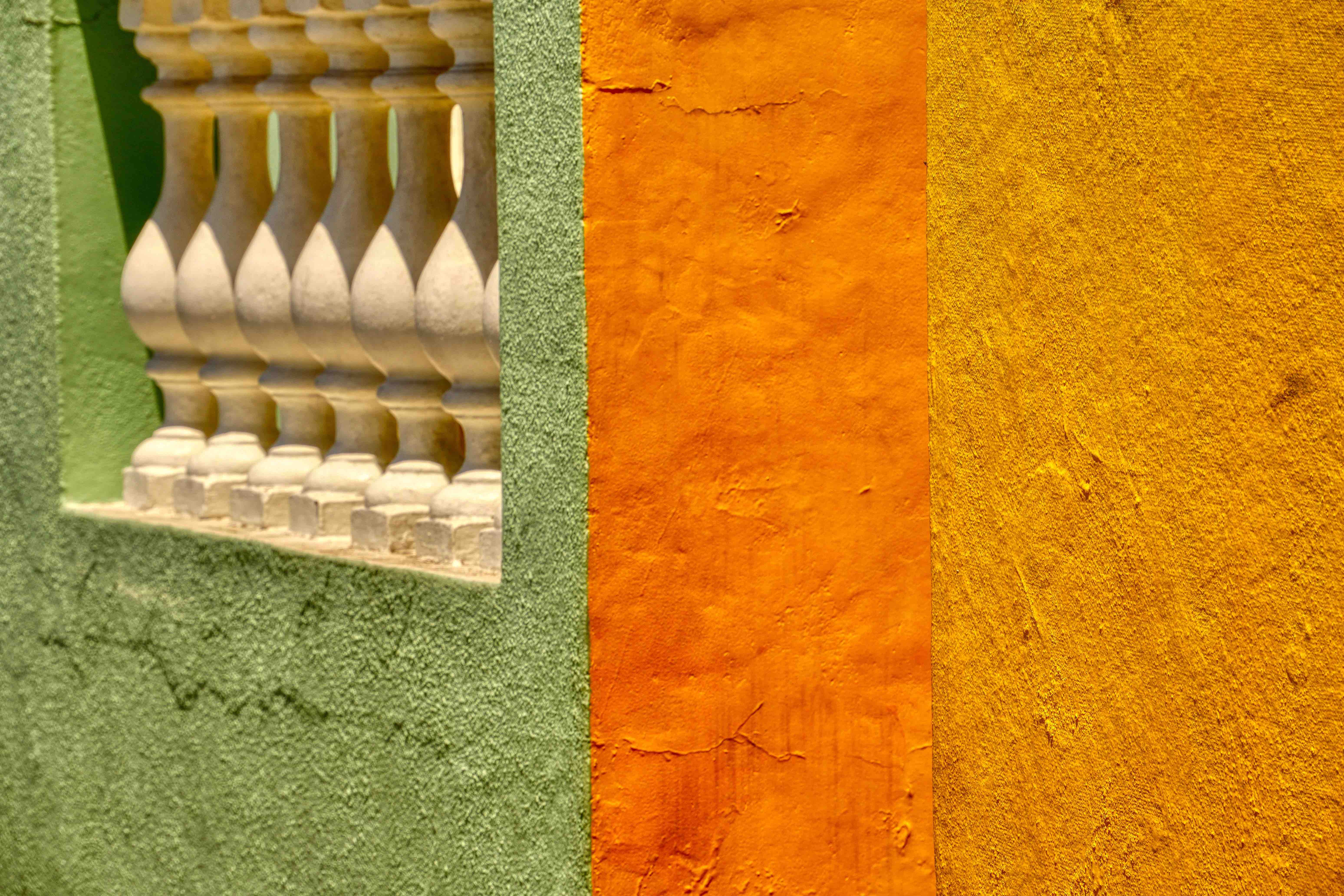
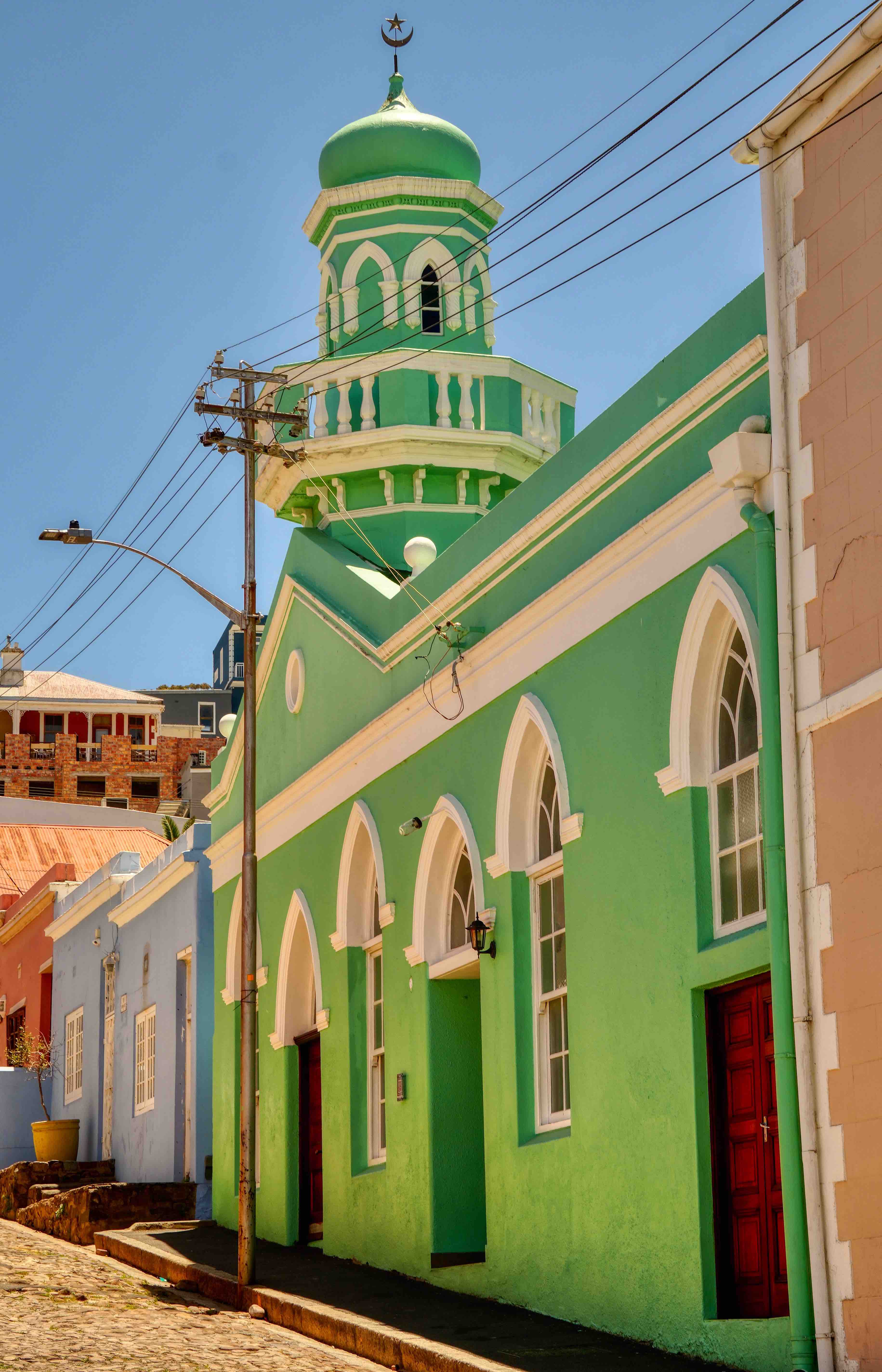
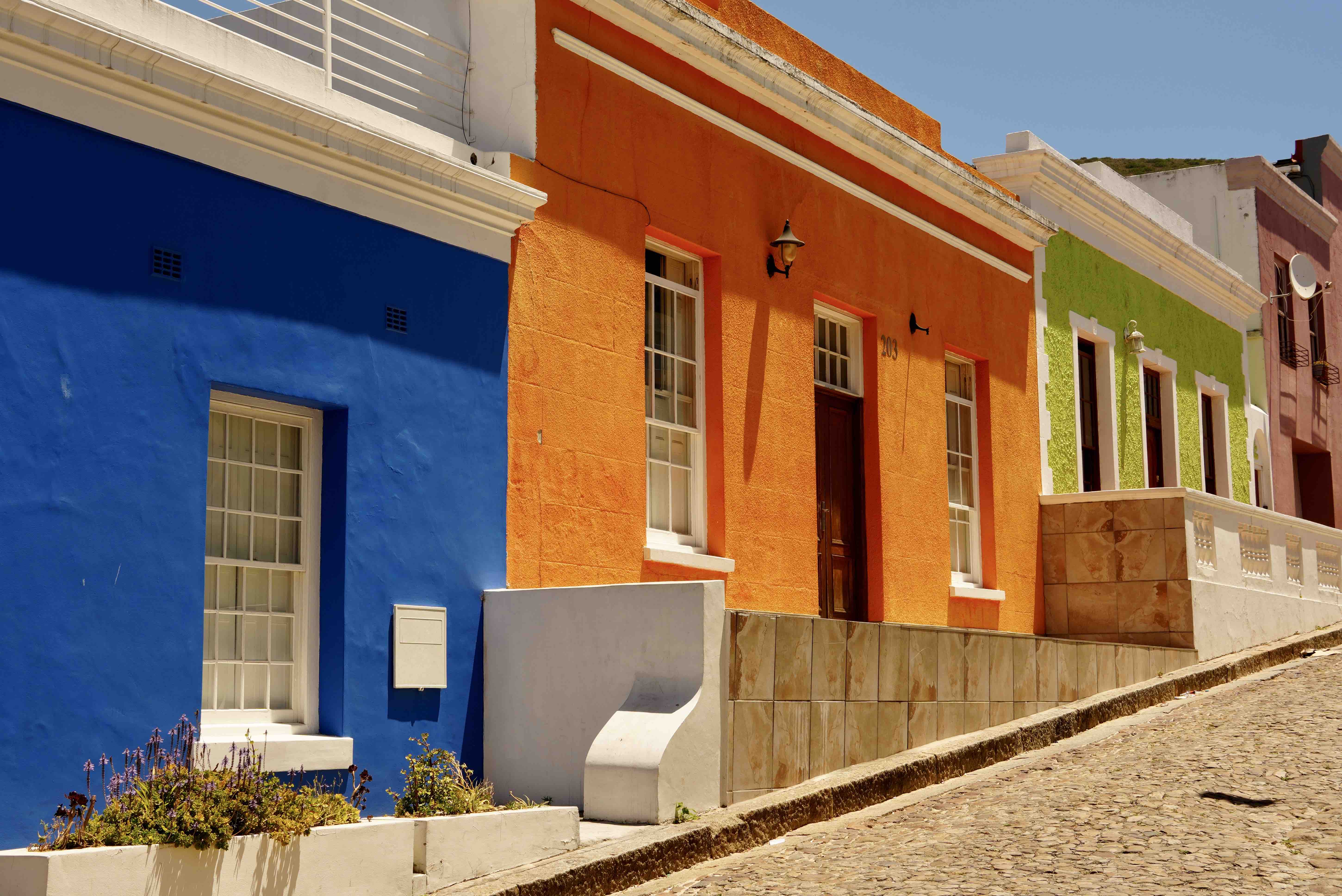
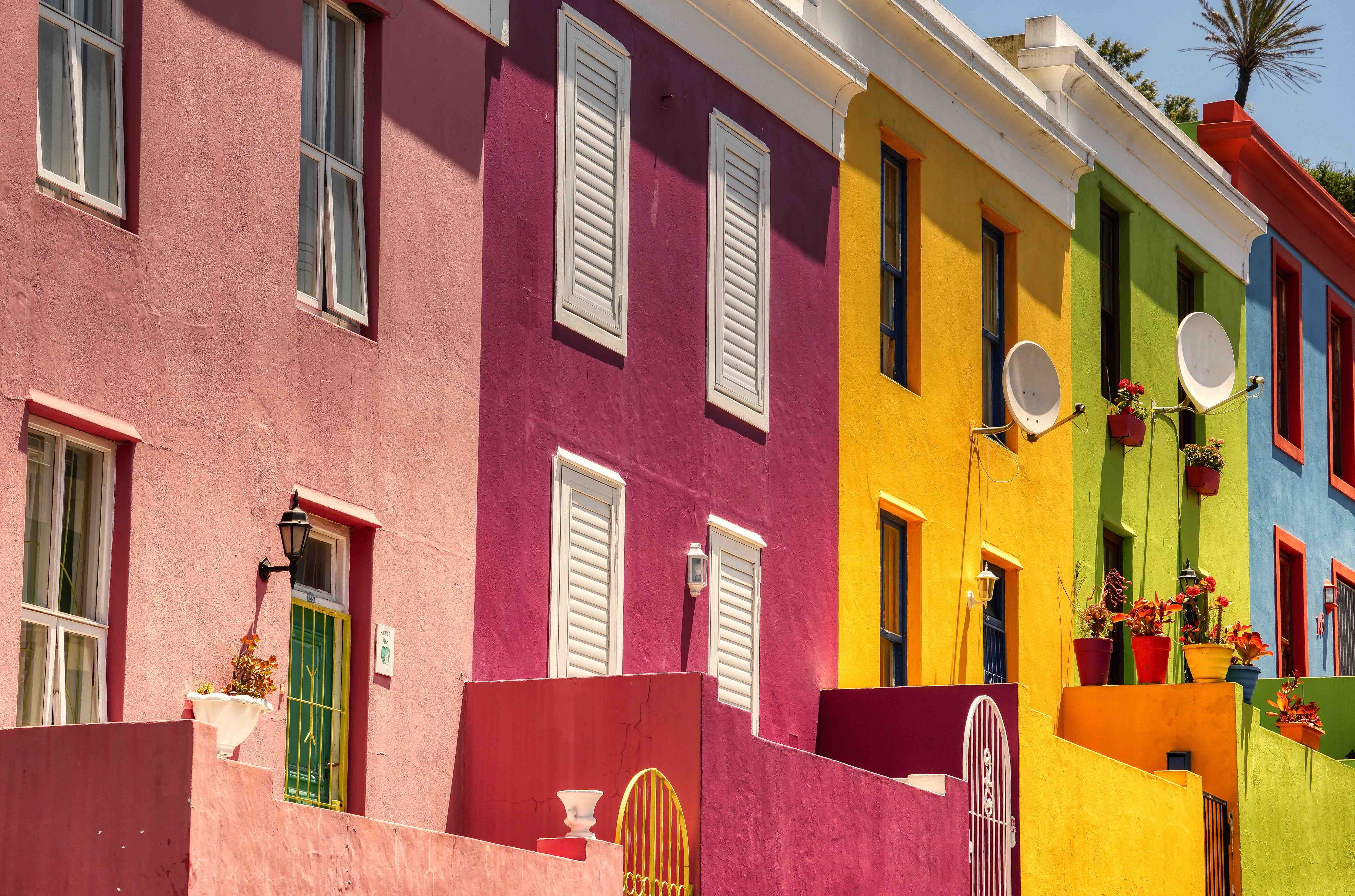
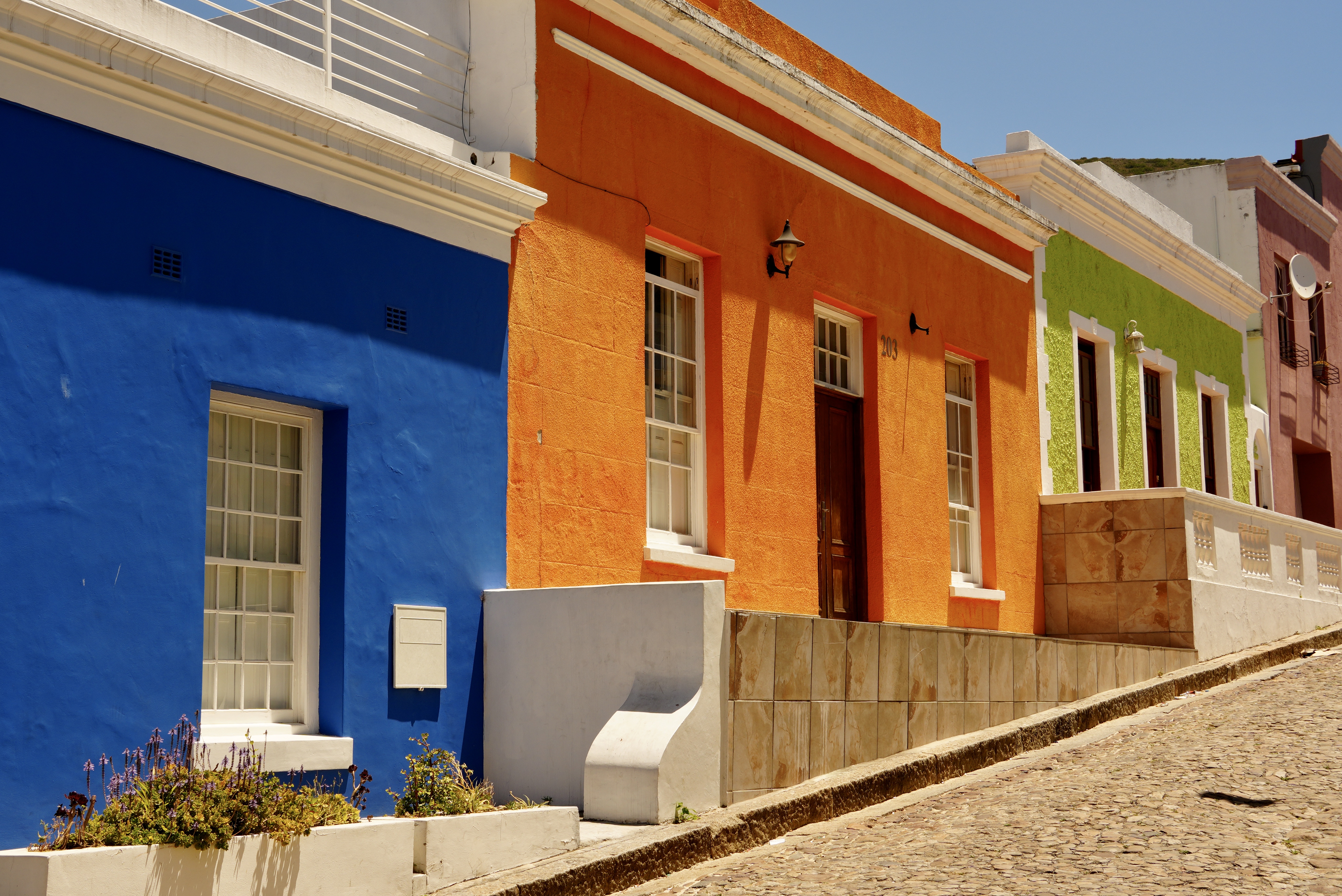
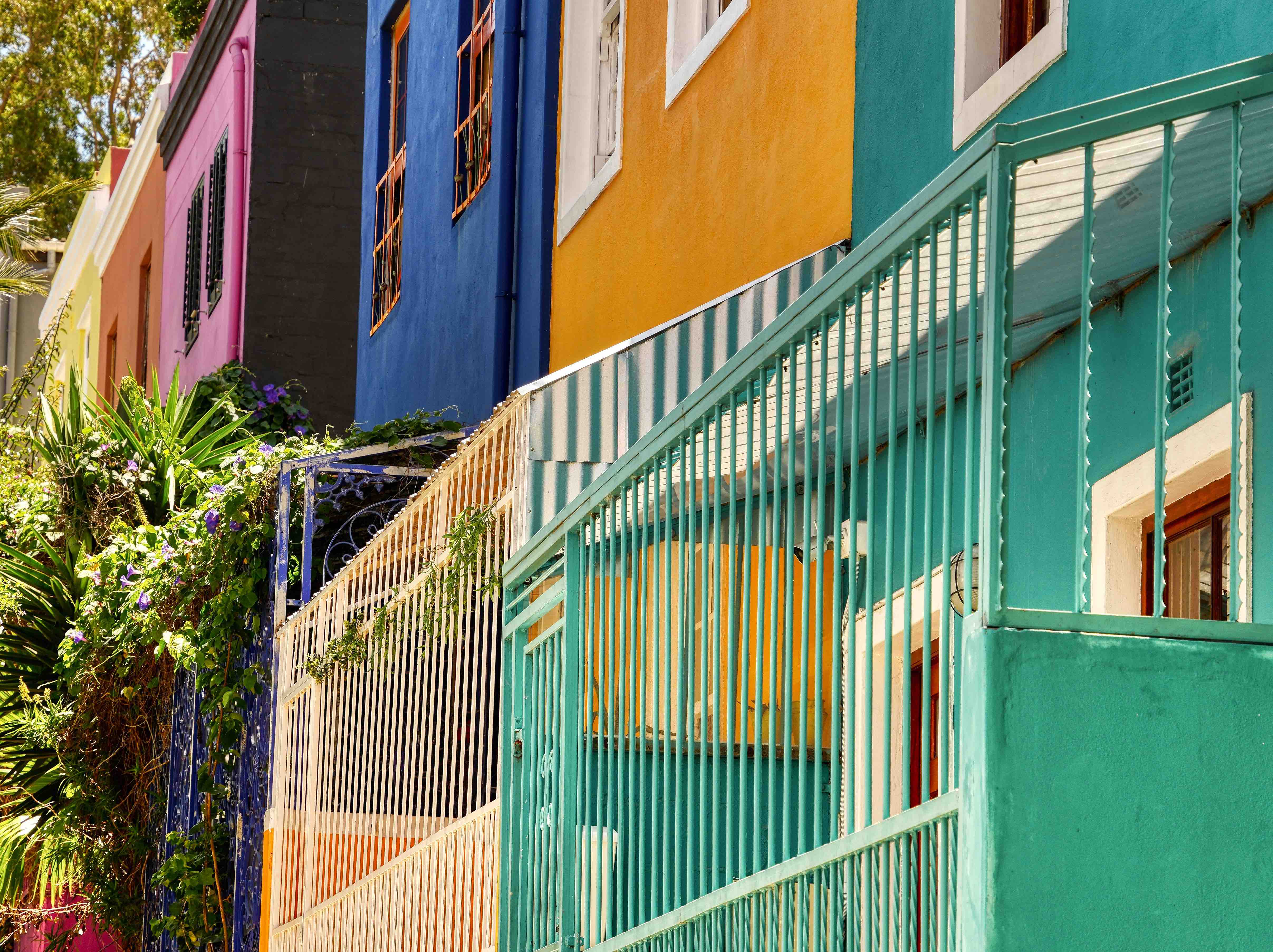
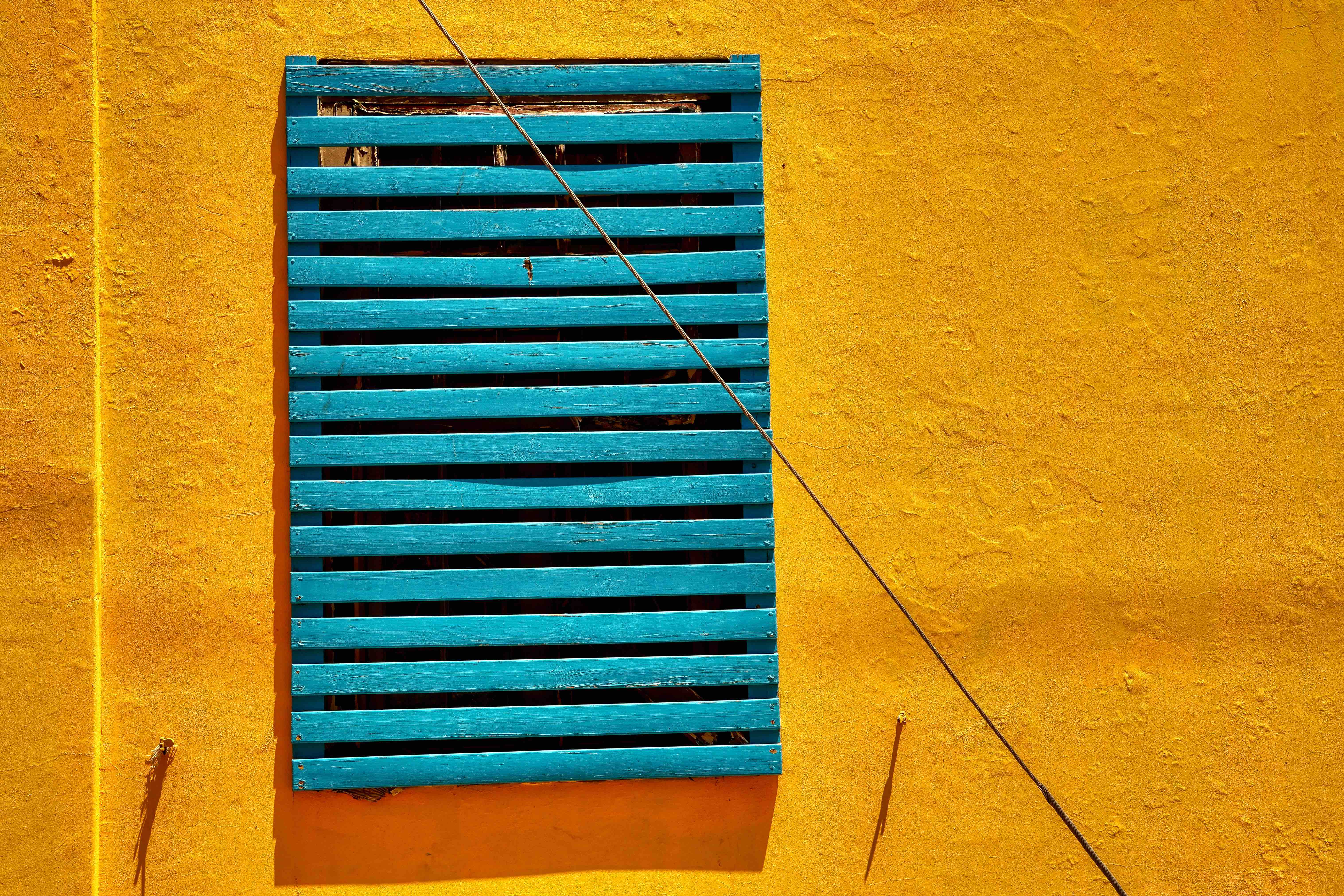
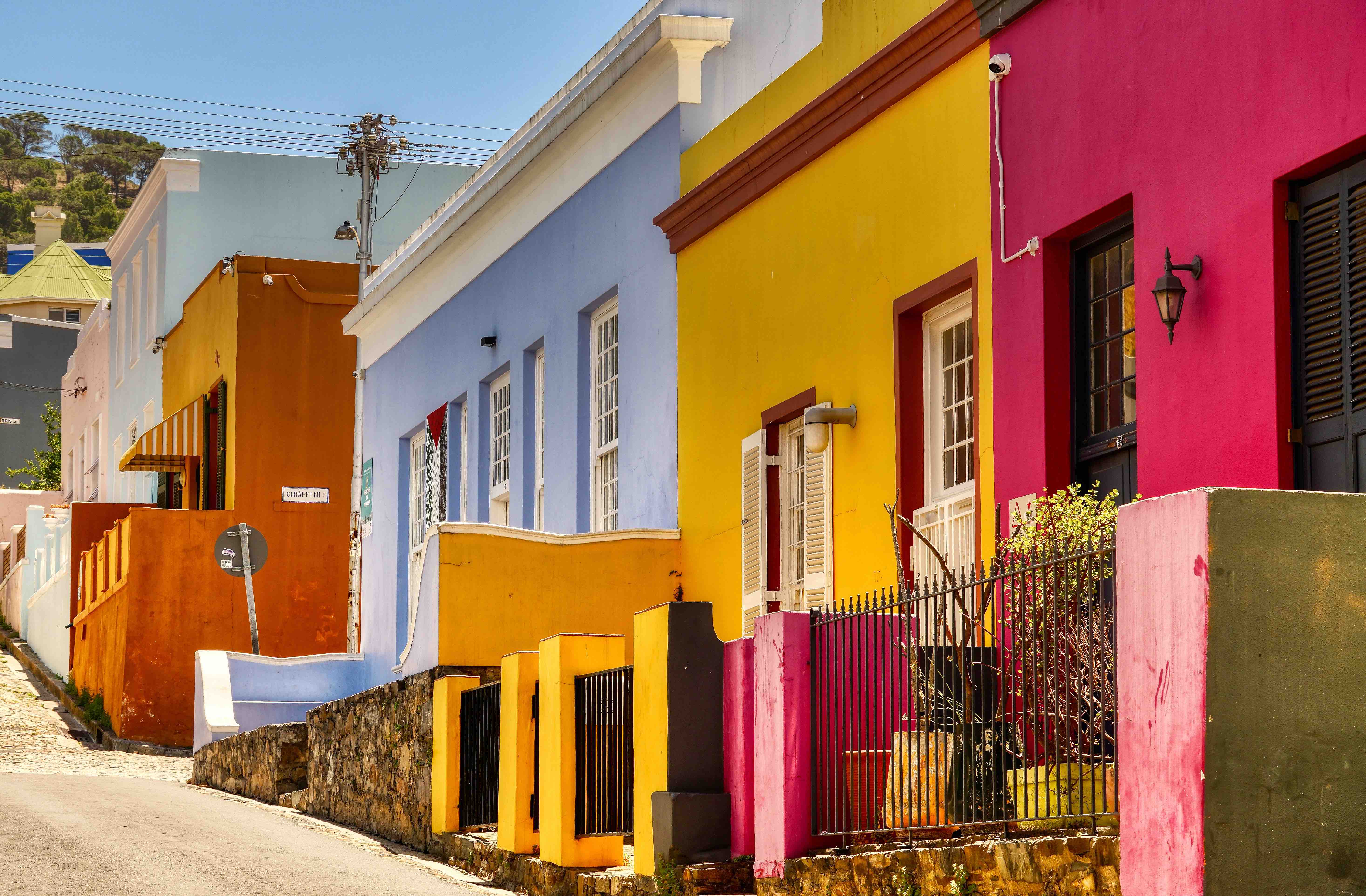
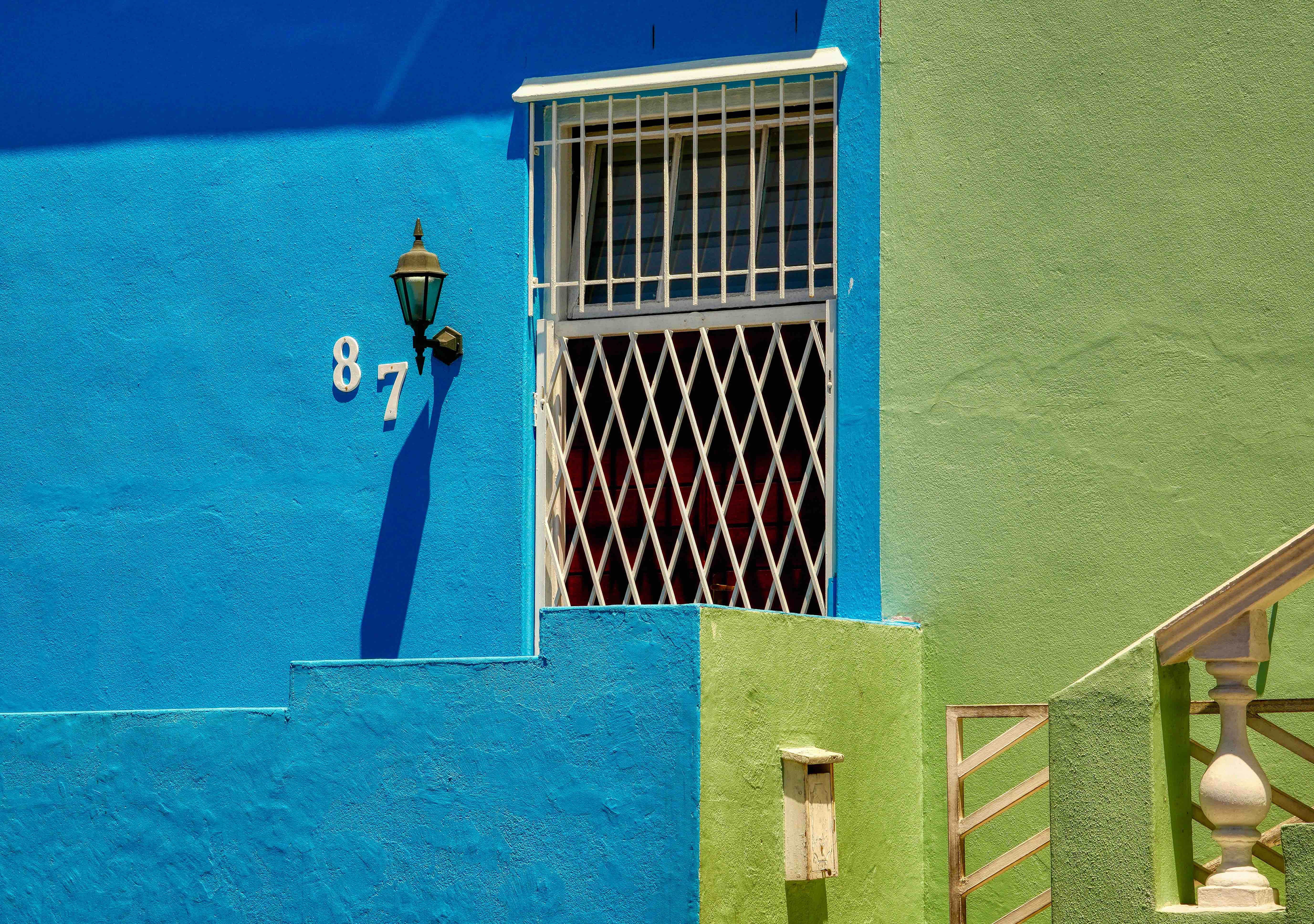
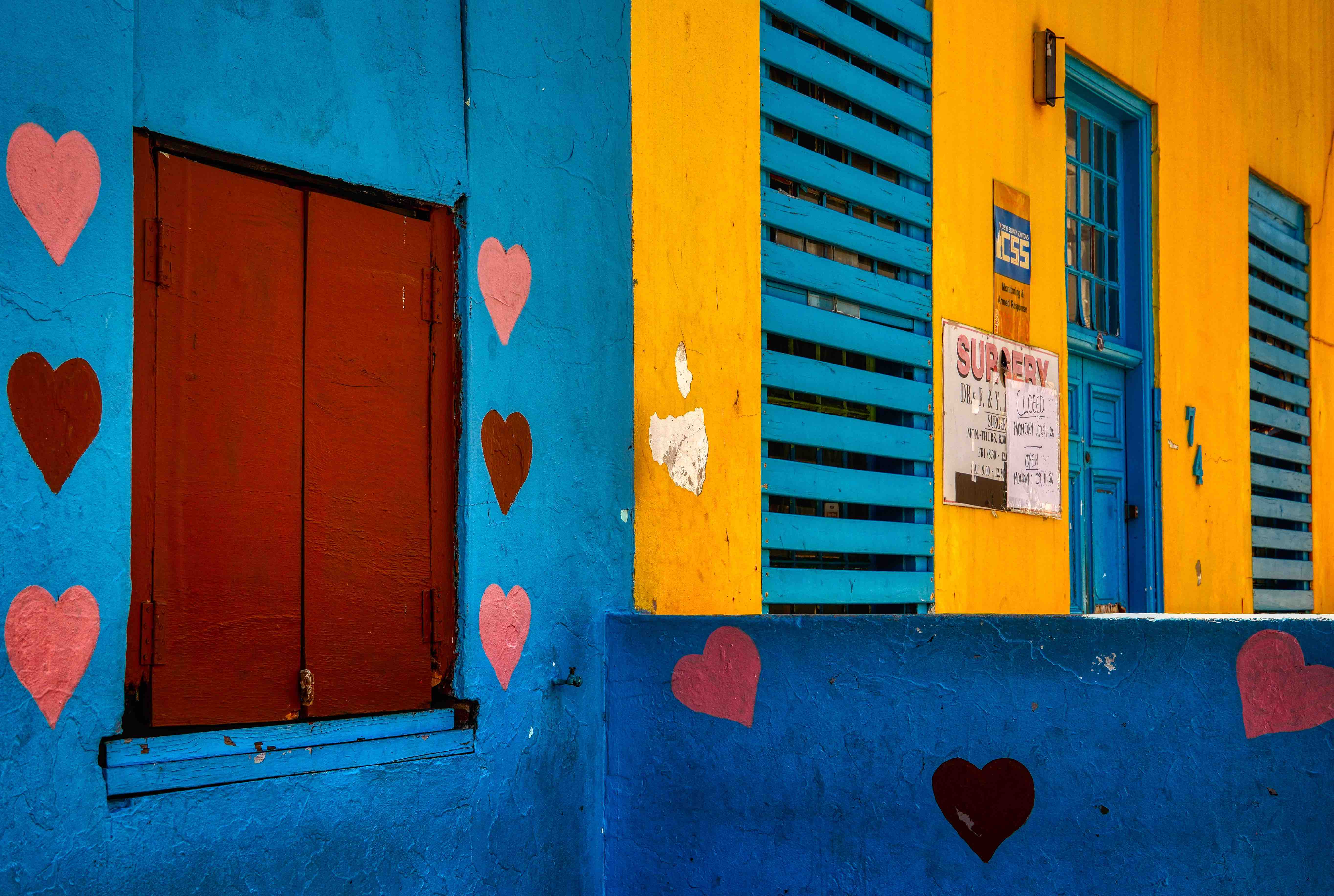
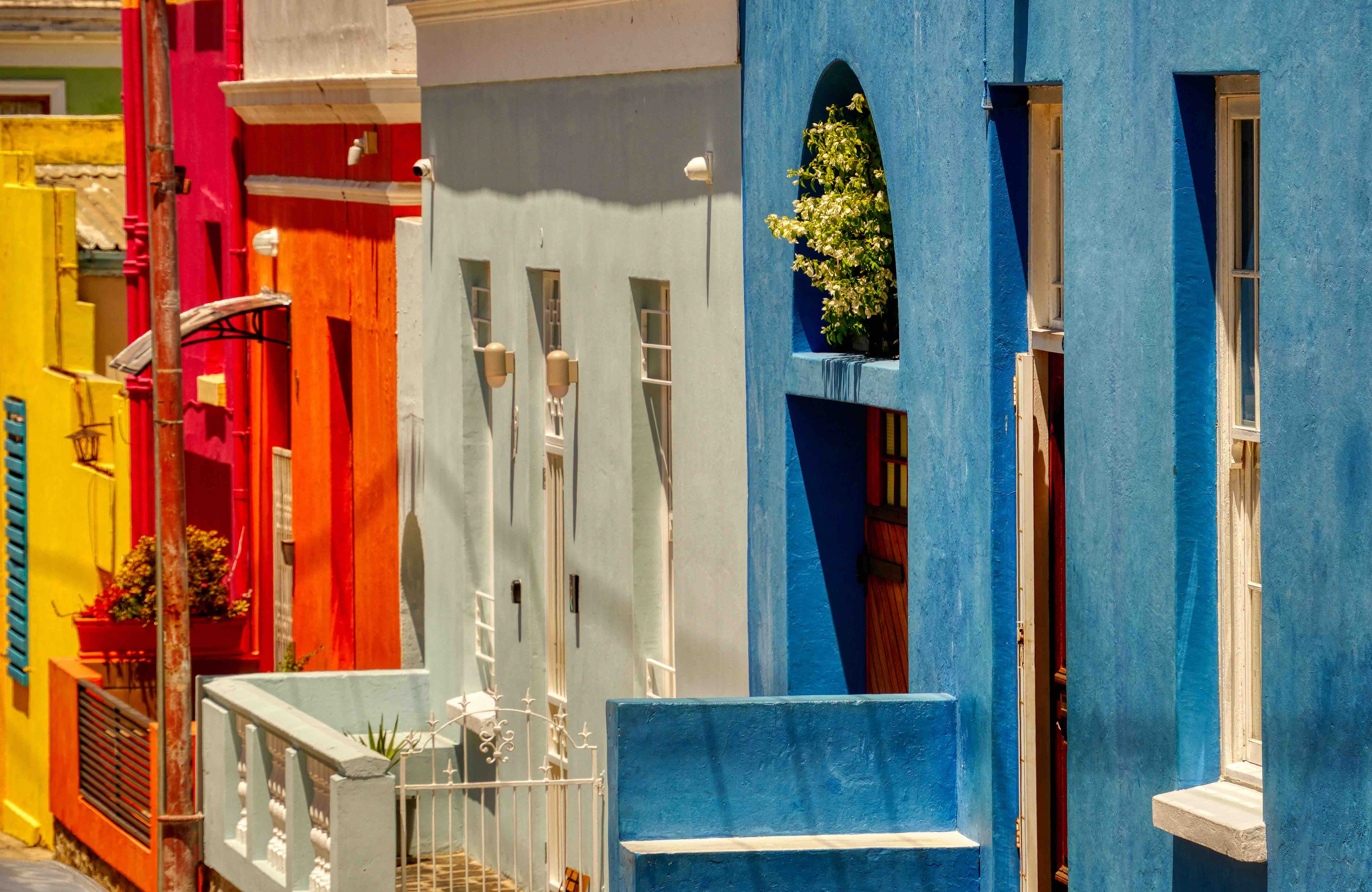
The neighbouring Bo-Kaap district, known as the Malay Quarter, is an altogether different kind of place, though historically these two districts were integrated with the wider Green Point areas before apartheid-era policies shrank the boundaries. It’s the oldest surviving residential district in Cape Town, dating back to the 1760’s and built to house the slaves brought into the country from Malaysia, Indonesia, India and other parts of Africa. Initially, painted plain white, the freed slaves and local artisans began painting their homes in bright vibrant colours, probably as an act of defiance but of course individual expression. Today, these small cobblestones streets are a riot of colour with tightly packed houses, each one a vibrant hue, clashing with the neighbour – the overall effect is quite stunning.
We walked the Bo-Kaap district on Sunday so naturally it was packed with tourists but you only have to walk slightly off the beaten track to find yourself in a deeply Muslim and Cape Malay community, complete with Mosques, where the five times daily call to prayer from local muezzins sounds out. In 2019 this neighbourhood was declared an official National Heritage Site to help stop the gentrification and over development, but sadly this looks to be a lost cause as large modern luxury apartment buildings and high-rise commercial construction are rapidly happening here and threatening the very character of the area and, in some parts, overlooking and dwarfing some of the low-rise 18th Century streets. And, due to the incredibly attractive brightly-painted houses, locals are being displaced out of the area by the very urgent need for tourist rentals and holiday homes. So sadly, an uncertain future for Bo-Kaap.


After the glorious natural images of your last posts, these garish efforts of man come as a bit of a shock. Certainly colourful, perhaps somewhat too much so. A bit like that colourful area in Buenos Aires .
LikeLike
Absolutely gorgeous!
Thank you for sharing your wonderful journey .
LikeLike