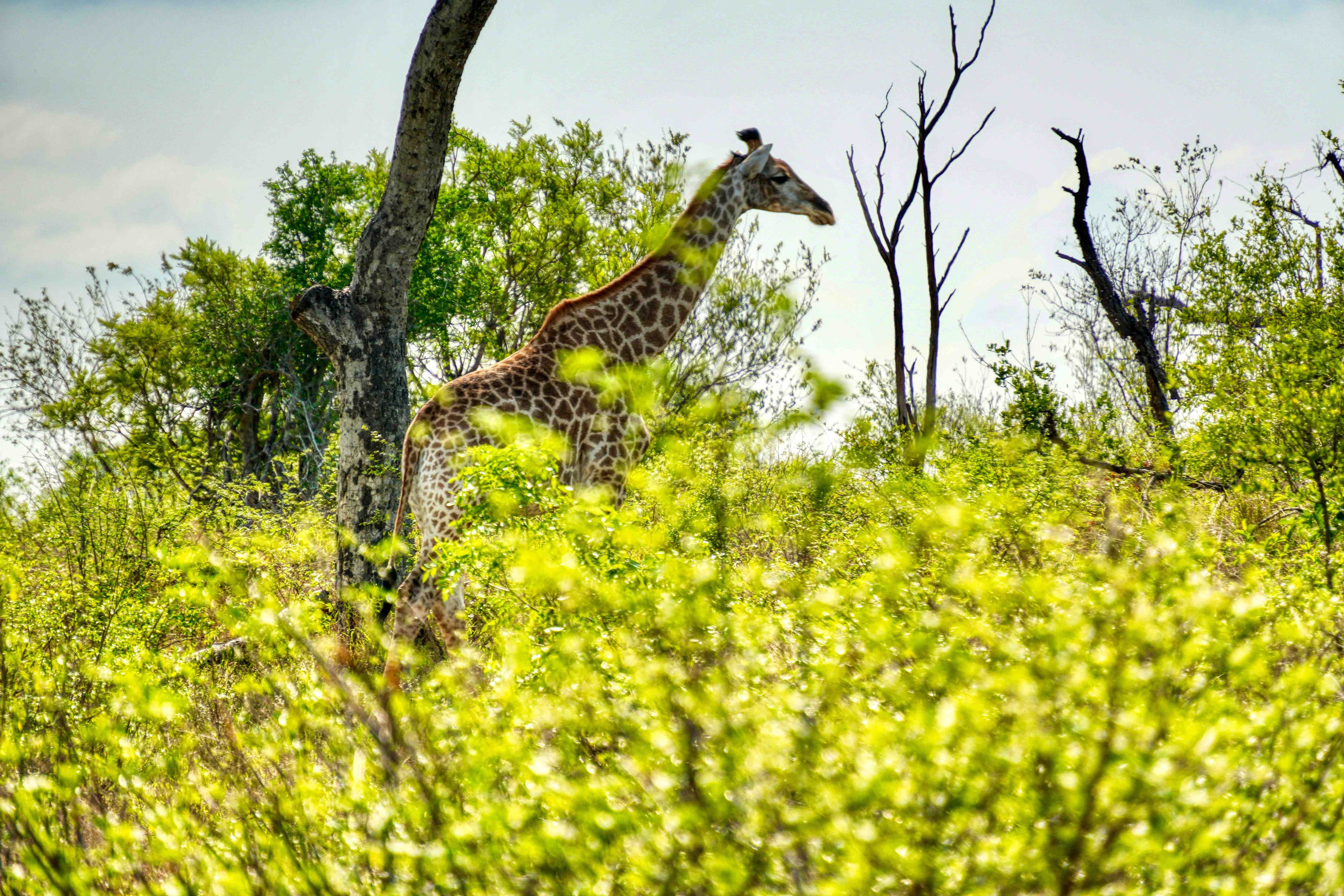
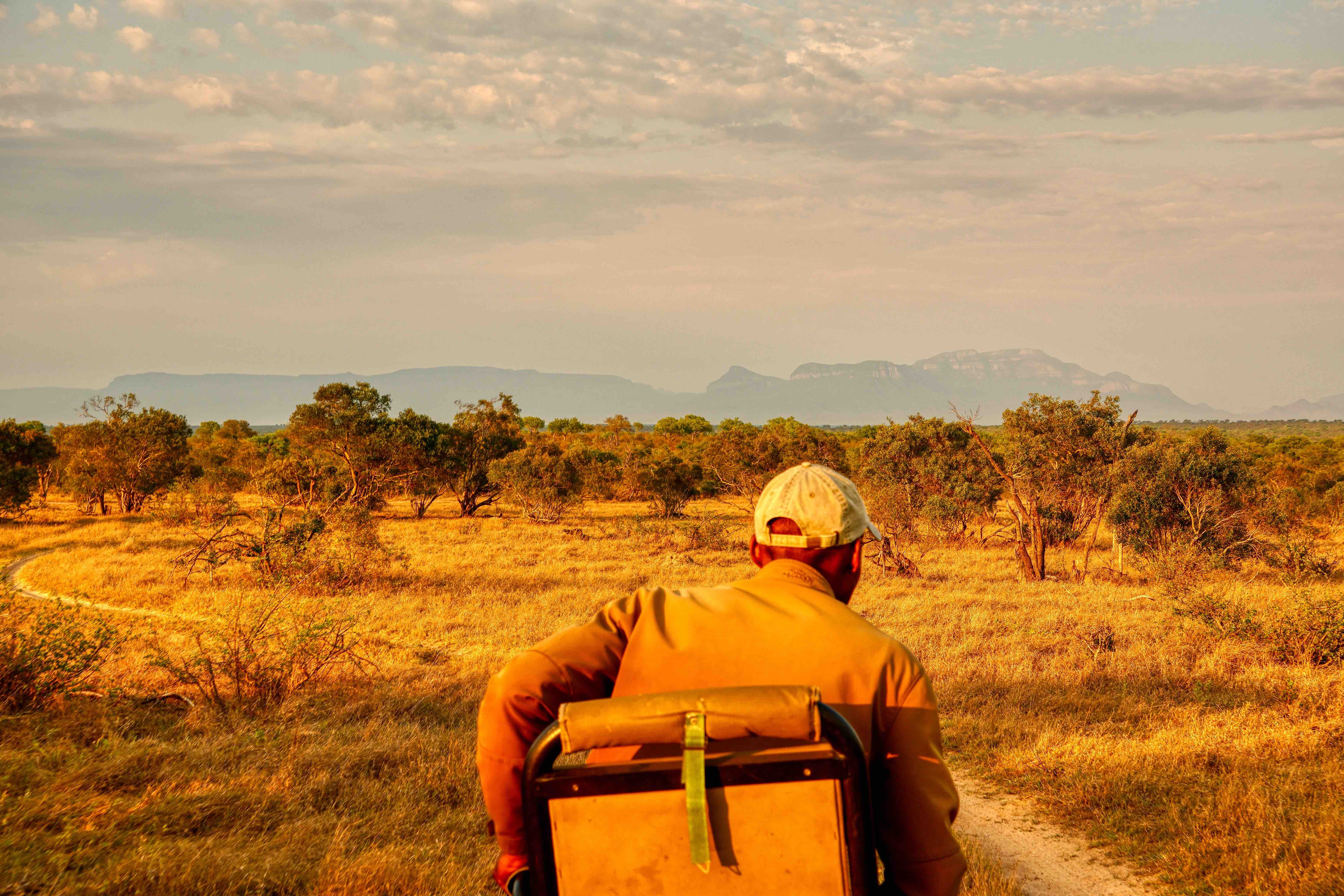
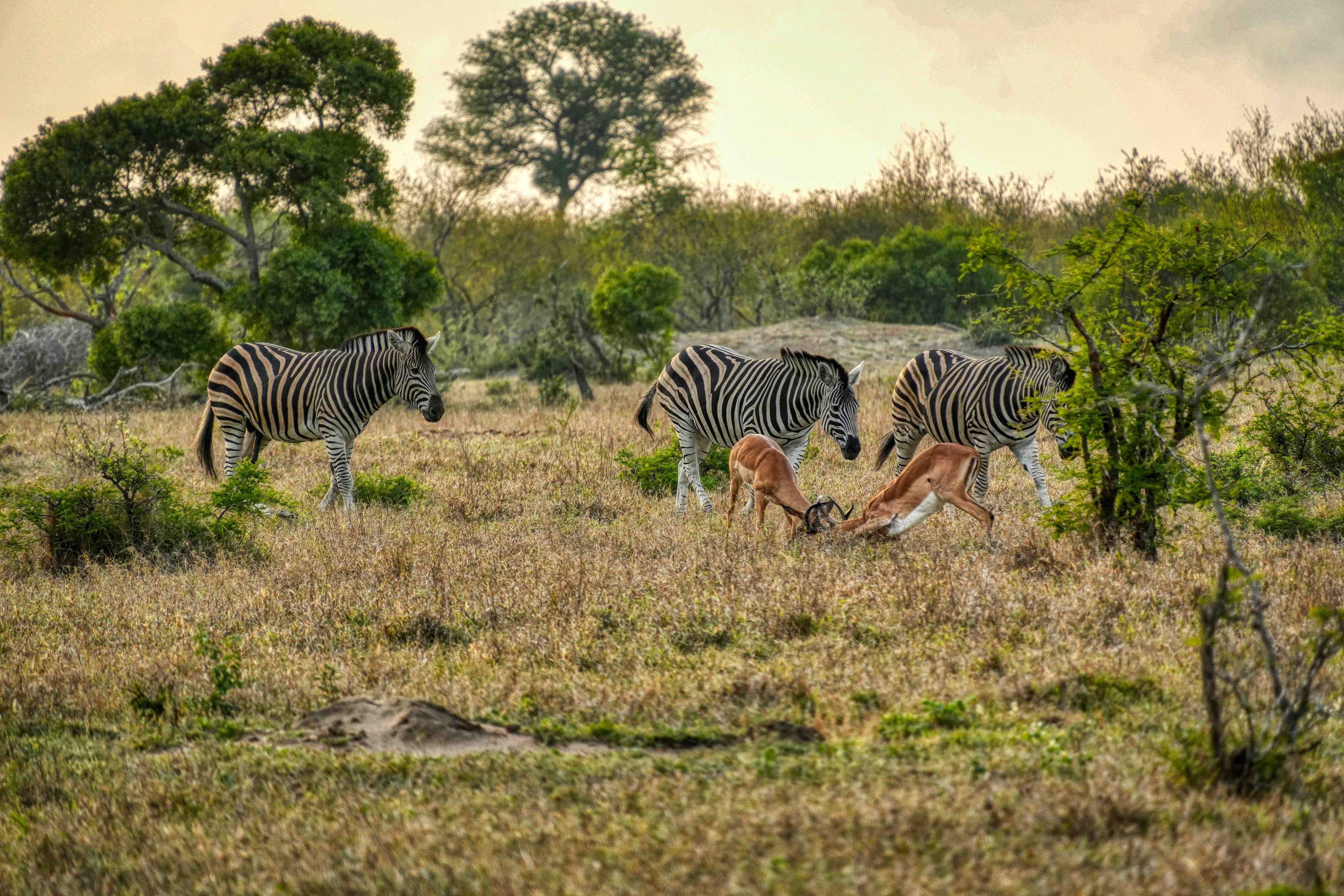
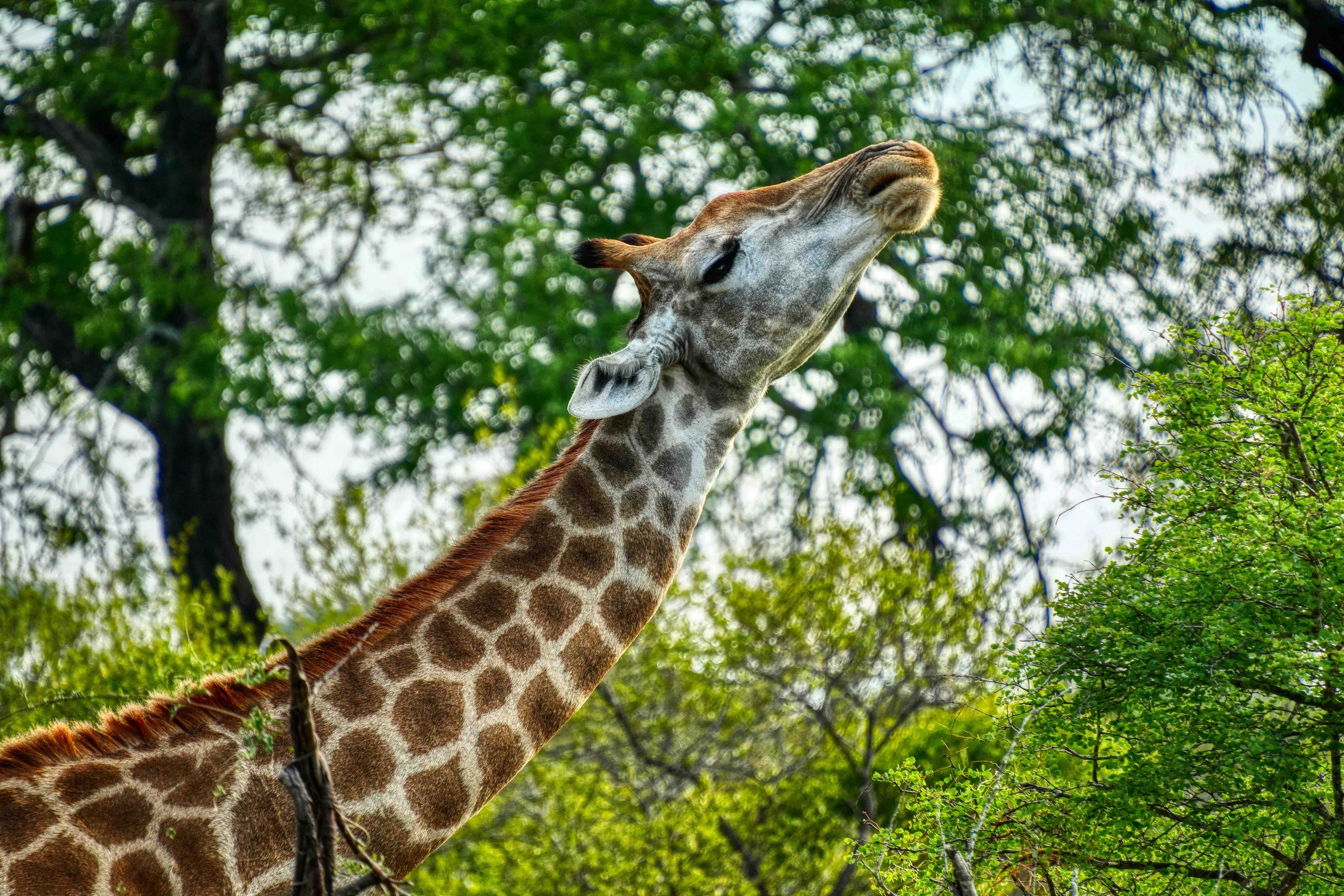
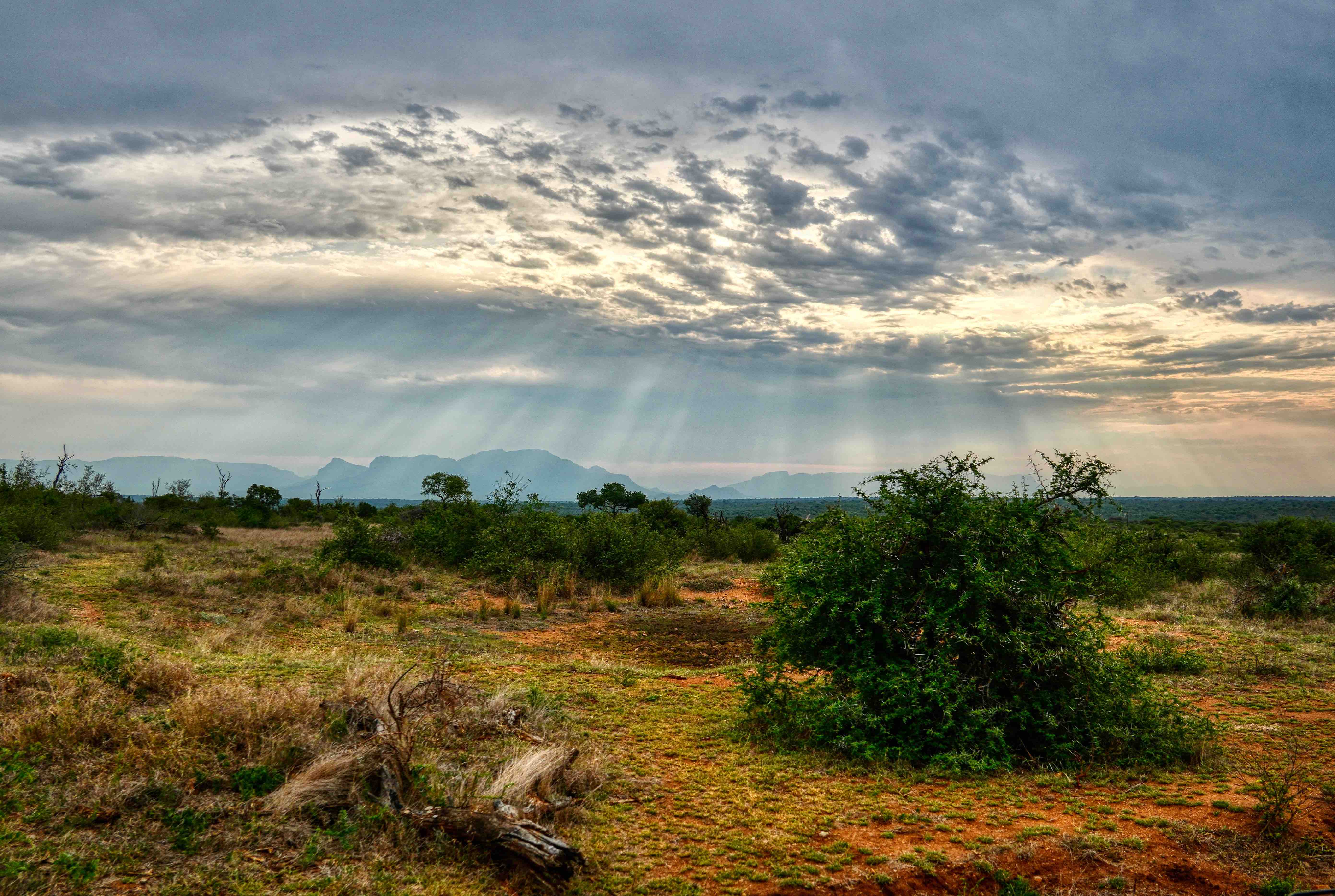
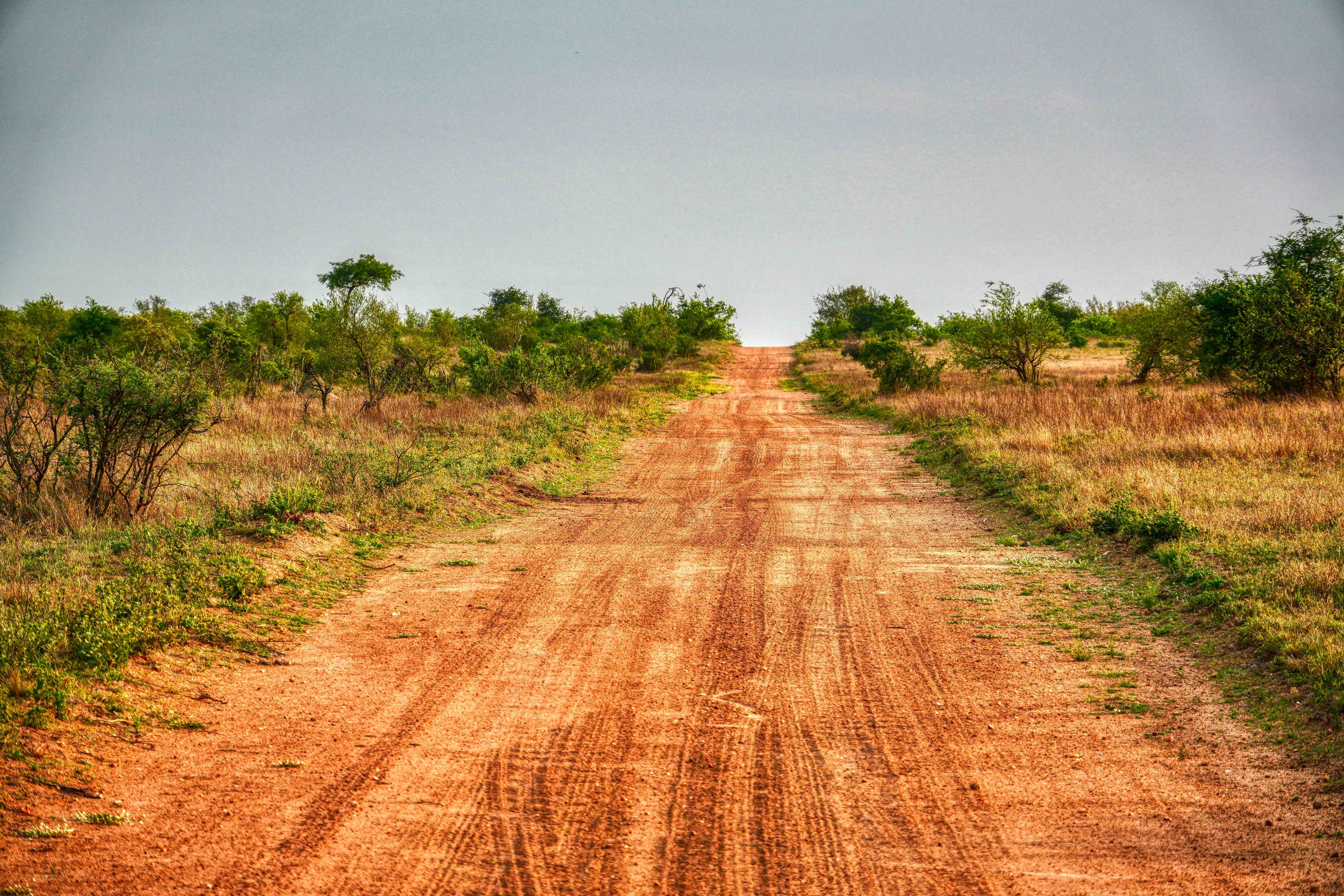
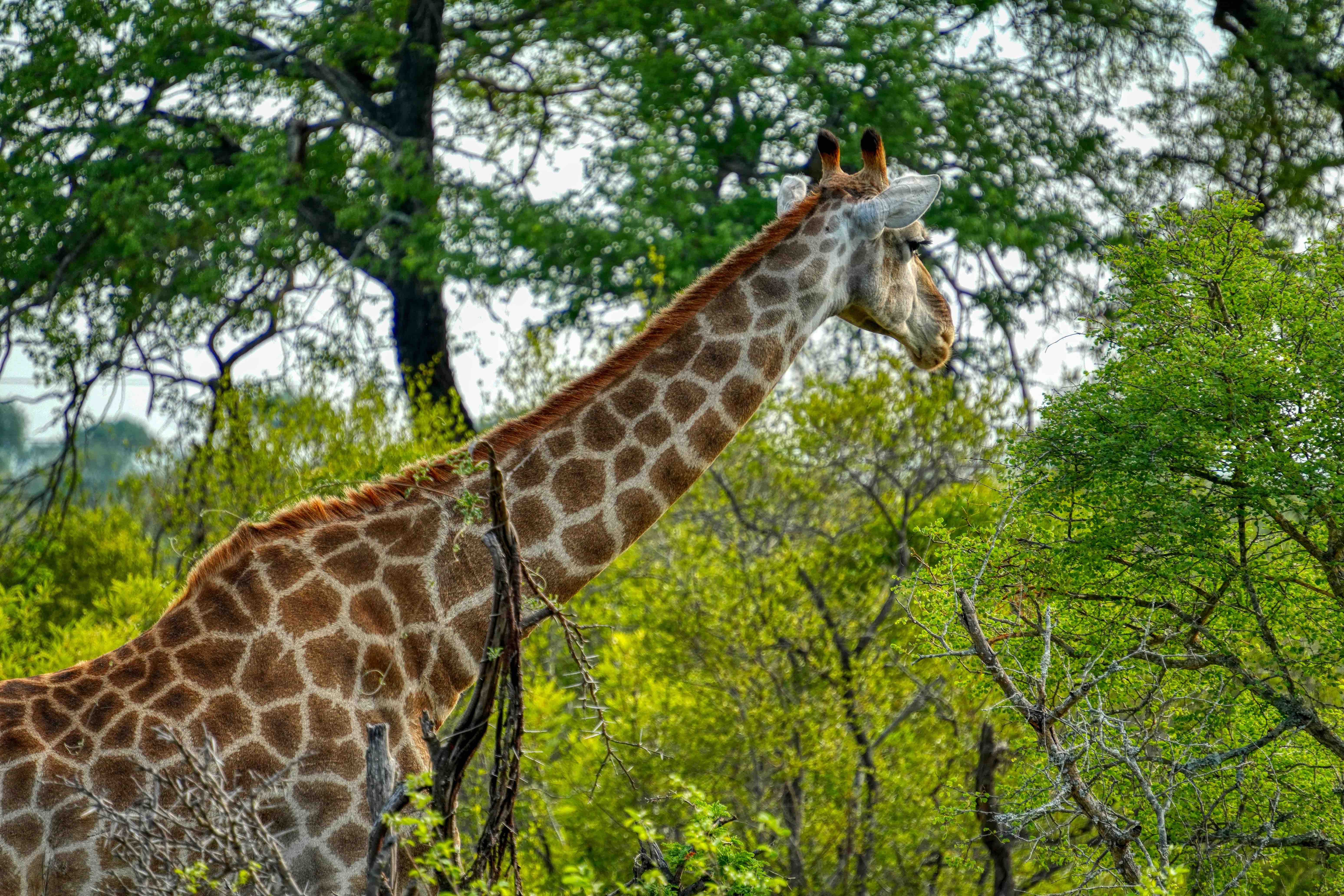
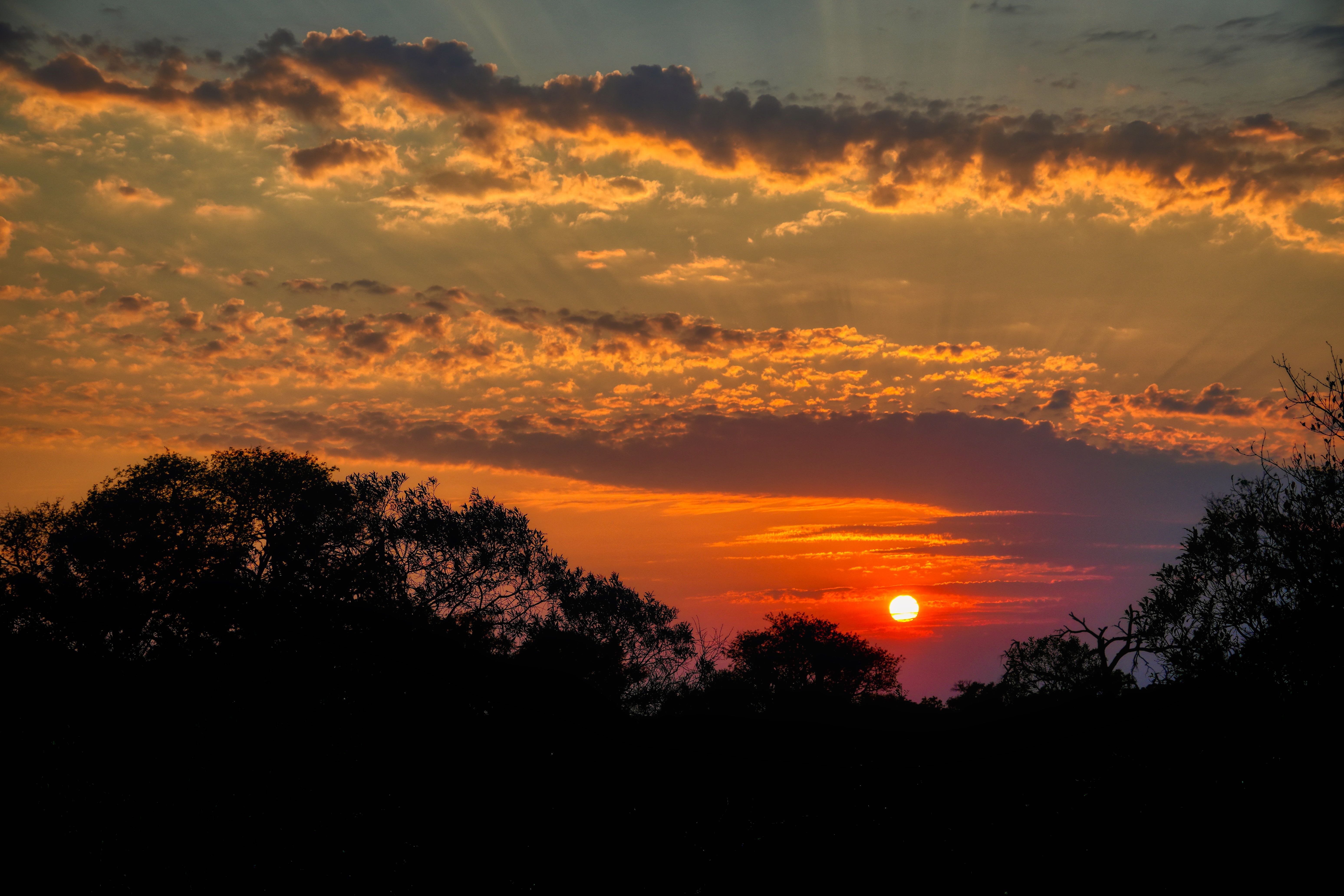
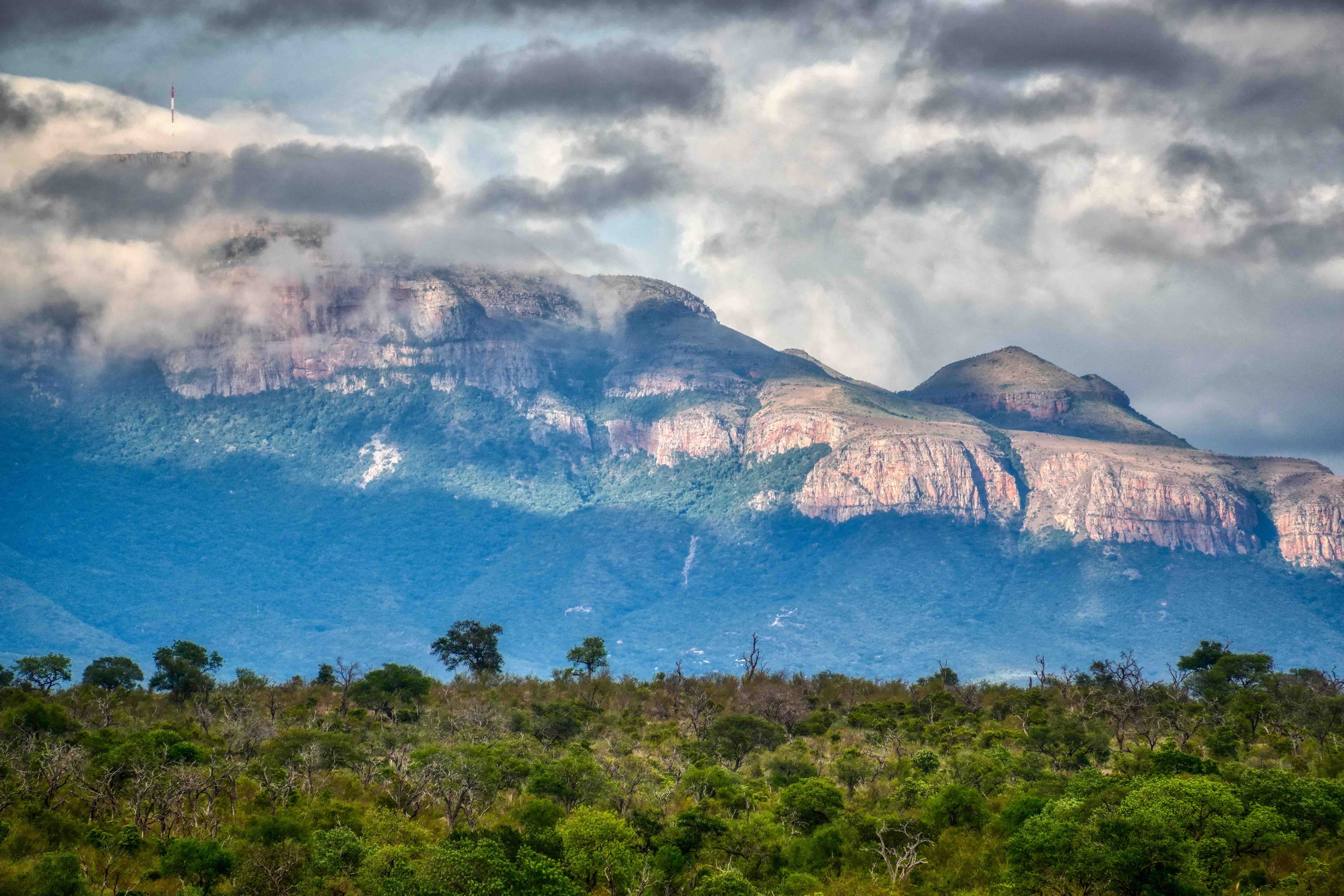
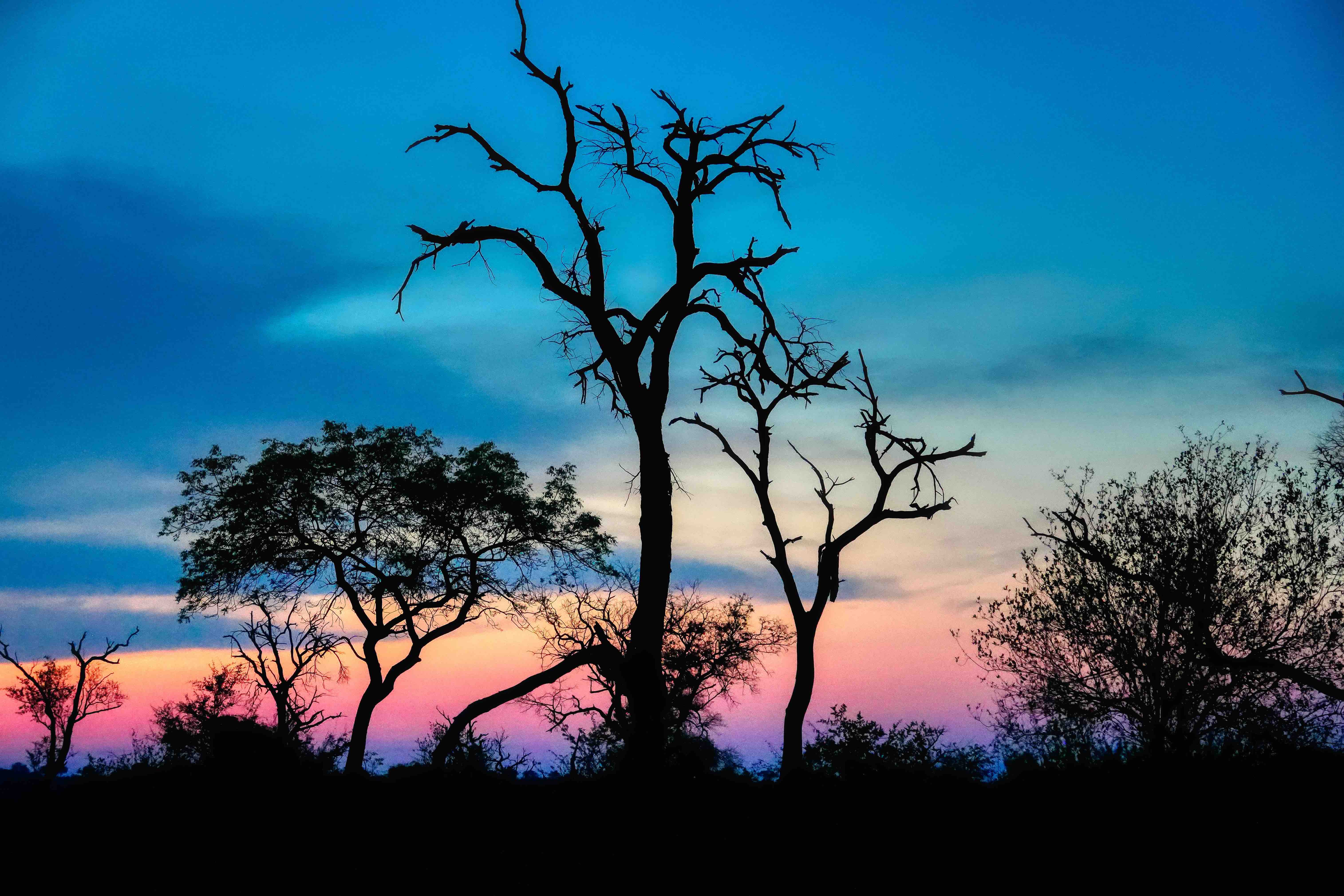
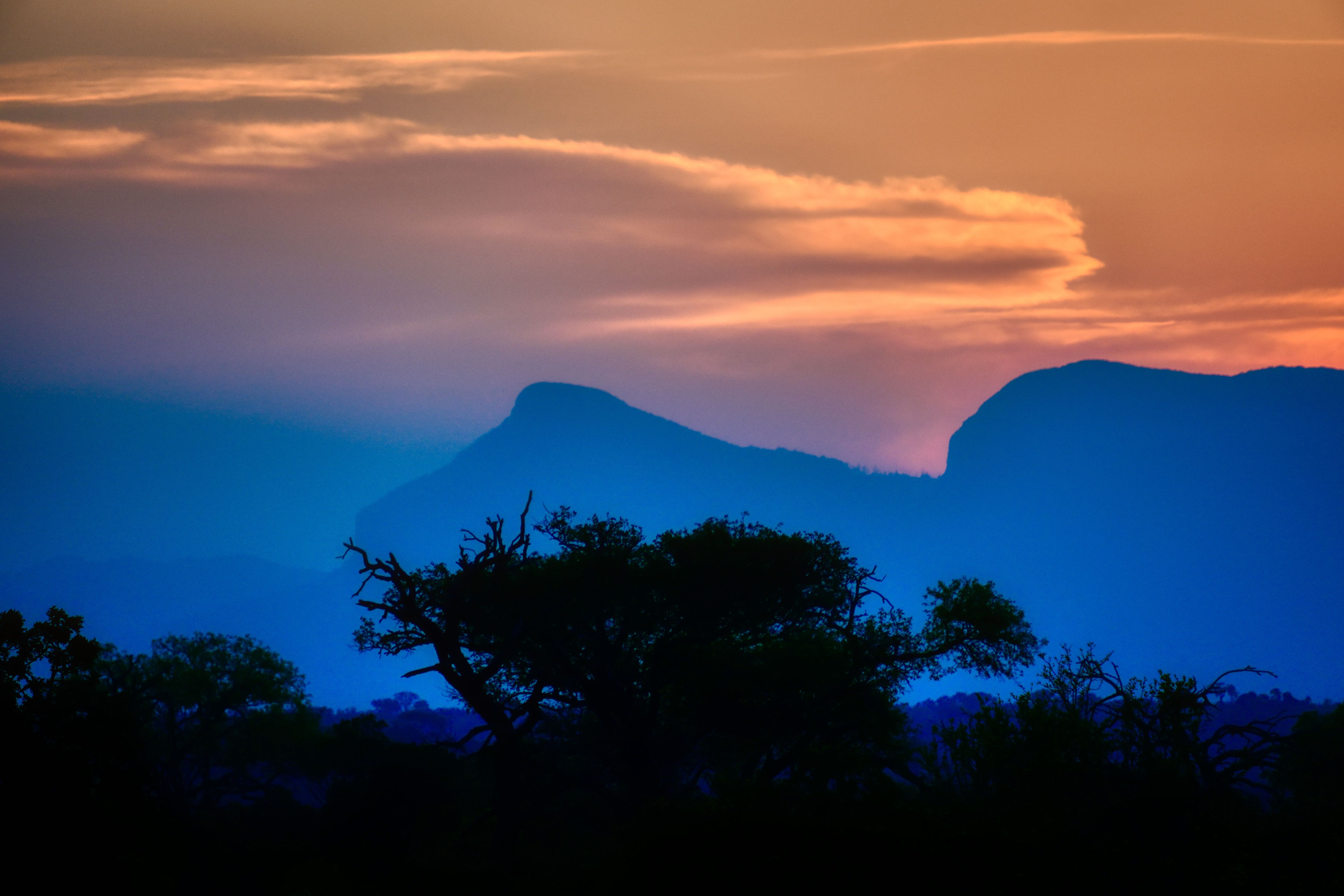
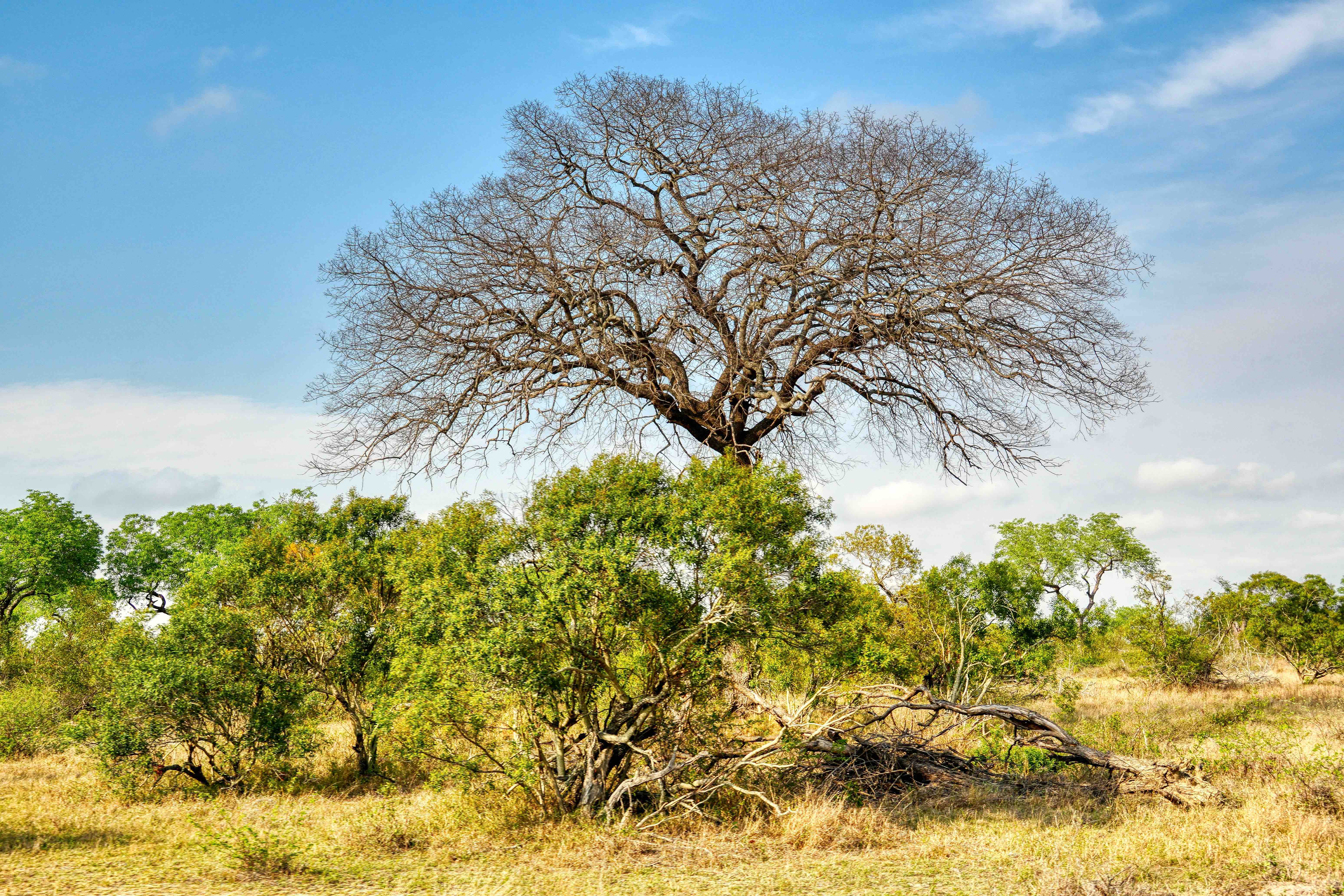
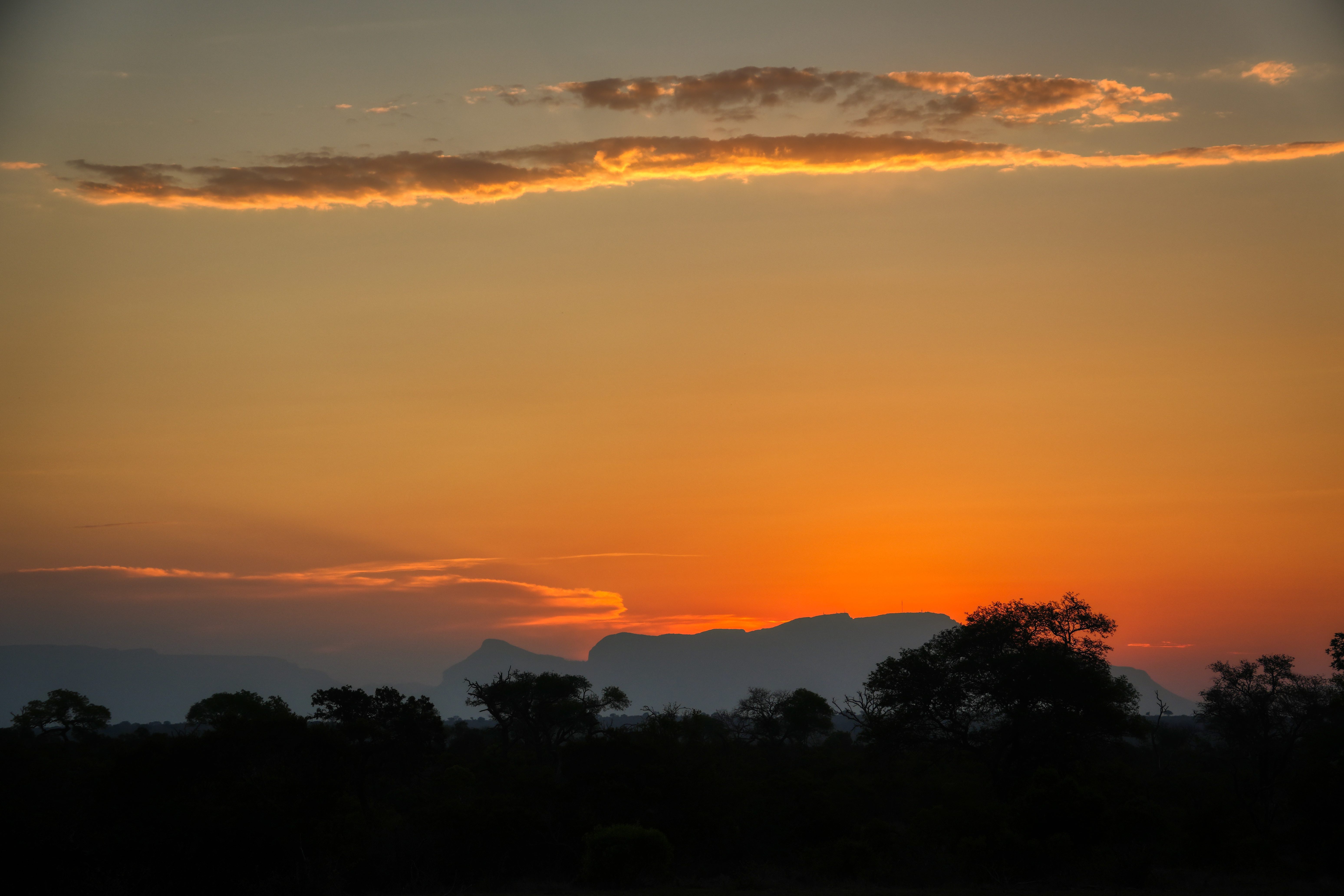
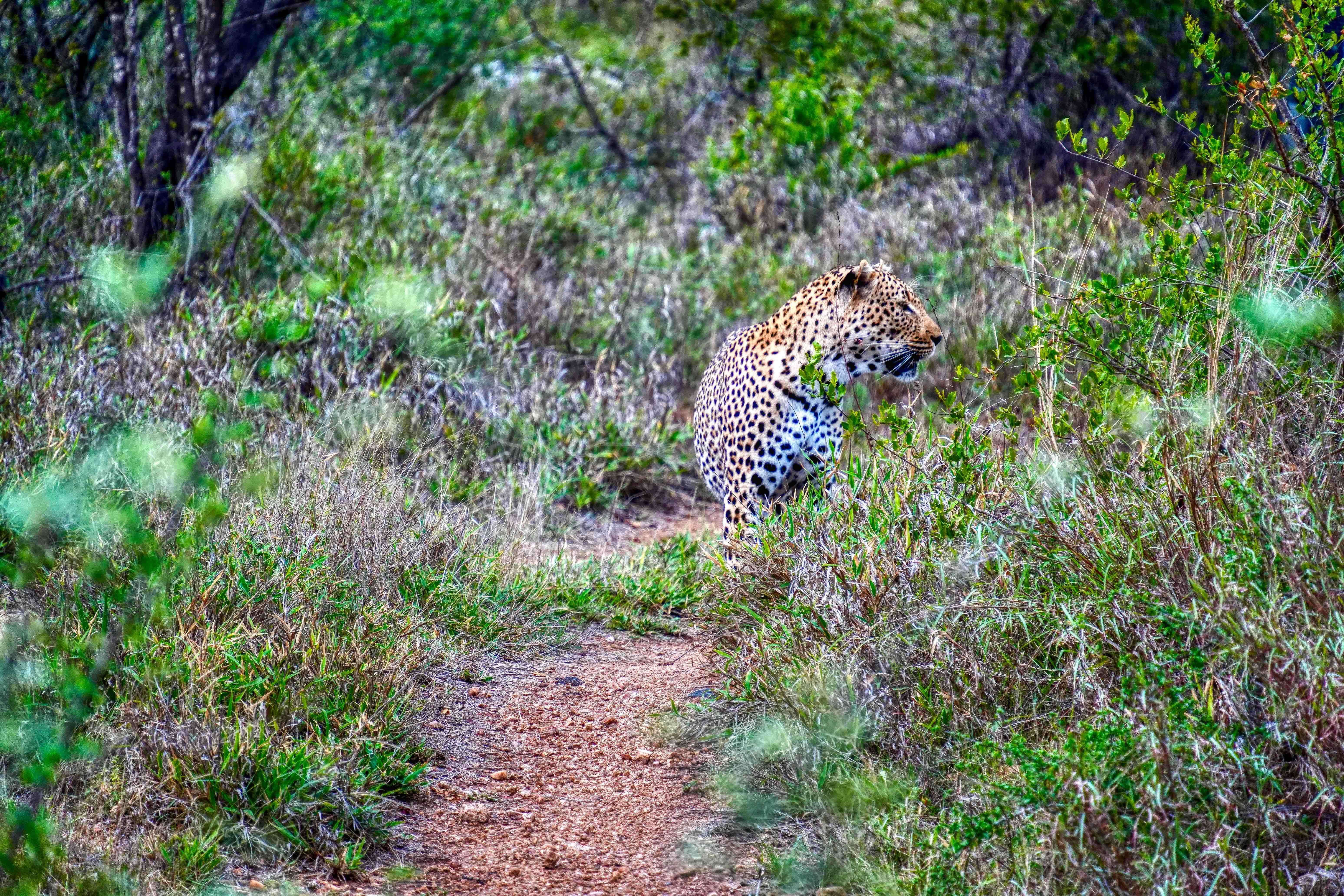
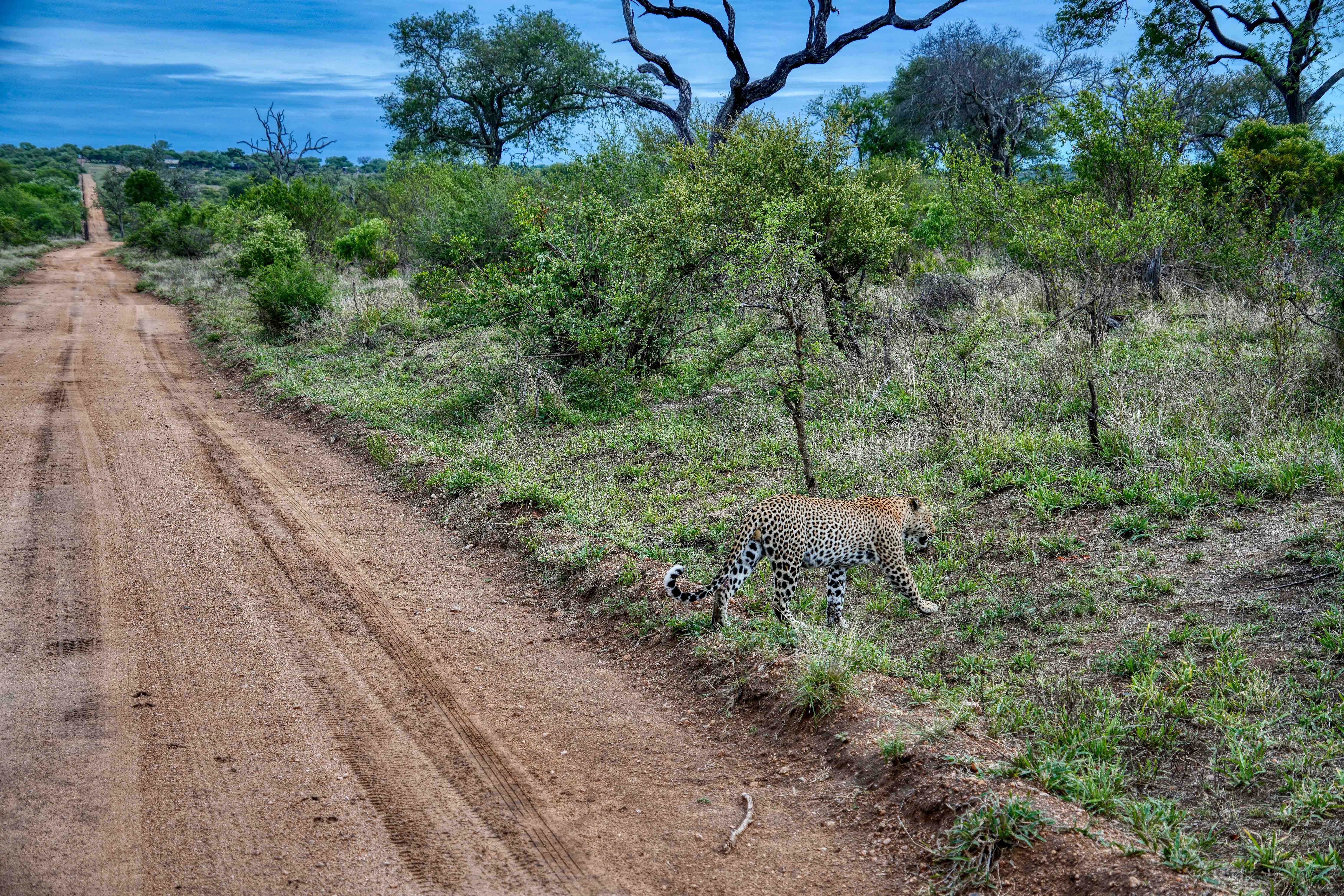
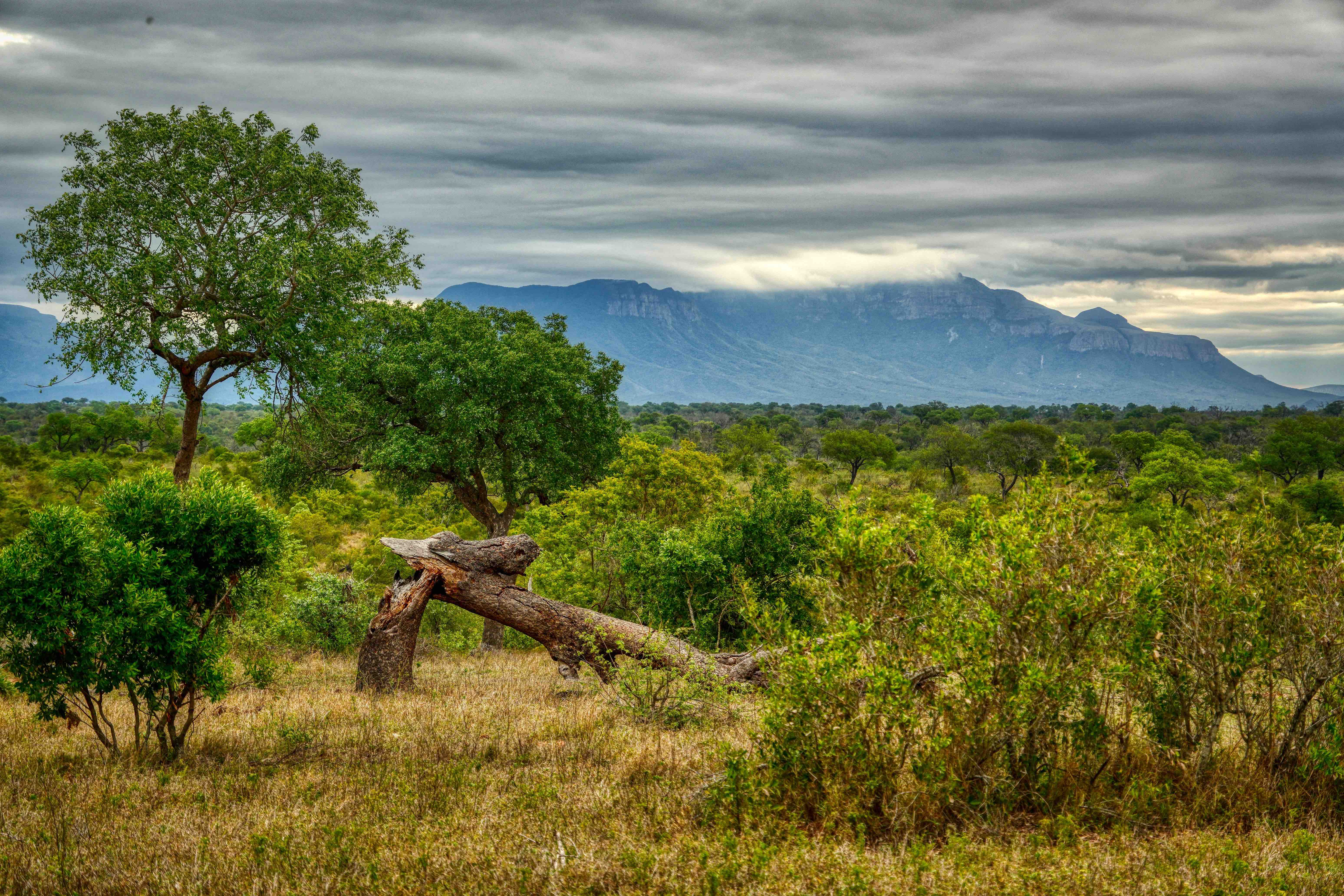
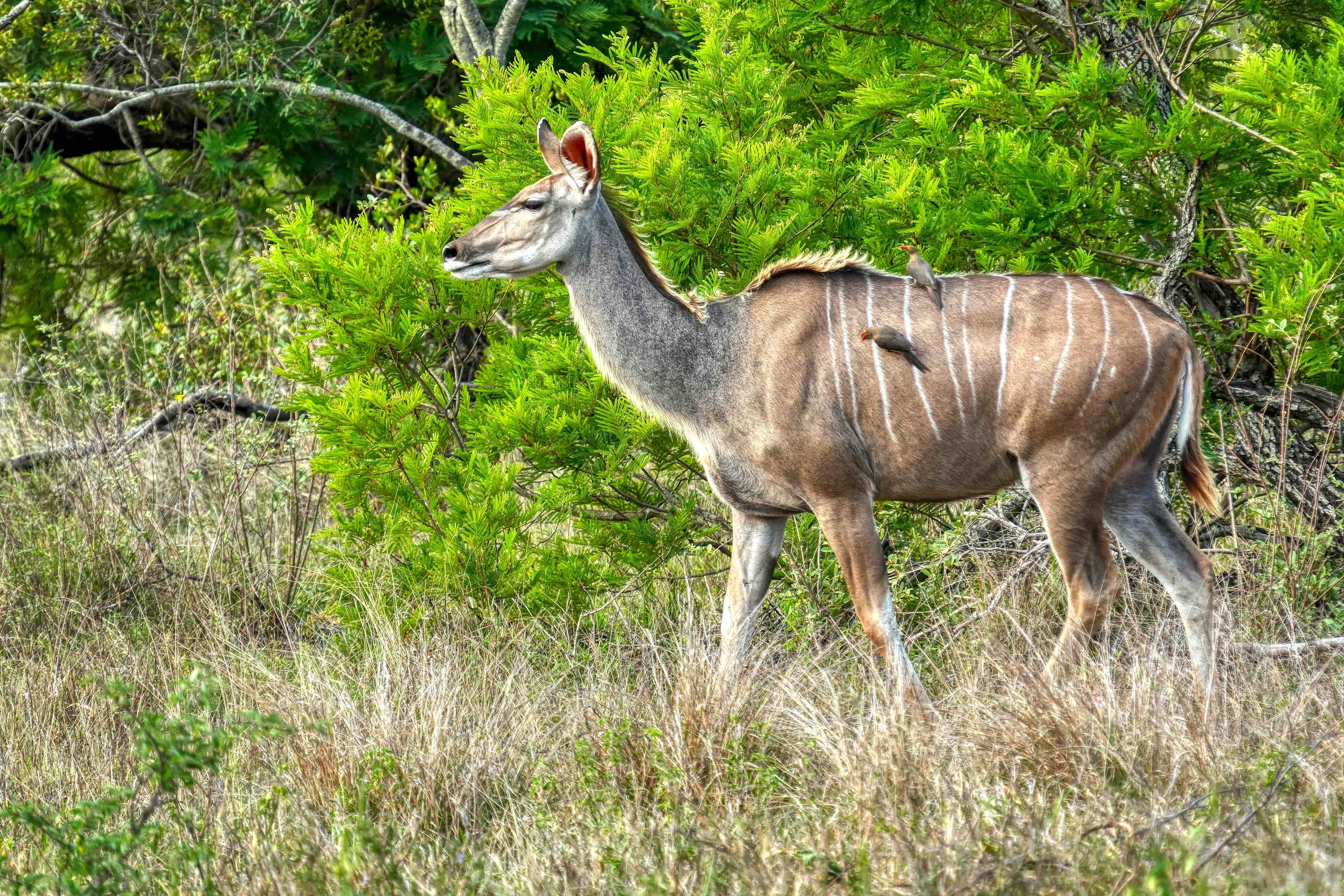
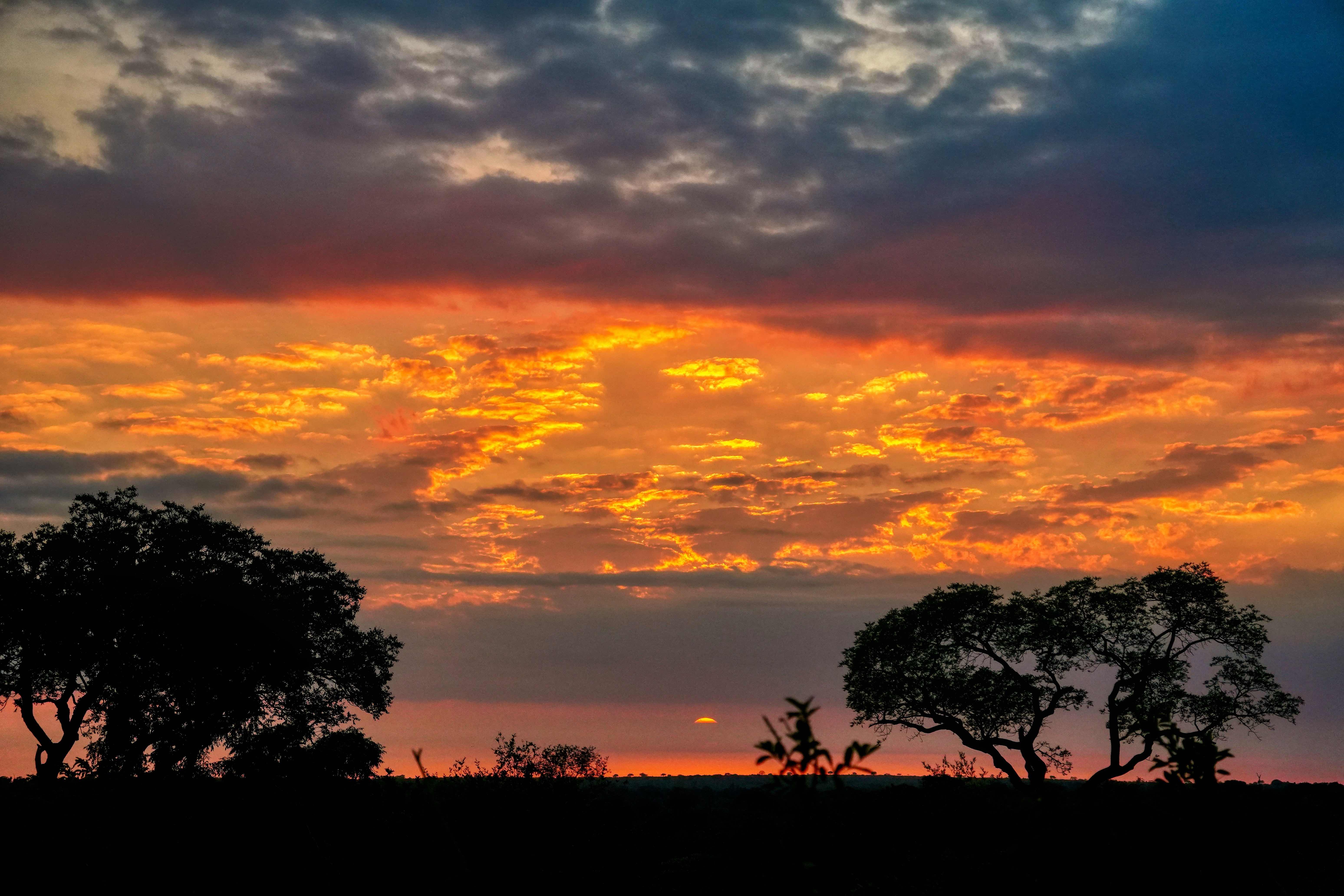
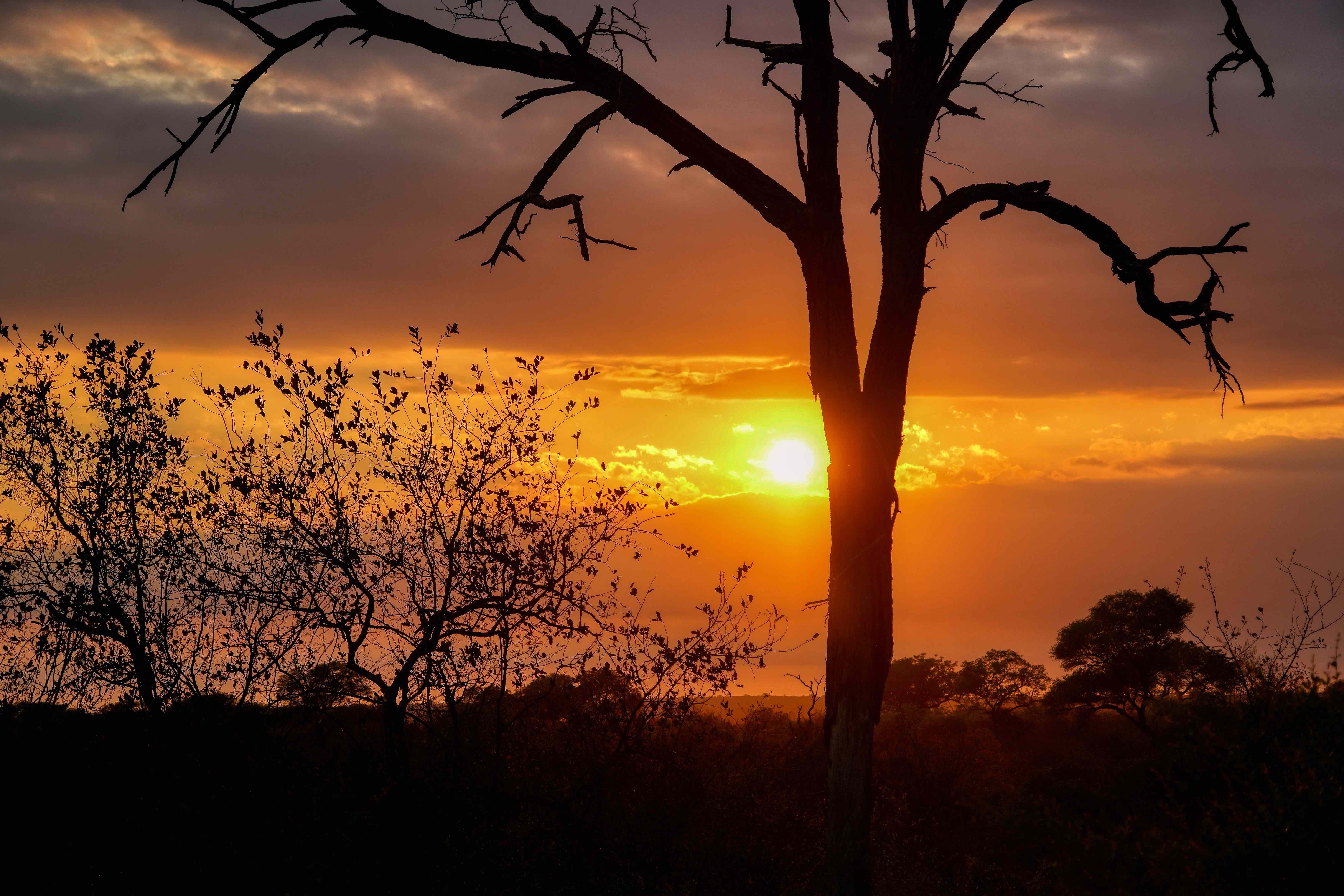
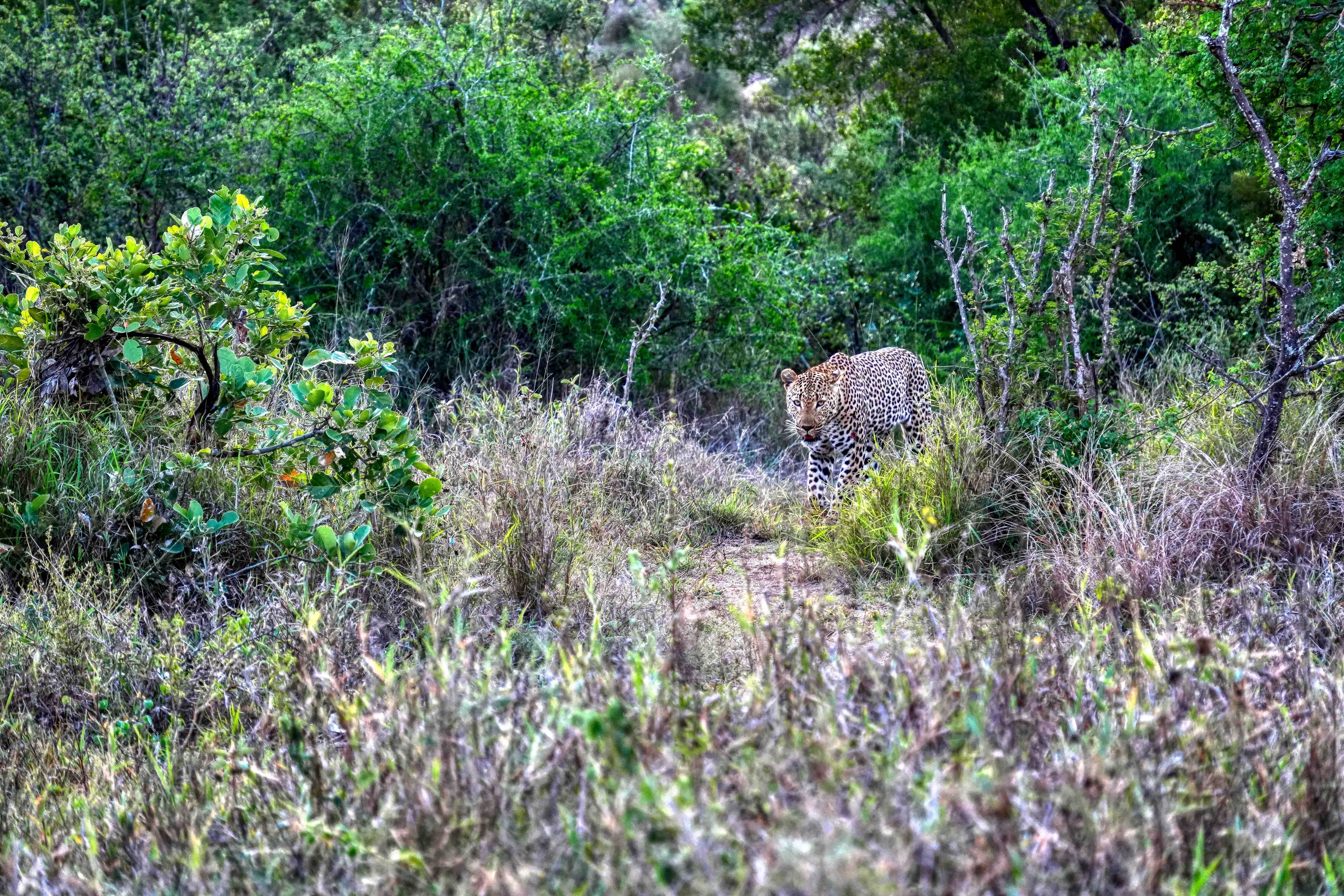
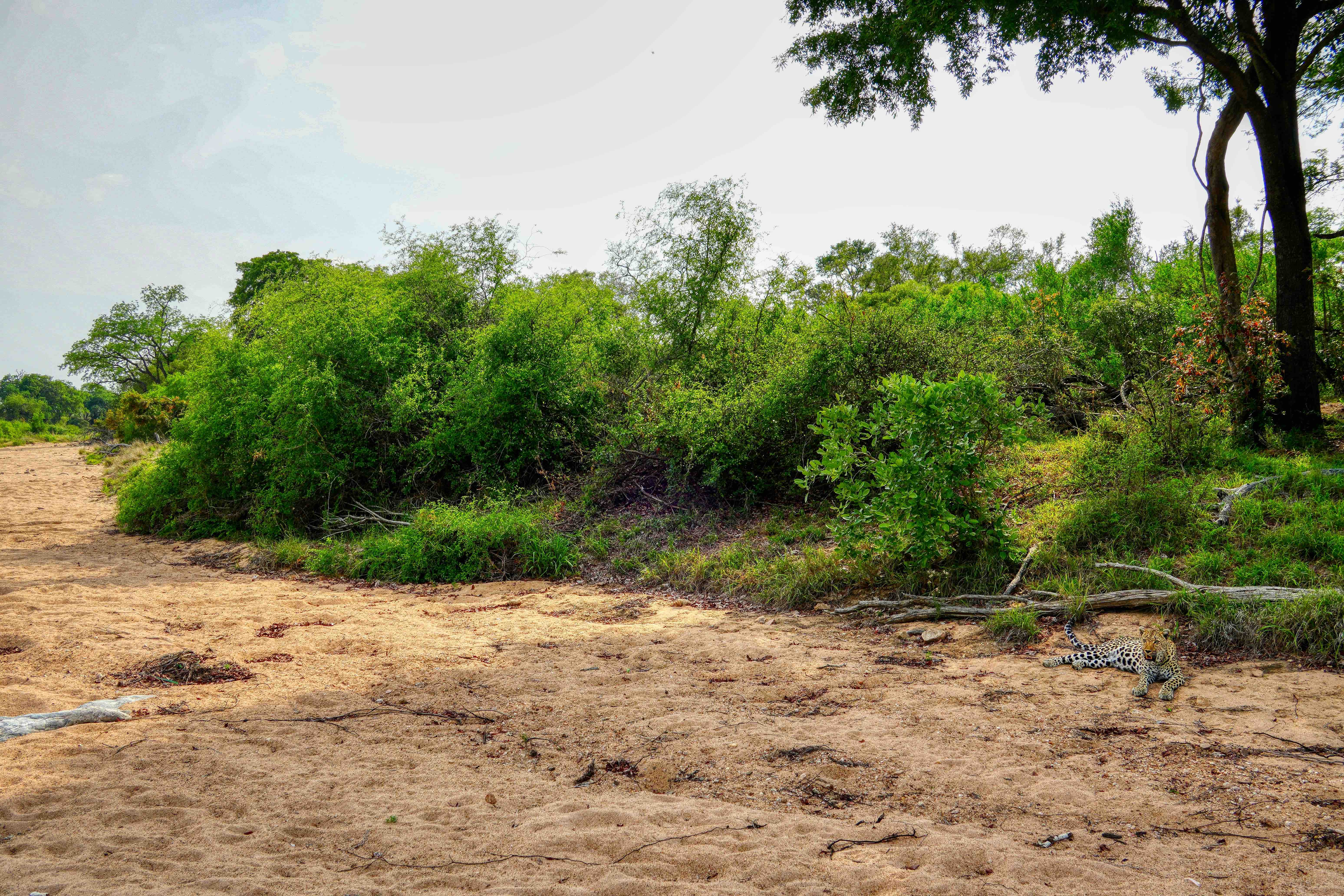
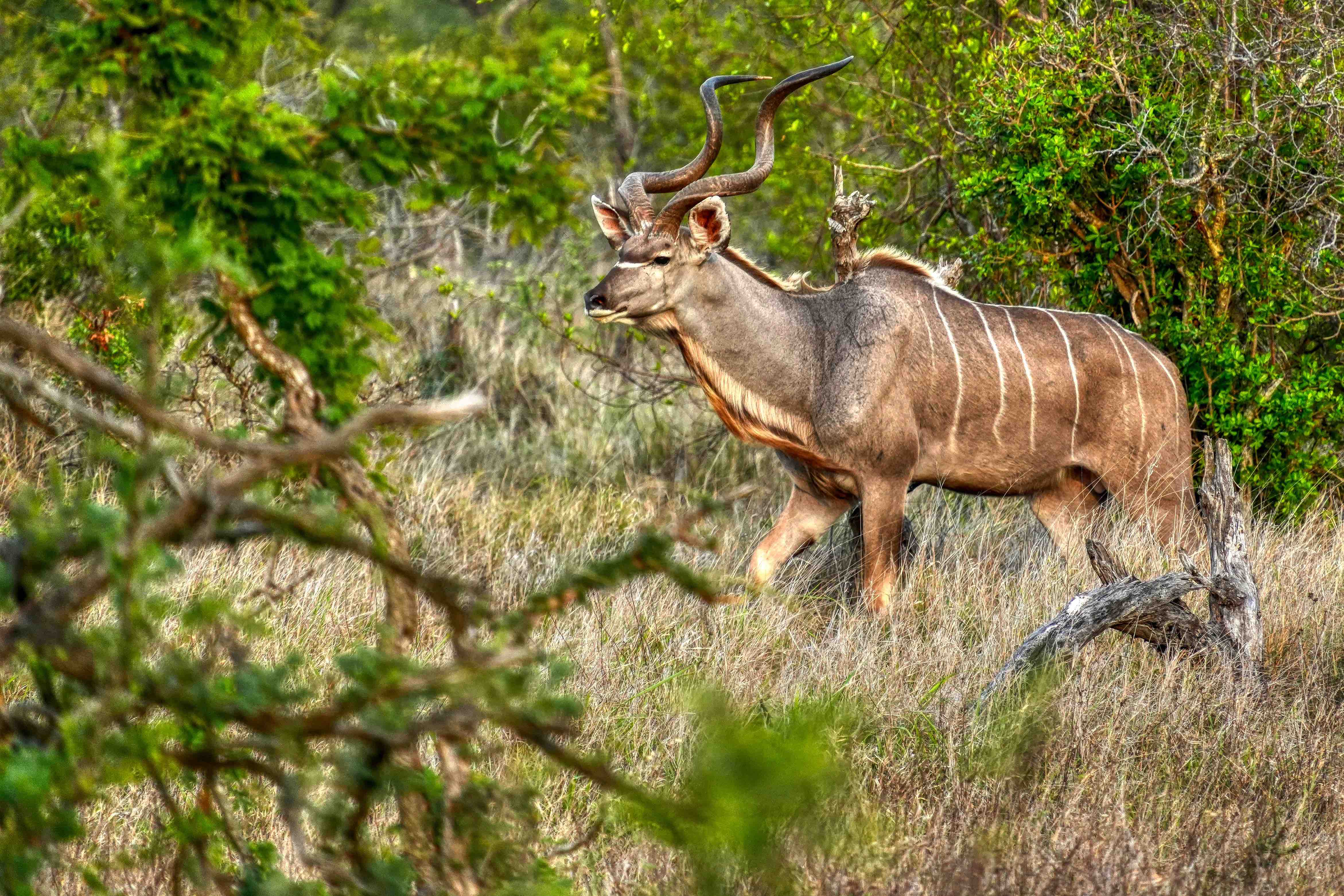
Thorny Bush Game Reserve is a subtropical savannah lowveld bushveld ecosystem, spanning some 14,000 hectares of open rolling grass plains to thick dense acacia woodlands – excellent camouflage for the big cats (spot the Leopard!) and the large grazing herbivores that roam this land. The distant Drakensberg escarpment looms on the horizon, emerging from the gloom at sunrise and providing spectacular backdrops to the setting sun in the west.
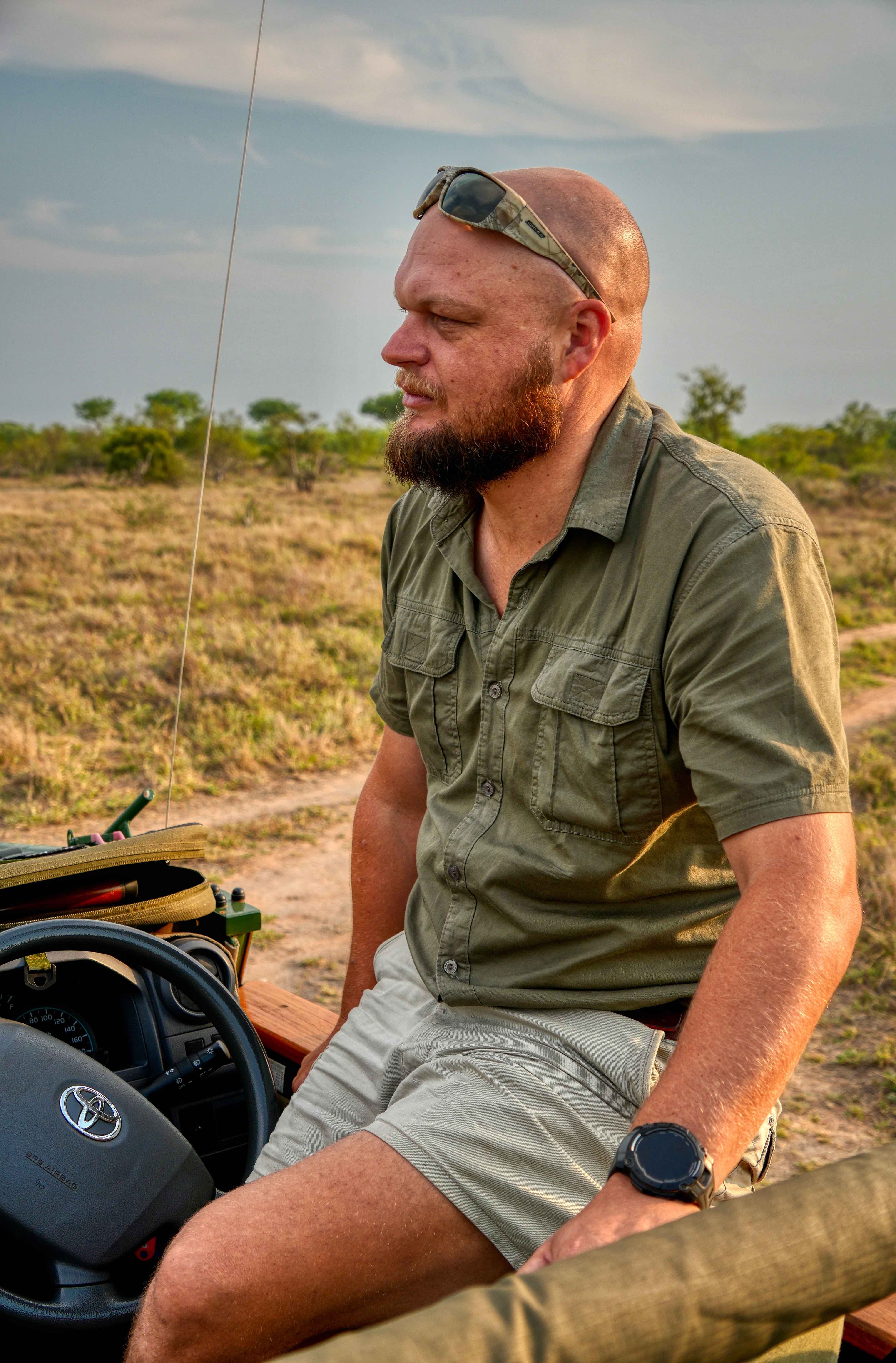
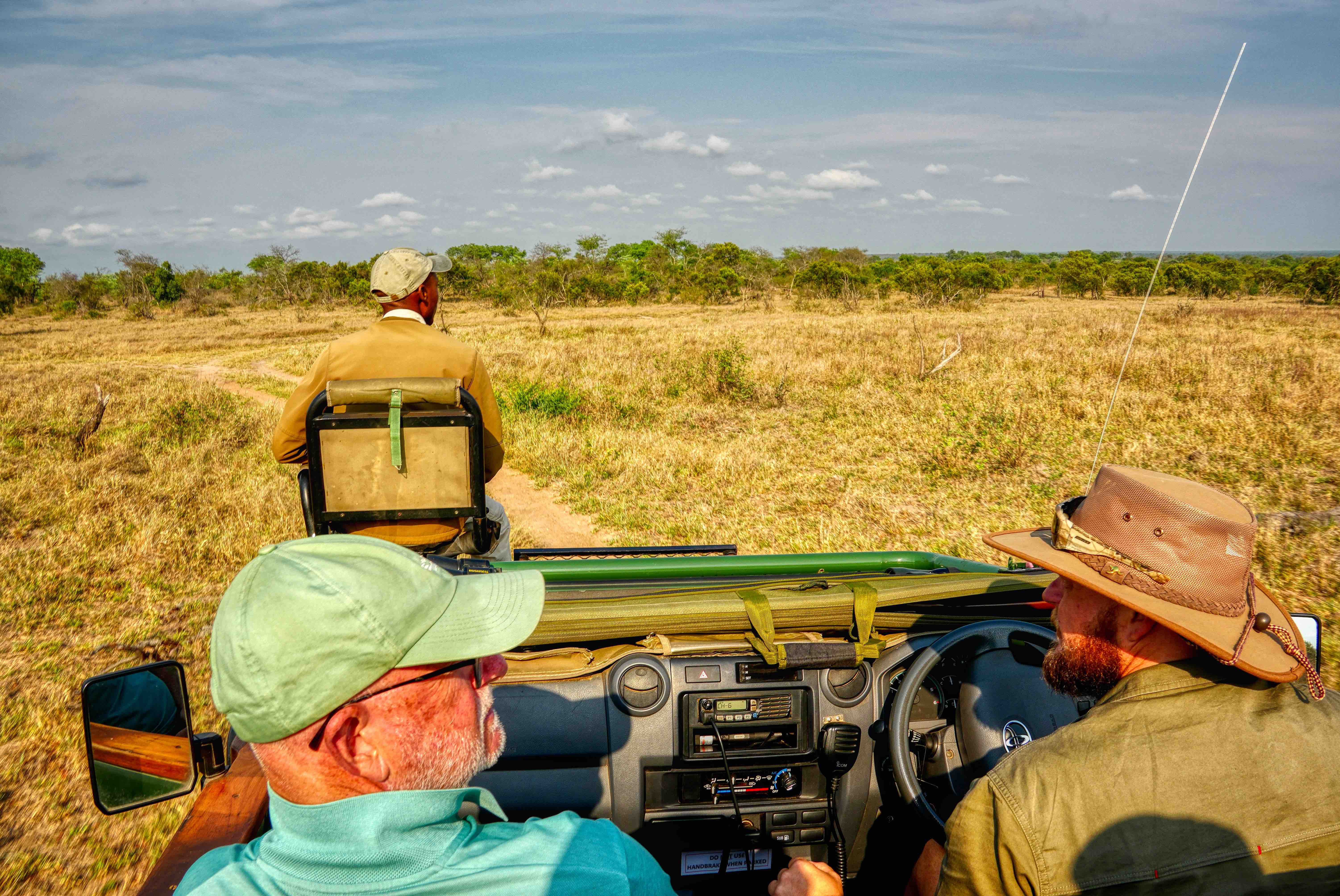
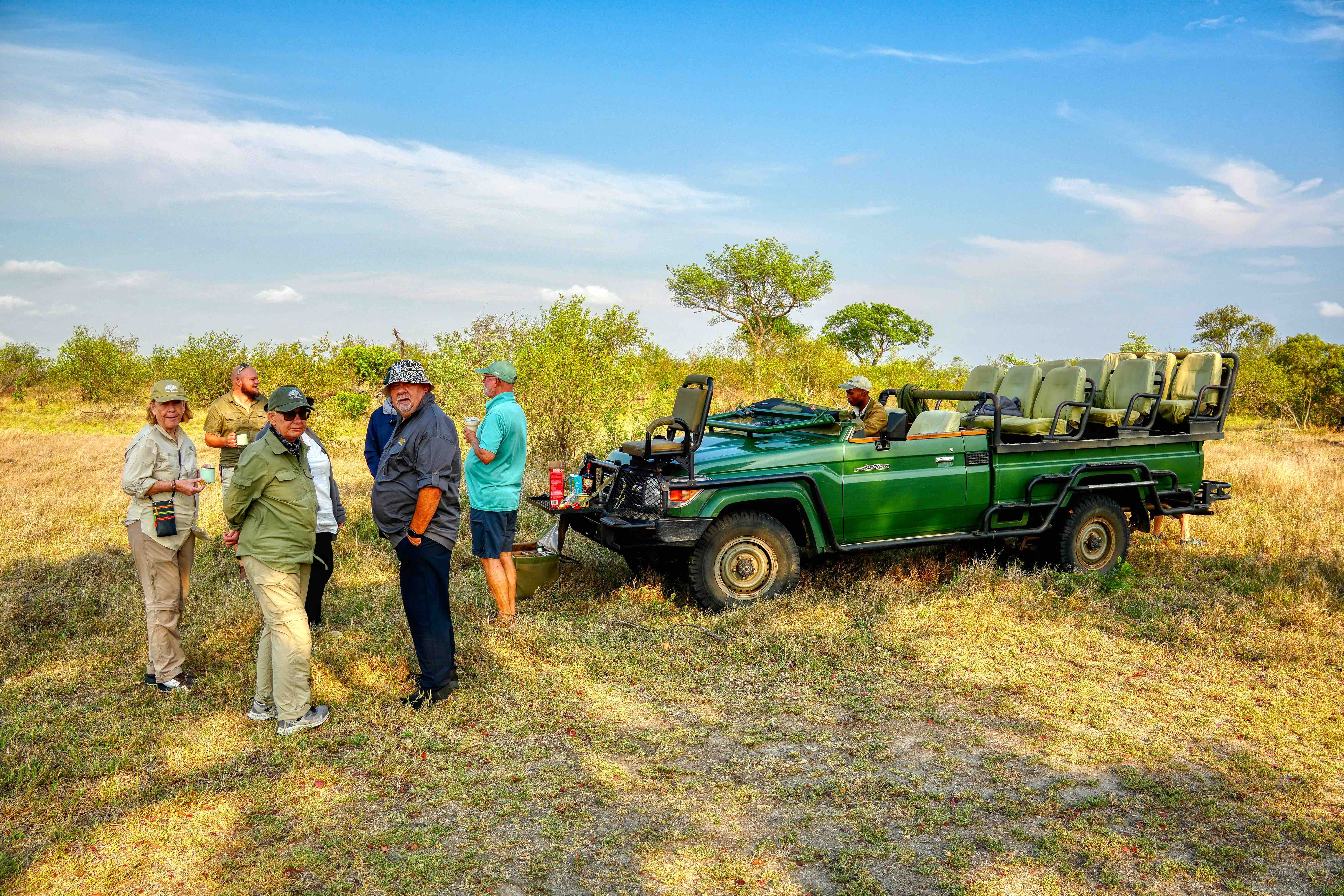
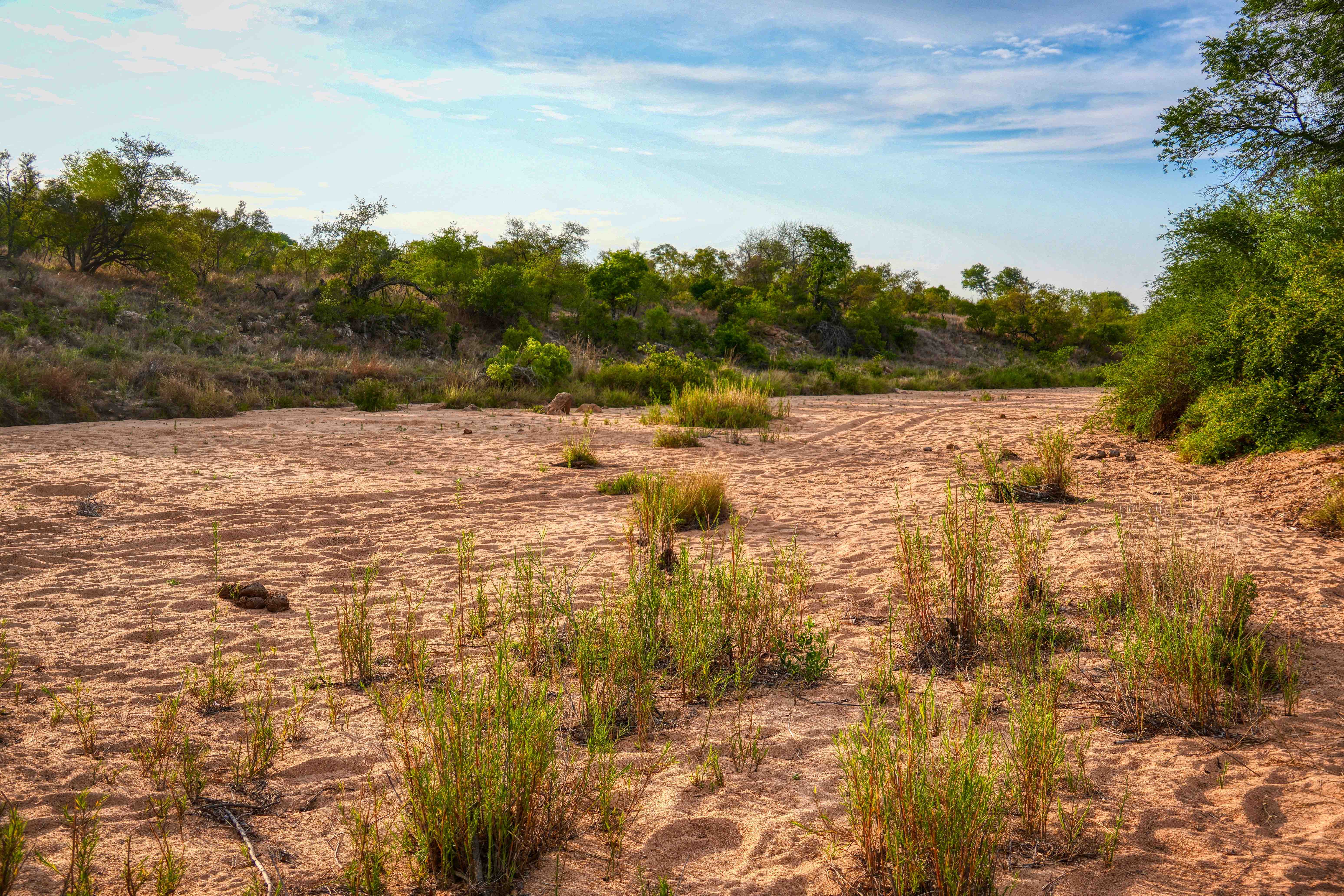
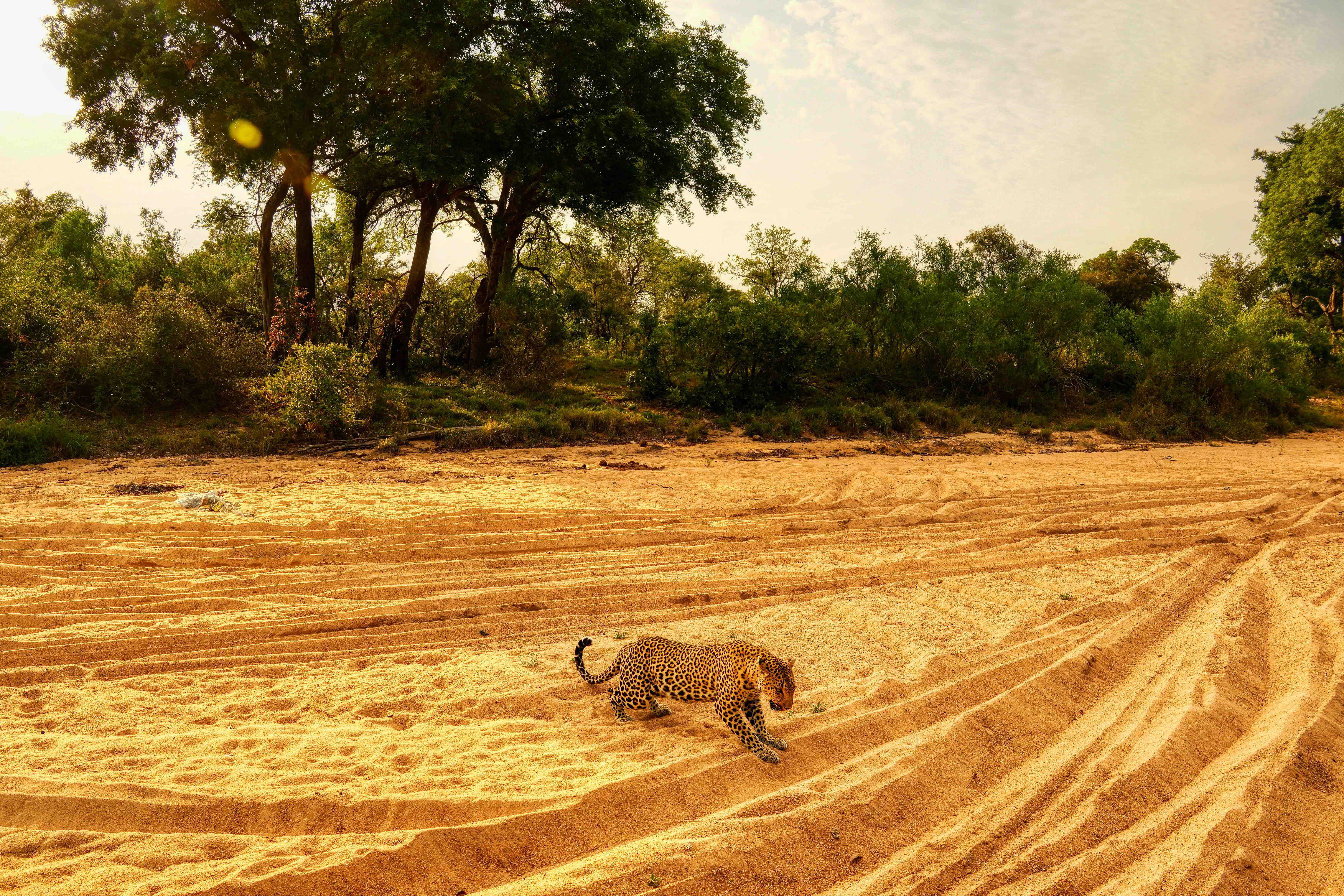
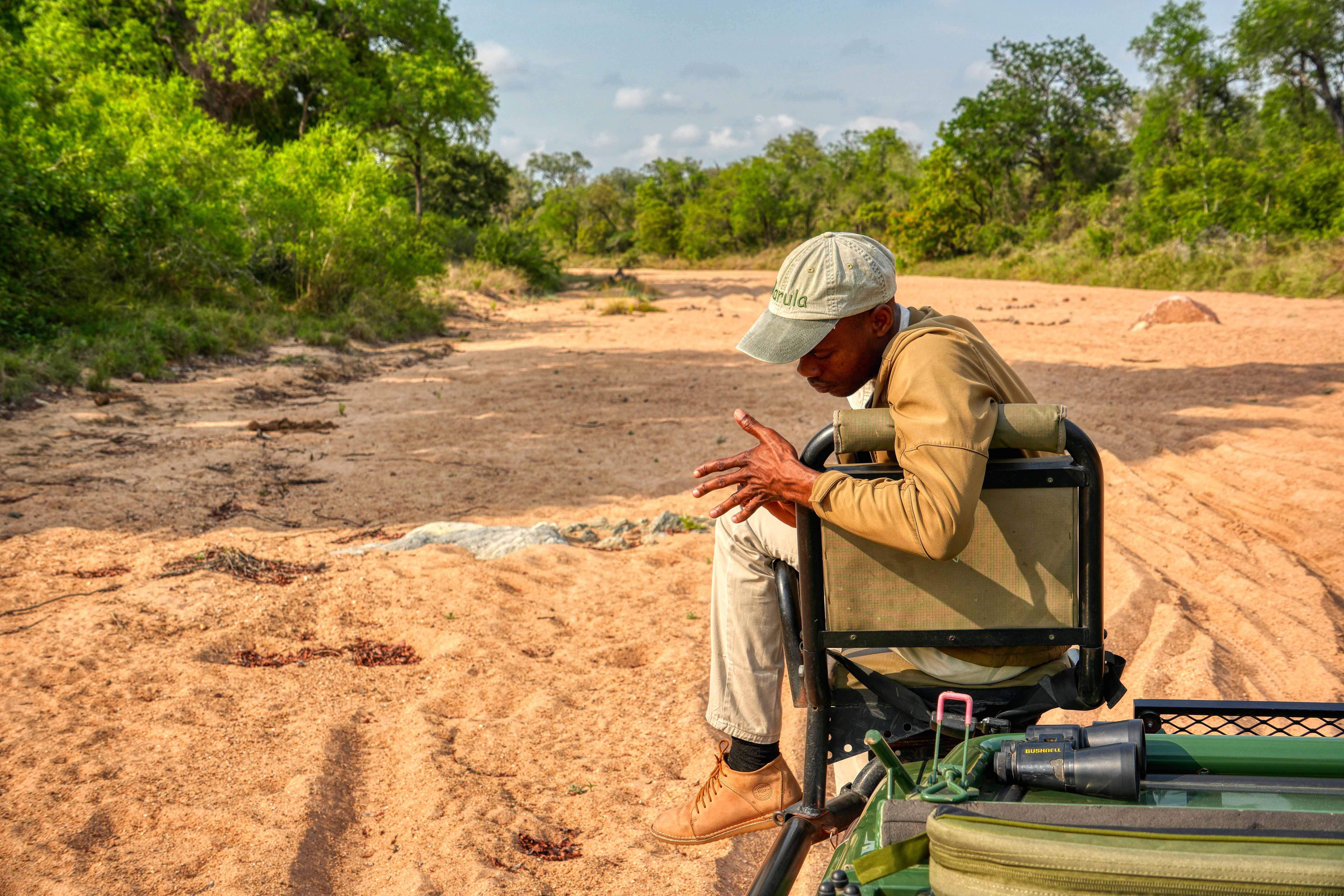
There are seasonal riverbeds crossing Thorny Bush, bone dry at this time of year – before the rains come in December and January when these rivers surge to metres in depth. Our ranger and driver Brenden would track down into the sandy riverbeds and use them as superhighways, much as the animals use them as corridors to avoid the difficult dense acacia woodlands, where predators are beautifully camouflaged and hunt by stealth.
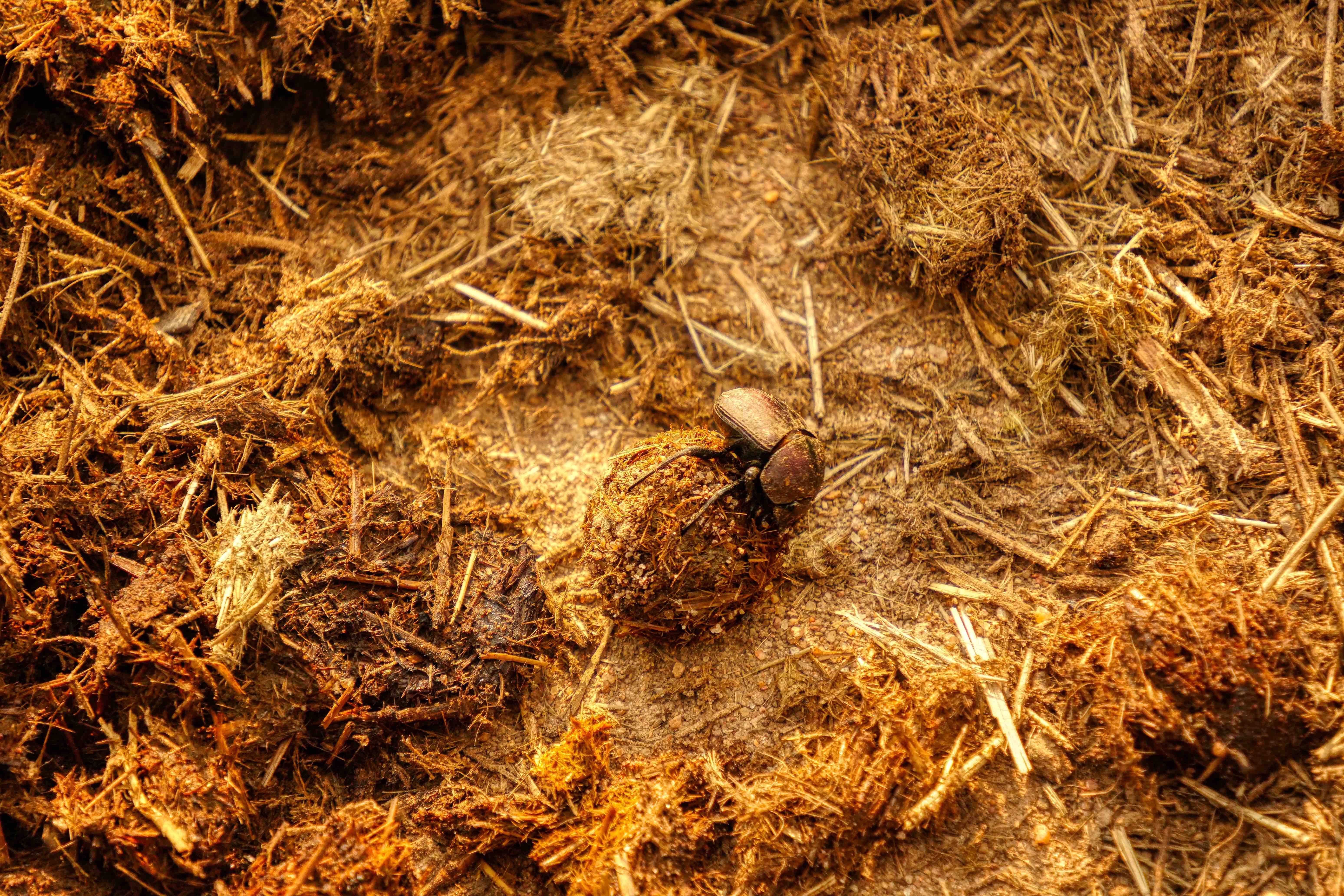
But sometimes it’s the little creatures that capture the imagination. Take the Dung Beetle for instance. They’re everywhere if you stop and look, rapidly cleaning up the vast amount of animal waste, recycling the nutrients and aerating the soil, often seen (if you look) rolling balls of dung twice the size of their body. Amazingly, using the sun and polarised light for navigation.
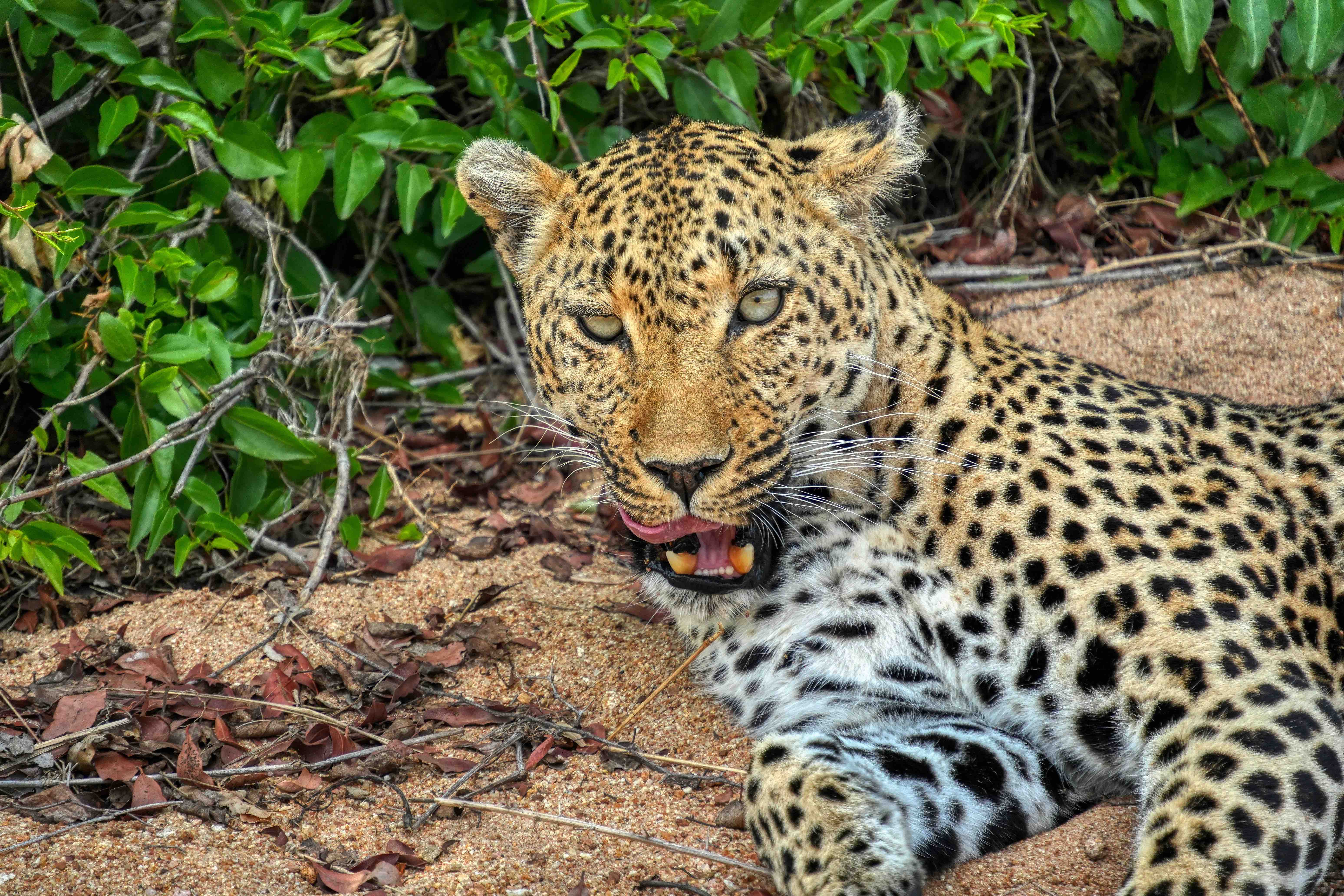
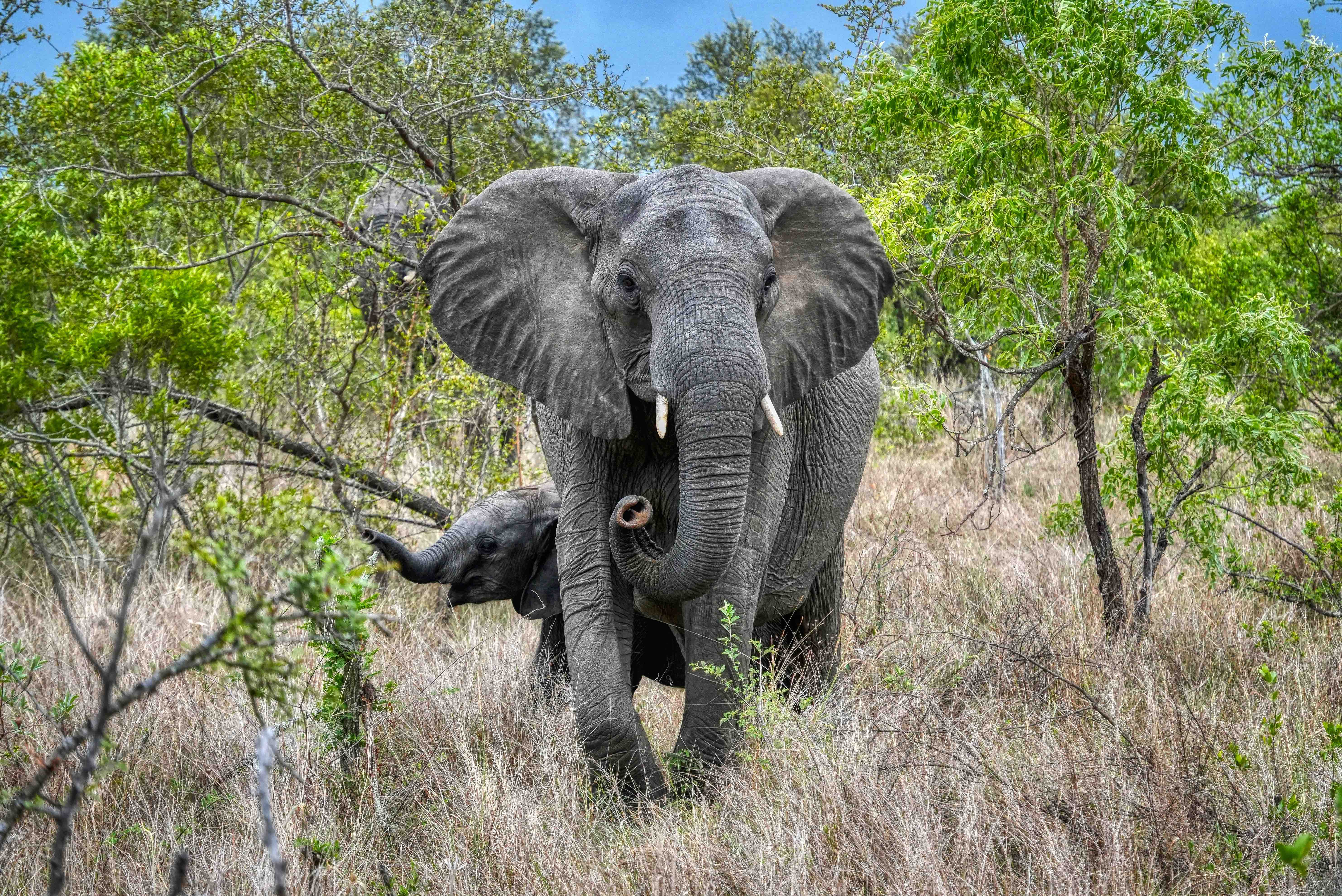
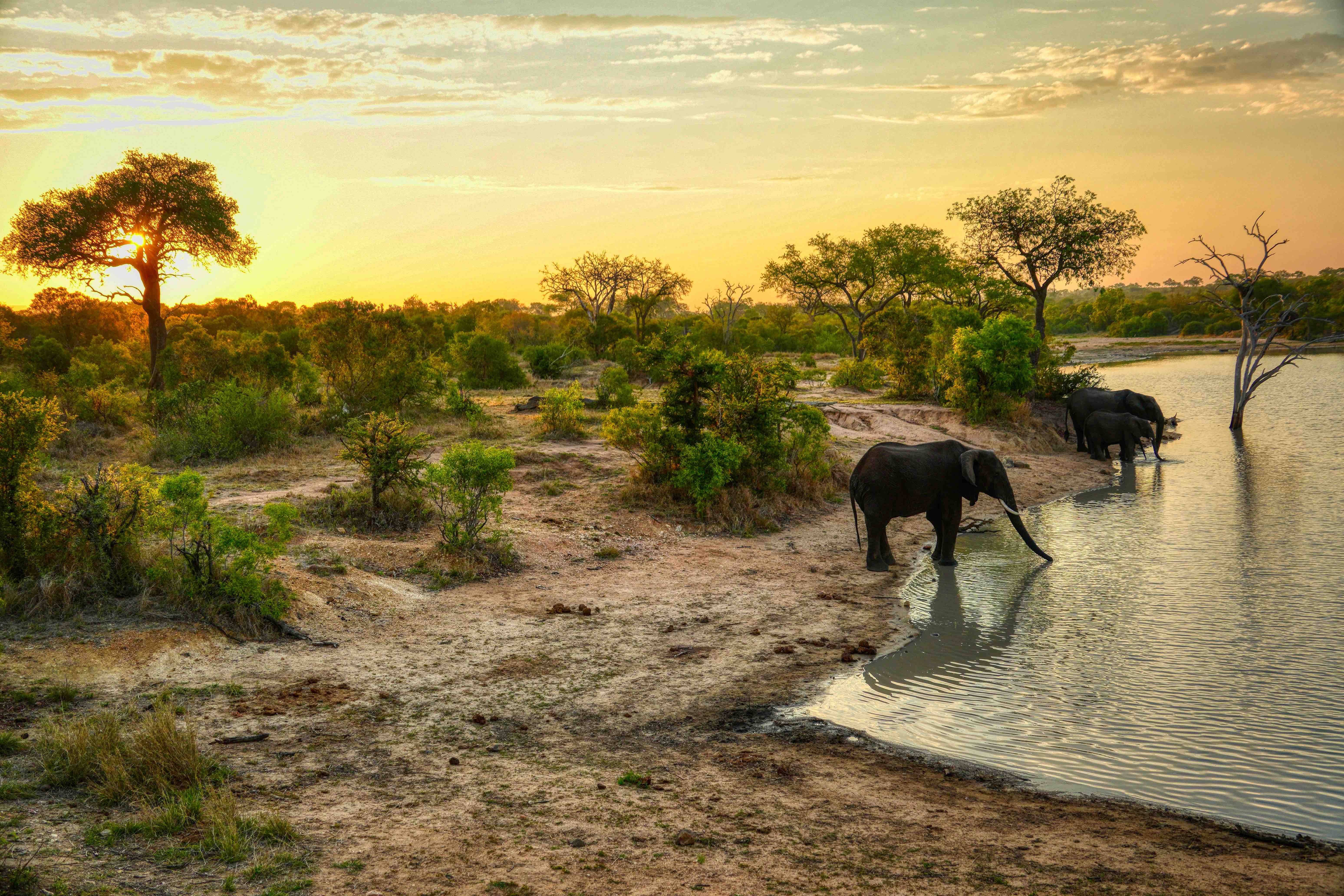
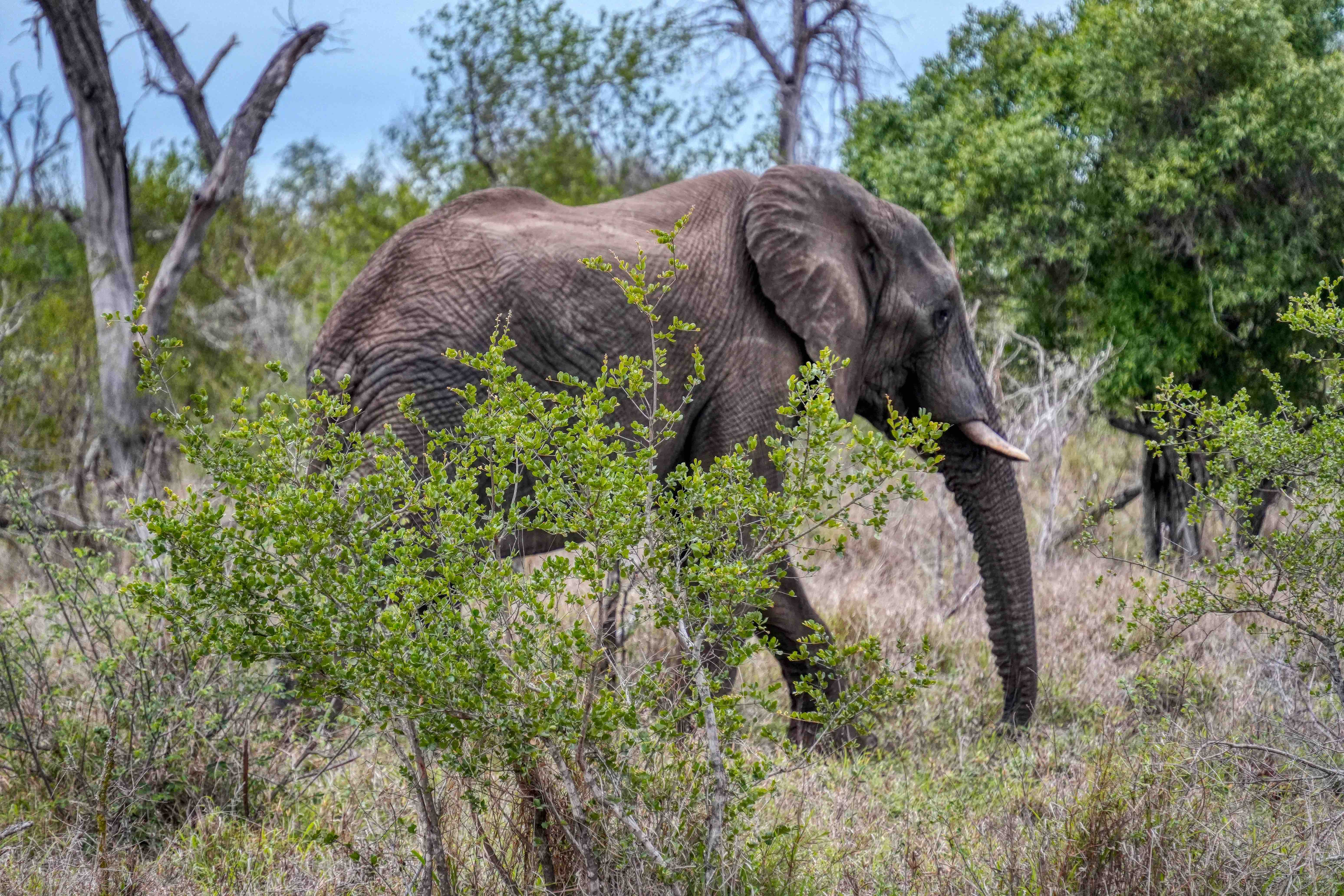
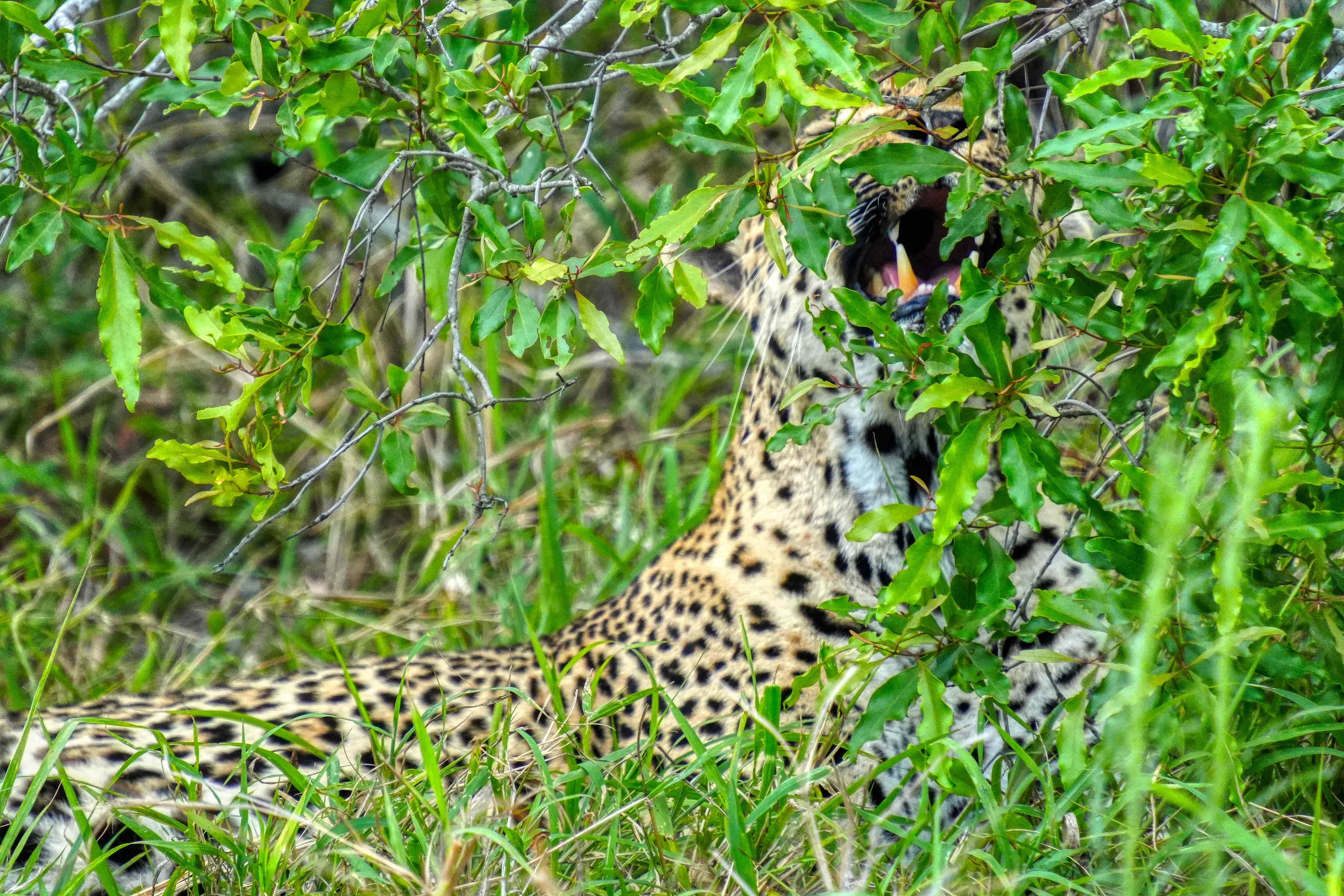
Elephant herds can be found along these corridors as can Leopards. One particular Leopard had a kill, an Impala, half eaten and stuffed into a tree branch high up above the river bank below. She’d occasionally be found eating her kill, the bone cracking from her impressive set of teeth, whilst at other times she’d be snoozing in the grass below and at one particular time, she was found lying sunning herself in the golden sand of the riverbed. These animals are habituated to the Land Cruisers that chug around Thorny Bush, so we were able to get right up beside her without a care in the world, other than the occasional deadly stare that would make you pause. Thrilling to be so close to one of the world’s legendary big cats.
The riverbeds are lined with weeping Boer-bean and Jackalberry trees and many animals use this area as a safe haven, given the visibility and opportunity to make a quick getaway. We came across a nesting pair of Spotted Eagle Owls, the female holed up in a river bank hollow sitting on her eggs, whilst the male was high up in a tree close by, superbly camouflaged and hard to see, but there was no doubt he could see us.
The greater Kruger Ecosystem is now unfenced, allowing the Big Five as well as other species to roam free across the landscape – a massive 20,000 square miles of wilderness, so to see Leopards so frequently was a real bonus. The Big Five: Lion, Elephant, Leopard, Cape Buffalo and Rhinoceros. Elephants were everywhere, every day, whilst the Lions were less so but tracked down every now and again. The Cape Buffalo herd had apparently split up with some heading further south, whilst we discovered a smaller closely packed herd late one afternoon. Magnificent beasts and apparently, very dangerous.
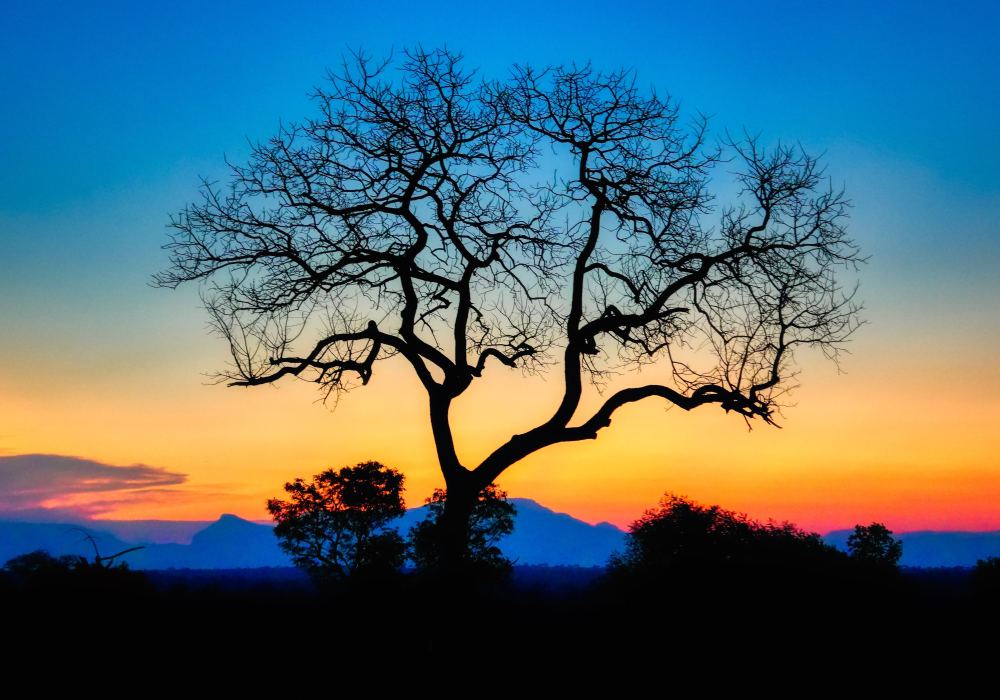
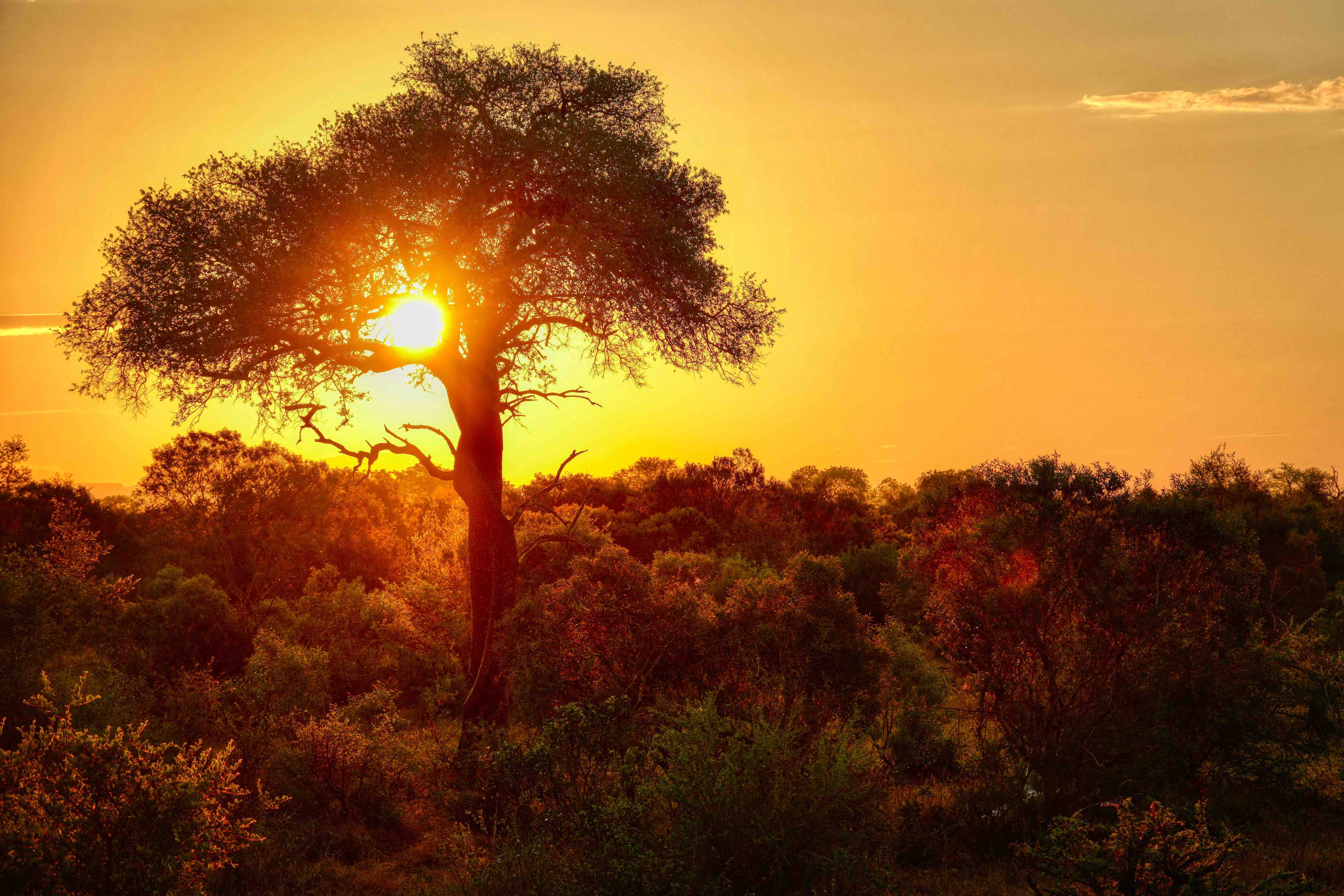
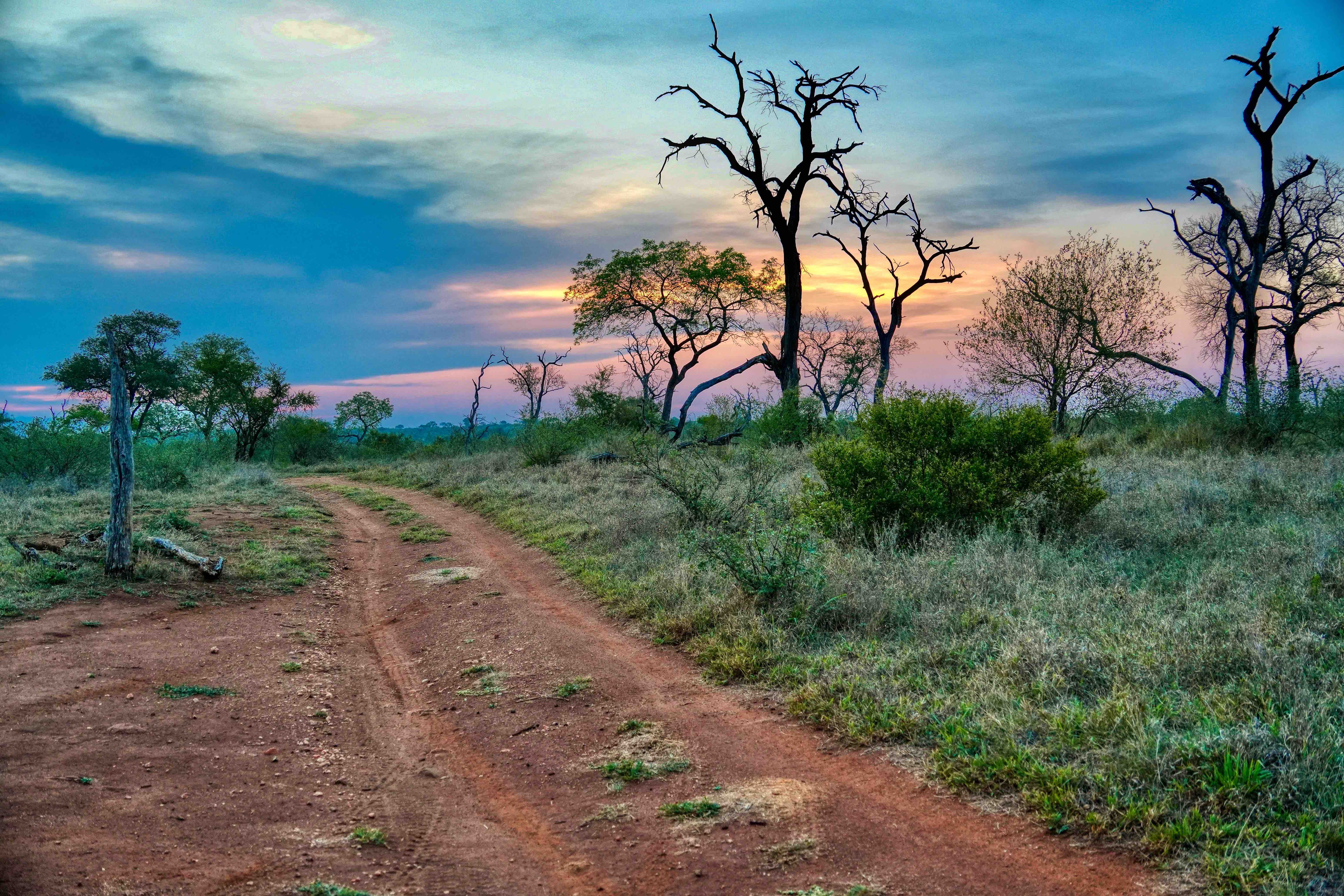
The sunsets over the Drakensberg Mountain Escarpment were spectacular every evening when we’d stop for our late afternoon drink break. A moment to reflect on the day’s extraordinary encounters and to take in the beauty of Southern Africa.
“Africa changes you forever, like nowhere on earth. Once you have been there, you will never be the same…” – Brian Jackman