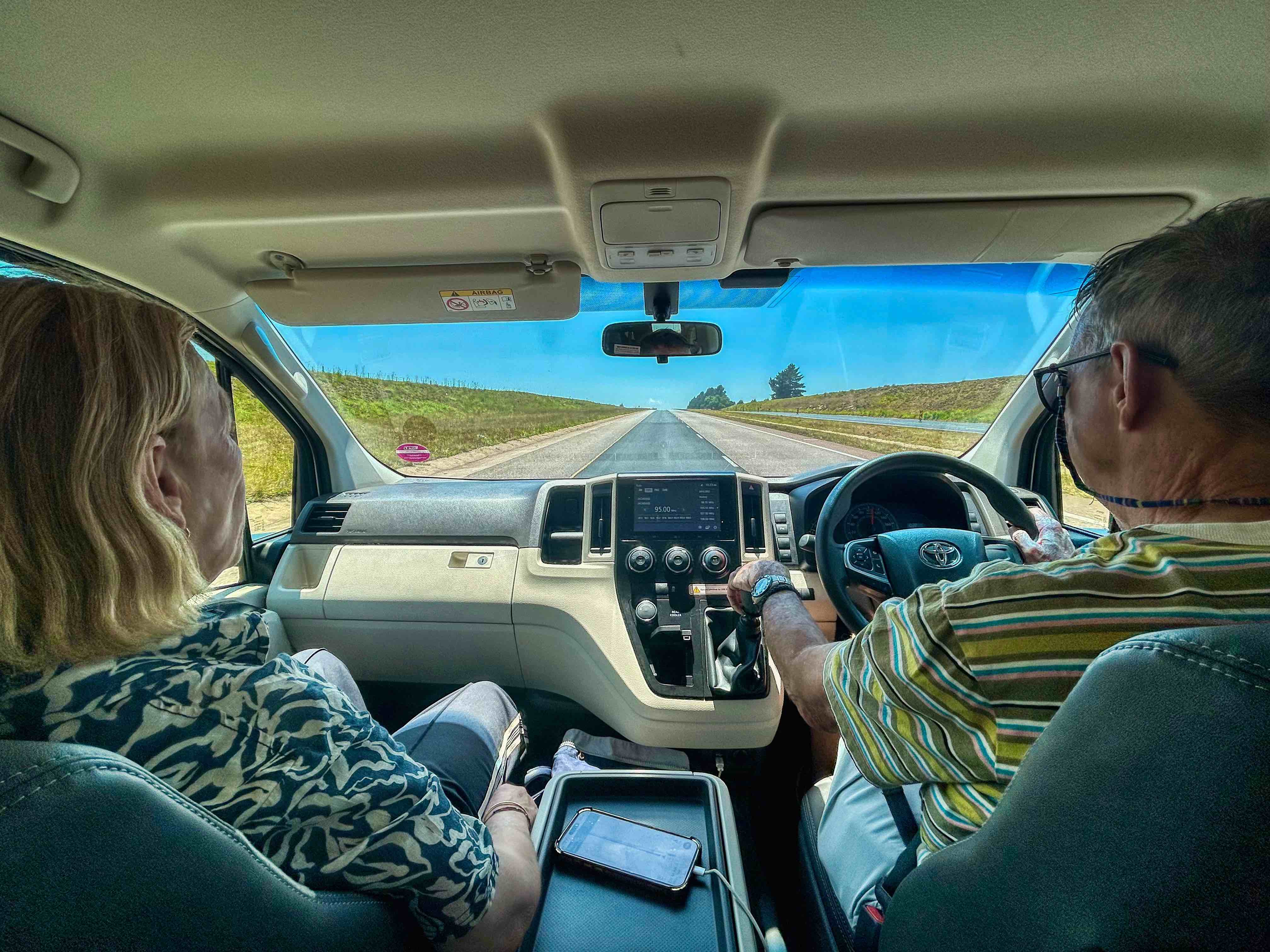
The drive north-east out of Johannesburg is a seemingly endless corridor of freeways, through a messy urban and industrial sprawl, giving way to flat semi-rural farmland dotted with massive coal fire power plants such as the Kelvin Power Station, supplying 15% of Johannesburg’s electricity requirements. Plus the other 12 power plants clustered just east of the city and into the Highveld, resulting in this region being recognised globally as one of the world’s air pollution hotspots – pumping out some of the highest levels of Nitrogen Dioxide and Sulphur Dioxide on the planet. So, we were keen to leave this area and head on into the green veld, but not before some 85 plus kilometres of heavy industrial parks and manufacturing warehouses. The other striking thing about this road is the number of people walking for miles along the shoulder, plus the crashed and abandoned cars scattered along the highway.
This region is simultaneously one of the richest economic powerhouses in all of Africa, yet a population that has the deepest poverty and one of the highest unemployment rates in South Africa – anywhere between 35% and 47%, creating a terrible crisis for the youth of the area, resulting in extraordinarily high crime and one of the highest murder rates in the country.
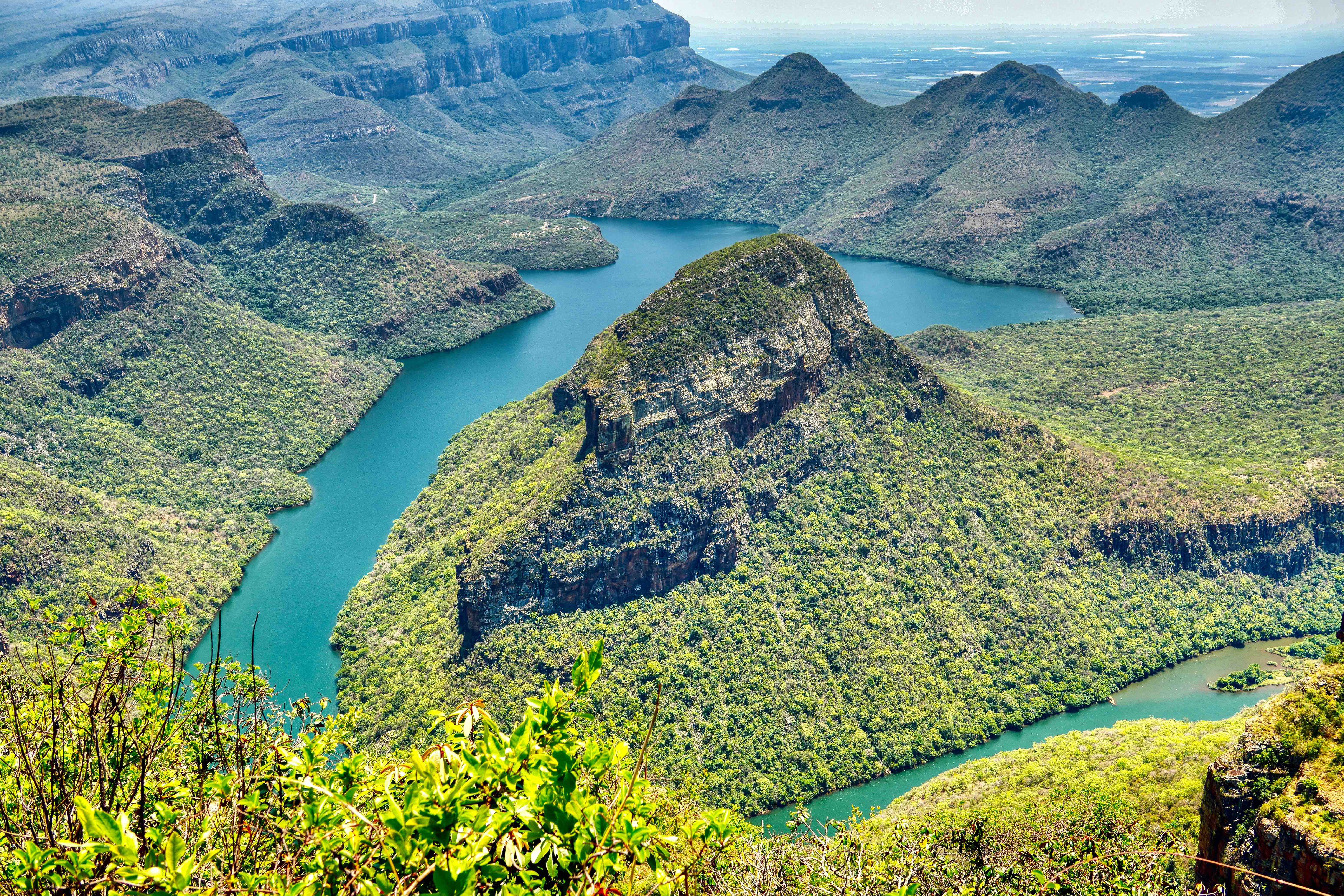
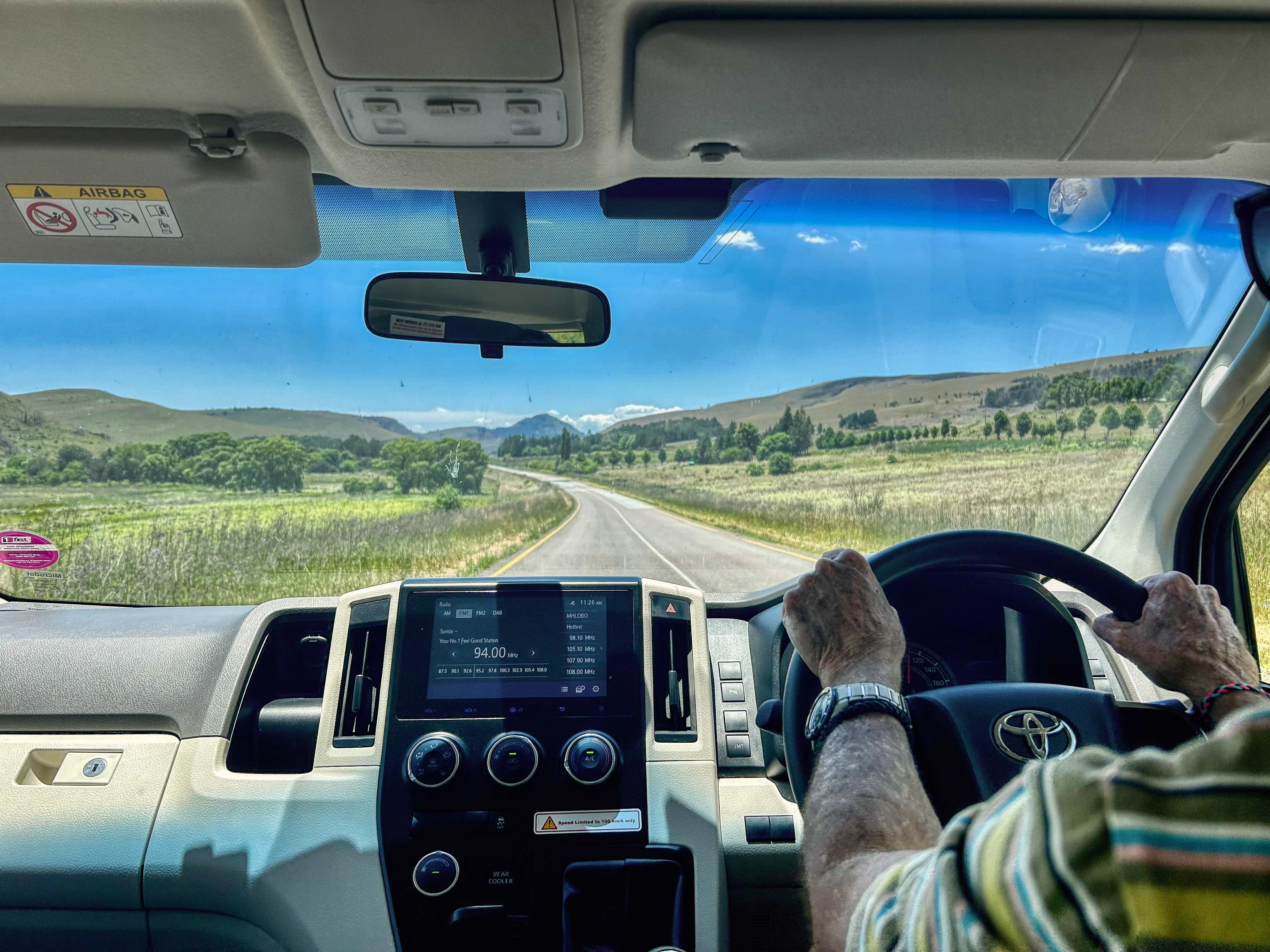
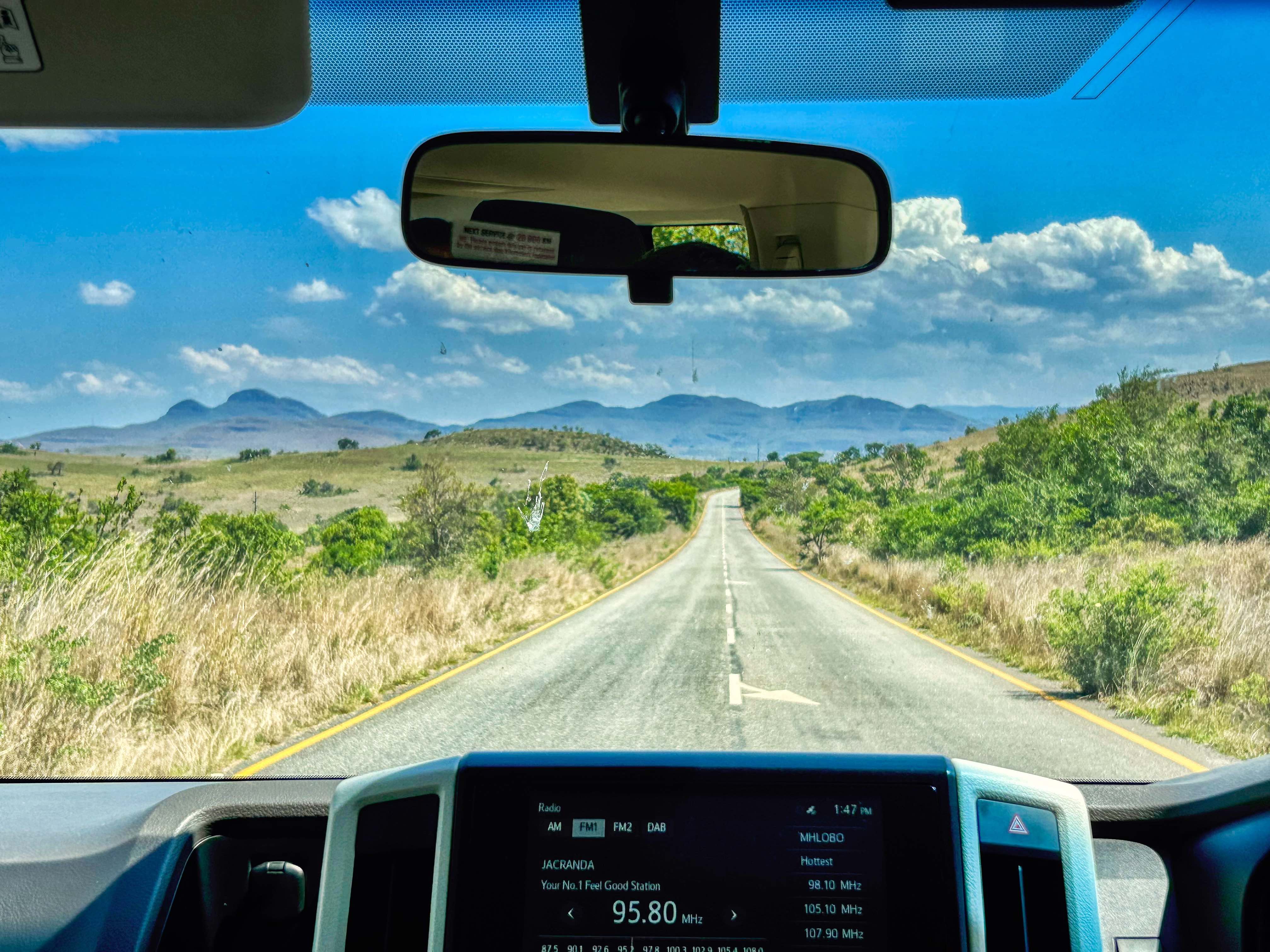
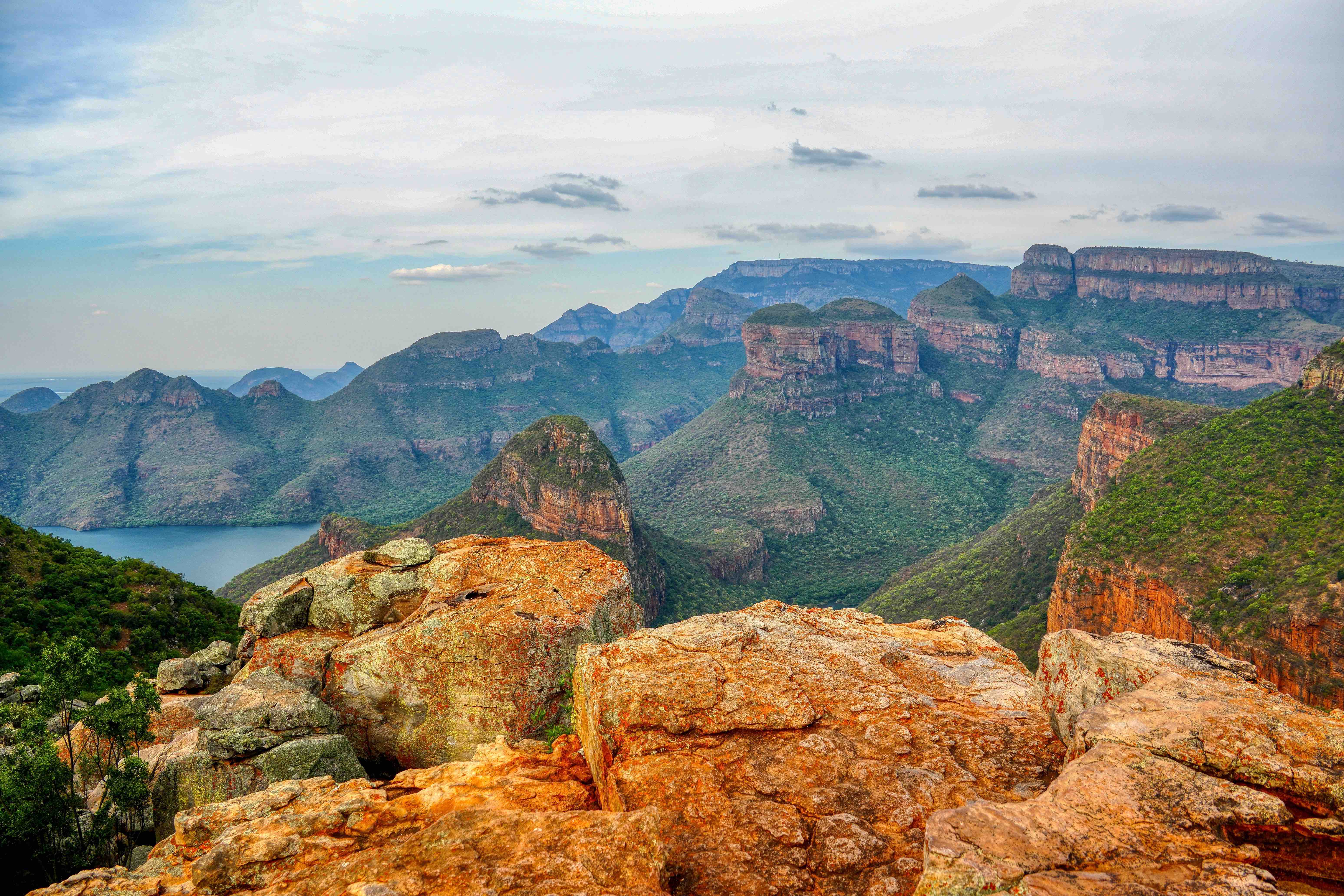
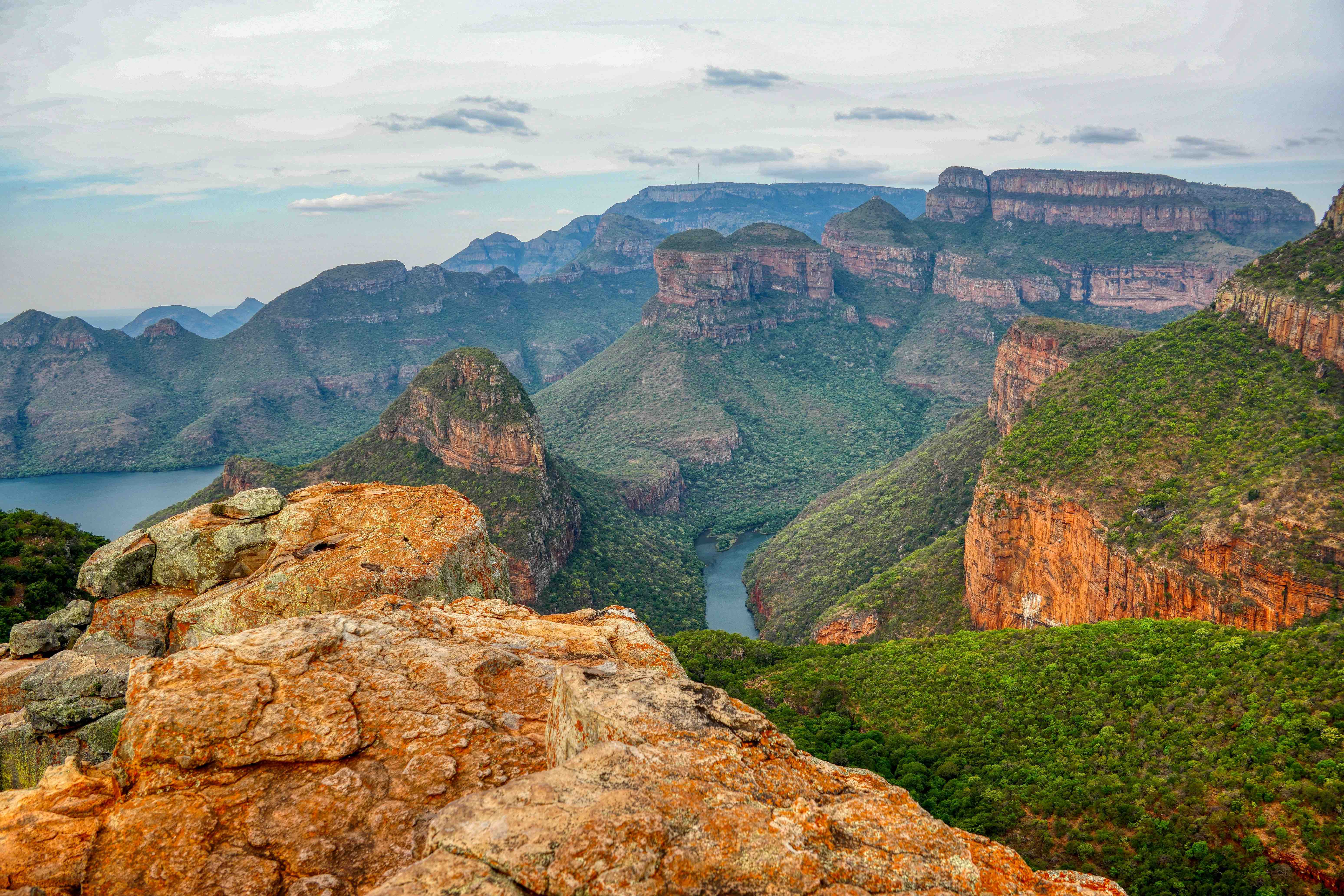
It was seemingly hours before we left this scarred region and finally emerged into green rolling farmland stretching to the horizon, passing through busy townships packed with people going about their colourful business. Further on, as we pushed into the Vaal Triangle and on into the Highveld grassland, the landscape dramatically changed with the jagged peaks of the Drakensberg Mountain Range and the Mpumalanga escarpment delivering us to the spectacular Blyde Canyon, our home for the evening.
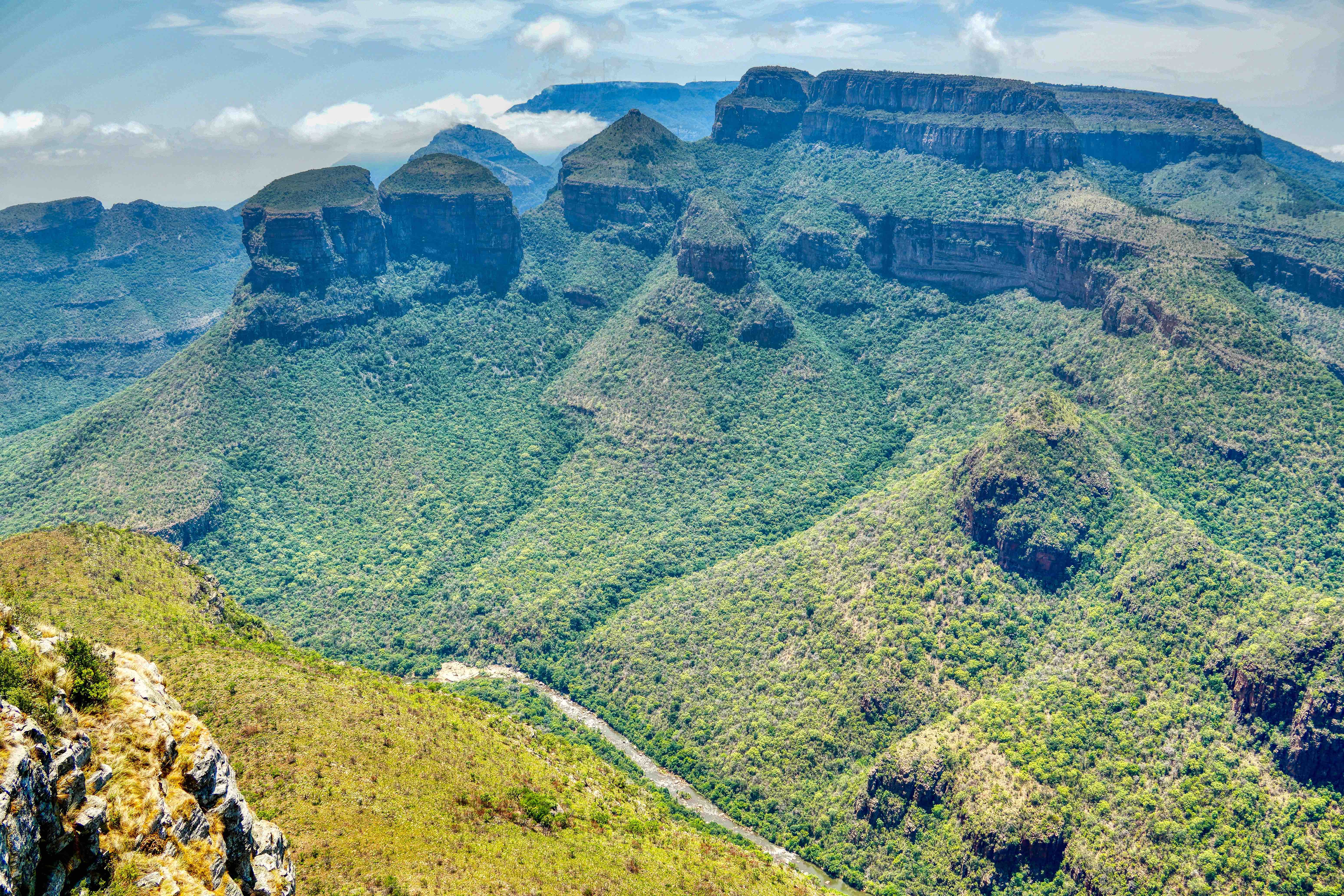
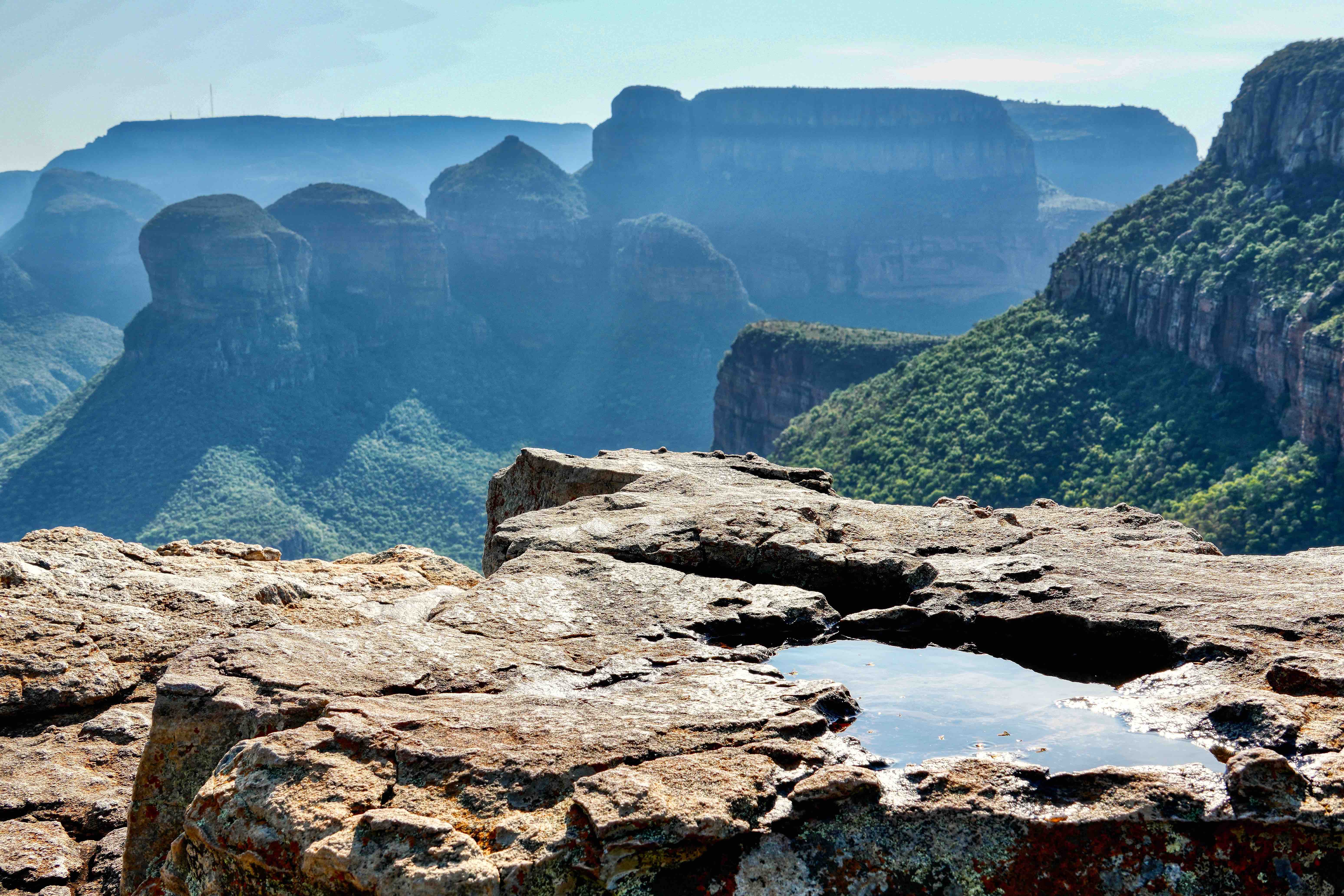
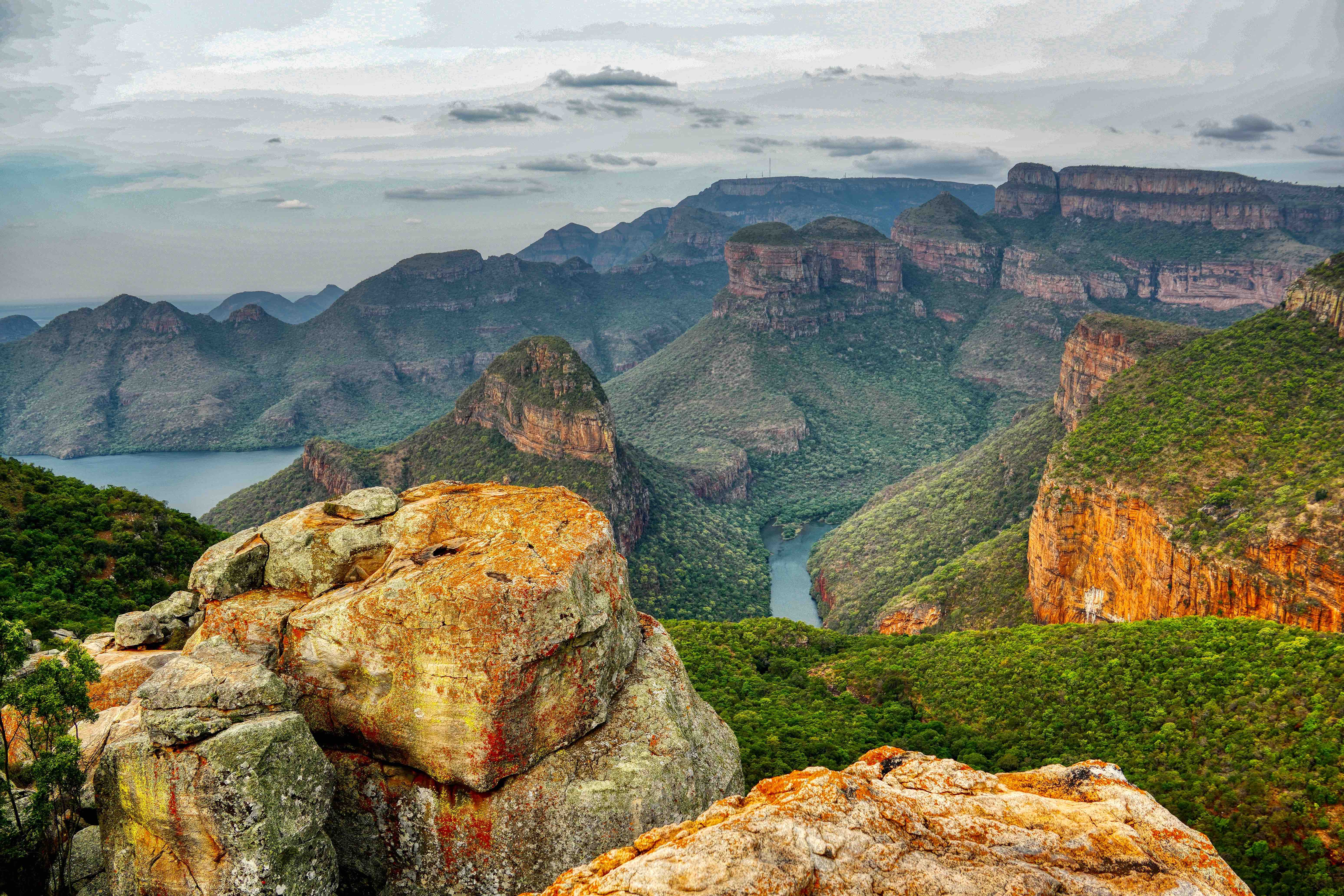
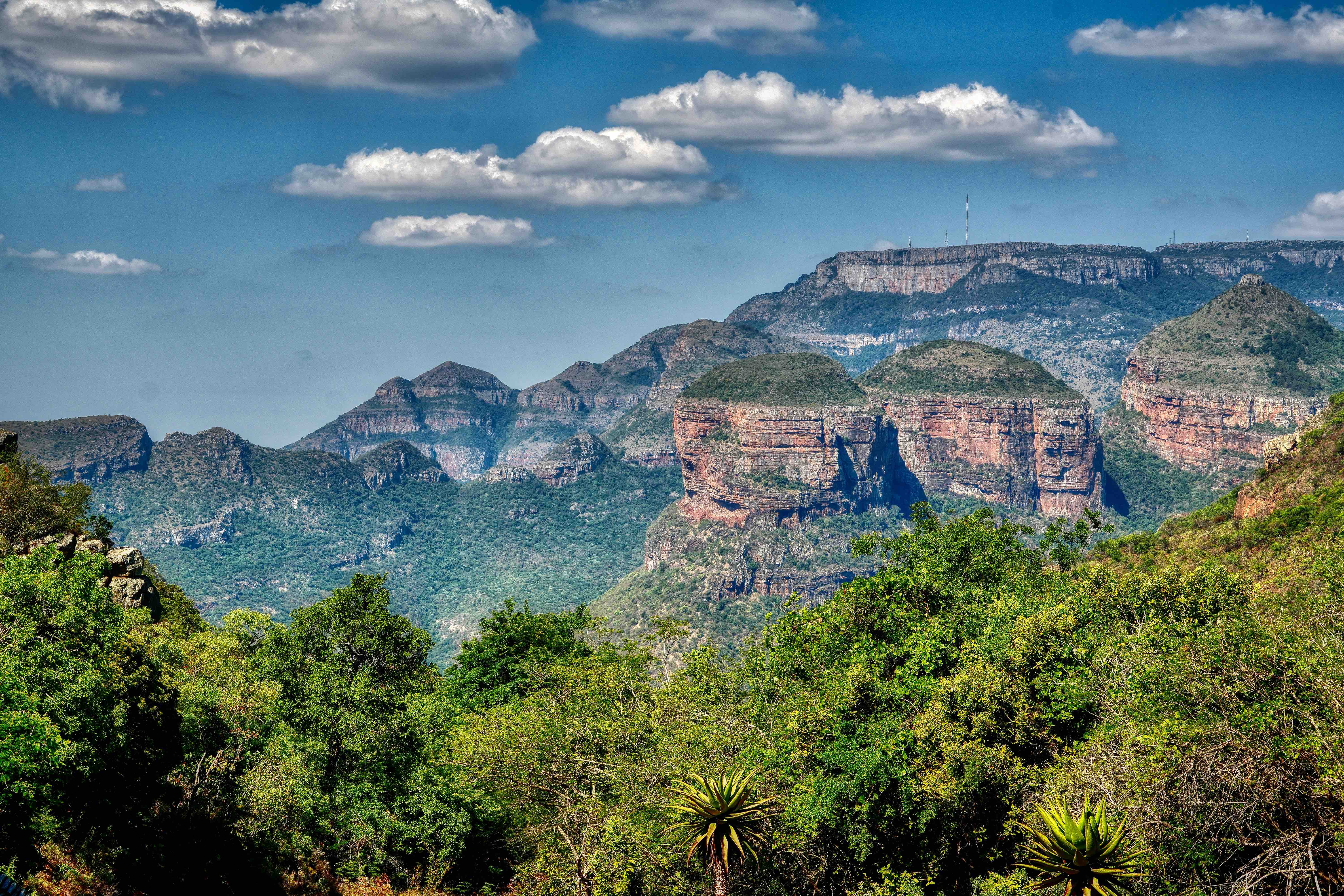
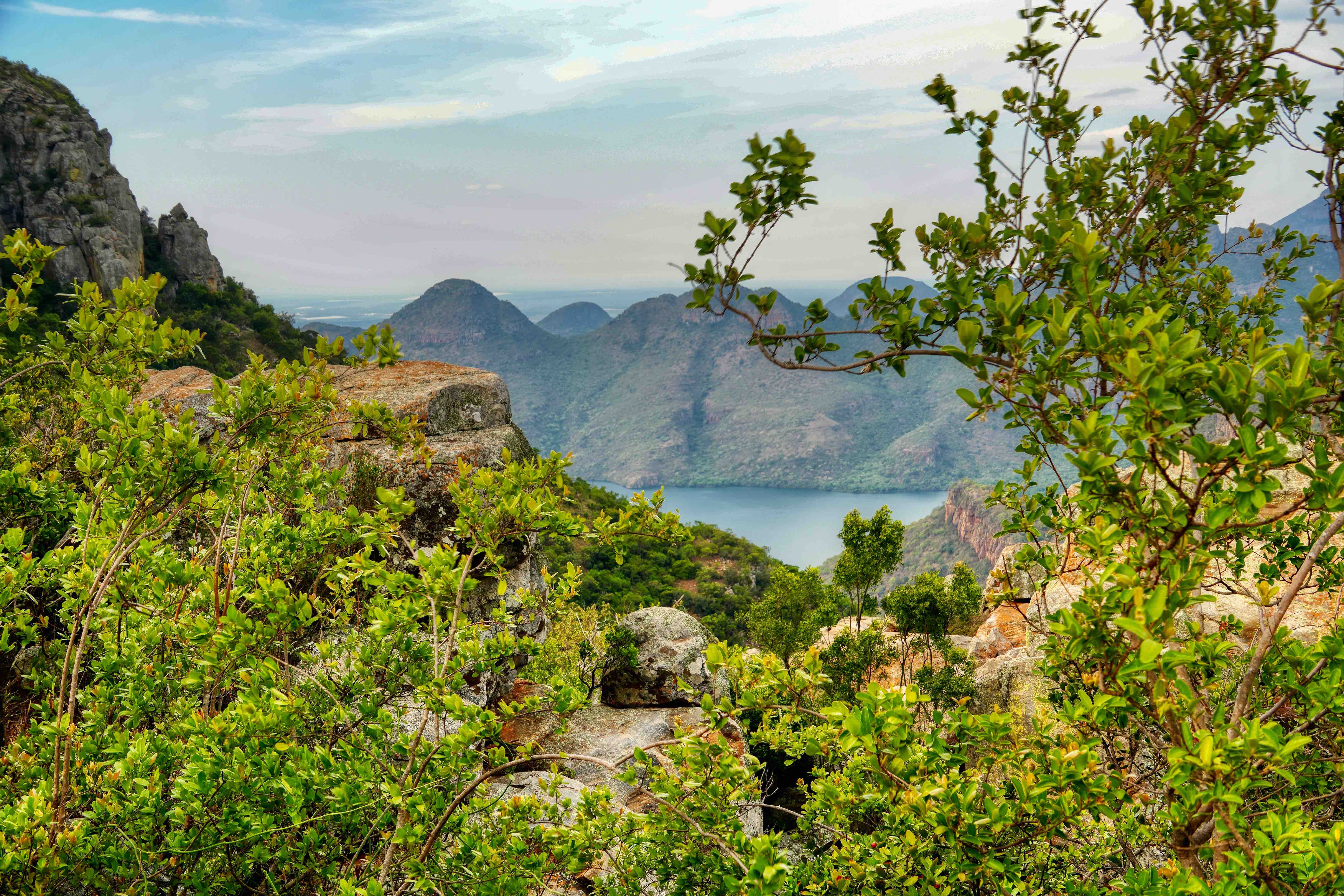
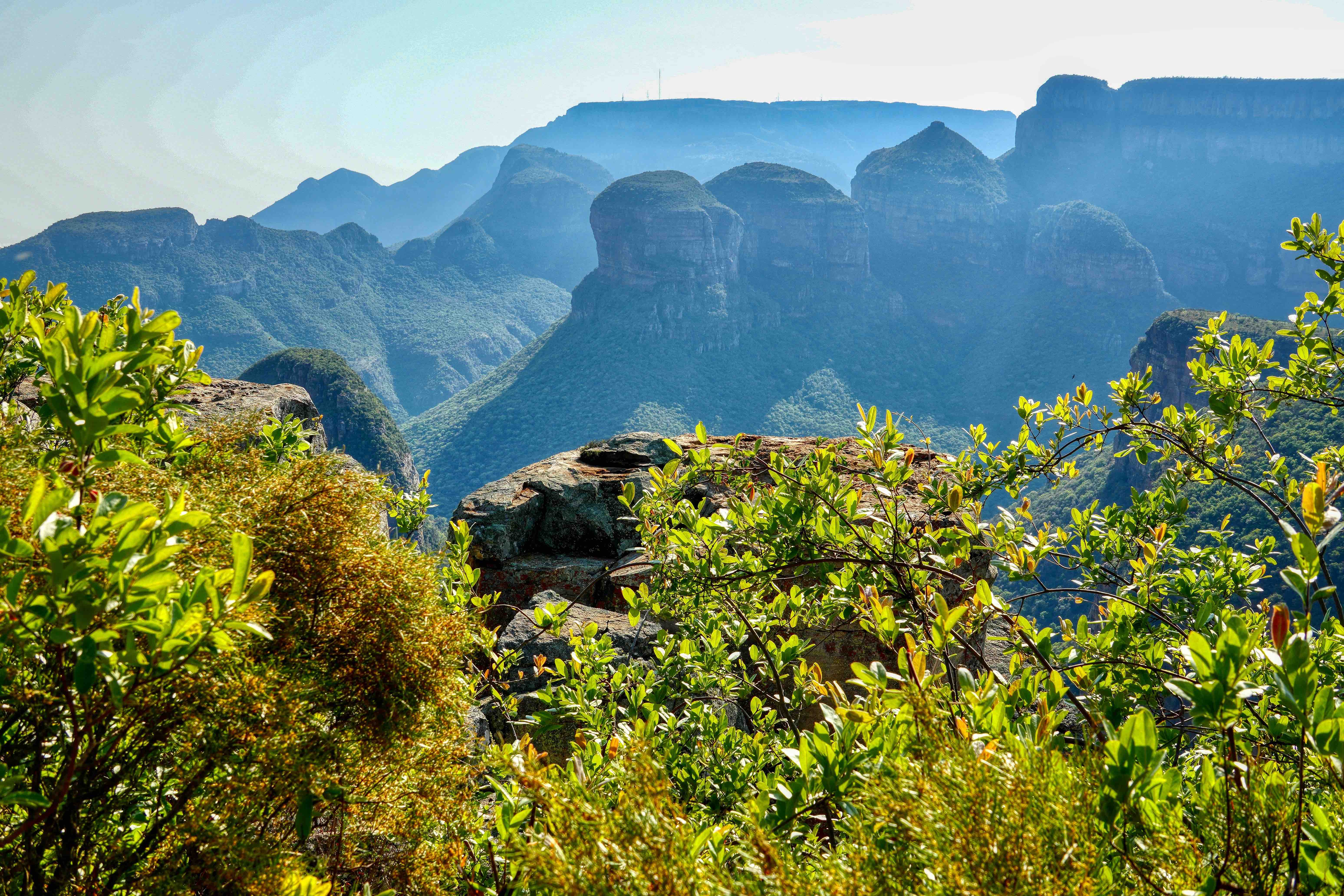
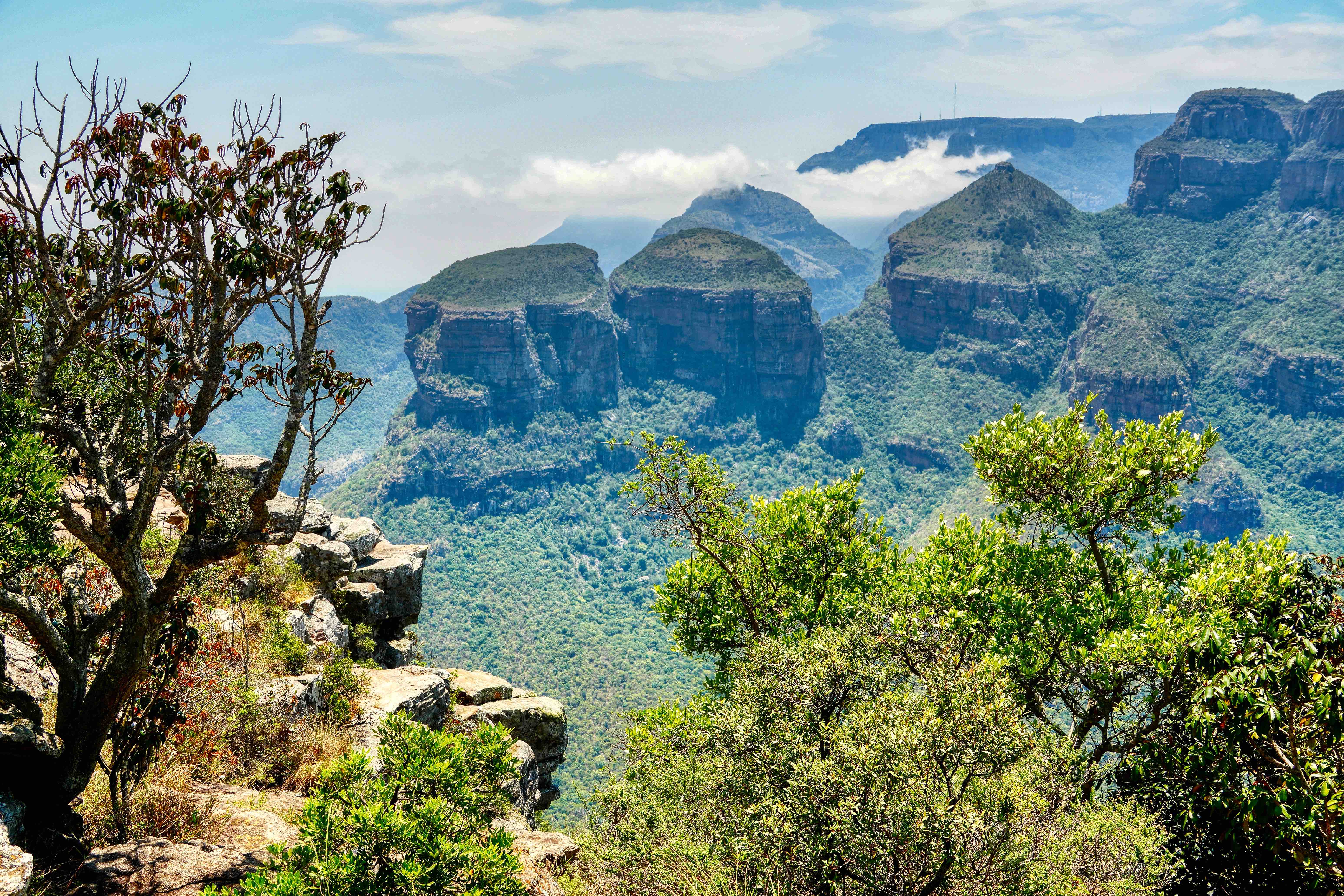
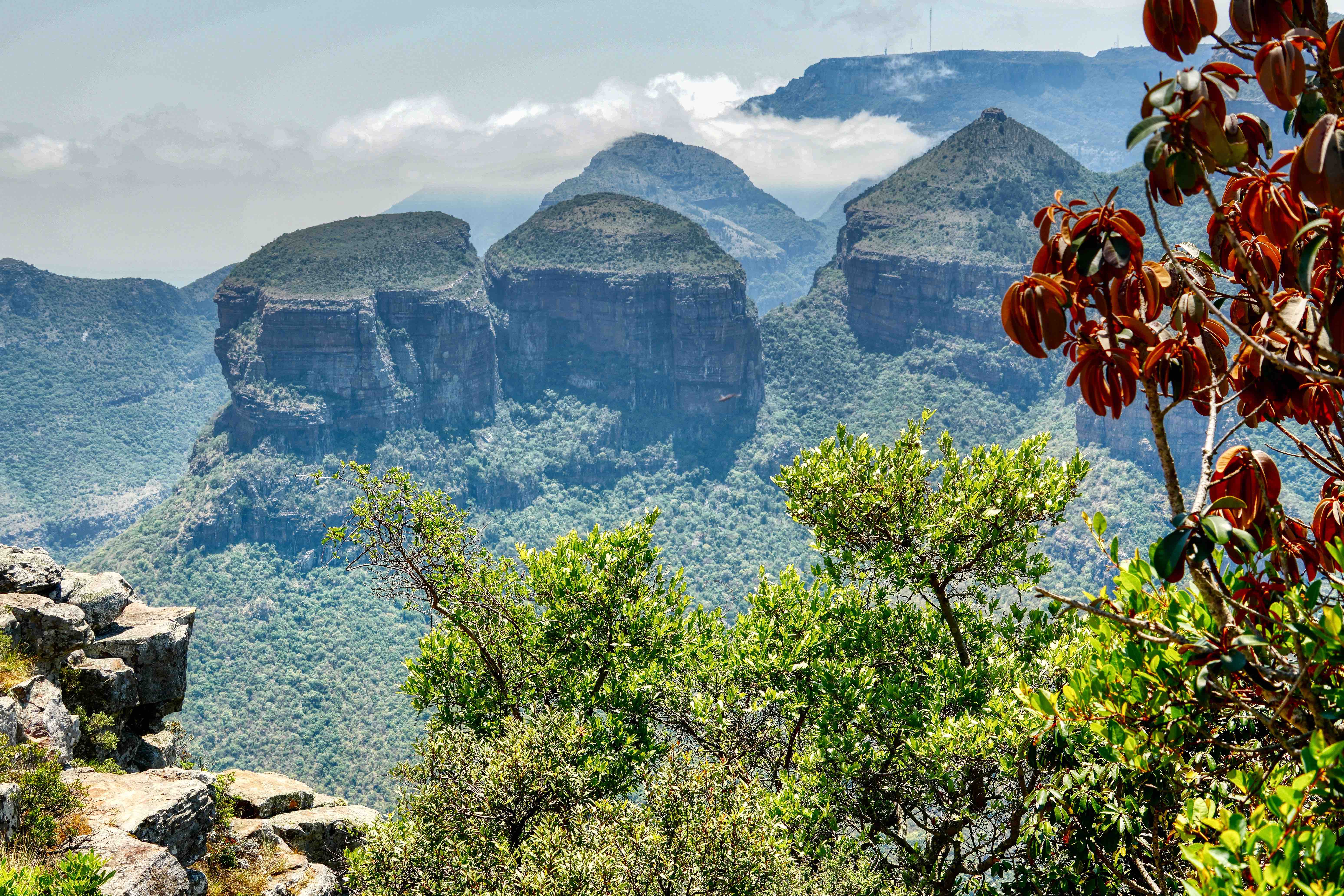
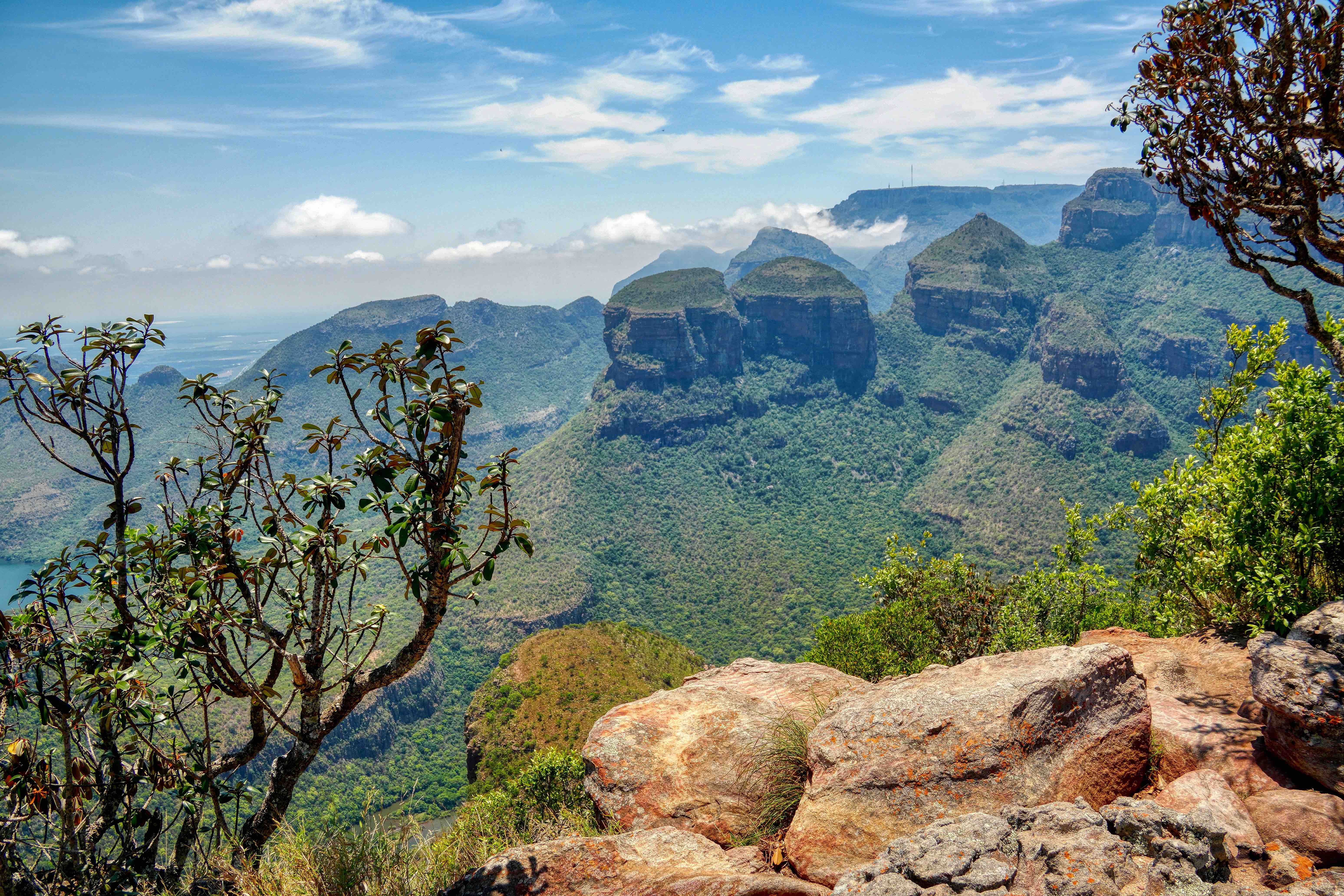
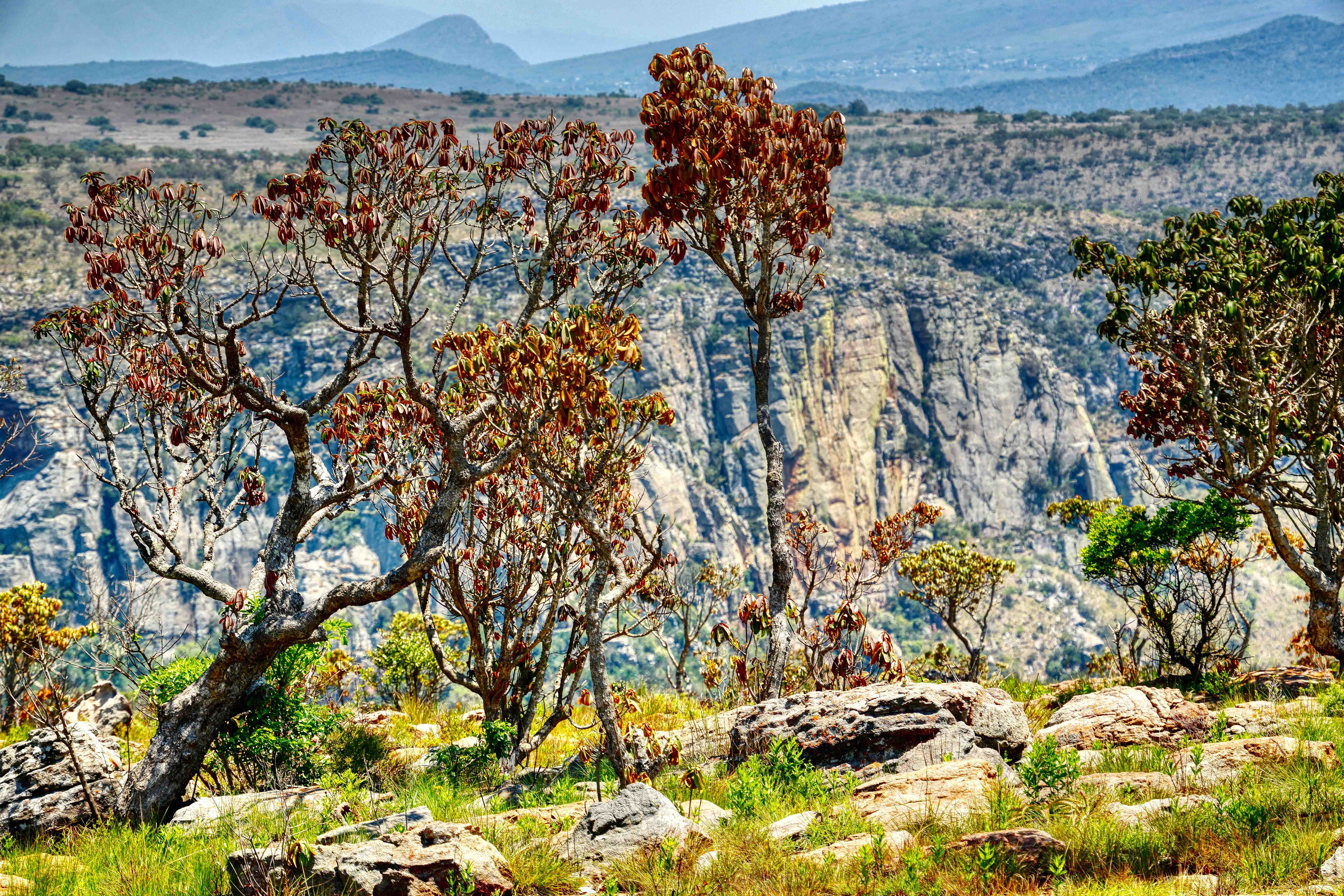
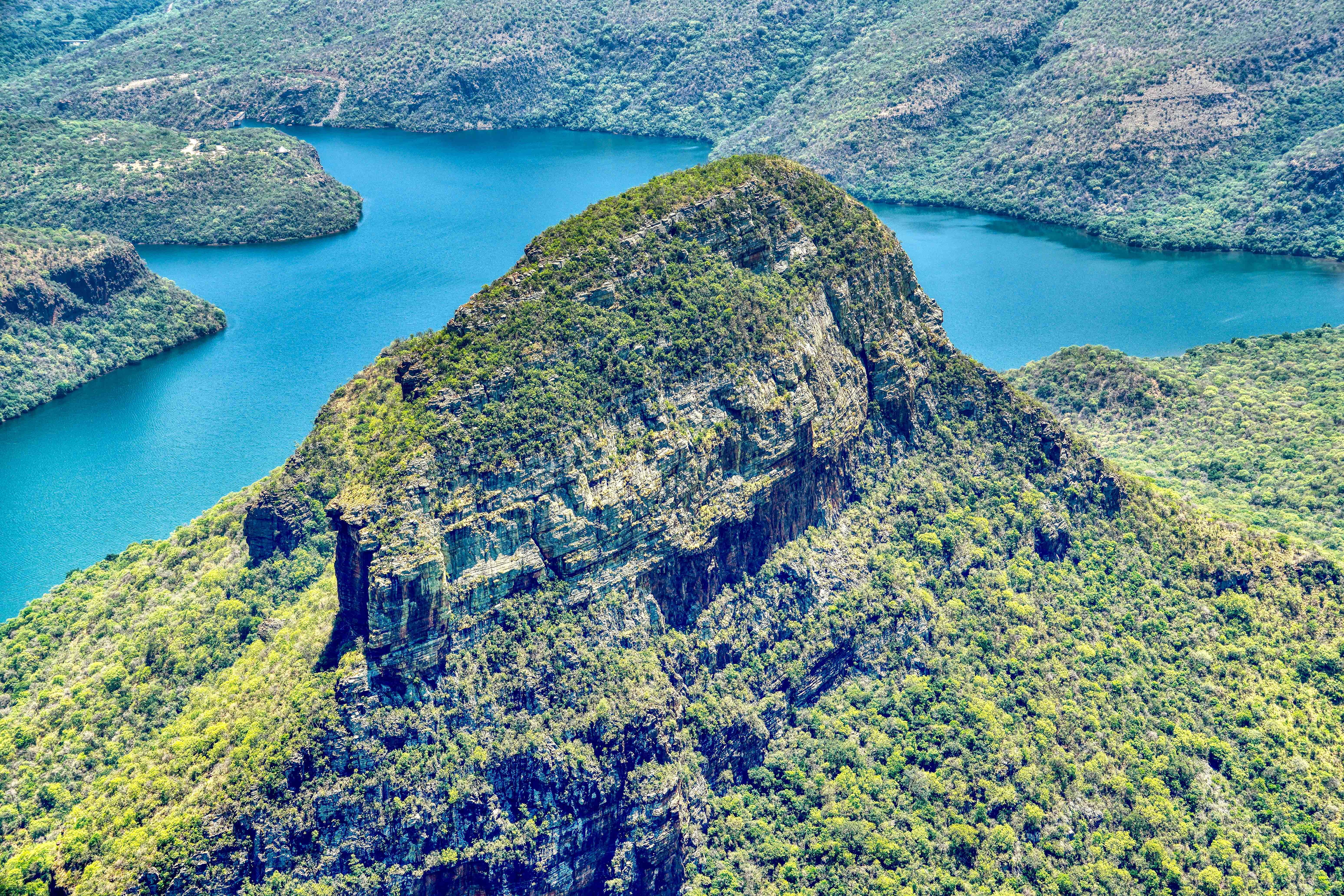
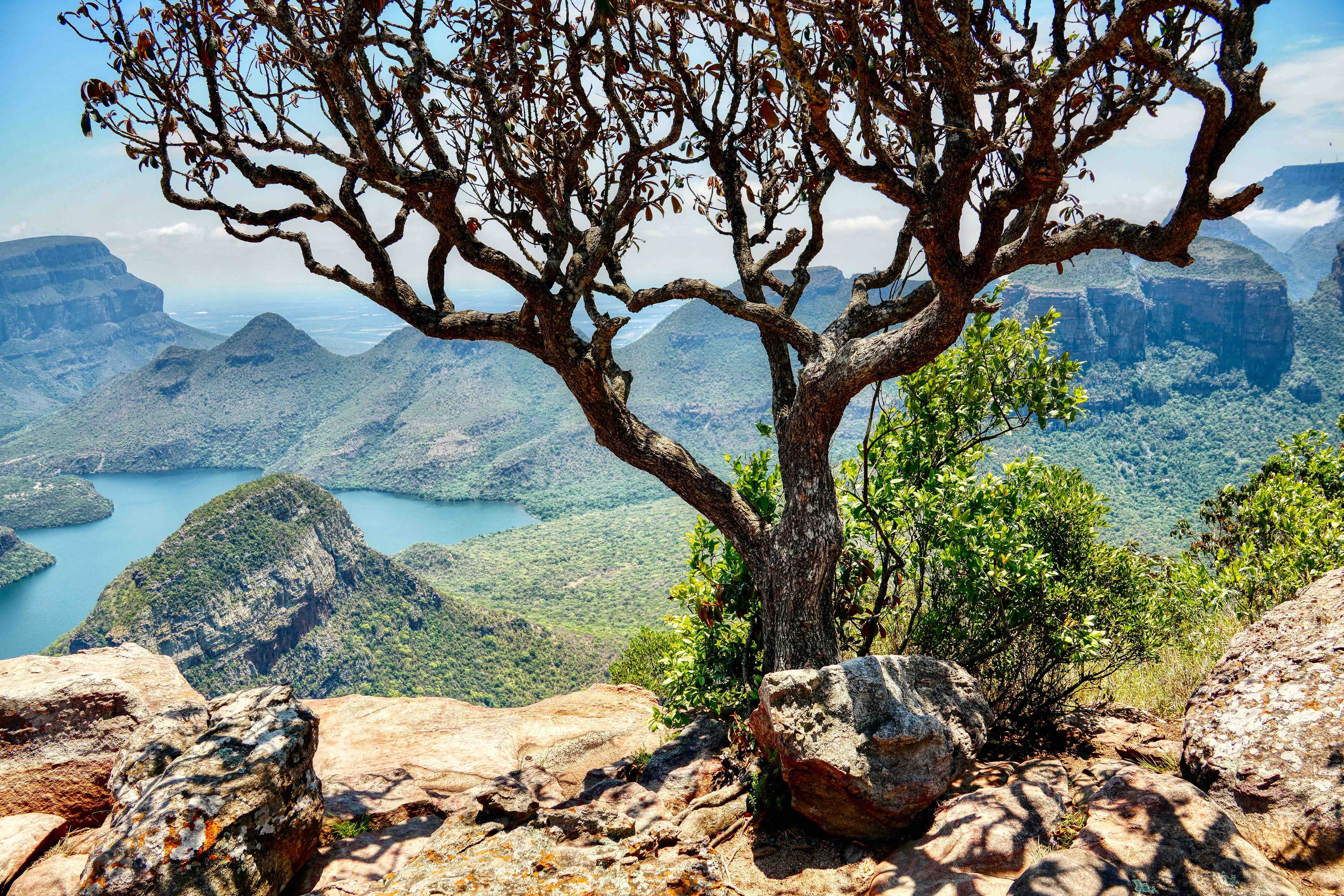
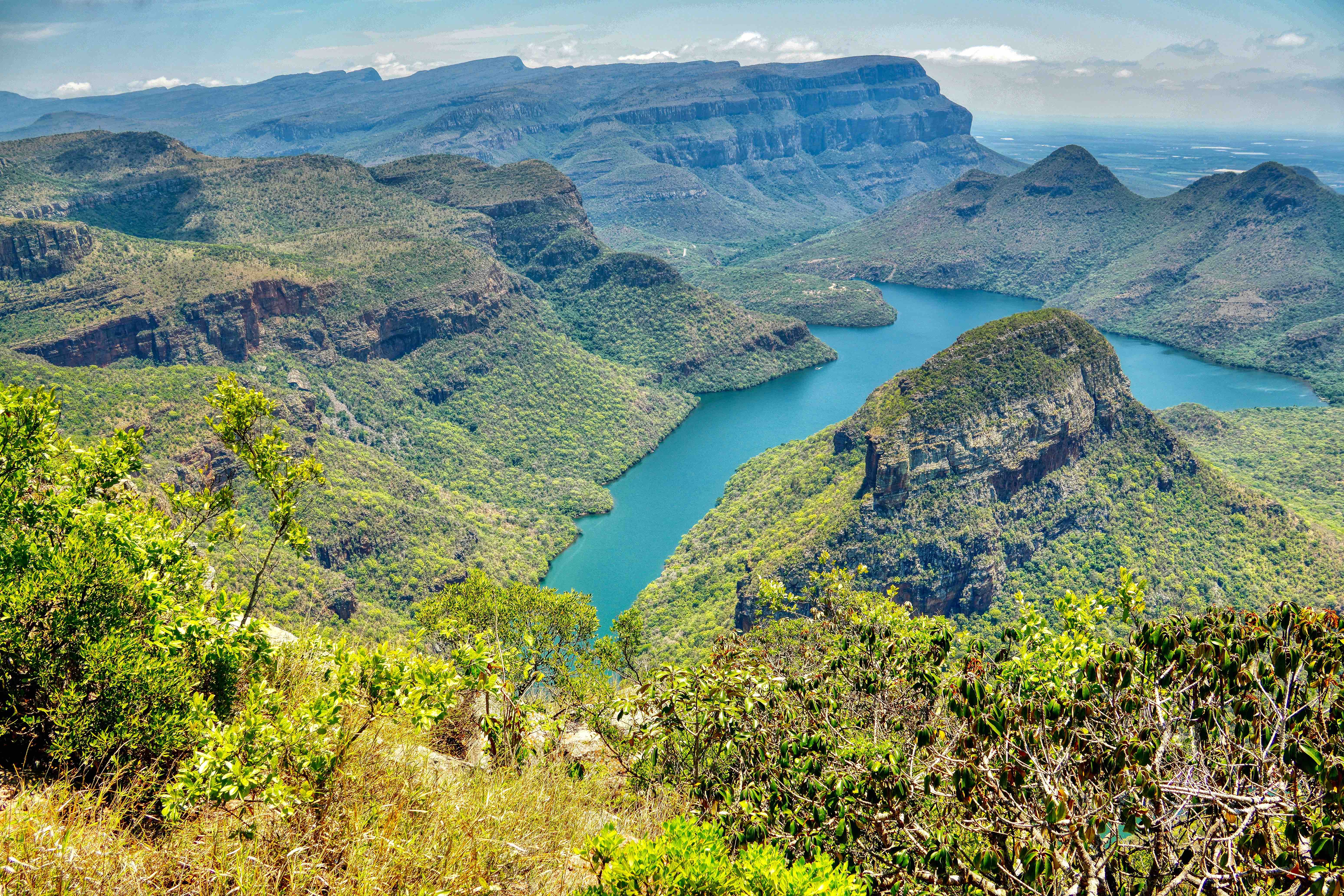
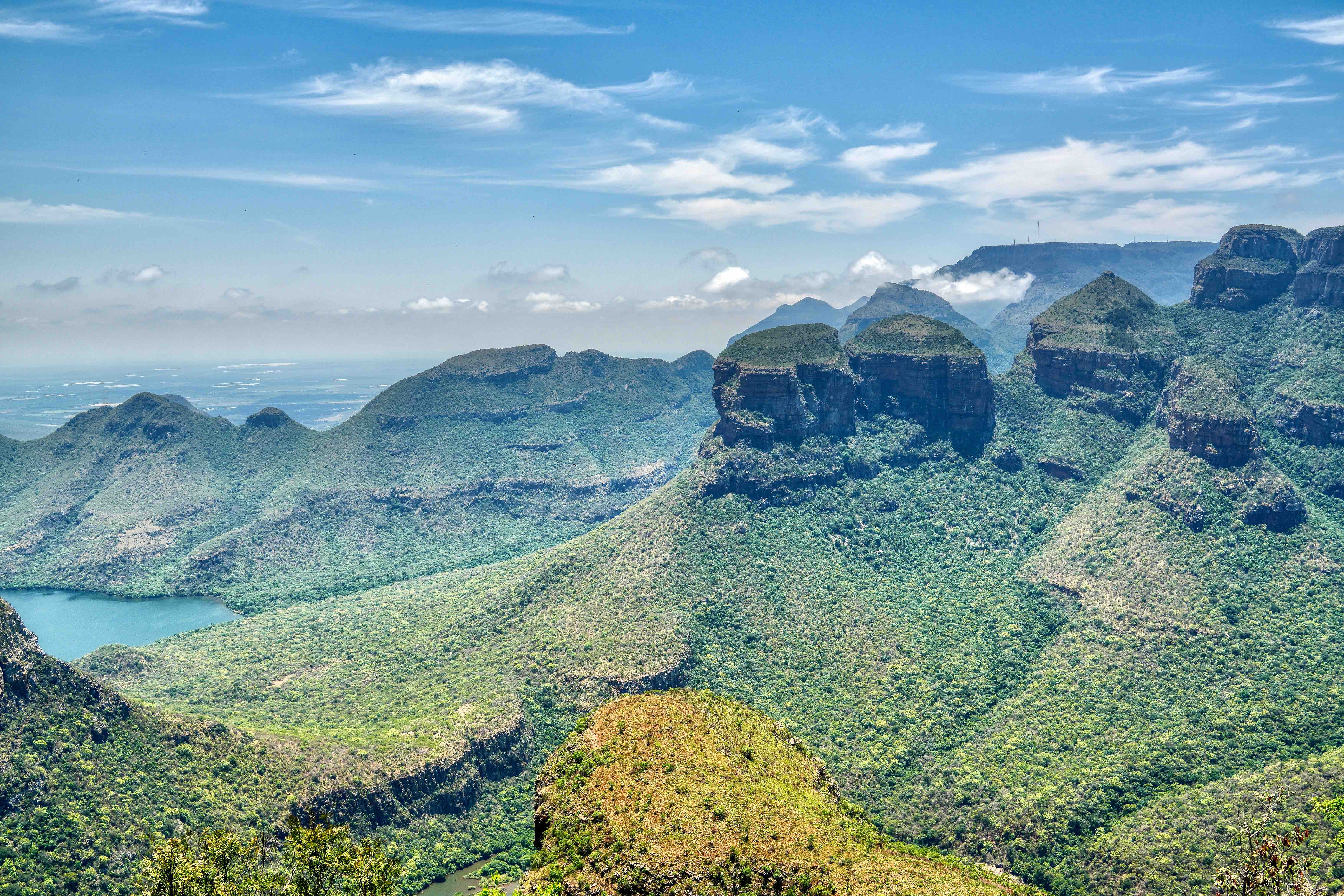
We stayed in the Blyde Canyon Forever Resort, a large cluster of stone-built cabins perched on the very edge of the escarpment. This place has a fascinating if not troubled history dating back to the late 60’s when it was built by the Apartheid era government as public recreational facilities, primarily for the white population to use as holiday cabins. It’s an impressive setting perched on the edge of one of the world’s largest ‘green canyons’ – a spectacular 26-kilometre long, 800-metre- deep canyon covered in dense sub-tropical forests, ferns and grasslands. It’s breathtaking!
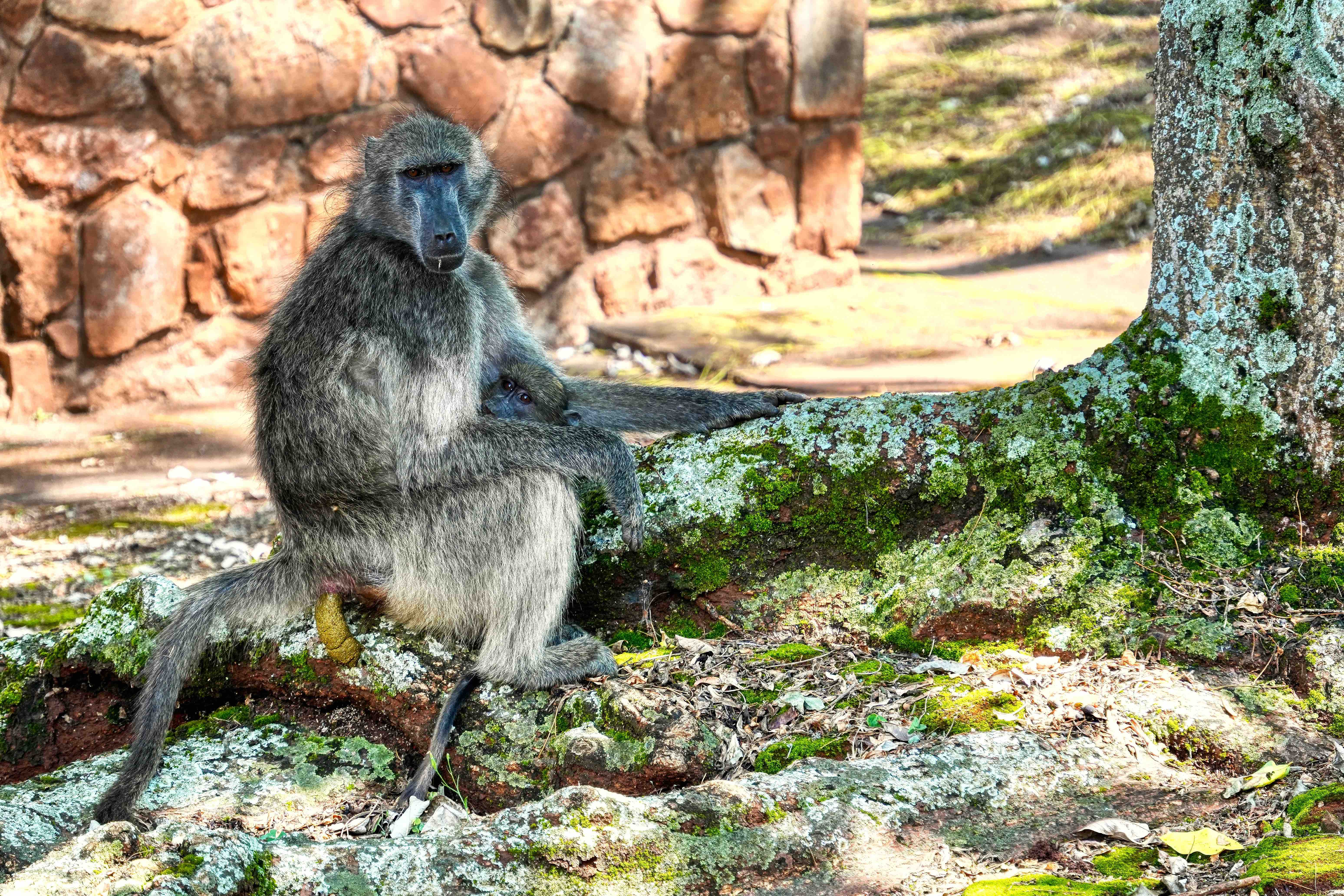
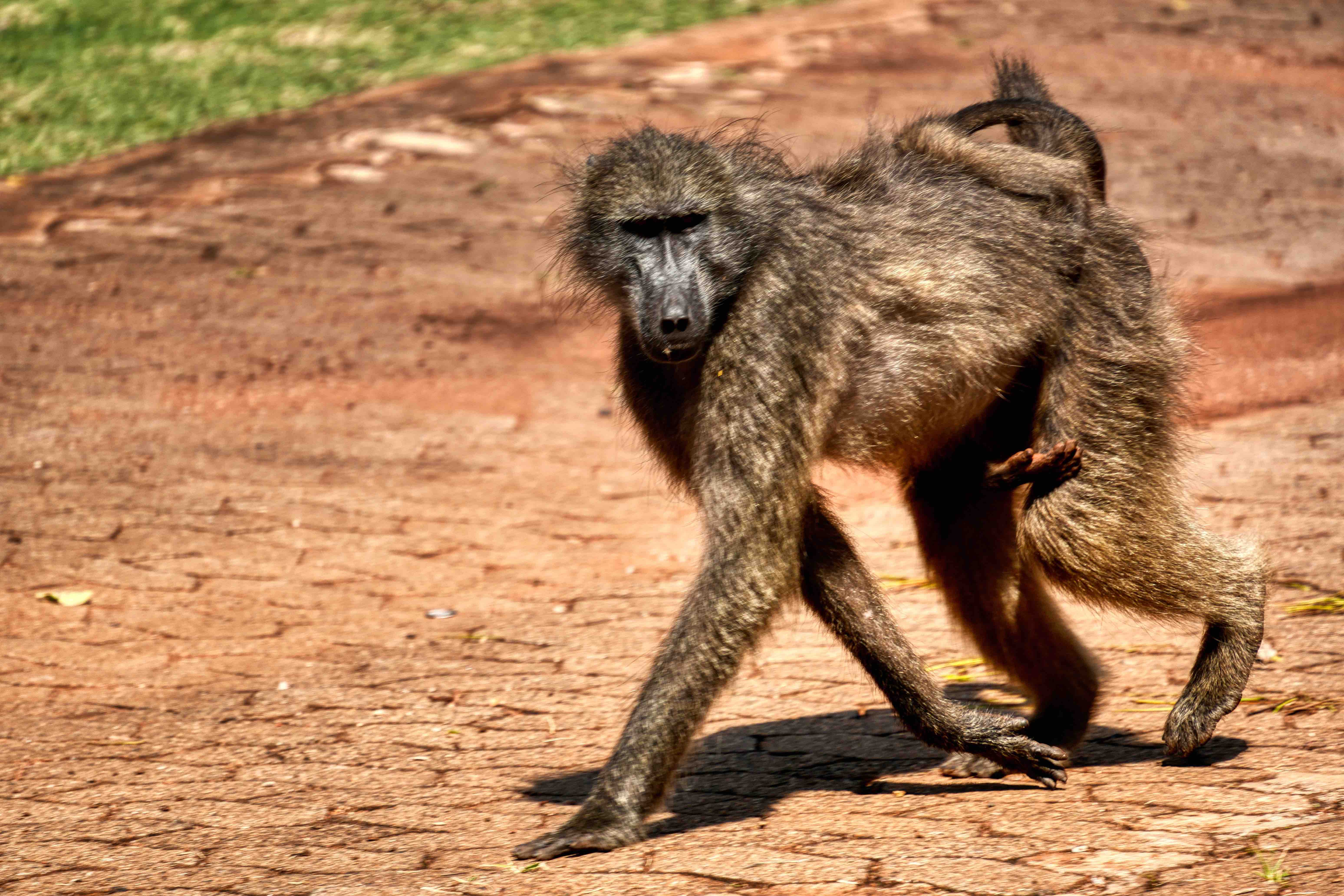
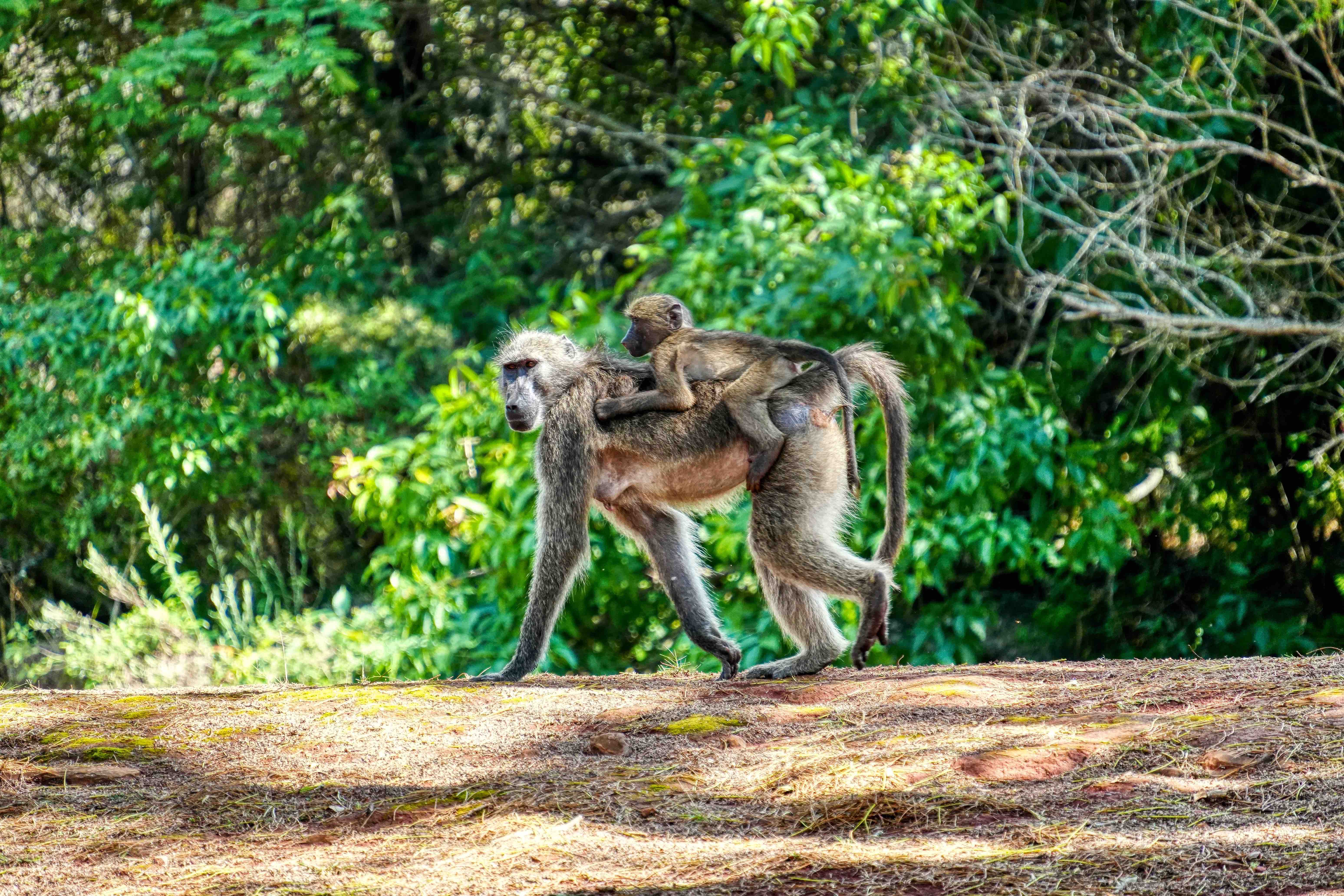
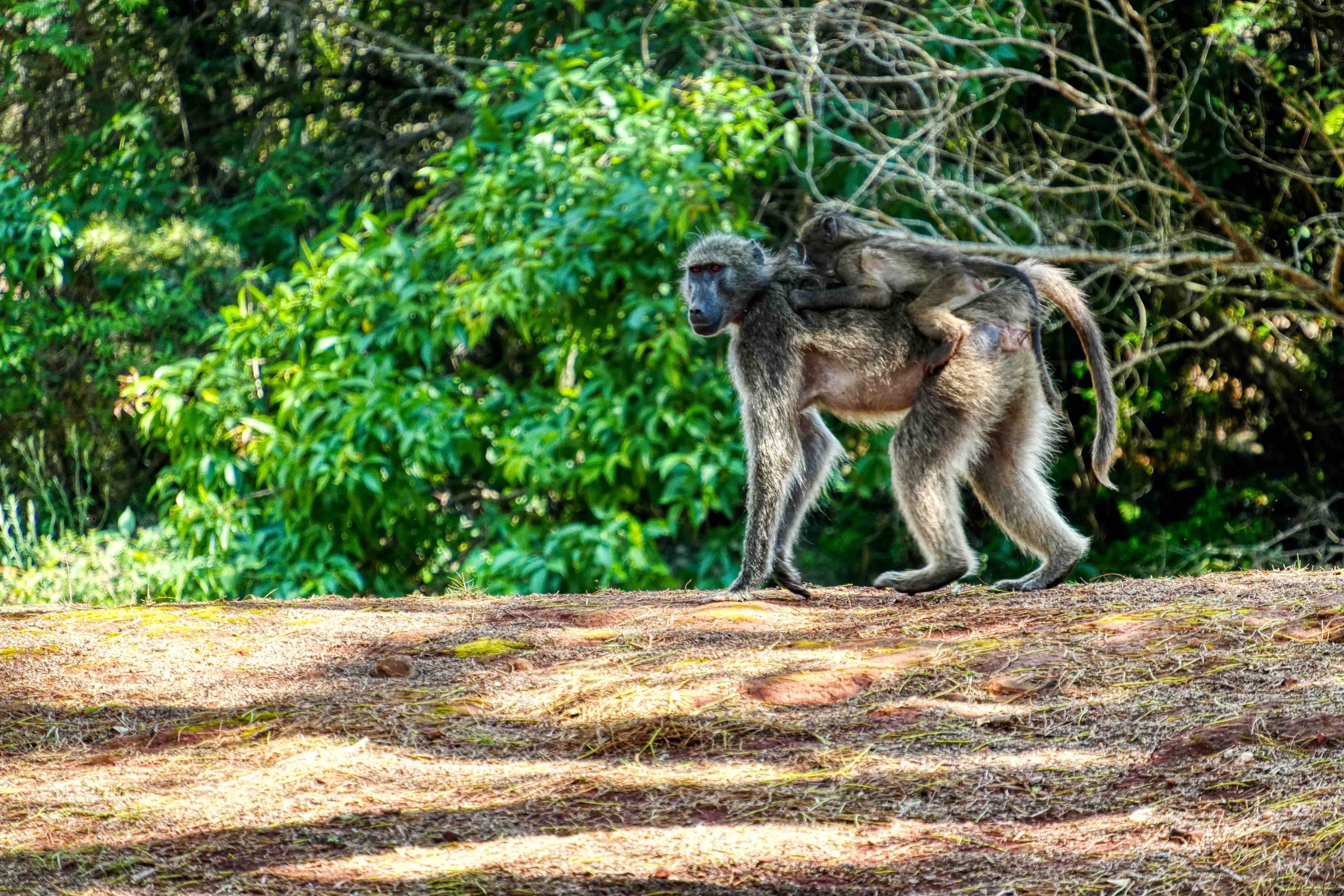
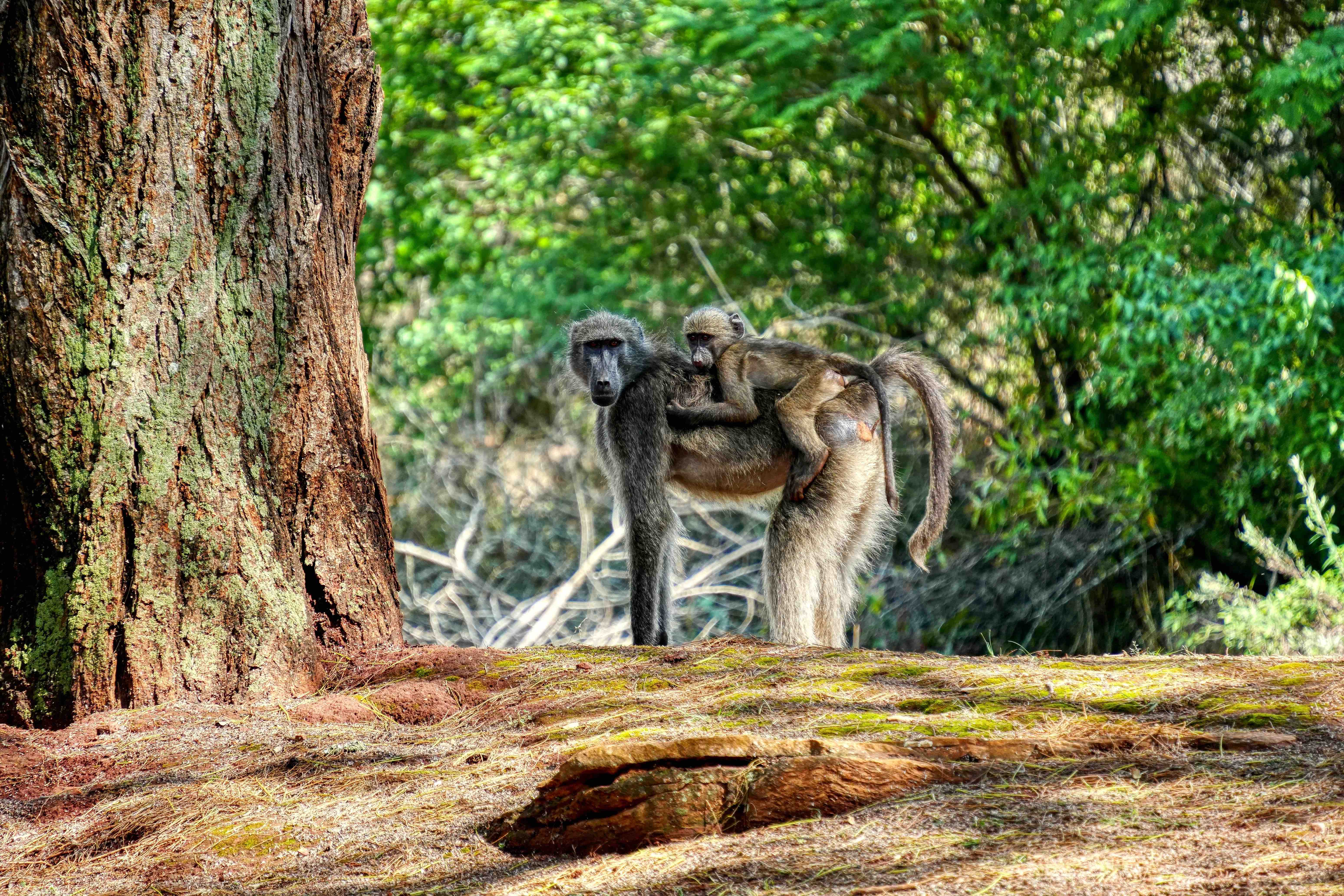
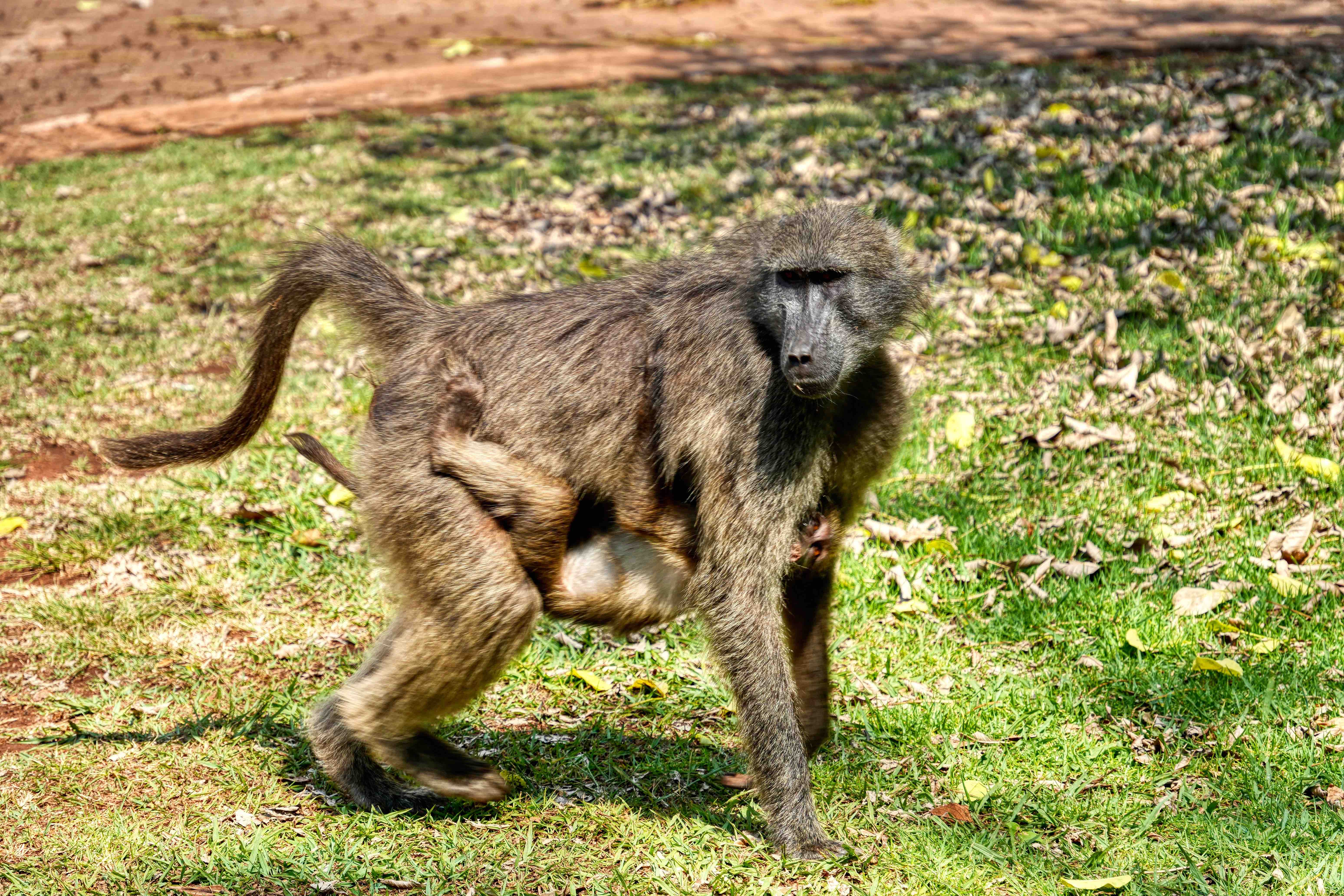
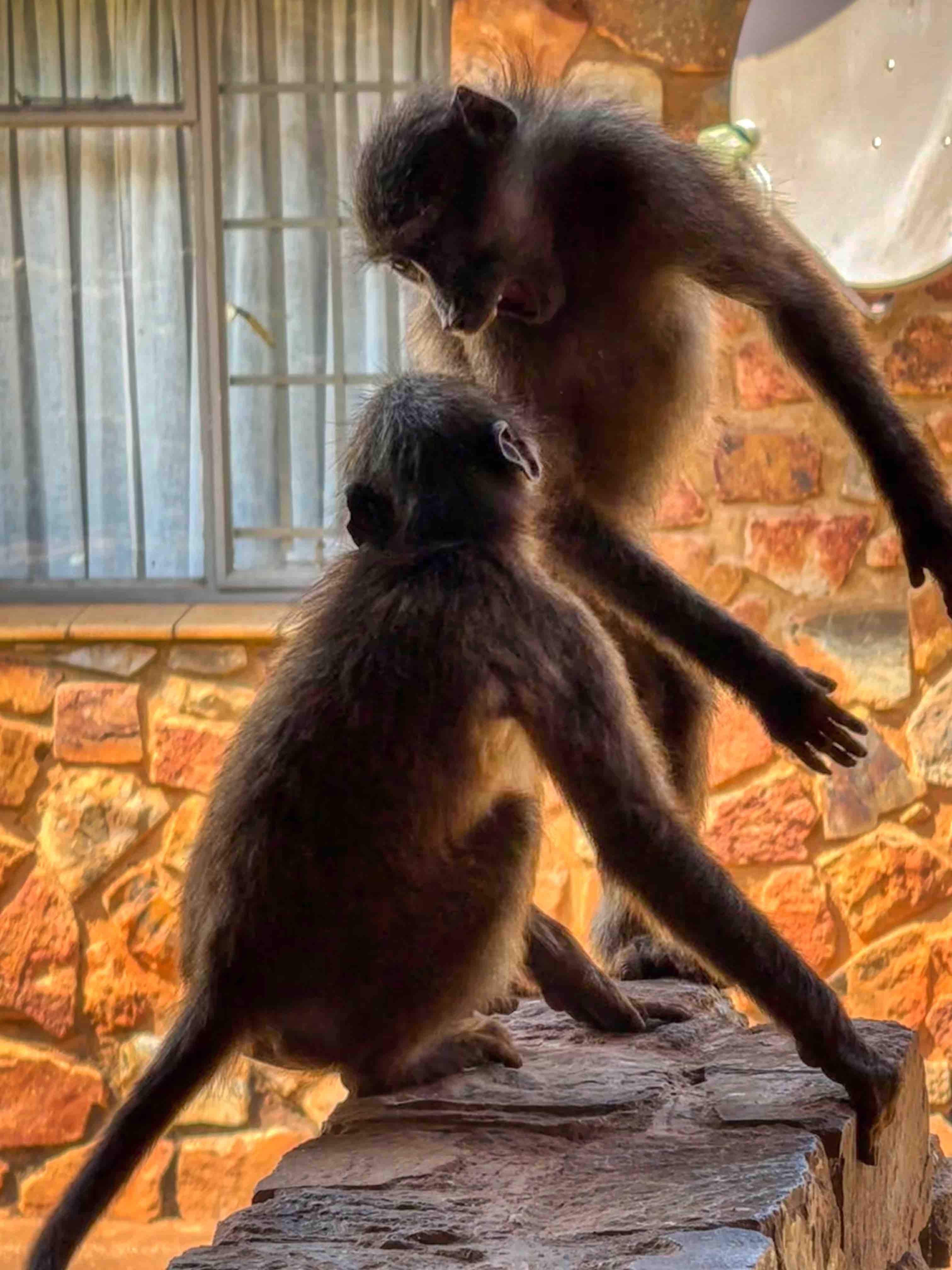
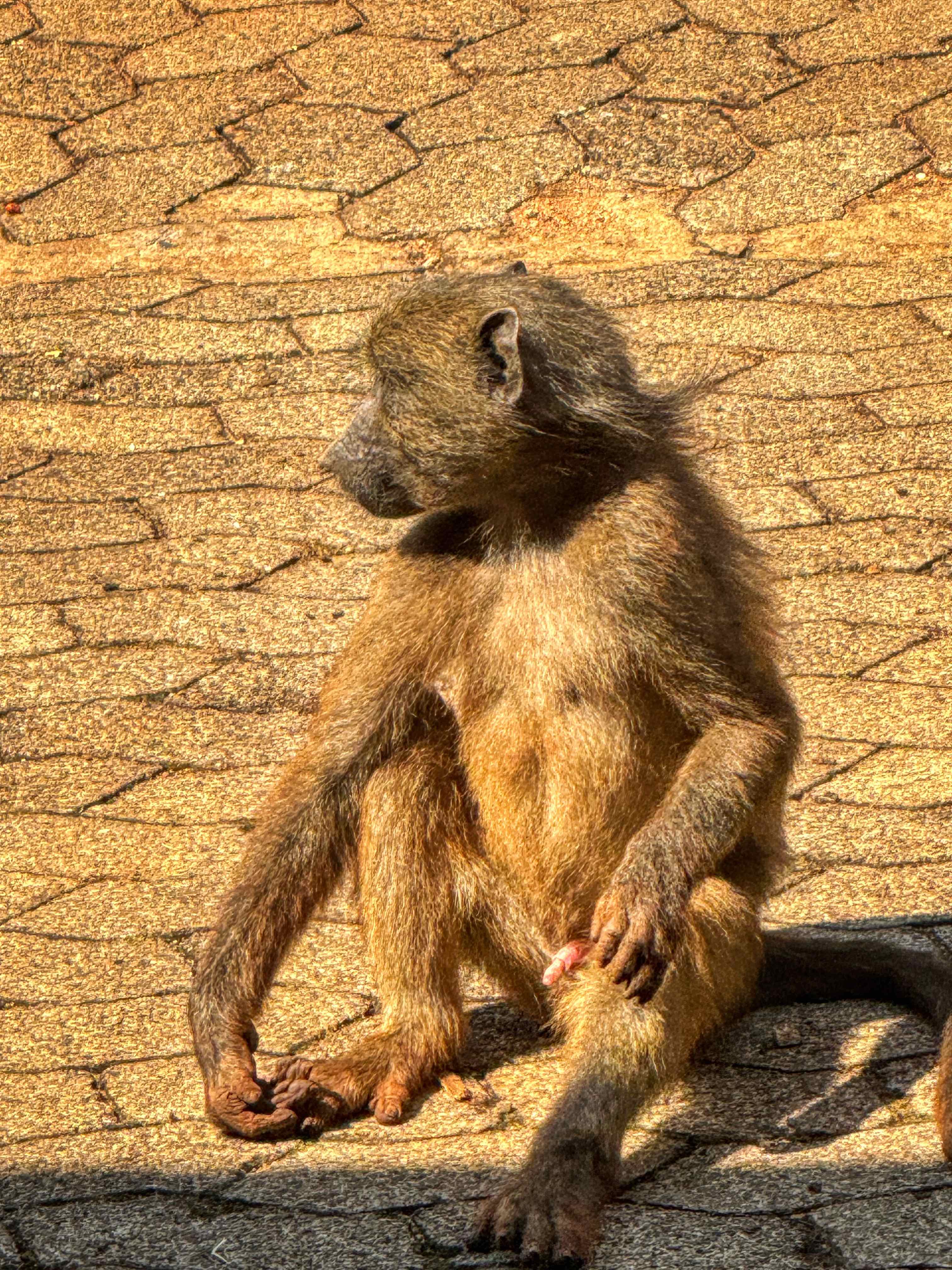
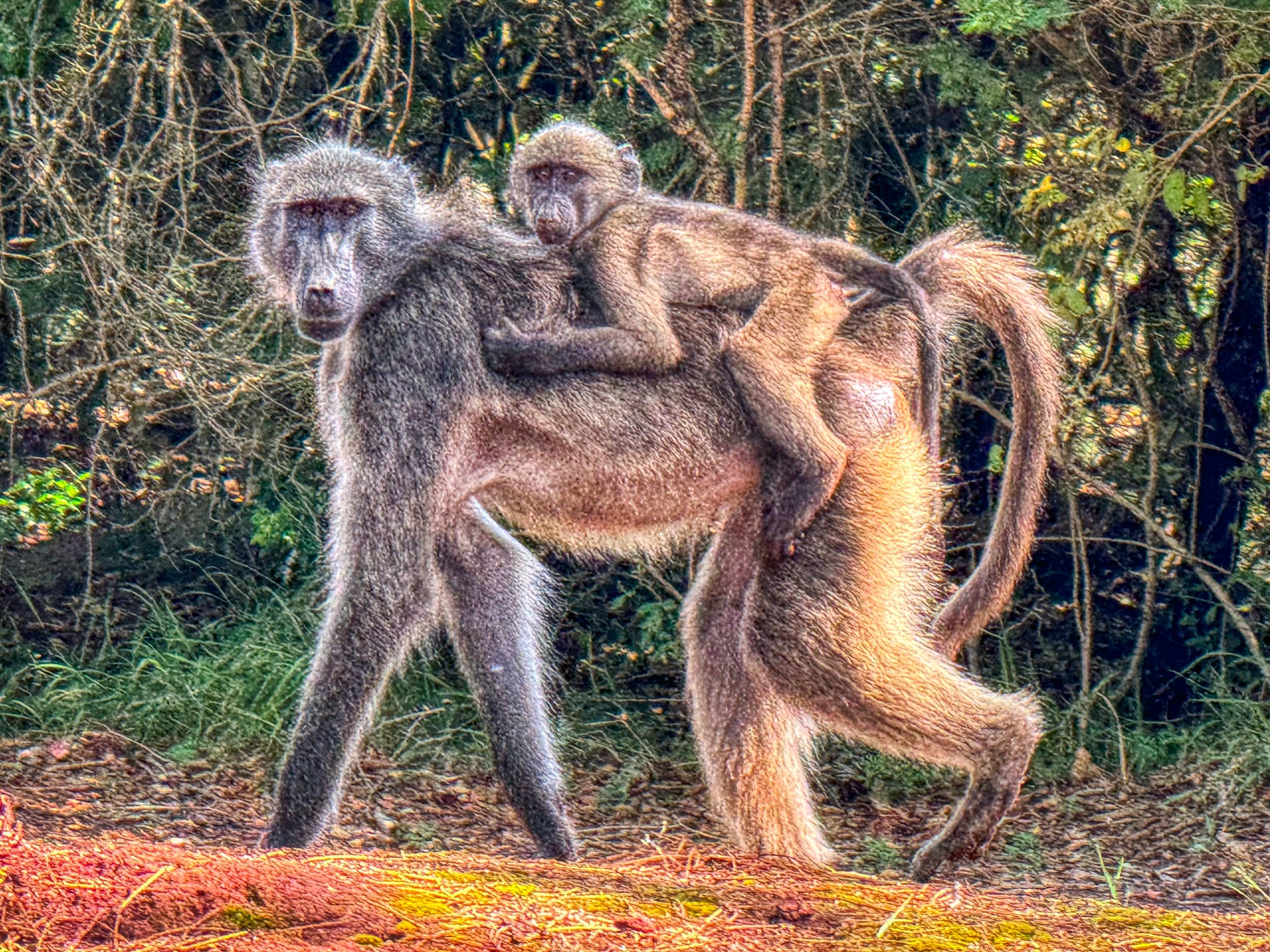
One early morning we were visited by a marauding troop of Baboons, tumbling out of the forest and roaming around the cabins looking for mischief. It was an amazing sight, large mature males, females with babies and cheeky youngsters. You’re warned to lock and bolt your doors at all times when in the cabin as the Baboons have learnt how to pull down door handles break and entering to ransack the joint looking for food. In their eager search they can leave a terrible mess.
Blyde River Canyon is one of South Africa’s great geological wonders and, for me, one of the most extraordinary landscapes I’ve ever seen.

