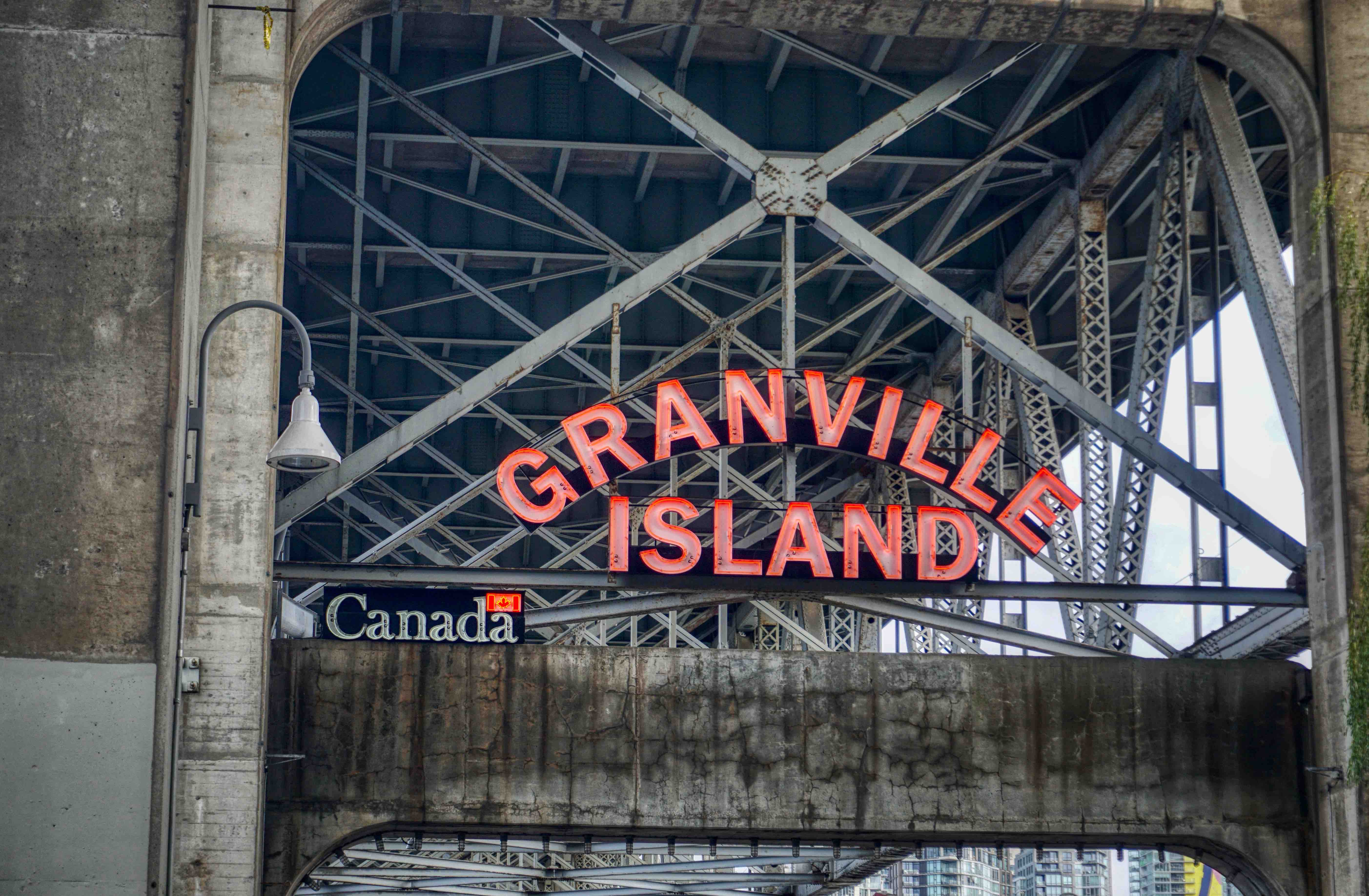
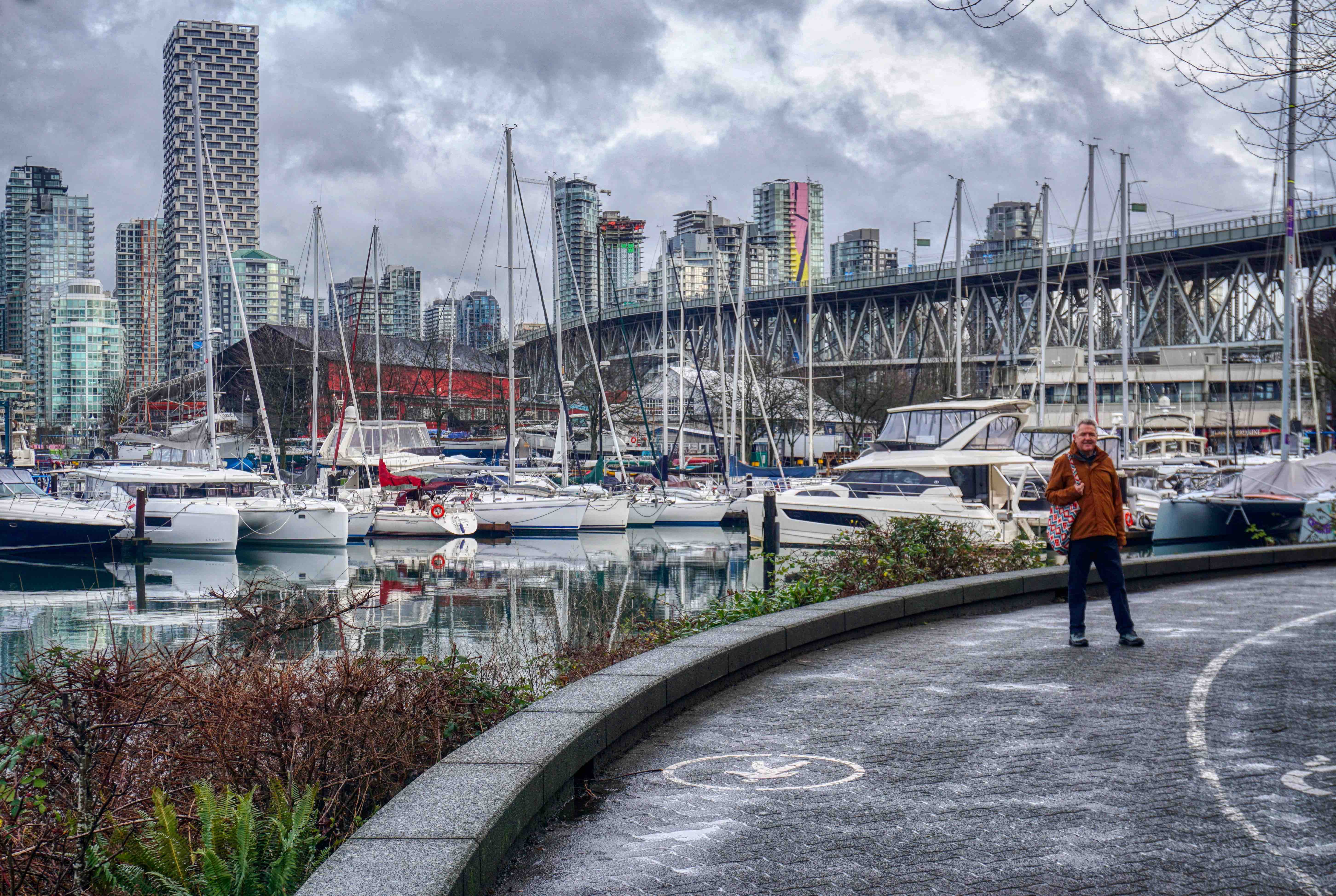
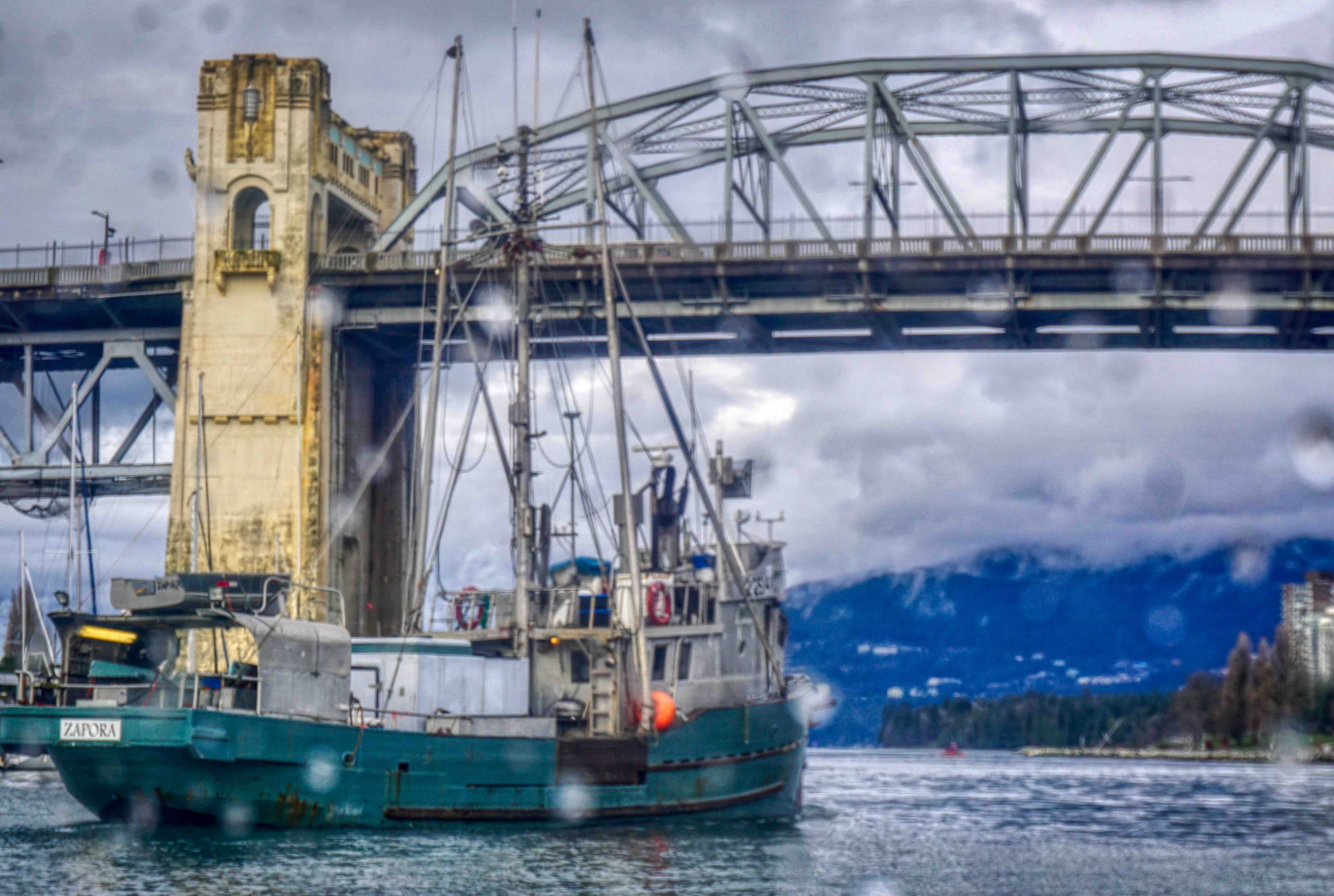
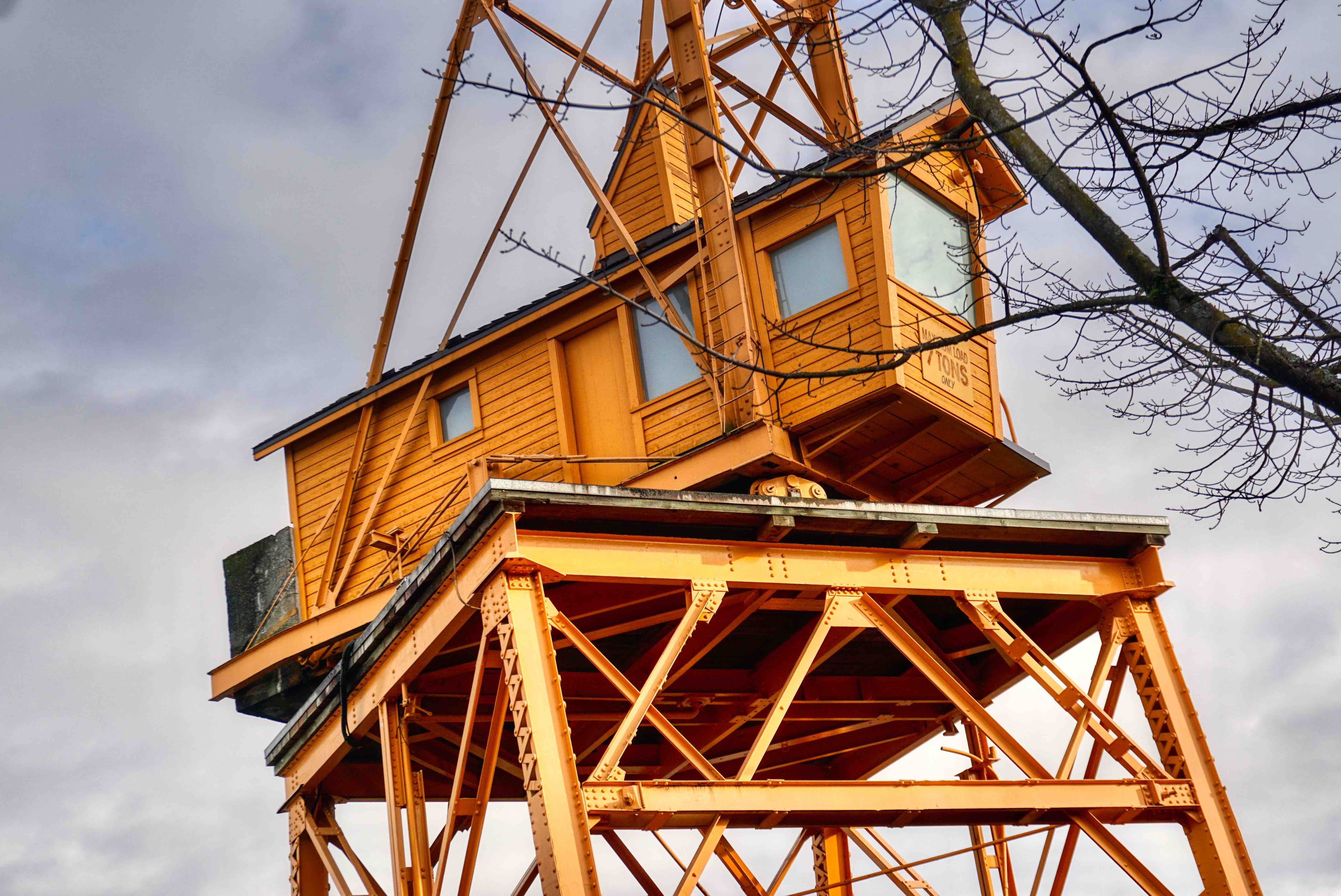
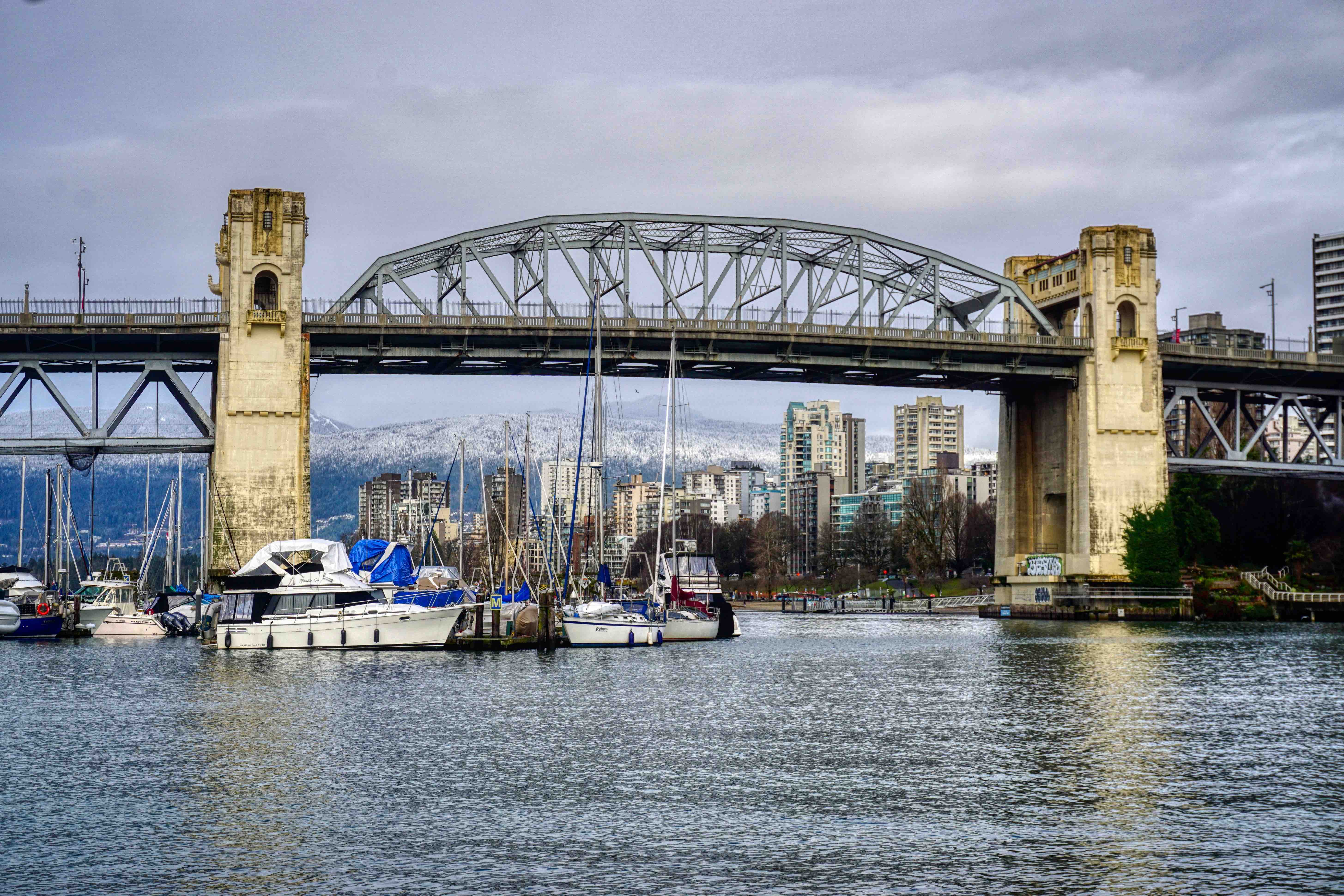
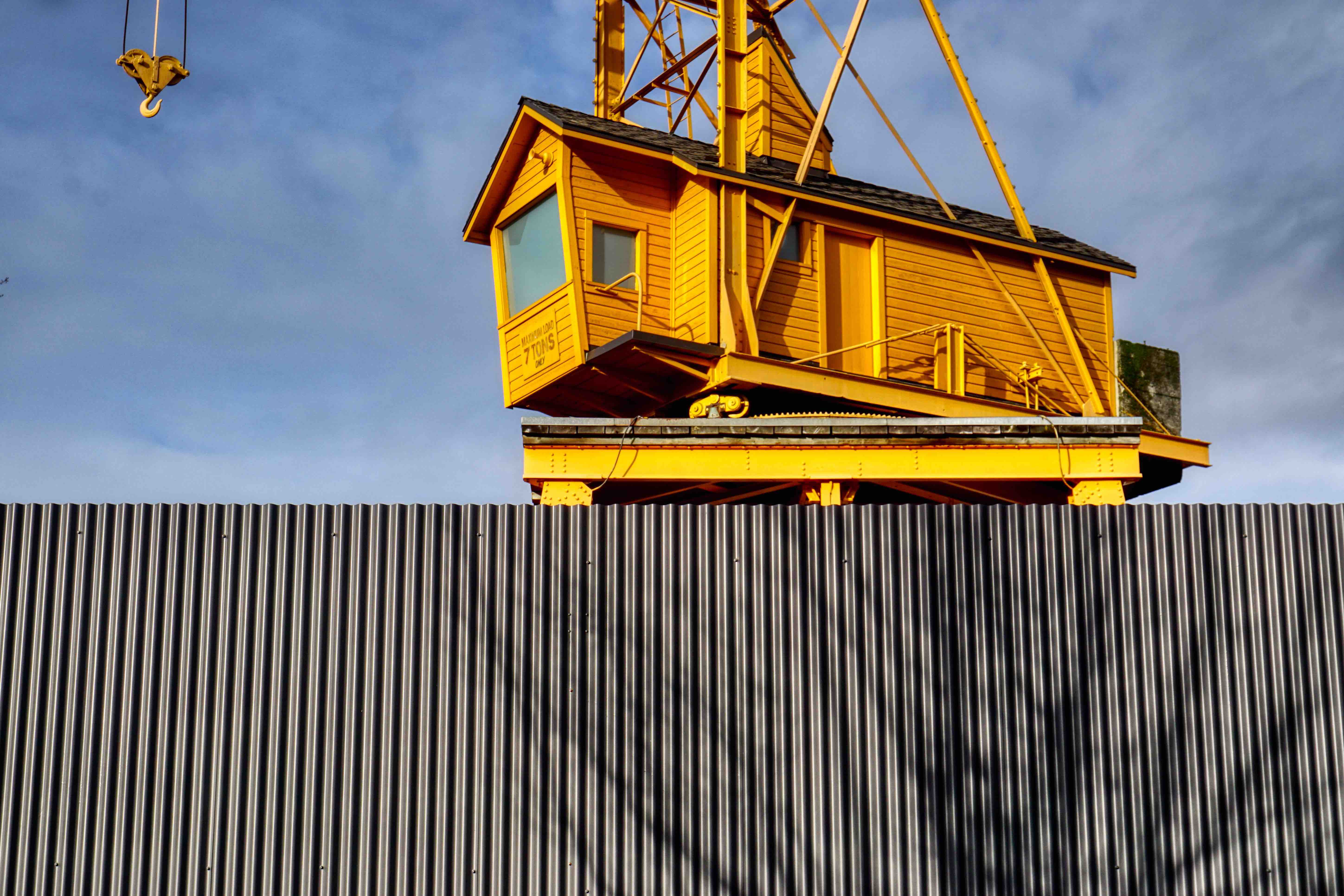
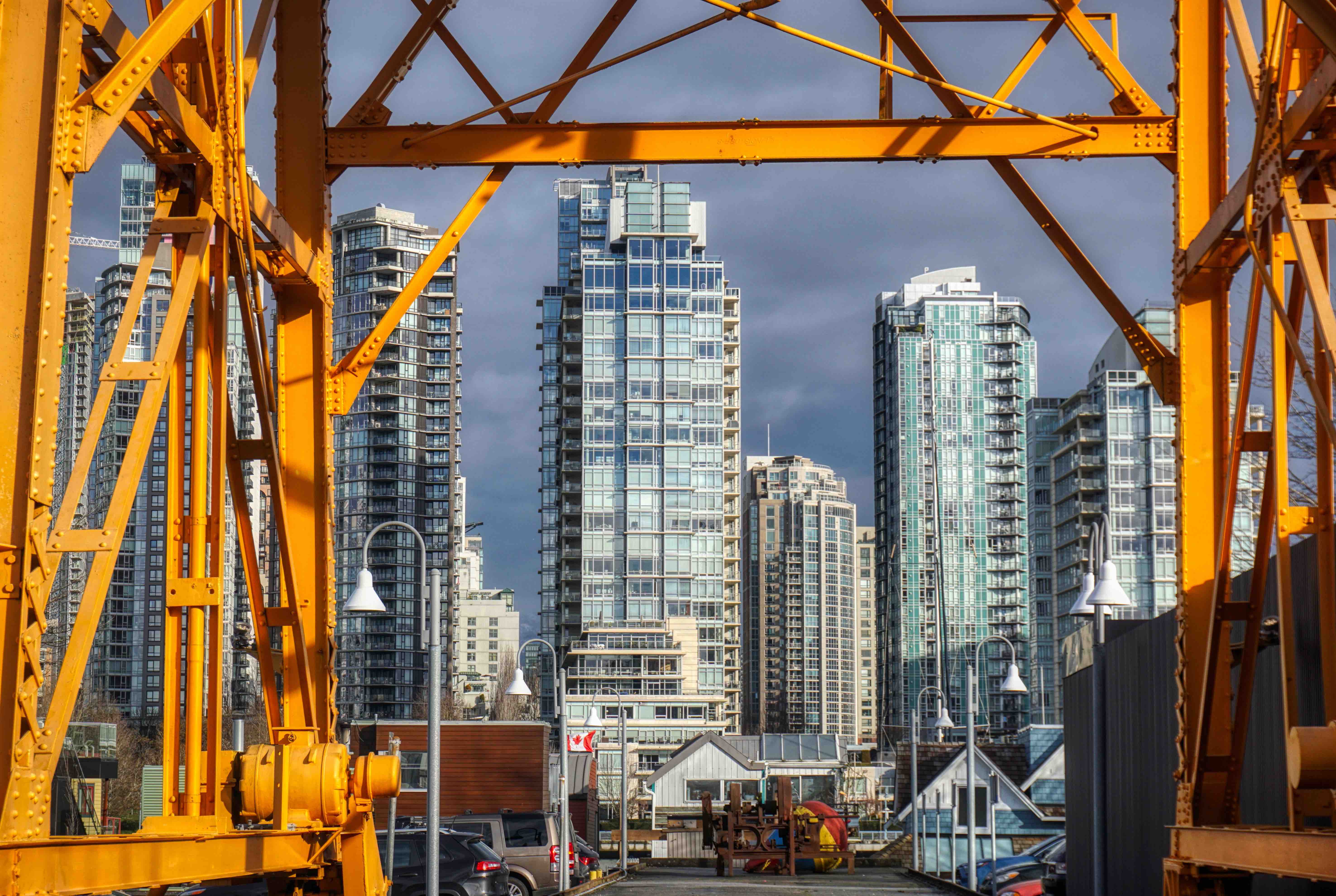
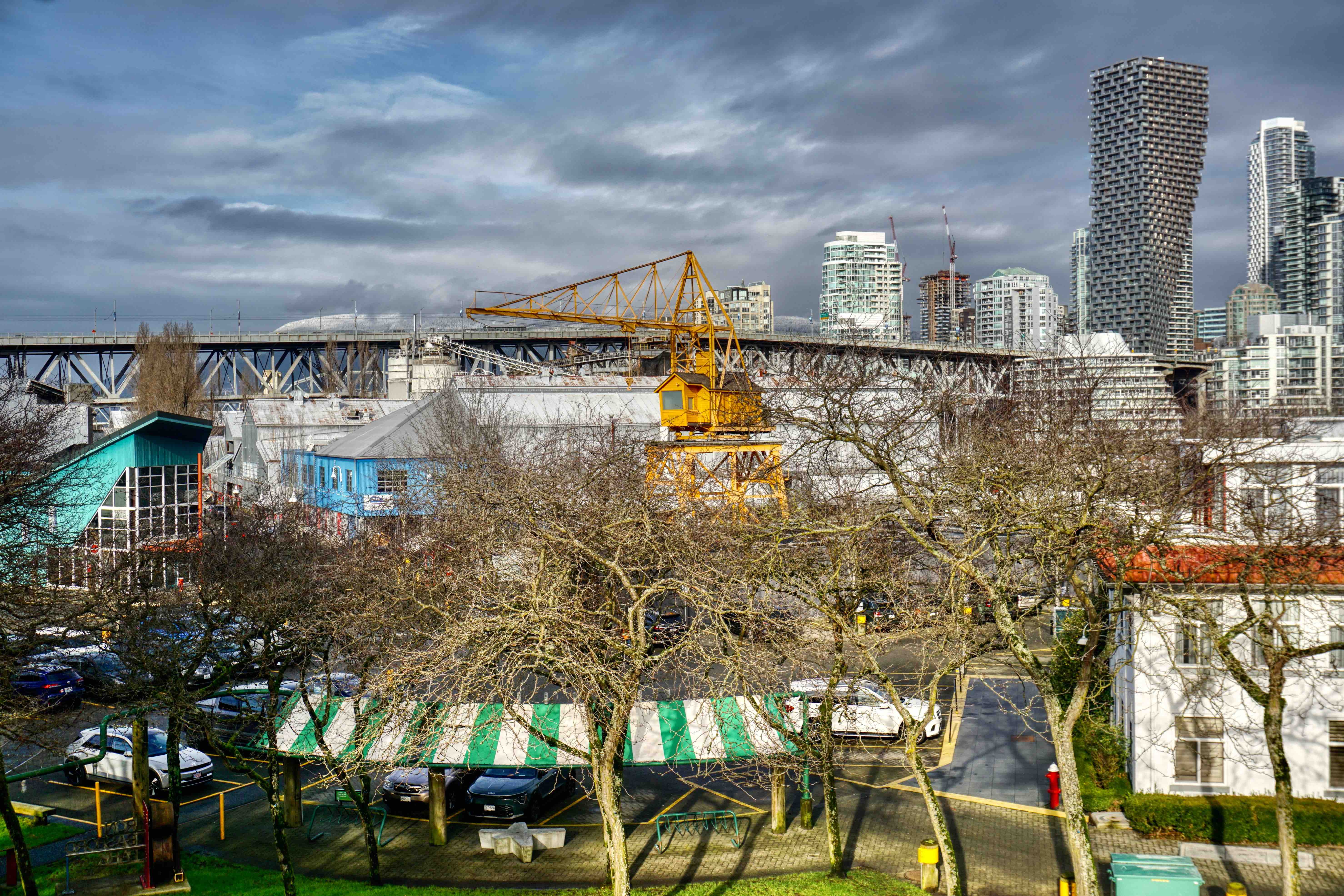
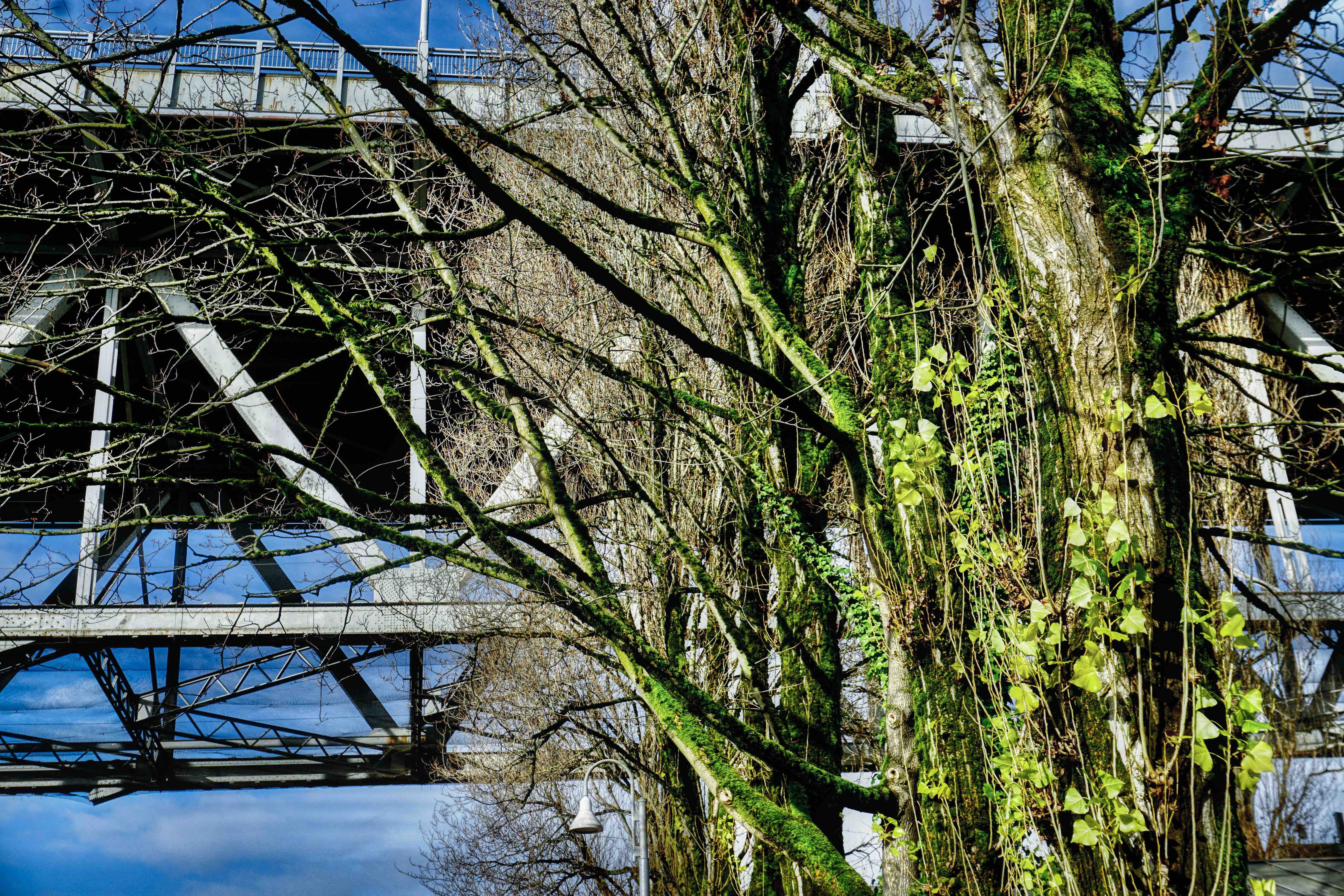
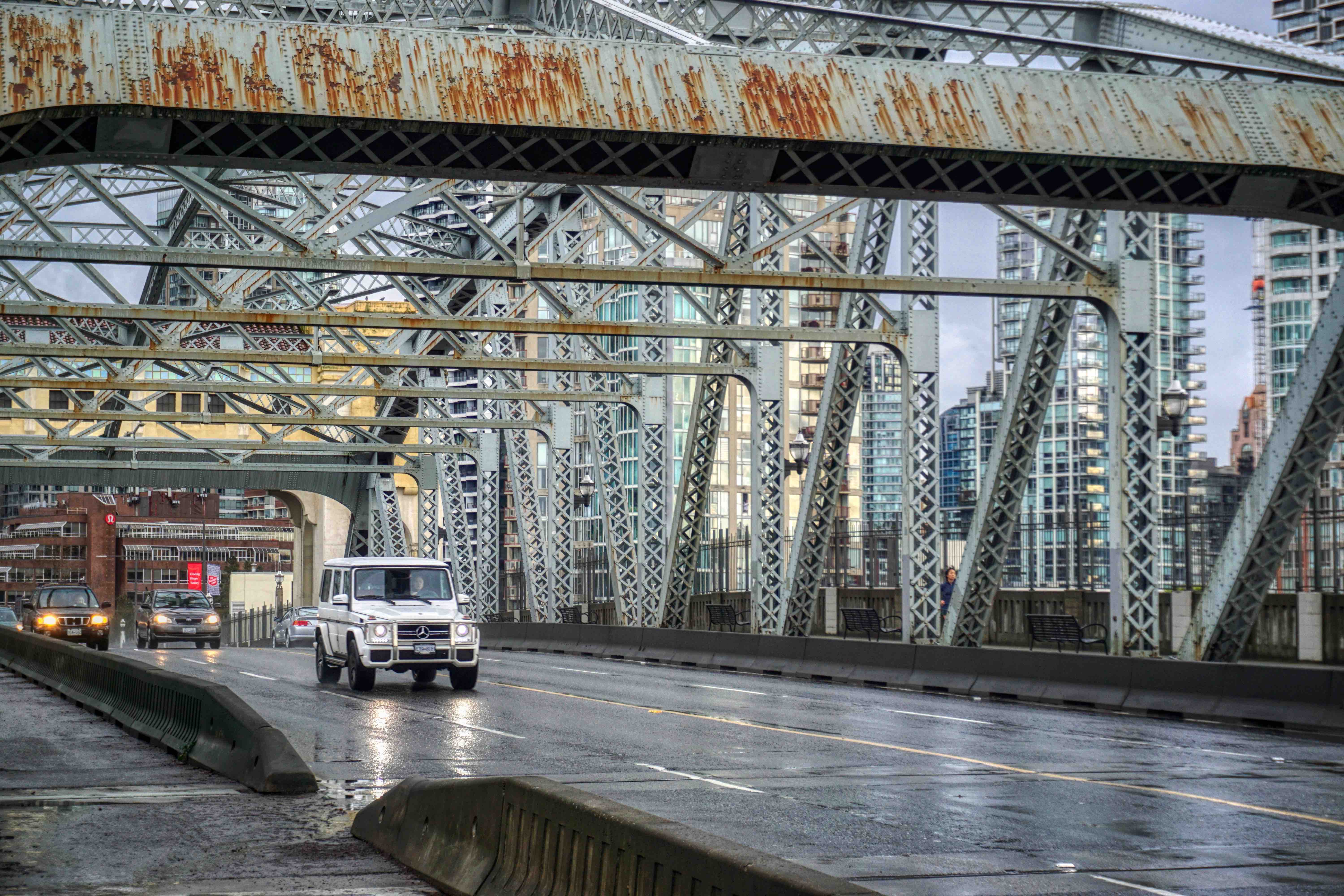
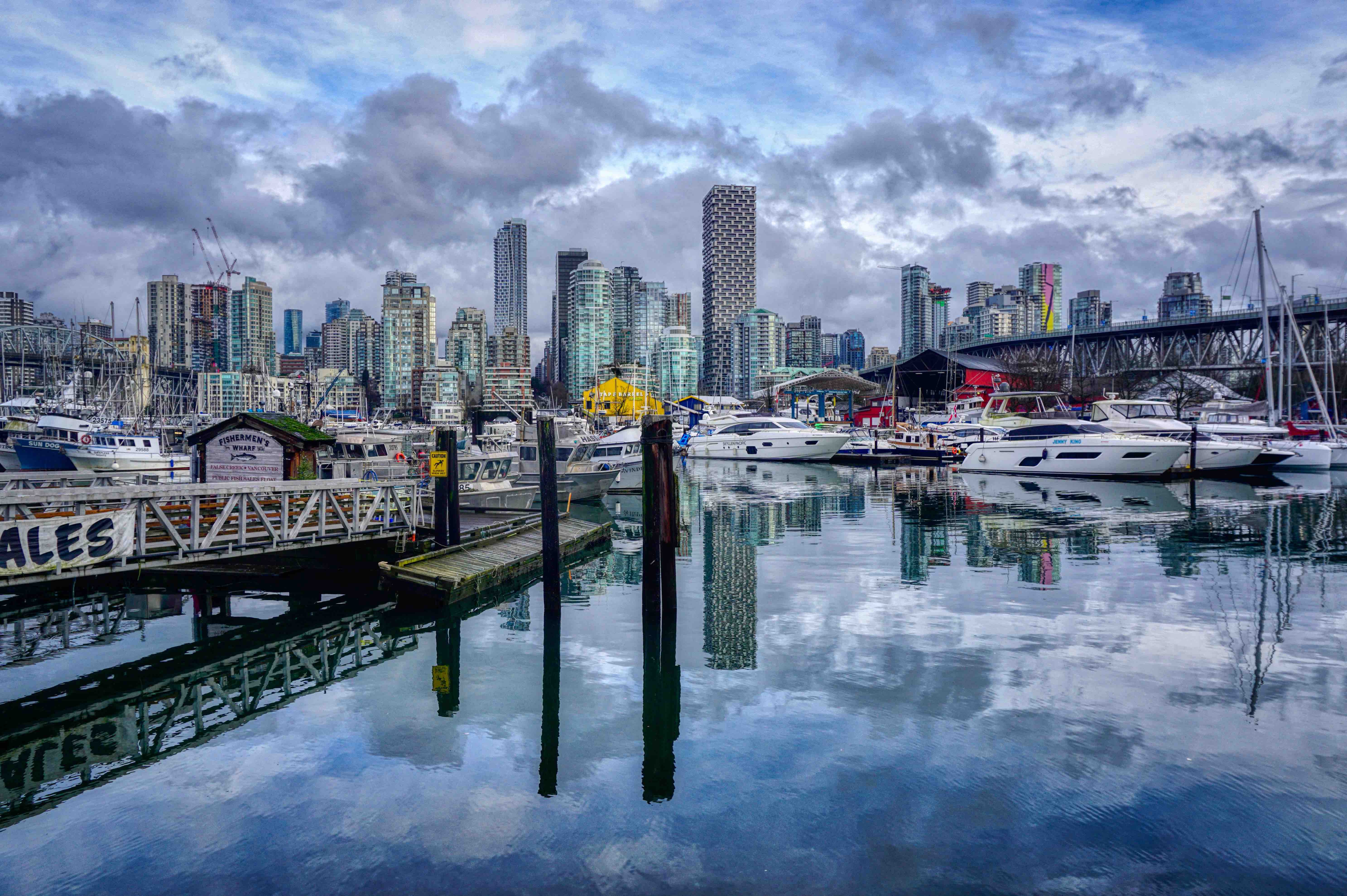
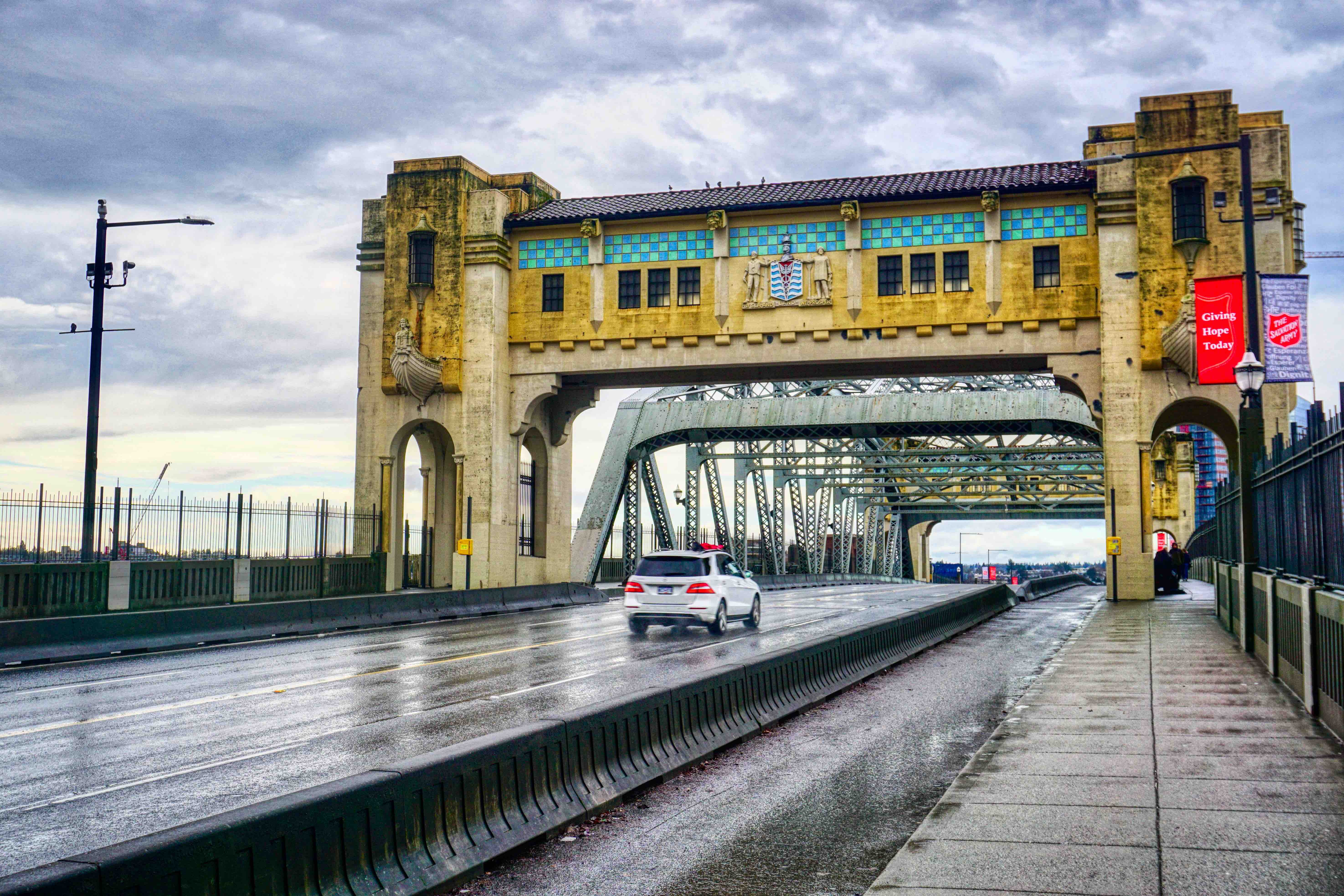
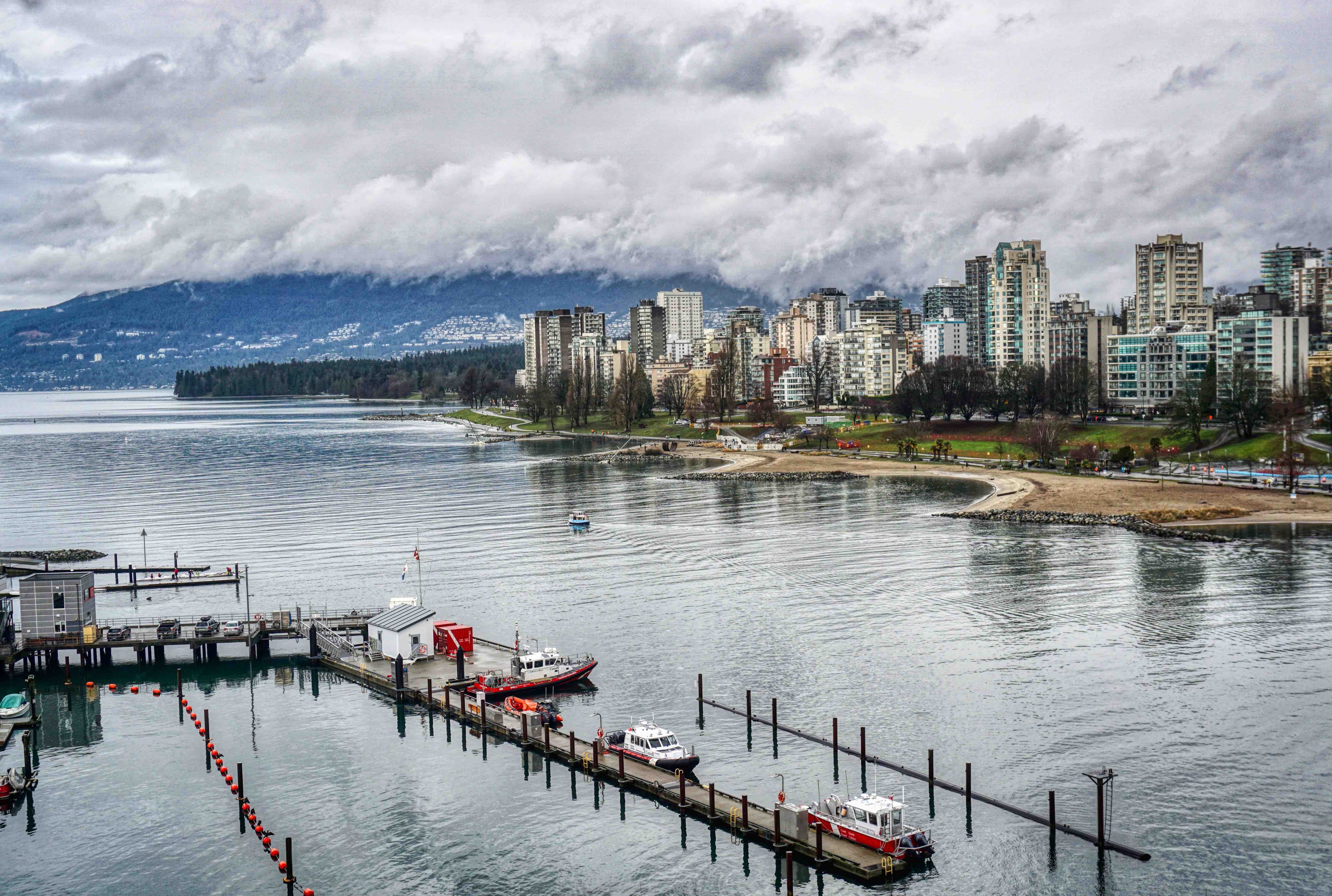
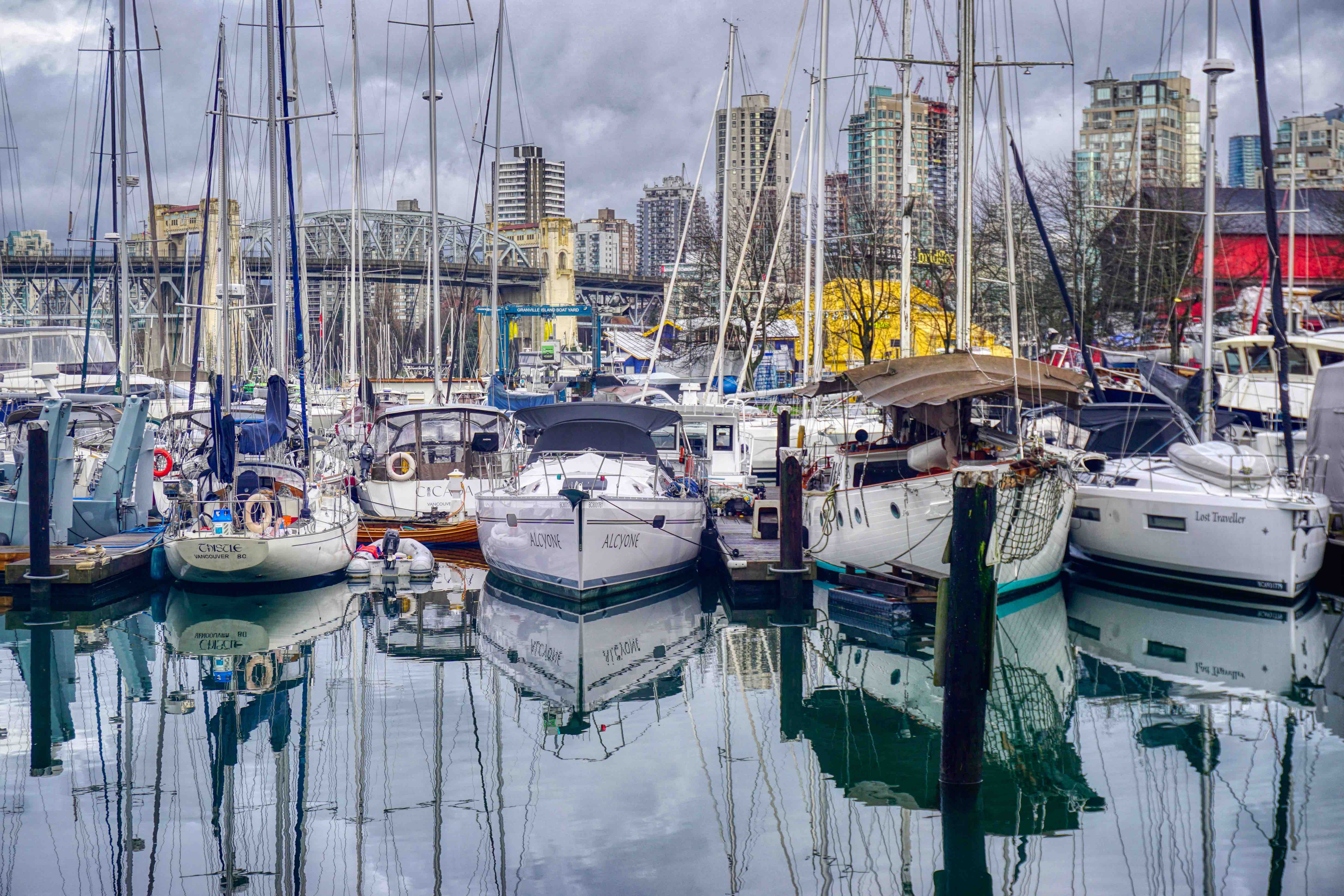
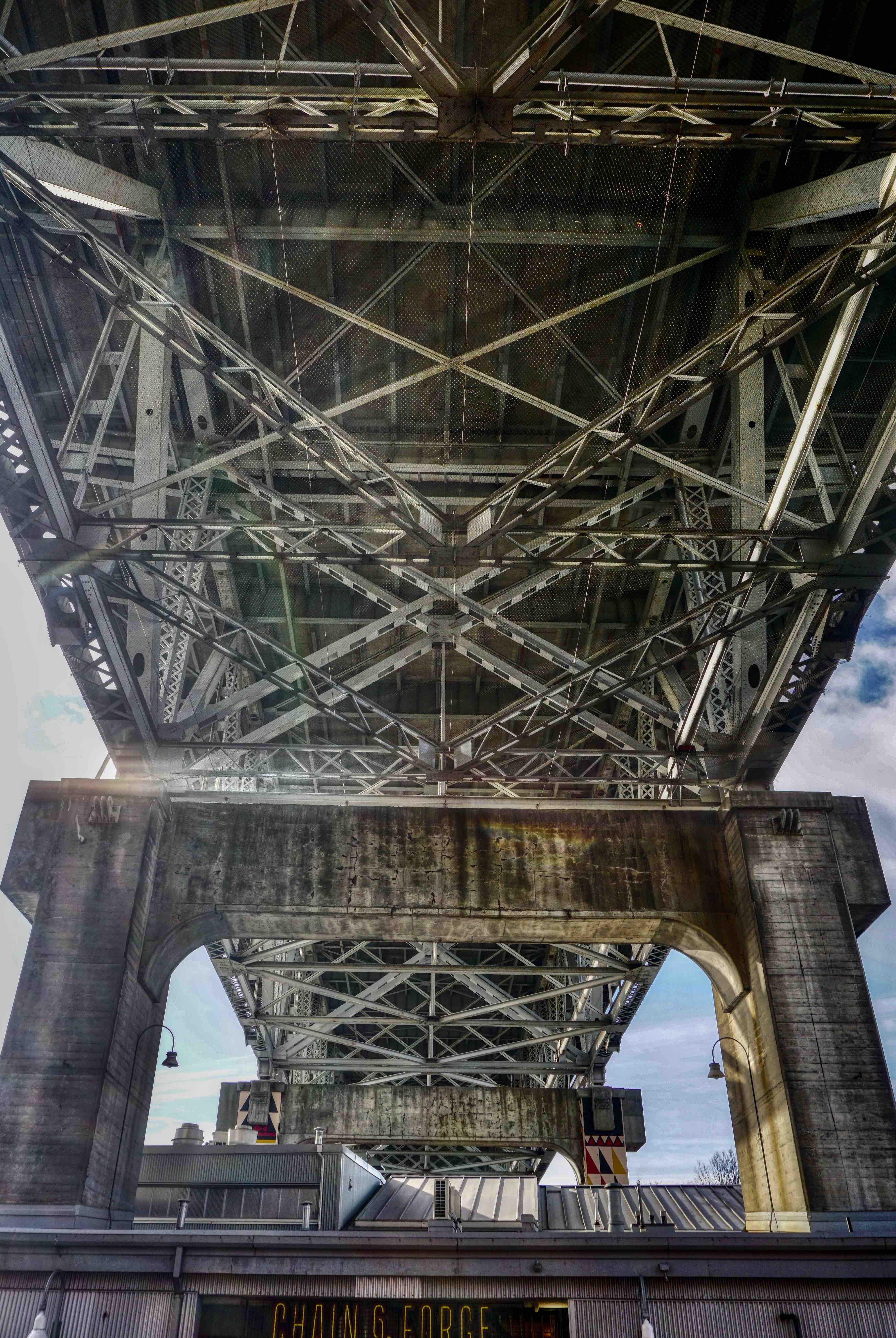
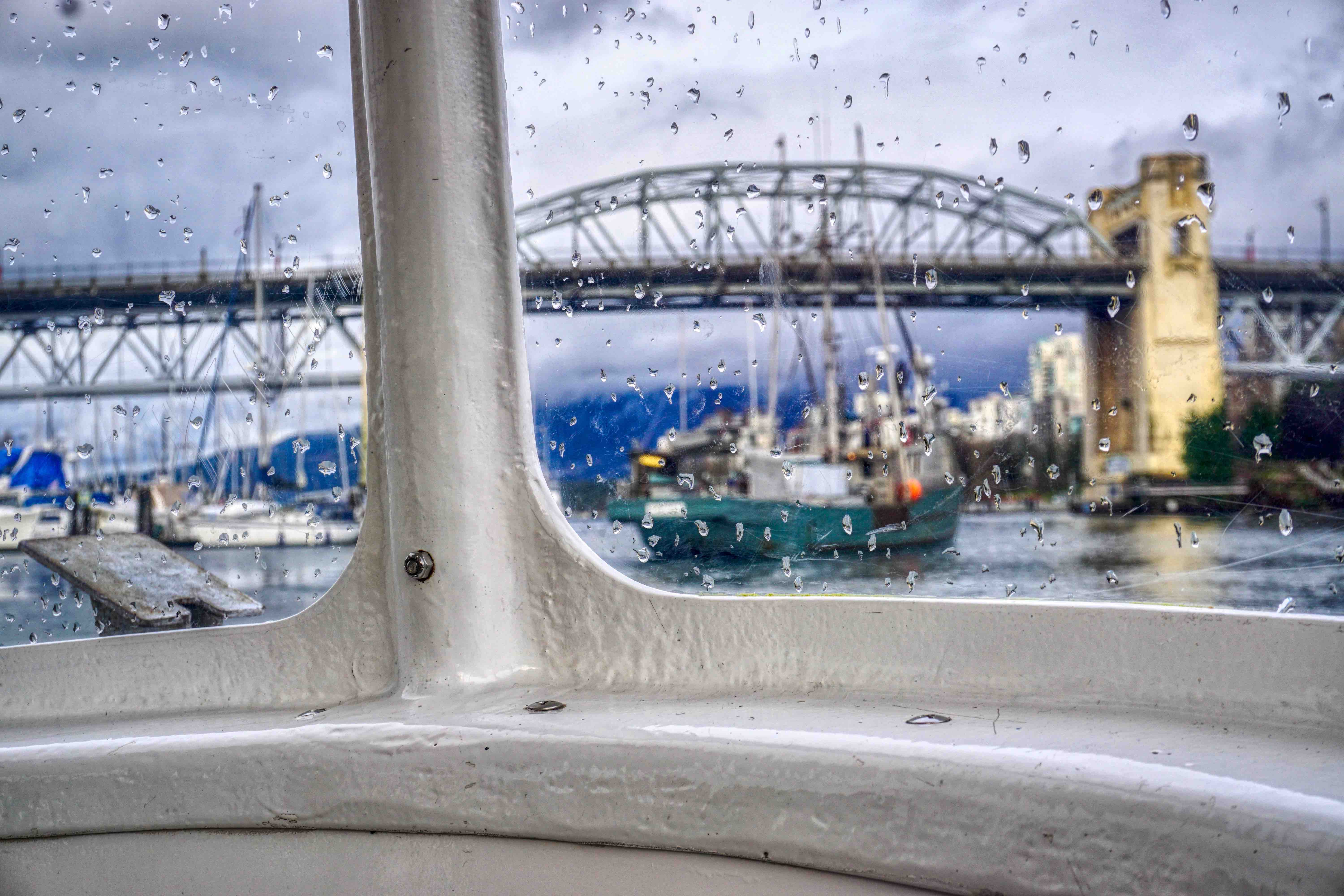
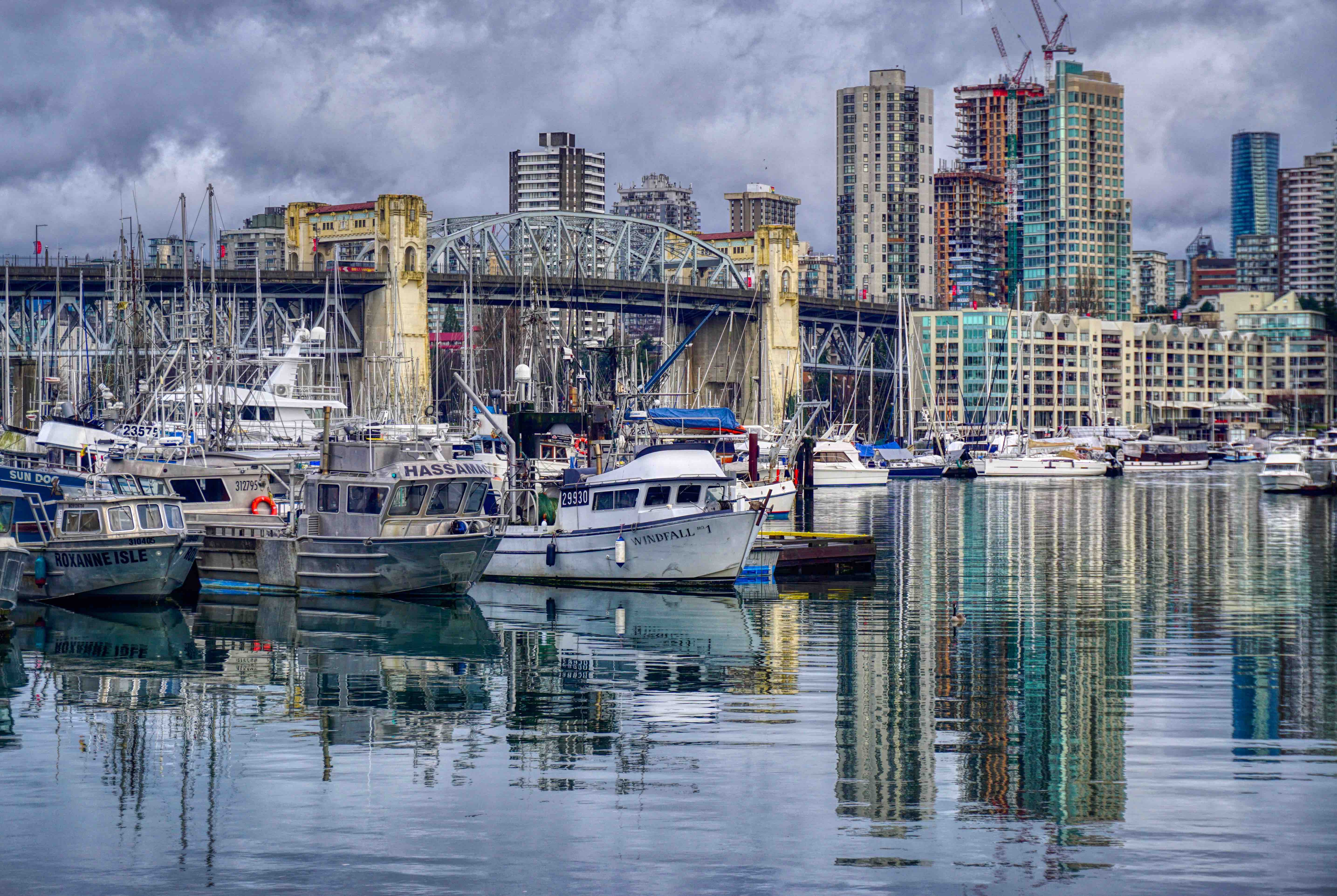
Granville Island is a former industrial site of factories and mills for the logging, mining and shipping industries that thrived in early 20th Century Vancouver. It’s located in the middle of False Creek, just southeast of Downtown and lies between two bridges. First is the older Art Deco Burrard Bridge (1932) with its distinctive towers, decorative lamps and ship-themed ornaments, with views across to English Bay and the snow-capped North Shore mountains on one side and False Creek and Granville Island on the other. The second is the more recent (1950’s) Granville Bridge which is essentially a busy road bridge with Granville Street bisecting all of Vancouver Downtown across to the Waterfront Train Station, Cruise Ship and Ferry Terminal on Vancouver Harbour, and stretching in the other direction right out to the airport.
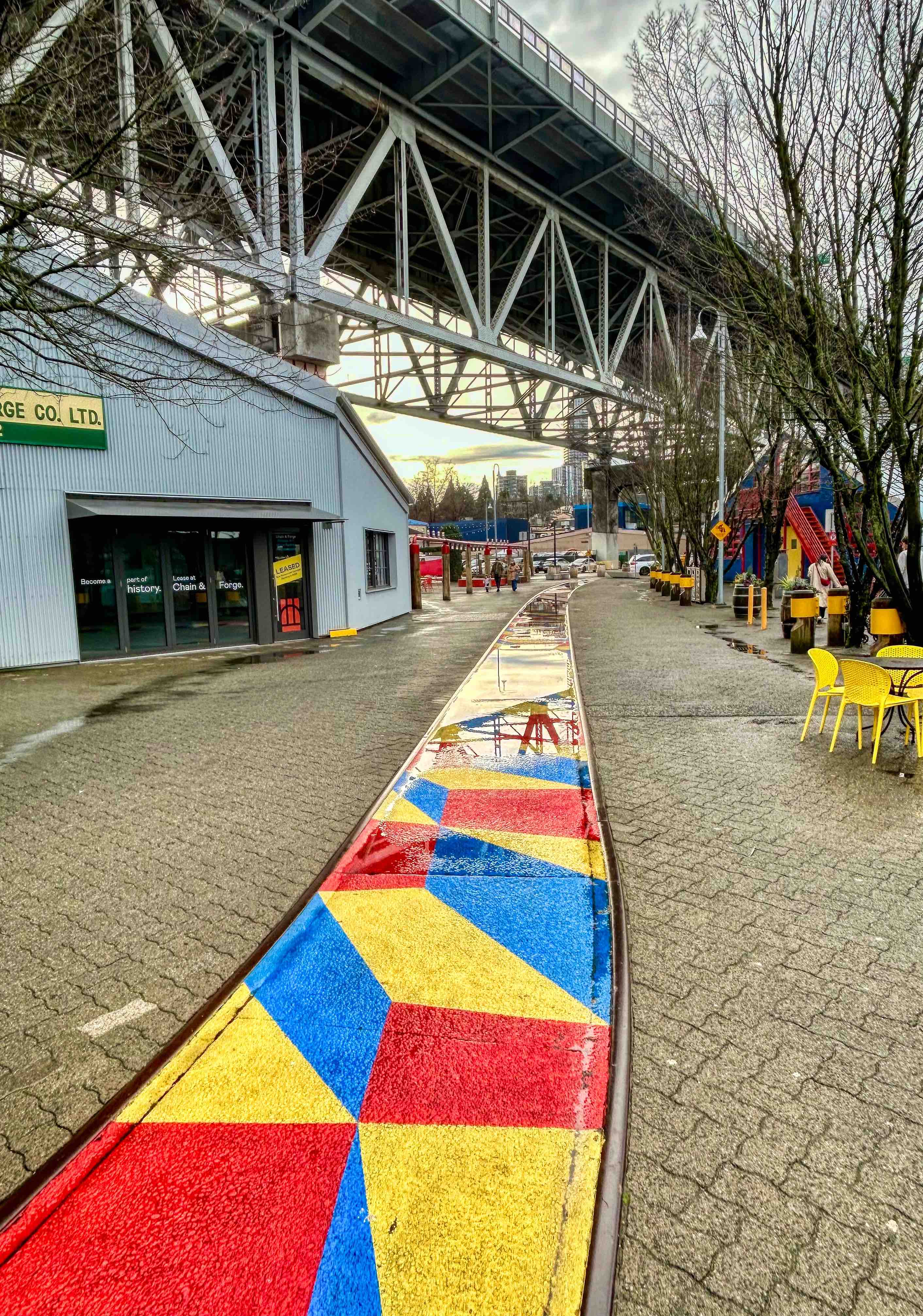
This bridge soars over Granville Island, so close you could almost touch it. Yet… On the face of it, on the map indeed, it looks like a simple walk across the Granville Bridge from our base in Yaletown, but no! To reach Granville Island on foot you’ll need to head in the opposite direction connecting across the Burrard Bridge and winding yourself back through streets and along the seawall until… finally… you’re there.
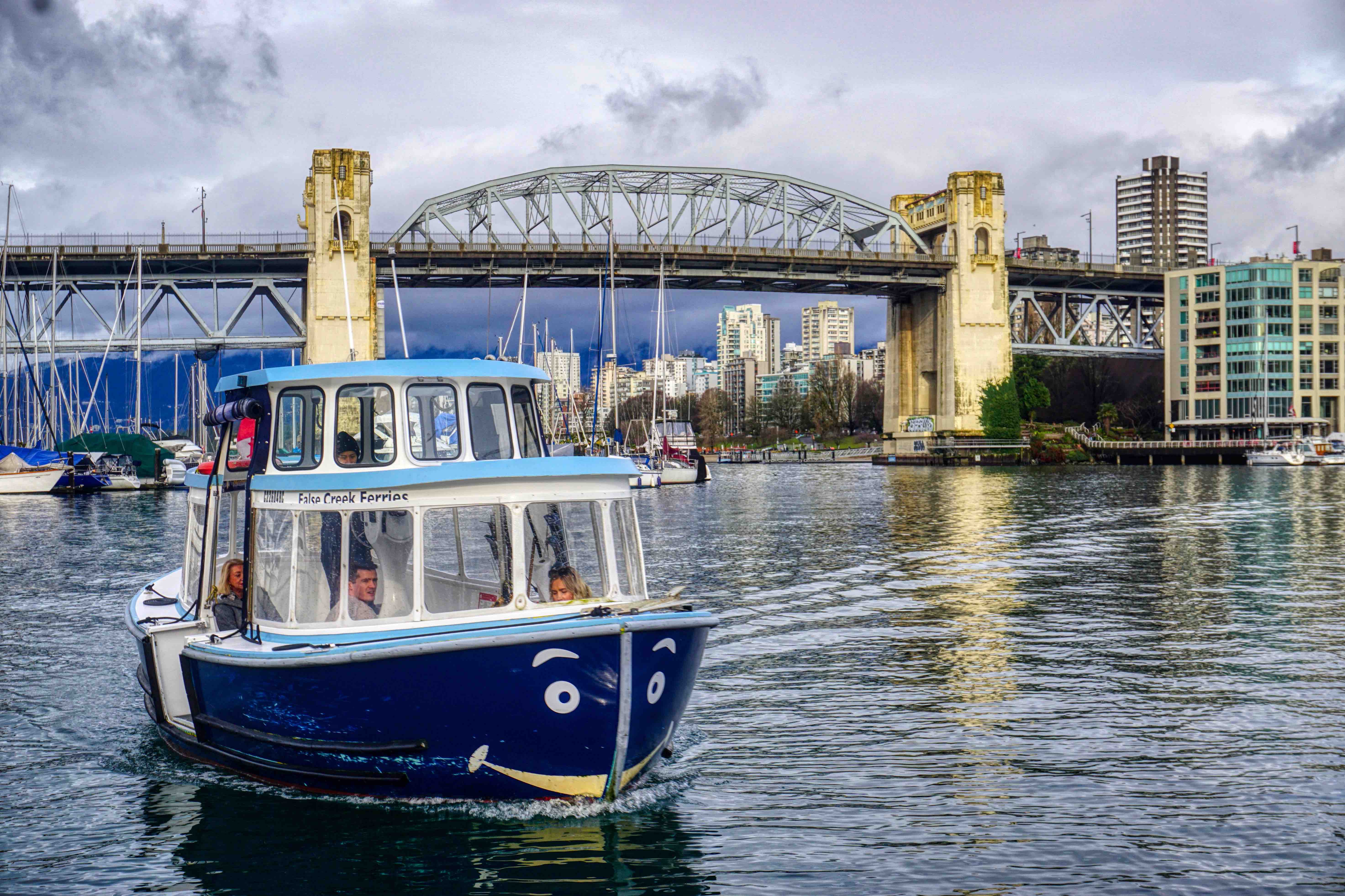
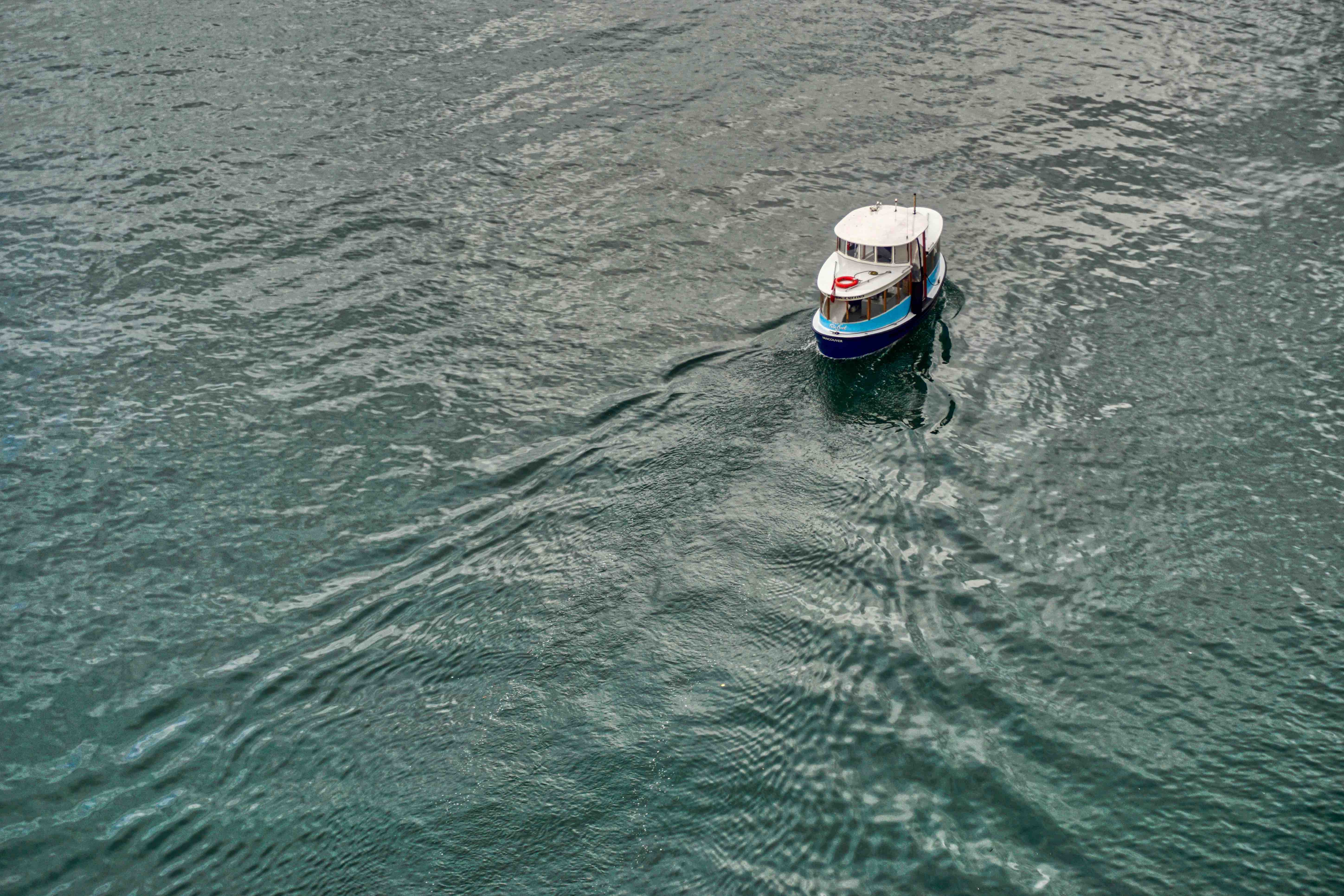
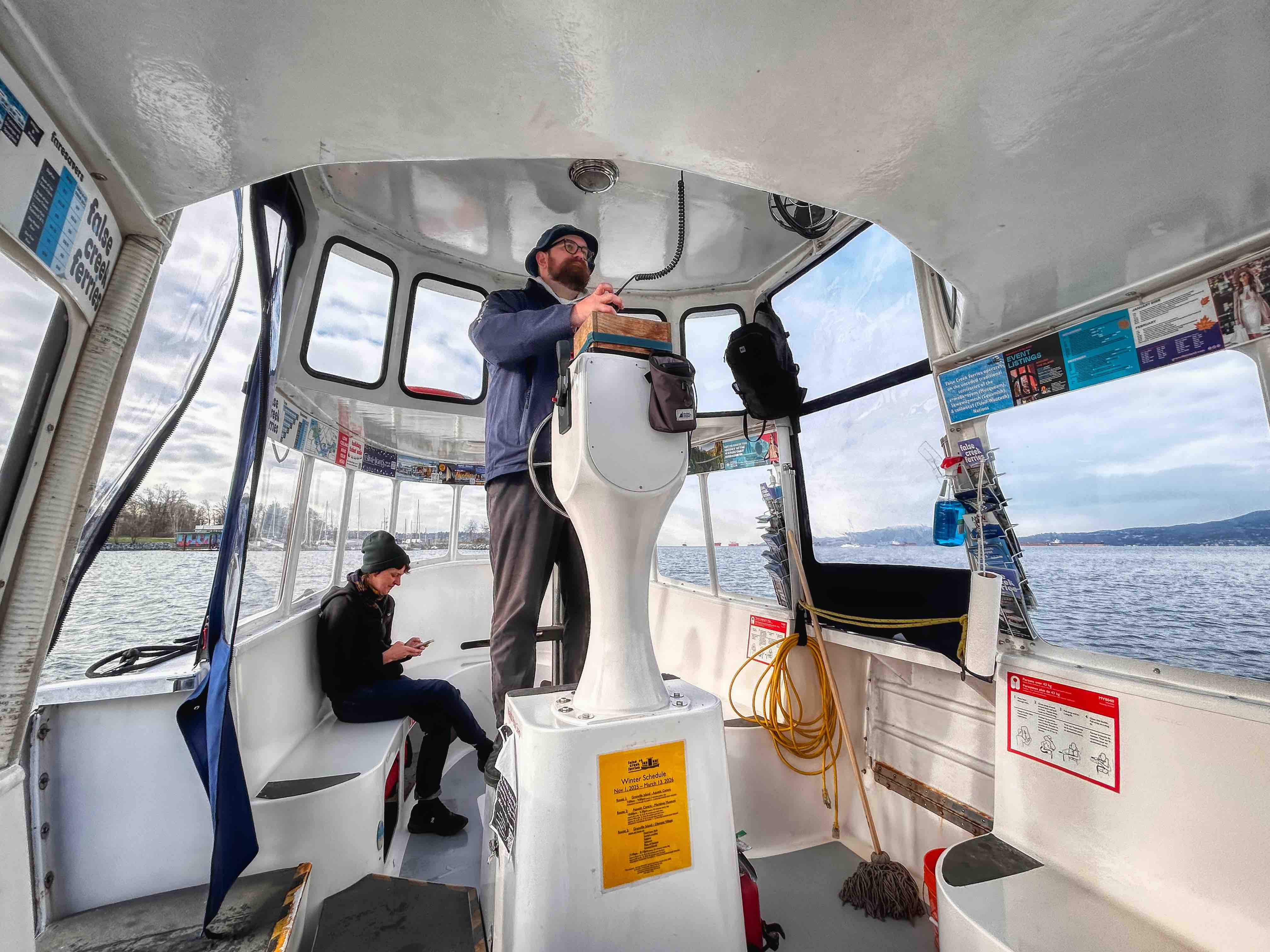
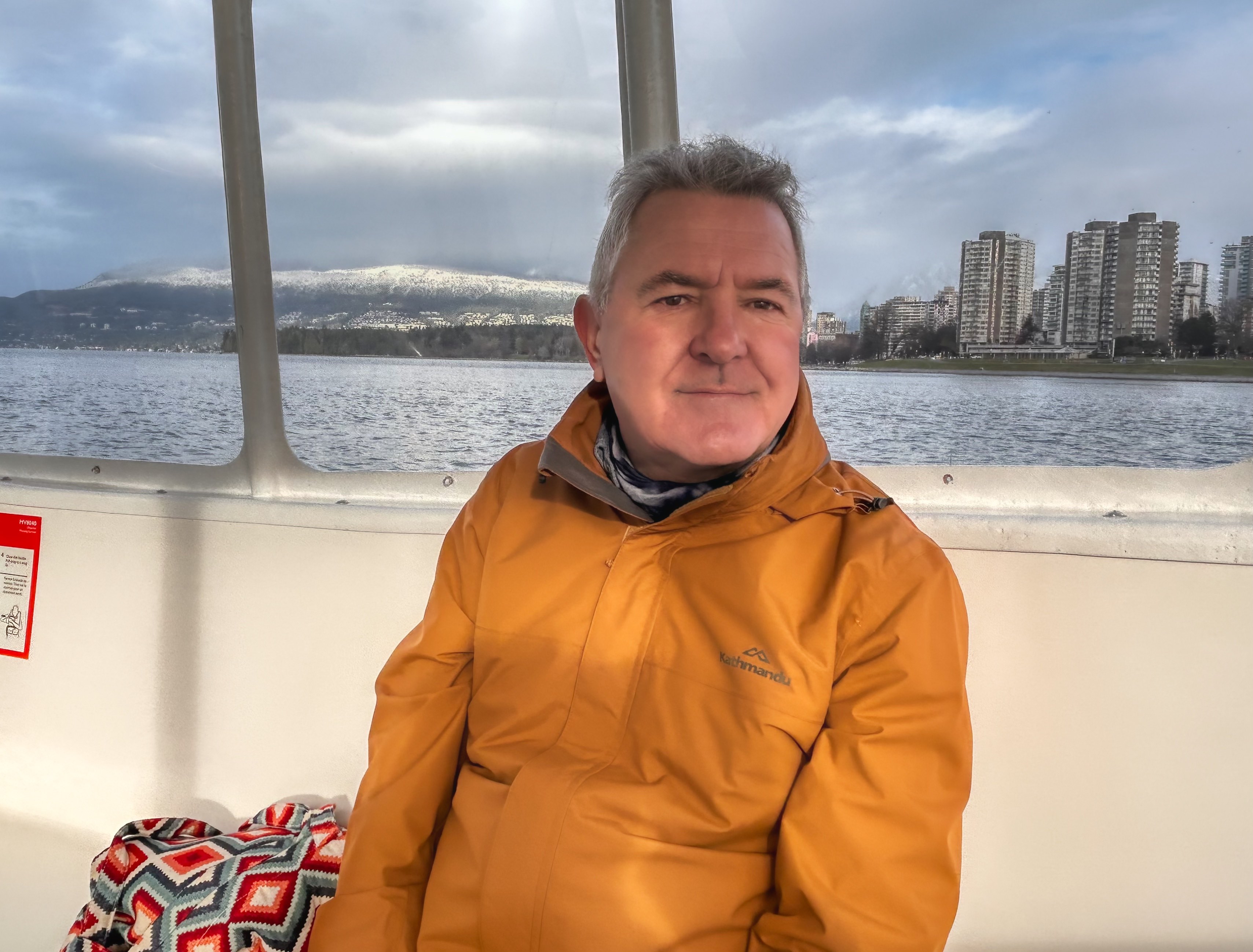
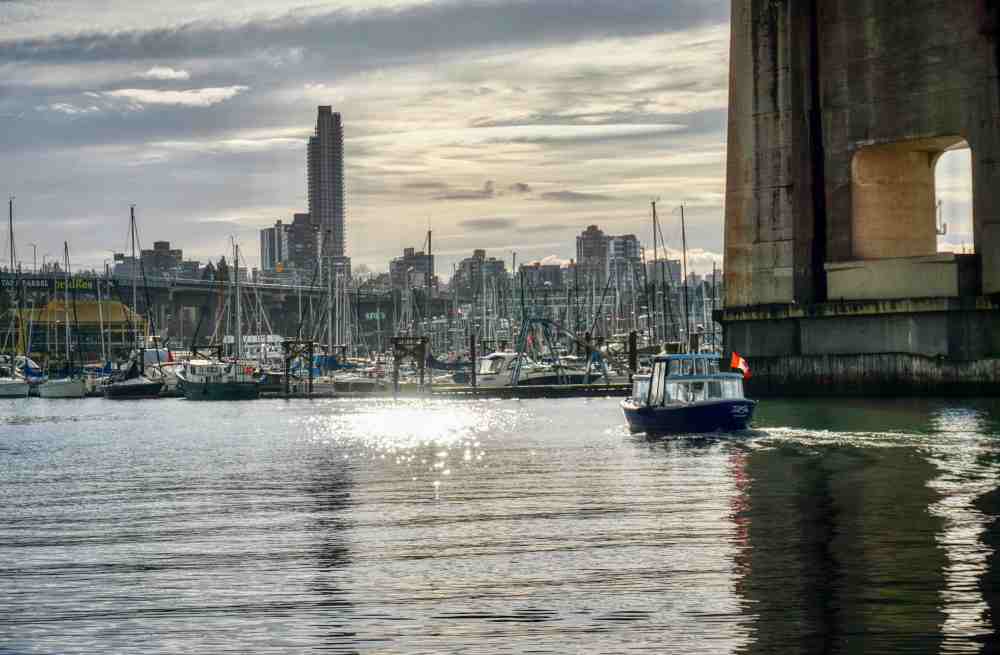
However, as you quickly discover once you are there, you can take the impossibly cute tiny False Creek ferries that ply these waters up and down and across from the English Bay side to the island and further up the creek, with stops every few minutes. We’d asked several people on the walk over from our apartment in Yaletown on how to get across to Granville Island and each one essentially gave different guidance, all of them professed locals. It’s one of Vancouver’s premier destinations, so why does it feel so disconnected from the city? Sure, there’s a tangle of freeways and busy roads, but surely, in this day and age, a great design solution could have been hatched. Anyway, taking these tiny-weeny ferries is actually a very nice way of connecting with the water, bridges towering above.
Along with most of the old industrial areas of Vancouver, Granville Island fell into decline and disrepair right up until the late 1960’s, and it was only in the 70’s that a major urban renewal project begin to transform this site into the vibrant public market, arts district, cultural centre and retail hub that it is today.
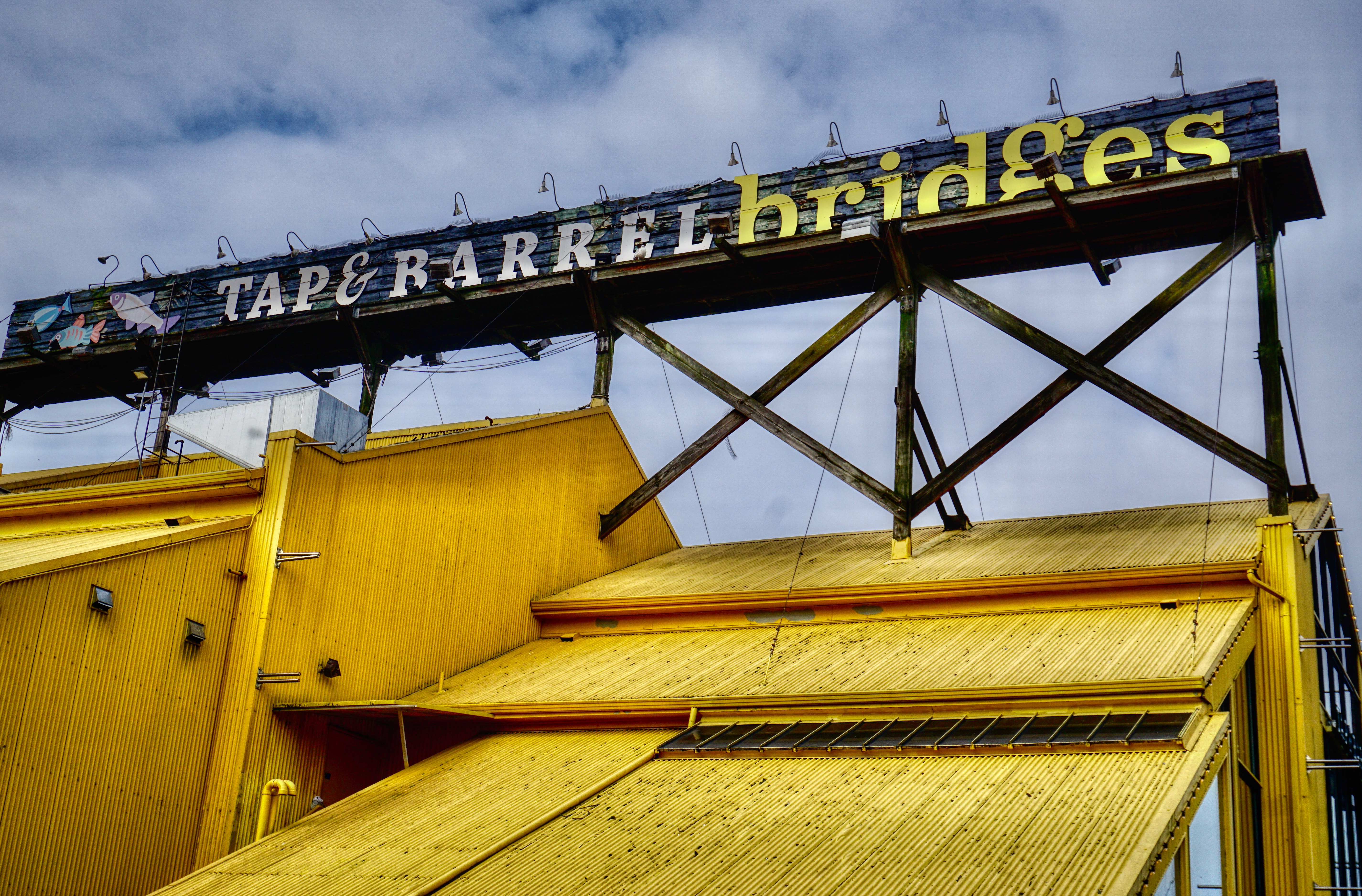
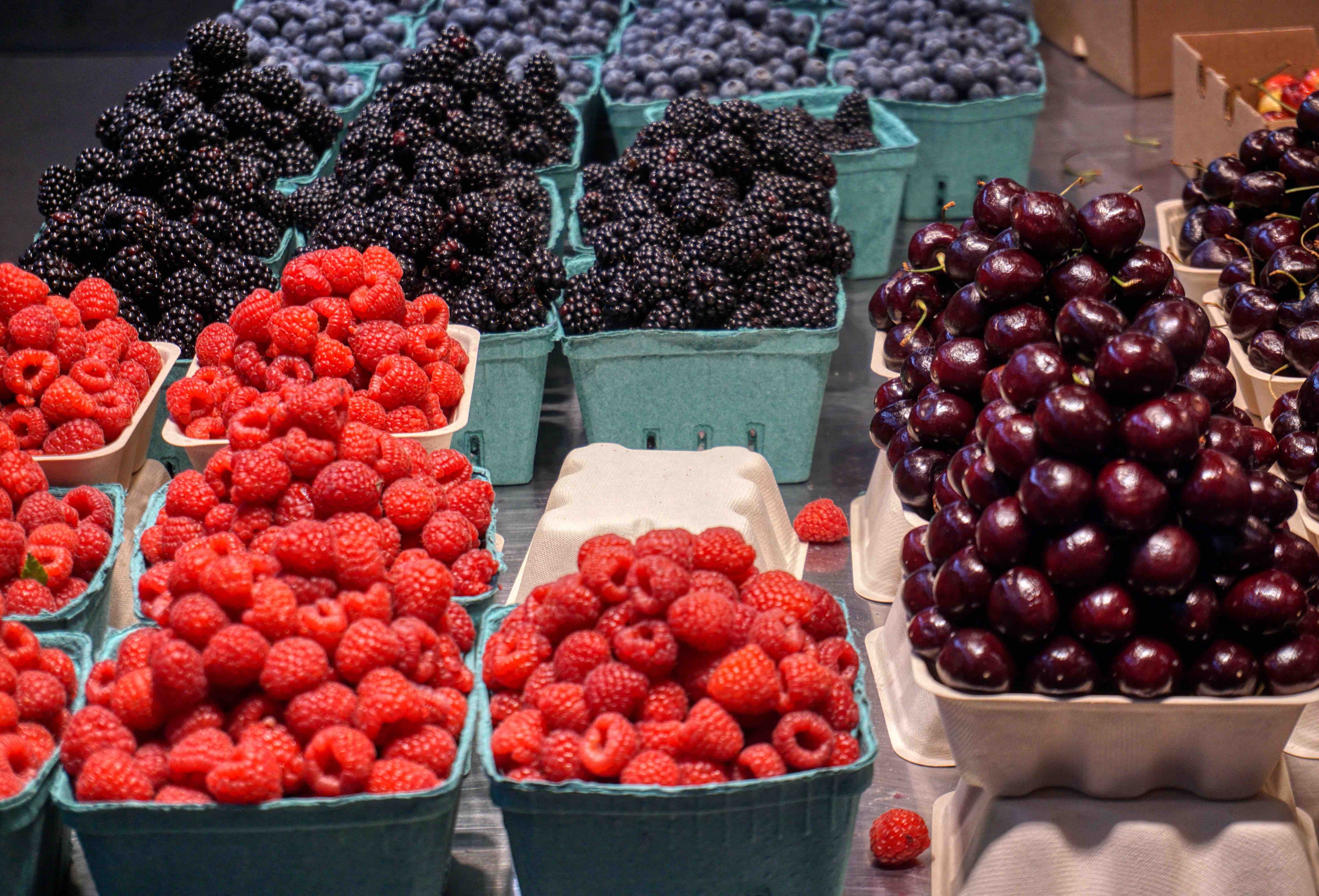
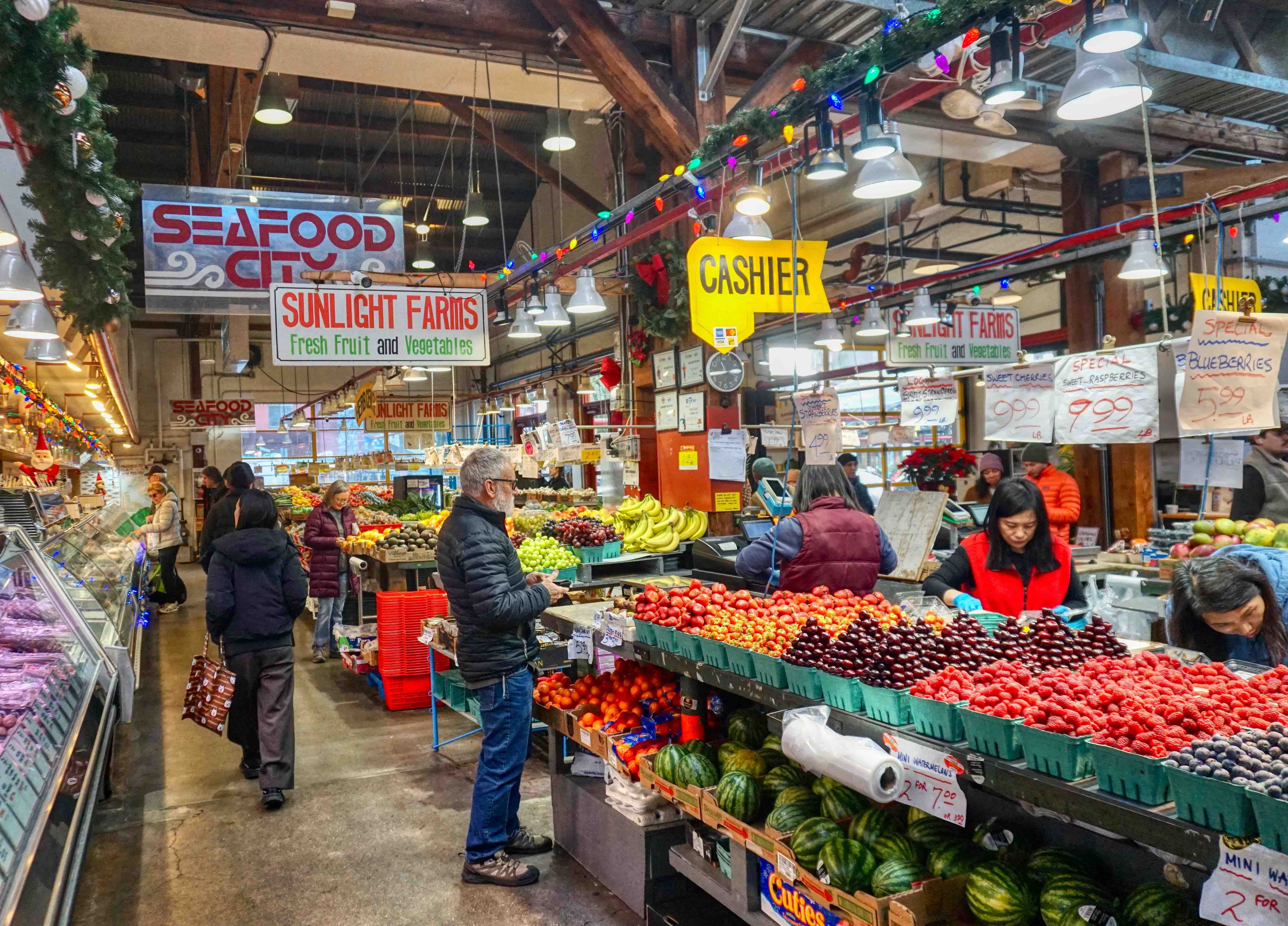
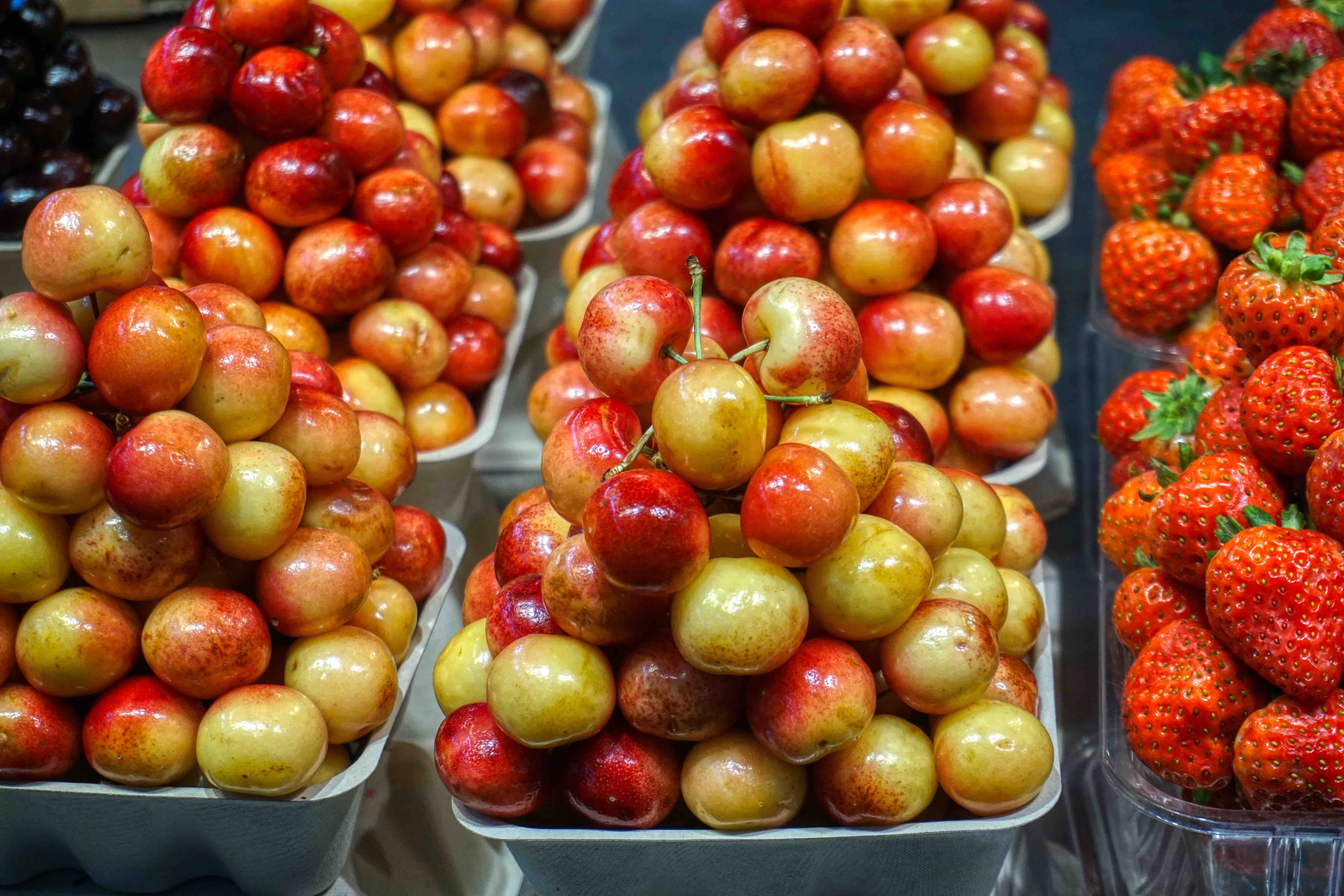
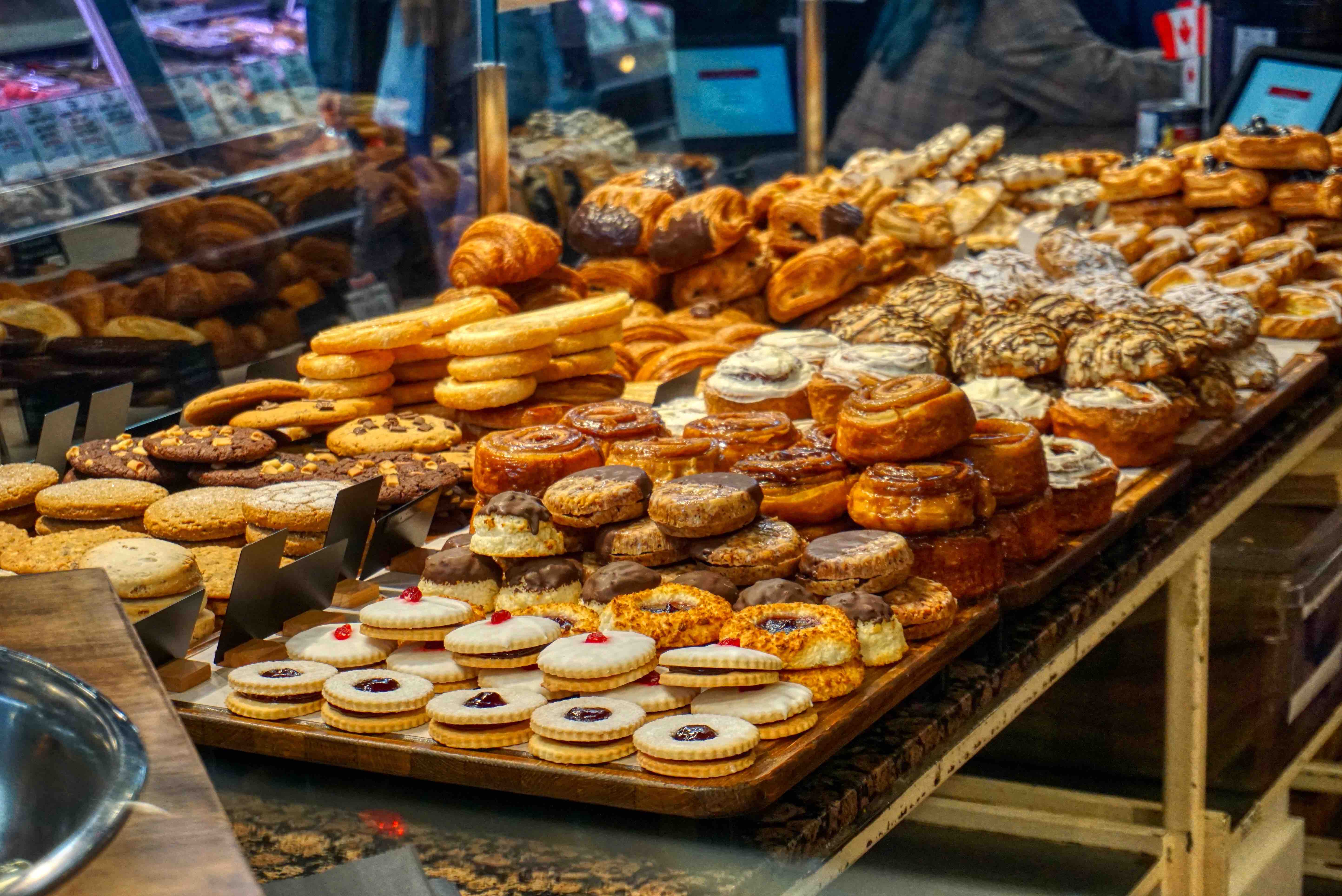
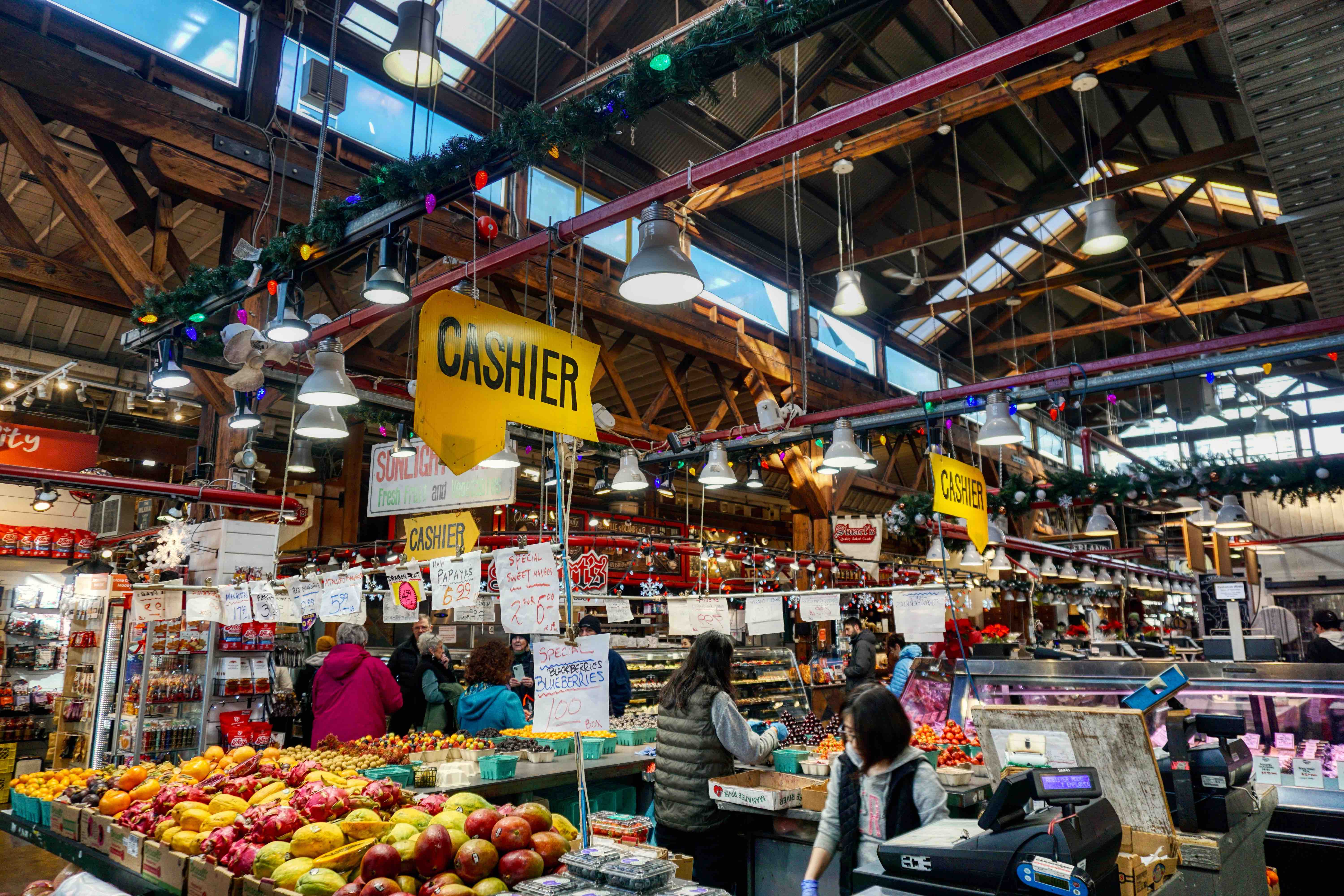
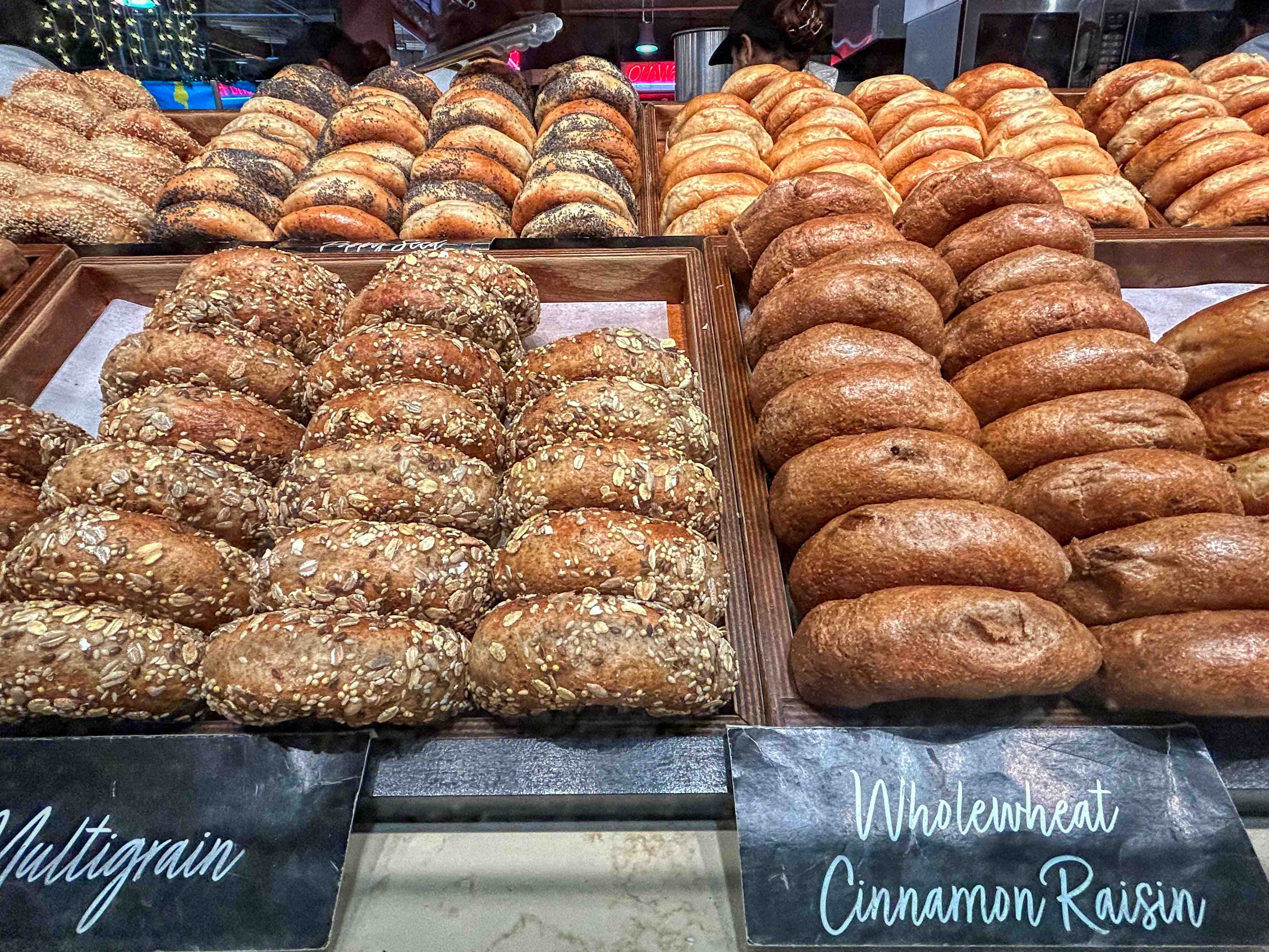
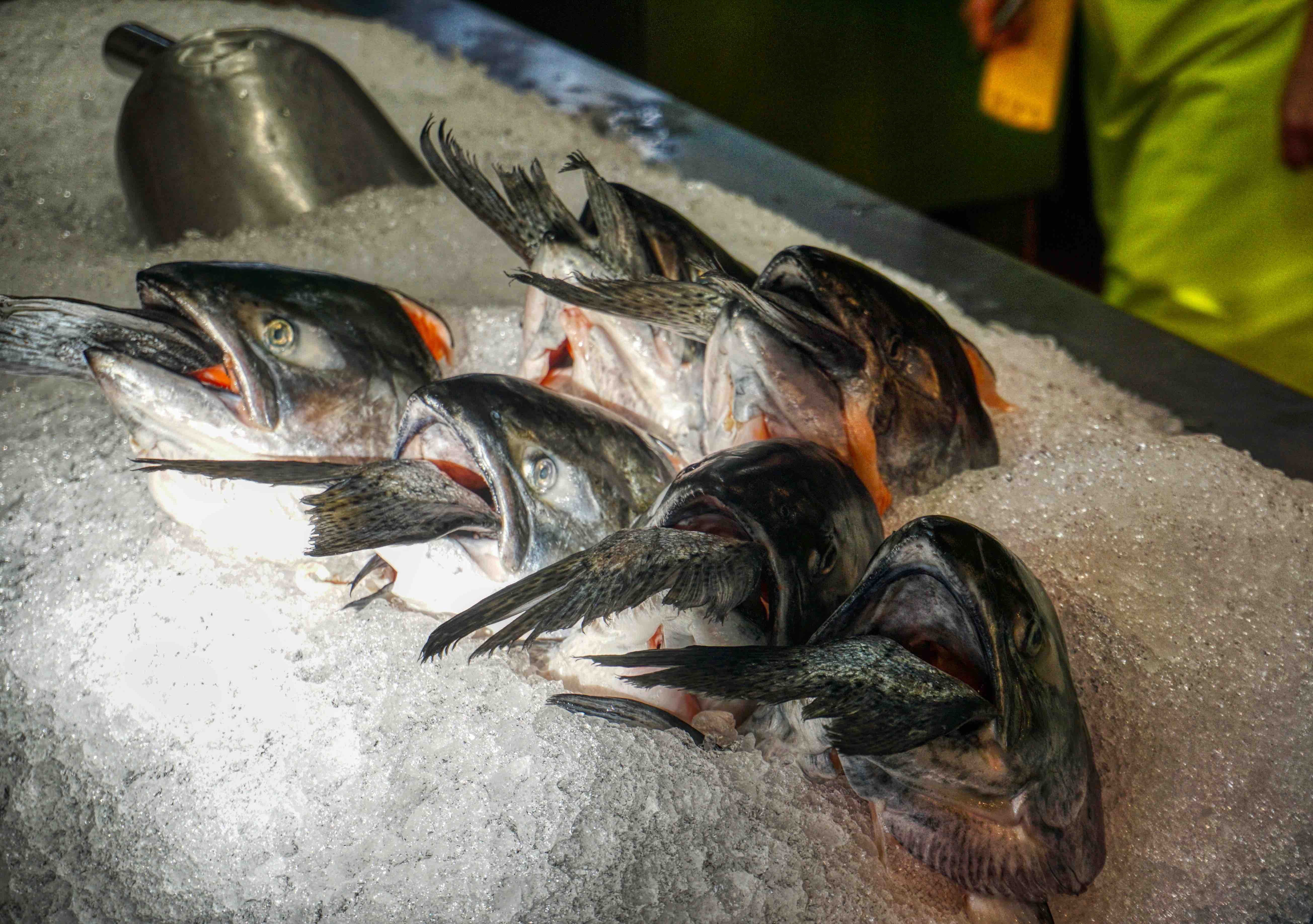
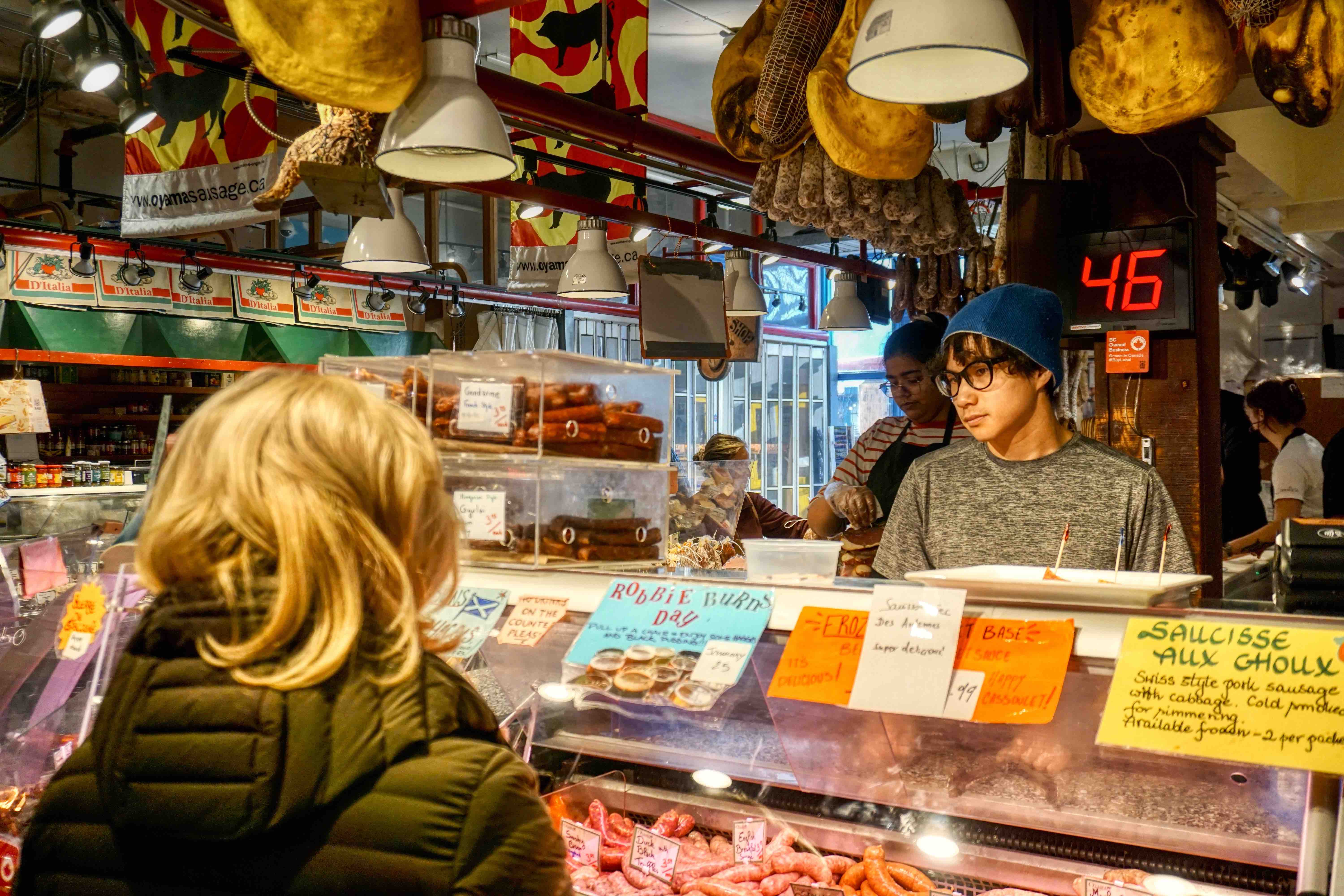
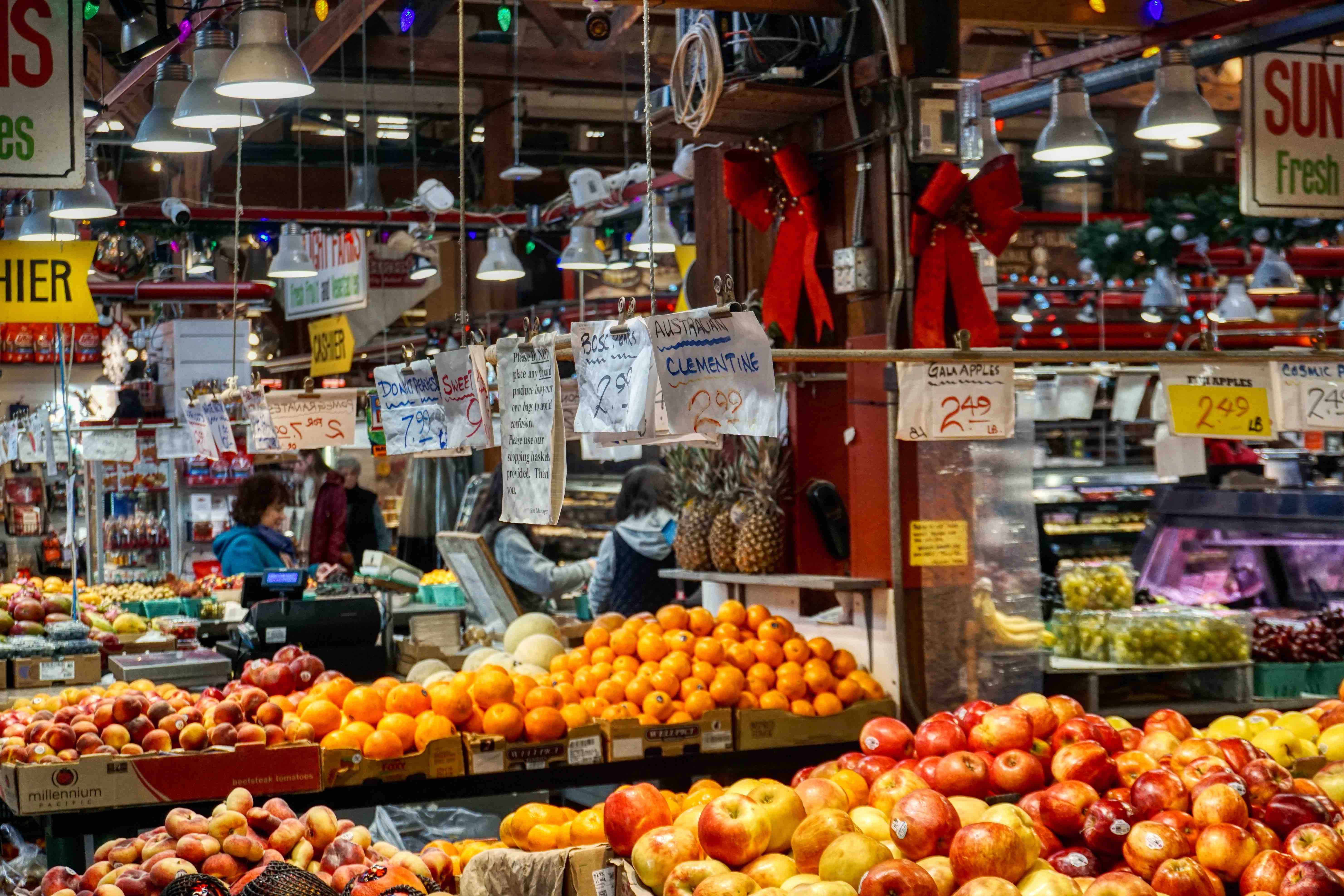
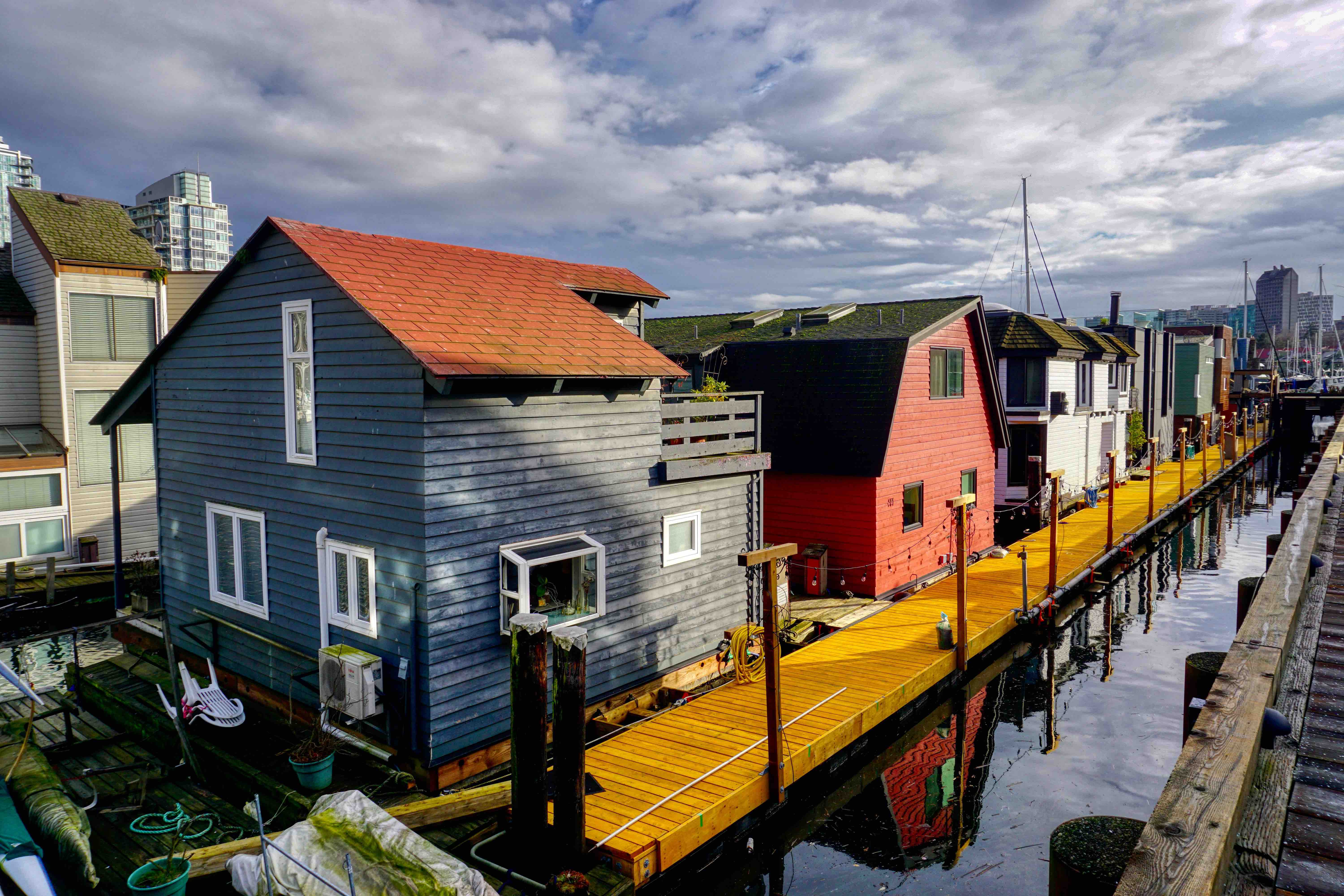
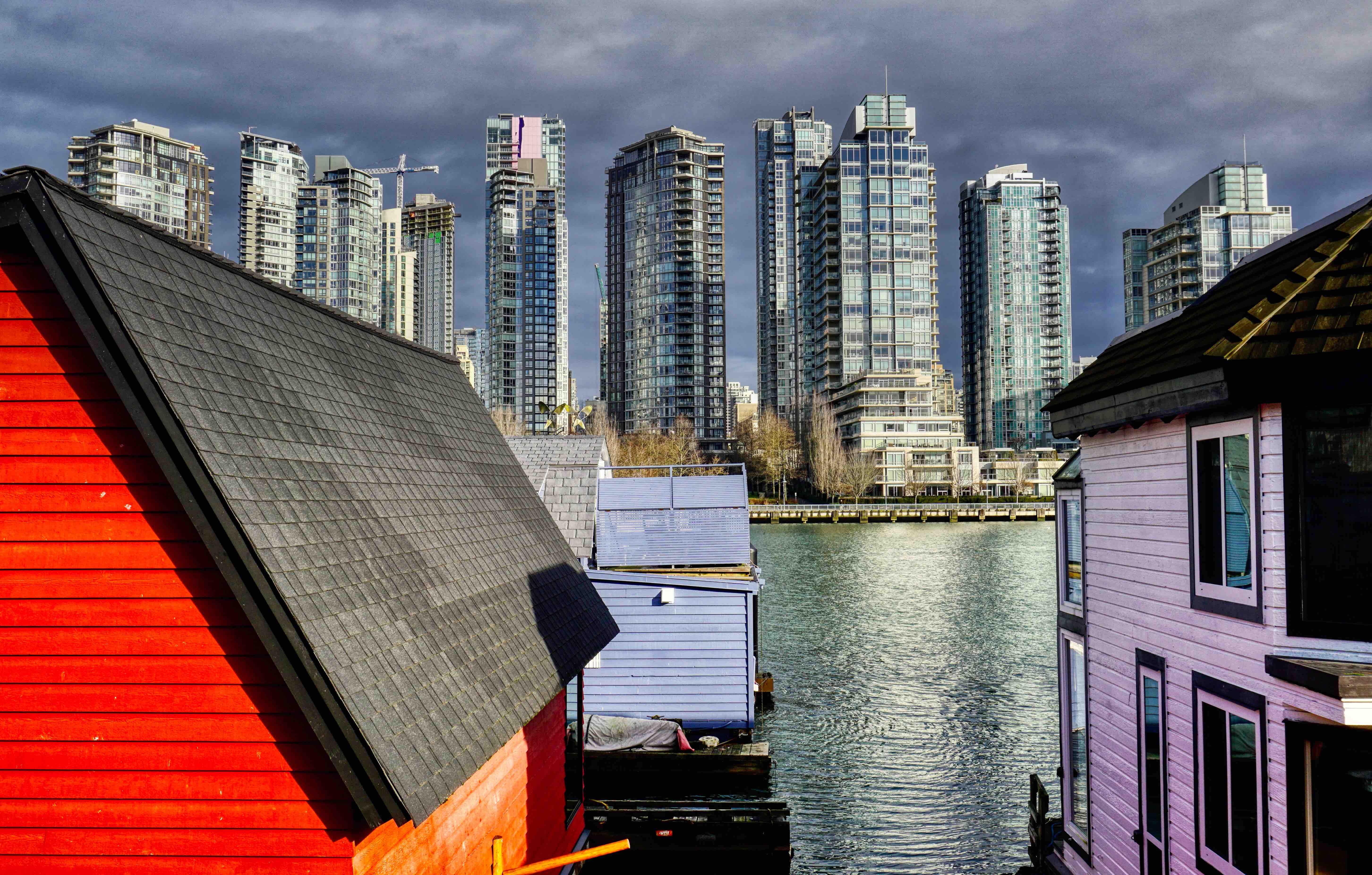
There’s a fantastic public food market on Granville Island in an old steel framed warehouse. Everything here that you’d want and probably didn’t want, but had to have. It’s a great market. There’s a lively mix of grocers, butchers, fishmongers, coffee-shops, artisans, plus dining, bars and live venues here all huddled underneath the busy Granville Bridge with great views across False Creek to Downtown. There’s even a cute cluster of 14 multi-coloured boat houses called the ‘Sea Village’ an eco-floating home community with colourful roofs with amazing city views and the occasional Dragon Boat powering by.
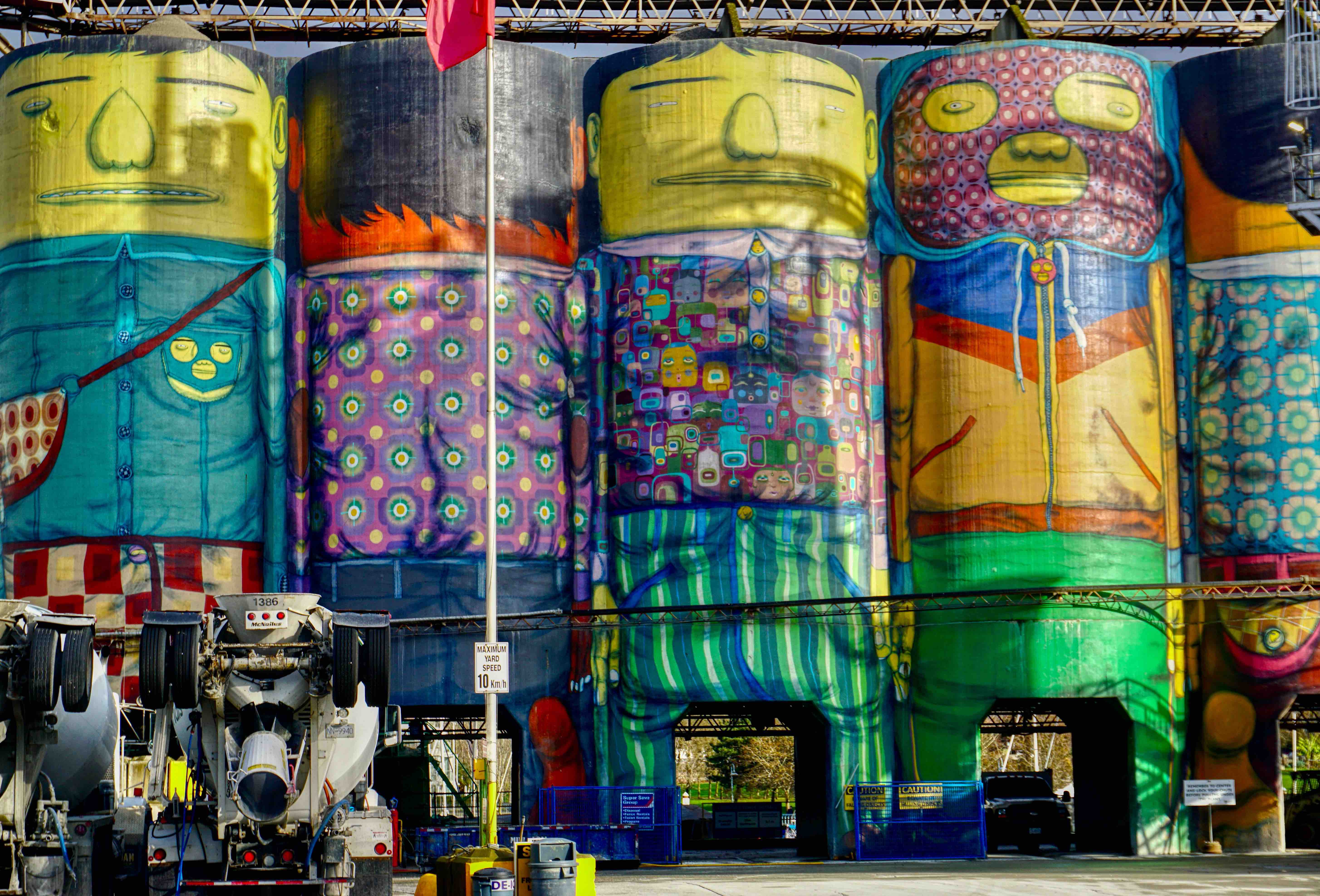
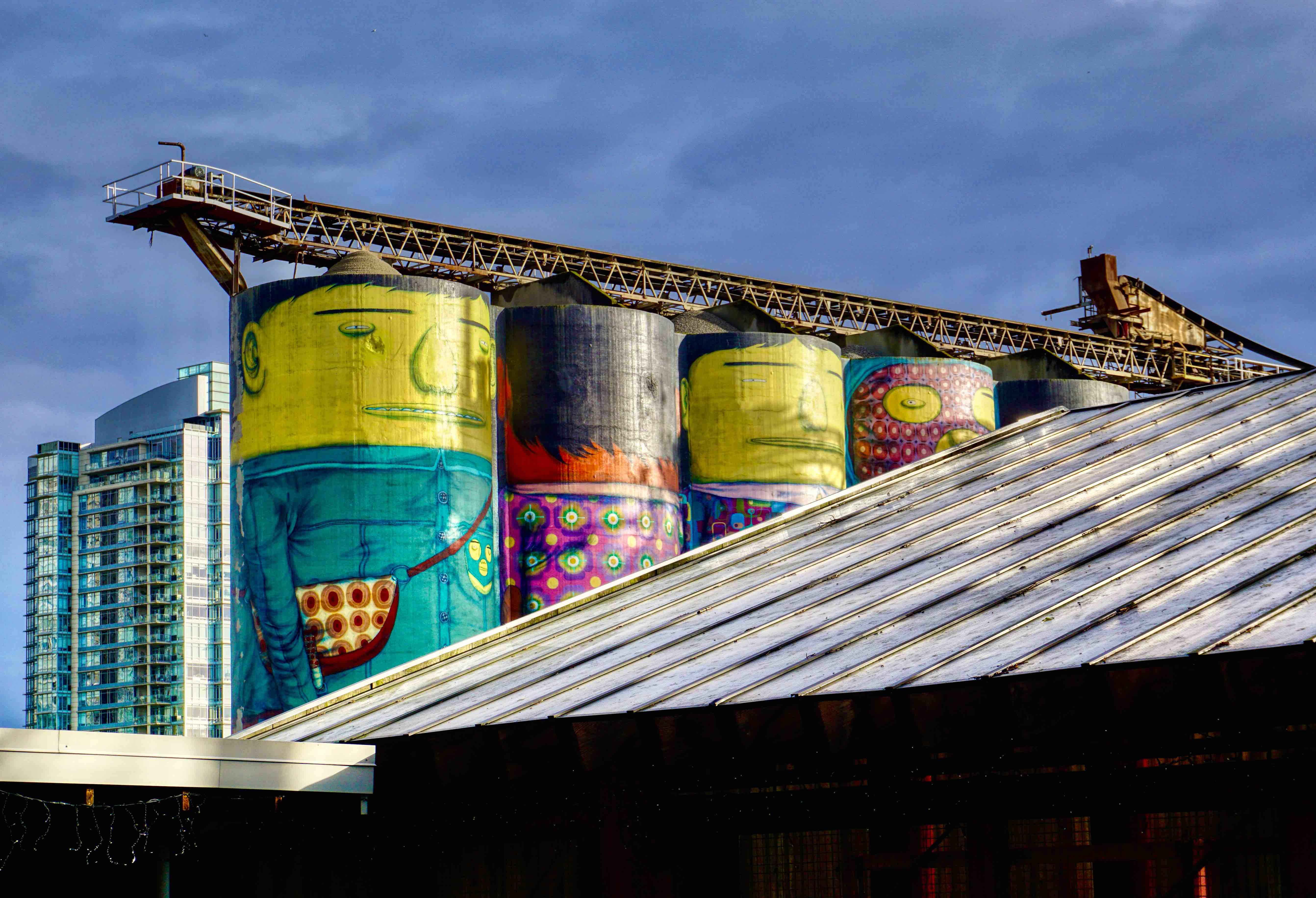
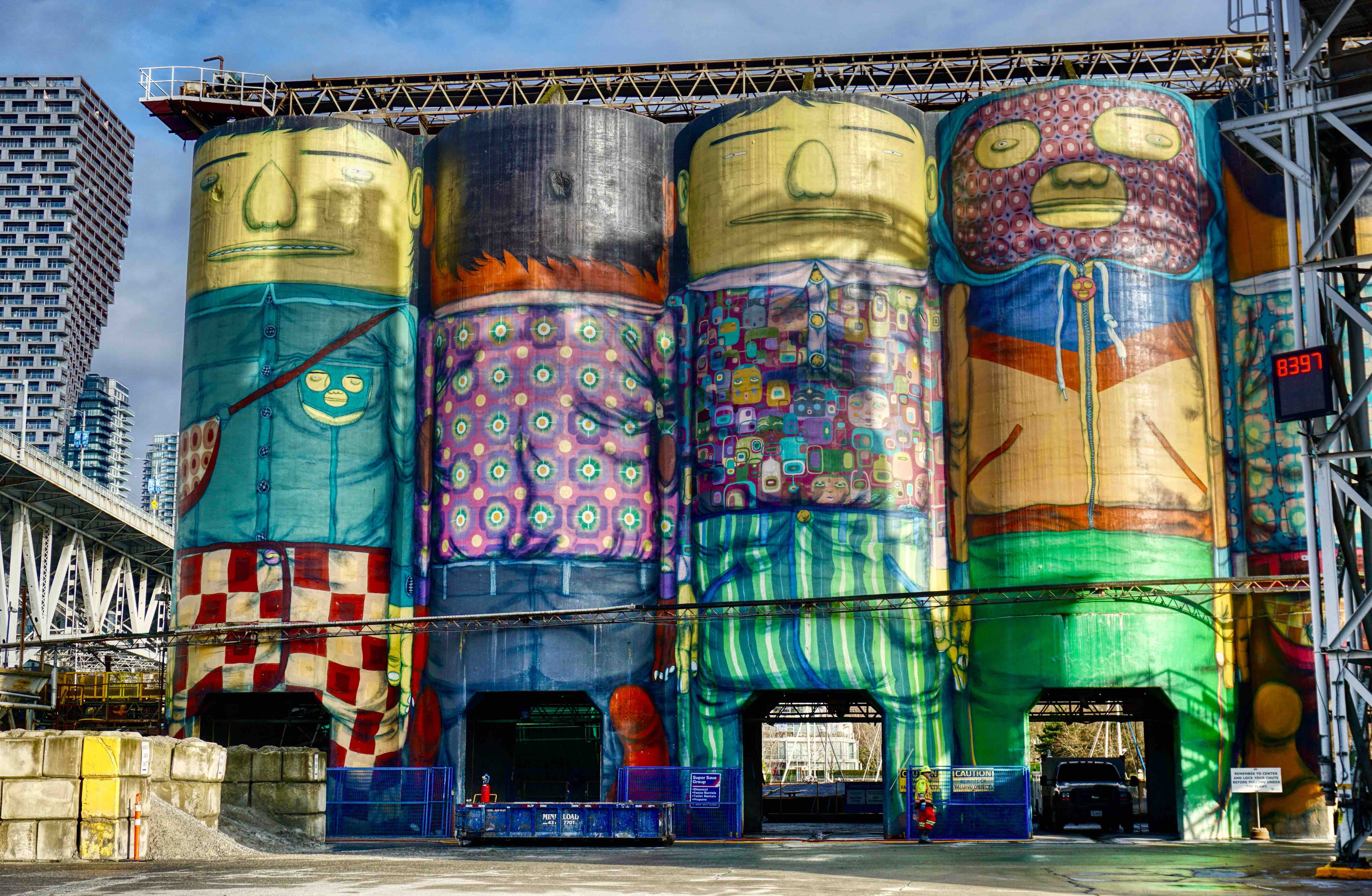
Oddly, there’s still an industrial presence on Granville Island with the Heidelberg cement plant. I’d have thought this would have been long gone in a space that’s given over to urban renewal, though it seems a rather active place full of workers (some of whom cleared me off for photographing). But one fun aspect of this place is that the six 70 feet tall silos, once dull grey and lifeless have been transformed into ‘Giants’, brightly painted as cartoon-like figures and commissioned by the Vancouver Biennale in 2014. Painted by twin Brazilian street artists, they loom over Granville Island and brighten up what would otherwise be a dull scar in a vibrant market setting.
On the way over Burrard Bridge (on our walking detour), there’s a new development dominating the south side, a really interesting indigenous looking design, yet strikingly modern. It’s called the Senakw project. On first take we were somewhat concerned with the perceived cultural appropriation, given its use of indigenous naming and branding. But then I read that the whole development is not only on Squamish land but it’s their development. Owned and led by the Squamish Nation and built for their people to return to their land. There will be 6000 apartments with most of them rent controlled for long term usage by the displaced Squamish community. And there I was being a rabid sceptic! Probably as we’d just come out of the Vancouver Museum which is all about the rapid demise of the indigenous people of the region since colonisation and the theft and appropriation of their art and artifacts by non-indigenous settlers. https://senakw.com/project
Sounds all too familiar (well, the last bit about cultural appropriation does), but then sadly, the idea of an indigenous commercially led development on their own reclaimed land in Australia is perhaps a long way off. So hats off to Canada!
 Travels With My Ant
Wonderful post—informative, exciting, and enjoyable to read.
LikeLiked by 1 person
Thank you, that’s great to hear! I hope you can explore other posts on my travels around the world. Currently in Vancouver so stay tuned for more.
LikeLiked by 1 person