



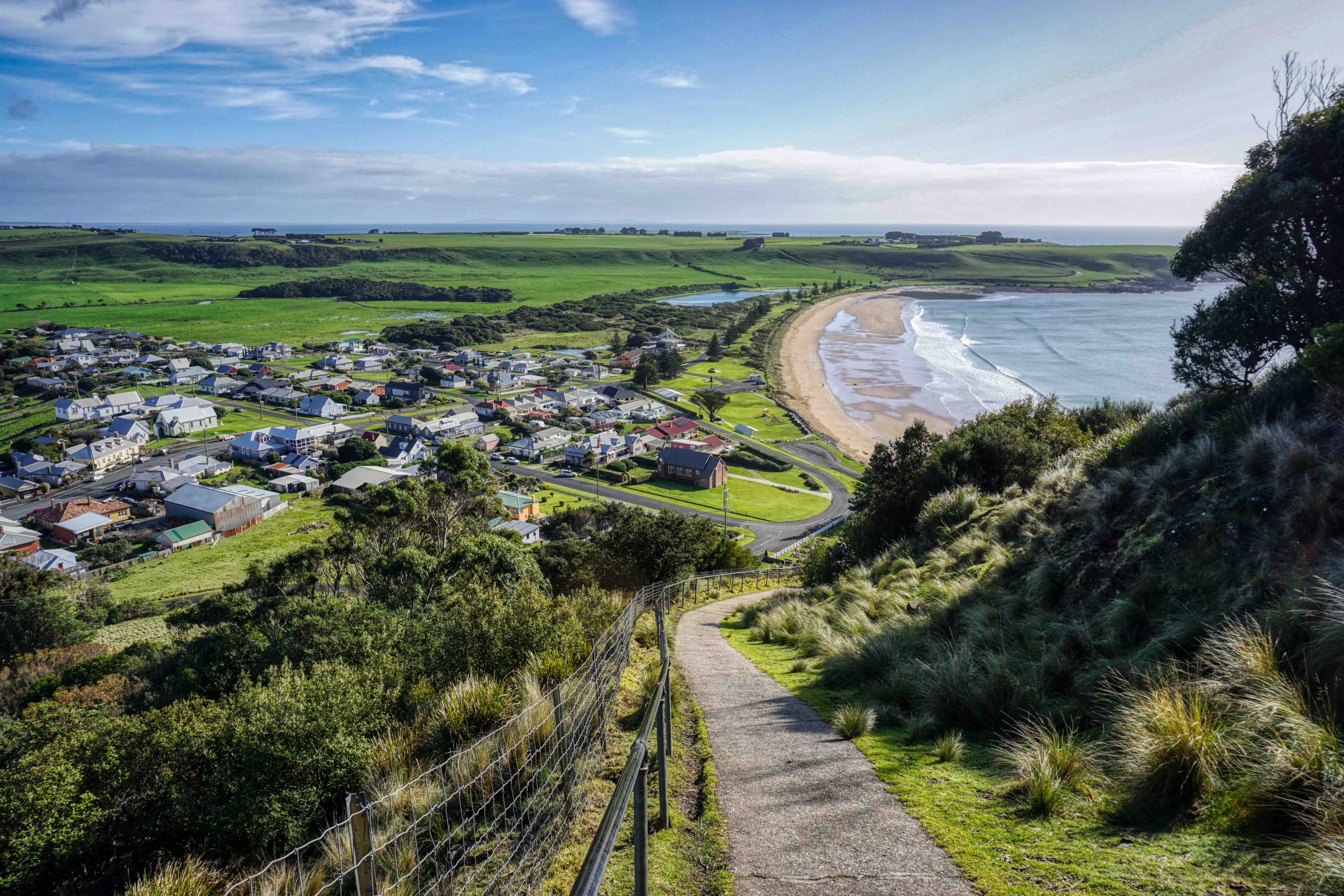


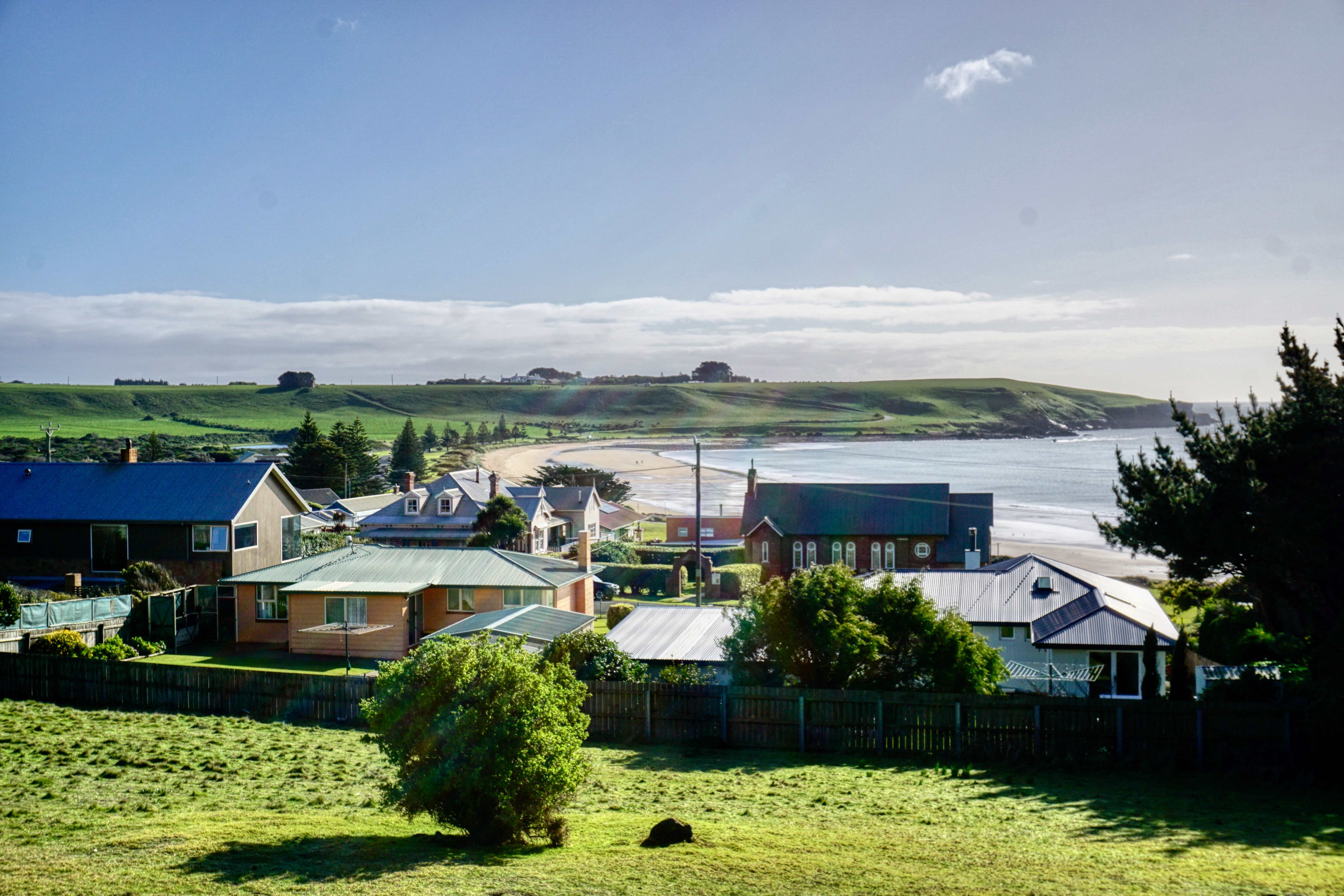
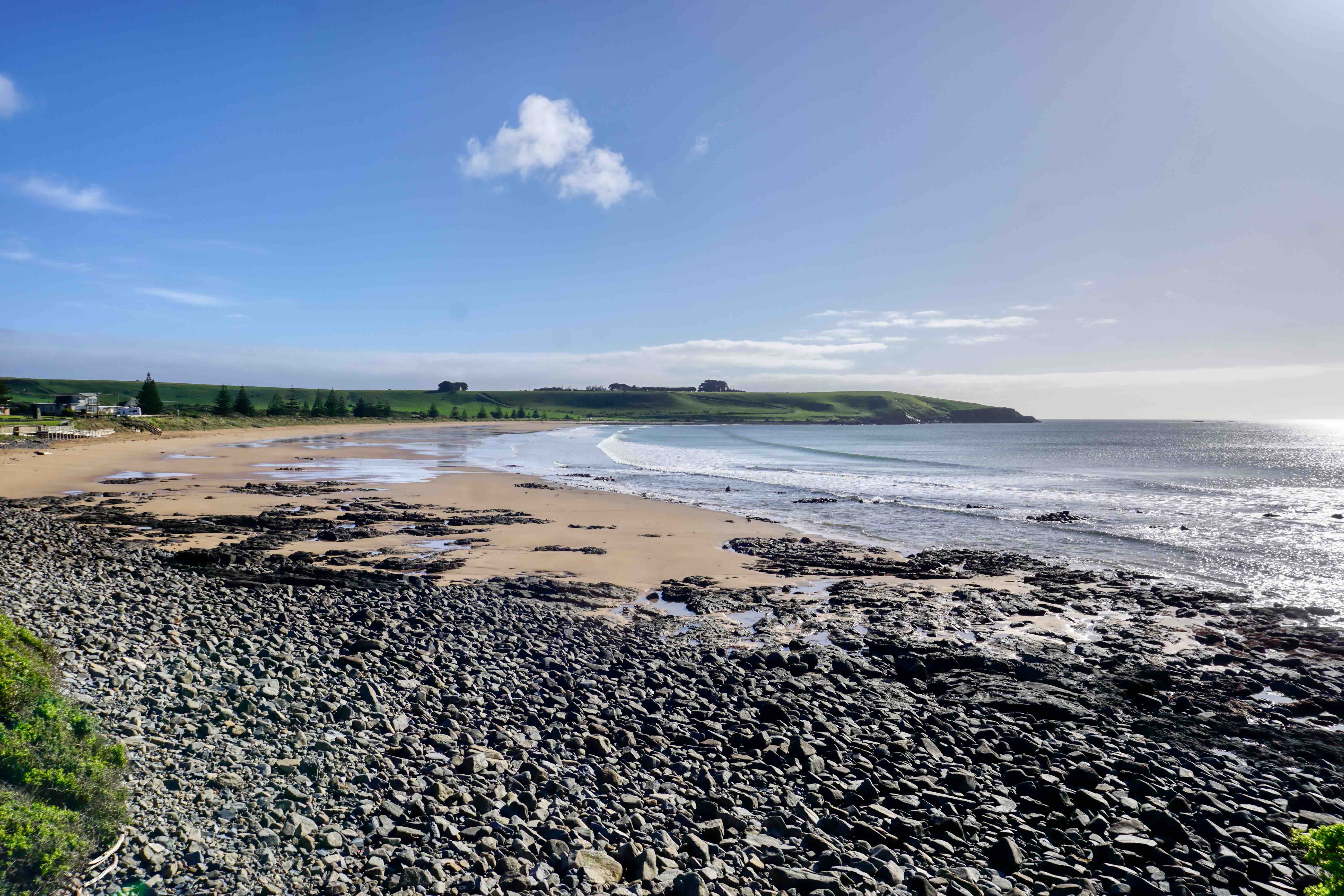

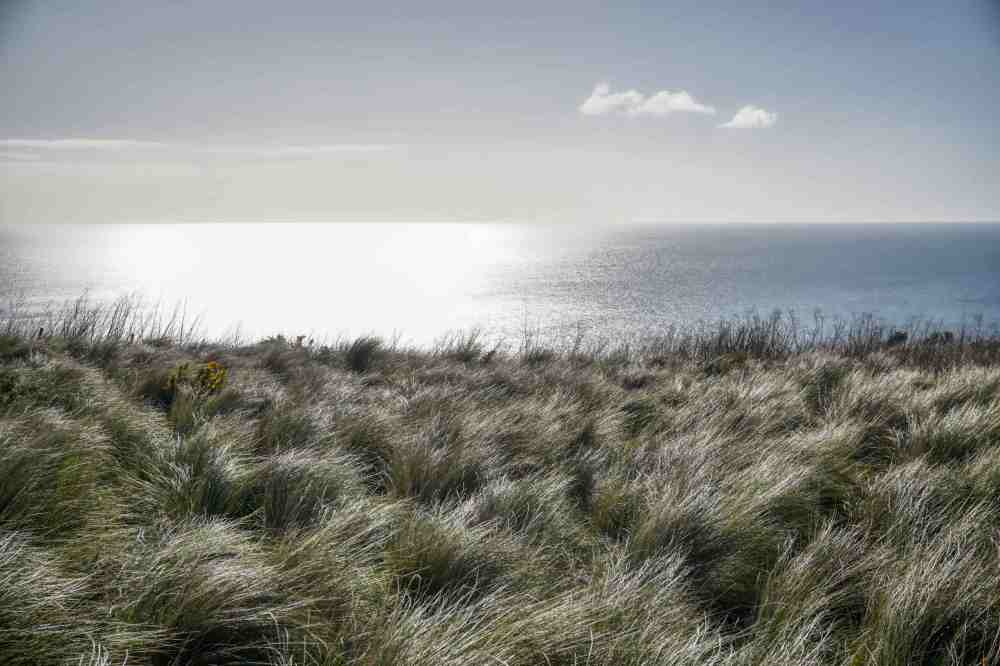
There’s a little town called Stanley (population 595) on the north western tip of Tasmania at the edge of the Tarkine Wilderness, the greatest expanse of temperate rain forest in Australia and one of the largest expanses of temperate rain forest in the world. (The Tongass National Forest in Alaska being the largest). It’s a wild wind-swept kind of place with some of the cleanest air on the planet that feels like it’s on the edge of the world – and it is in many ways, facing the roaring 40’s in Bass Strait and the uninterrupted land-free expanse of the Southern Ocean across to South America!
https://discoverthetarkine.com.au/the-tarkine/
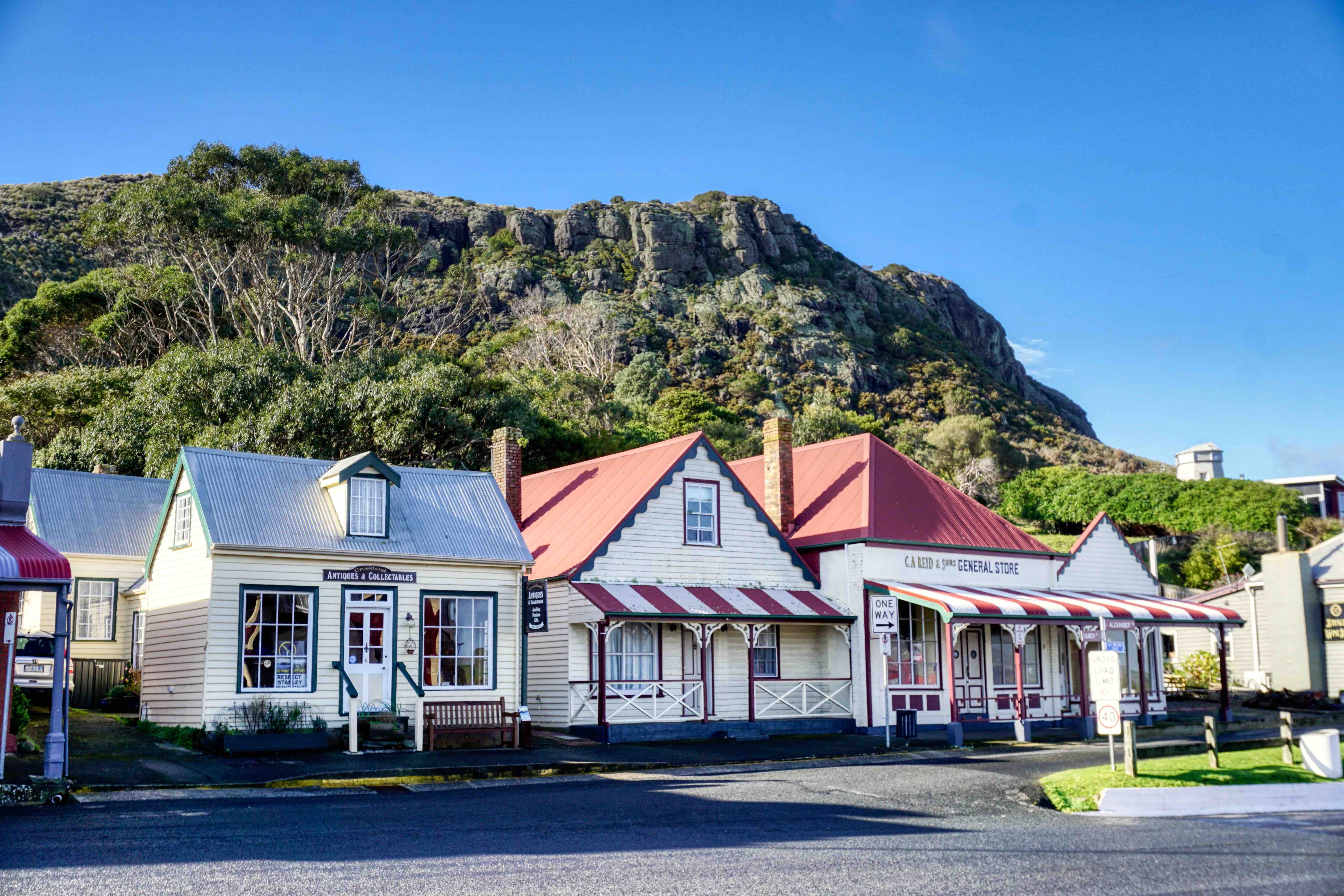
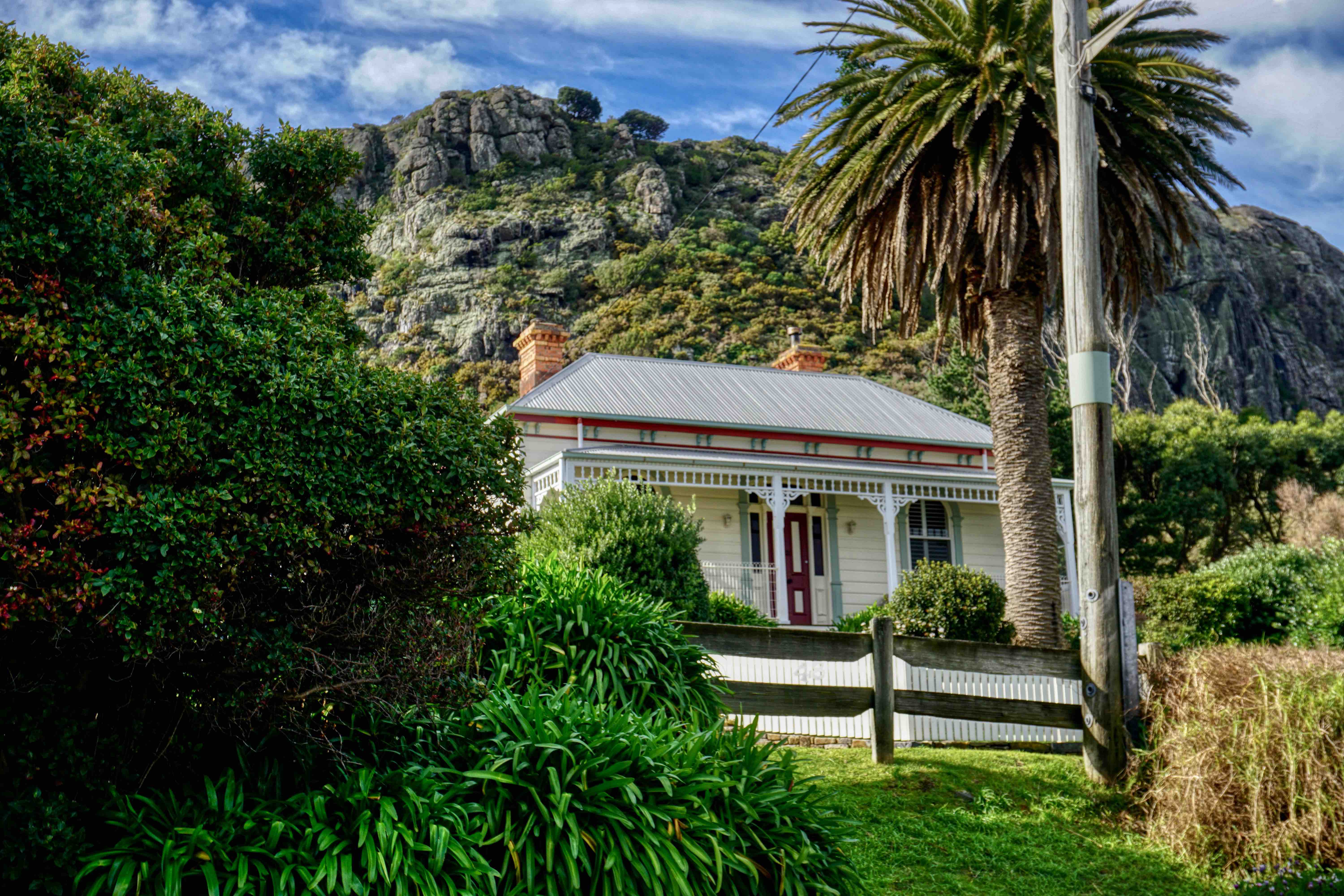
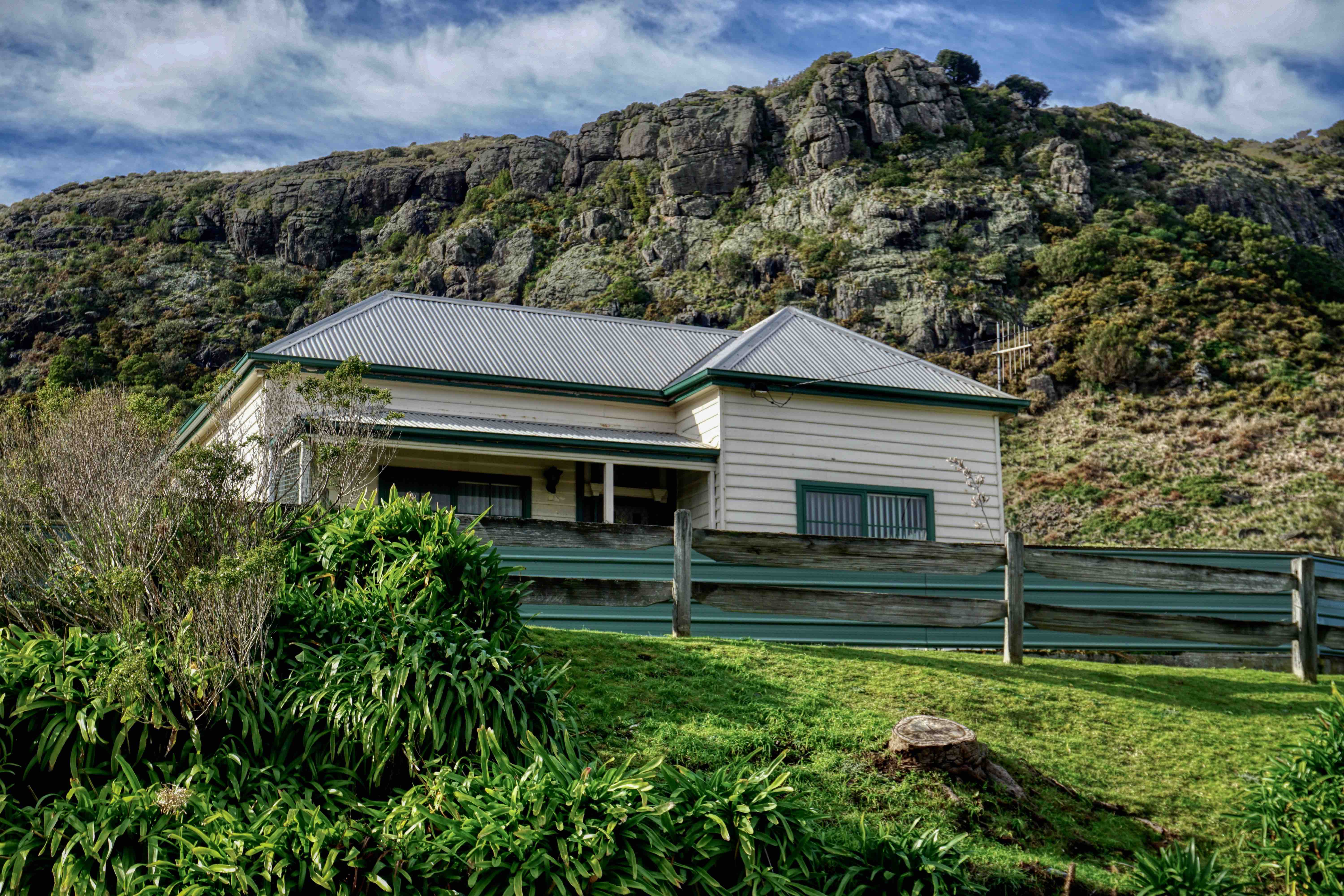
One of the most surprising features of Stanley is the ‘The Nut’ Munatrik, a 143-metre extinct collapsed volcano with a wild flat grassy top. A cluster of historic colonial homes and shops wrap around the base with a steep winding (vertiginous) track to the top (a chairlift operates in the summer months) with expansive views across the tiny town beneath and out to the empty ocean beyond.
In 1798, Matthew Flinders and George Bass circumnavigated (then) Van Diemen’s Land, spotting a large round circular lump resembling a Christmas Cake. They named it ‘Circular Head’, and it wasn’t until the 1850’s that it was renamed The Nut. In the years after Flinders and Bass, Circular Head became a settlement for the Van Diemen’s Land Company, a group of London merchants who had planned a wool growing venture to supply the booming needs of the British textile industry.
However most of the settlers refused to adapt to their new far-flung surroundings, in part because they didn’t recognise that in the Southern Hemisphere the seasons were reversed, but also as it was home to a bunch of rough and ready sealers and whalers, many of them run-away convicts from the islands of Bass Strait. There was another unperceived problem, the Thylacine (Tasmanian Tiger).
So great was the loss of livestock, that the Van Diemen’s Land Company introduced a bounty on the Thylacine, sadly contributing to and hastening this magnificent animal’s extinction in the 1930’s.
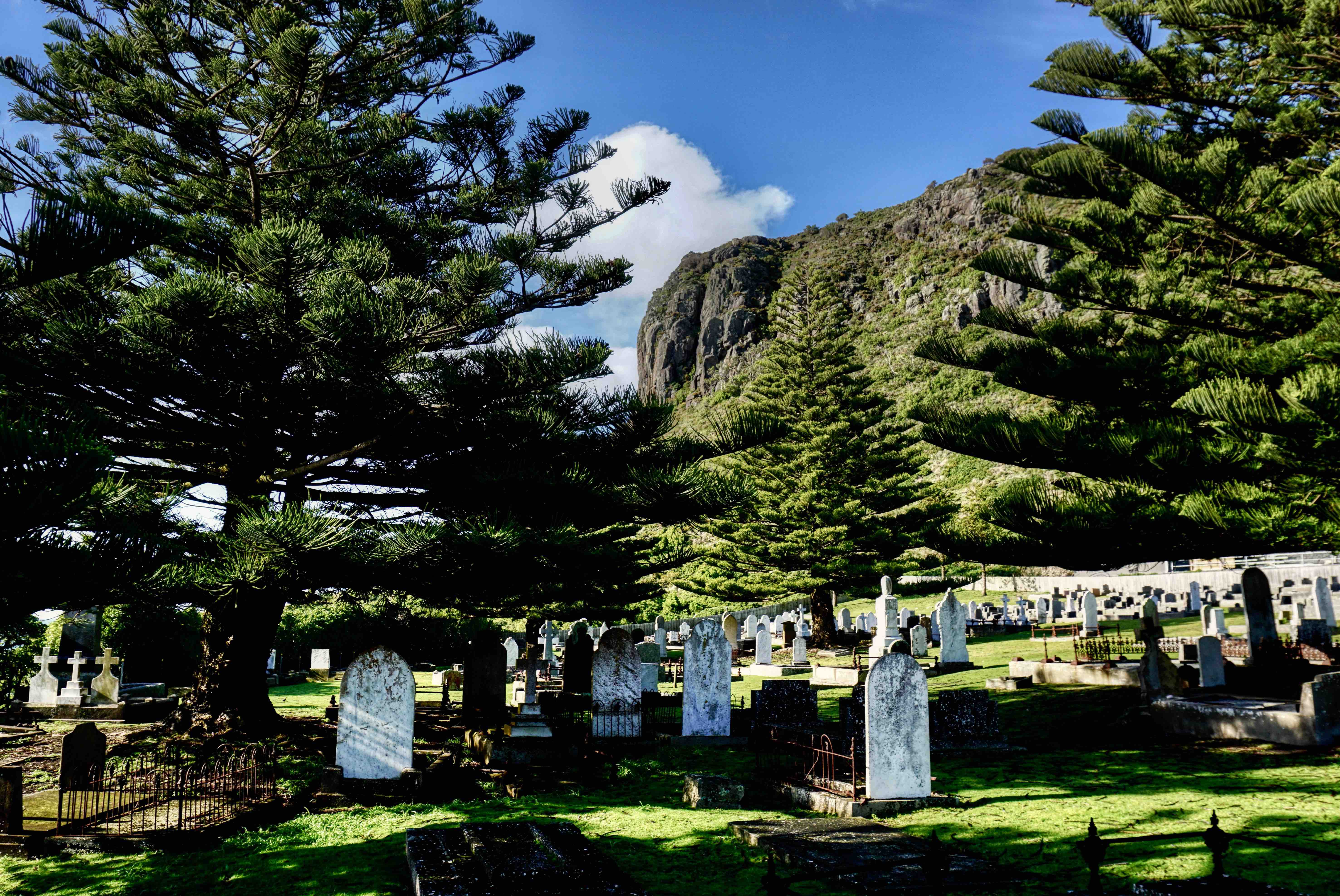
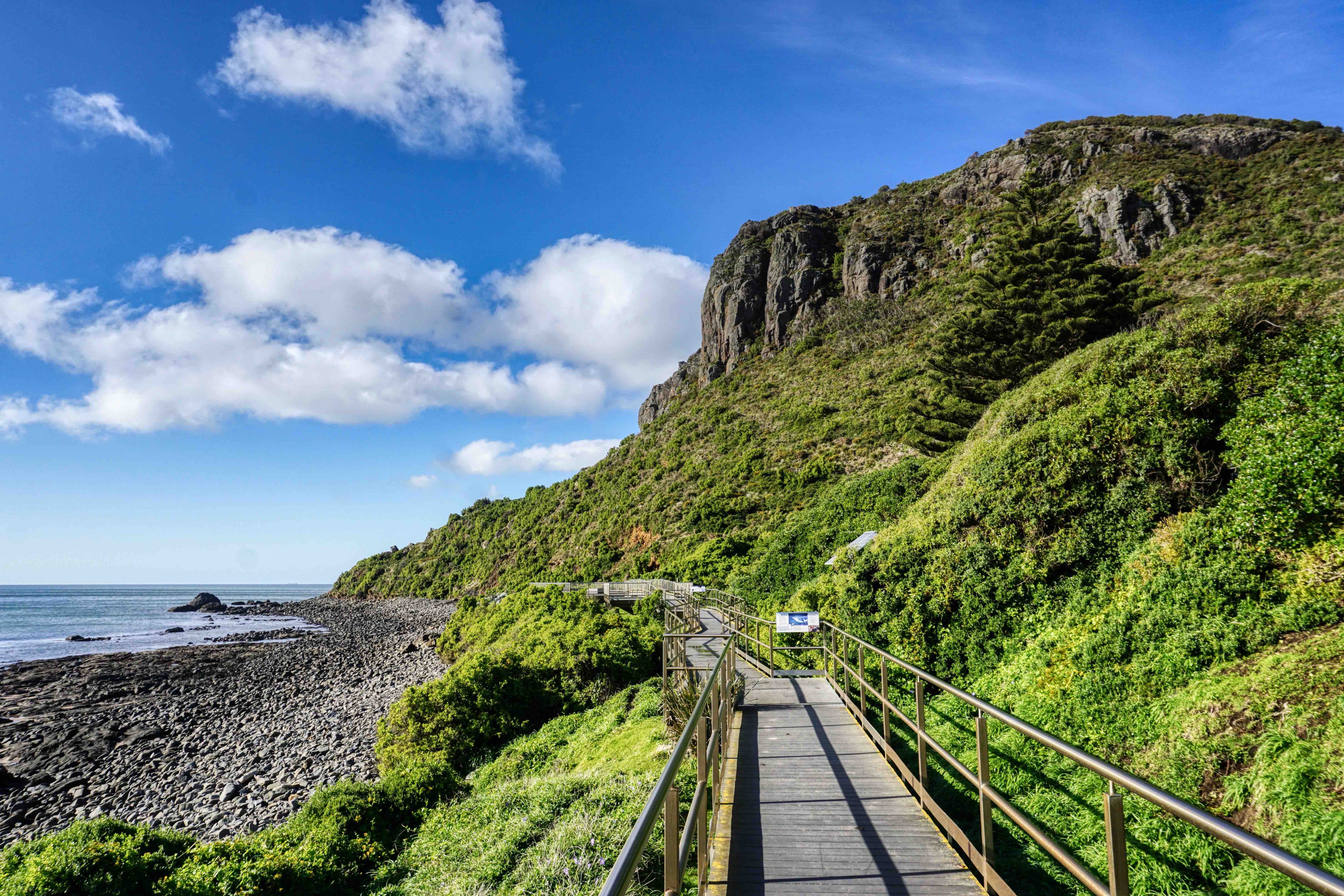
Alongside the colonial settlers cemetery at Godfrey’s Beach, is a Fairy Penguin colony, with an extensive purpose-built viewing platform that’s raised above the burrows. Unfortunately (for us), July isn’t the season (September thru March is the best), as the Penguins are largely out at sea for most of the time and not breeding, so all we saw on this wind-swept corner of the beach was a skittish Pademelon bounding away beneath our feet. Though I had to smile at the (only in Tasmania) sign in the neat little car park, ‘Night time Penguins may be located under vehicles, please check’. How cute is that!
 Travels With My Ant
Such dramatic vistas 😍 damn those pesky penguins for absenting themselves 😤
LikeLiked by 1 person