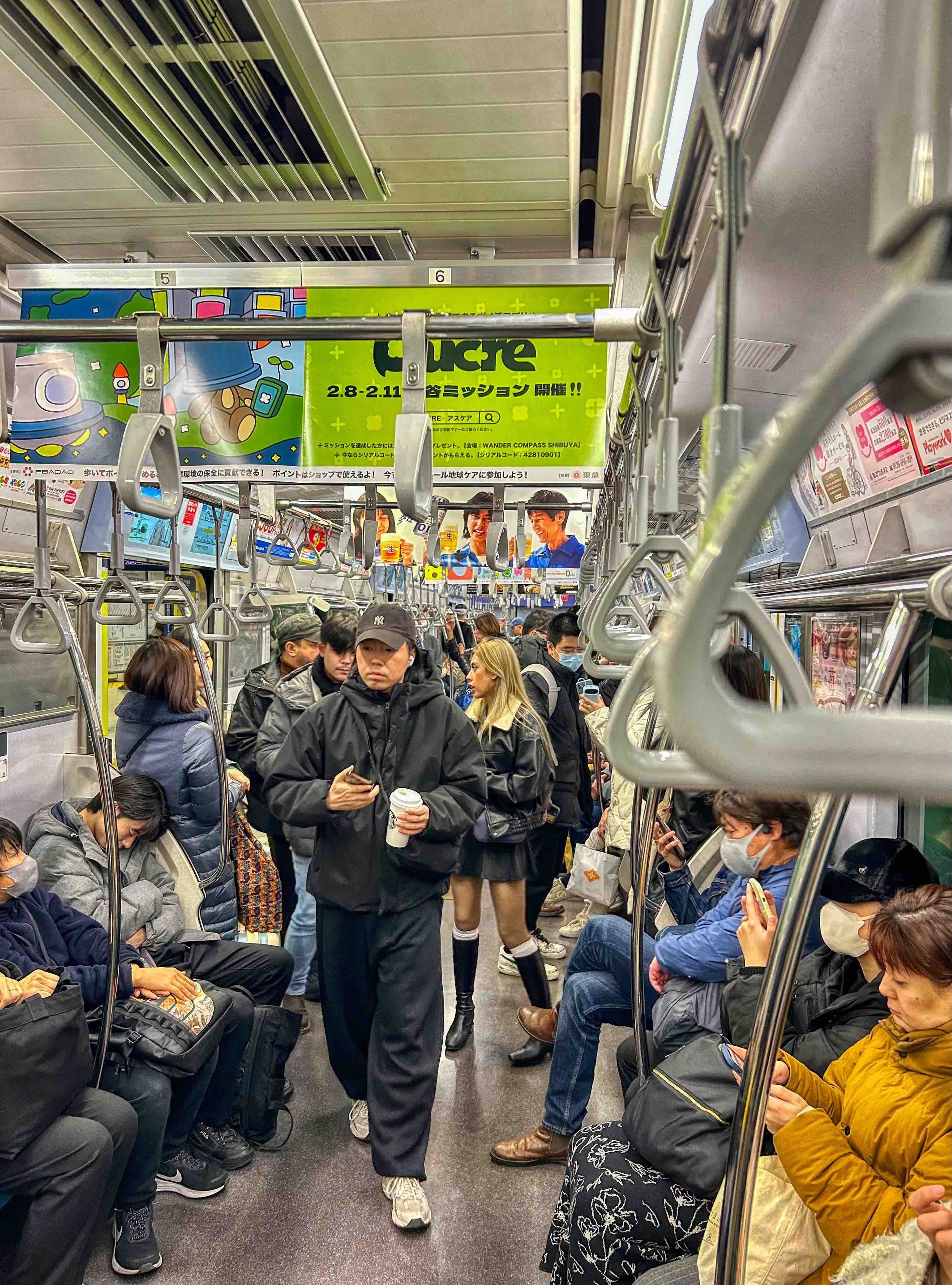














Gosh, Tokyo is massive. You start to realise just how big the world’s largest city is (37 million at the last count) when you delve underground and tackle the monstrous and overly-crowded Tokyo subway system (no surprises then that Tokyo has the world’s busiest subway), which is daunting at first, but sort of manageable after a couple of days – you just have to have your wits about you as it’s quite a complicated maze that seems sometimes not entirely rational or, surprisingly, well designed. Try bending your head around the subway map for the first time, then, after a while it does kind of start making sense. It doesn’t help that the metro and Japan Rail systems are not integrated and that separate tickets need to be purchased for each. Apparently, a comprehensive pass does exist but after a morning of enquiry, misdirection and contradiction we lost the will to live and decided on a metro only day pass – at 600 yen actually a bargain.
I guess the whole system has had to morph as the population has grown (lines by the way have historically been separately and privately owned), but it does seem at times like you are lost in translation, not so much with the direction and identification of lines (which is simple enough), but perhaps more so the way-finding (or lack thereof) between lines in an often-bewildering network of underground passages and escalators. Just don’t get distracted by the amazing number of shops underground or you’ll come out confused, dazed and potentially lost. Oh, and you wouldn’t want to be disabled in anyway as the lack of disability access throughout this city is breathtaking. Steep stairs are everywhere. Sure, they must have lifts for disabled people, but it’s not a system that’s overtly designed for them, especially with the enormous distances that you often have to walk to make connections.
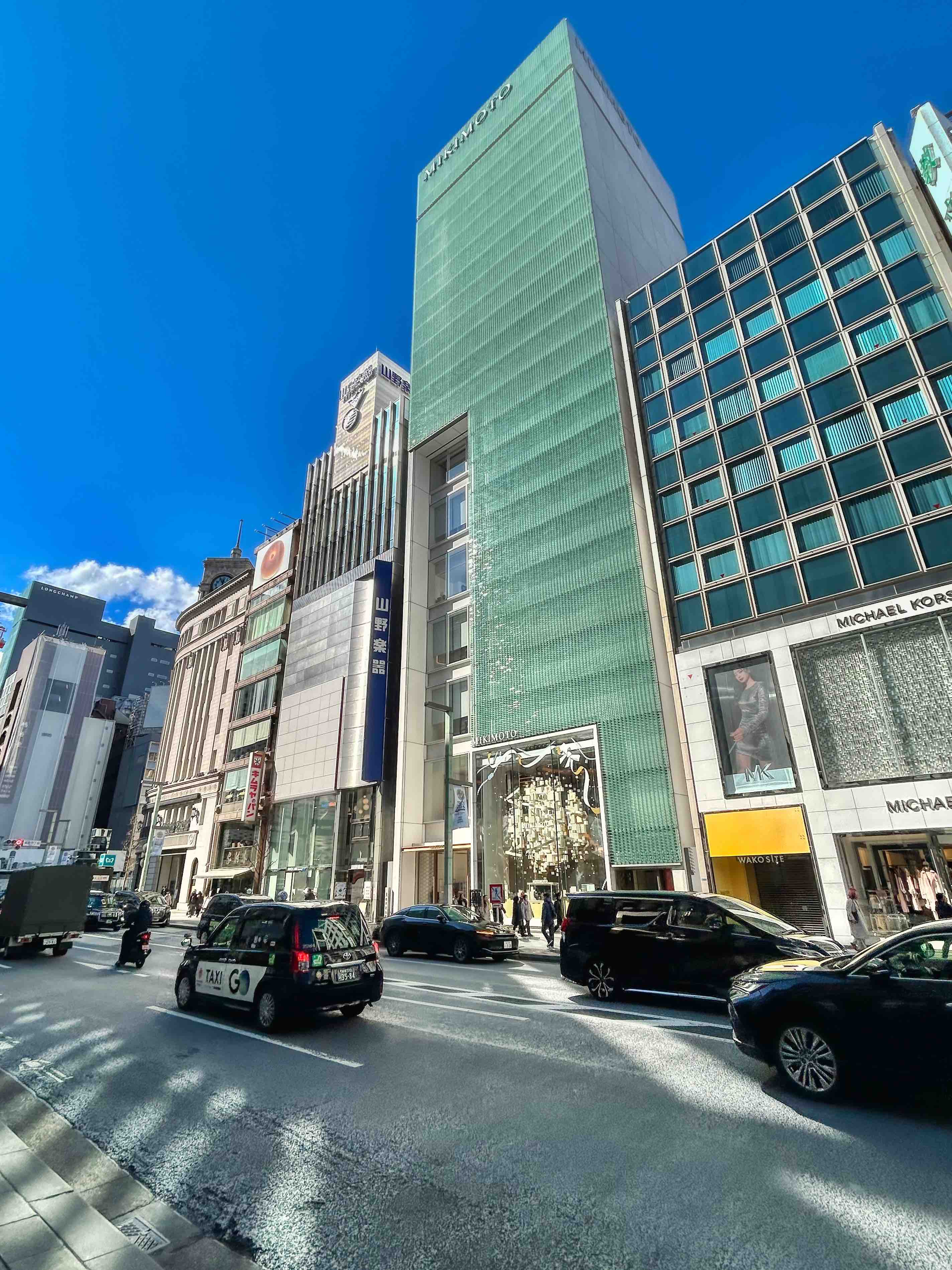
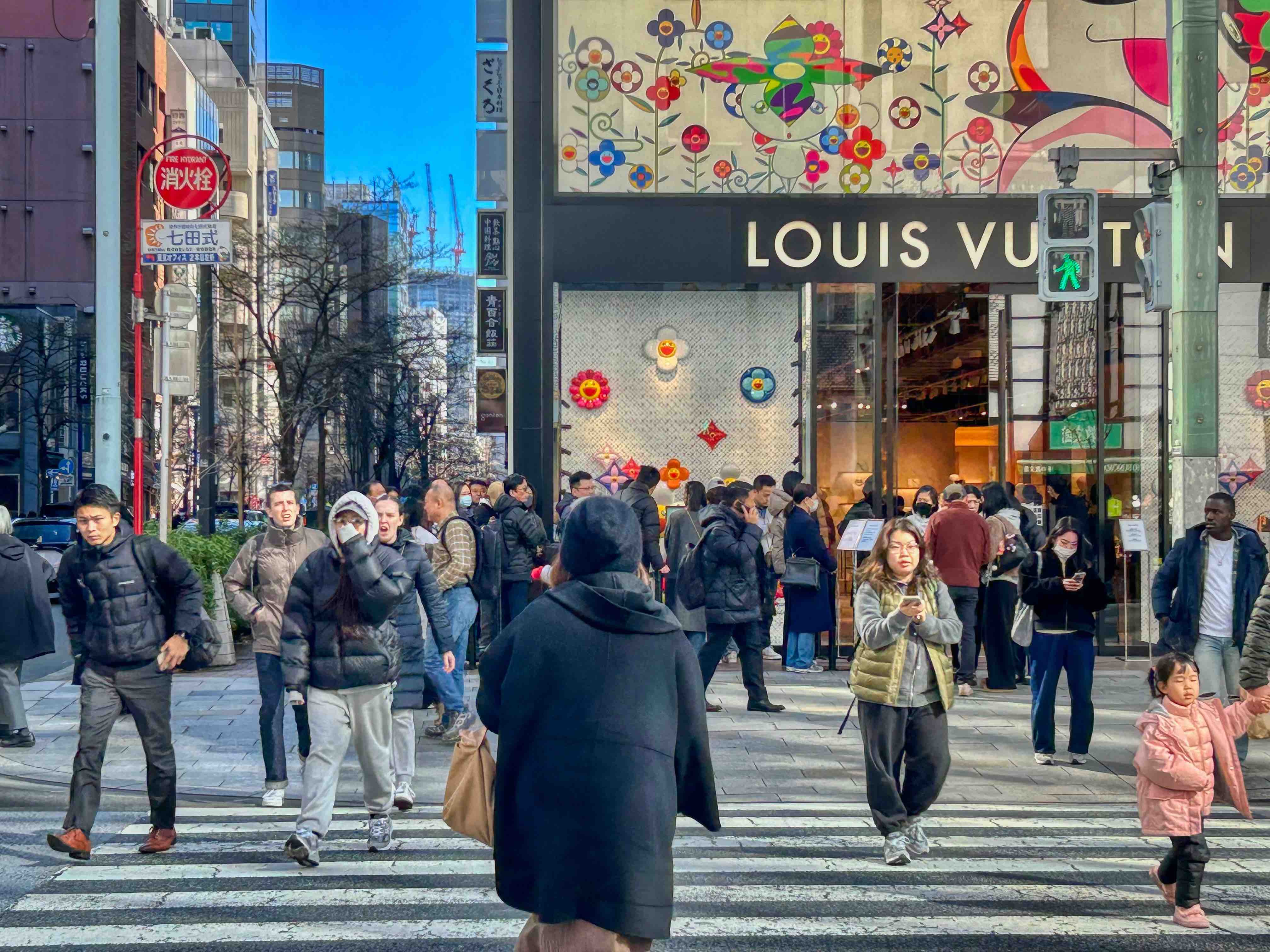
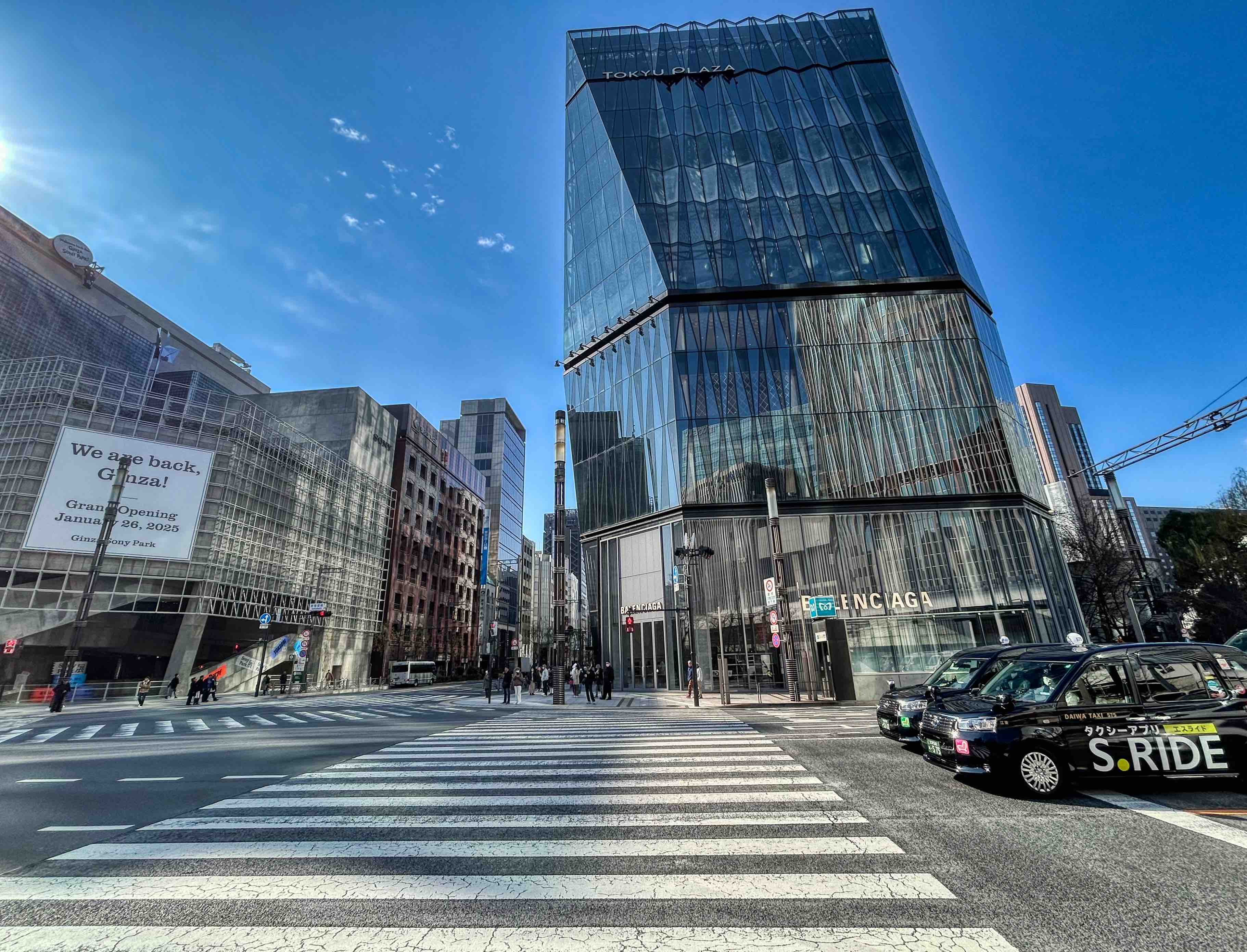
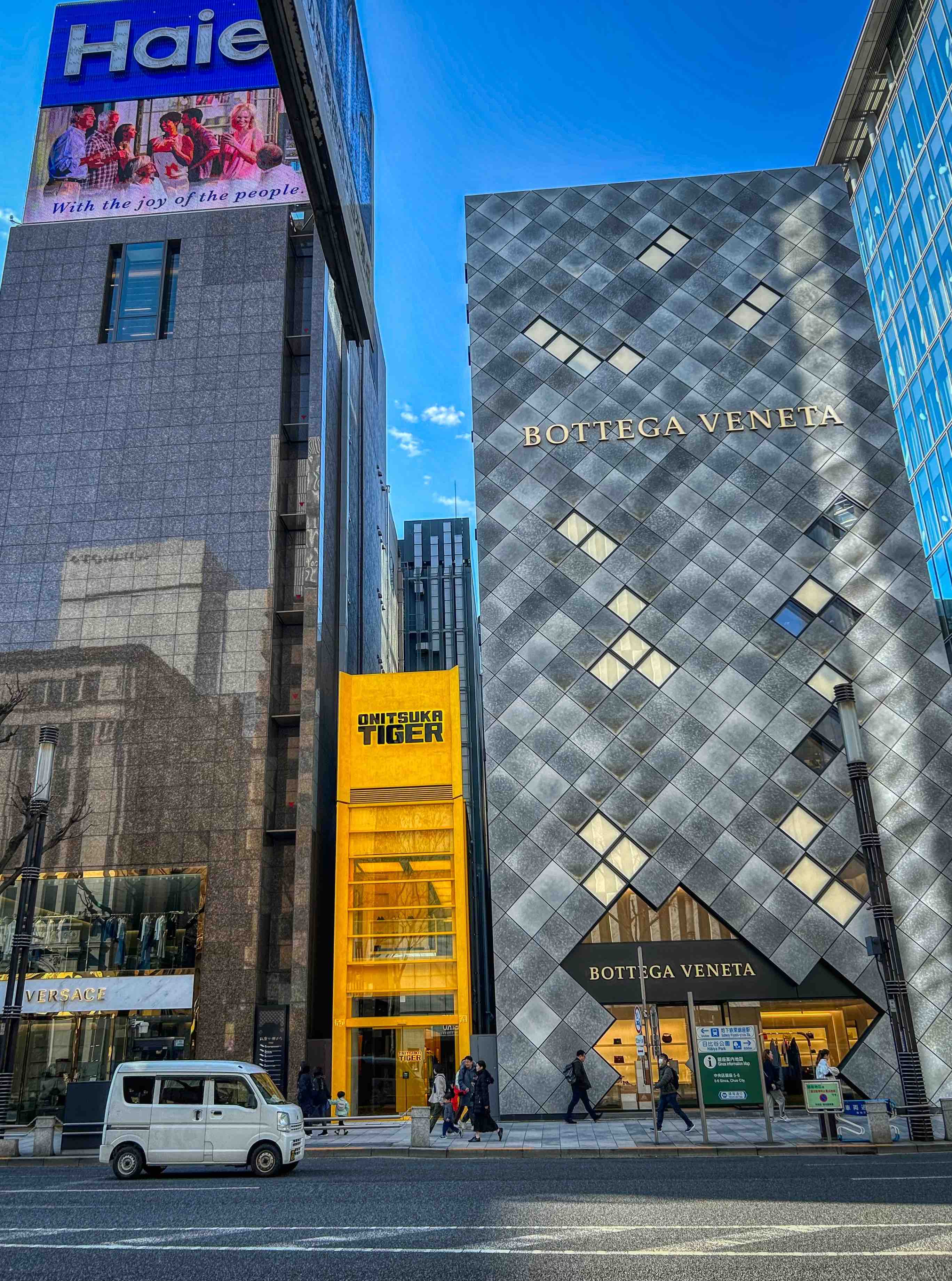
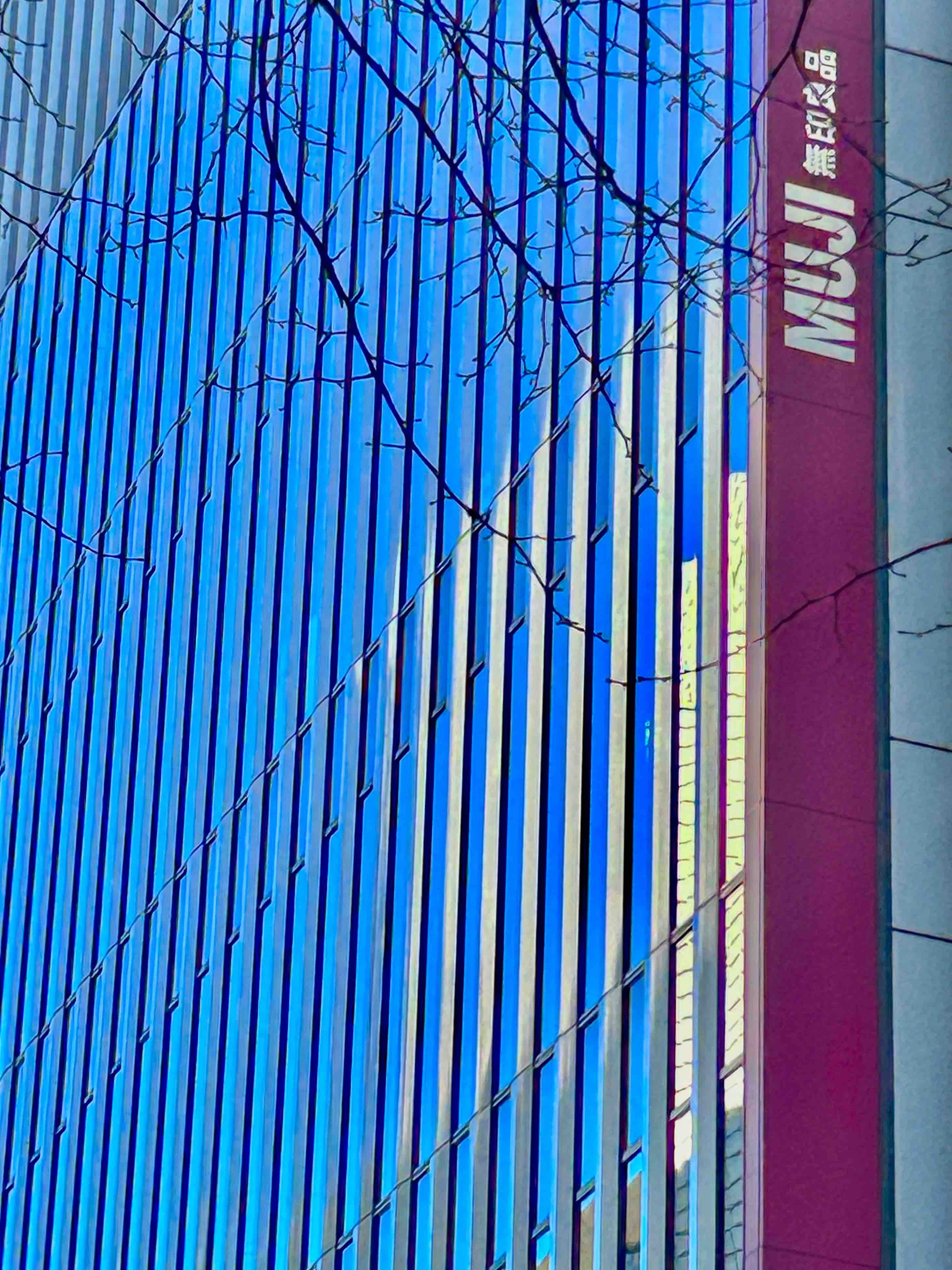
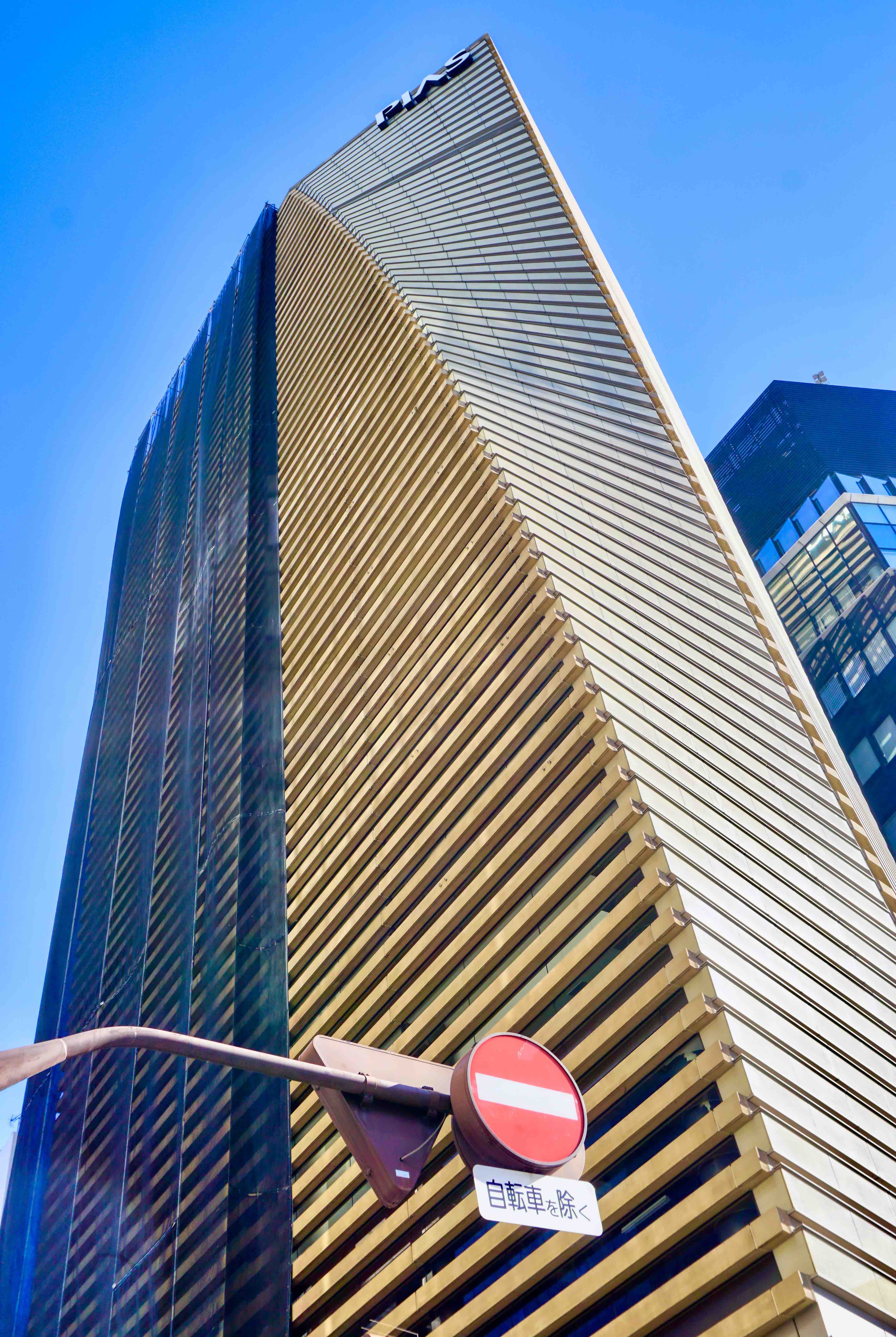
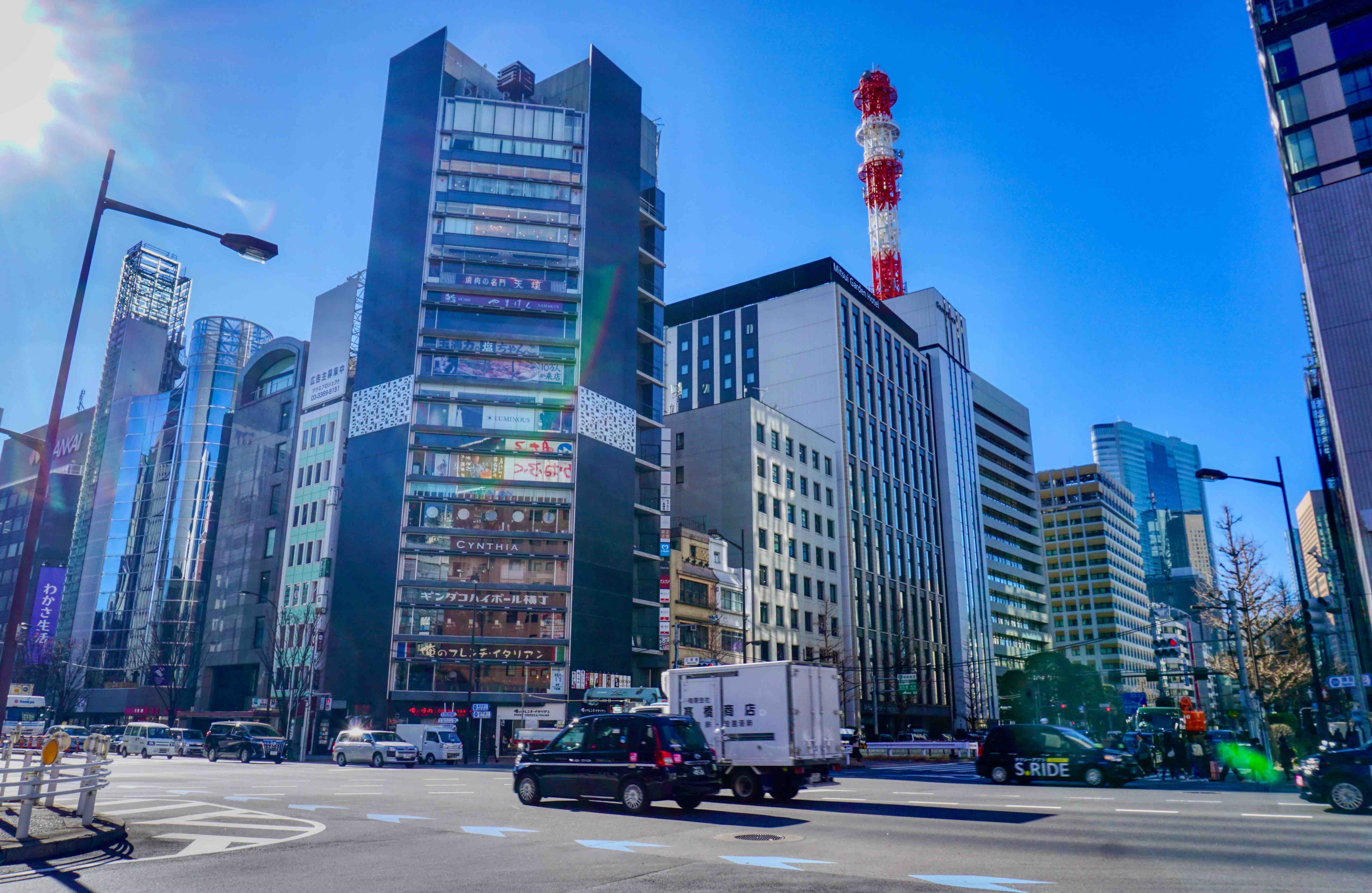
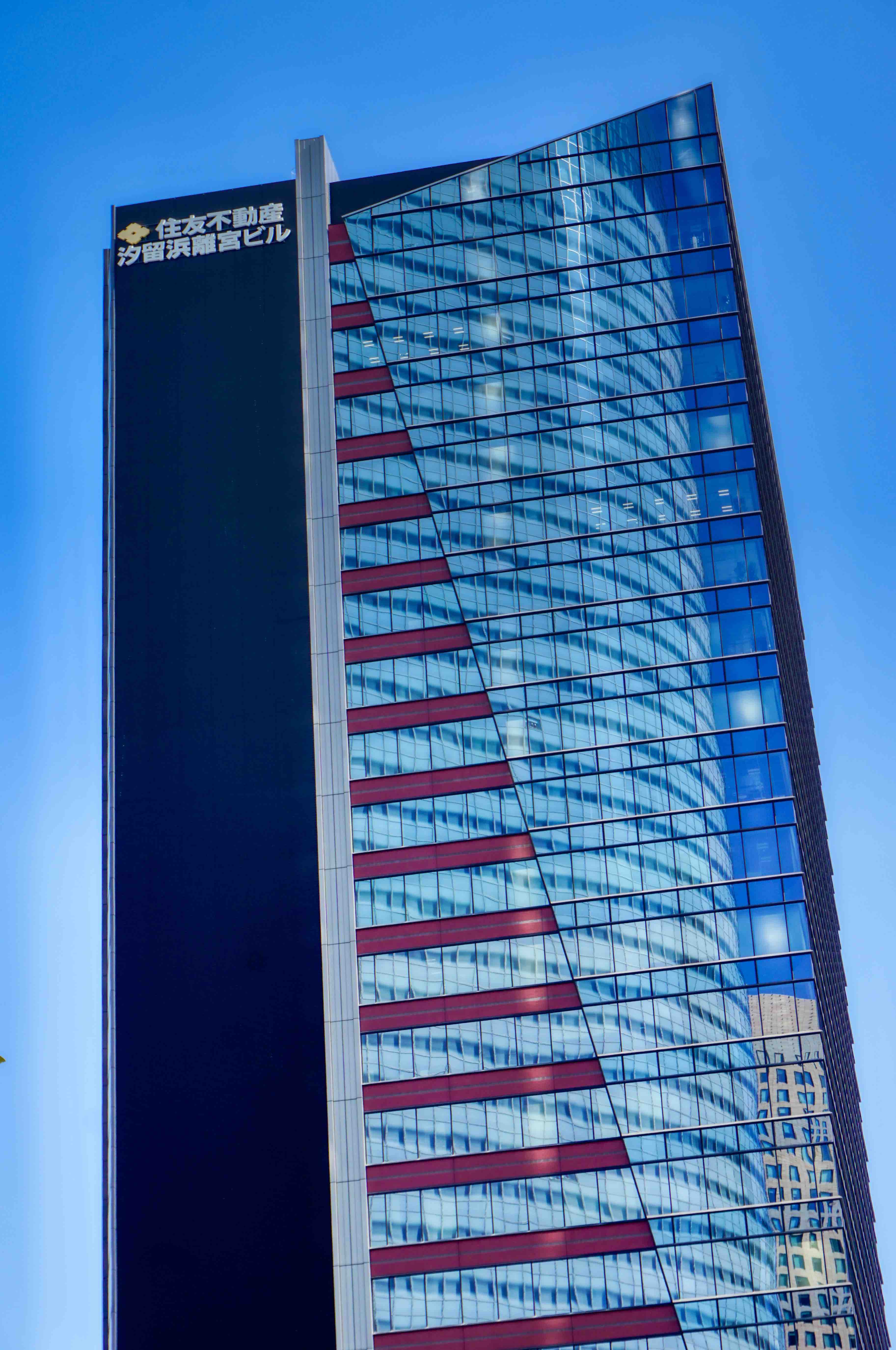
Leaving old traditional Asakusa behind we emerged half an hour later in glittering sky-high-rise Ginza and headed down wide New York-style avenues packed with luxury brands towards the imposing vastness of the Imperial Palace. Ginza feels a long way from the ‘realness’ of Asakusa and, for us anyway, lacks character (Big City America) – unless of course you’re into shopping / window shopping and dropping a load of dosh on high-end stuff. There are often long lines of fashionistas local and foreign patiently waiting for their turn to worship at the altar of a particular brand.
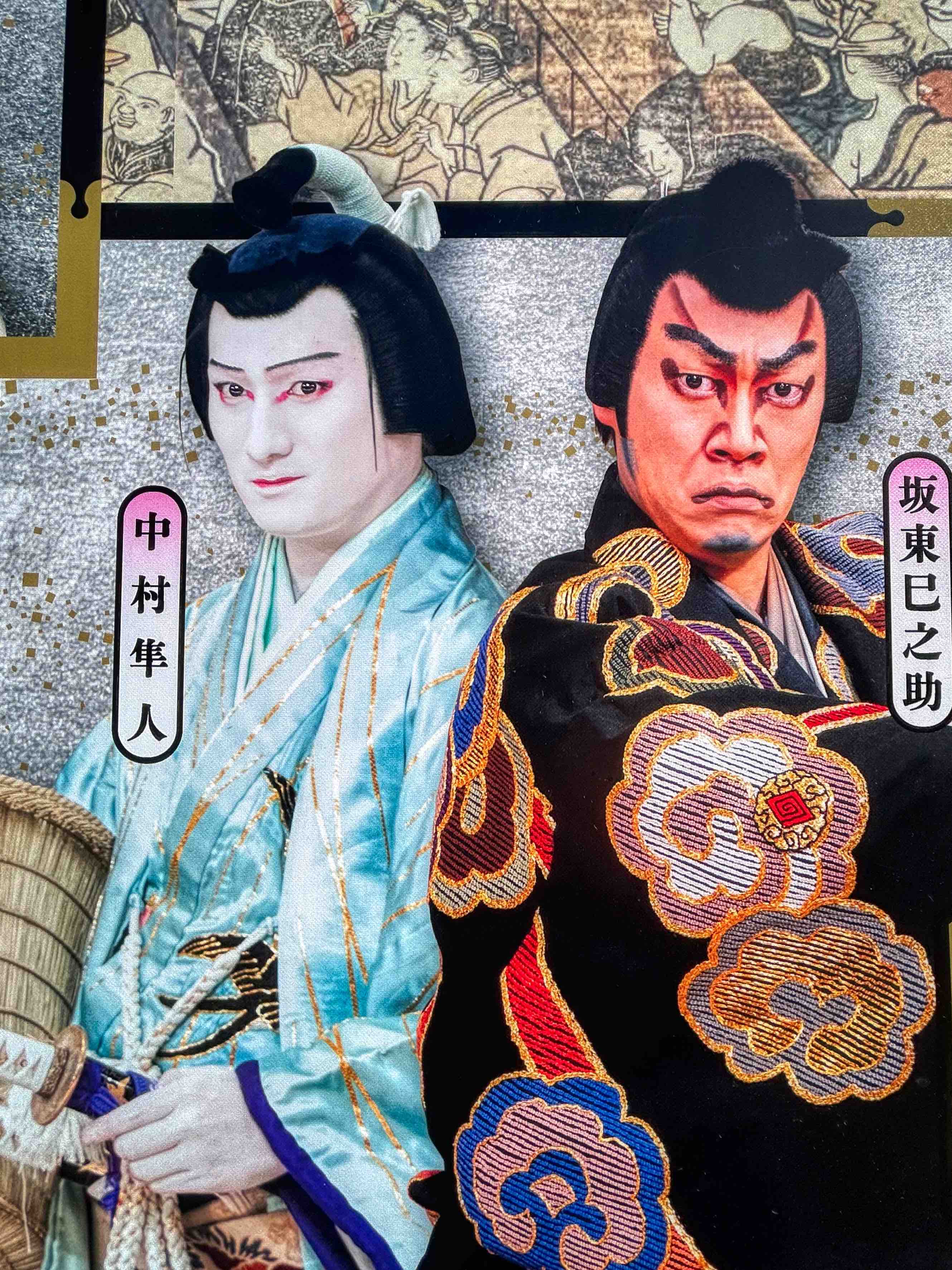
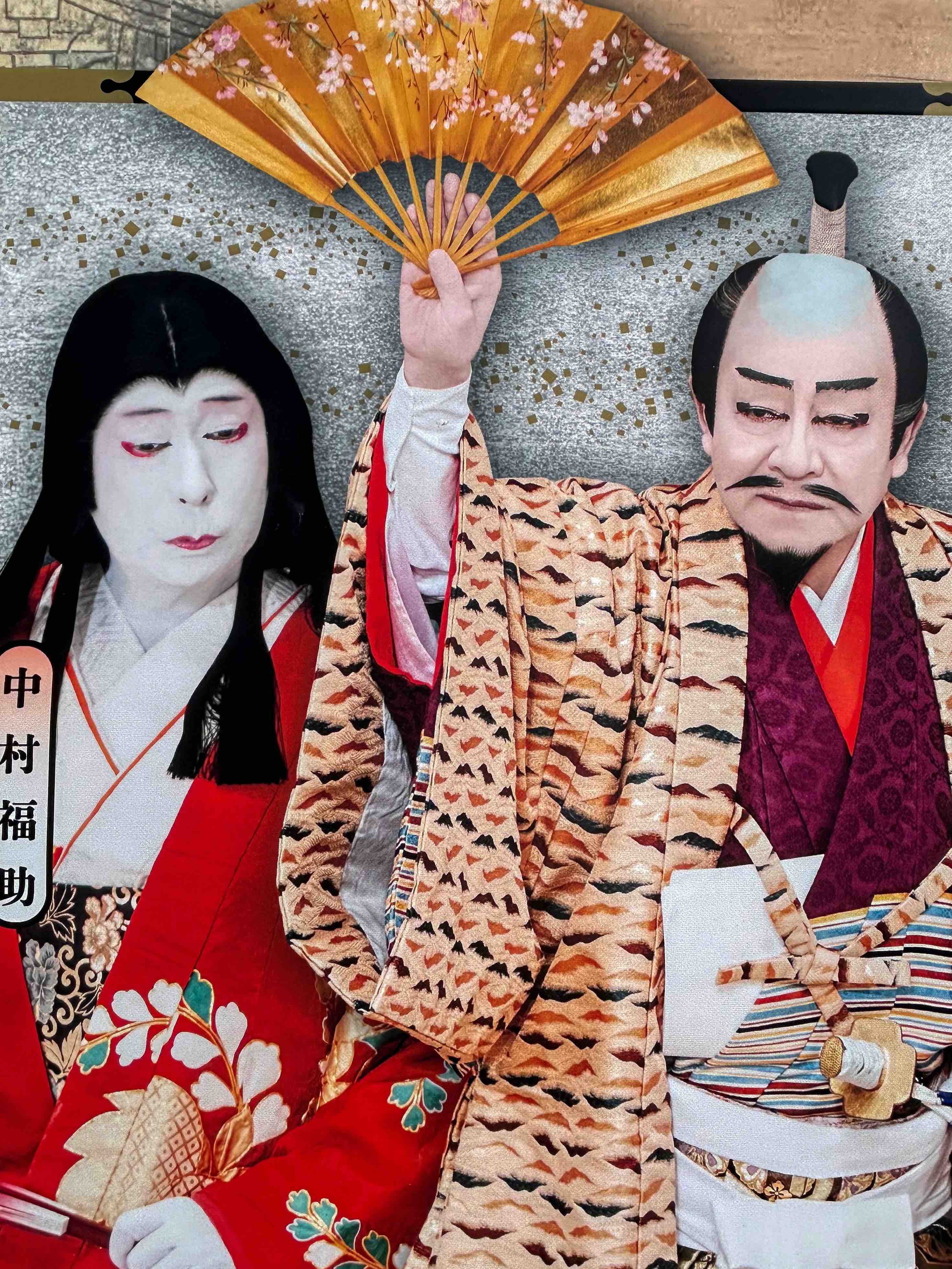
However, there’s one oasis of culture in the Kabukiza Theatre, an iconic Japanese-styled building hemmed in by glass skyscrapers. First established 1889, like most ‘old’ buildings in Tokyo, it’s been through the wars, fires and earthquakes, so its current form dates from as recent as 2013.
Kabuki is one of the best-known traditional performing arts in Japan, with its origins dating back to the 16th century. It’s been male-dominated since the 17th Century when female participation was considered to be too provocative. Today, all roles are performed by men. Some acts can be less than 20 minutes, whilst others can be upwards of 4 hours, but cheap tickets can be had on the day if you rock up.
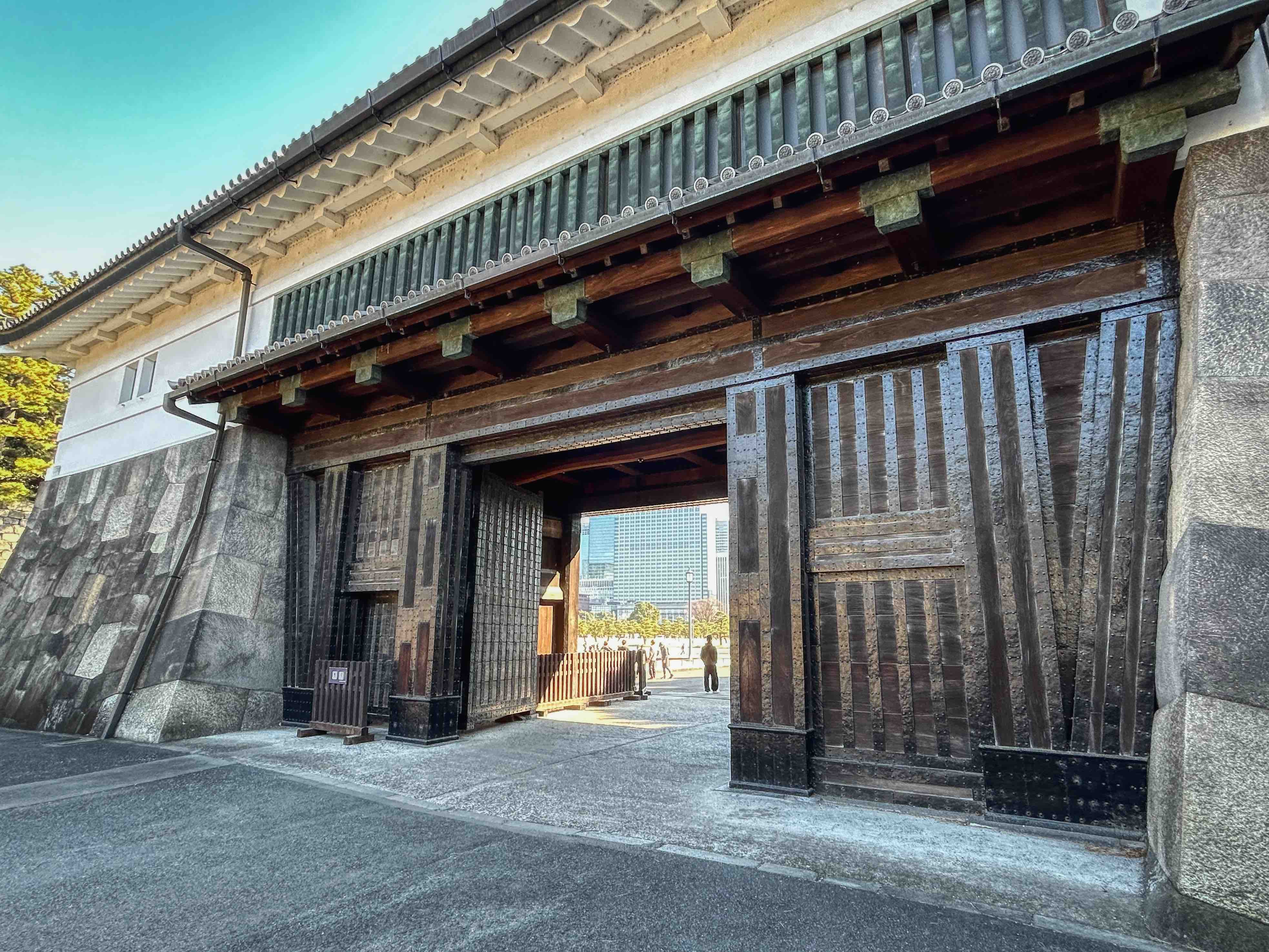
You can’t get very far as you approach the Imperial Palace, and to reach it you need to cross a few enormous road intersections, so just across the first moat bridge and up to the Nijūbashi Bridge is the closest you’re going to get to the Imperial Palace itself. This is still to this day the residence of the Emperor and Empress of Japan, but was originally built and occupied by the Tokugawa shogunate until it was overthrown in 1868 by the Meiji restoration when the newly empowered Emperor moved from Kyoto back to Tokyo, turning the Shogun’s castle into the Imperial Palace. Not surprisingly, what you look at today is relatively recent. Completely rebuilt in the 1960’s after almost total destruction following WW2 air raids, like much of Tokyo. After the war, the lands of the Imperial Palace were handed over to the state as required by the new constitution enacted in 1947. Some of these lands were granted for the use of the Emperor and Imperial Family, but most of the palace was either irreparably damaged or completely destroyed, and a new main palace complex was built on the site.
It’s a vast private sealed off space in the centre of the world’s largest city. 1.15 square kilometres or some 740 acres of some of the most valuable real estate on the planet that’s ringed by a moat and a strip of green that runs around the palace towards the Imperial Palace East Garden, which you can access. But the central Fukiage Imperial Gardens are strictly off limits.
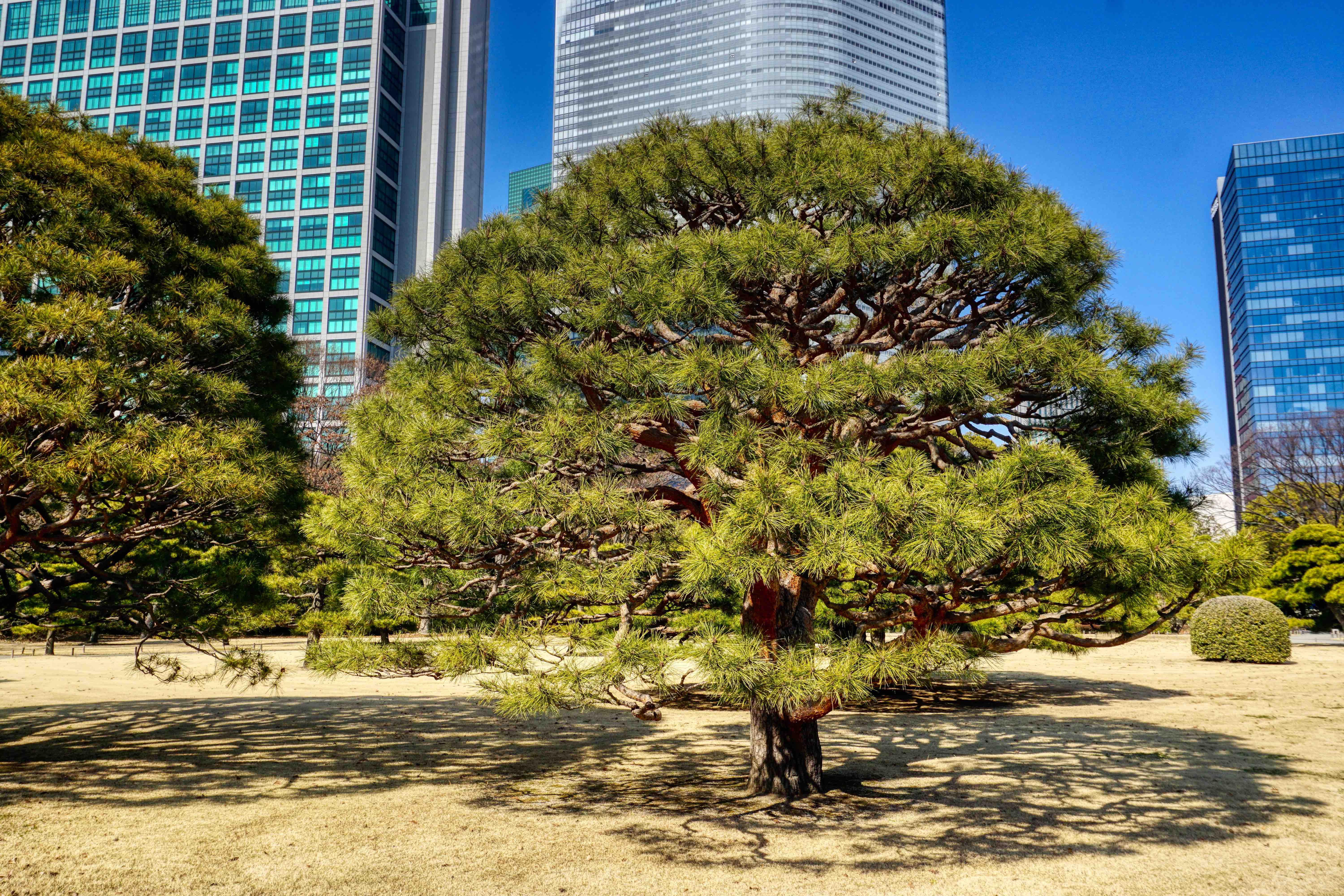
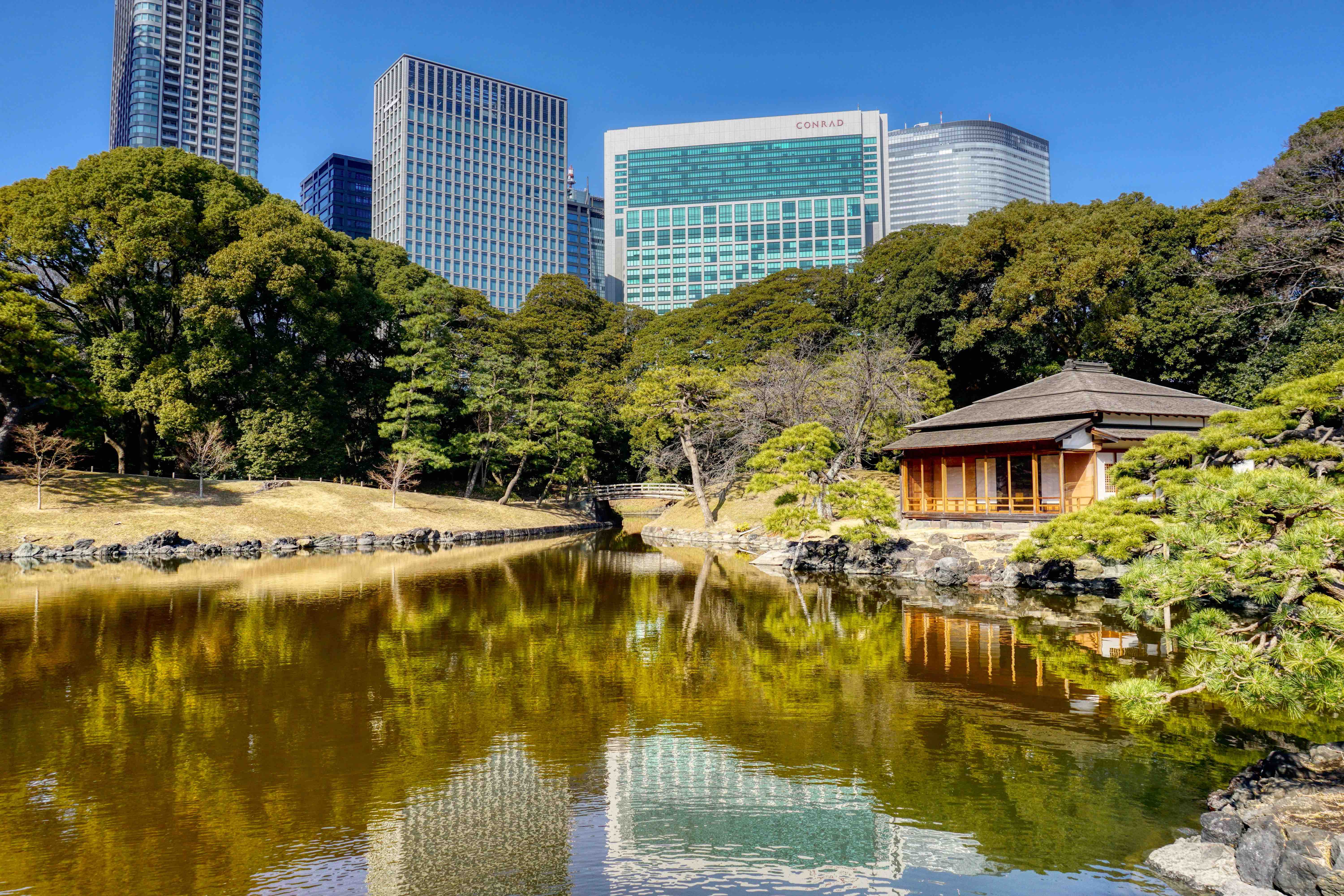
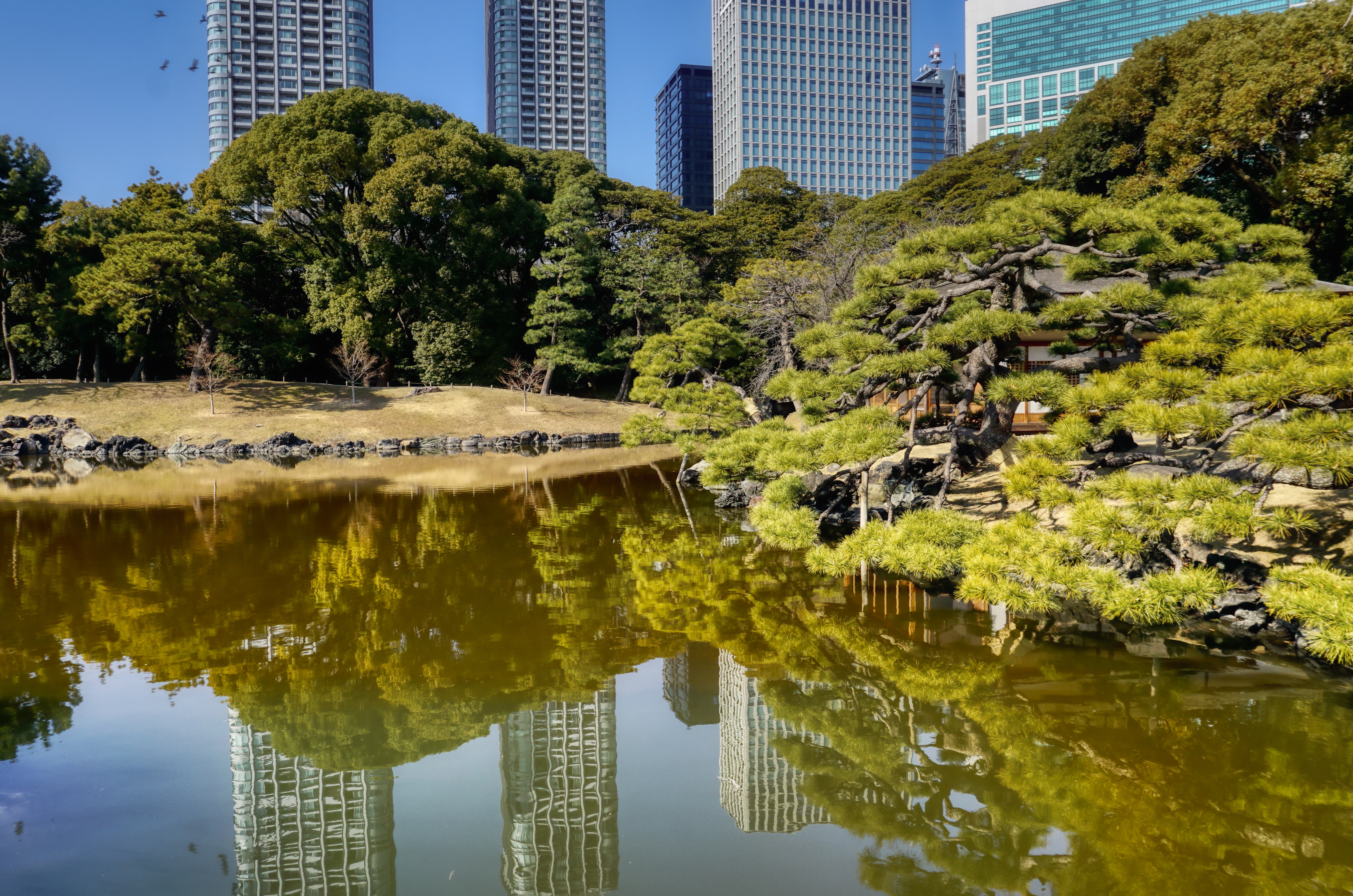
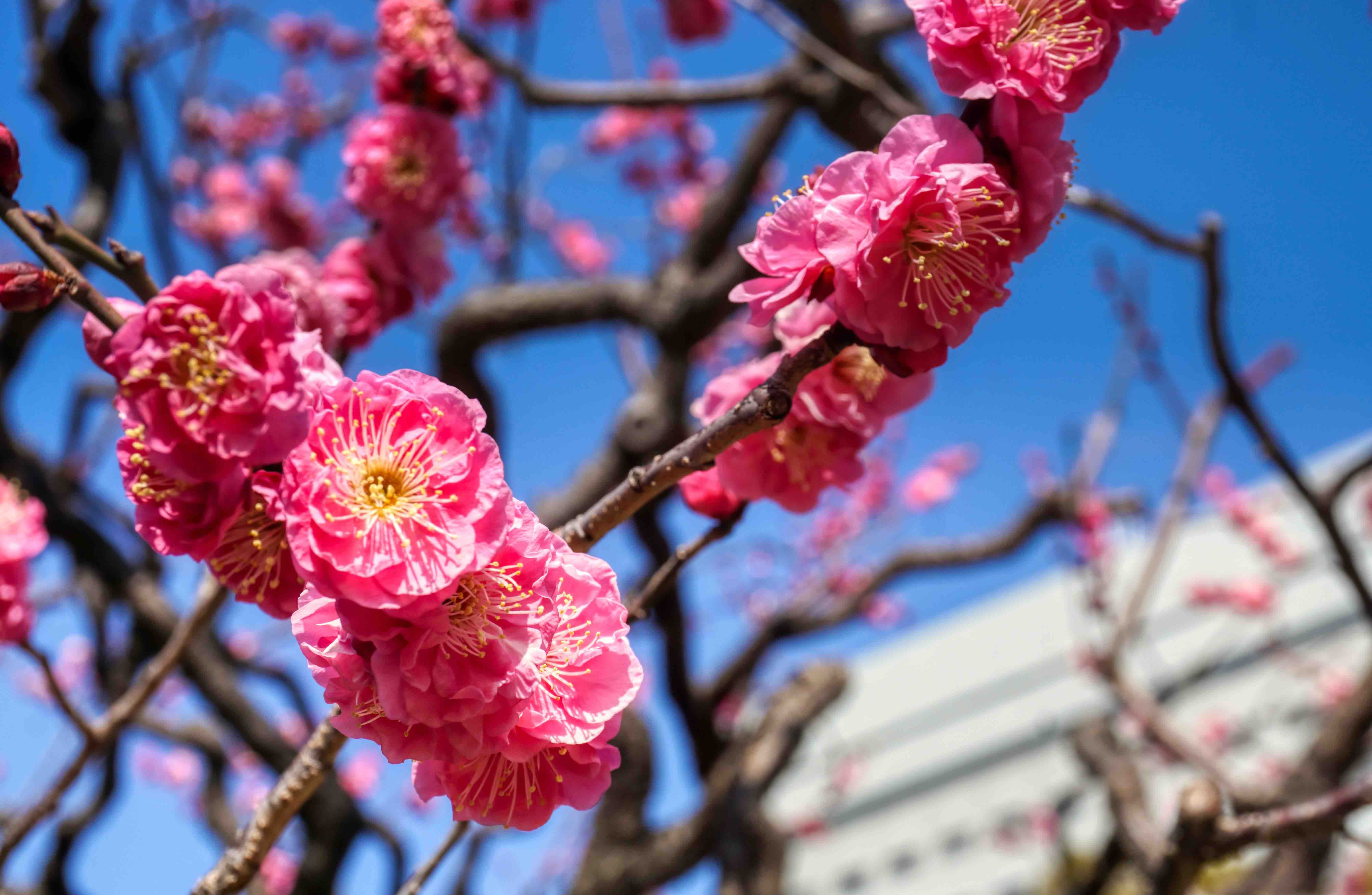
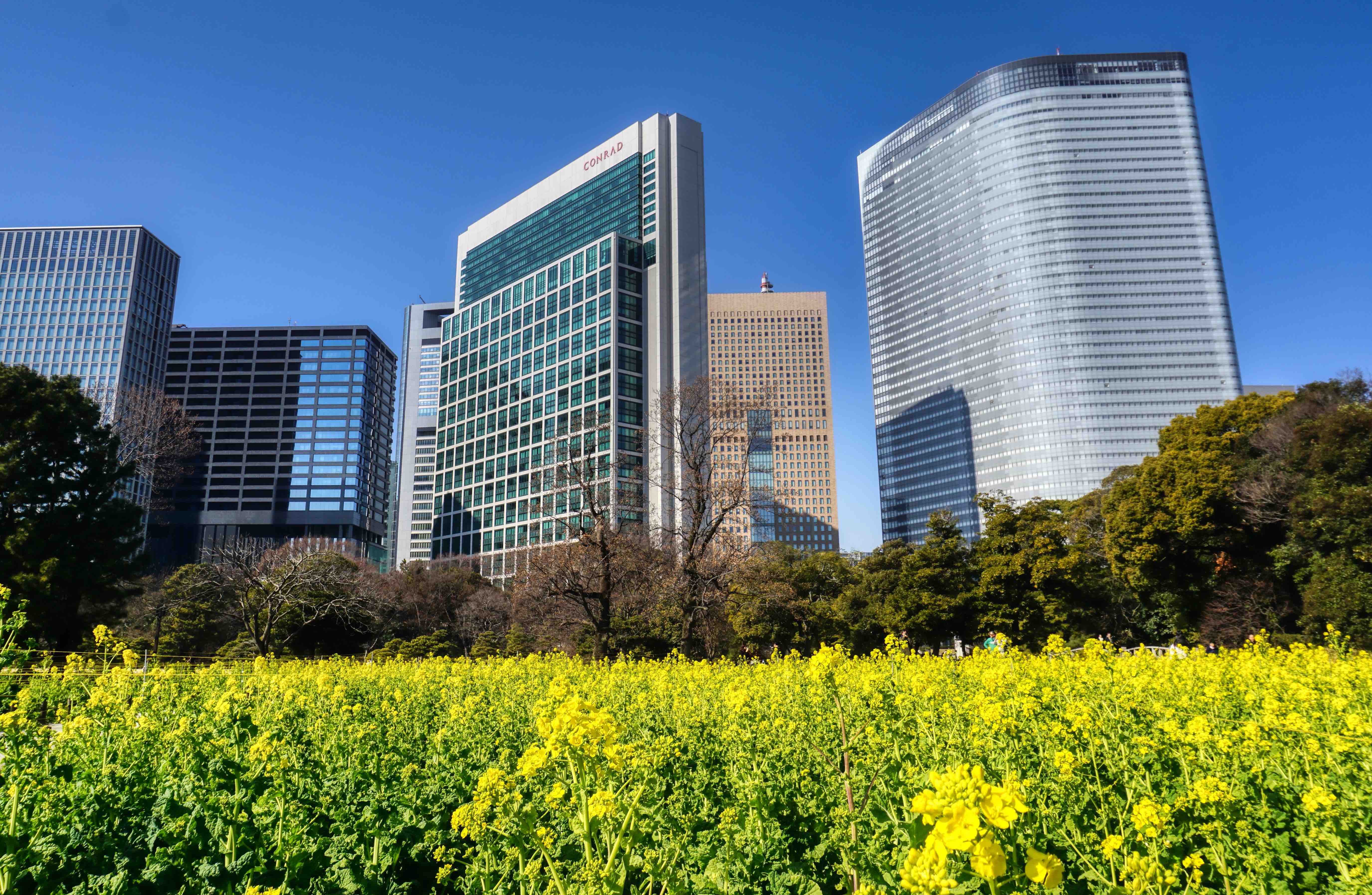
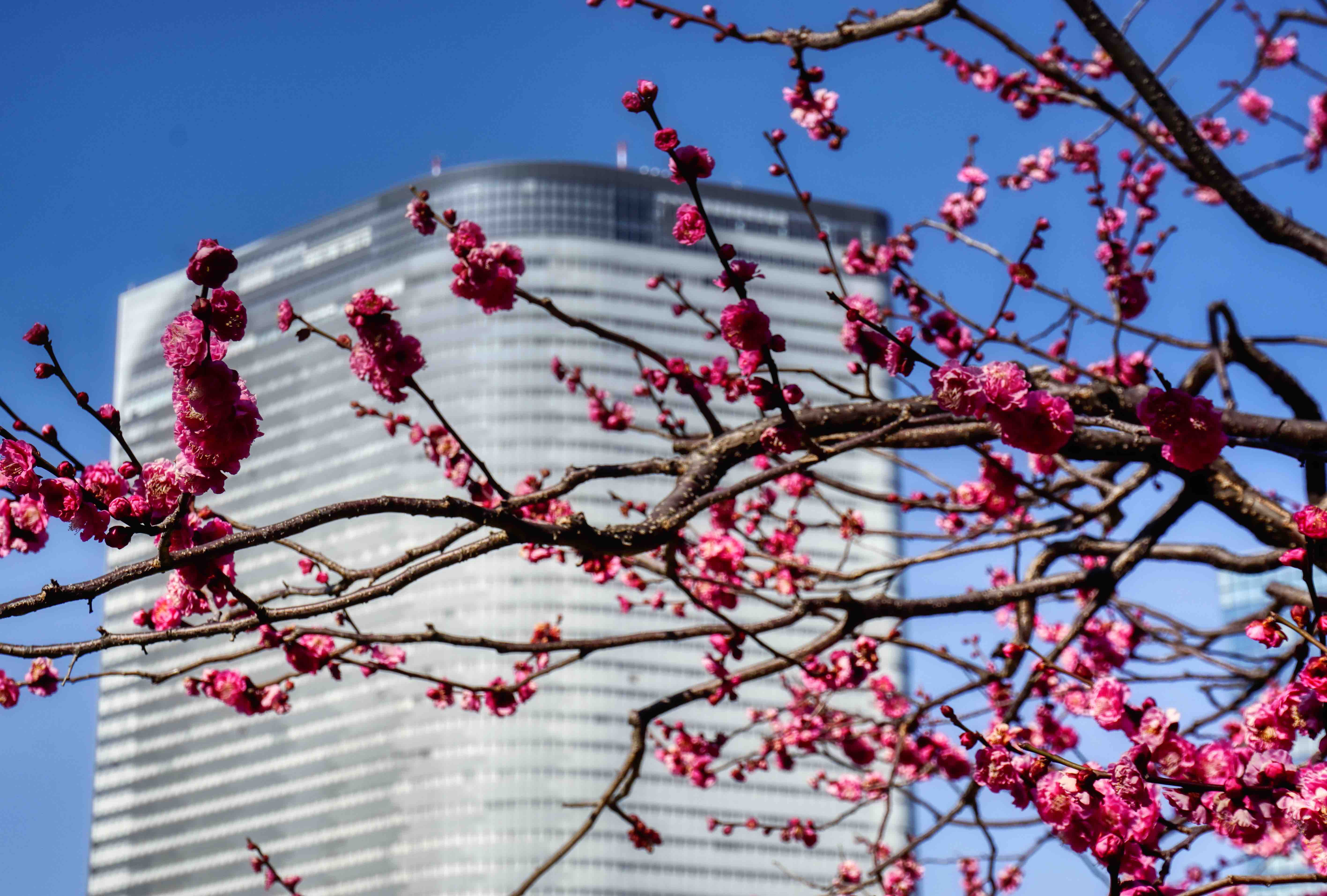
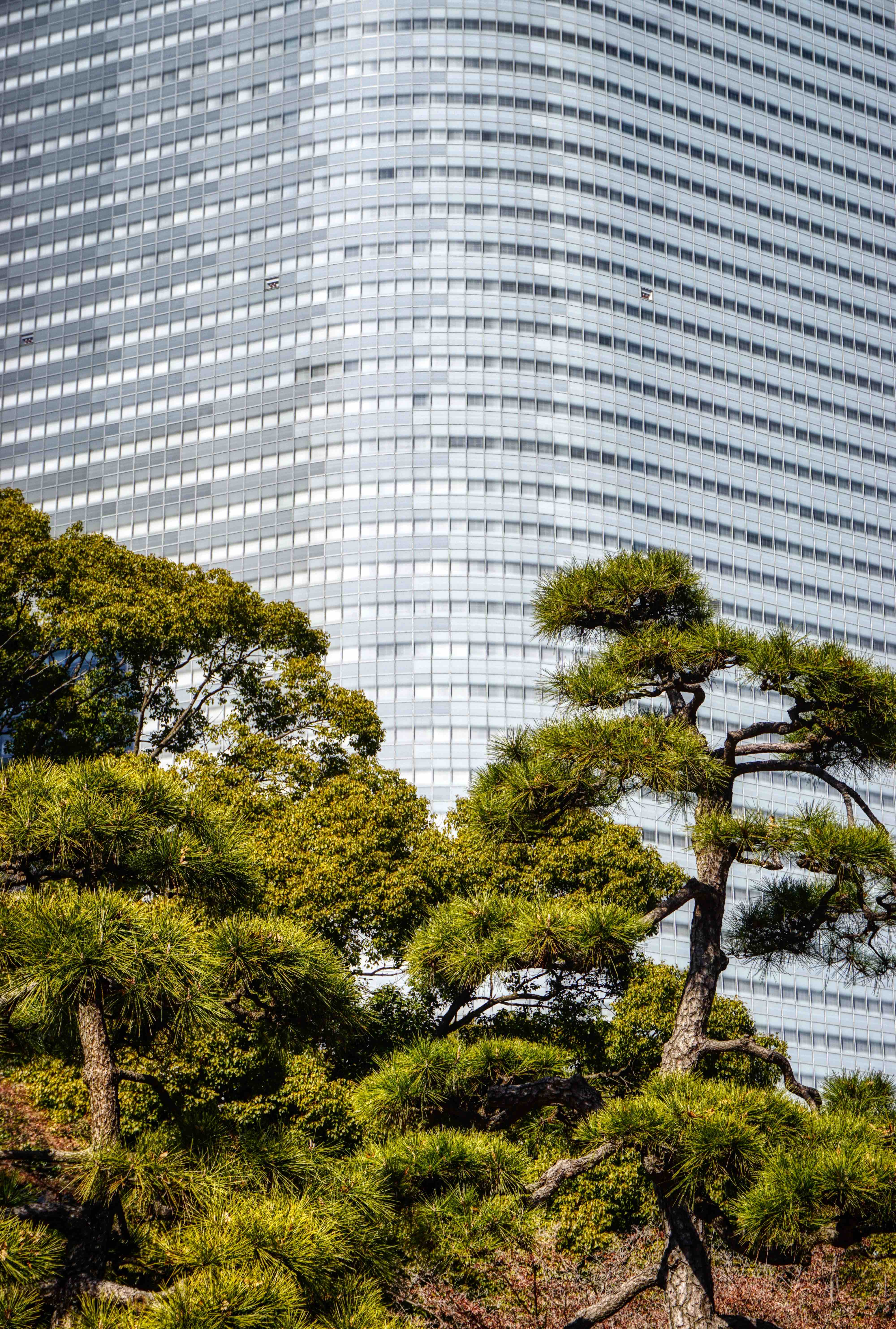
Back across Ginza via the mega-skyrise office tower district of Shimbashi we discovered the Hama-Rikyu Gardens, formerly the private family compound of the Tokugawa shogunate and one of Tokyo’s most idyllic gardens filled with ancient gnarled pine trees that seem to be forcibly twisted to create the ideal shape, set in immaculately curated lawns and staged garden scenes. We’re here in the depths of winter so one can only imagine how beautifully tranquil this place must be in Spring and Summer, especially in the cherry blossom season, but in this bare rawness it’s still gorgeous and a complete contrast to the wall of skyscrapers that dominates this part of Tokyo.
The Hama-Rikyu Gardens date to the mid 1600’s and became a detached palace of the Shogun’s family, having been reclaimed from the sea and referred to as Kofu Hama-yashiki or ‘Kofu Beach Mansion’. After the Meiji Restoration in the late 19th Century, the garden became another residence of the Imperial Family, but because of the Great Kanto Earthquake in September 1923 (7.9 magnitude), wide-spread air raids during WW2 and subsequent fires, the gardens and old wooden Tea Houses were completely destroyed, and the Shogun garden fell into ruin. It wasn’t until just after the war that the Imperial Family donated the garden to the City of Tokyo, designating it as a Special Place of Scenic Beauty and a Special Historic Site and protected forever for Cultural Heritage.

 Travels With My Ant
your description of distances traversed to make one’s way around the Tokyo transport system daunts limpy moi from considering that form of tourism. Such being said, thank you for being Beatrices to my Dante, blogging me around the Seven Circles of Tokyo 🙏
LikeLike
your description of distances traversed to make one’s way around the Tokyo transport system daunts limpy moi from considering that form of tourism. Such being said, thank you for being Beatrices to my Dante, blogging me around the Seven Circles of Tokyo 🙏
LikeLiked by 1 person