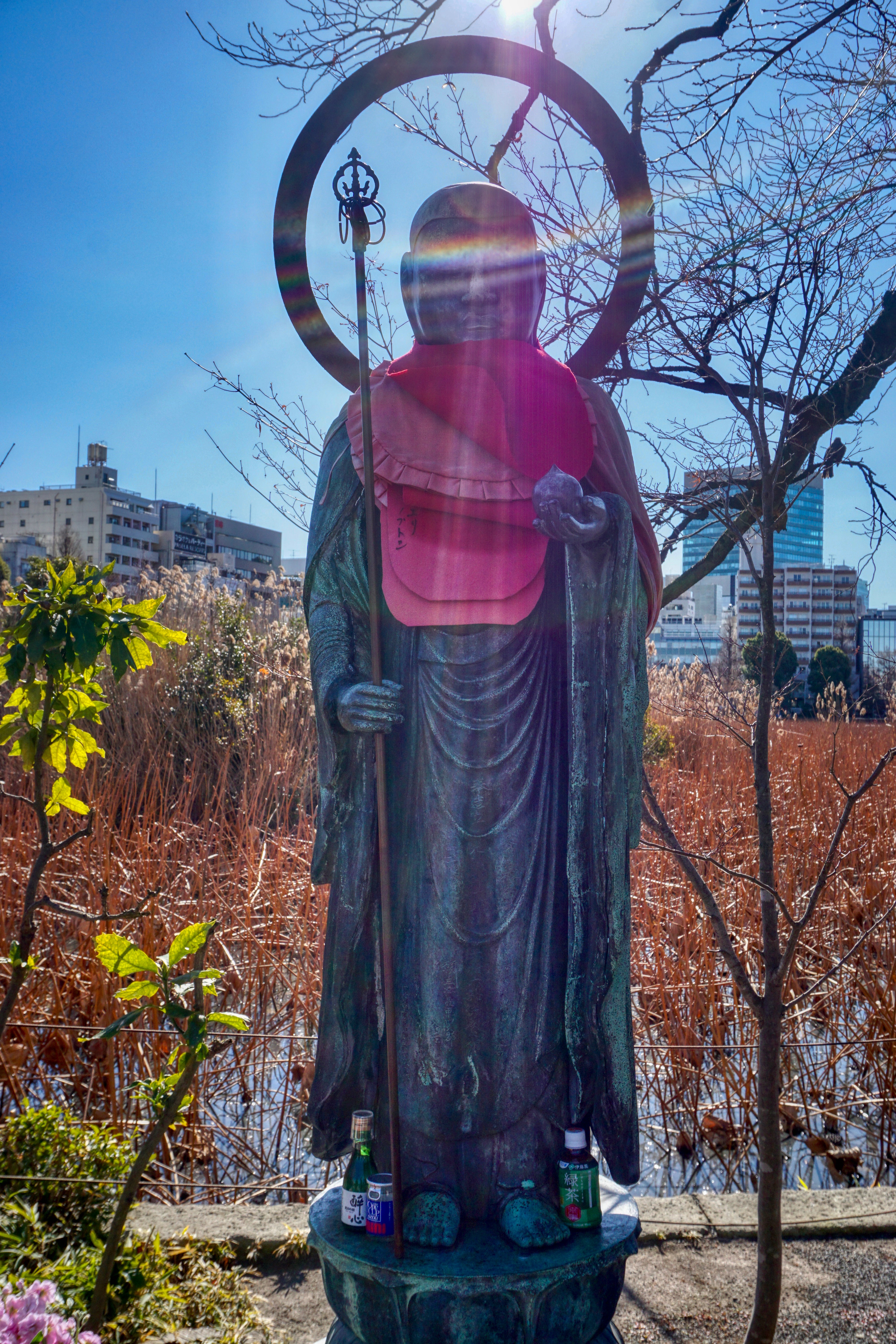

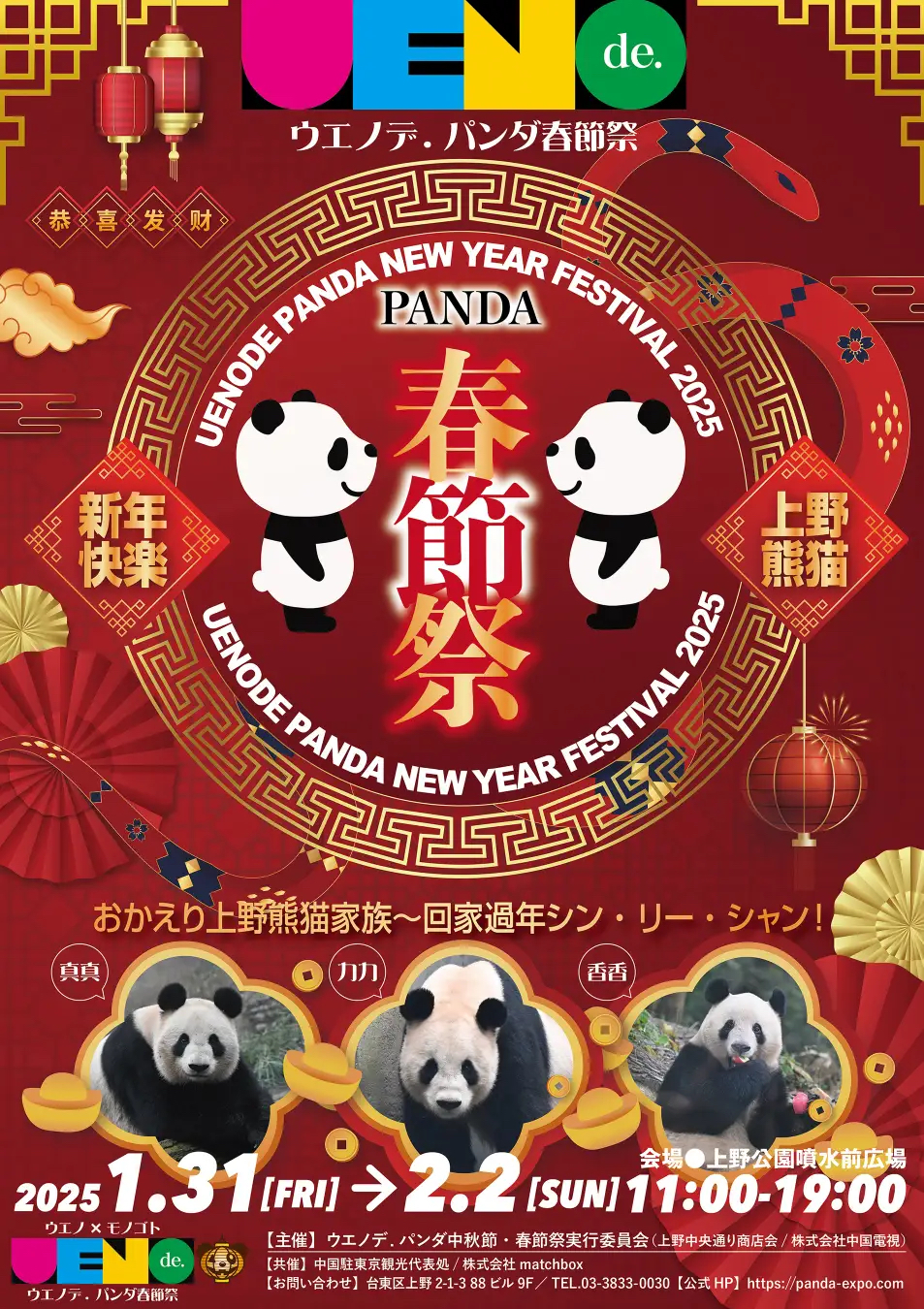
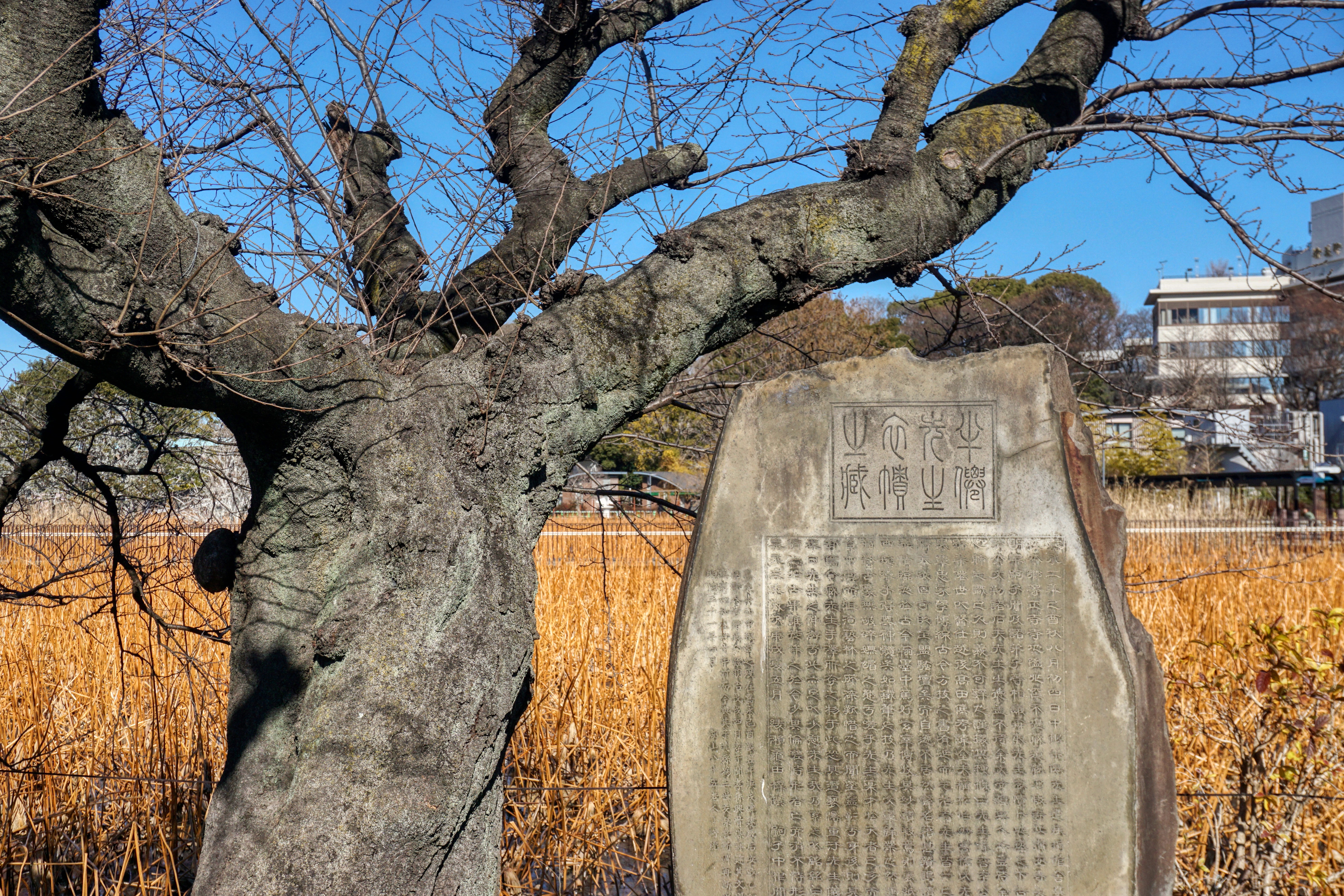
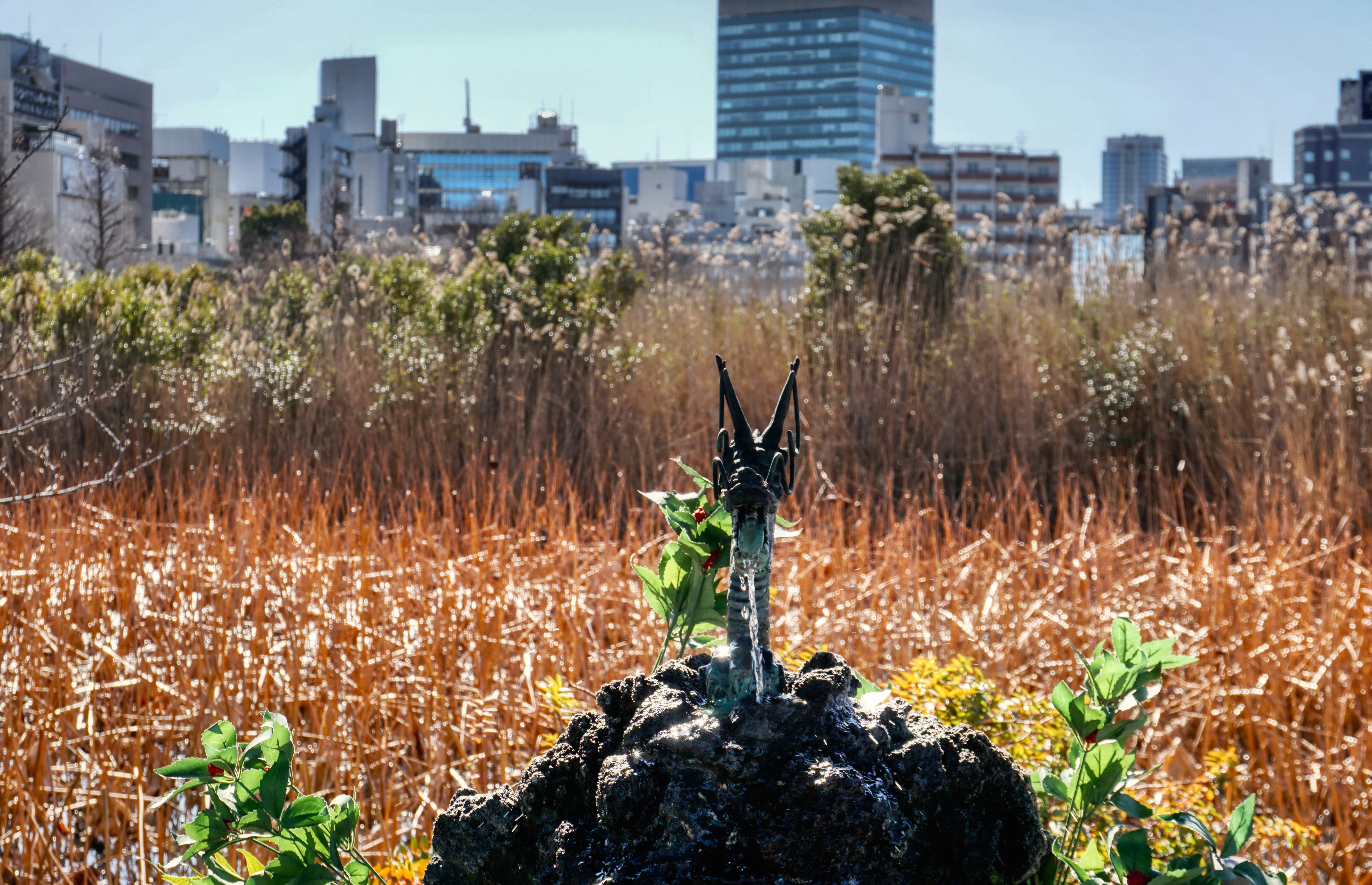







Ueno Park is one of Tokyo’s most loved and visited city spaces and the epicentre of culture and recreation. The park houses the Japan National Museum, the Tokyo Metropolitan Art Museum and the Ueno Zoo – amongst other notable buildings, but I guess it’s the Sakura Matsuri Festival that draws the most crowds, when millions flock to walk along the avenues and paths that explode with cherry blossom every Spring. Whilst we were there the oddly named ‘Ueno Panda New Year Festival’ was in full swing. From what I can gather, the festival celebrates the 50th anniversary of receiving Lei Lei and Xiao Xiao, giant Pandas from China (weirdly they have both now been returned, but the festival continues). There were exuberant talks from the Ueno Zoo director, music performances and, oddly, a stamp rally where visitors who collect five stamps at certain locations around Tokyo can receive a set of Panda postcards. Of course there were people dressed up as cutie-pie Pandas and girl J-pop bands belting out Panda themed tunes to a wild crowd of mostly older men. Go figure.
We’re here in late January, but still, in the cold depths of winter, believe it or not, spring around these parts can be called as early as mid-February, so the crowds are on the eager look-out for any early bloom, however small. It’s a tad chilly in the morning, but quickly warms up to the point you don’t need that scarf and can shed that puffer jacket in the weak winter sunshine and enjoy this sprawling and fascinating park in the centre of Tokyo.
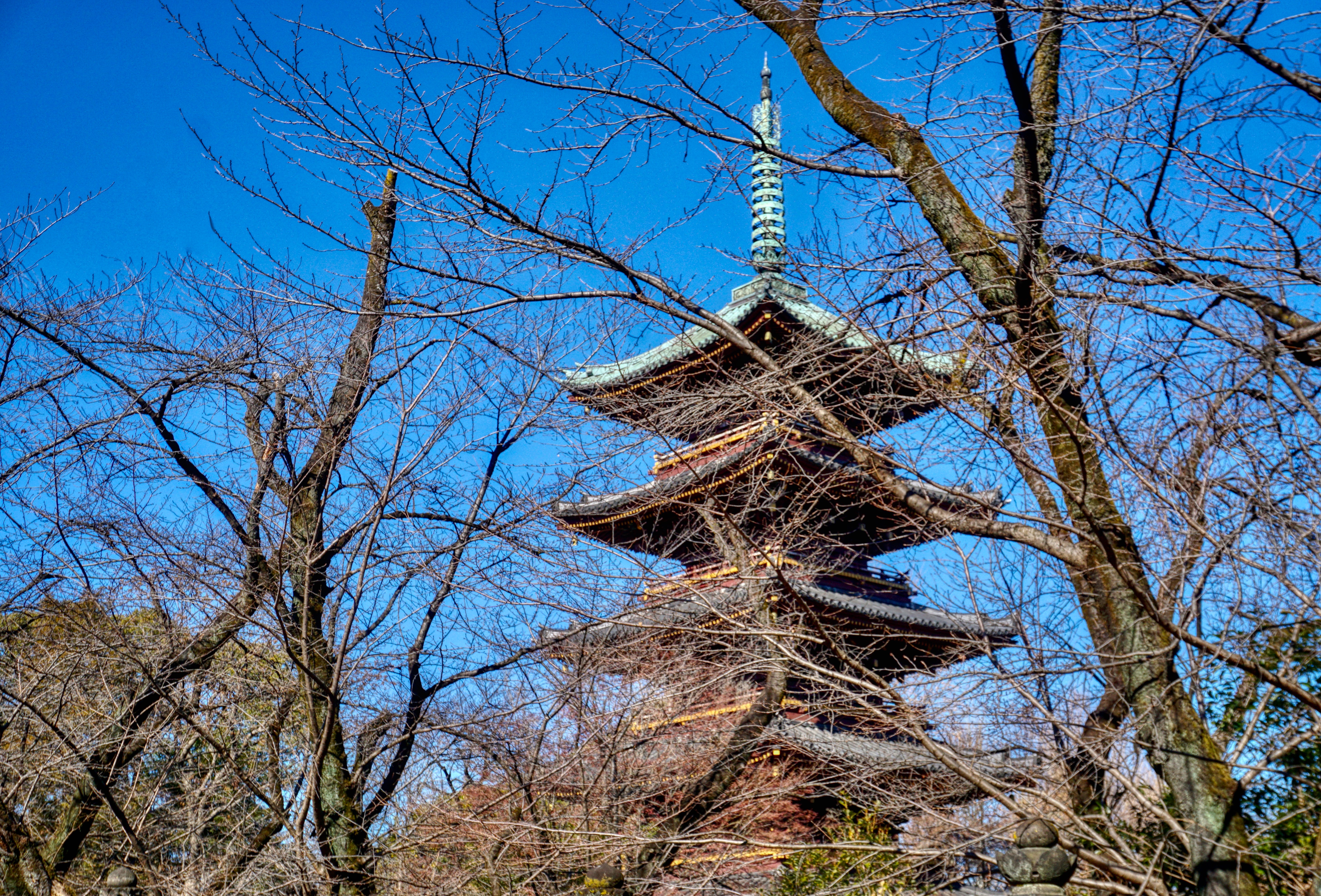
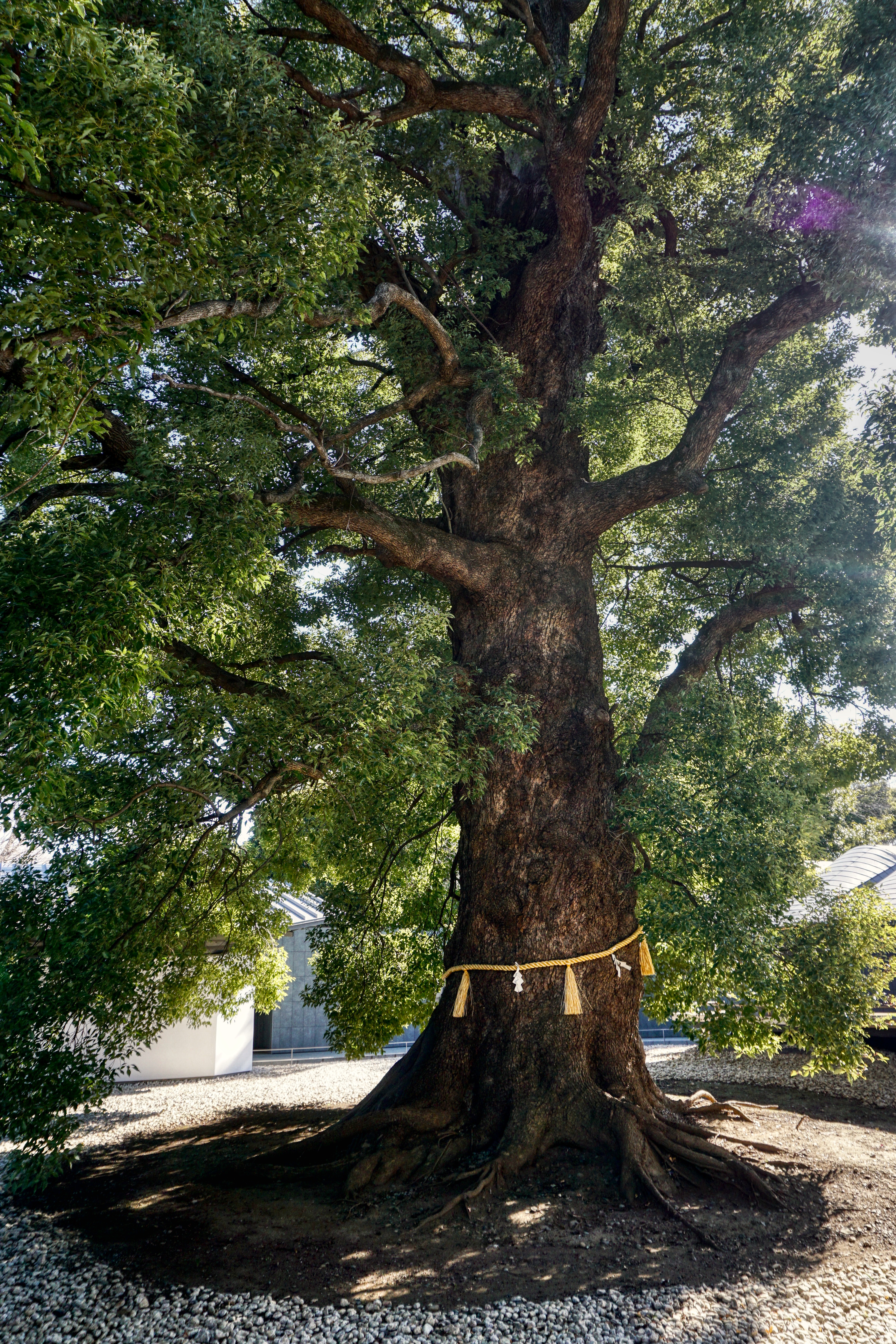
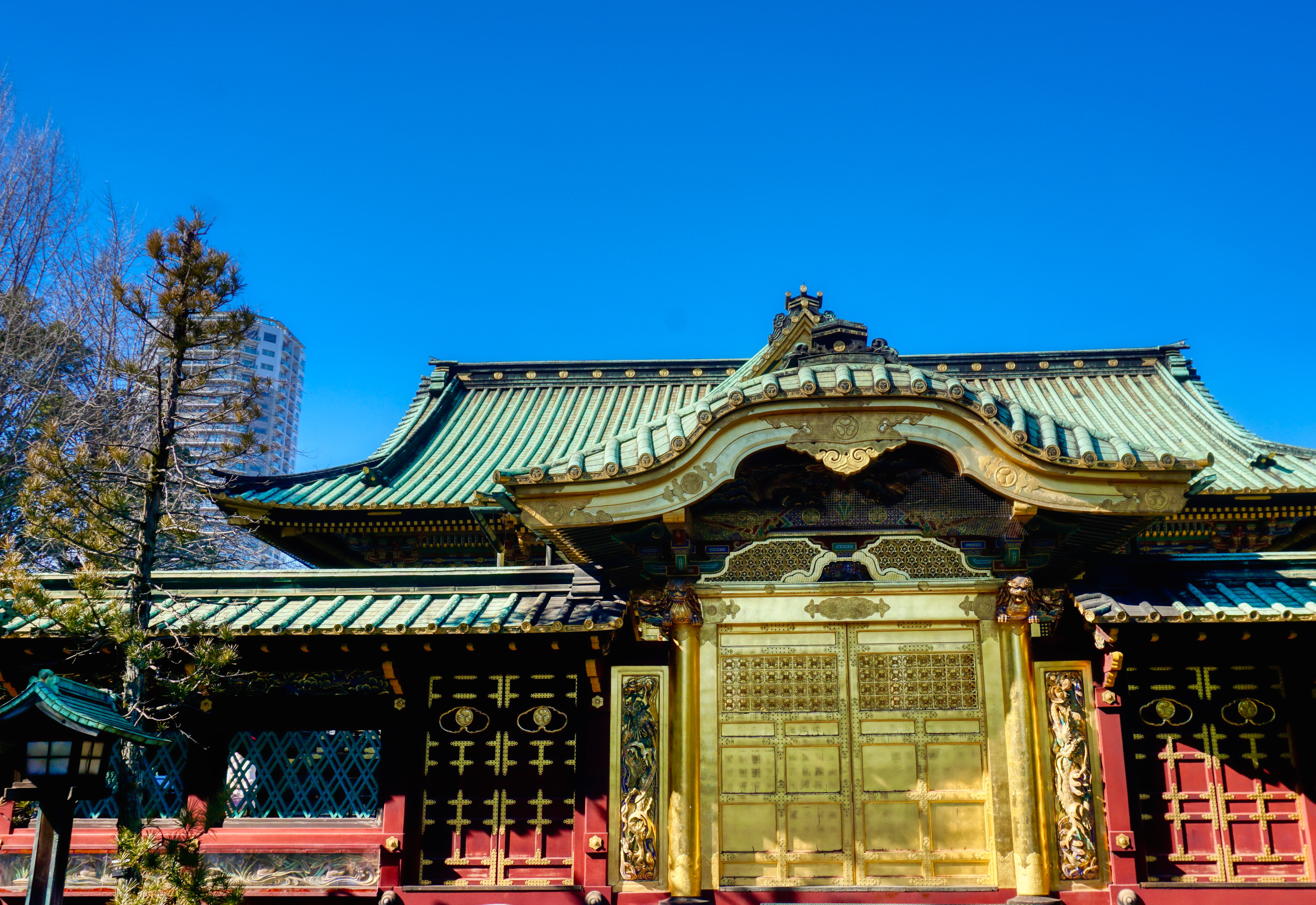
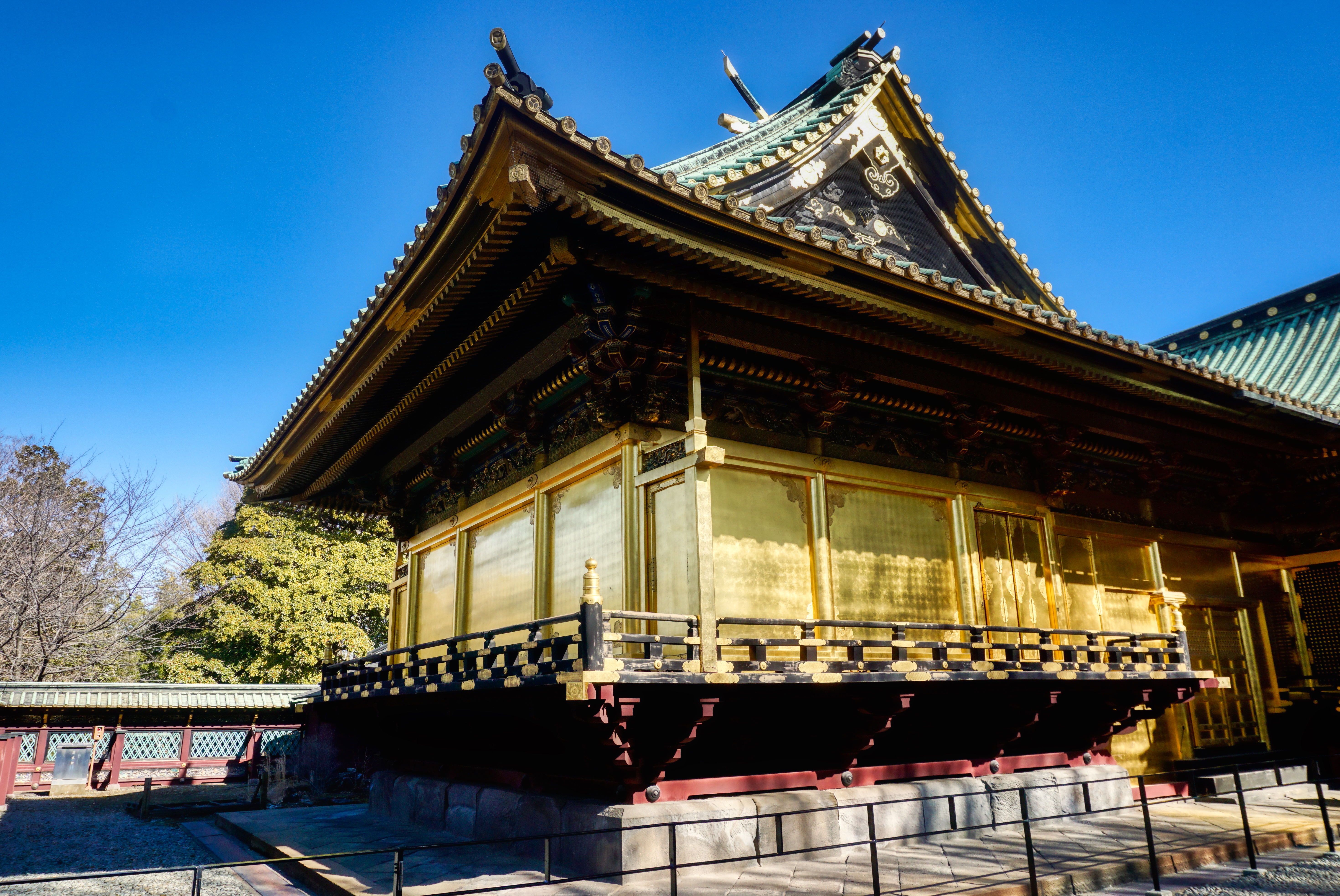
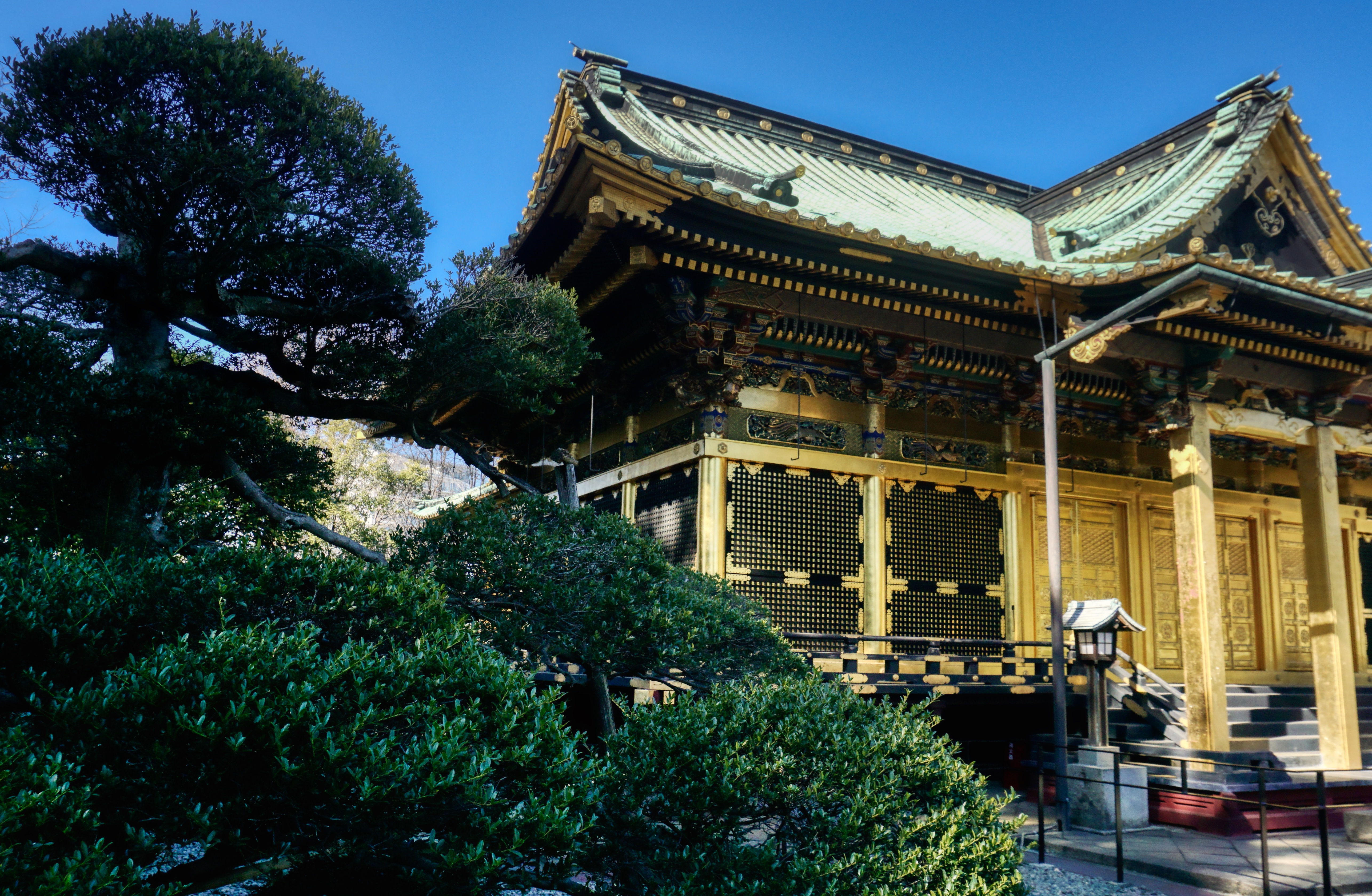
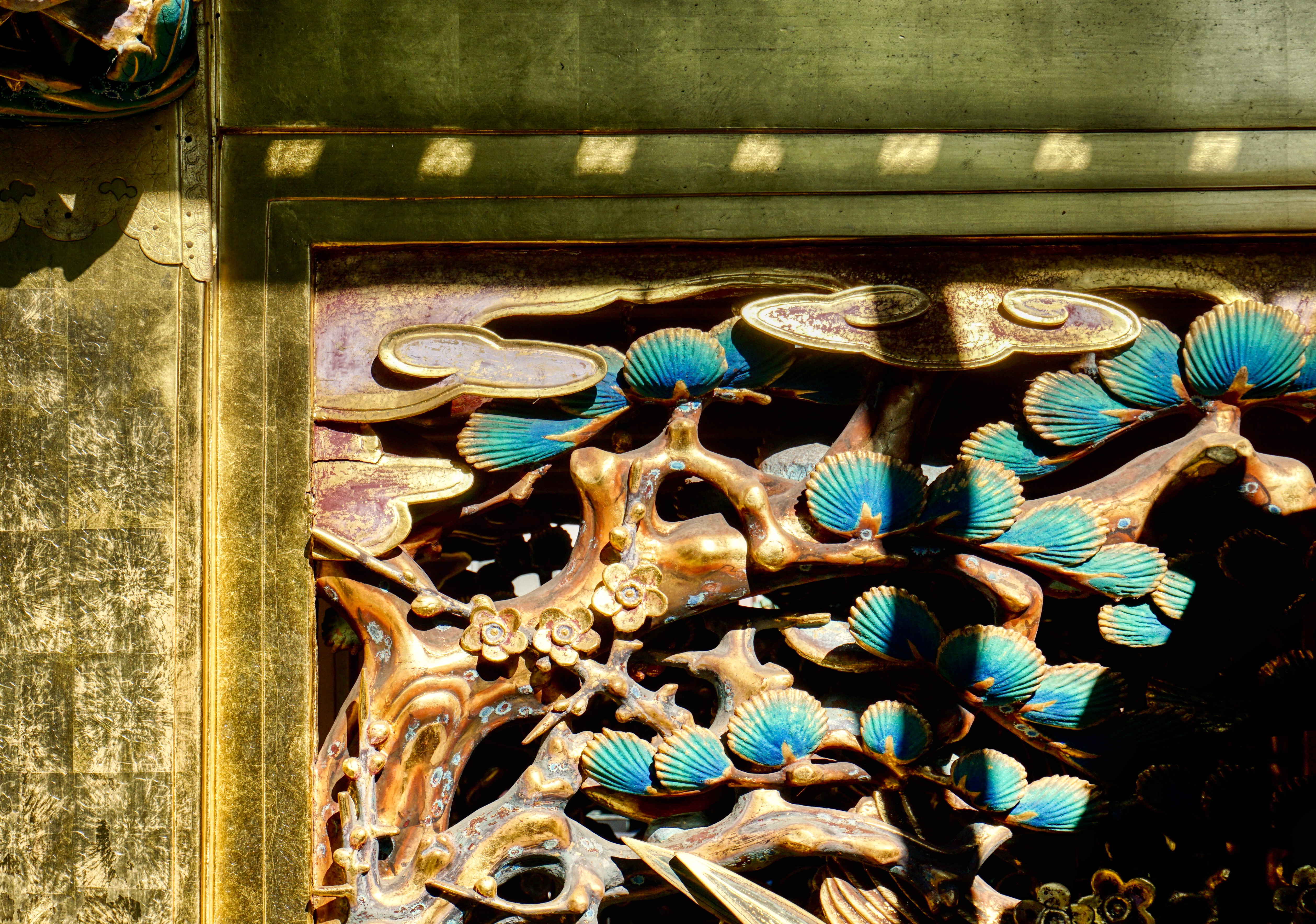
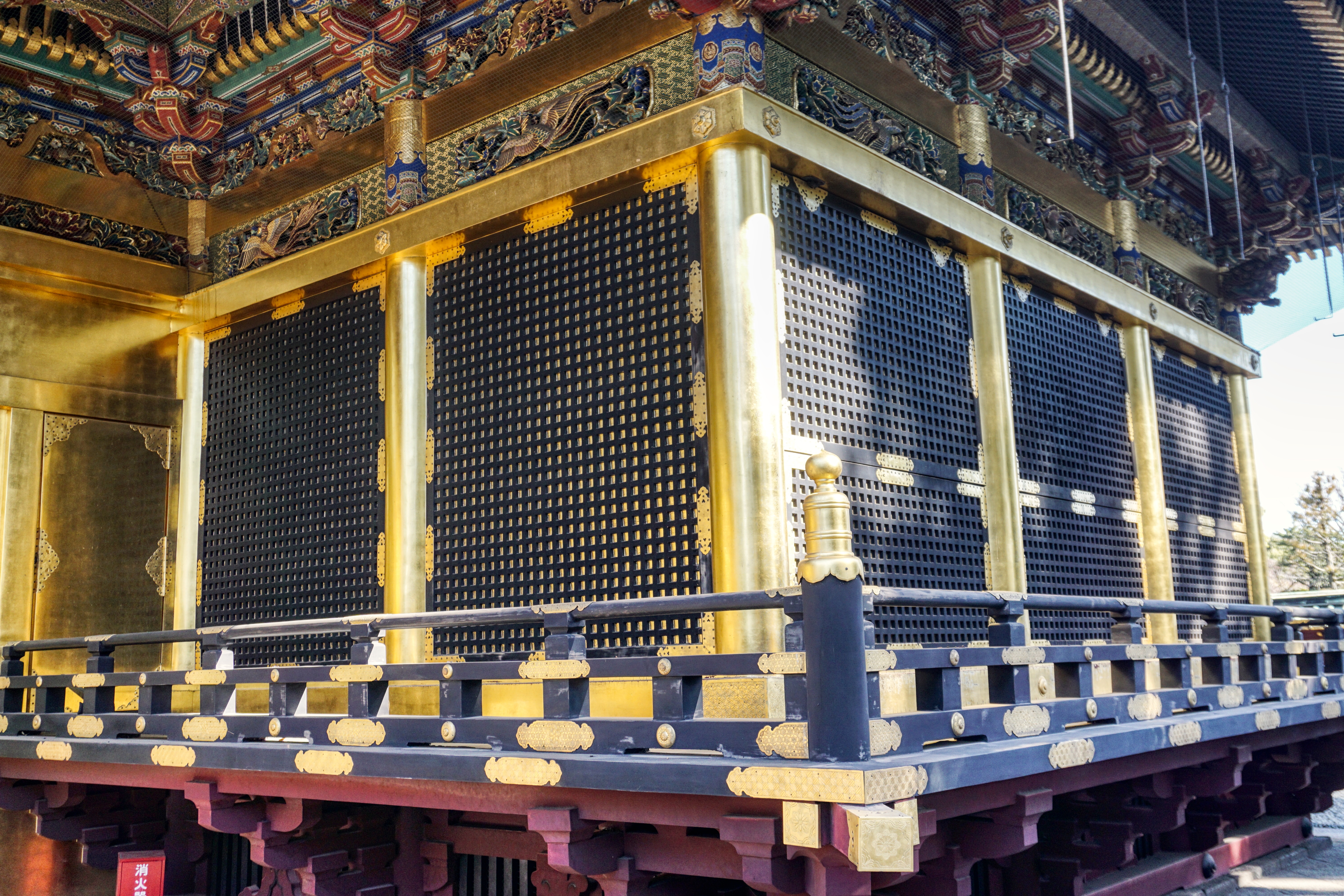
Almost hidden in Ueno is the fabulously gilded Tōshō-gu Shinto shrine, built in 1627 – a rare survivor of fire, earthquakes, wars and WW2 bombing – Edo architecture at its golden best. The Five Storied Pagoda is another rare survivor in Tokyo, somehow escaping first the Great Kanto Earthquake of 1932, then the air raids of WW2. It was built in 1639 and is considered one of the finest structures of the early Edo period. There’s an enormous Camphor tree nearby that’s been estimated to be over 600 years old, so it was here before the Shrine and the Pagoda were even twinkles in their builders’ eyes.
In the heart of Ueno Park is the Tokyo National Museum, the oldest institution of its kind in Japan, dating back to 1872, comprised of several buildings, the main quake and fire-proof of which being opened by the Emperor Showa (honorific name of Hirohito) in 1938, executed in Oriental style with an emphasis on Japanese elegance. It has an impressive Art Deco feel with an Asian twist. Quite beautiful.
We were wondering how the museum fared during the extensive bombing of WW2. To avoid damage and the possible destruction of the national treasures and antiquities, the Museum evacuated the entire collection in 1941, sending it to the Nara Museum as well as other secret locations throughout Japan, with Museum staff transferred to accompany and protect them.
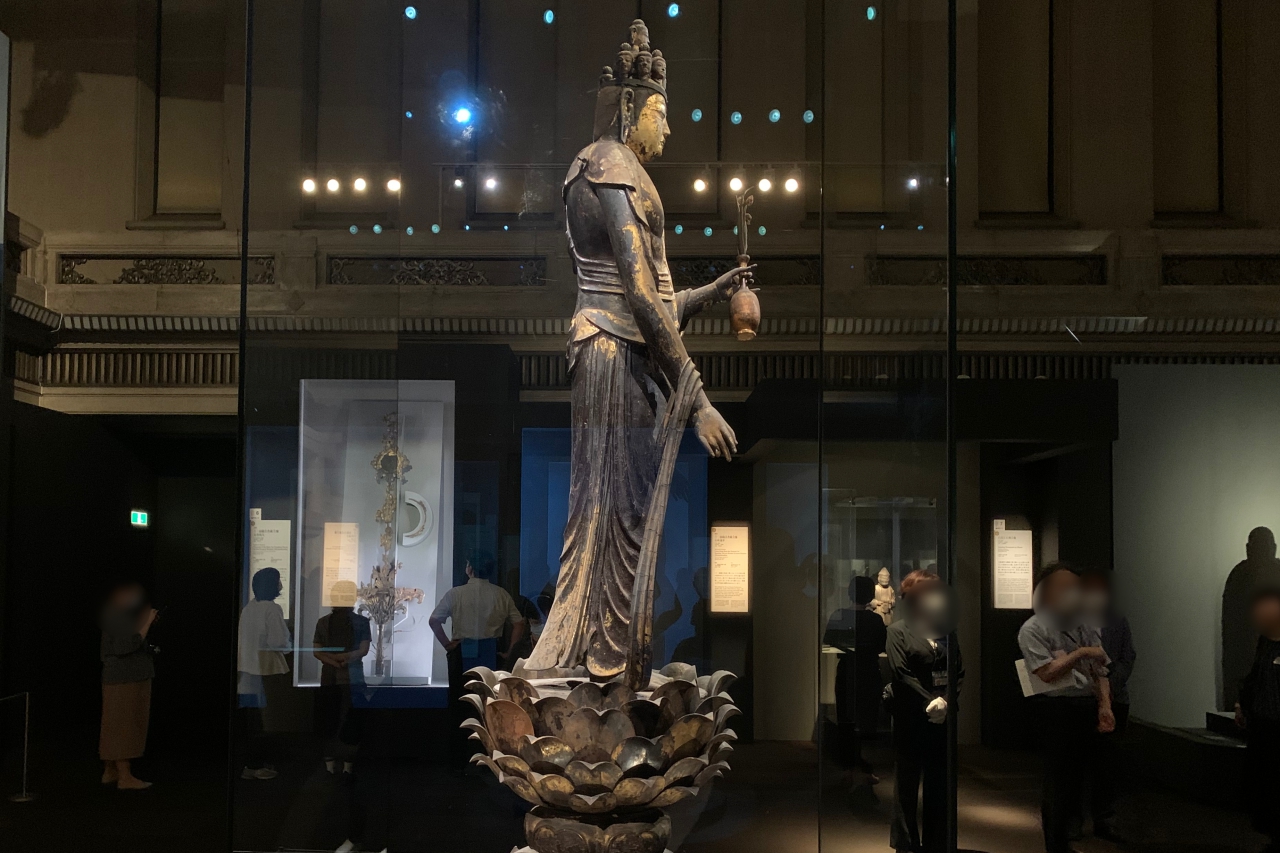
Today, the Museum houses an extensive collection of Japanese treasures, in particular, the Honkan (Japanese Gallery), which is designed to give visitors a crash course in Japanese art and history – and it does this extremely well. Also, the artefacts here are rotated on a regular and seasonal basis, so nothing remains static. There’s always something new to see. How’s that for ingenuity! I know many a Museum around the world that could be inspired by this strategy.
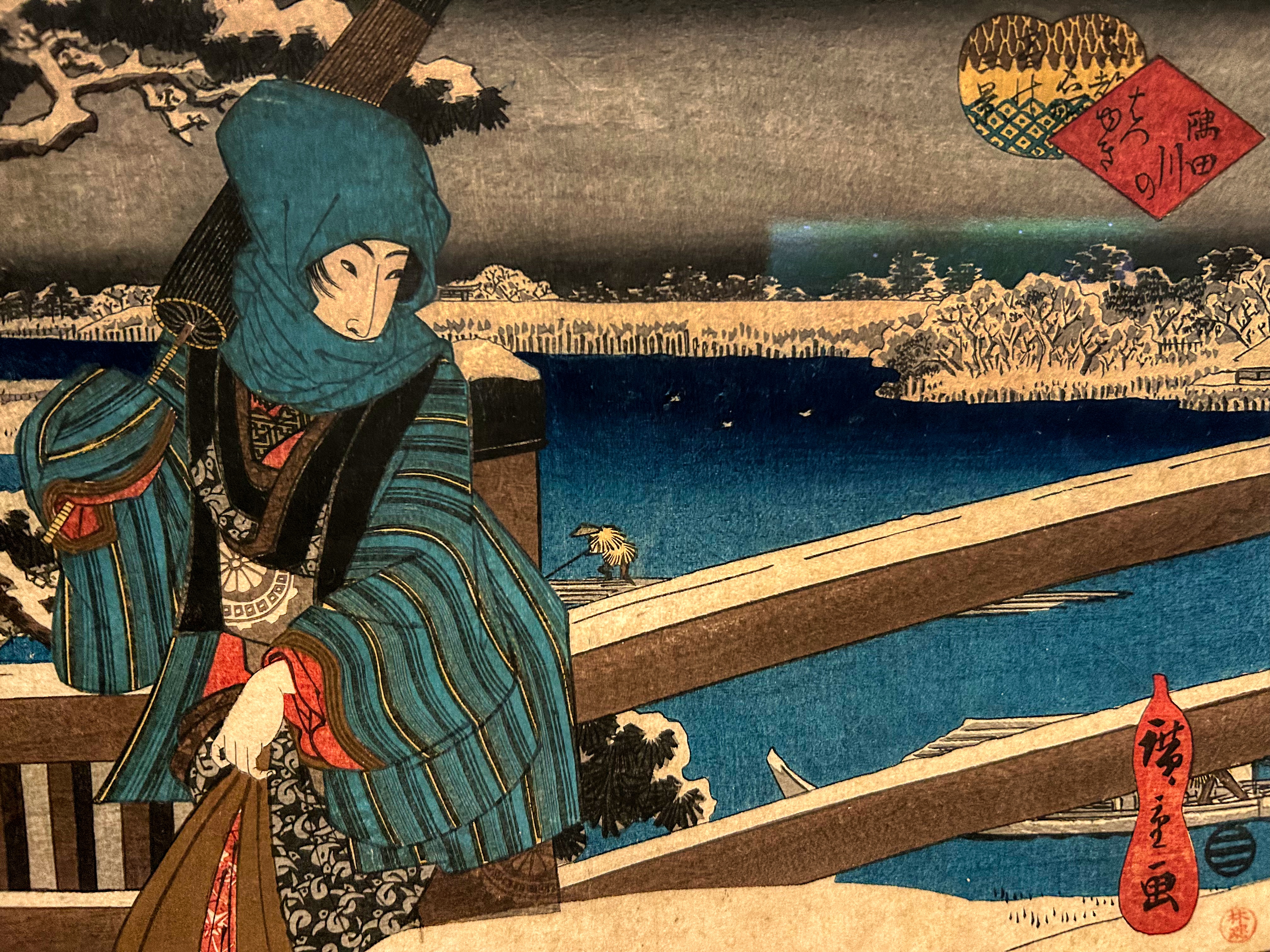
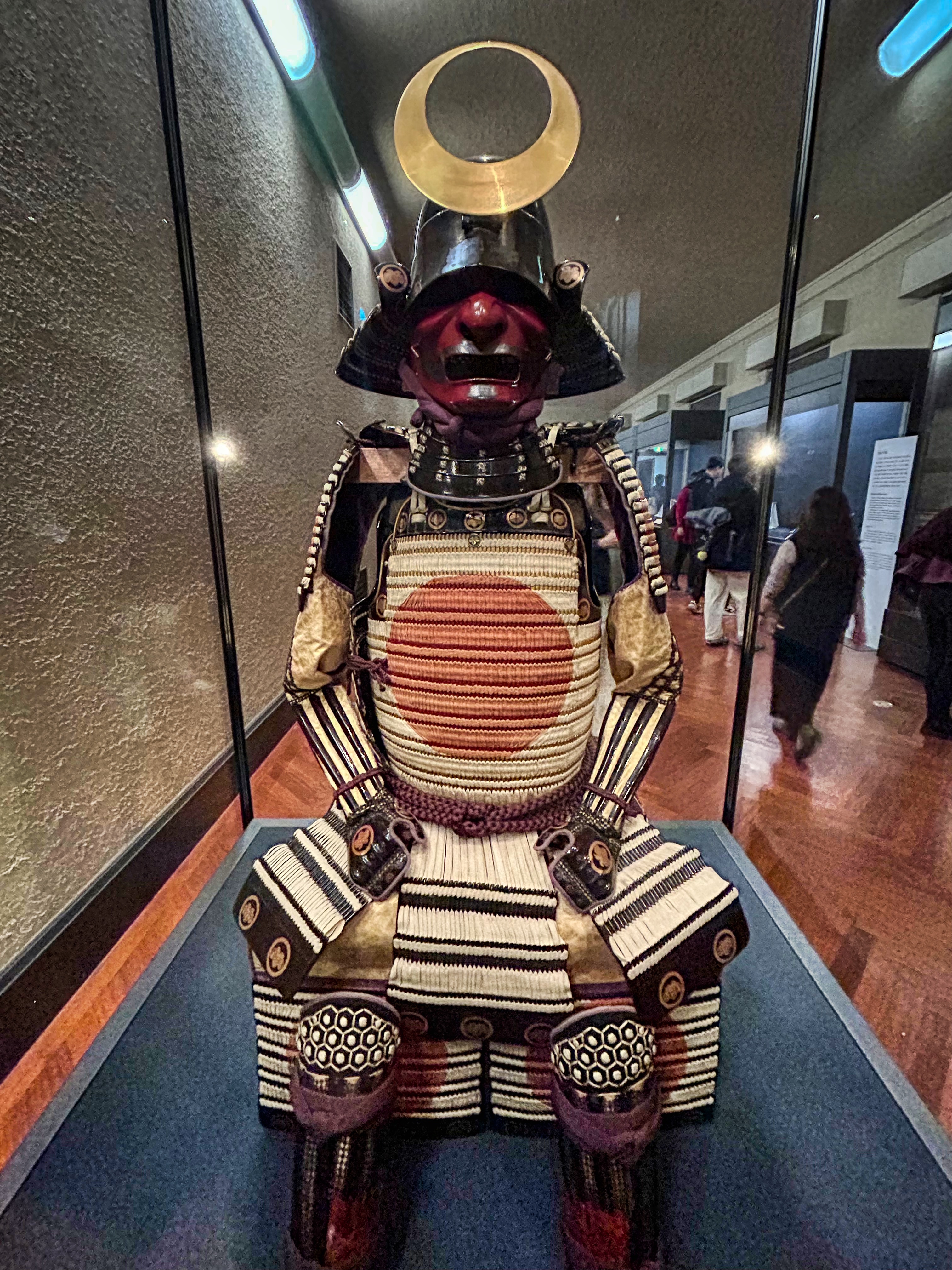
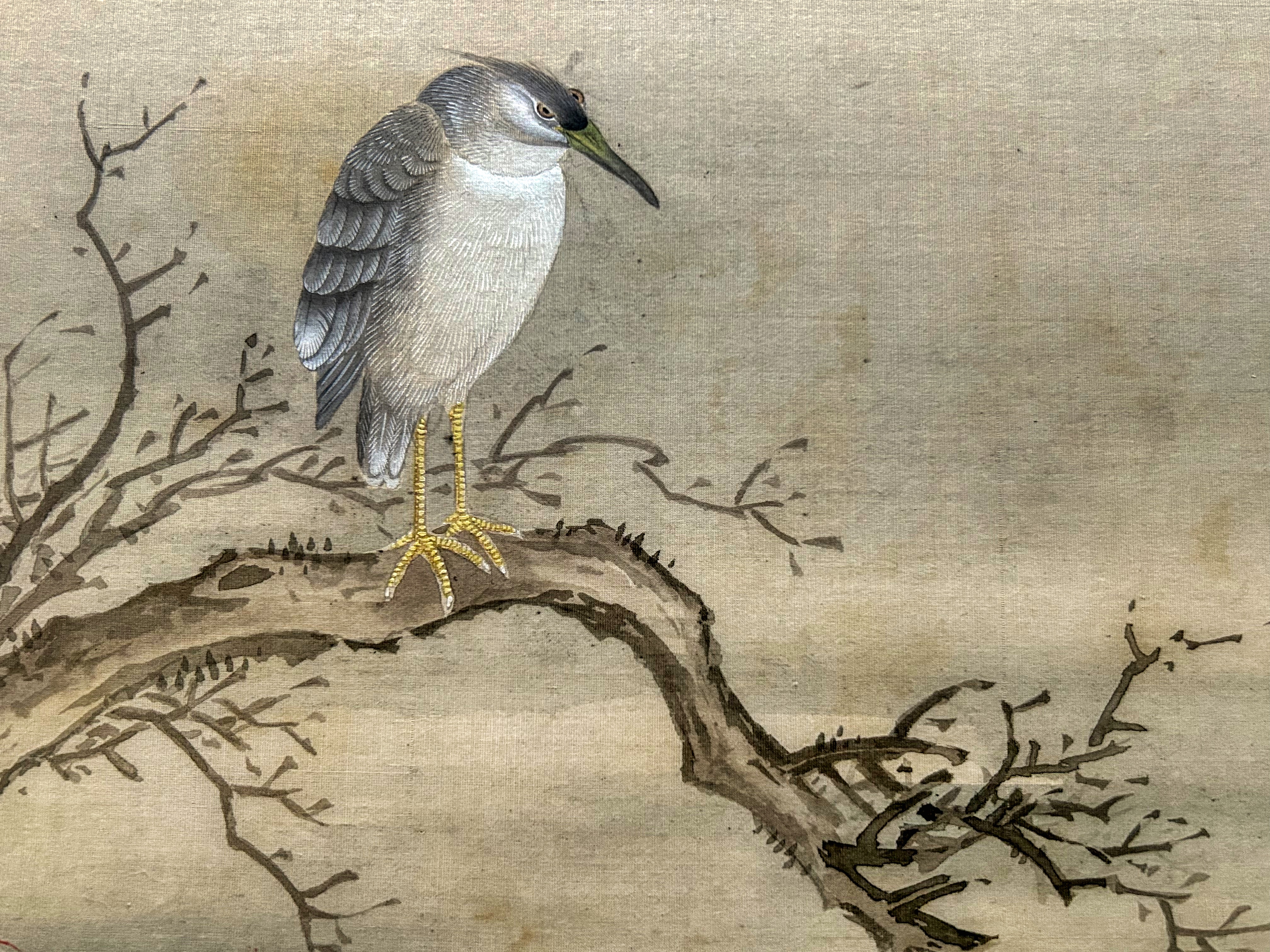
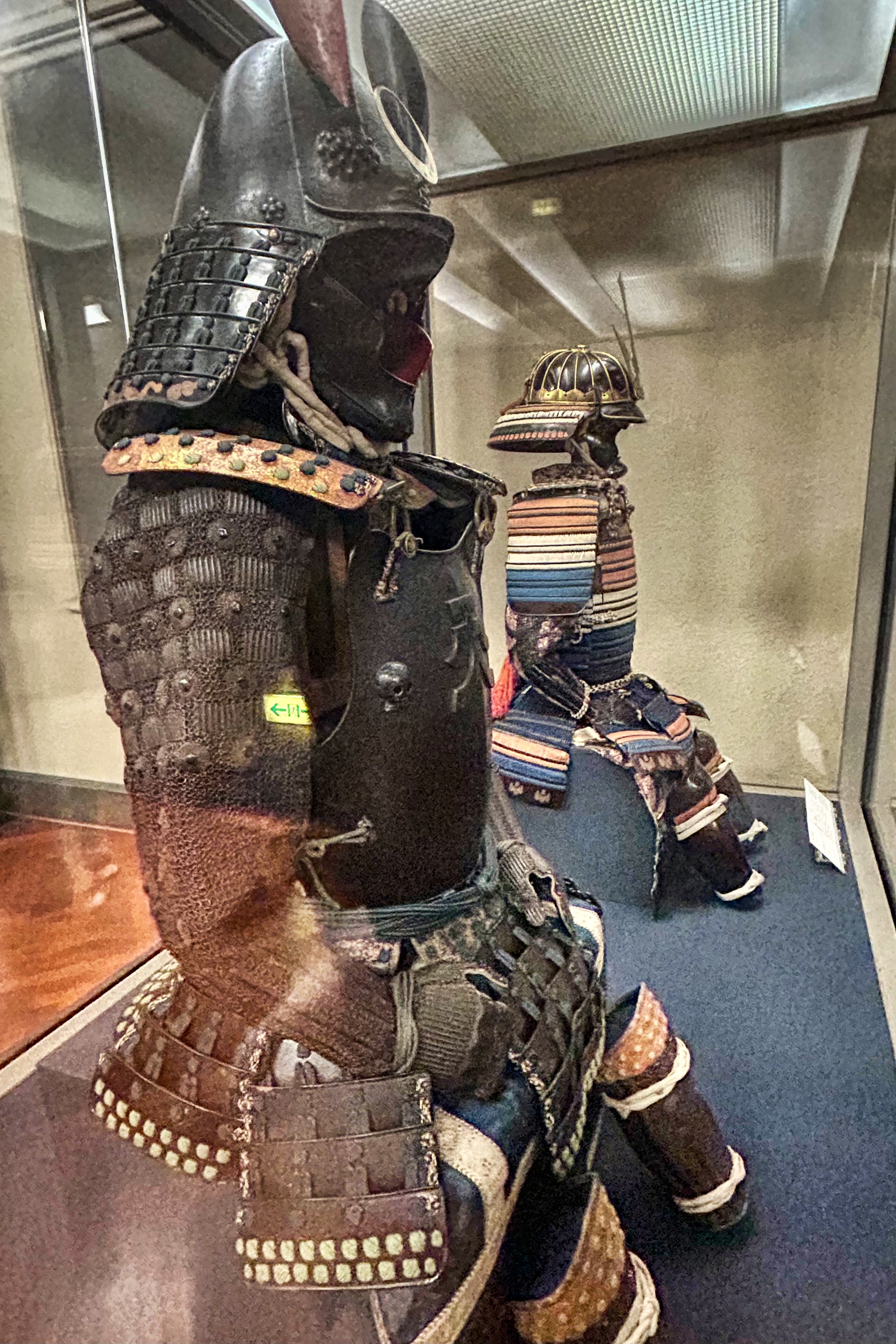
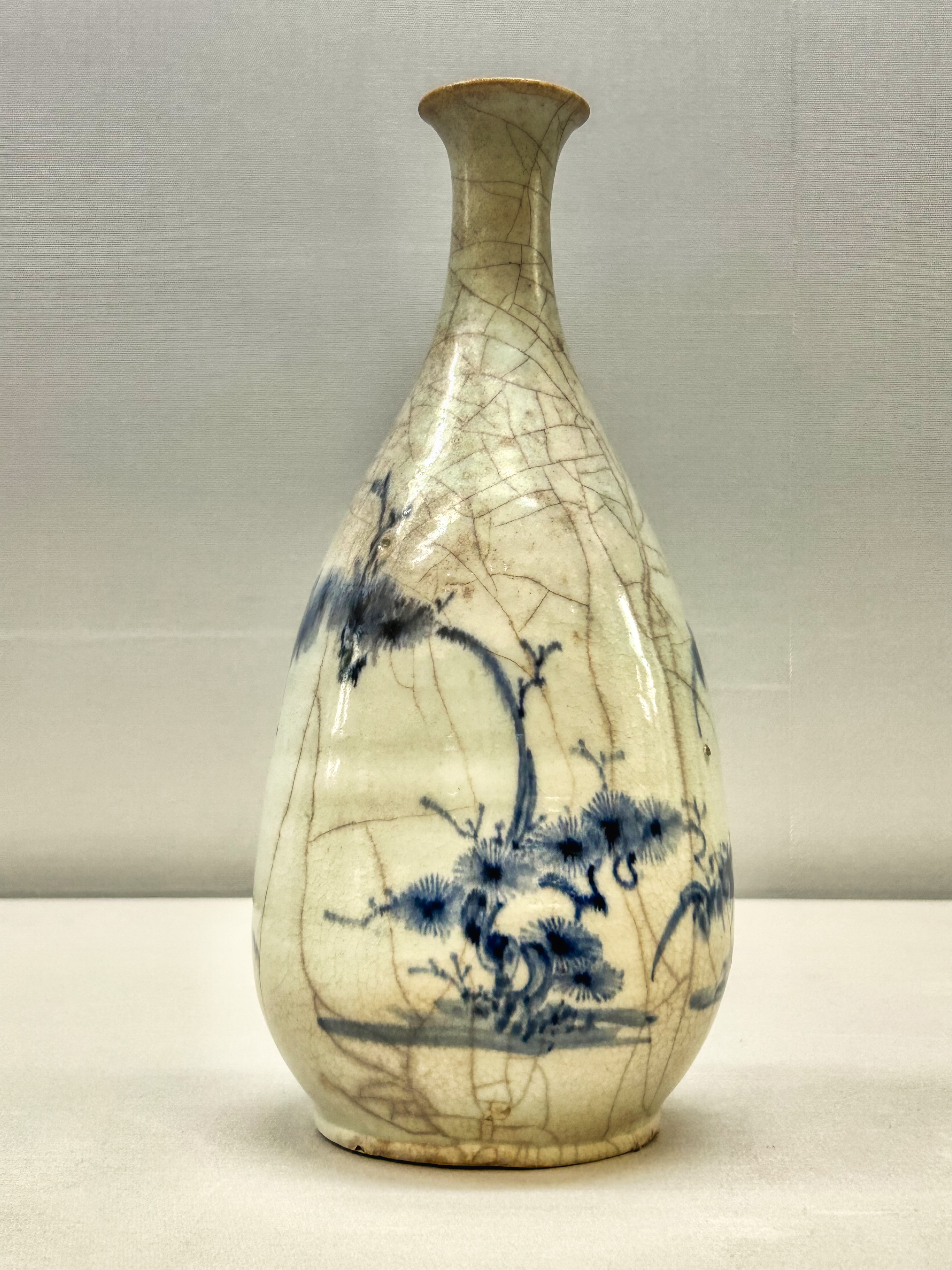
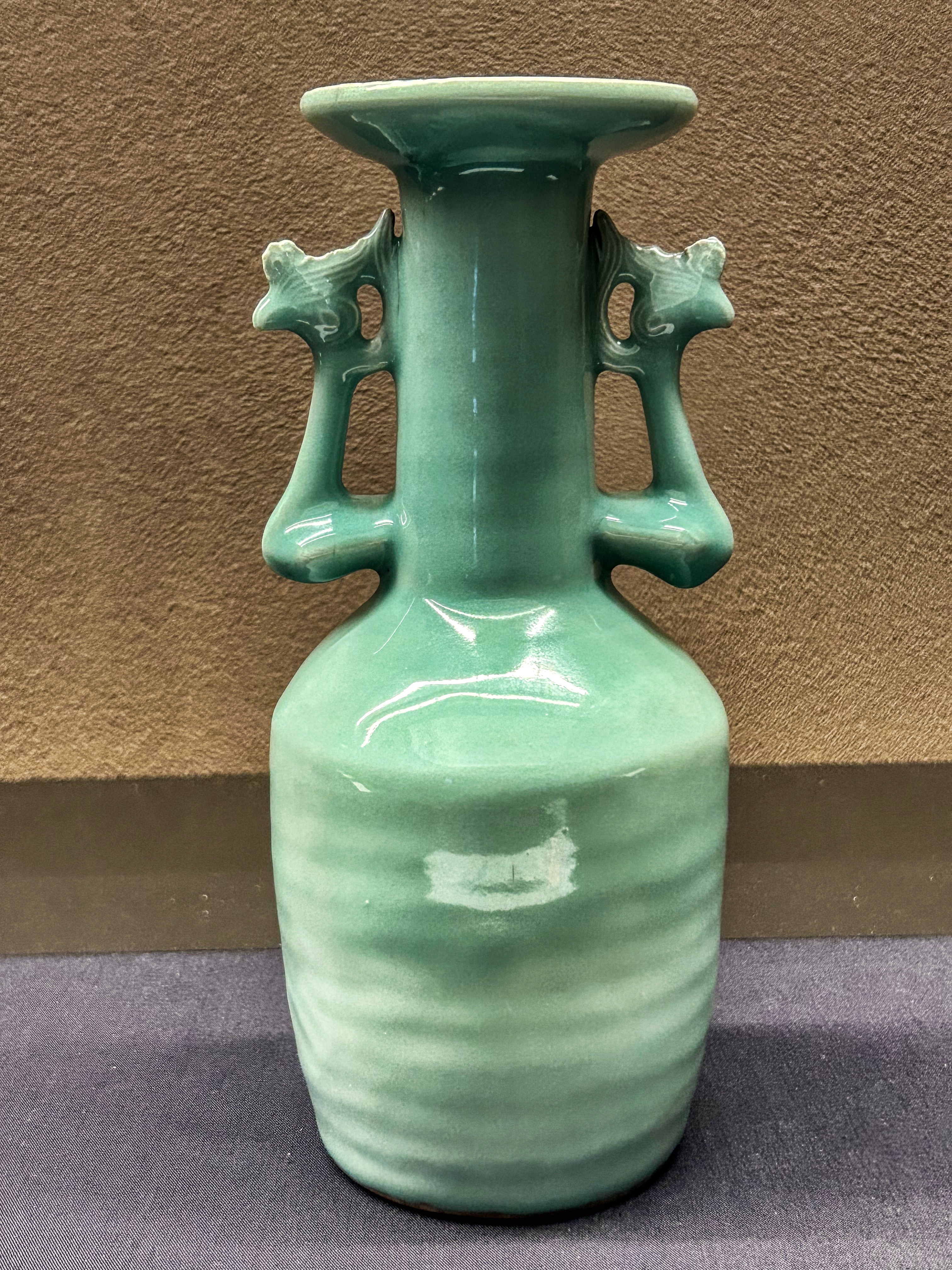
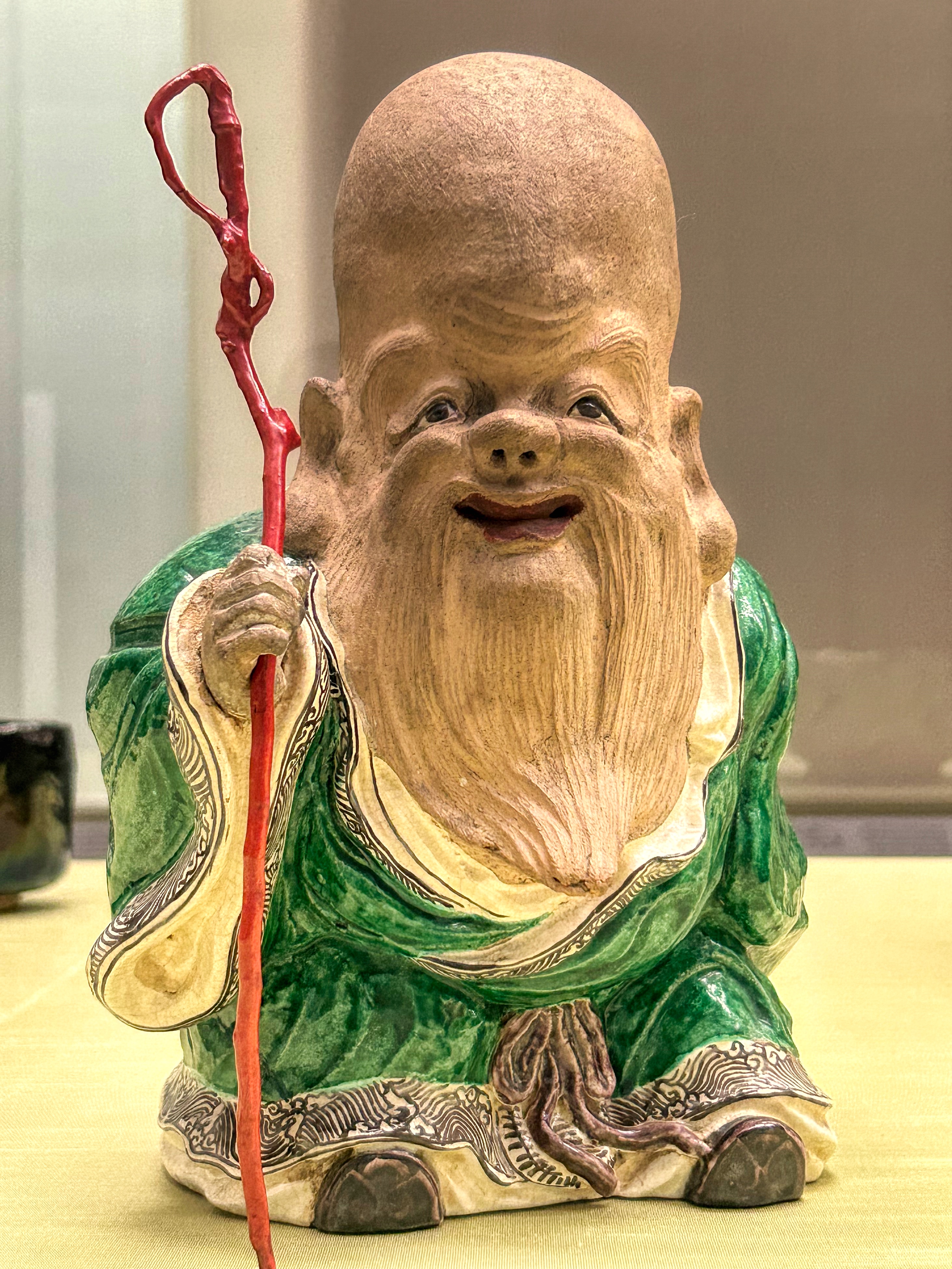
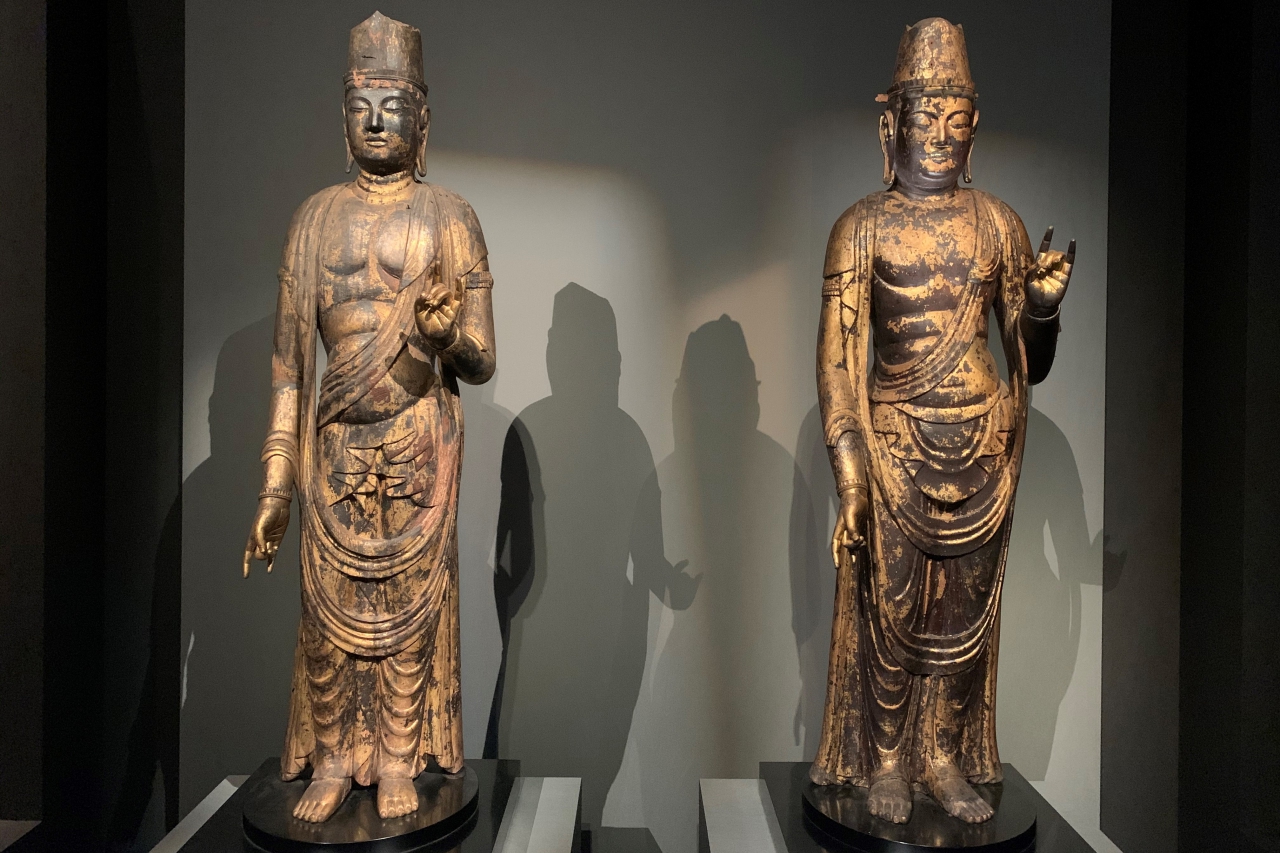
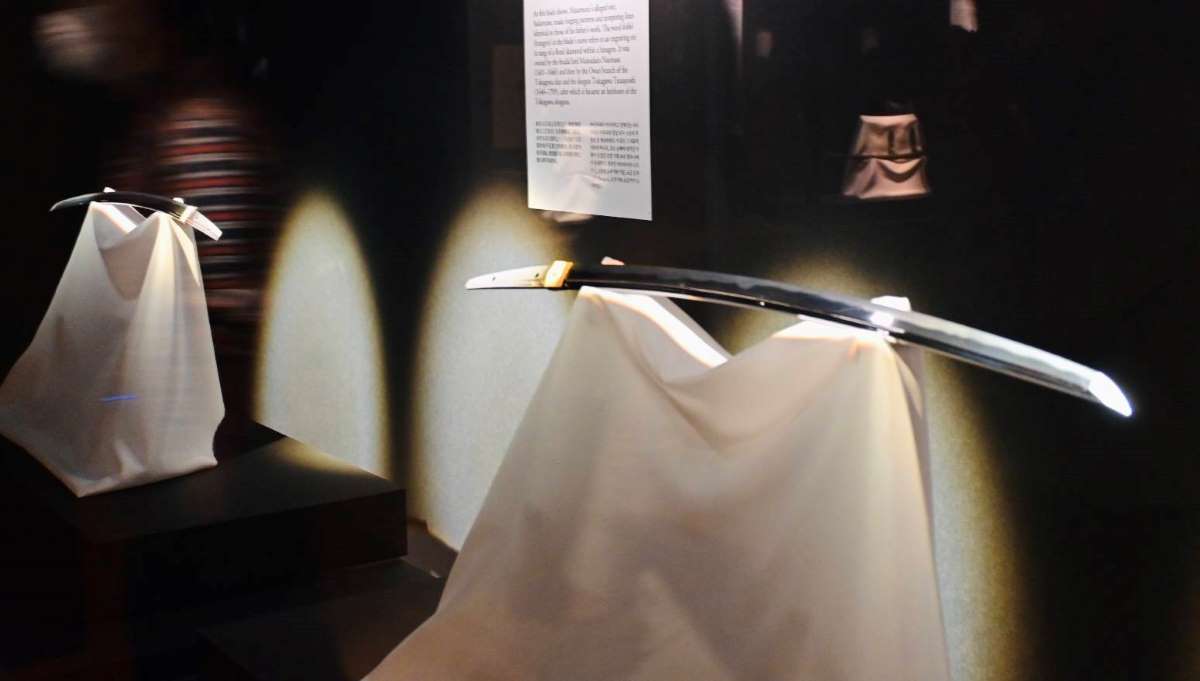
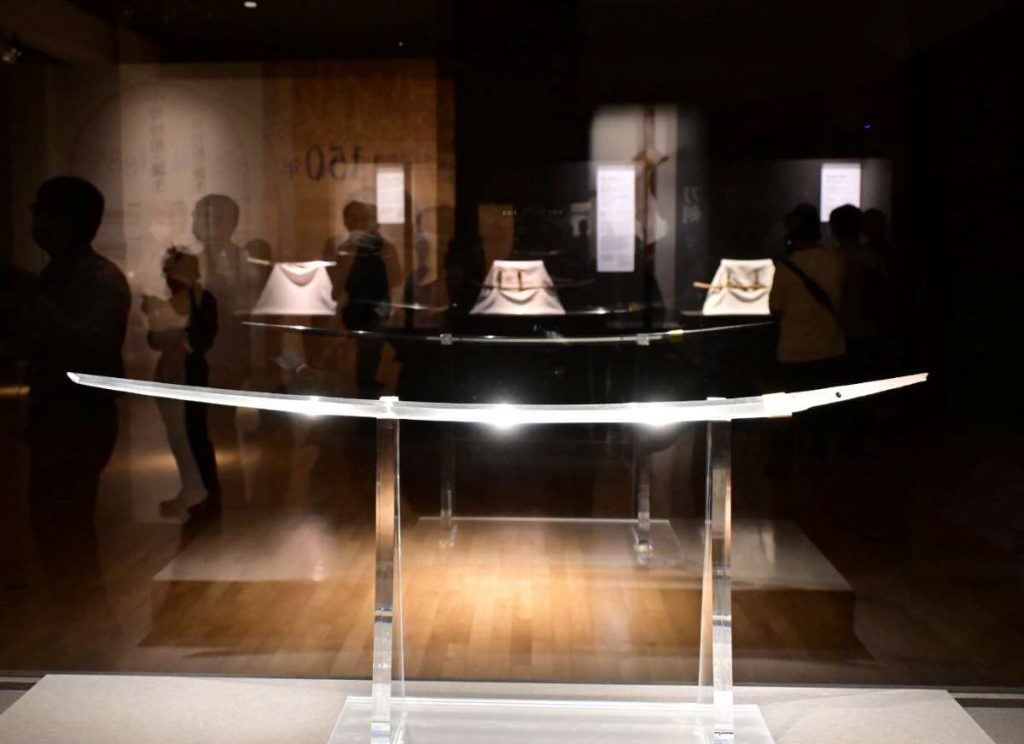
The National Treasure Gallery contains objects awarded the highest distinction to a work of art in Japan, so it’s packed with gorgeous objects – woodcut illustrations from the 18th and 19th century; Samurai Armour and Swords, exquisitely crafted in steel dating, in some cases, to the 13th century!; Kimonos of the 17th and 18th centuries; Tea Ceremony Pottery and Ming Dynasty Chinaware; Ainu and Ryūkyū cultural artefacts from the indigenous peoples of Hokkaido and the Ryūkyū Islands, southwest of Japan near Taiwan. Fascinating stuff! And lastly, if that wasn’t enough on this wet wintry morning, the Gallery of Hōryū-ji Treasures with over 300 pieces donated to the Imperial Household in 1878 of mainly 7th and 8th century marvels – bronze and gold Buddhist Statues, Masks, Wooden, Lacquer and Metal pieces, Calligraphy, Painting and Textiles.
This is an enormous Museum that requires days, if not weeks, to get around. Sadly, we only had a few hours but it’s a definite highlight of Tokyo and a must see.
https://www.japan-experience.com/all-about-japan/tokyo/museums-galleries/horyuji-treasures
 Travels With My Ant
I love the statue of the little old guy in green, with the red staff, seemingly channeling the spirit of old dudes leering at the Pandariffic gilt performers 👏 it all looks quite amazing
LikeLike