

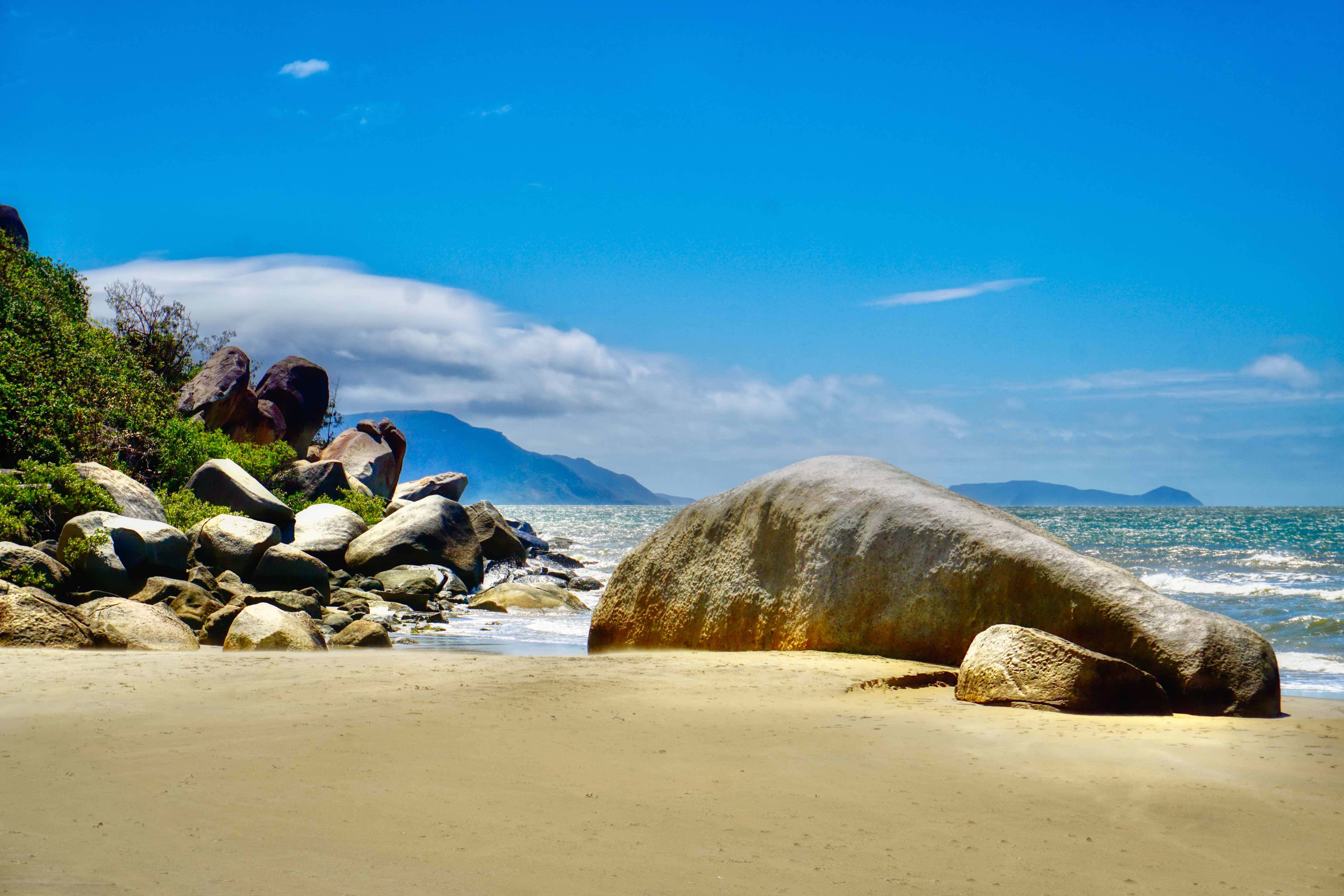

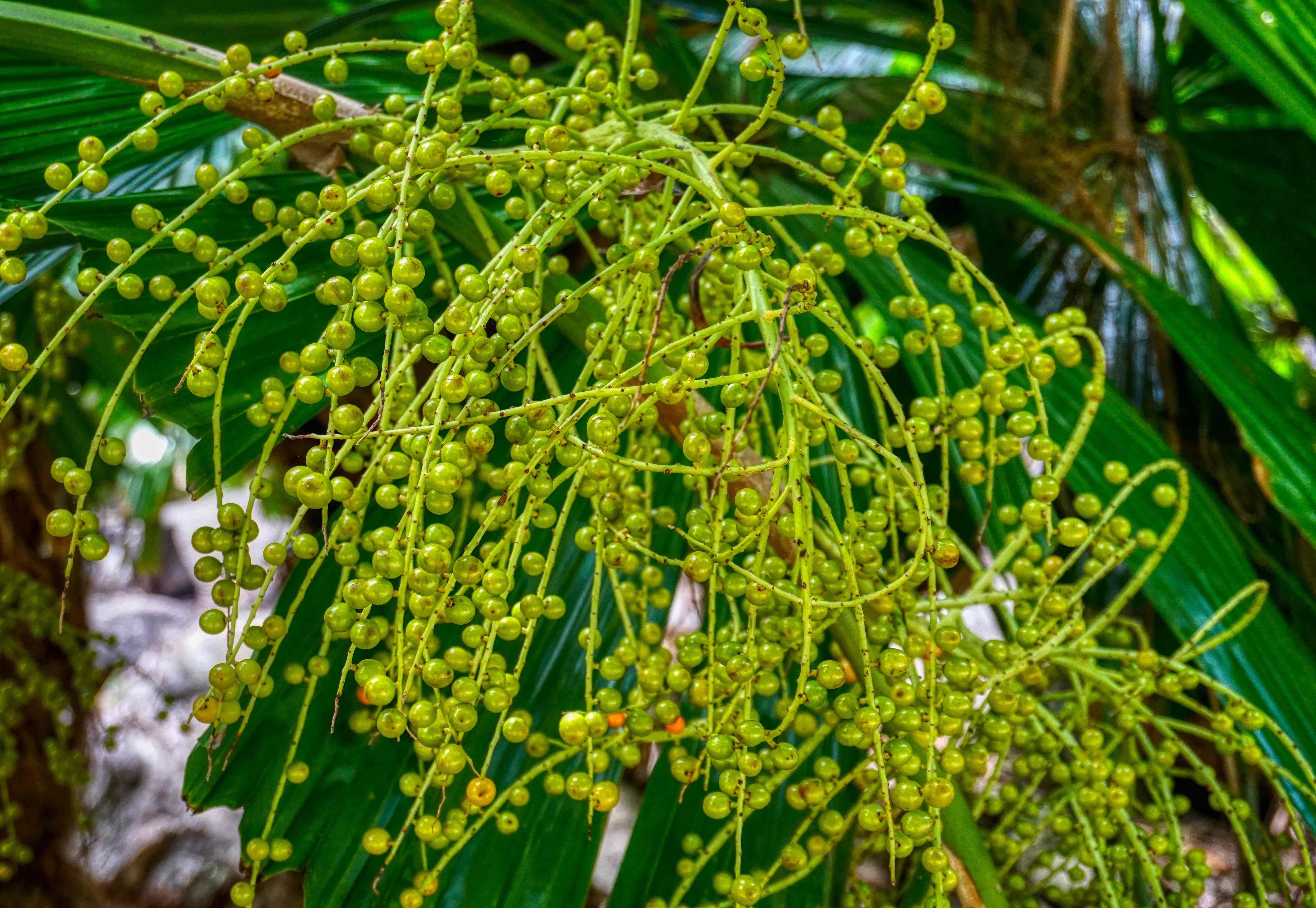
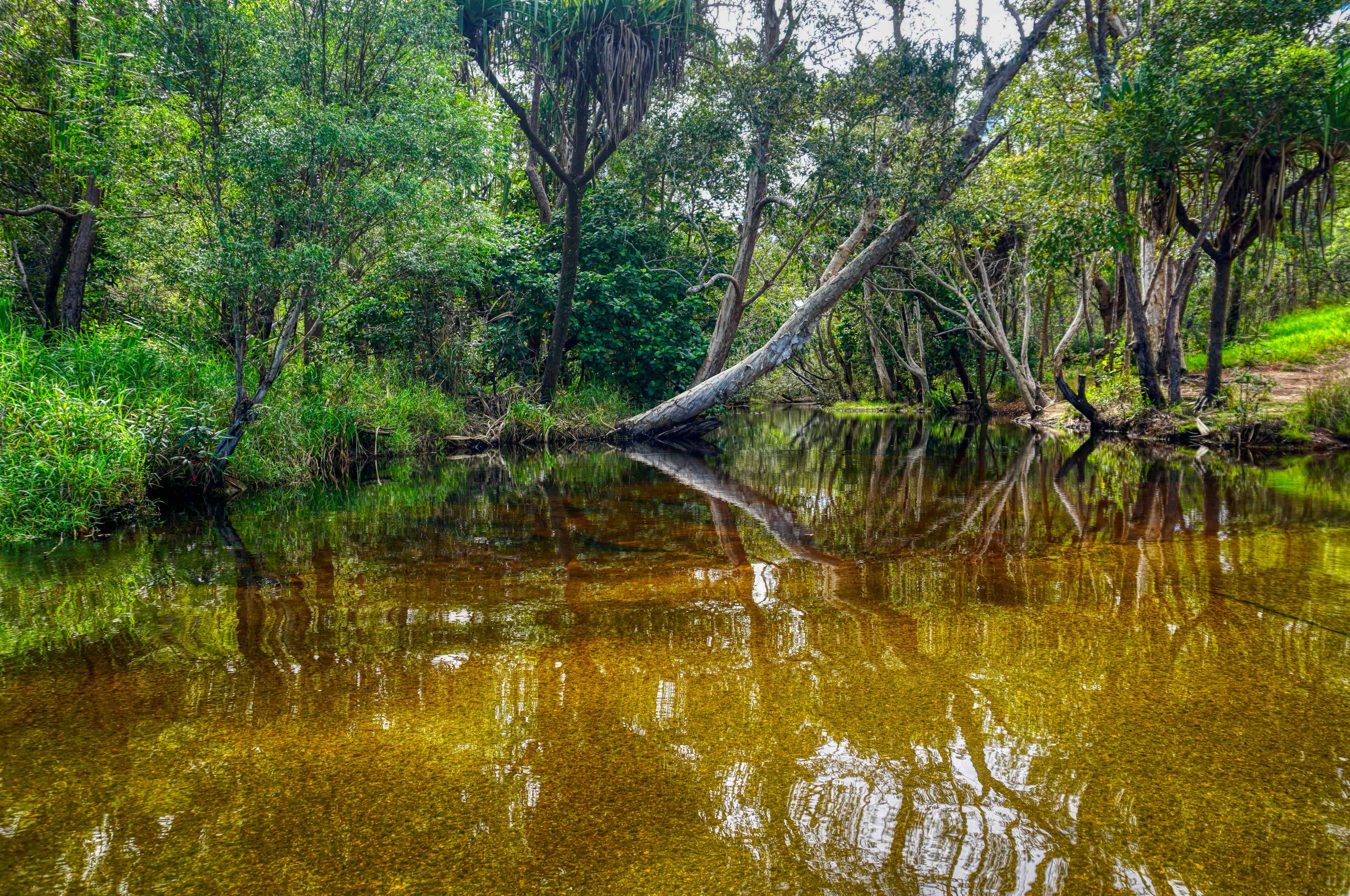

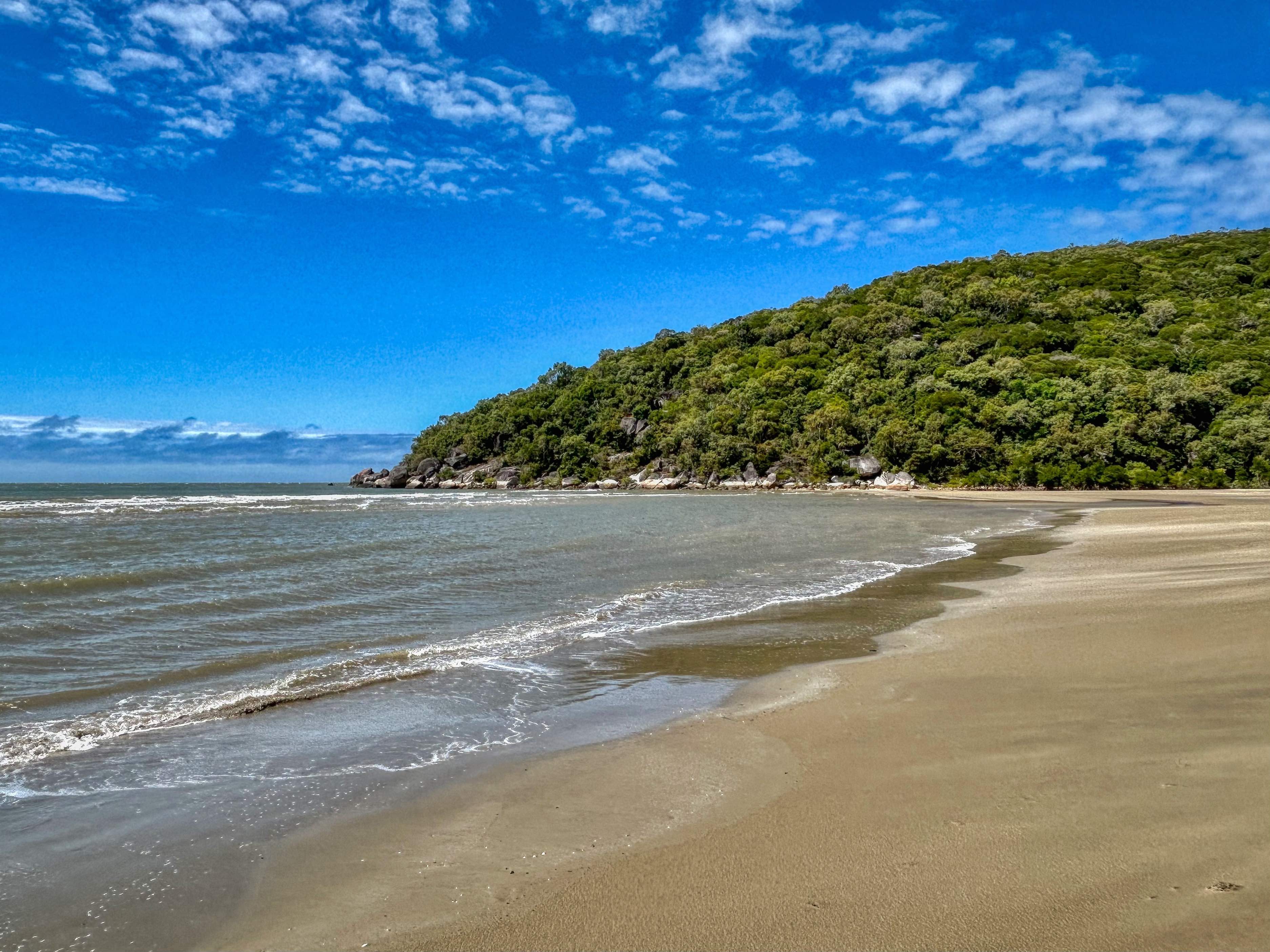
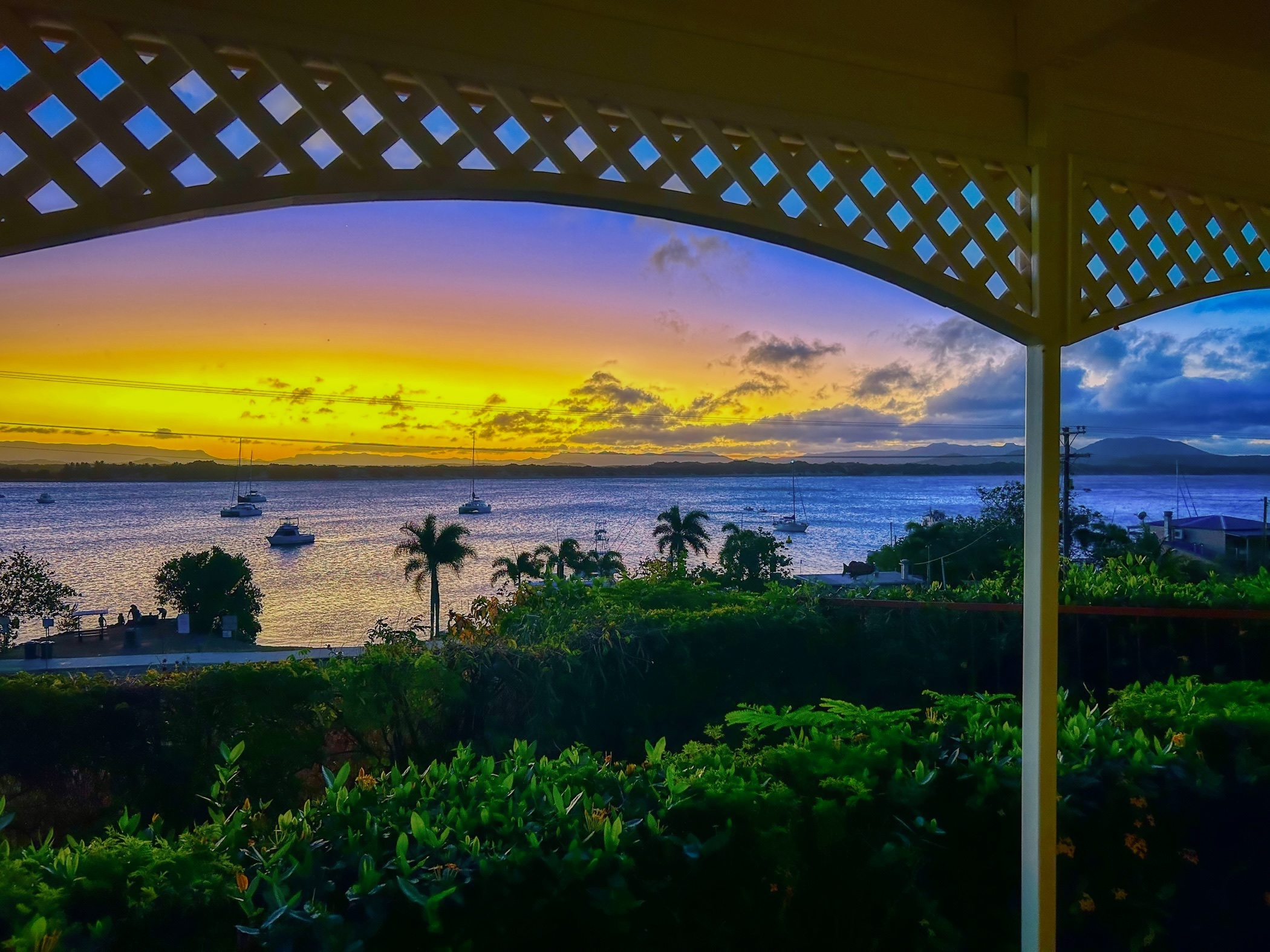
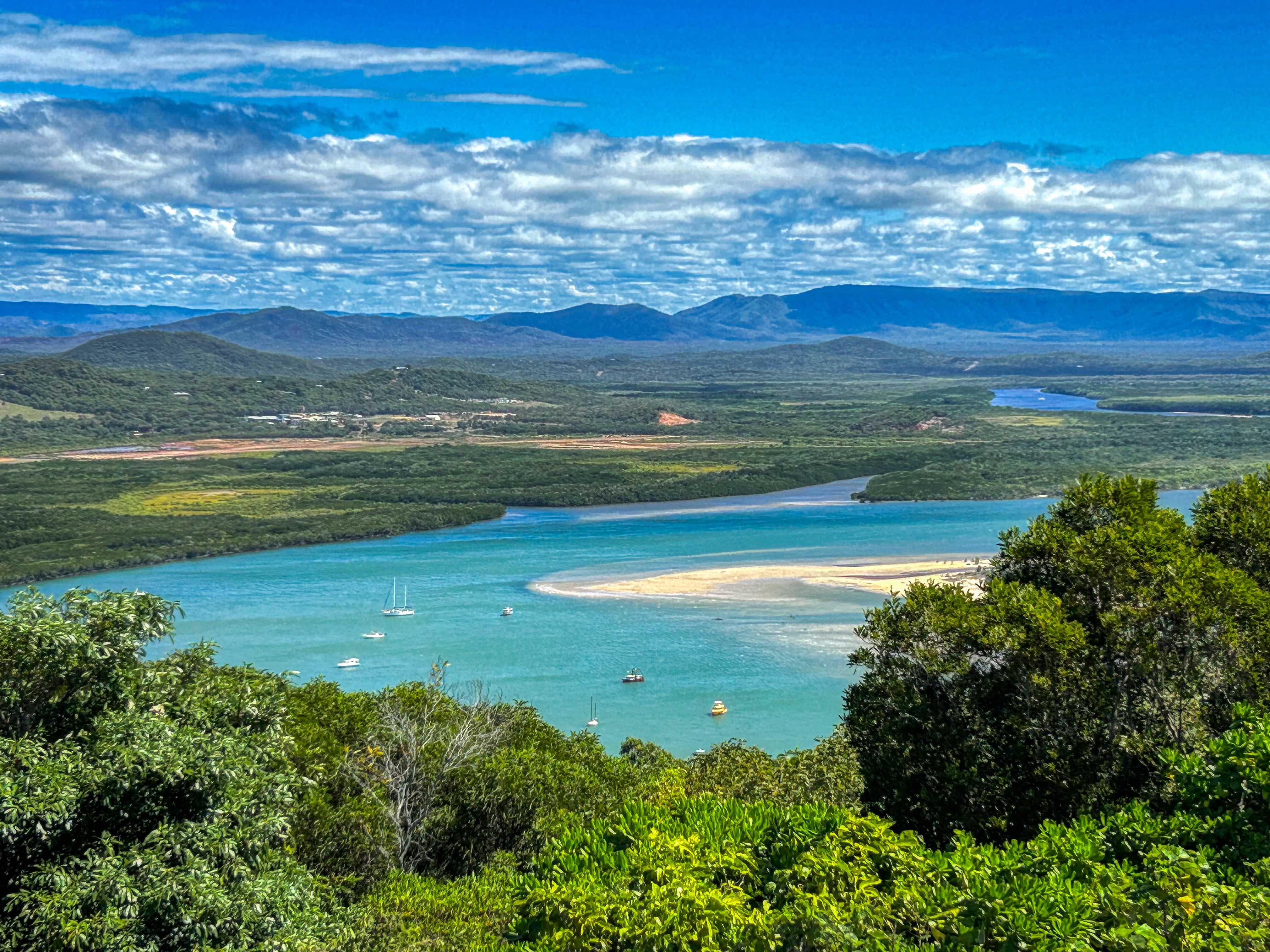

There are a couple of ways to reach Cooktown, some 326k’s north of Cairns. There’s the inland sealed route that takes you up from the tropical rainforest coast to the dry tableland ranges and the inland outback of Cape York. It’s around a 4-hour comfortable drive on a two-lane ‘highway’ that takes in some spectacular far-reaching mountainous dry country around and above the lush tropical Daintree Rainforest.
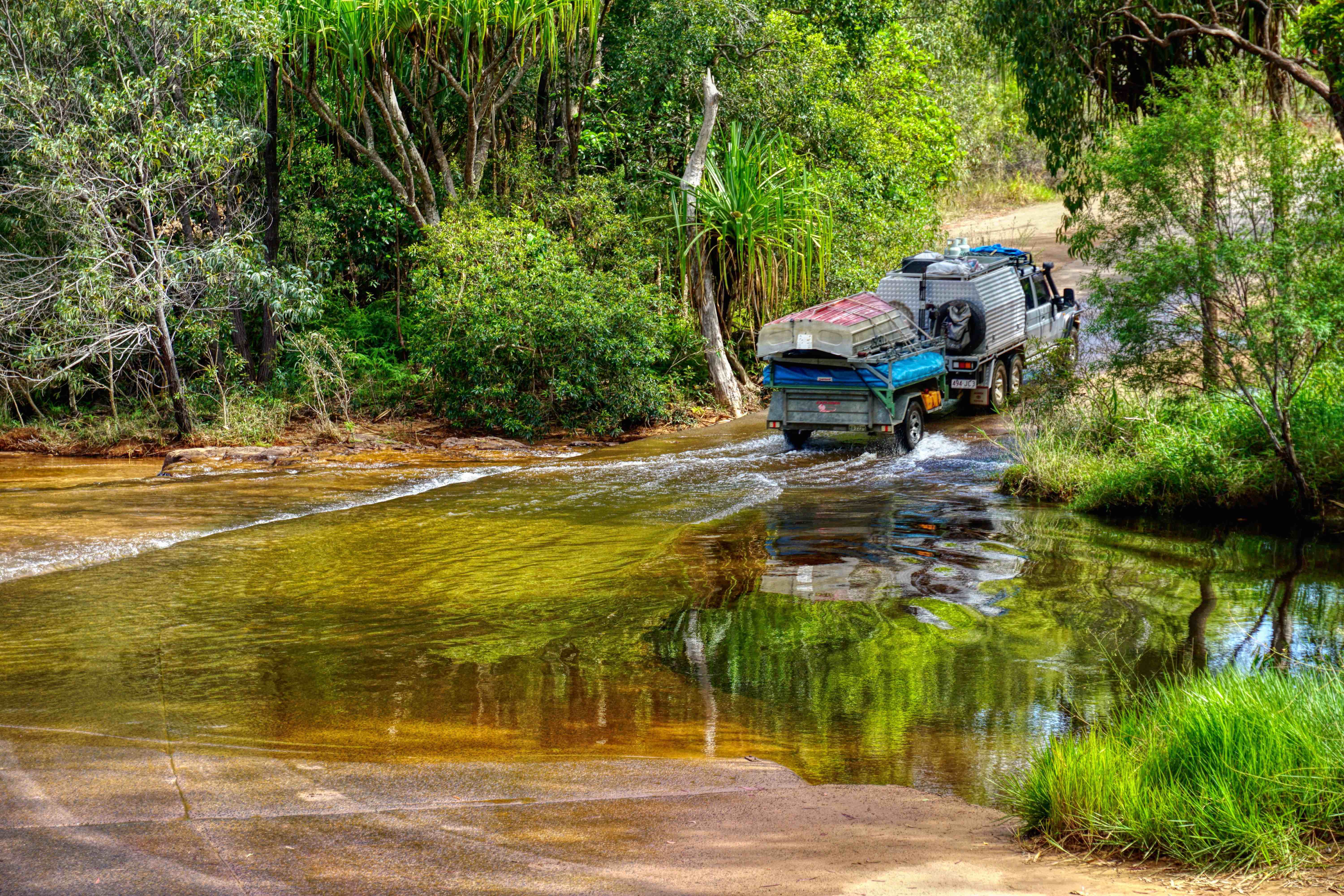
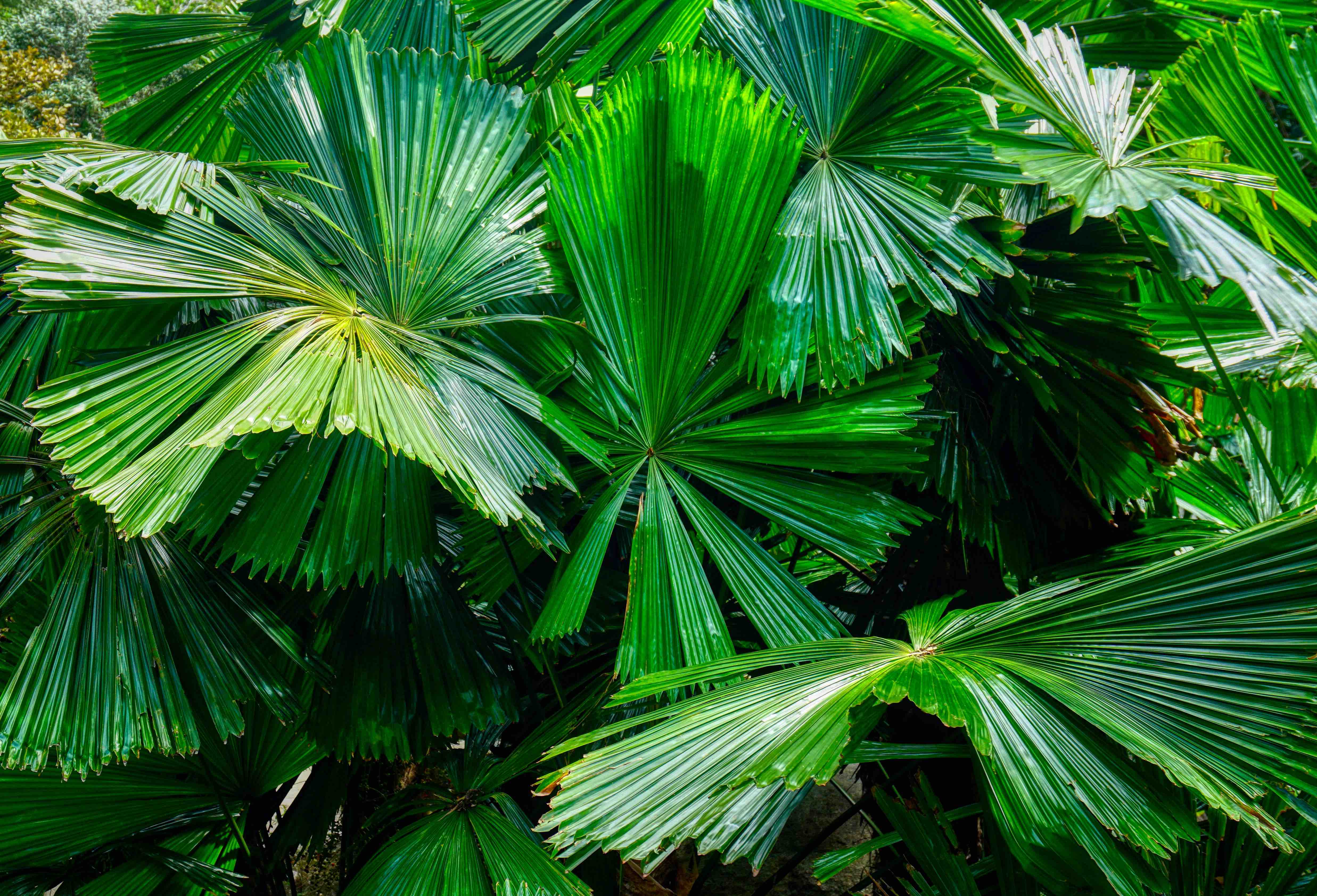
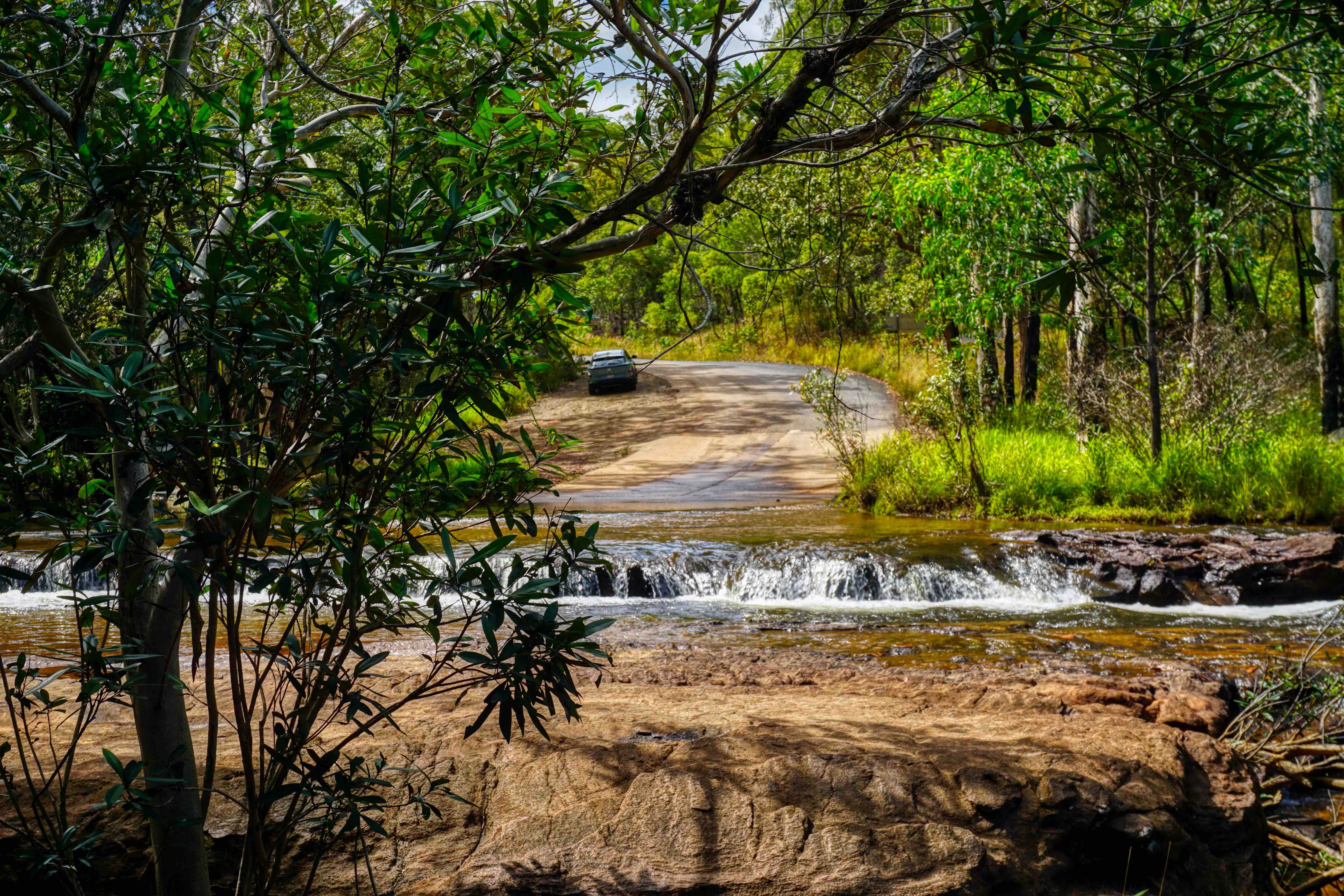
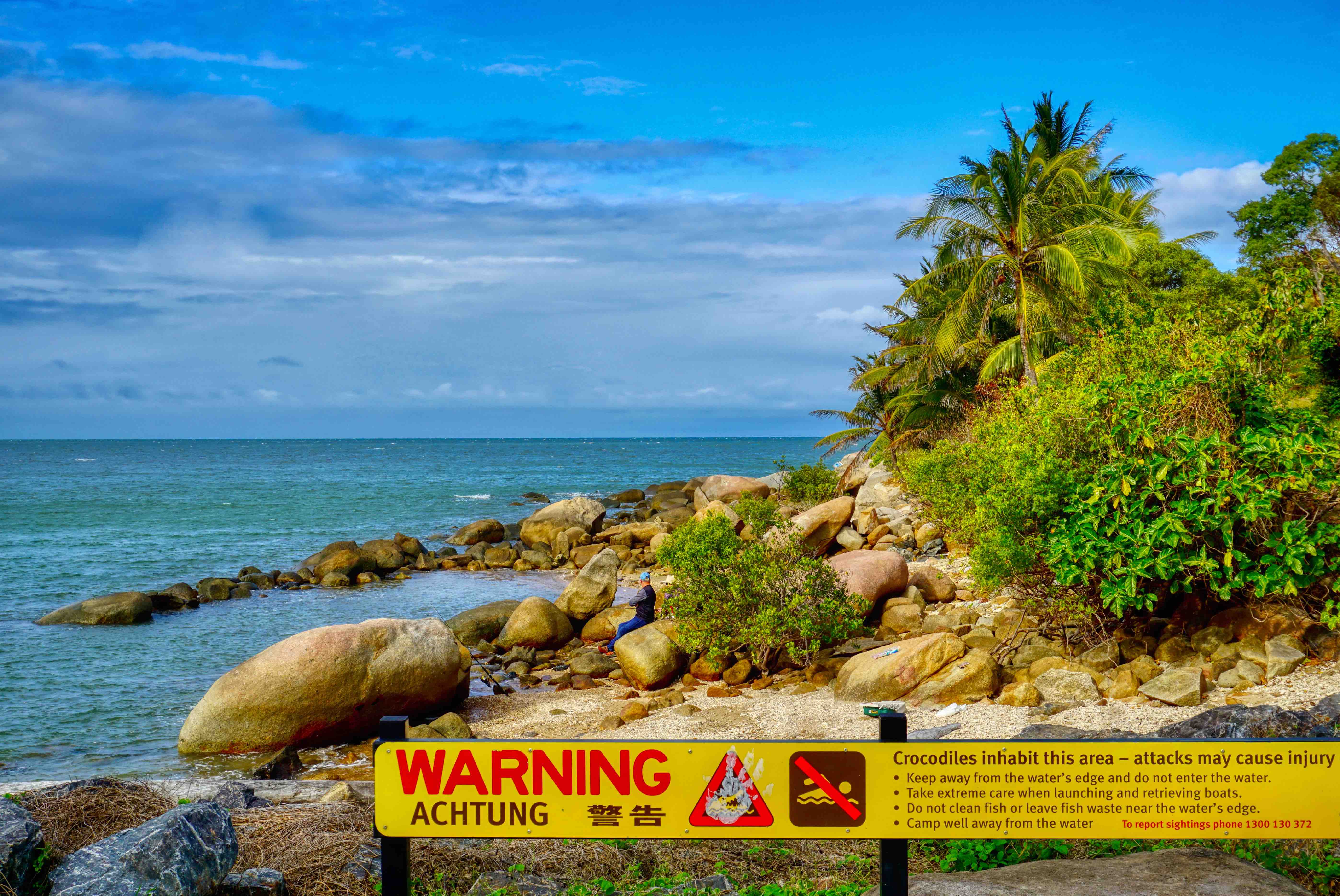
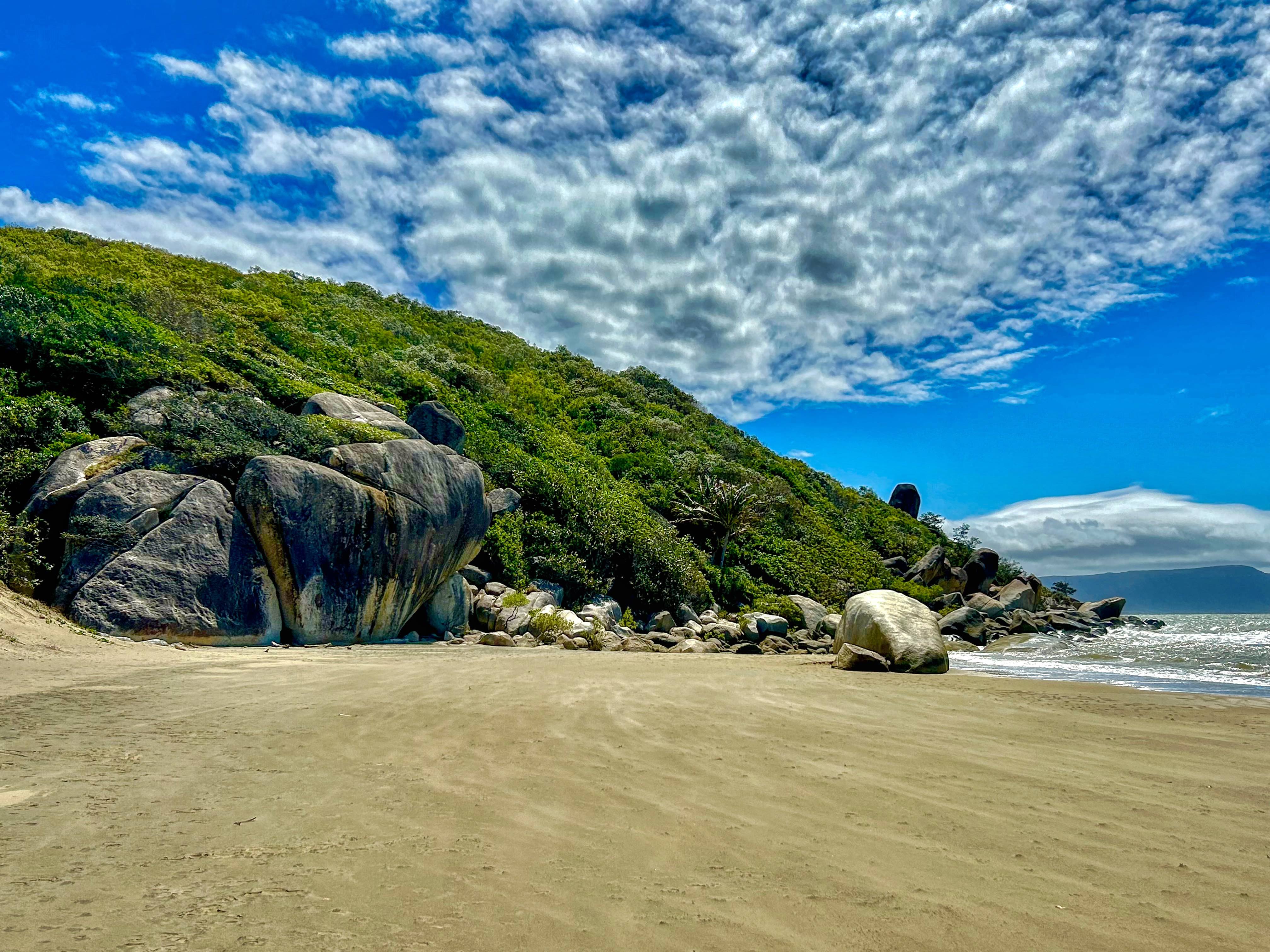
The other, more adventurous, route is the famed Bloomfield Track that links Cape Tribulation in the Daintree Rainforest with remote Wujal Wujal, then on to Cooktown in the north. The Bloomfield is 4WD only and is known infamously for its rough corrugated track with sharp bends, steep gradients and treacherous water crossings. But for those more adventurous souls that take on the Bloomfield, it provides spectacular rain forest scenery, secluded beaches with fringing corals, wild crocodile infested mangroves and, of course, the most exotic wildlife imaginable. I’d love to experience the Bloomfield but for us in our pristine clean SUV, it’s the sealed road all the way – far less adventurous for sure, but hey, we’re heading to what essentially is ‘the last frontier’ on the East Coast of Australia. And if we can get there on a sealed road in our town car, then that’s a no brainer.
I’ve been wanting to get up to Cooktown since moving up here, but Cyclone Jasper put paid to that for most of the first half of 2024. The roads north were strewn with 30,000 tonnes of boulders, causing smashed road infrastructure and destroyed bridges over forever-changed wild rivers. The coastal road north of Palm Cove is still severely damaged with three sets of temporary traffic lights that alternate a one-way traffic flow past large boulder landslides. It’s amazing to think that Jasper was last December, but such is the enormity of the damage that I can’t see this road being fully repaired for many more months ahead. Still, it’s one of the most spectacular roads in Australia, hugging the coast all the way up to Port Douglas, so happy to sit at a remote traffic light and take in the view.
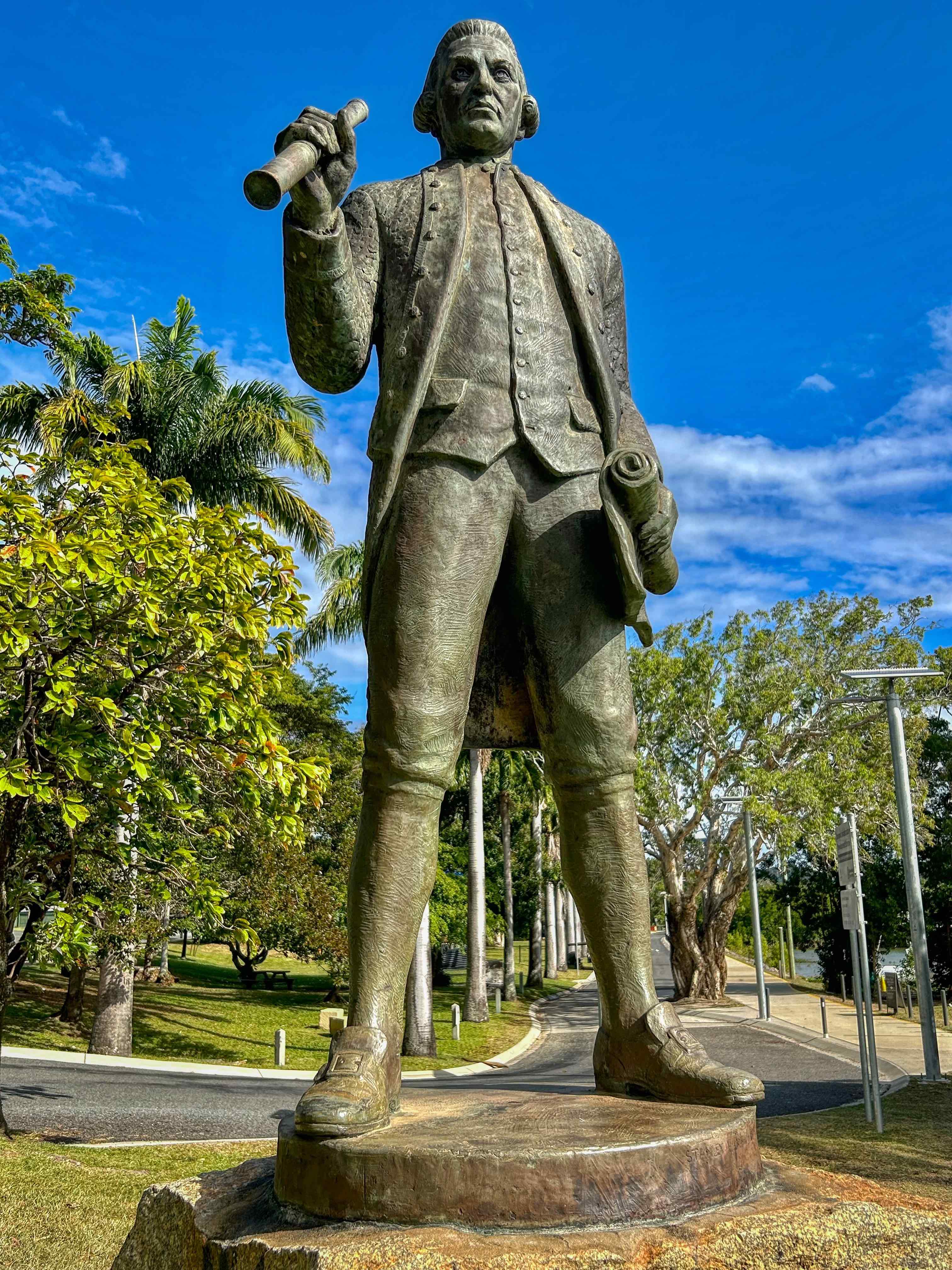
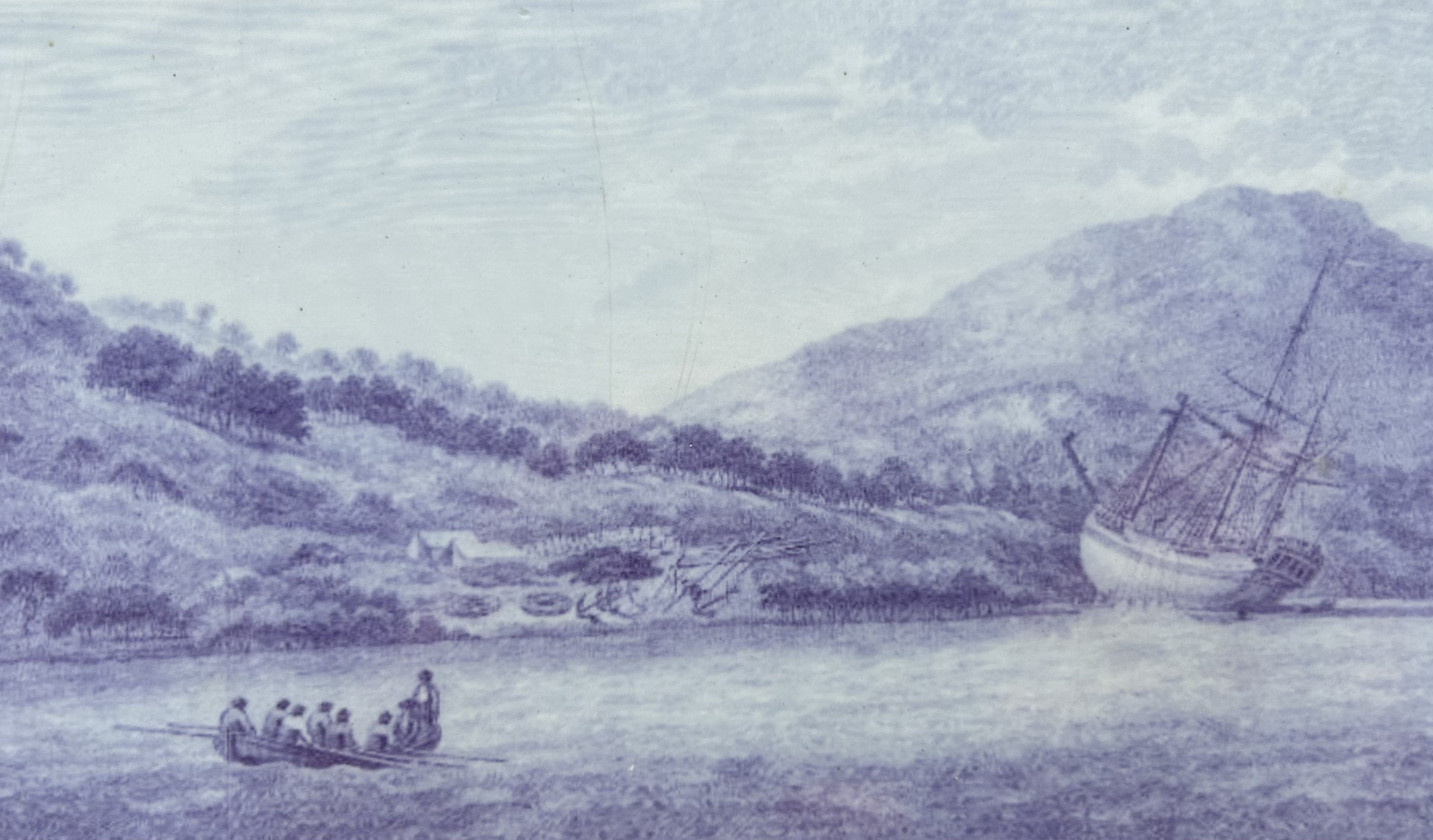
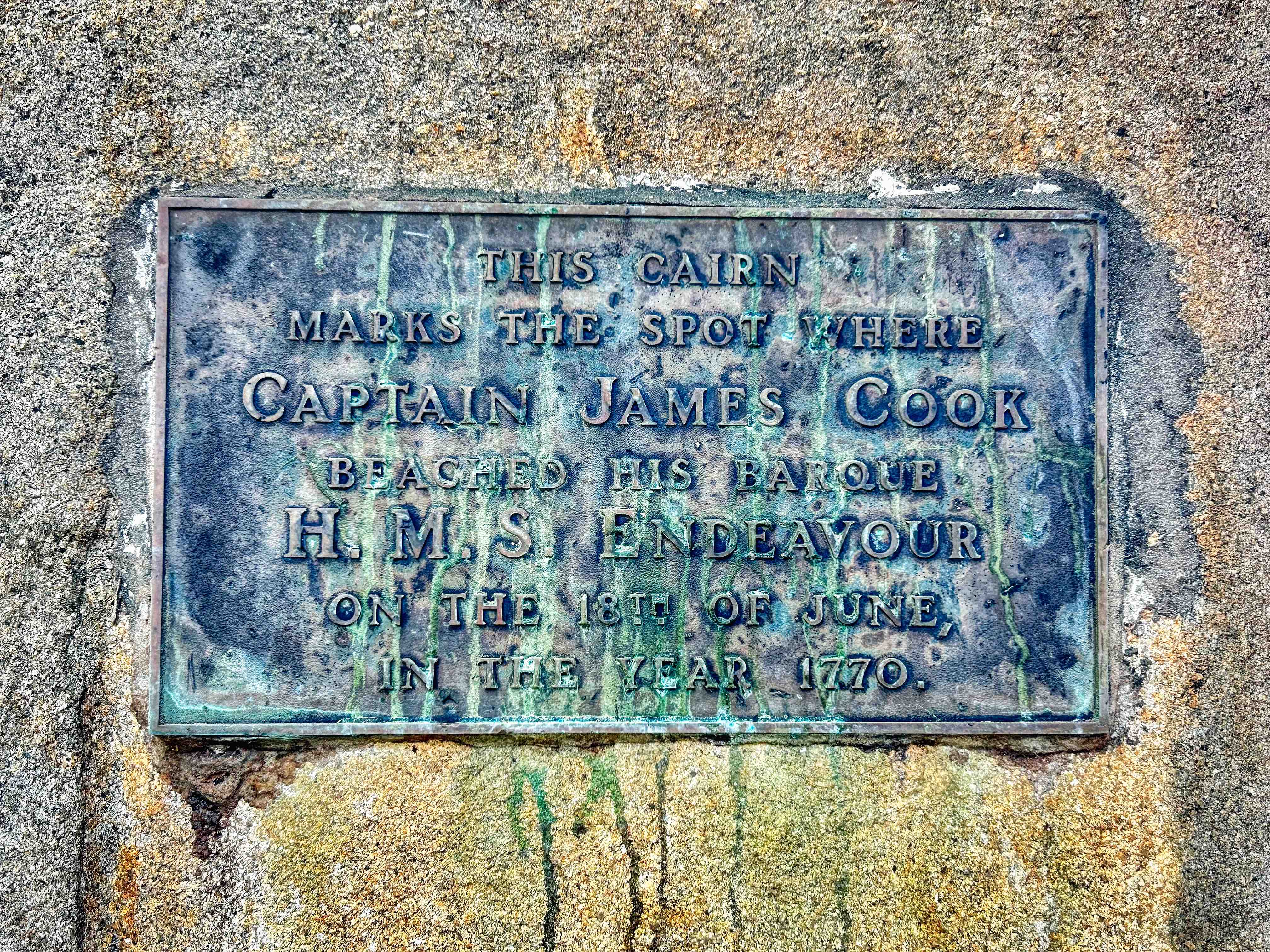
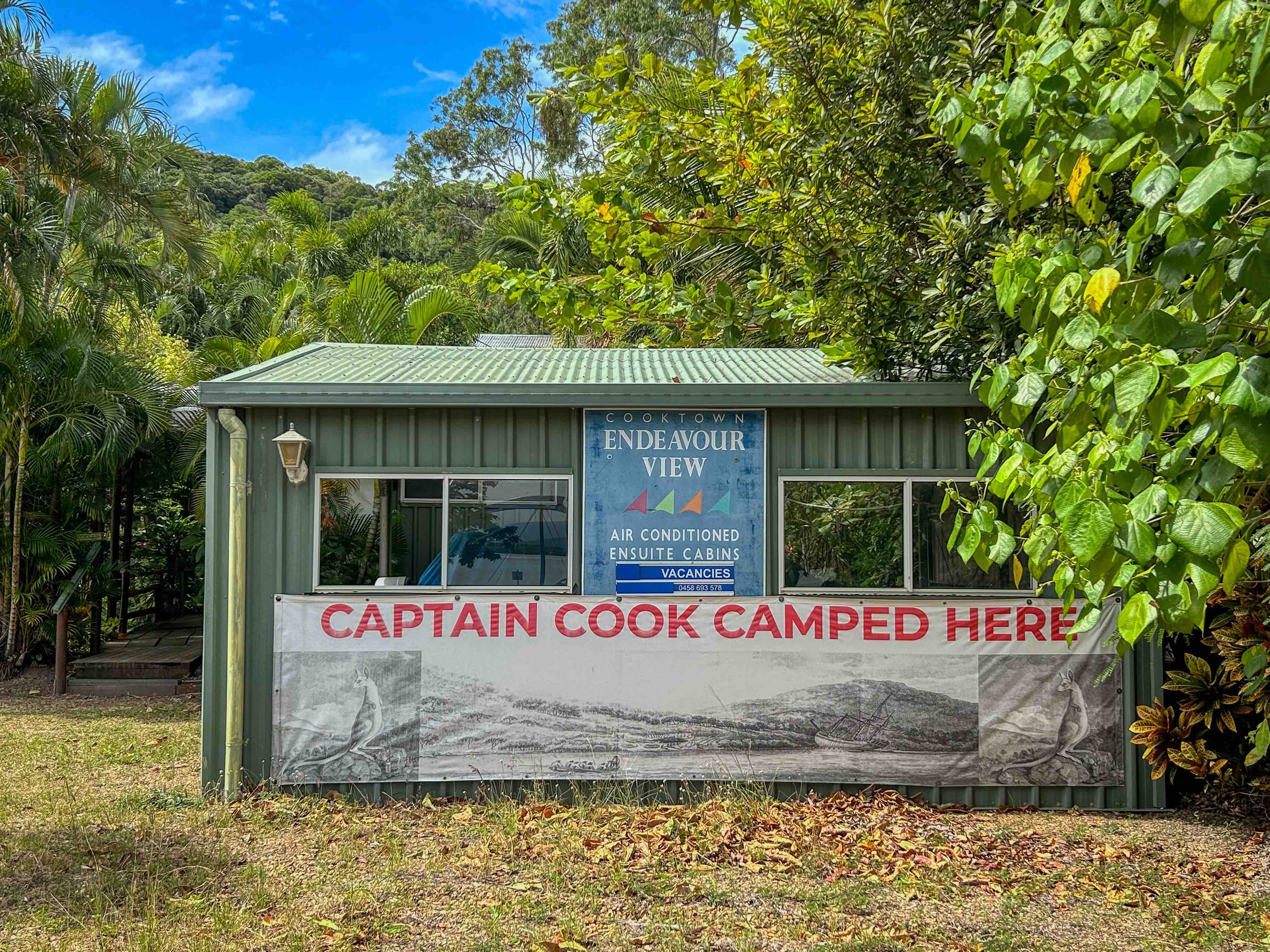
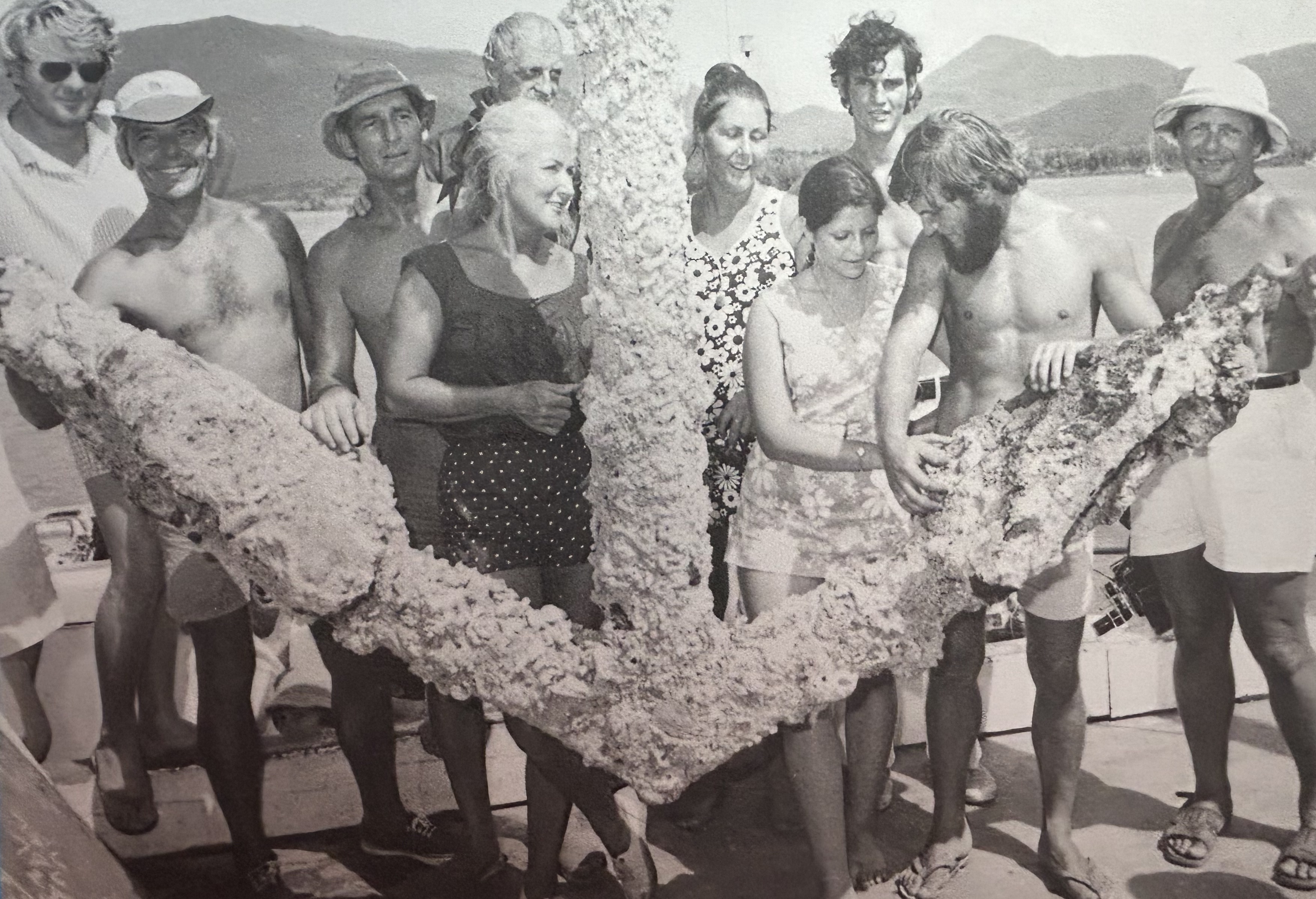
Cooktown lies in Guugu Yimithirr country, one of Cape York’s 41 tribal nations, each with its own distinct language, history and culture. The first documented contact with these people occurred in 1770, when Captain Cook and his ship the Endeavour struck a reef off the coast. It was 23 hours before the ship was eventually floated off the reef by crew wrapping the sail cloth underneath the hull and then limping into the nearest safe sheltered place, which turned out to be a large shallow river estuary, crocodile infested of course. Cook and his crew spent an incredible 7 weeks here, gathering fresh supplies, slowly repairing the ship and exploring and discovering staggering new botanical and natural history wonders, many of which were totally new to science at the time.
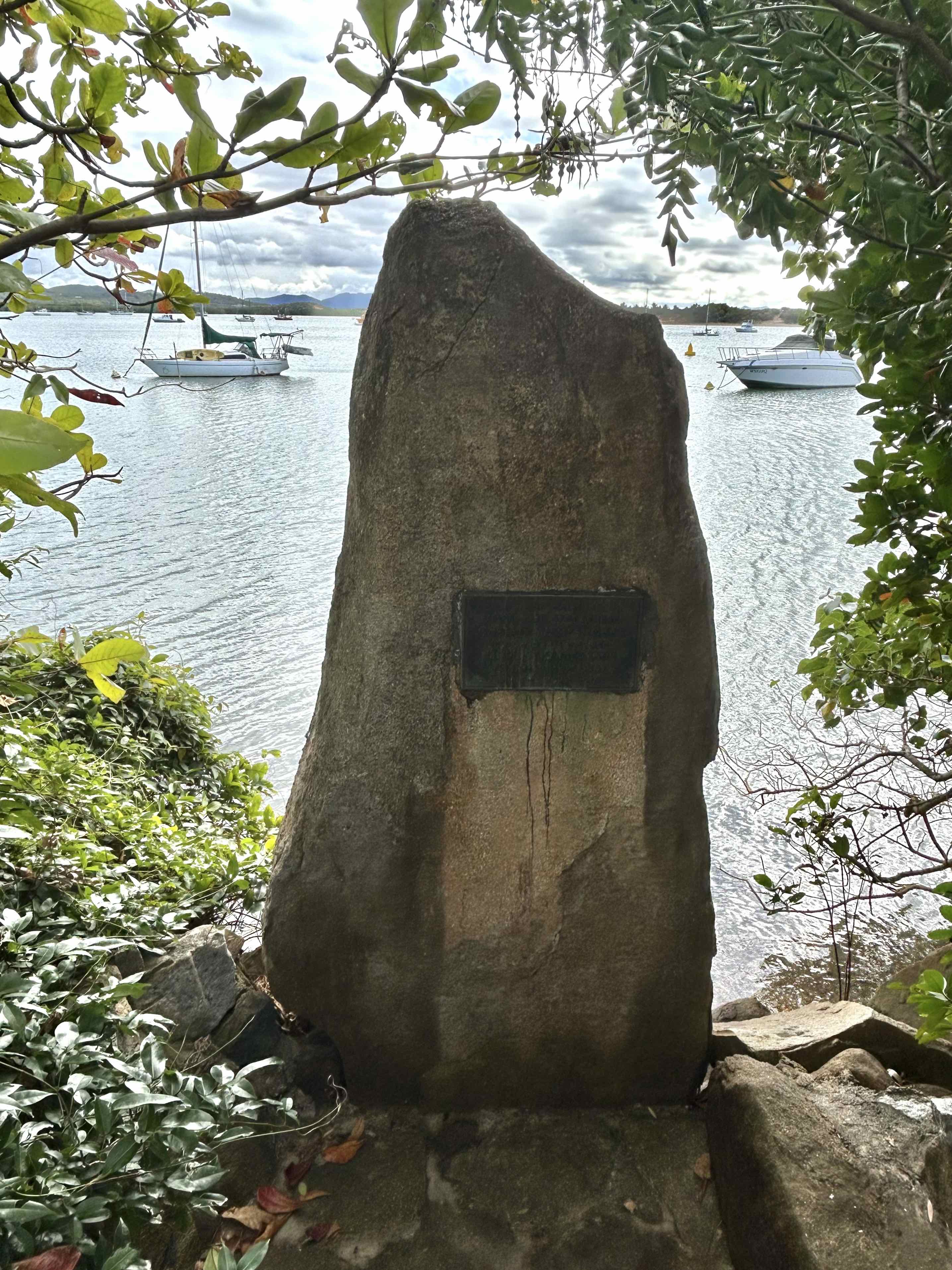
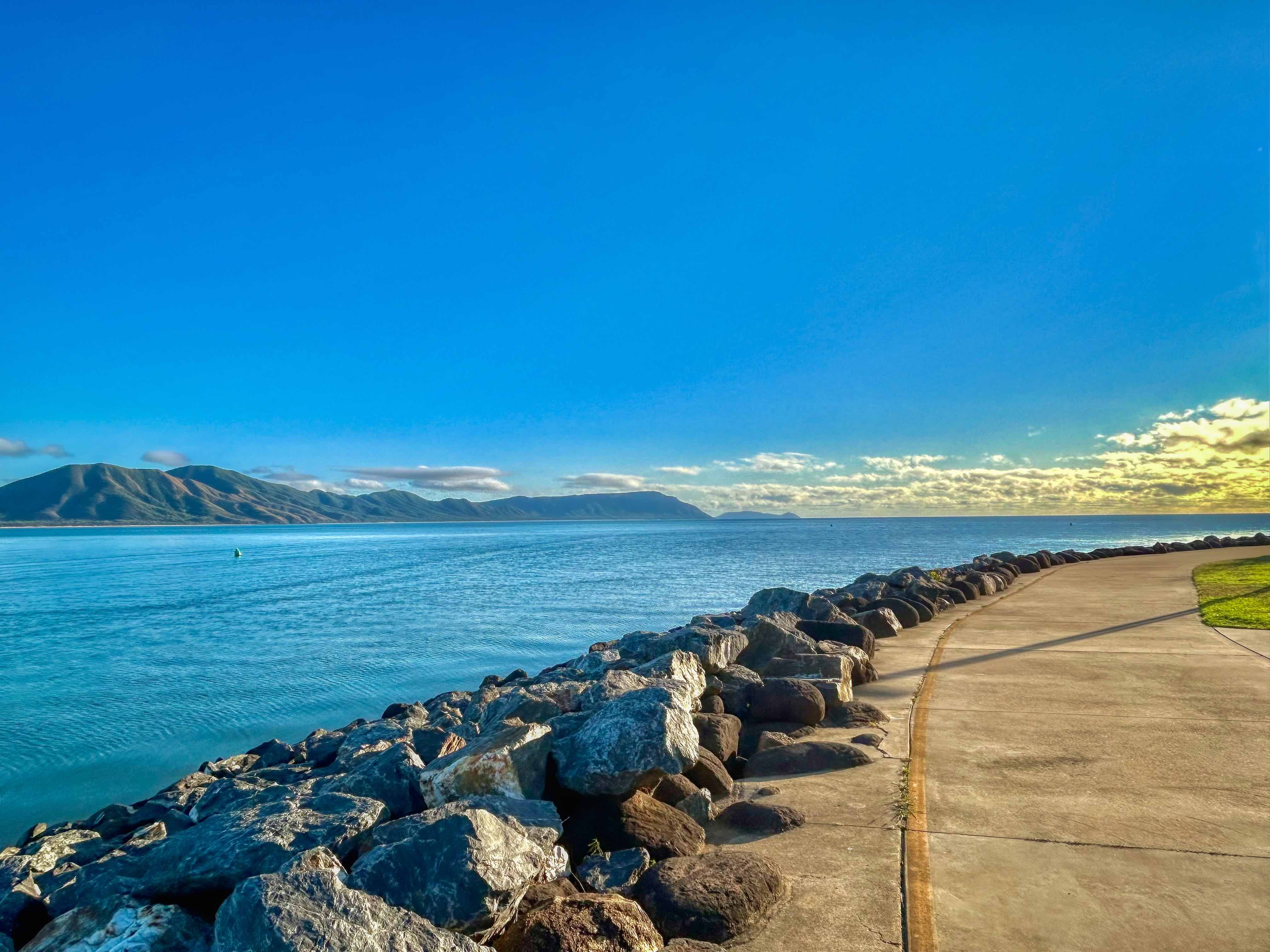
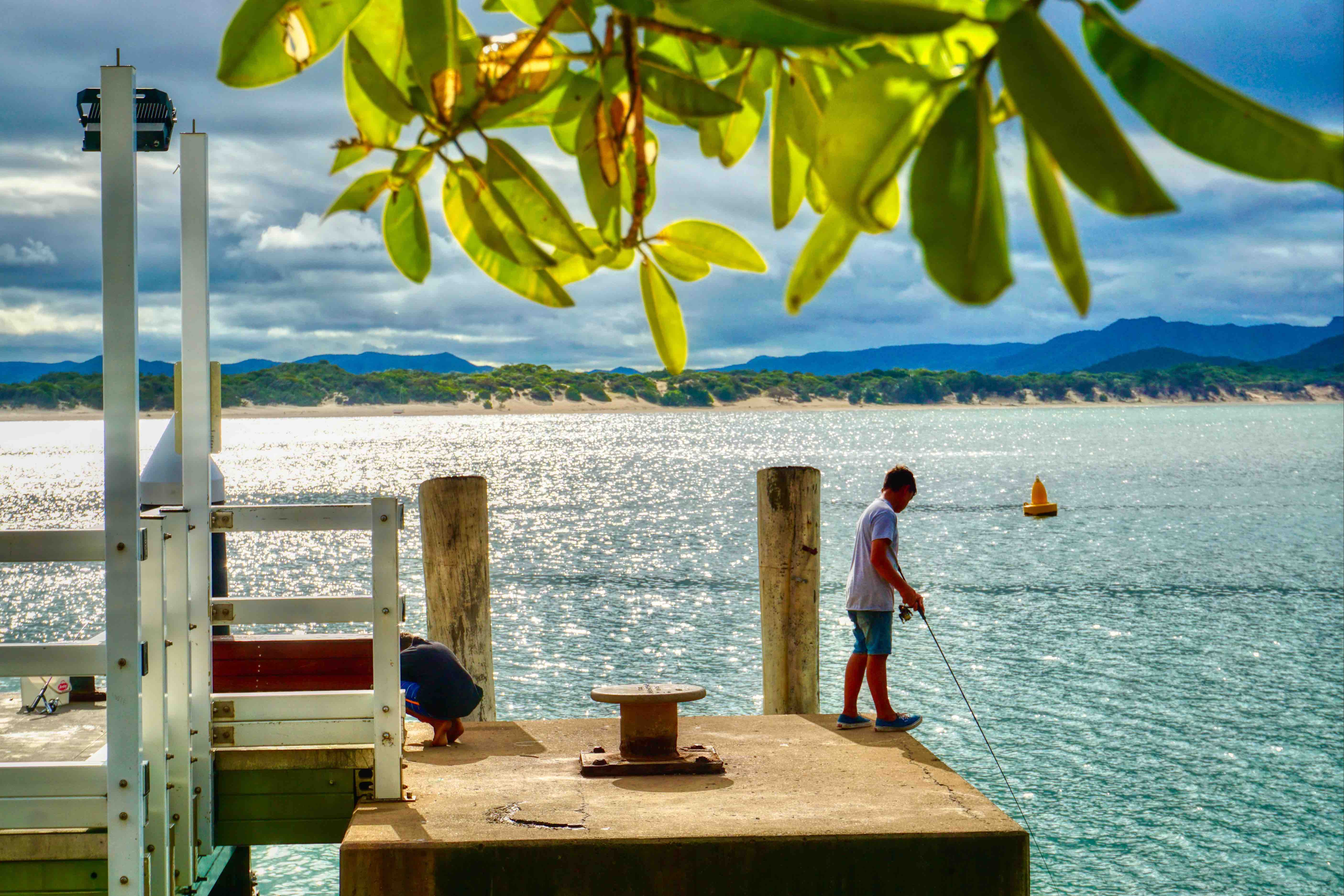
The very spot where the Endeavour was beached for repairs remains largely unchanged – the view across the river estuary to the distant rainforest clad mountains would largely be the same, other than some yachts moored off shore. Sadly, the indigenous people are no longer present here, but there are large areas of land to the north that remain home to Aboriginal communities – it’s where the sealed road ends on the East Coast of Australia.
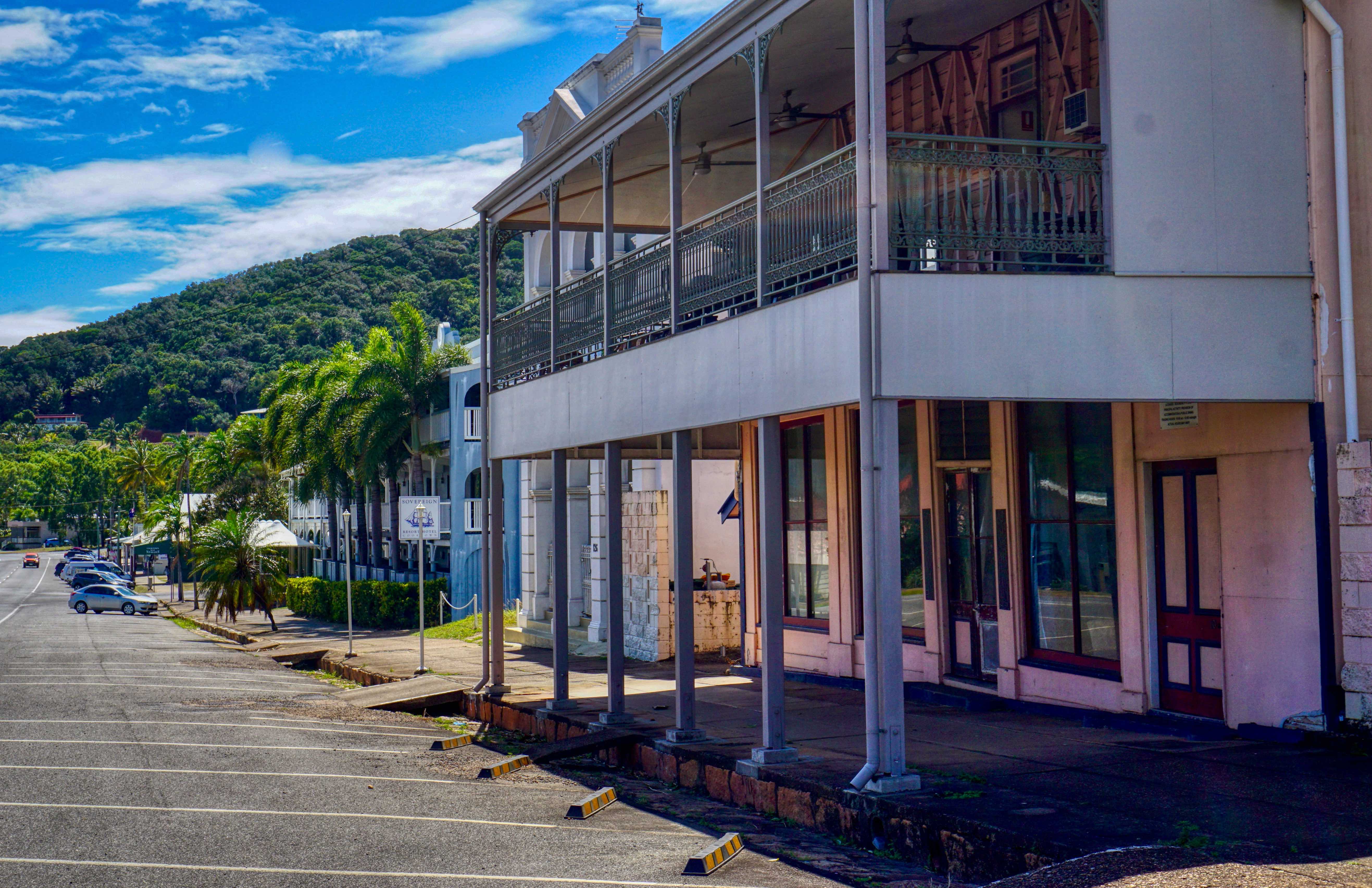
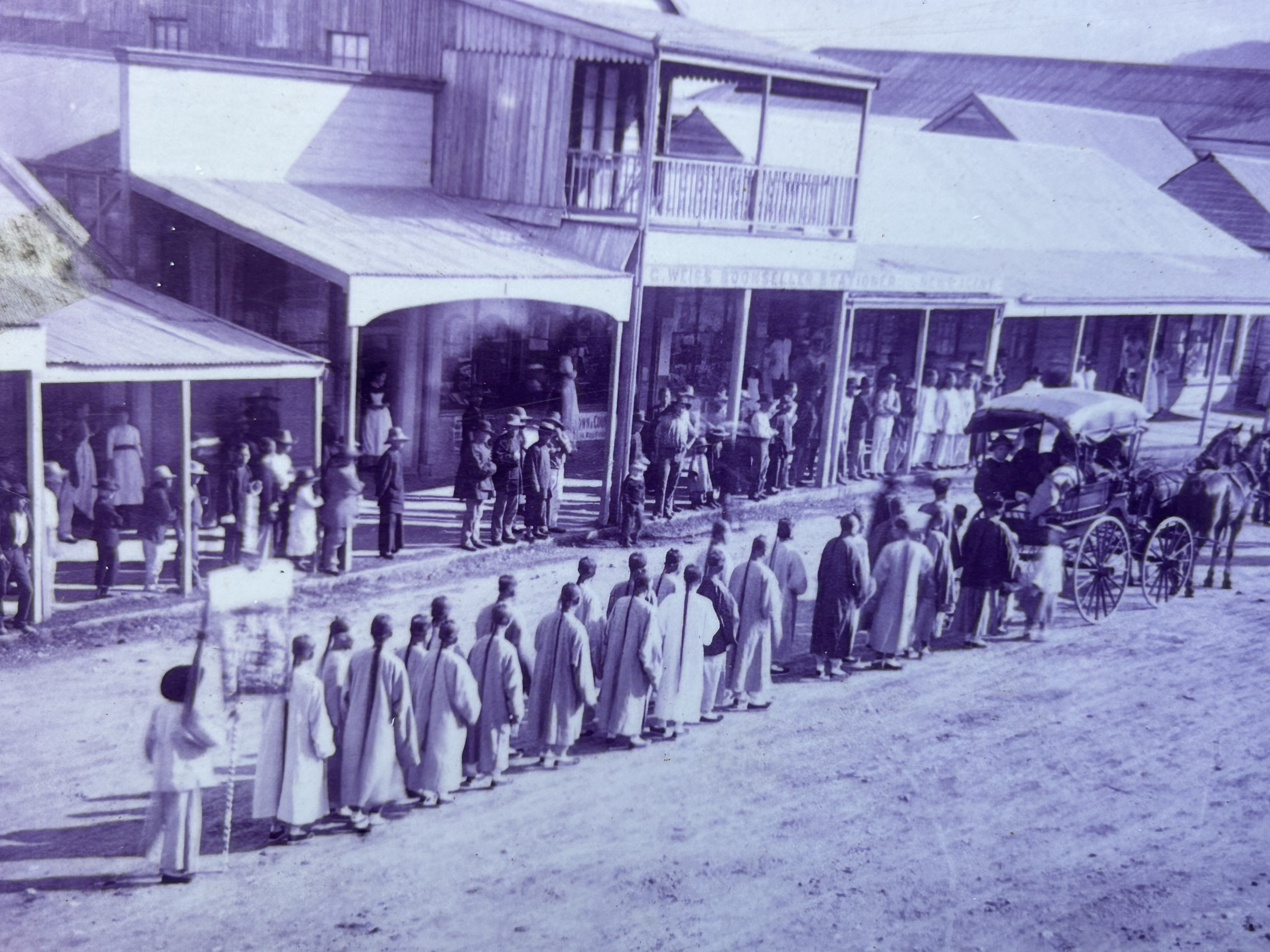
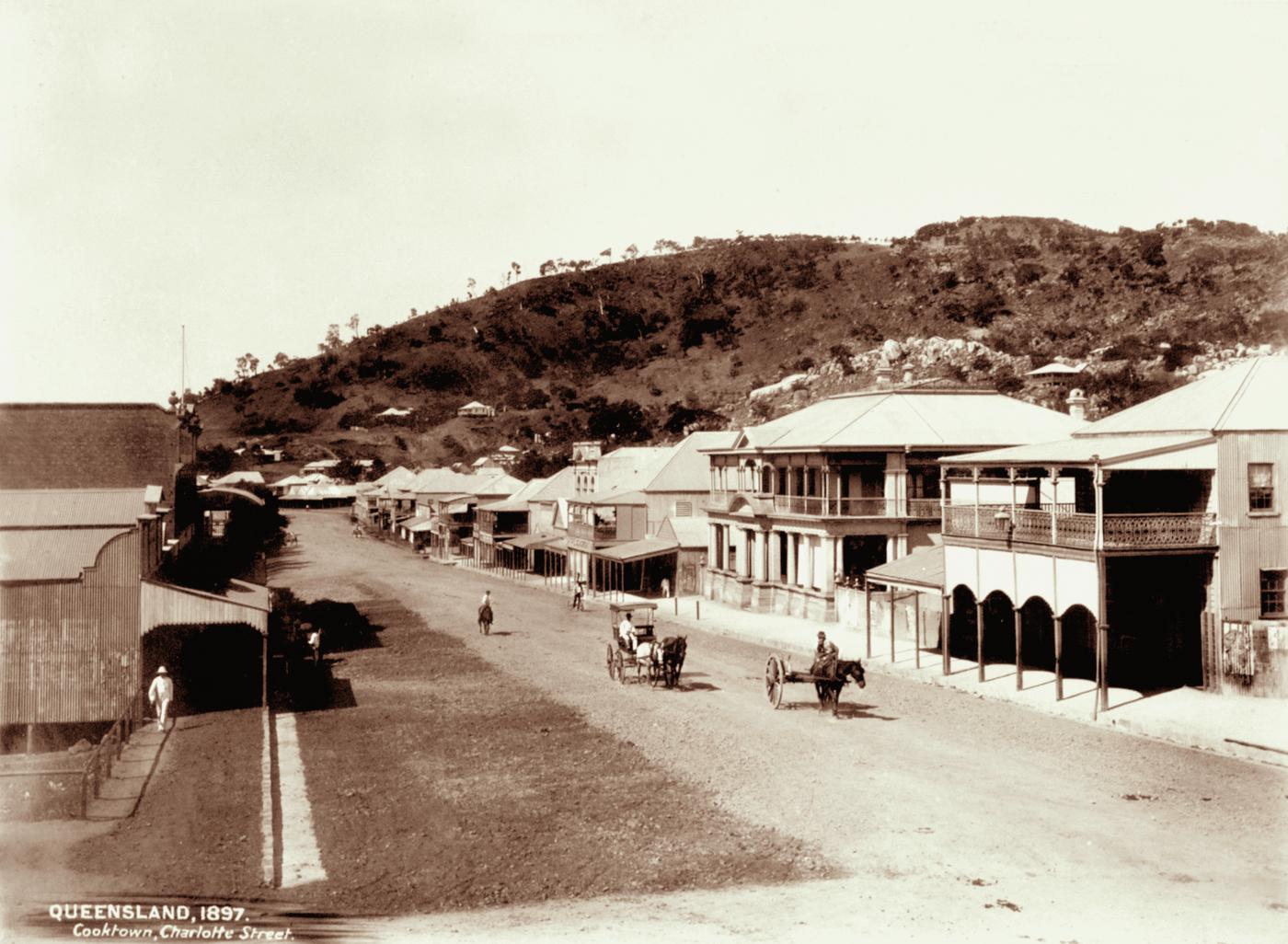
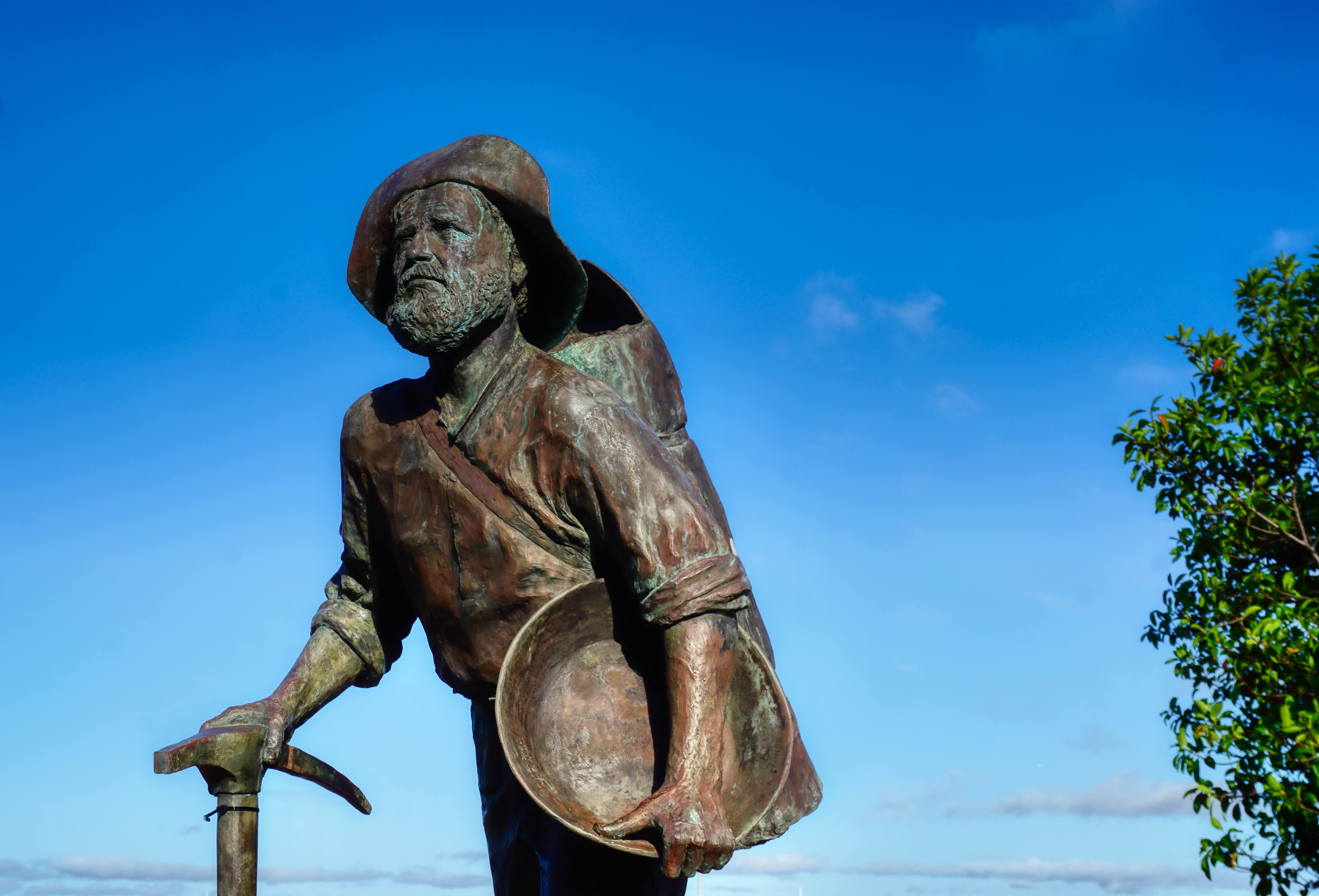
Nothing much happened to this place after Cook and his crew departed until around 1872 when gold was discovered in the nearby Palmer River, sparking a huge gold rush to the area, attracting 30,000 prospectors from all over the world, including, at its peak, a staggering 20,000 Chinese. According to the records, gold flowed here as freely as the water it was found in. Cook Town, as it was spelt then, had become the second largest town in Queensland and was serviced by 65 registered hotels, 90 pubs, 20 eating houses, 32 general stores and scores of other businesses and outlets.
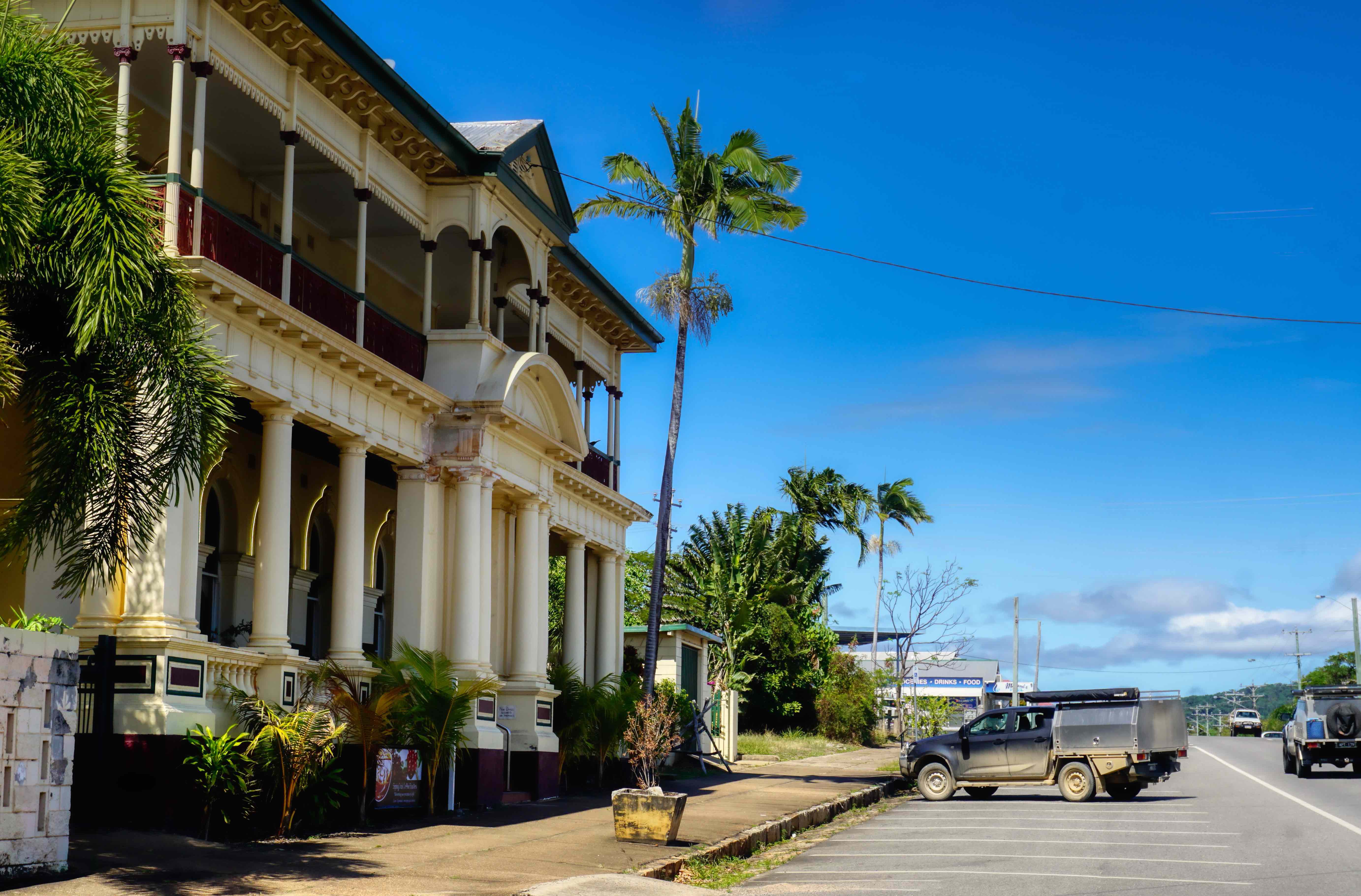
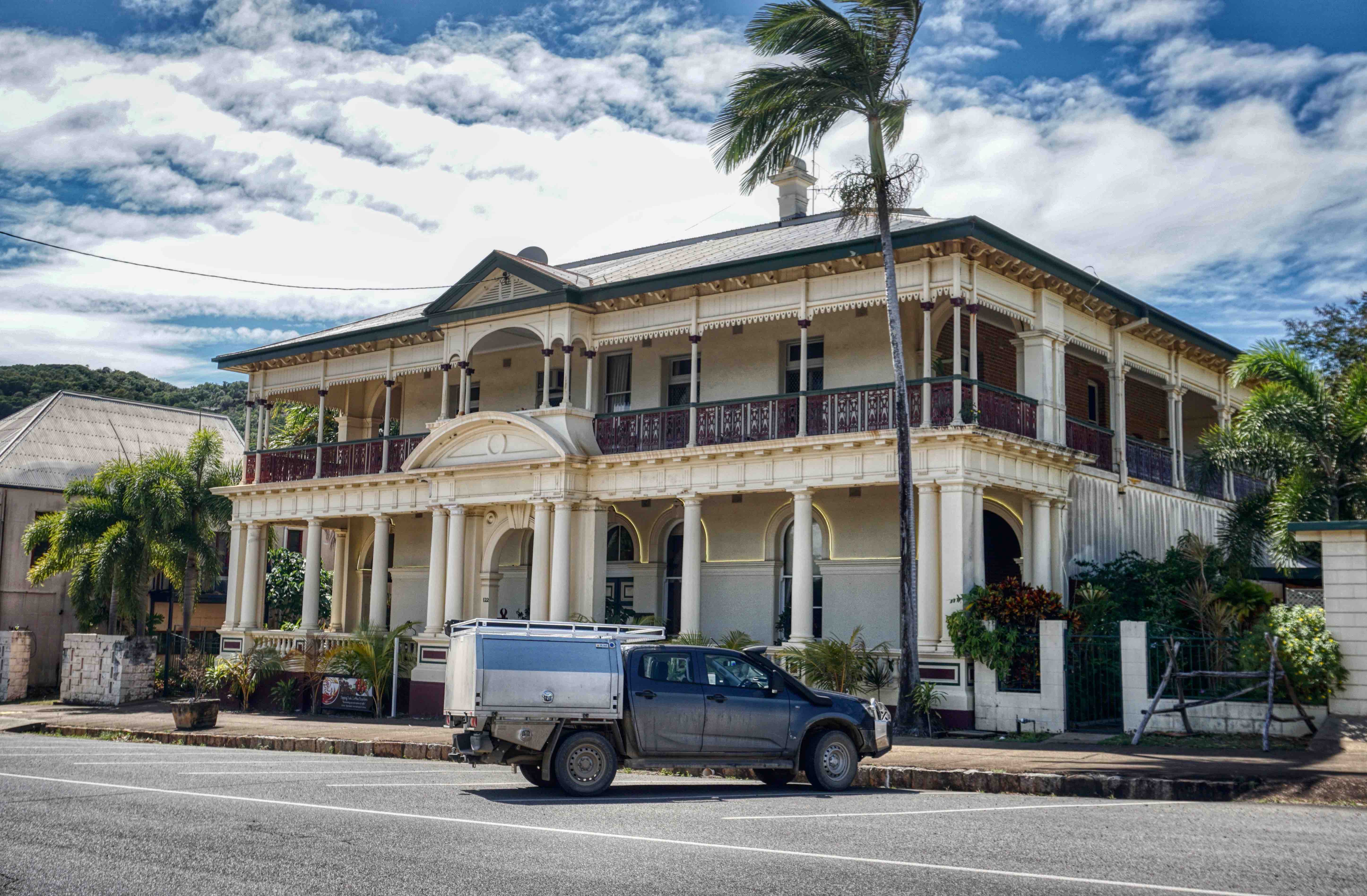
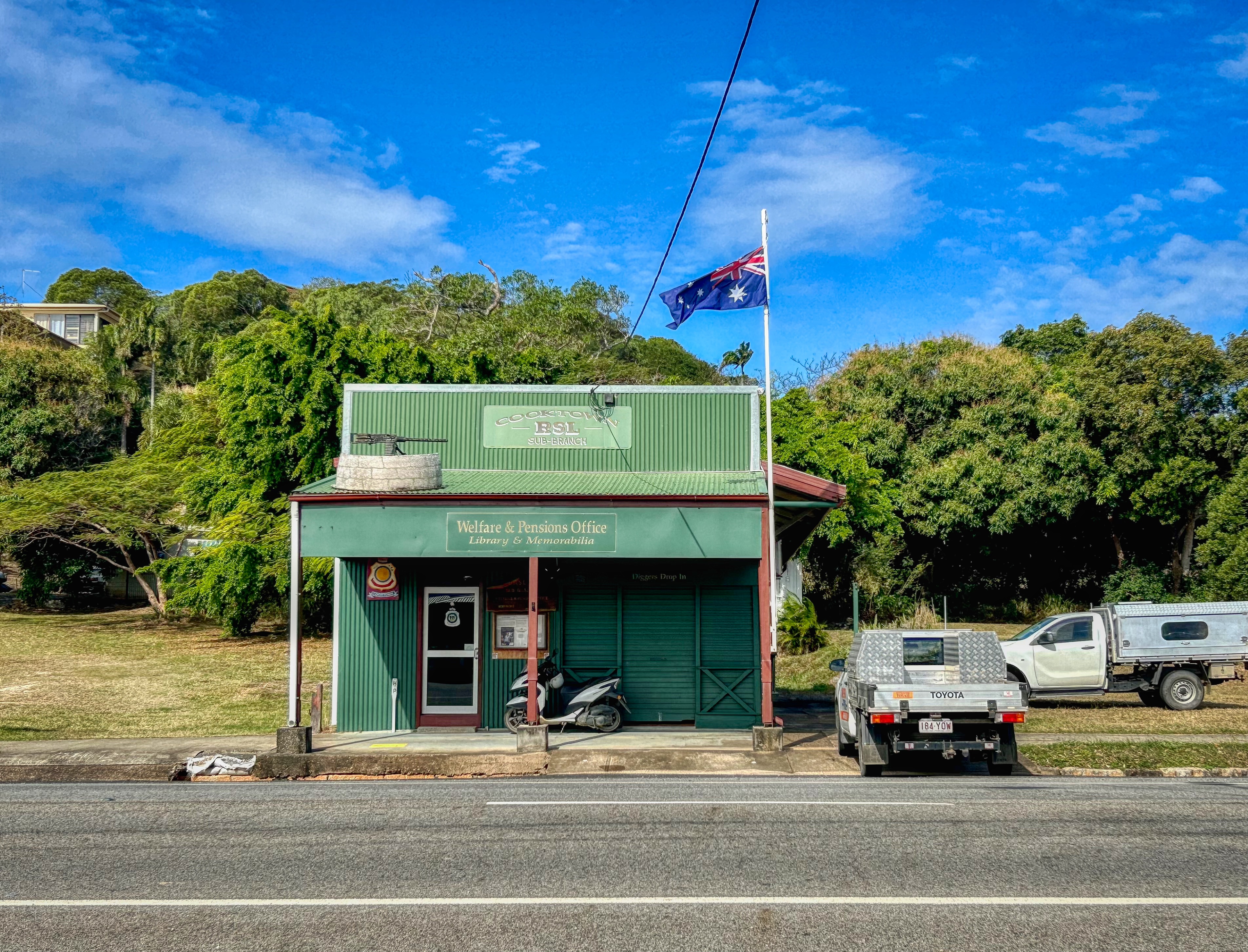
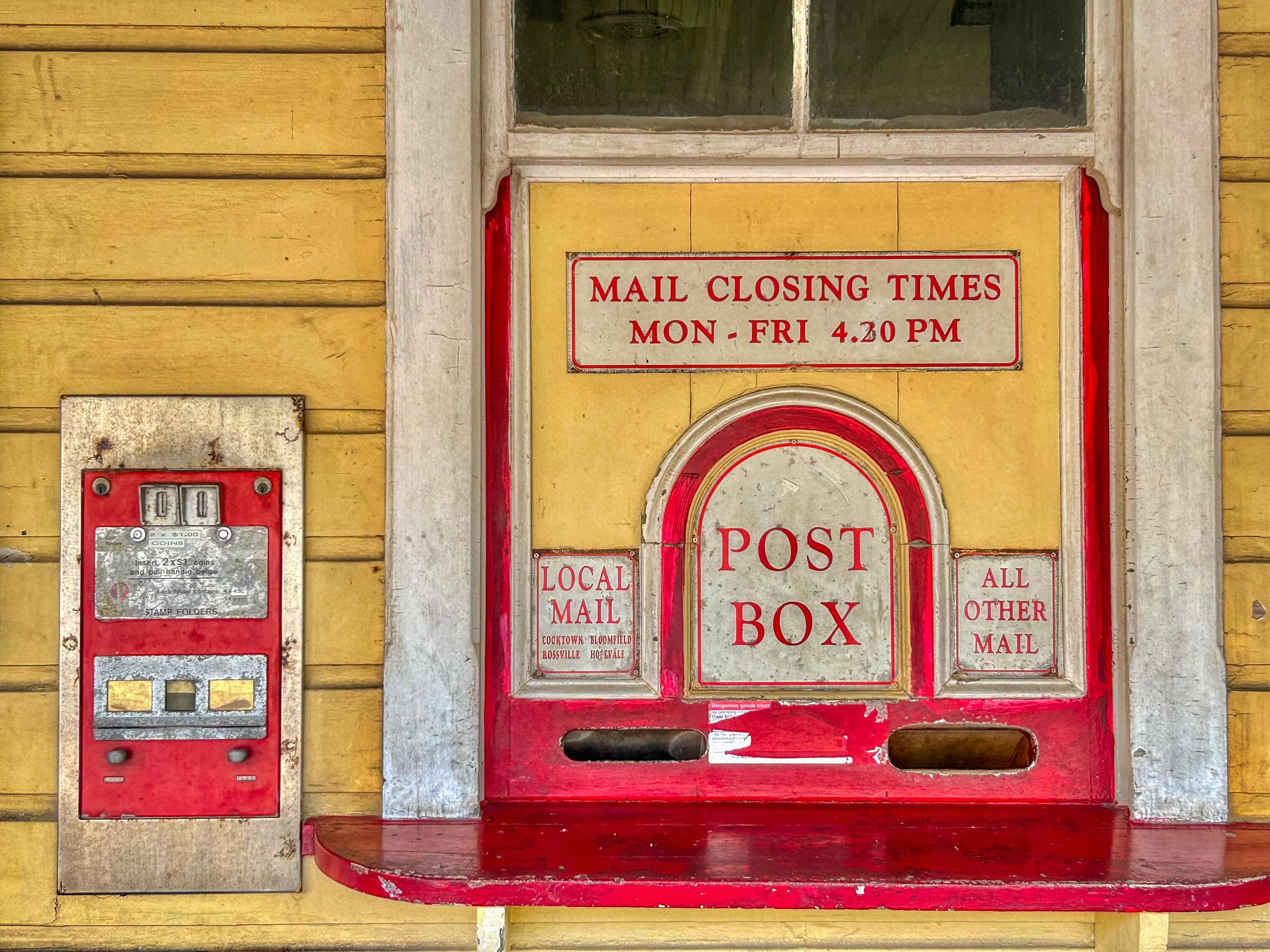
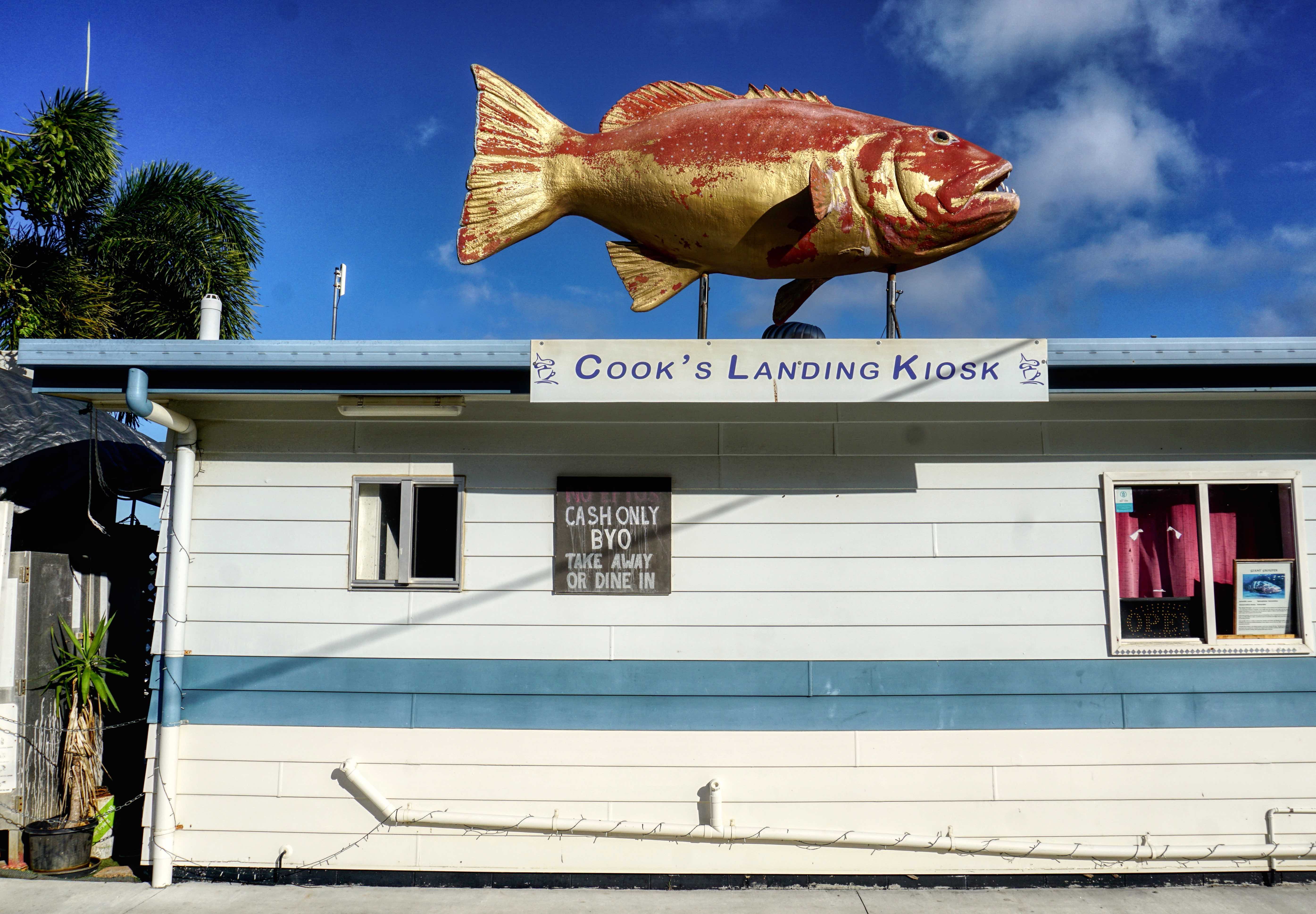
Today, Cooktown has a sleepy outback feel to it. The streetscape seems little changed from the late 19th Century with some fine buildings, but it feels empty with an air of the ‘last frontier’ about it.
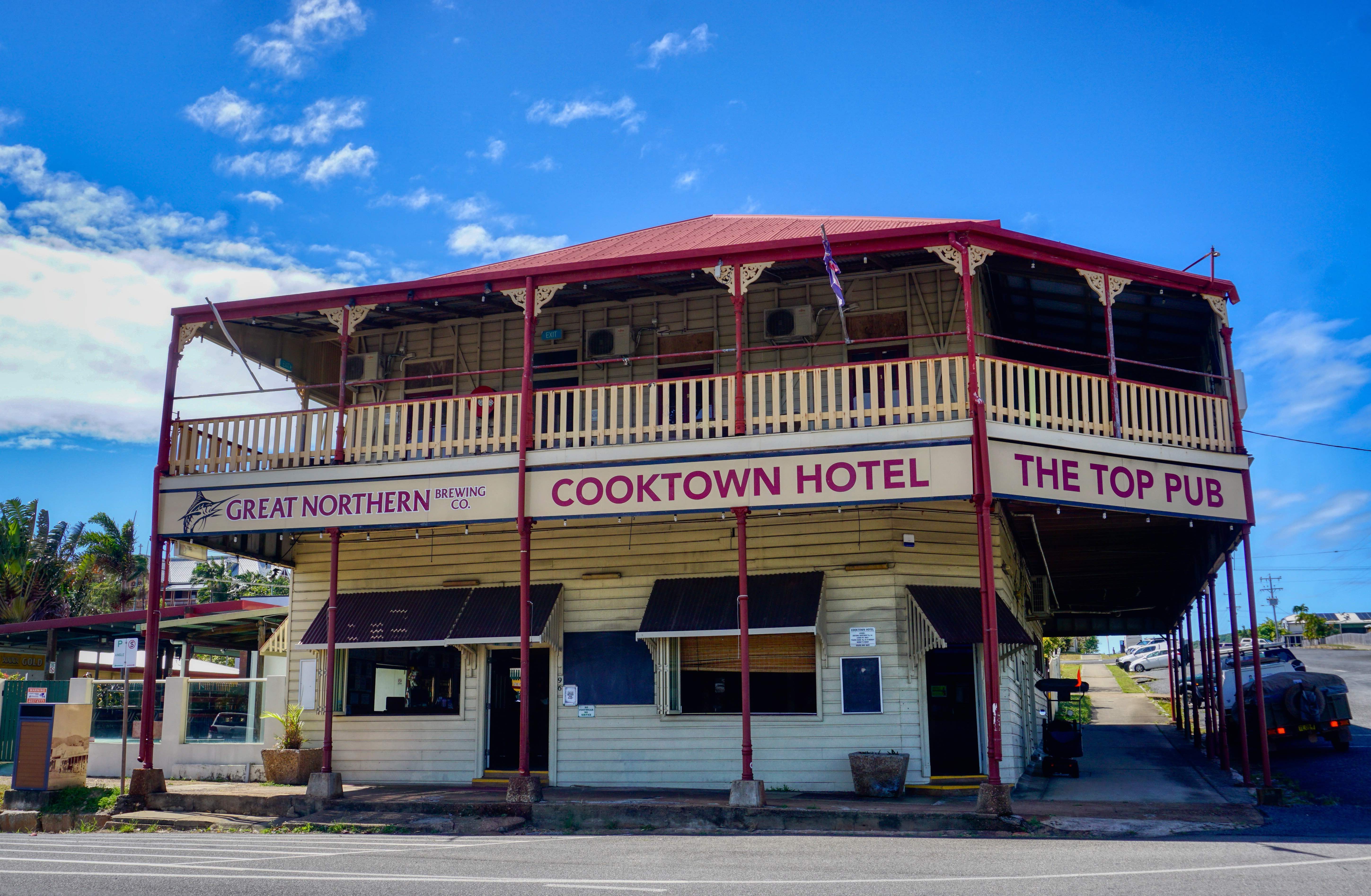
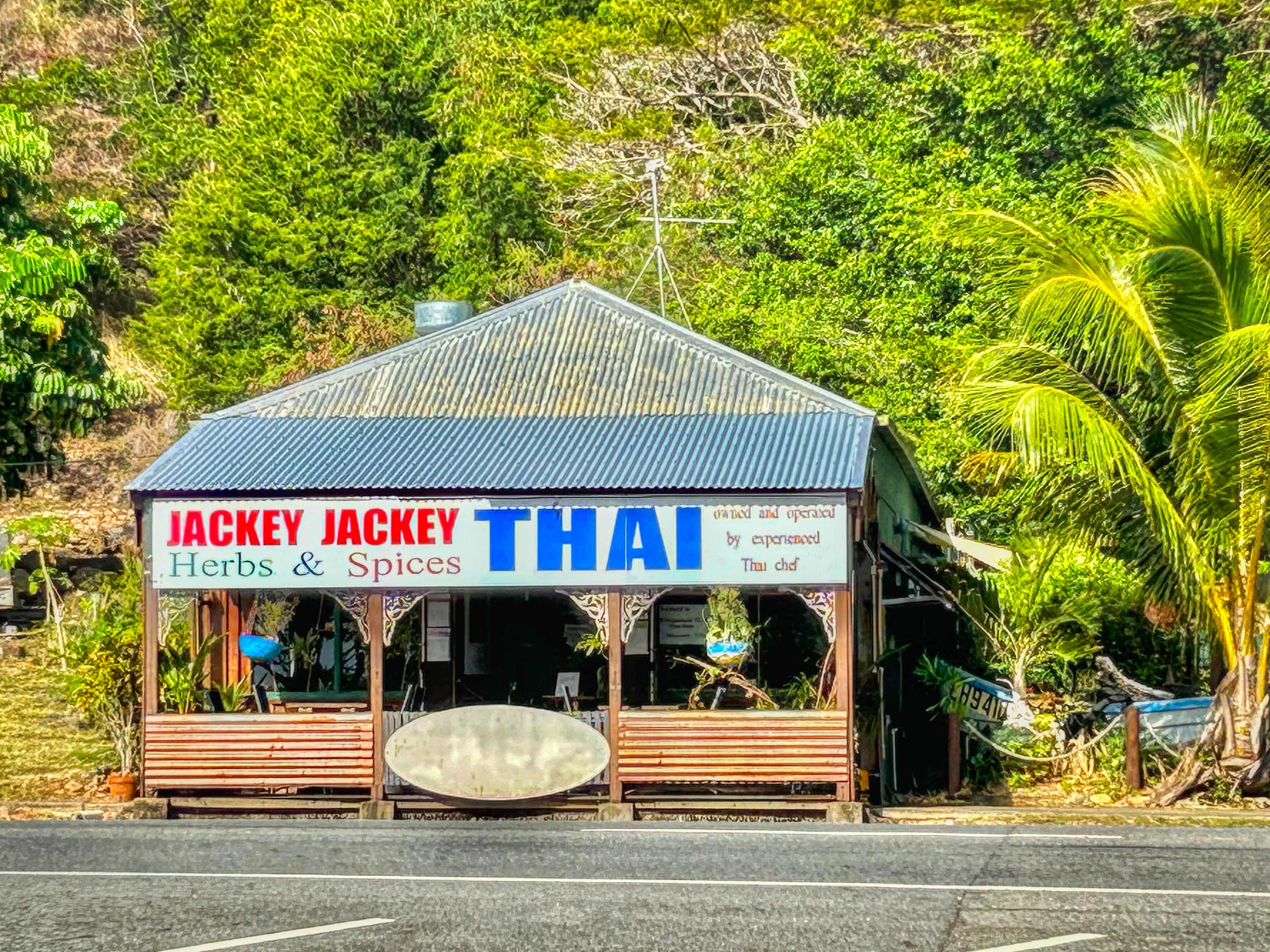
There’s essentially one lone restaurant, the wonderfully named Jackey Jackey, a small Thai place that serves decent authentic food, packed by 5pm with weary travellers. There are other outlets too, mostly in the couple of hotels/pubs that line Charlotte Street but a far cry from the bustling packed place this would have been during the Gold Rush.
The traffic that flows through here is almost entirely 4WD, enormous off-road vehicles that use Cooktown as the gateway to the wild outback of Cape York. They chug in and out of town at all times of the day and night, covered in outback grime and bristling with every conceivable contraption you’d need for a Last Frontier adventure.
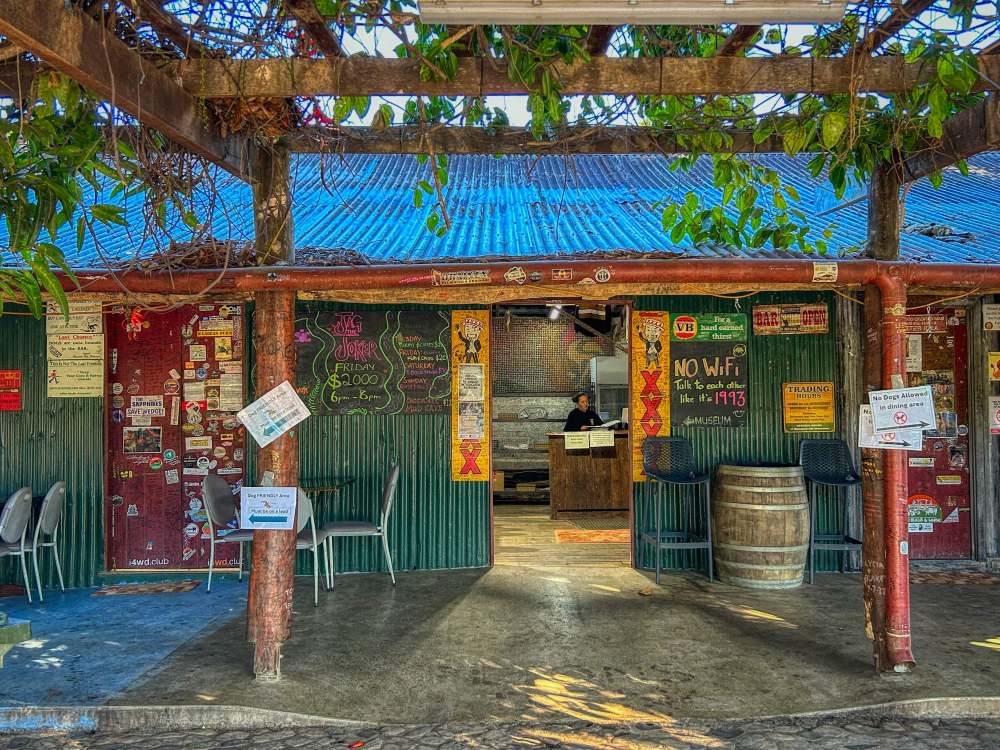
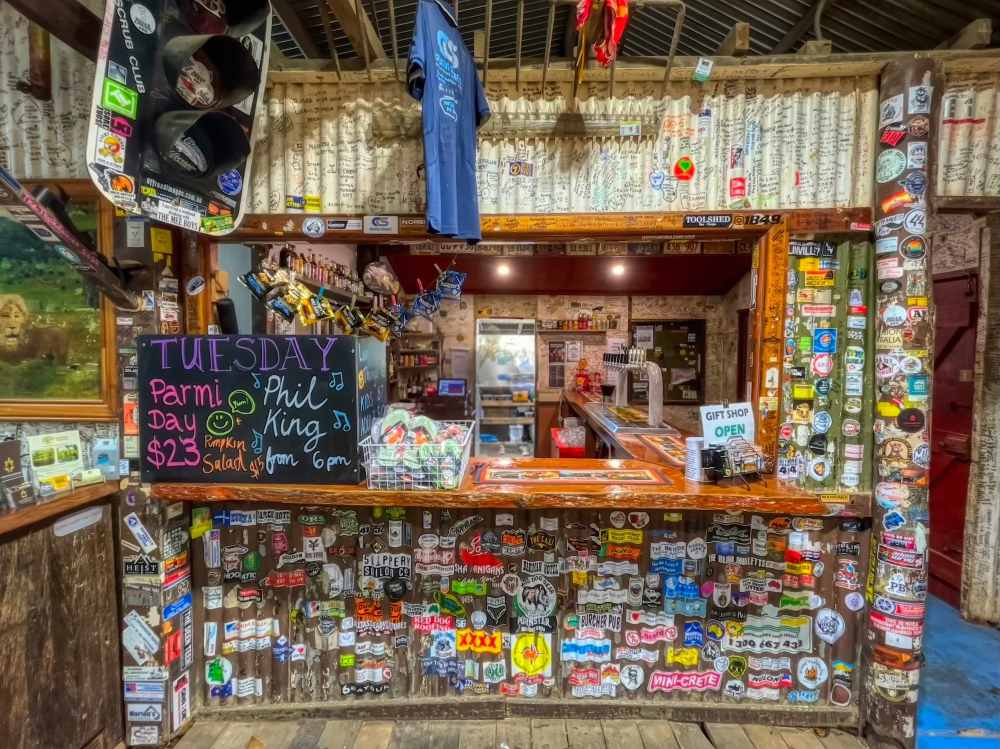
Our trip home took us via the legendary Lion’s Den, first established in 1875. It’s an iconic outback pub entirely made of timber and corrugated iron with truly quirky internal decoration adorned with visitor comments and outback memorabilia. The Lion’s Den became even more famous during Cyclone Jasper when floodwaters submerged the whole area, leaving 16 locals (and a dog) perched precariously on the pub’s roof. In true ‘only in Australia’ fashion, a local pilot, known only as ‘Magoo’ flying a tiny beaten-up Robinson R22 mustering helicopter, miraculously plucked everyone off the roof in the pouring rain and to safety. What a legend!

 Travels With My Ant
Great photos and descriptions – where to next?
LikeLike
Fun adventures in your new home state. Jackey Jackey’s Thai looks like a salubrious establishment for some fine dining. And bravo Mr Magoo! Indeed the stuff of legend.
LikeLiked by 1 person