







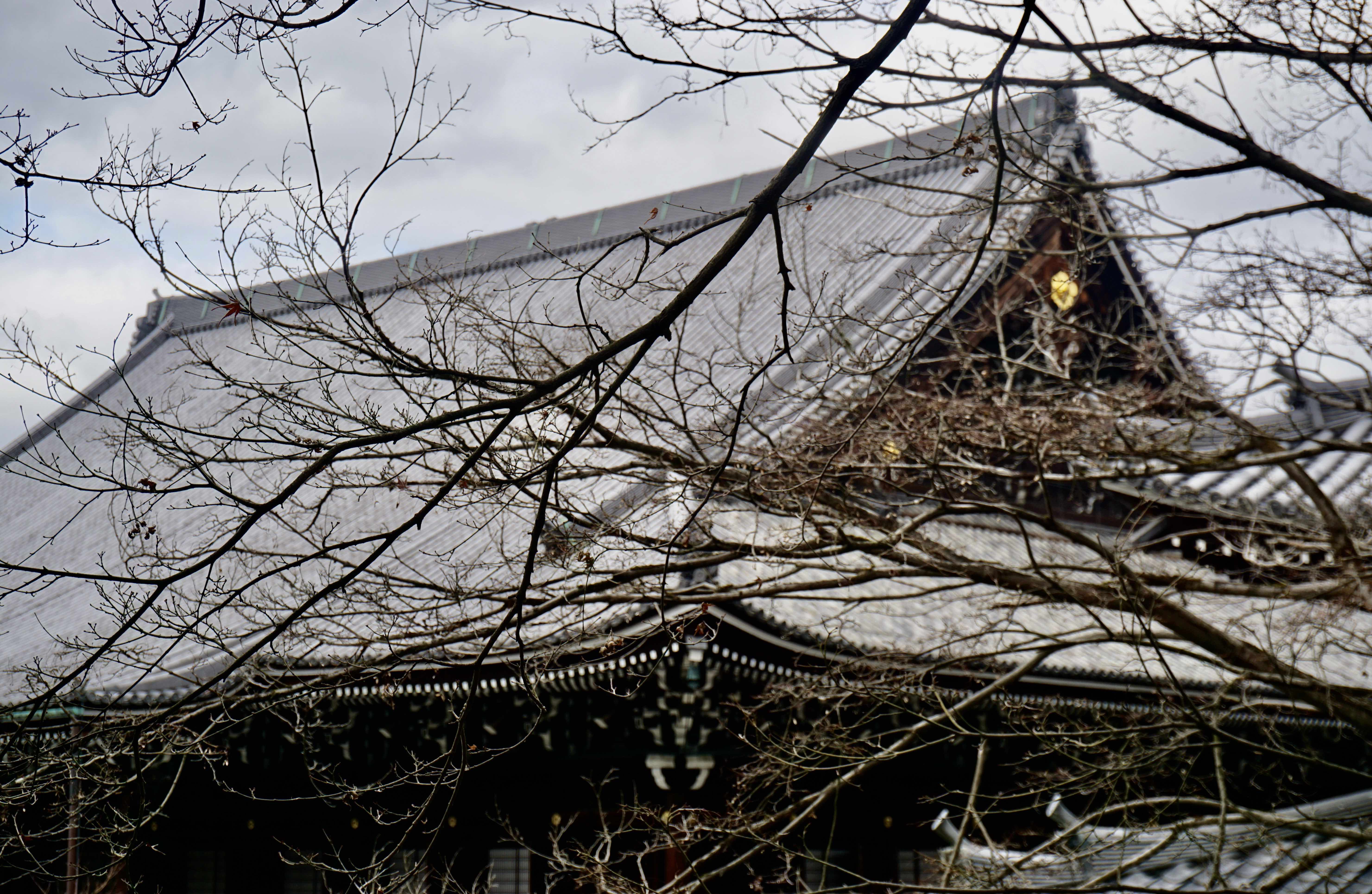
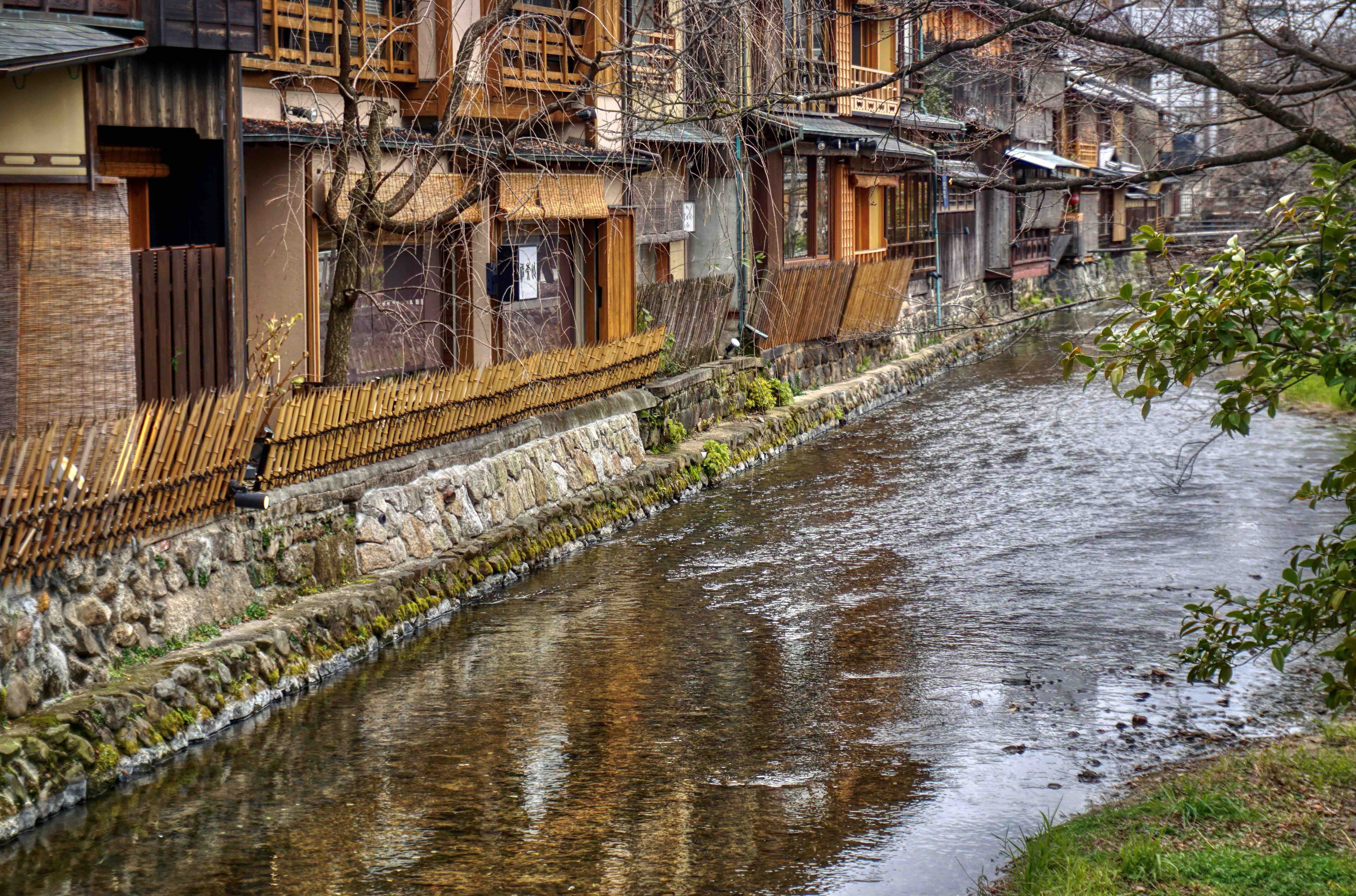
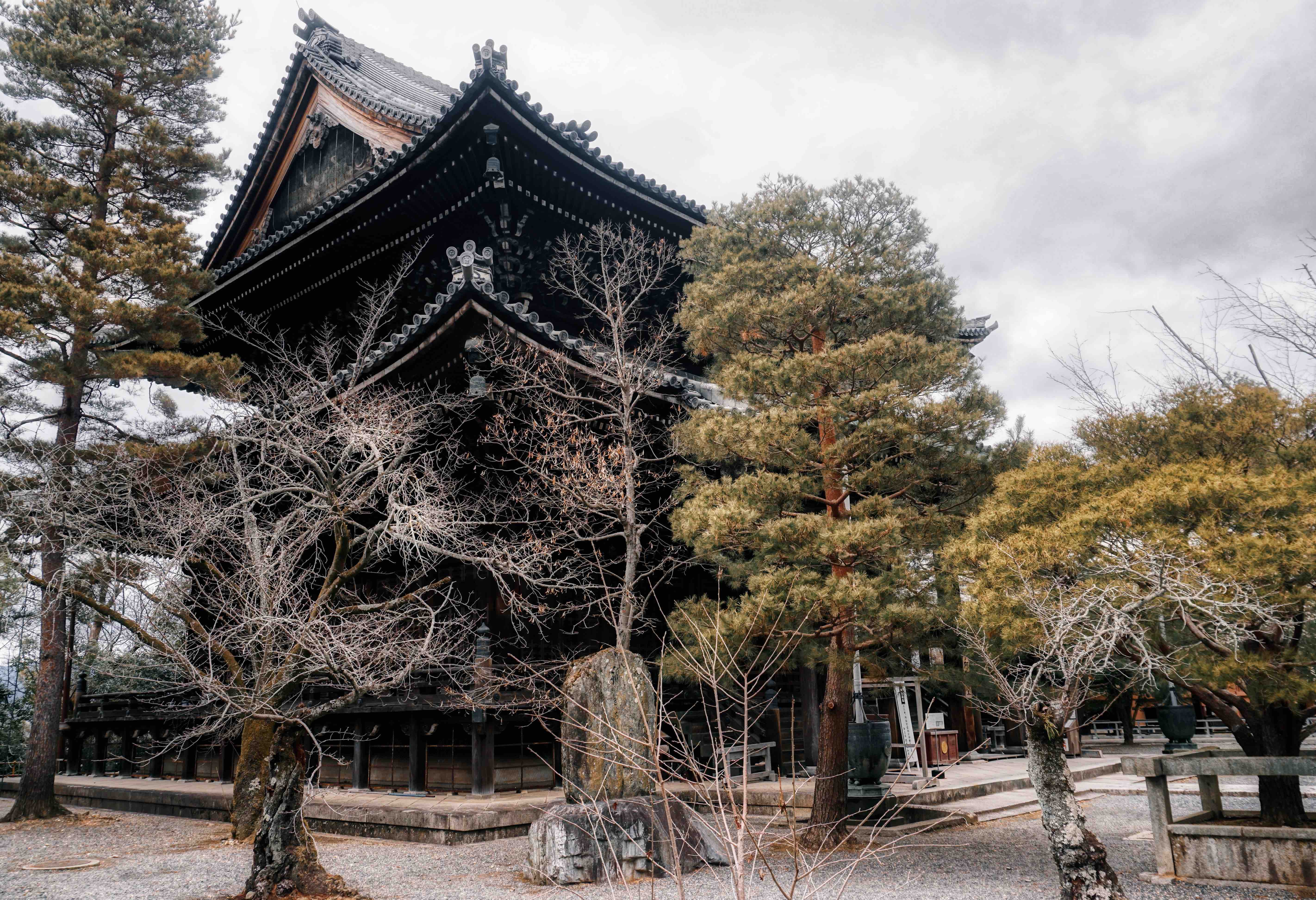
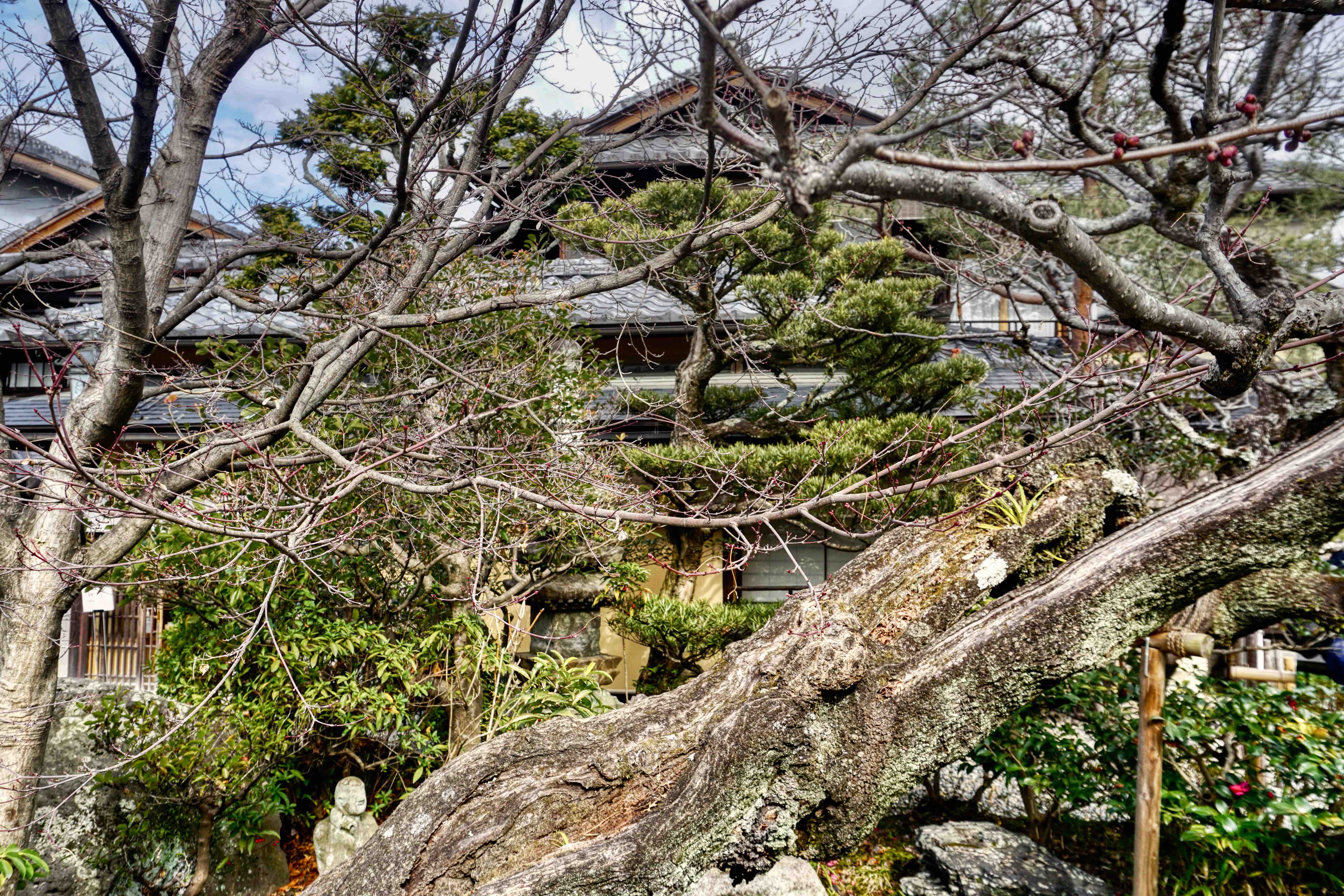

We’ve had a wonderful week in gorgeous Kyoto. It’s been cold, especially coming from FNQ, but we’ve thoroughly enjoyed rugging up with long-forgotten winter coats, scarves, gloves and hats – all required in these chilly sub-zero mornings! Sadly, we missed the heavy snow which Tokyo copped this week but perhaps that’s a godsend as getting around on foot might have been a tad tricky.
Kyoto is a very manageable, walkable city – what looks like some distance on the local map is in fact a 20 min walk. But with the Kyoto metro easily at hand, getting from one side of the city to the other and reaching into the foothills of the local mountains is easy.
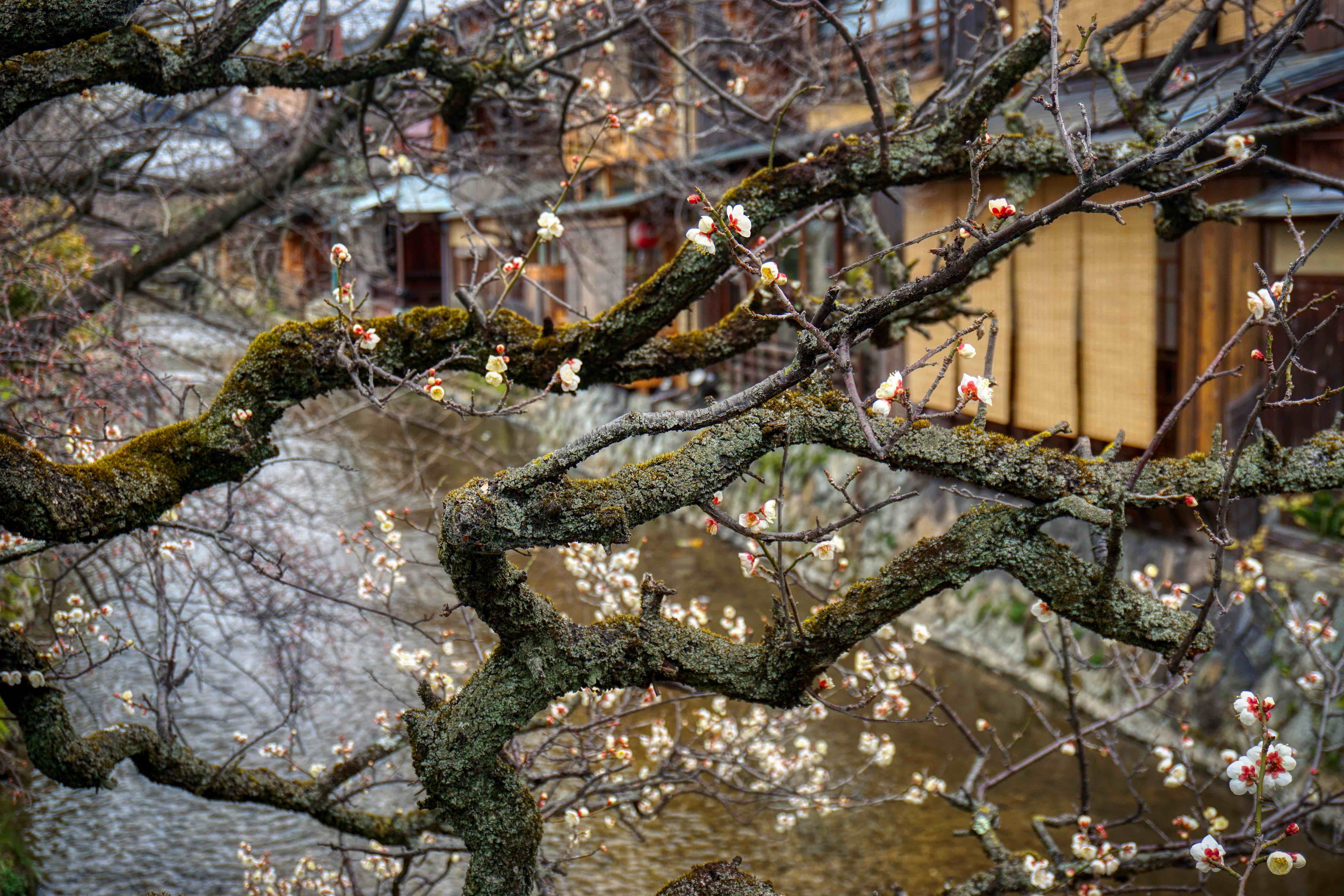
The shallow Kamo river runs right through Kyoto separating downtown from the picture-perfect historical hotspots of Gion and Miyagawacho, AKA, Geisha Central. You can stroll along the riverbank and rapids as Red Kites swoop and Grey Herons stand frozen in anticipation of a tasty fish or two, with snow-dusted mountains in the far hazy distance. Narrow pebbly streams run parallel with the river, with small arched bridges connecting laneways and pocket-sized Japanese gardens.
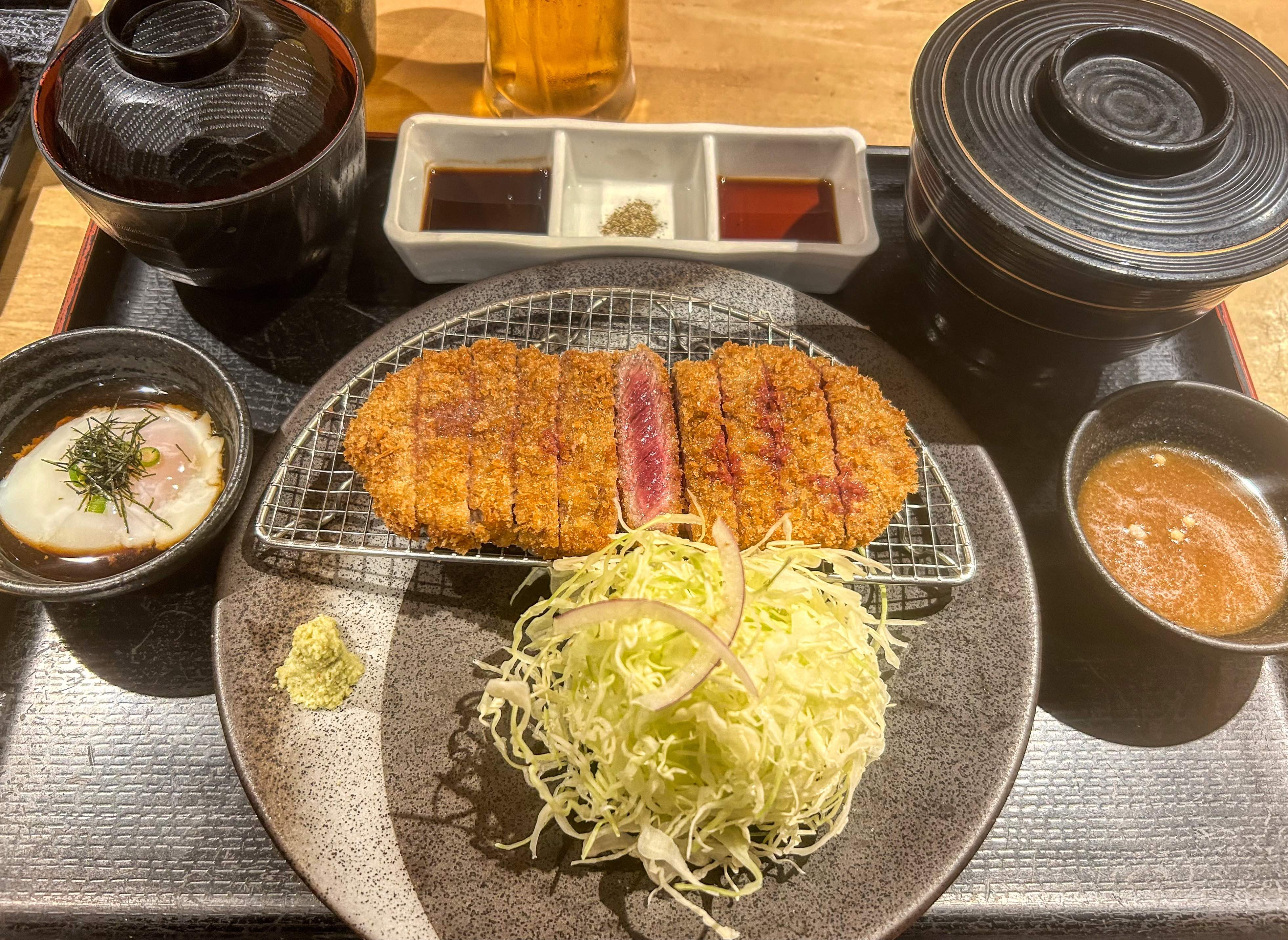
Pontocho runs parallel with the stream and river – a super narrow long alleyway jam packed with restaurants and bars. We discovered a wonderful speciality place ‘Gyukatsu Katsugyu’ that serves Wagyu beef strips that are fried in Panko at an incredibly high temperature, creating a crispy outside with a medium rare inside. The meal is served with a small round hotplate over a flame so you can cook your beef how you like it. It also comes with a special curry sauce, dipping sauces, shredded white cabbage, beaten egg for your rice, and, of course, Miso. We’ve been twice now and savoured every single moment.
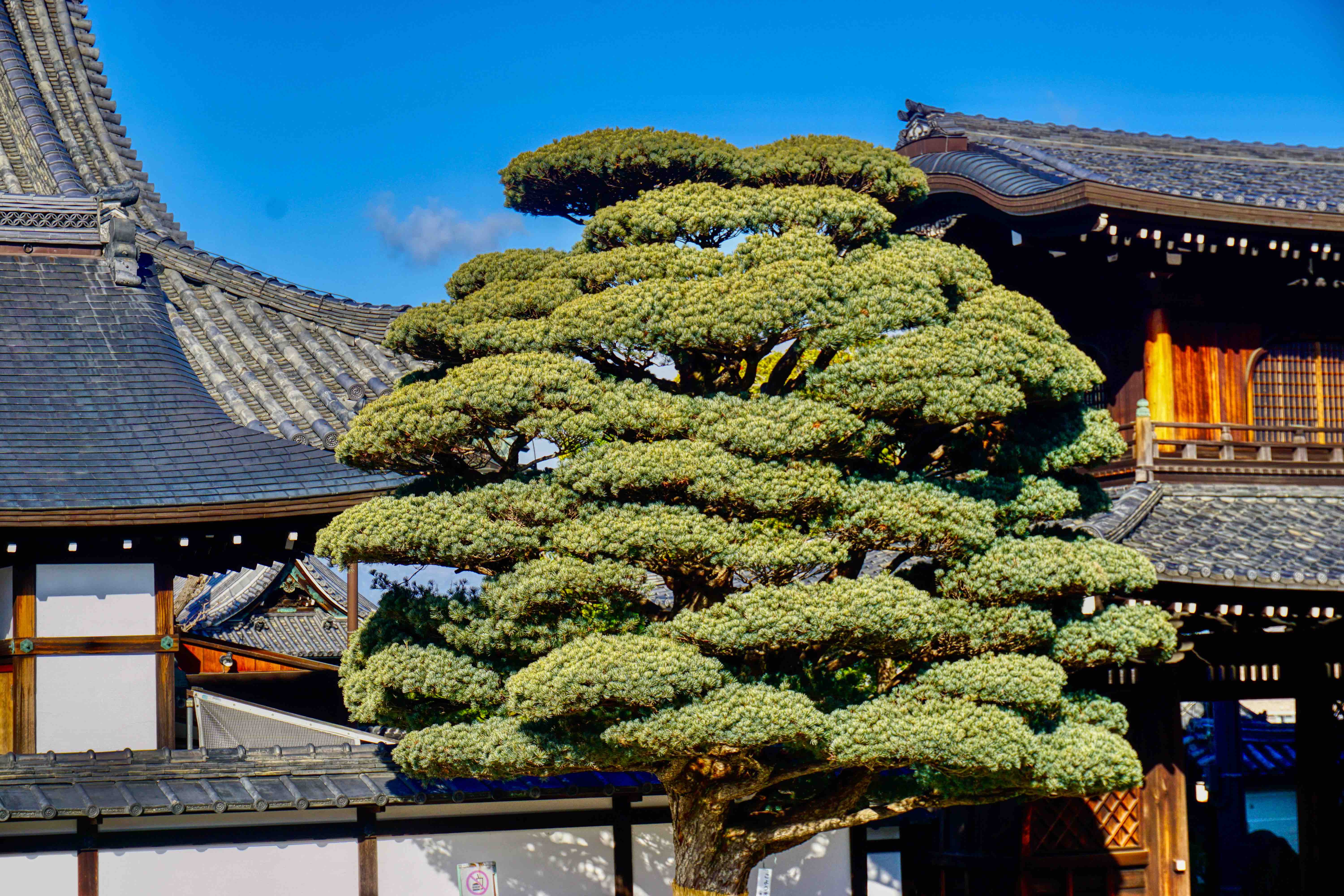
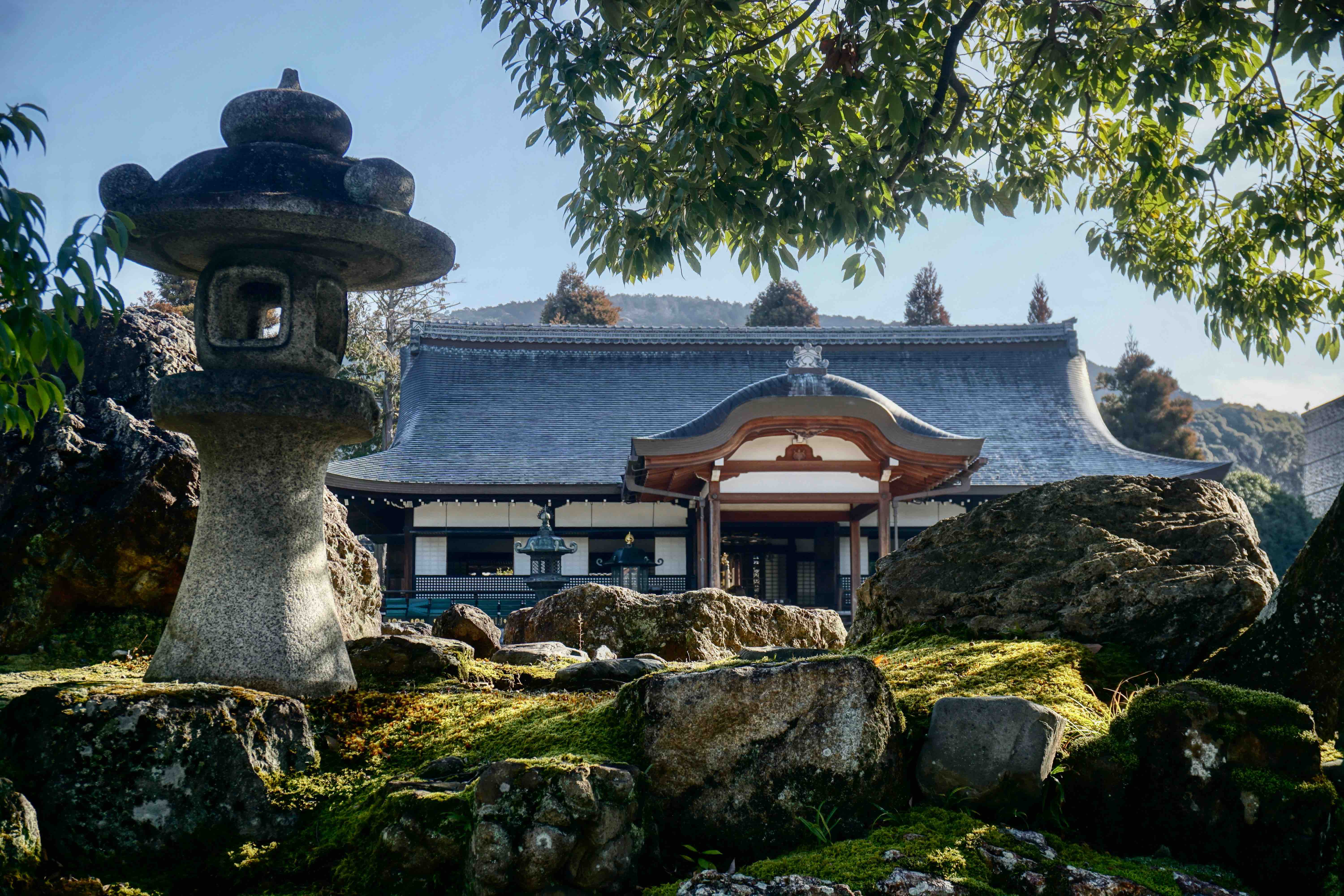
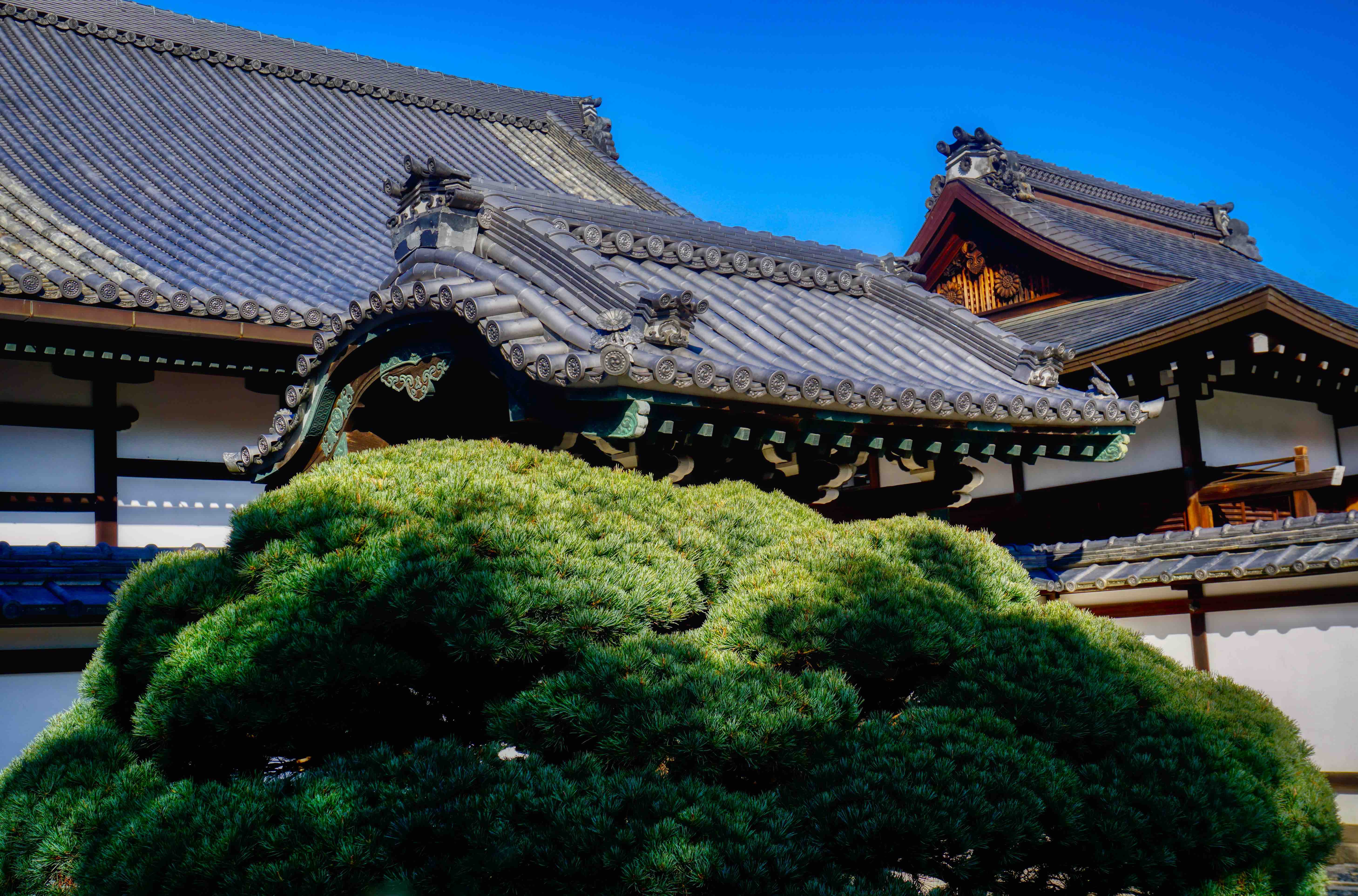
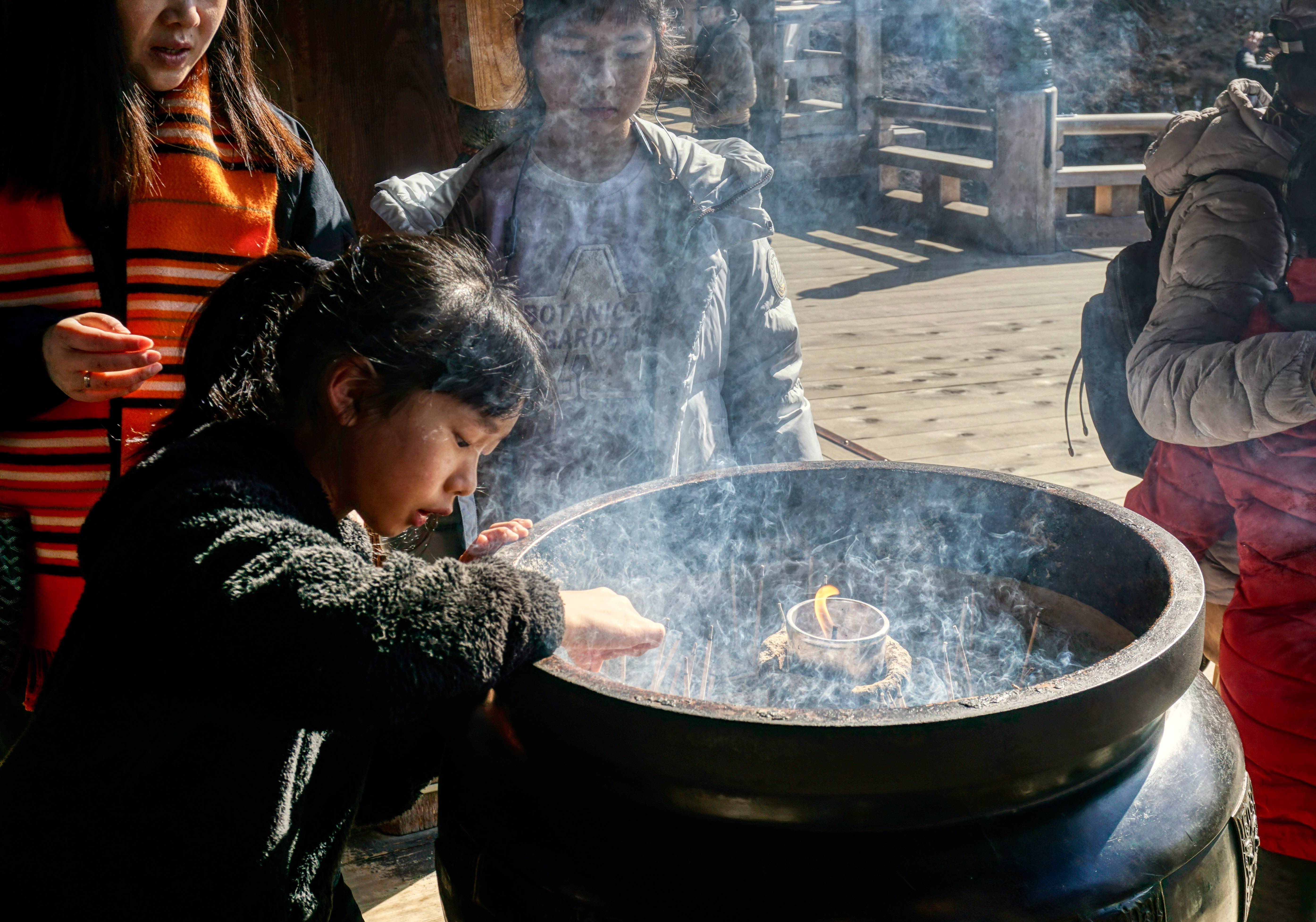
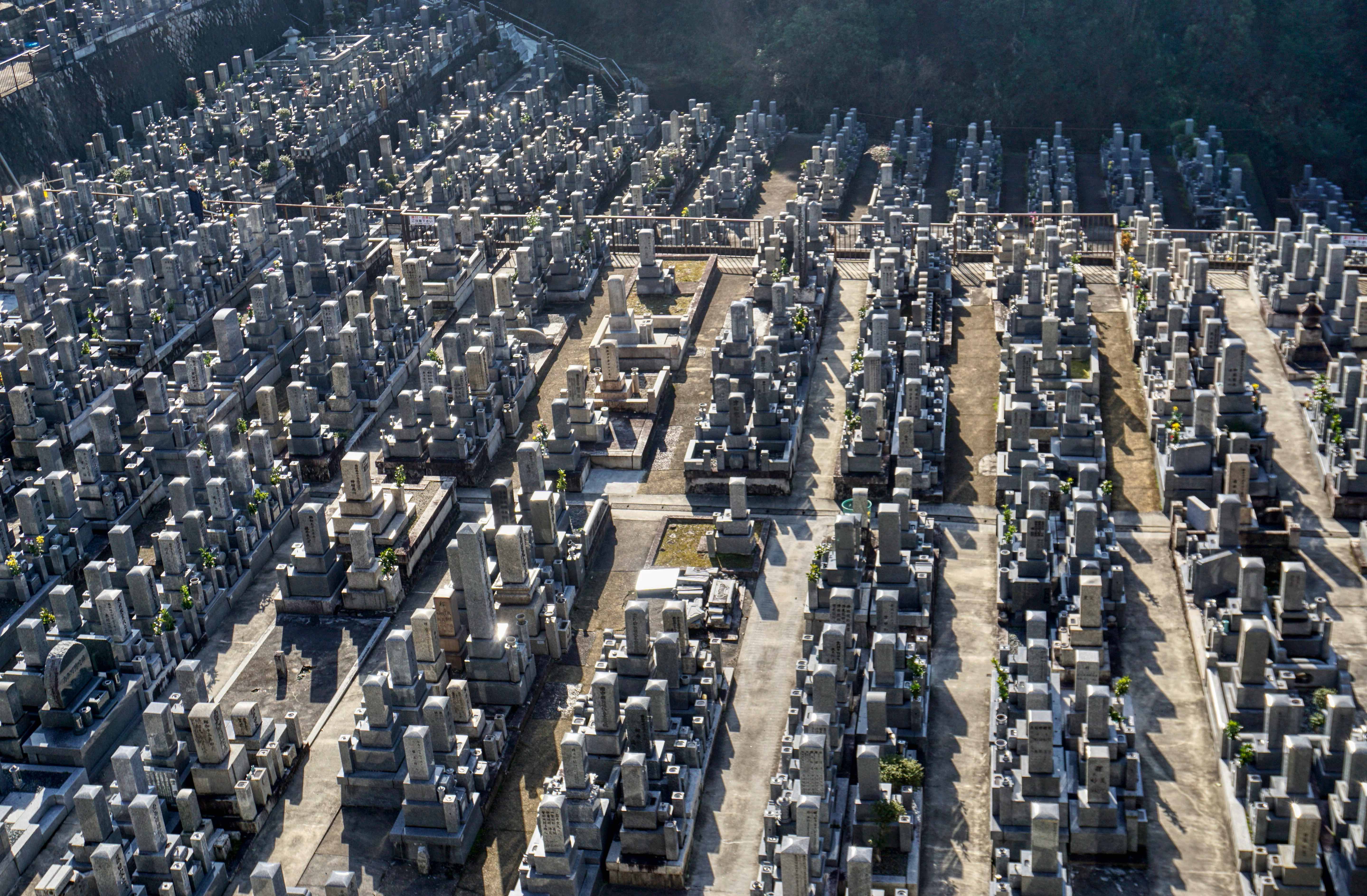
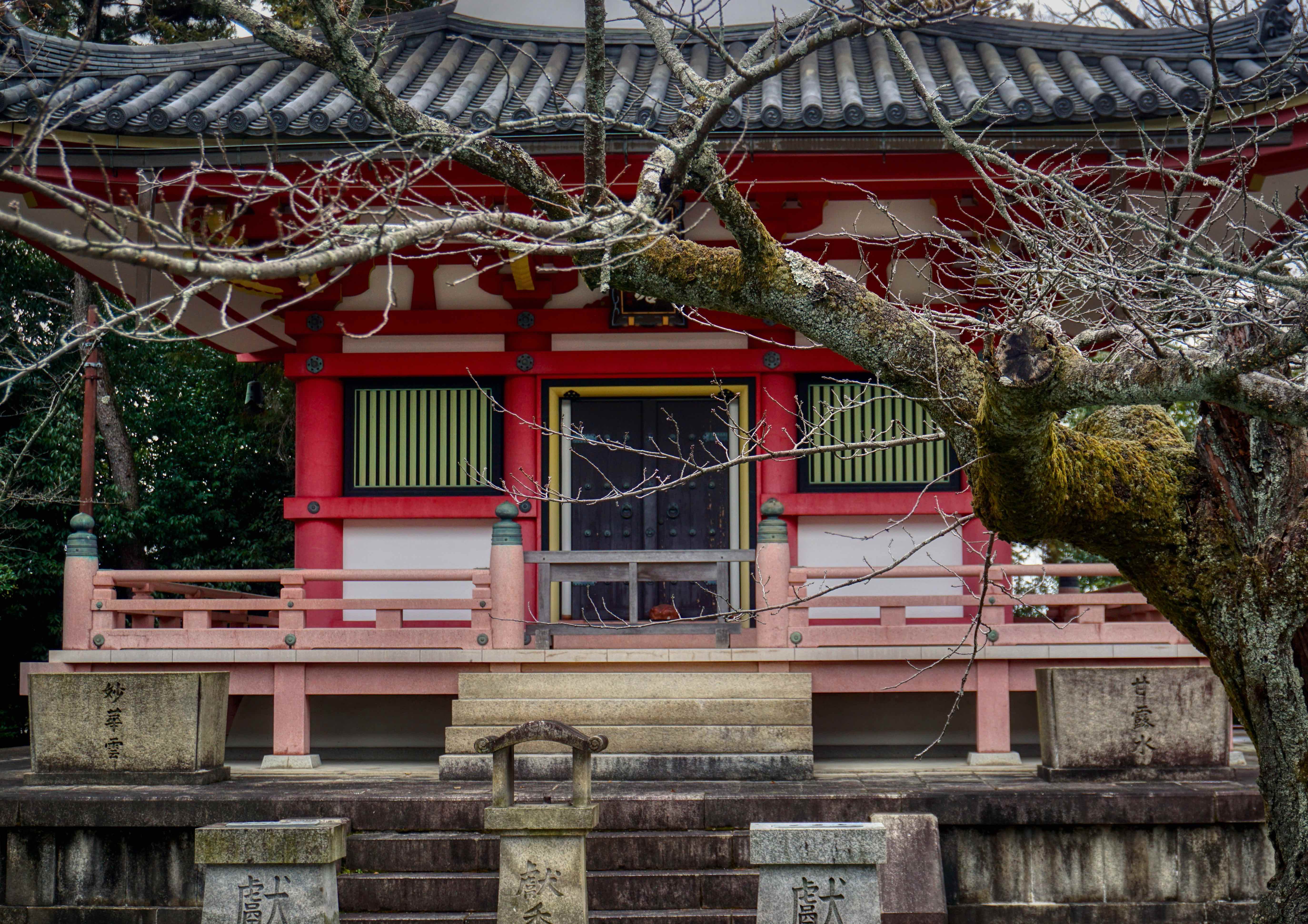
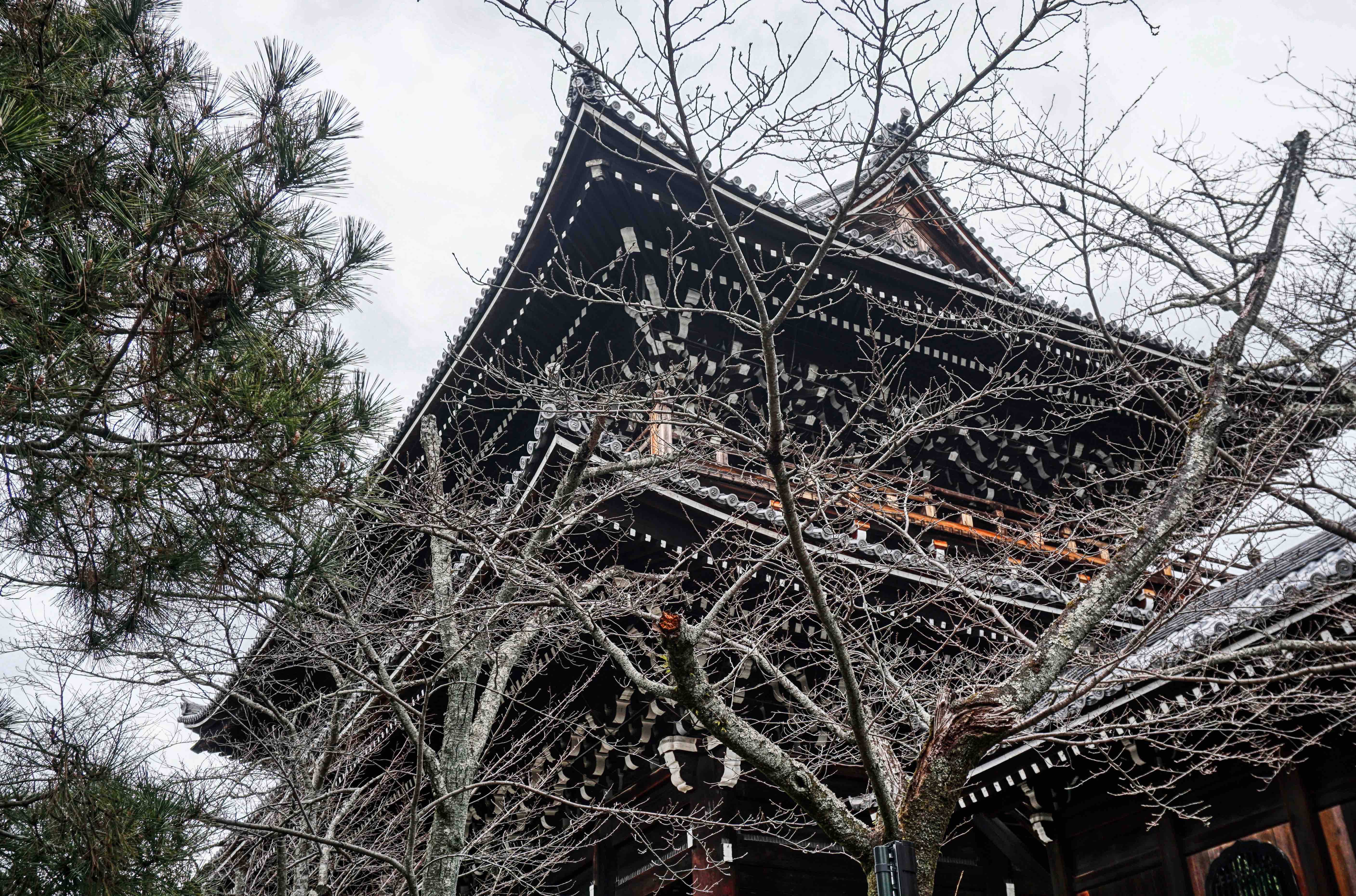
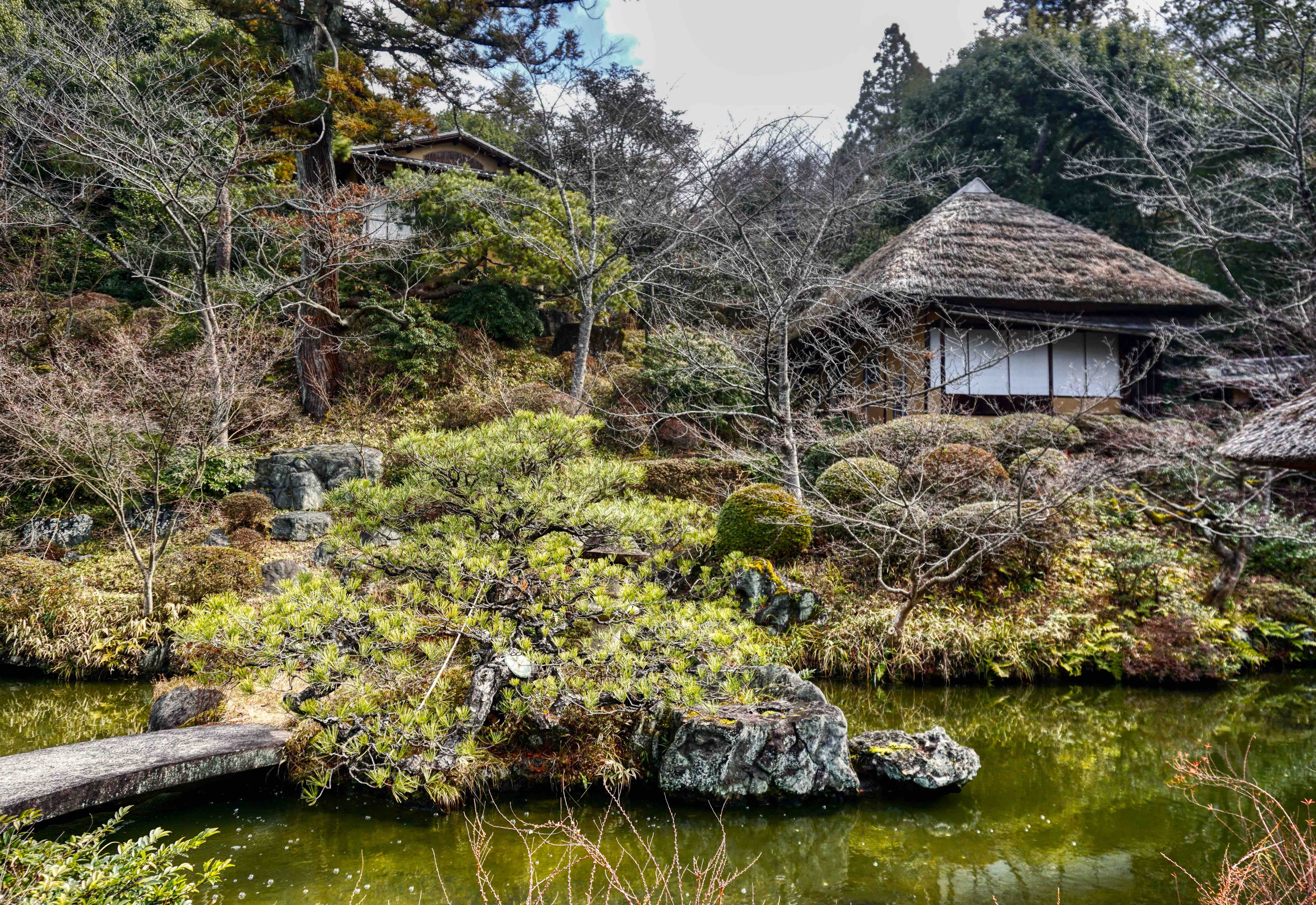
It was another day of Temples, Shrines and yes, more Pagodas but you’re drawn to them like moths to a flame as each one feels and looks so different. On the way up to the Kiyomizu-dera Temple we popped into the Nishi Otani Mausoleum, the shrine of Shinran, founder of Jodo Shinshu, one of many subsets of Buddhism. The immaculately clipped and shaped trees in the garden here resemble clouds – magical in the early morning light. On the way to the temple is a sprawling 40,000 sq. metre cemetery that’s crowded with engraved stone pillars of various sizes, a vast Necropolis giving the impression of a large modern city viewed from above. During the Obon Festival in August, relatives of the dead place lanterns with candles on the graves at night, transforming this Necropolis into a fairyland.
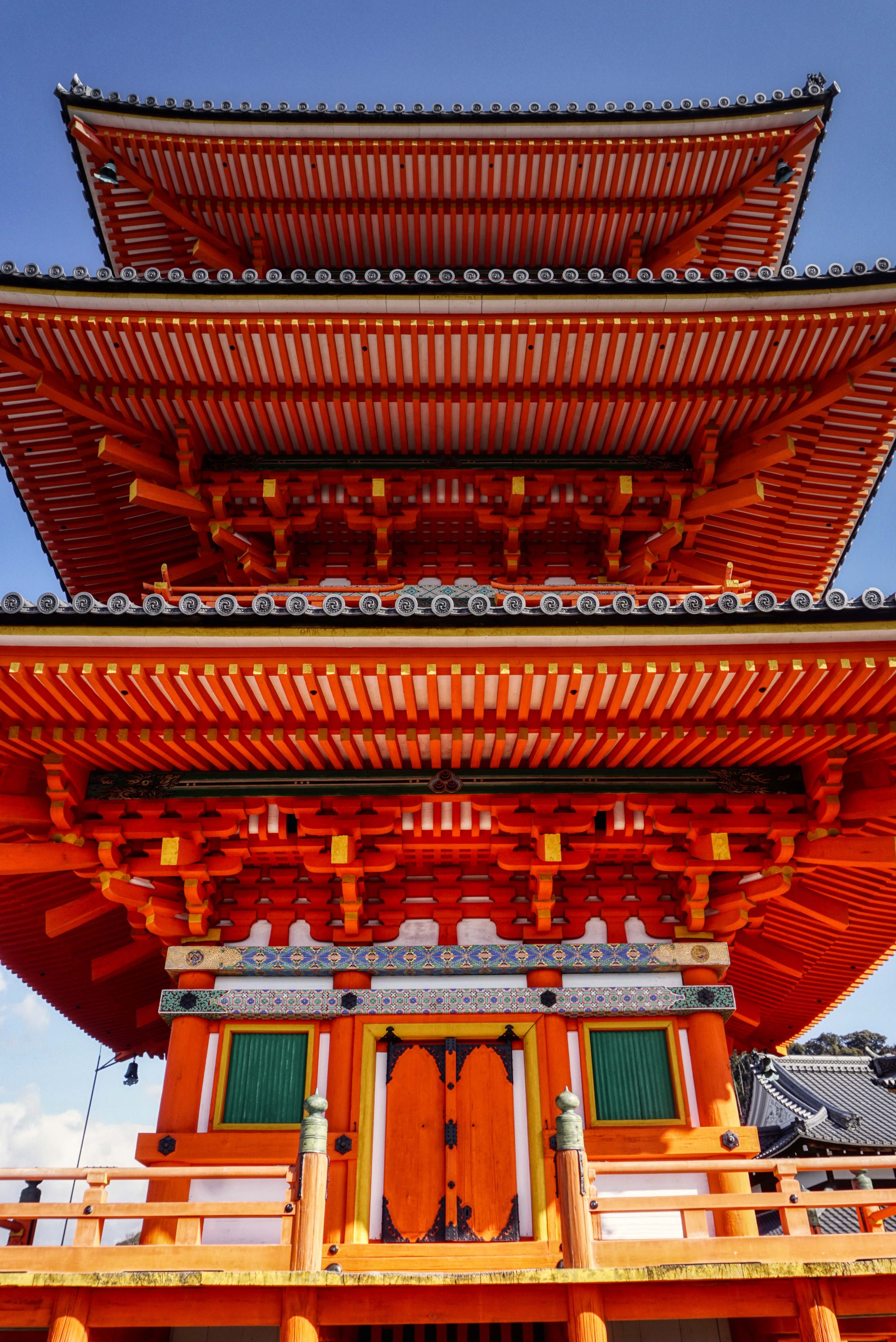
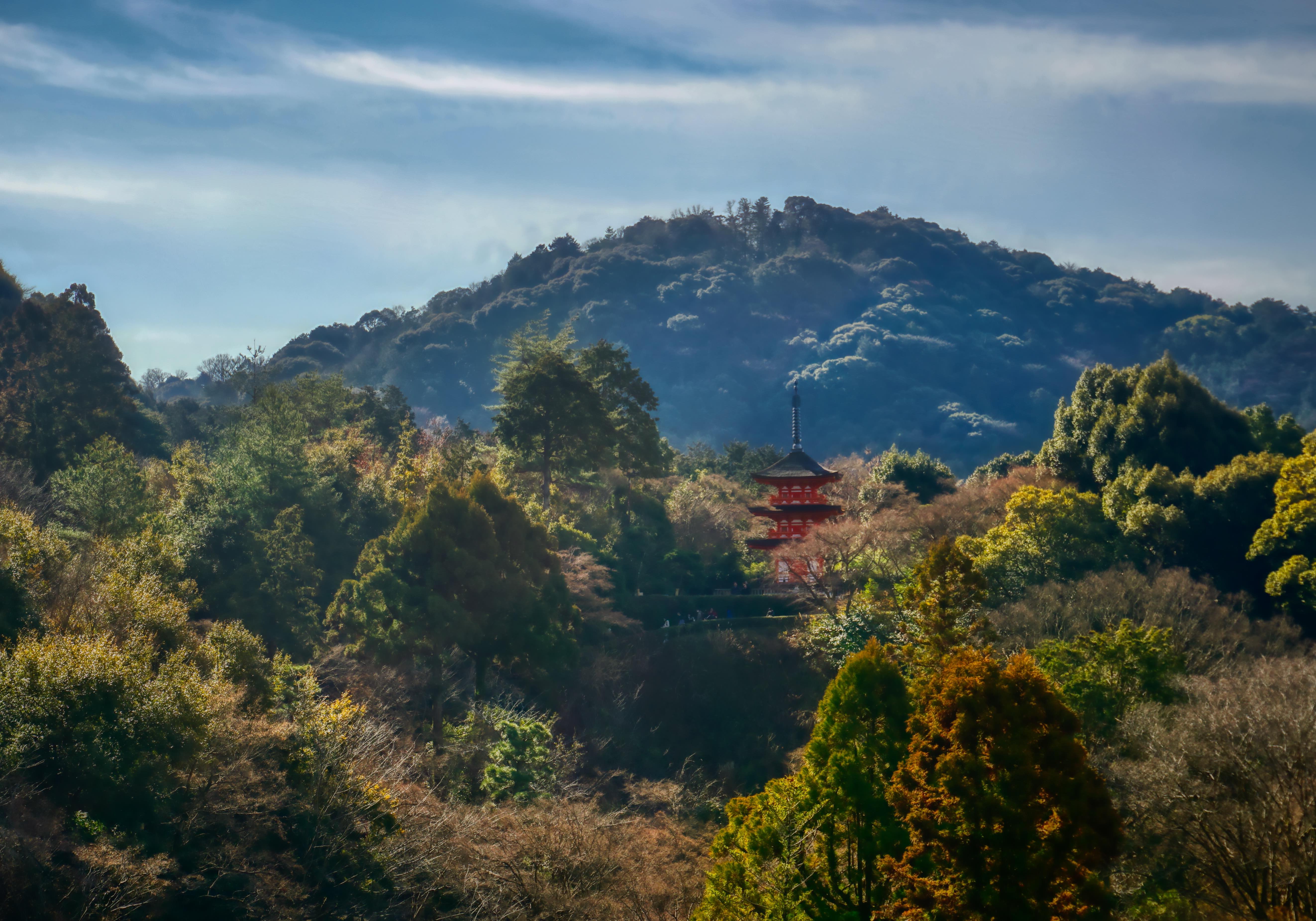
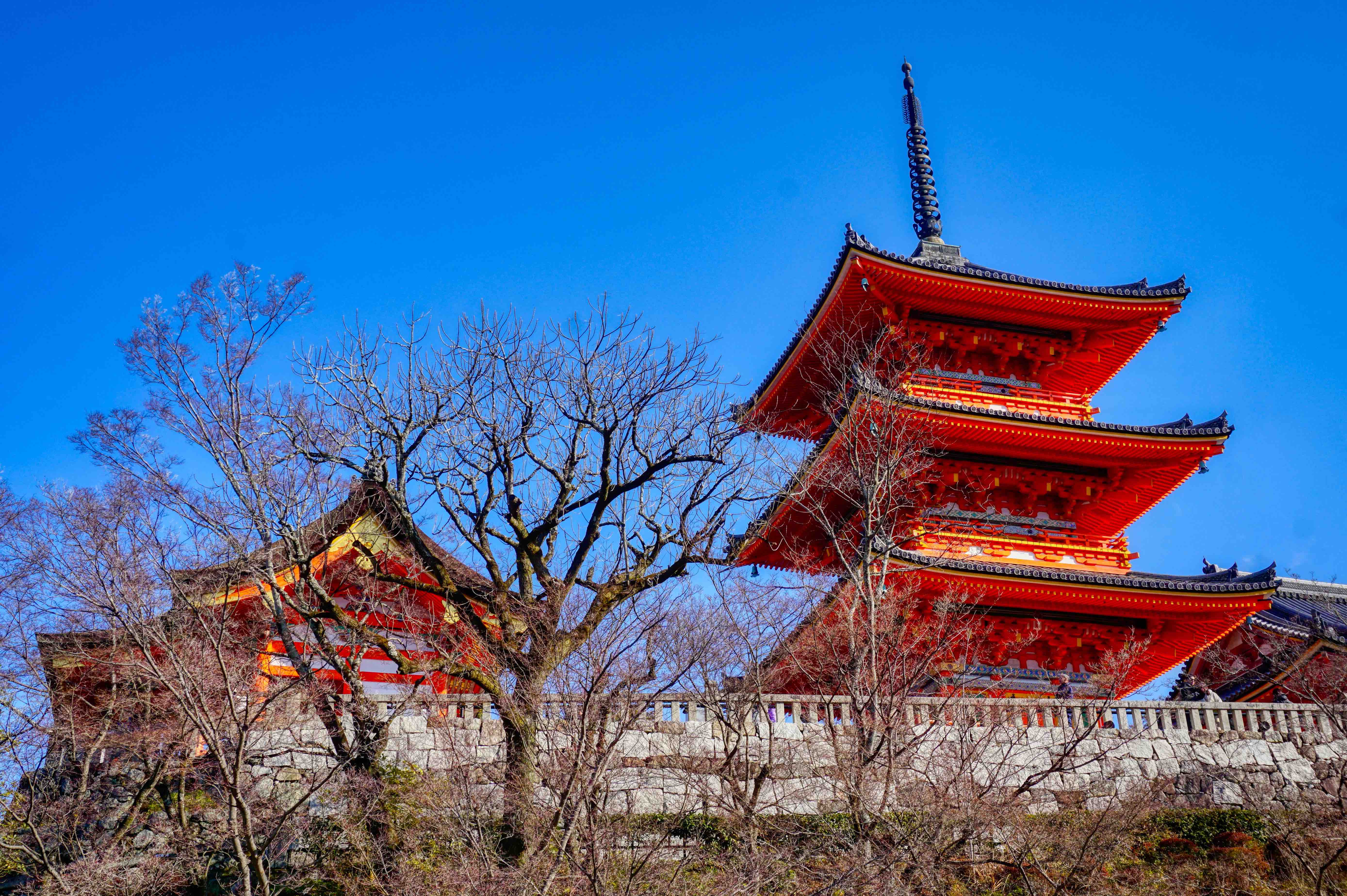
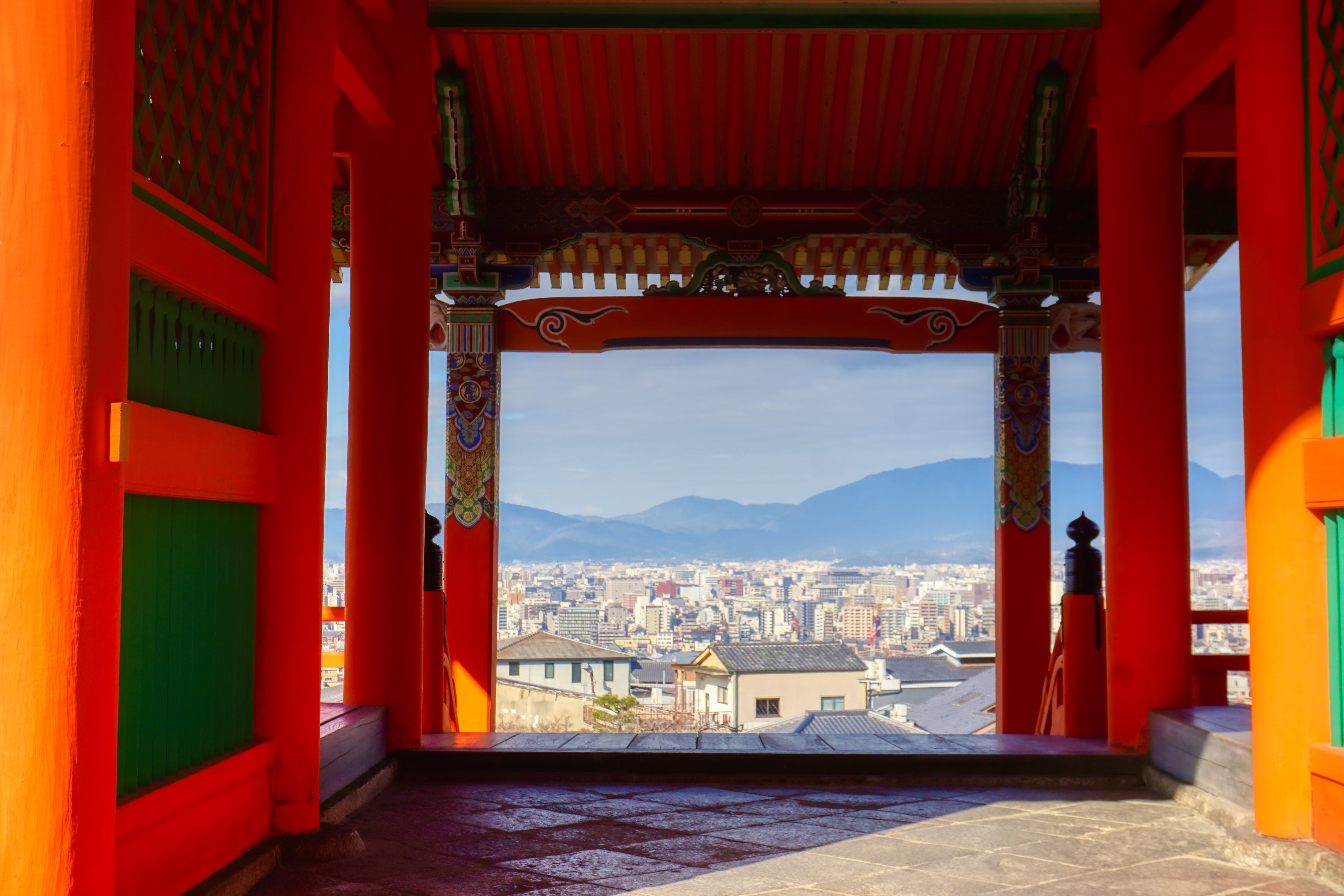
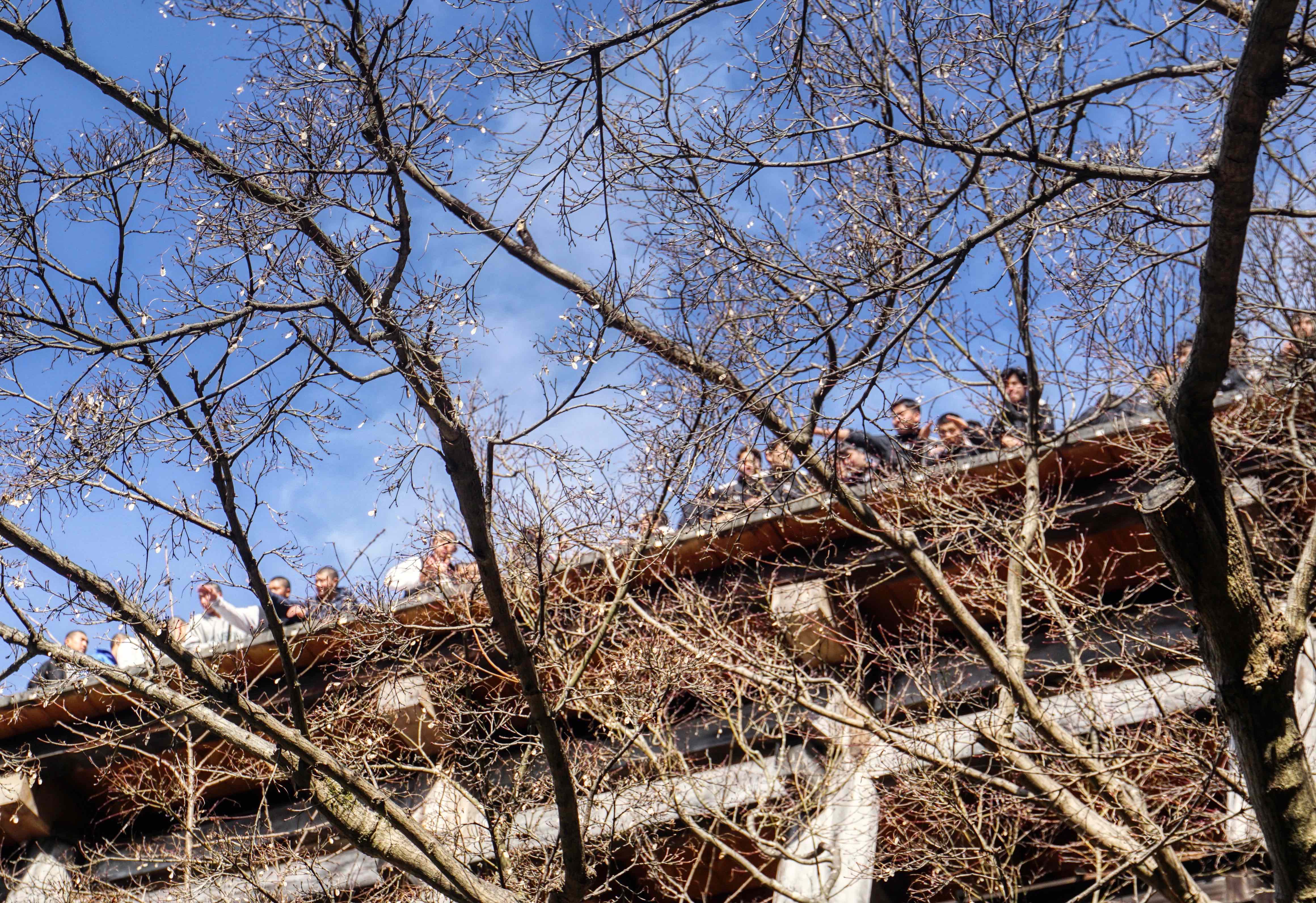
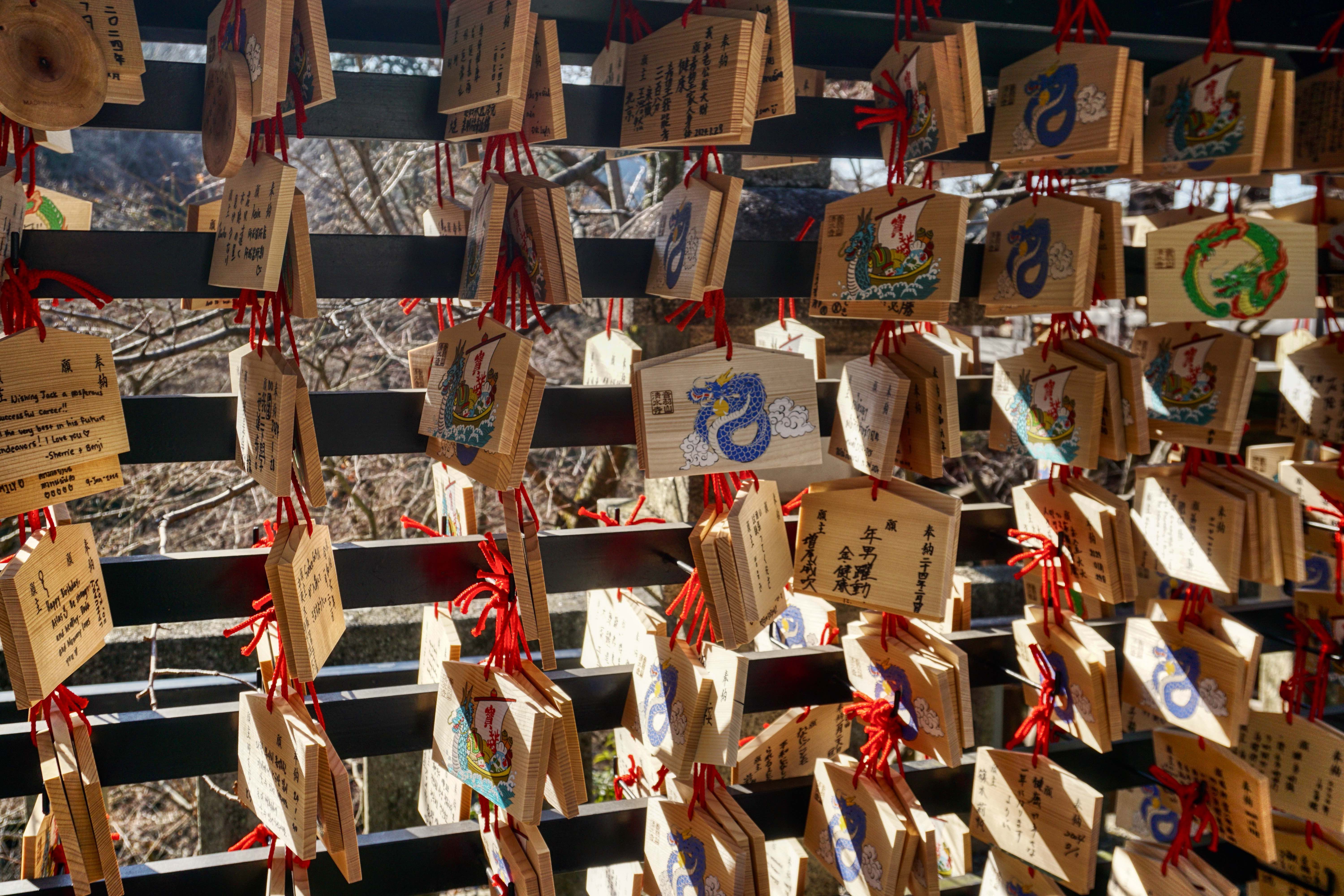
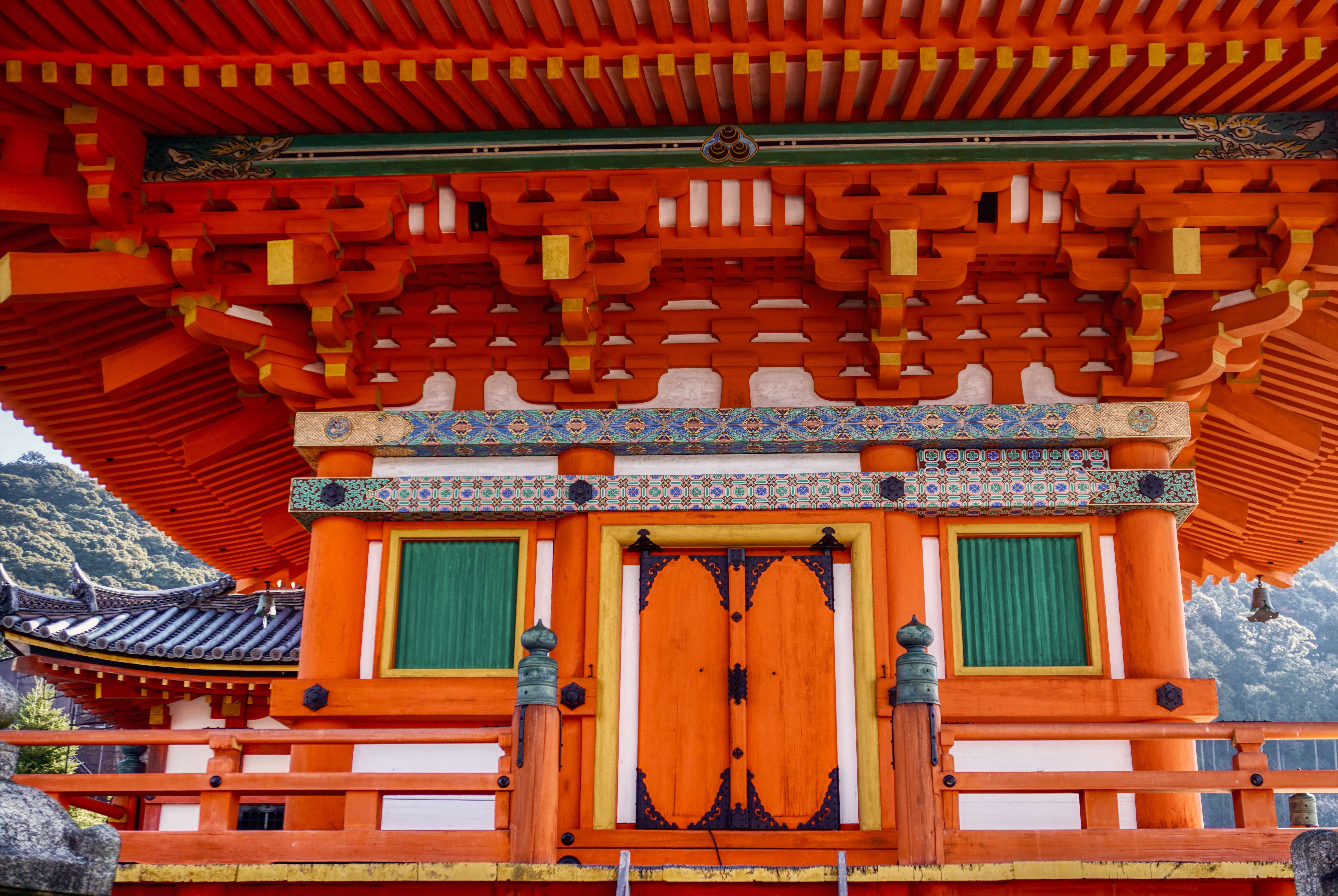
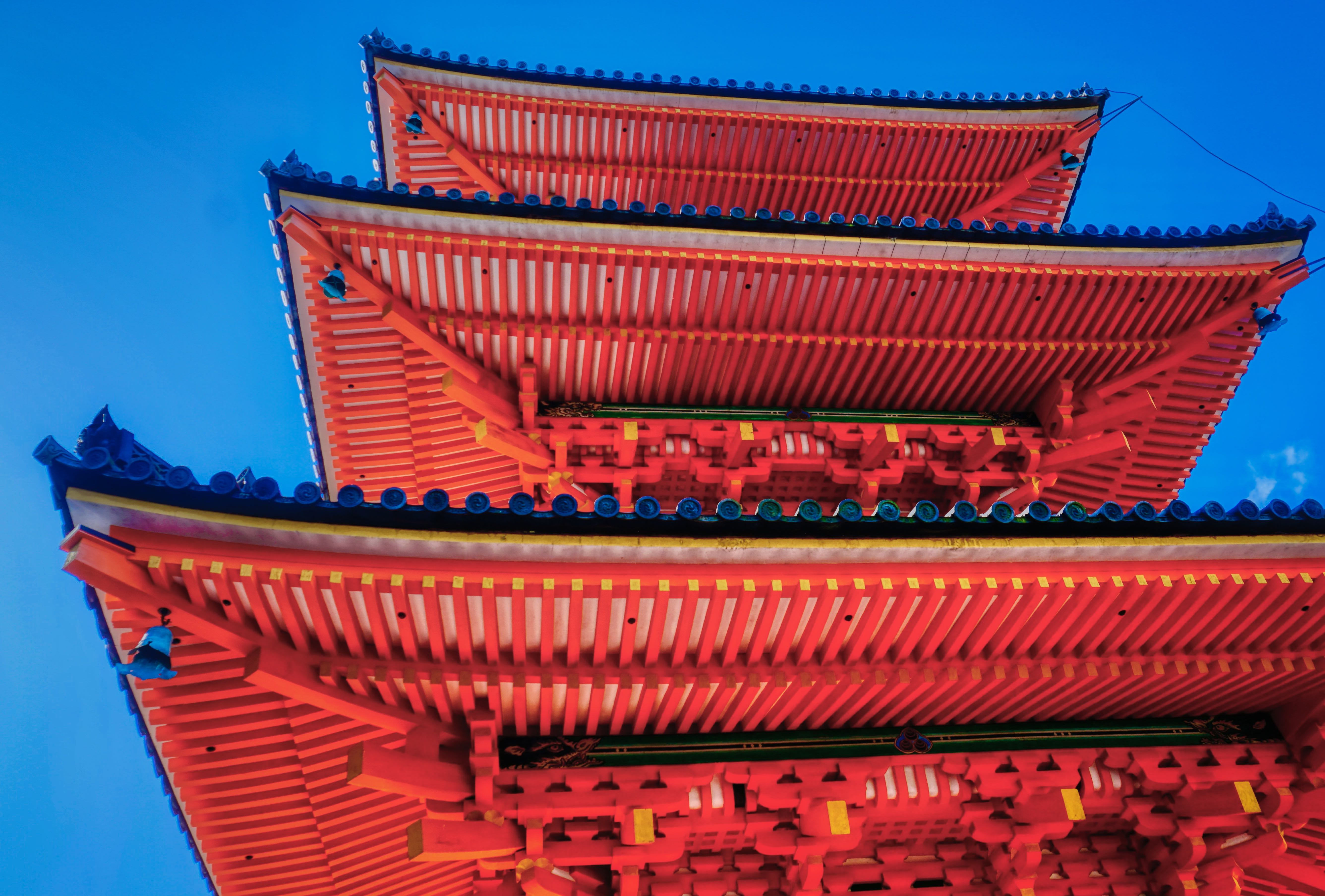
The Kiyomizu-dera Temple is a vibrant orange, different from the vermilion of the Fushimi Inari Shrine, but none the less radioactively bright against the morning’s cold blue sky. The temple was packed, like really crammed. It was founded in 780 on the site of the Otowa Waterfall in the wooded hills east of Kyoto. This temple is famous for its wooden stage that juts out from the main hall 13 metres above the wooded hillside packed with cherry and maple trees that in around a month or so’s time will burst into blossom and attract even more crowds. But for now, perhaps the real reason this shrine is so busy with young people is that it’s dedicated to the deity of love and matchmaking. In front of the shrine are two stones, placed 18 metres apart. If you can find your way across without opening your eyes, then it’s said to bring luck in finding love.
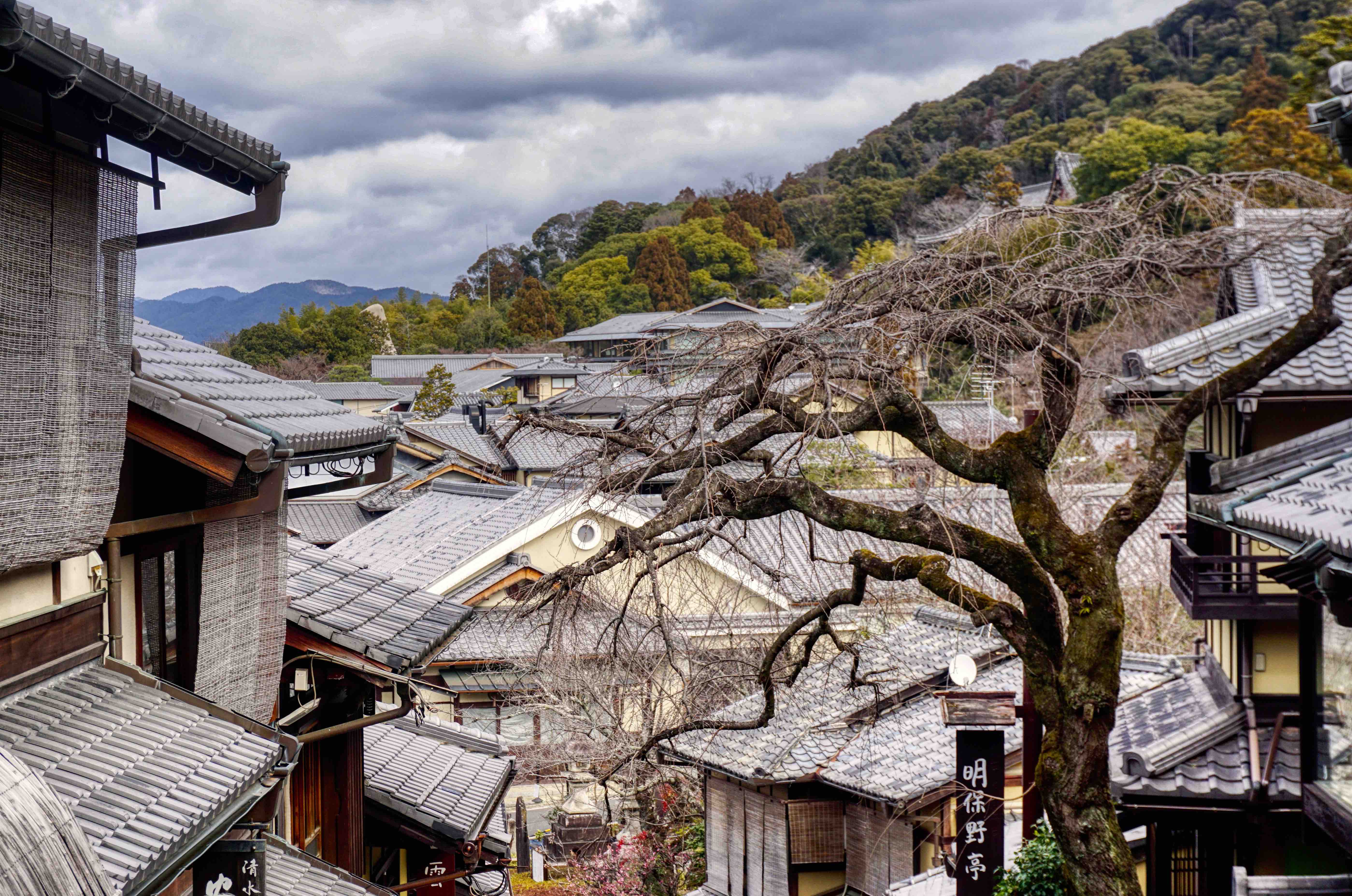
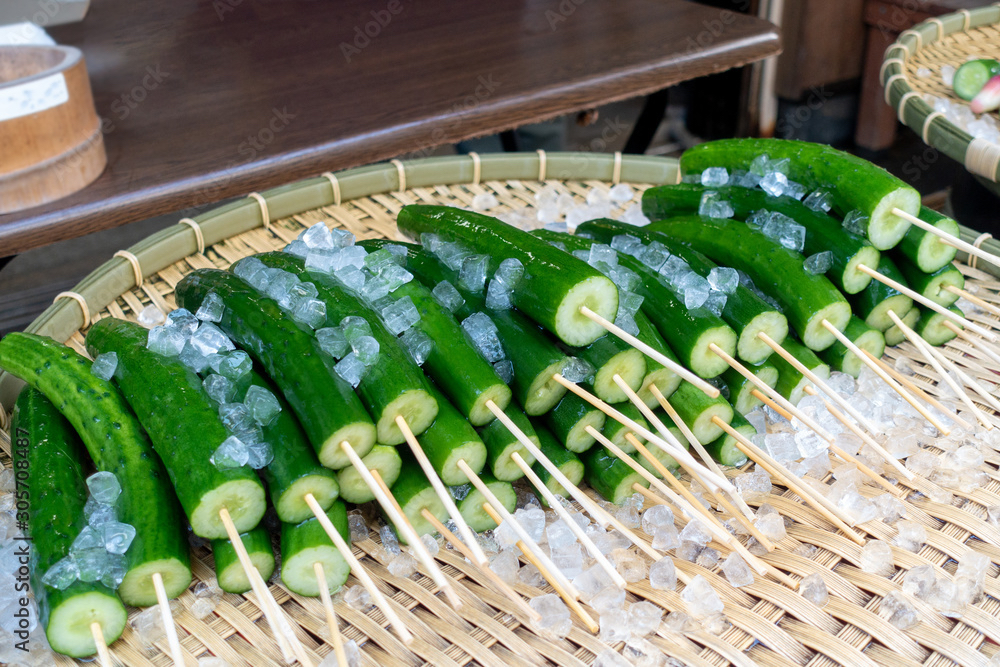
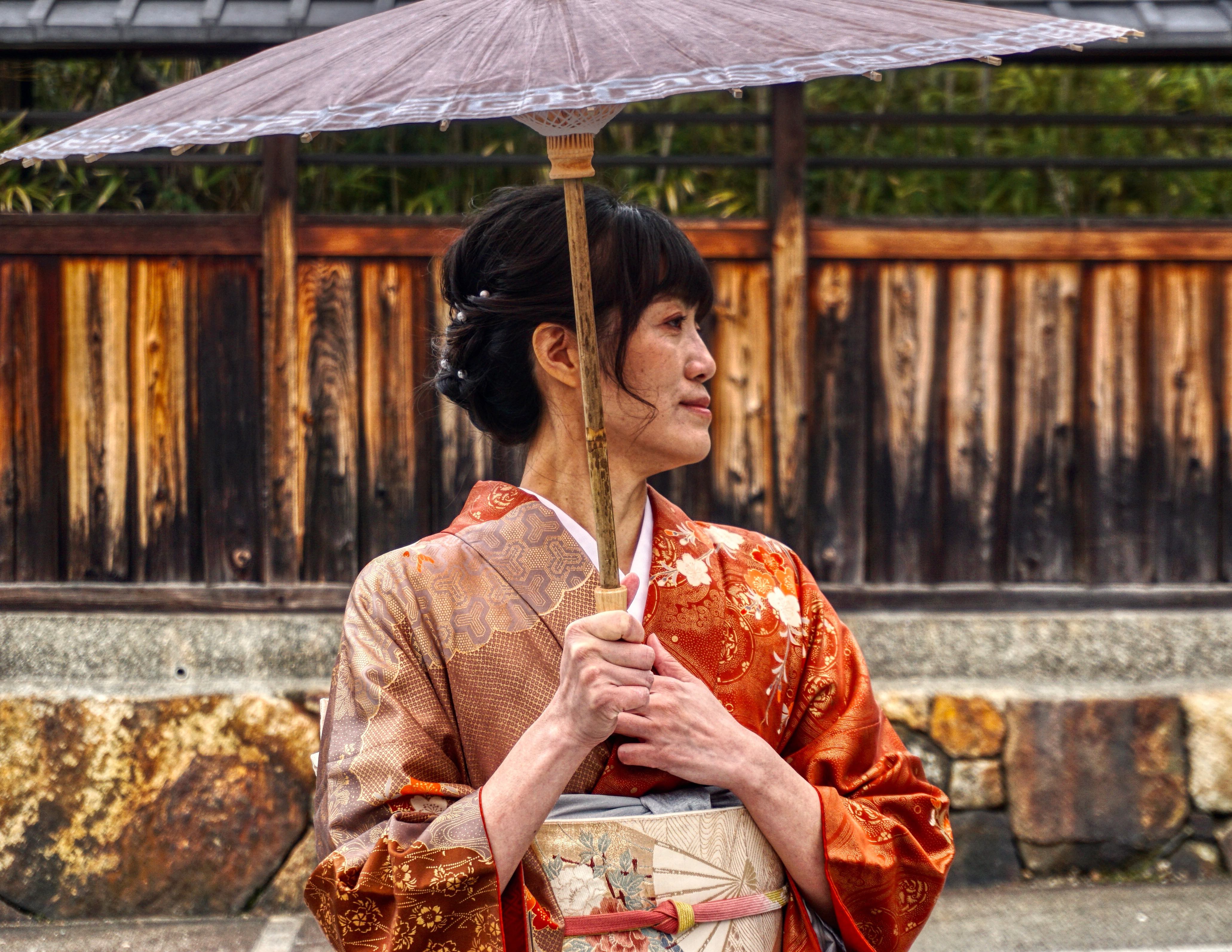
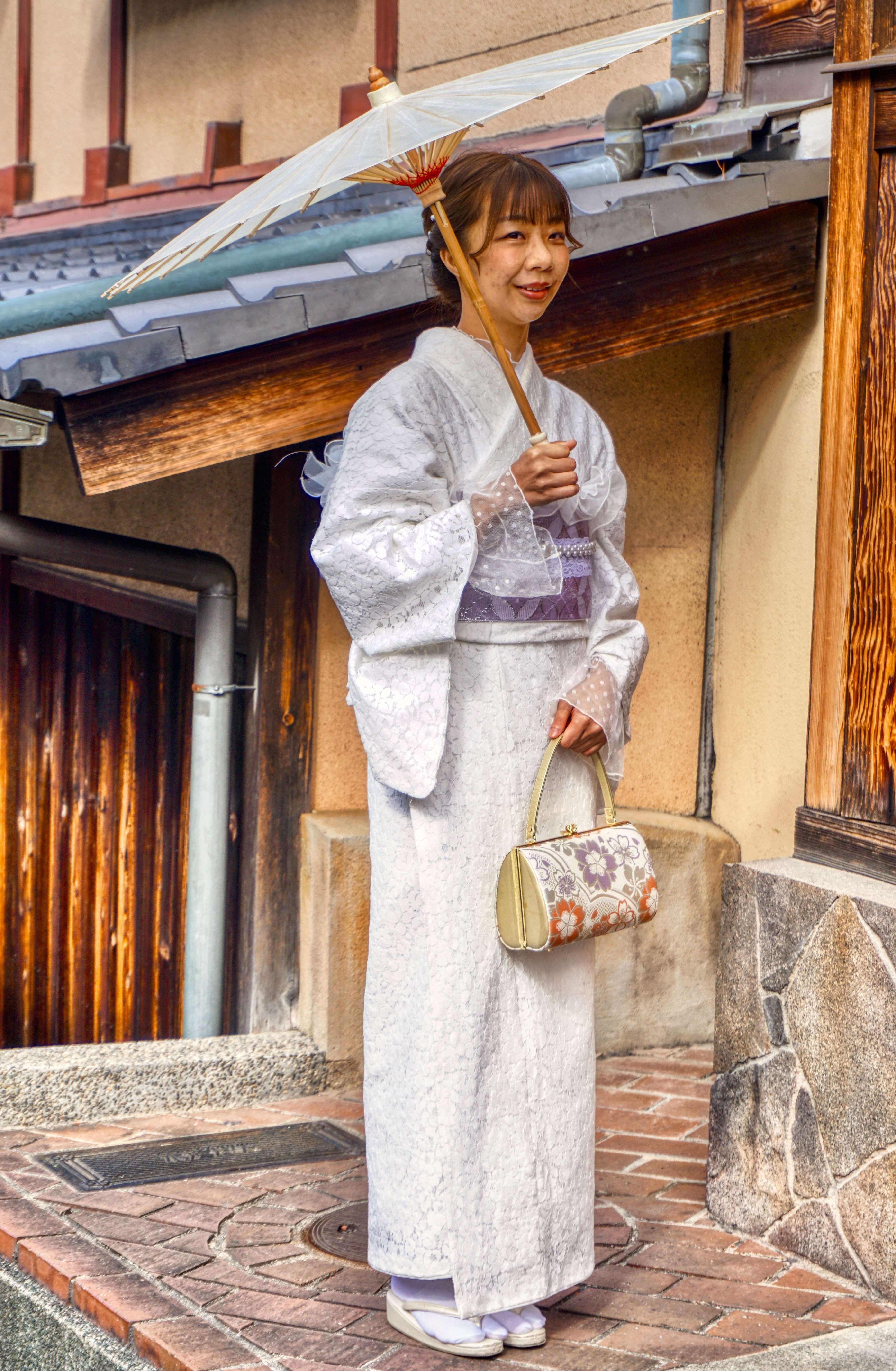
The steep laneways around Higashiyama District are lined with small shops and stands with tourists and locals, many of them dressed up in traditional costume, taking the morning air and consuming everything in their path such as Kyuri Asazuke, whole savoury and sweet pickled cucumbers served on a stick – these were flying off the stands.
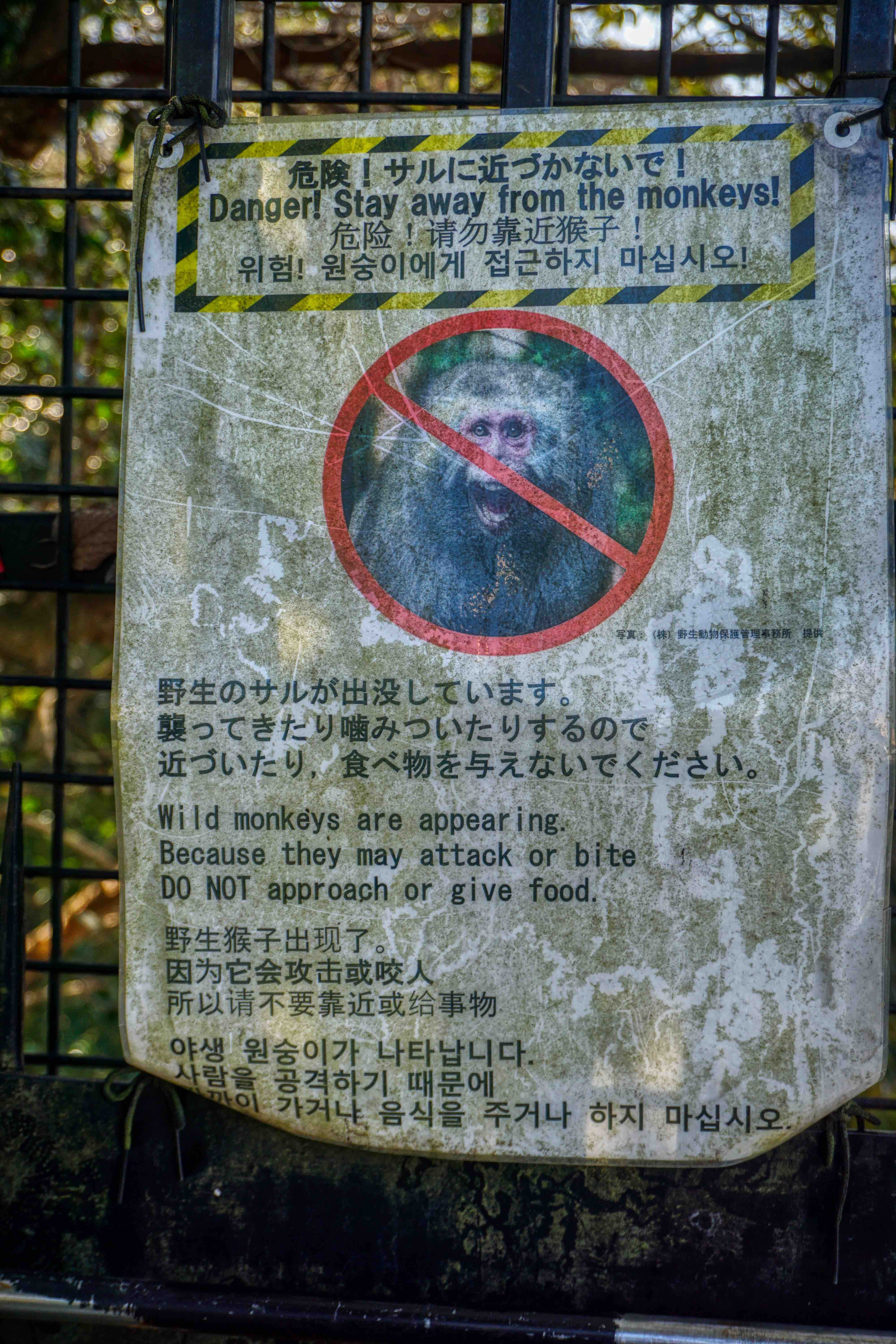
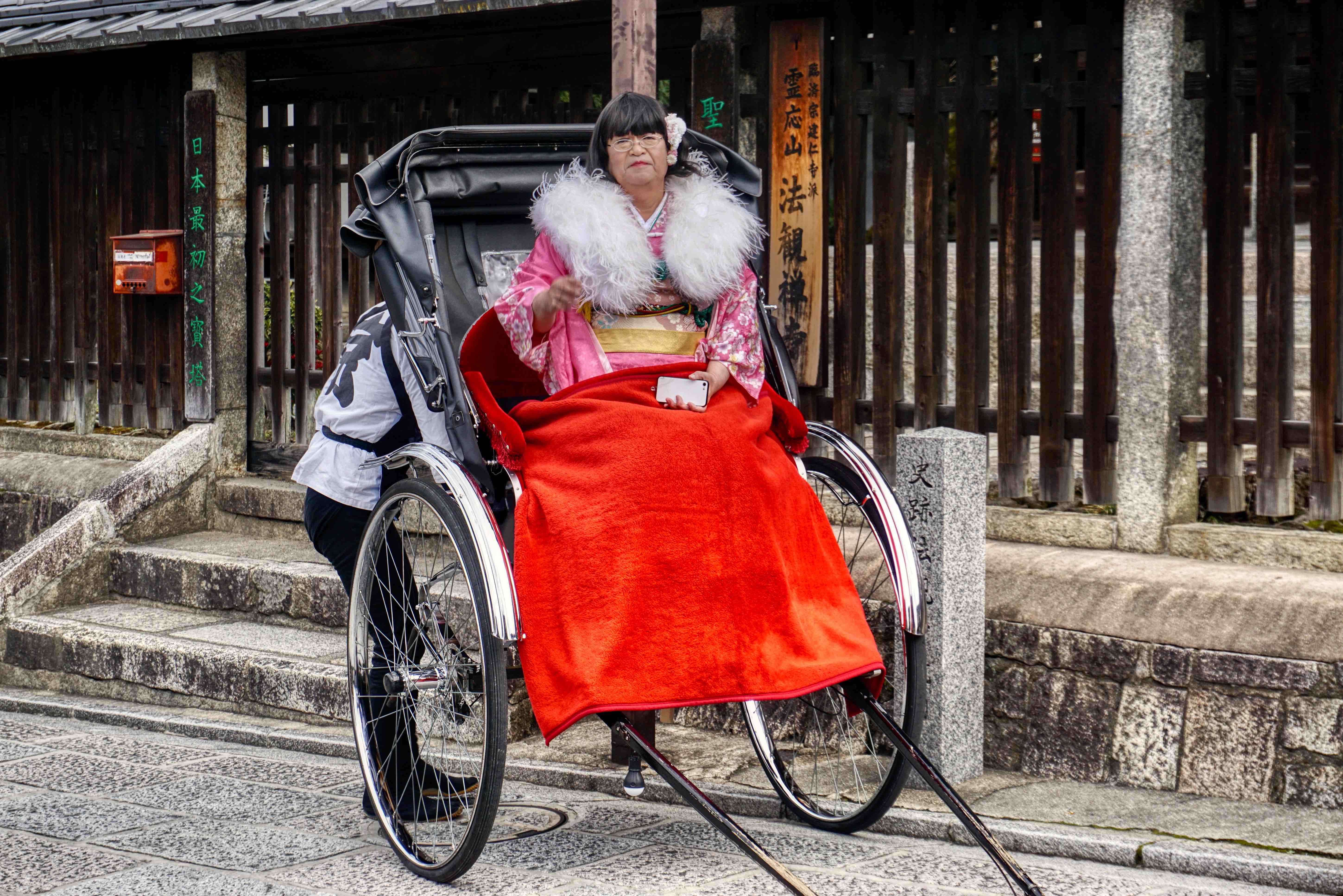
Meandering around these higgledy-piggledy narrow lanes we found pottery and ceramic stores, antiques, restaurants, smaller shrines and temples and tiny exquisite gardens – a quiet refuge for contemplation after the temple crowds. Around a narrow bend in the laneway the 46-metre tall Yasaka-no-to Pagoda looms with graceful sloping tiled roofs on each tier. It’s said to have been built sometime in the 7th century, making it some 1,400 years old, but with fires and earthquakes over the centuries it’s been reconstructed many times over with the current incarnation probably dating to around 1408. This is a place for photo opportunities, so the laneways around the Pagoda are full with Japanese women of all ages wearing their traditional costumes, some in full Geisha whilst others more modest affairs. We also happened upon a striking mature figure climbing into a rickshaw – a proudly trans Geisha, out for the day and no-one batting an eyelid. Who says the Japanese are conservative – if anything the people here seem remarkably tolerant, friendly and easy-going. We have to come back.
 Travels With My Ant
You ones have clearly fallen in love with Japan. It does look gorgeous. Browsing this marvellous set of photos, I saw a geisha and a gaysir. Which is which is a choice of zero degree of difficulty 😜.
LikeLike
Ha! Updating the post, this time with the words!
LikeLike
Stunning travels as always!
LikeLiked by 1 person
Flip that looks gorgeous
[image0.jpeg]
LikeLike