
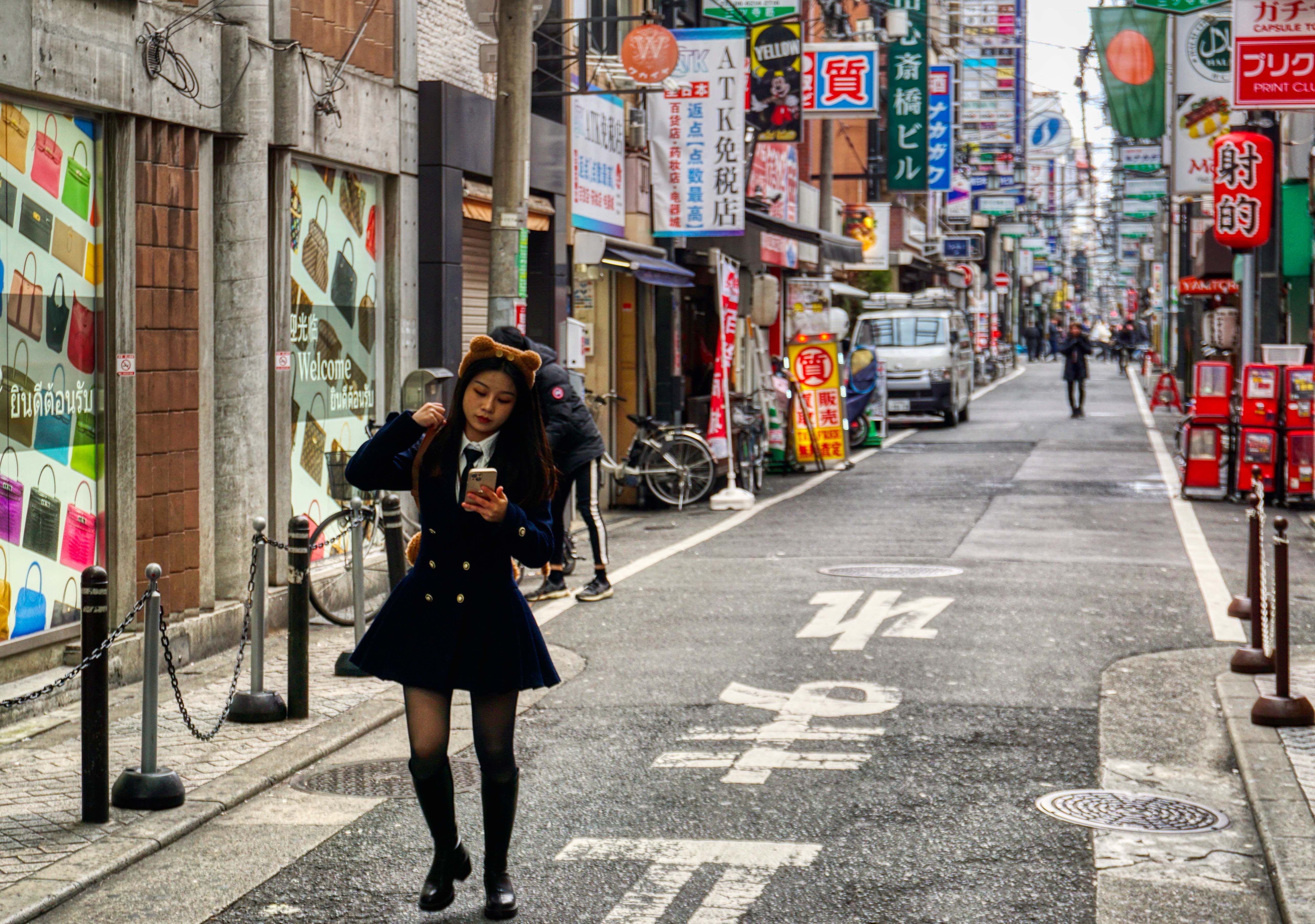
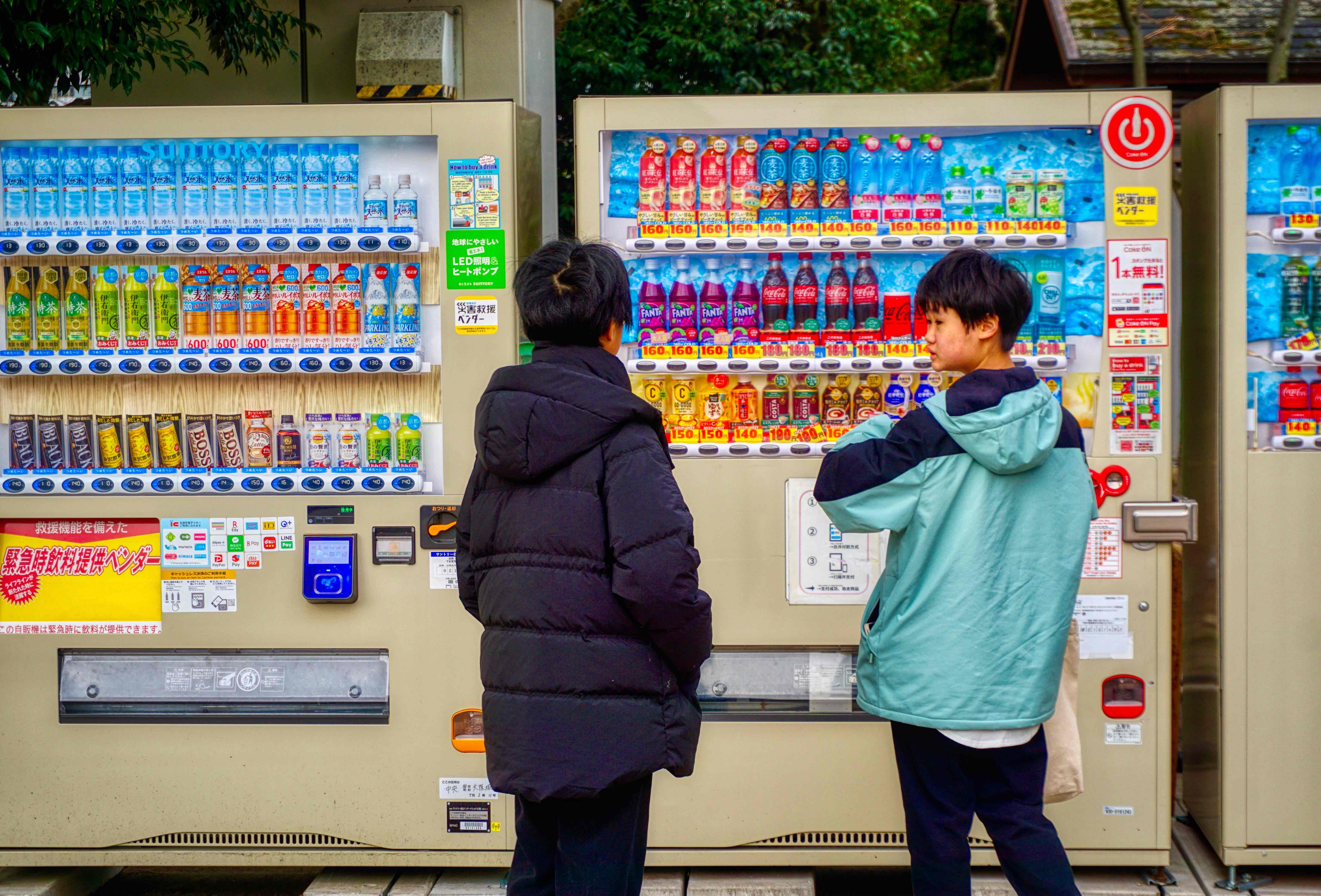
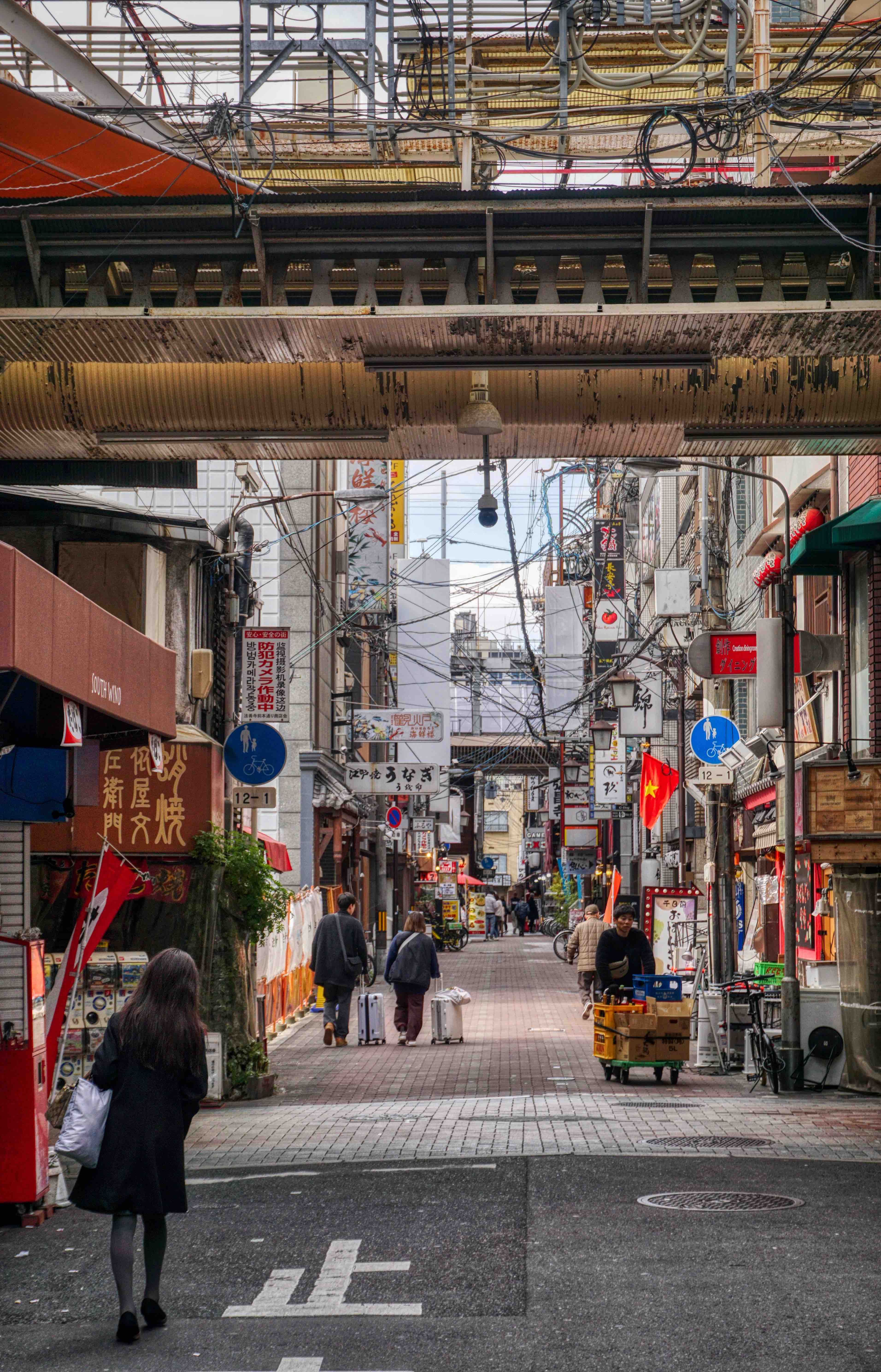






We’ve escaped the summer heat and humidity of FNQ for the colder winter climes of Japan, Osaka for three days and then, via the Shinkansen, Kyoto for a week. It’s a relatively short haul (7 hours is short from Australia ), a direct flight out of Cairns to Osaka with just one hour time change, so it’s a real easy destination for us and one that I think we’ll be revisiting for many years to come – particularly in the FNQ summer!
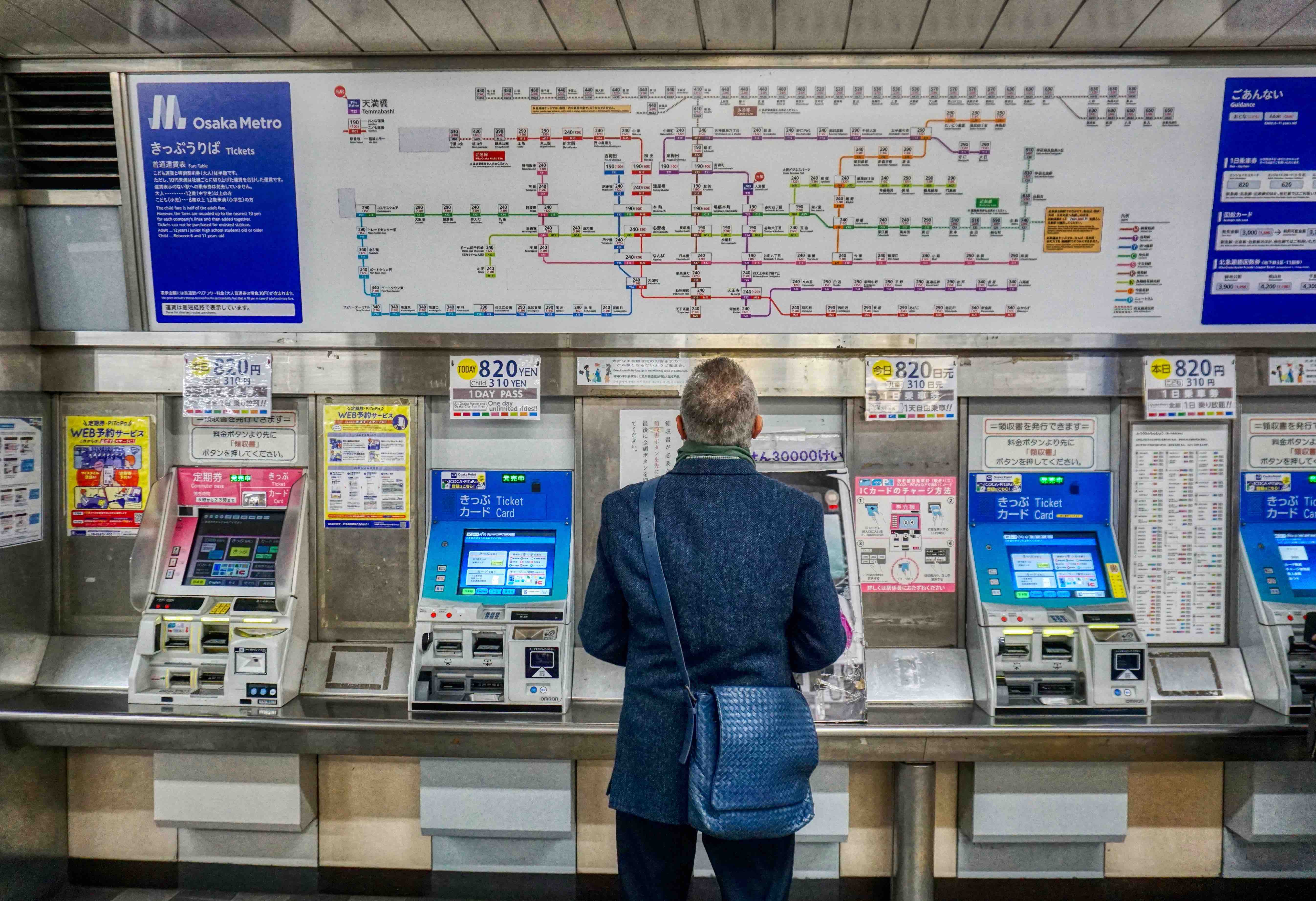
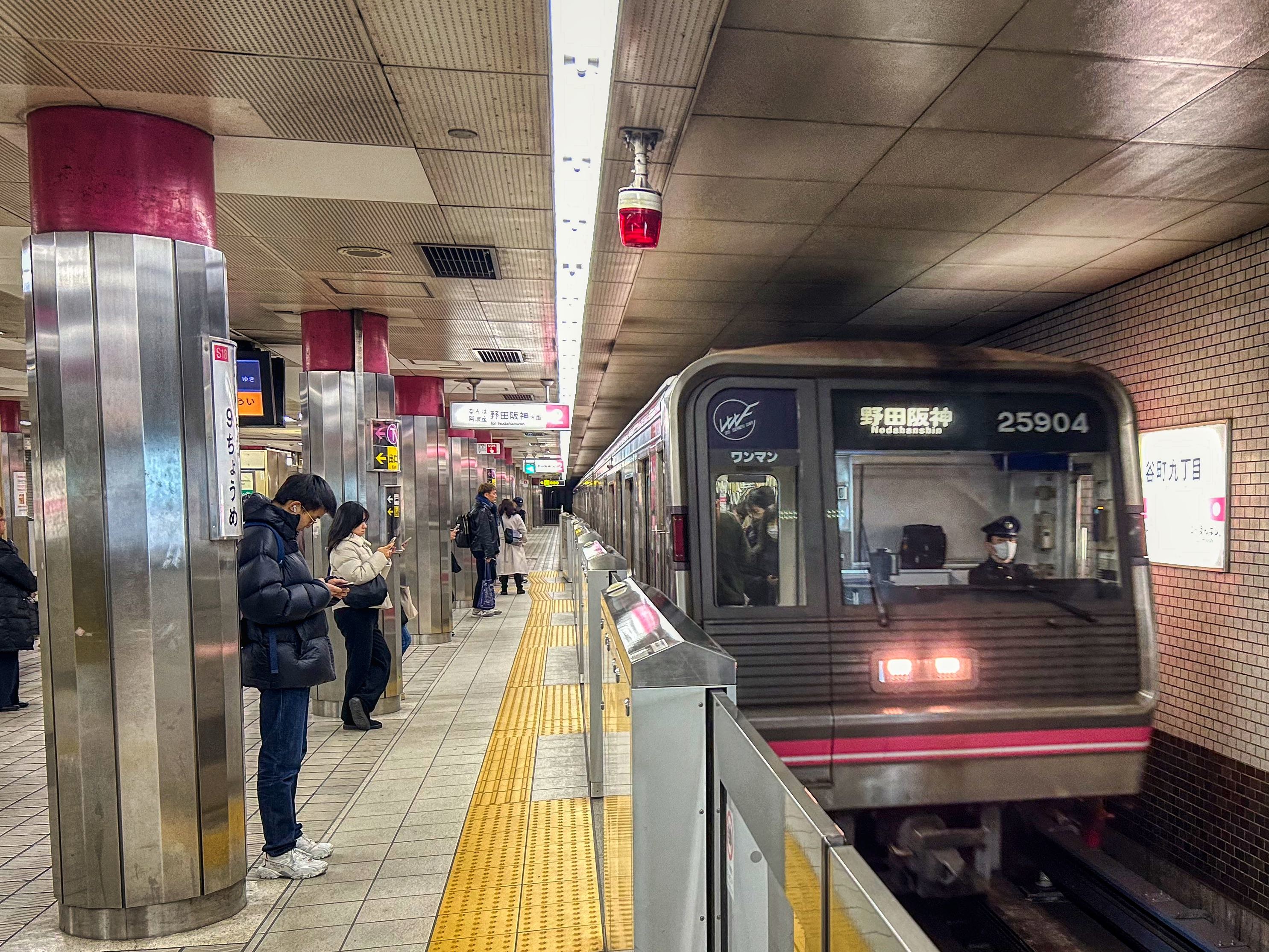
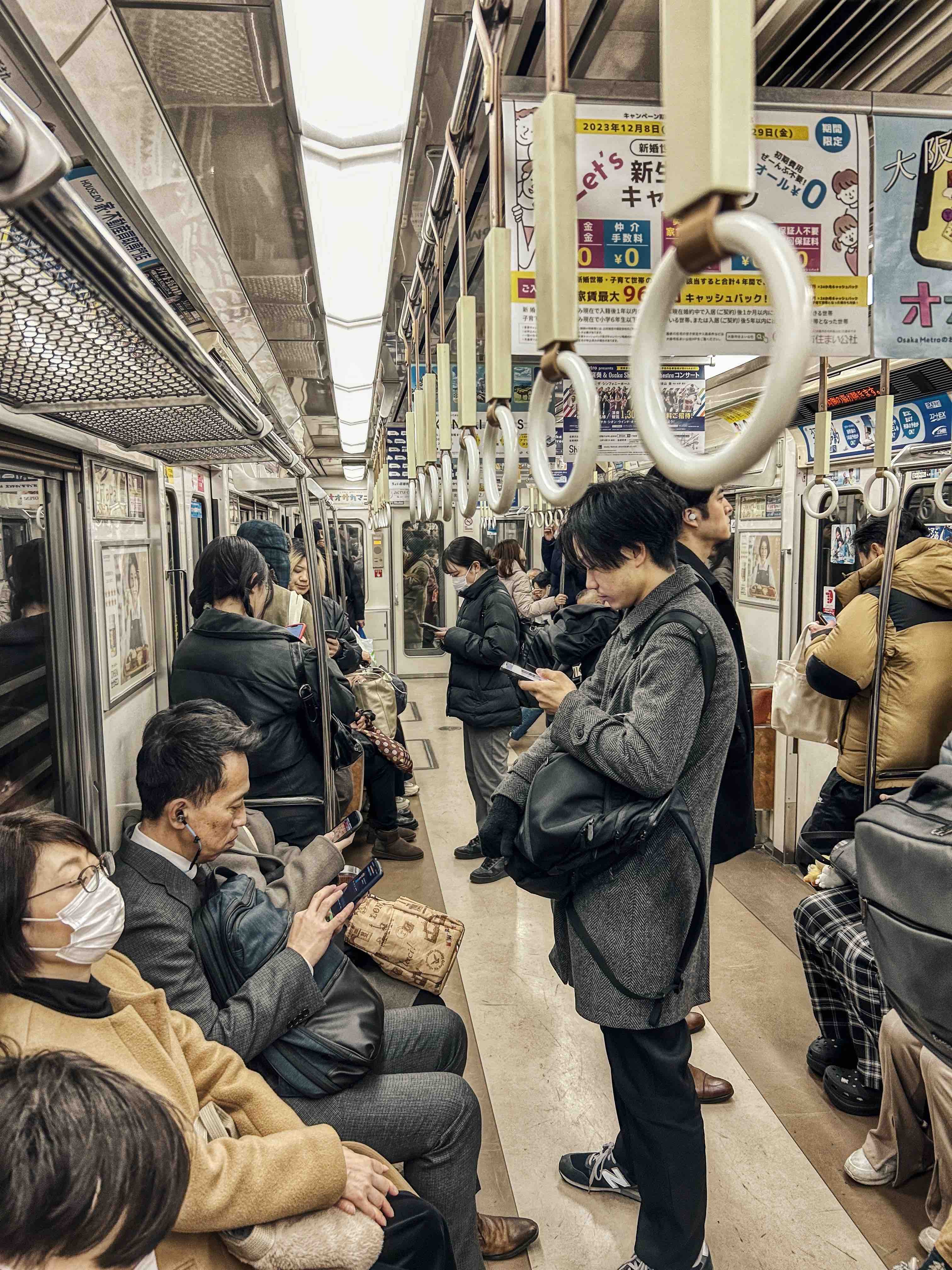
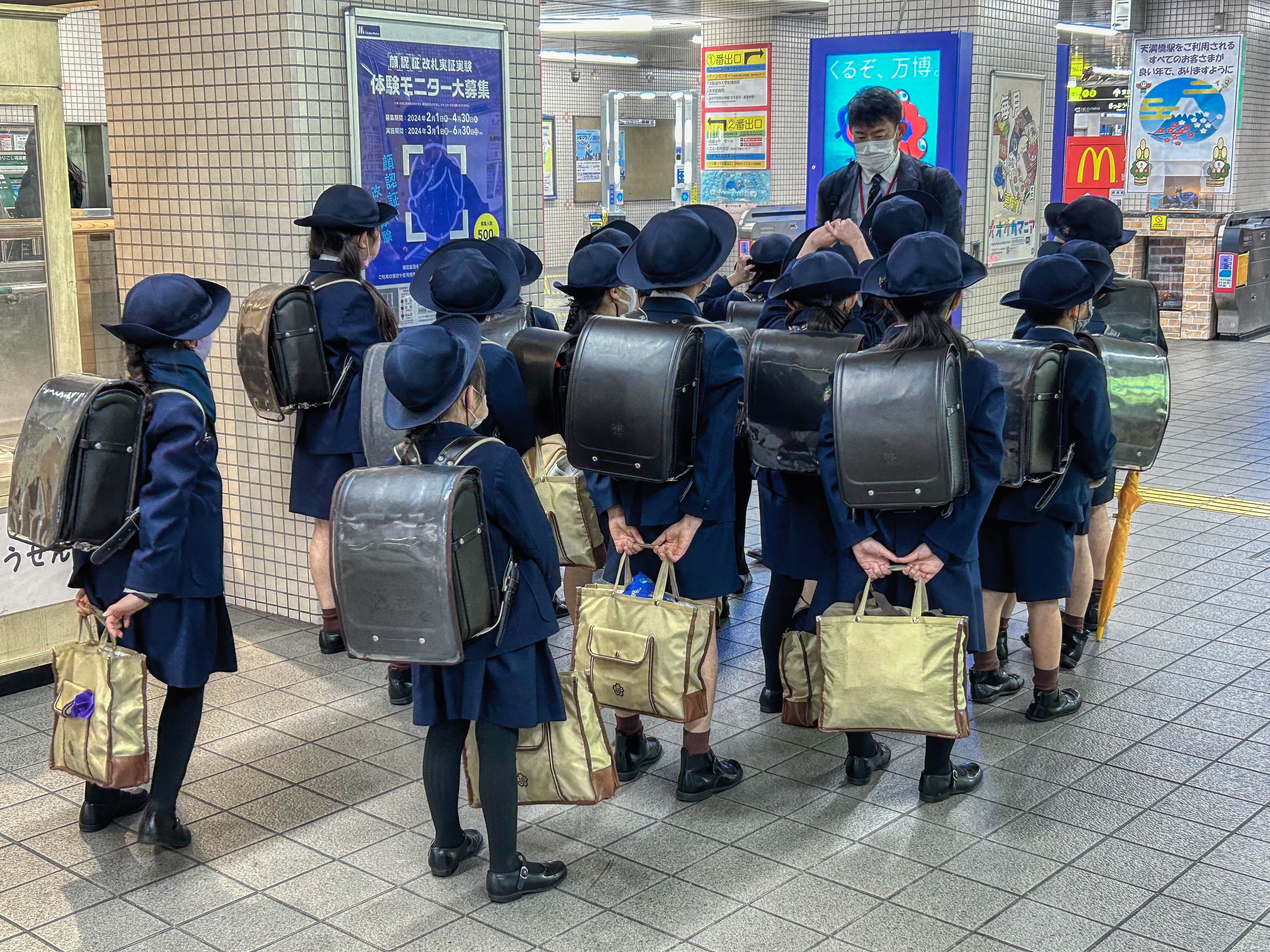
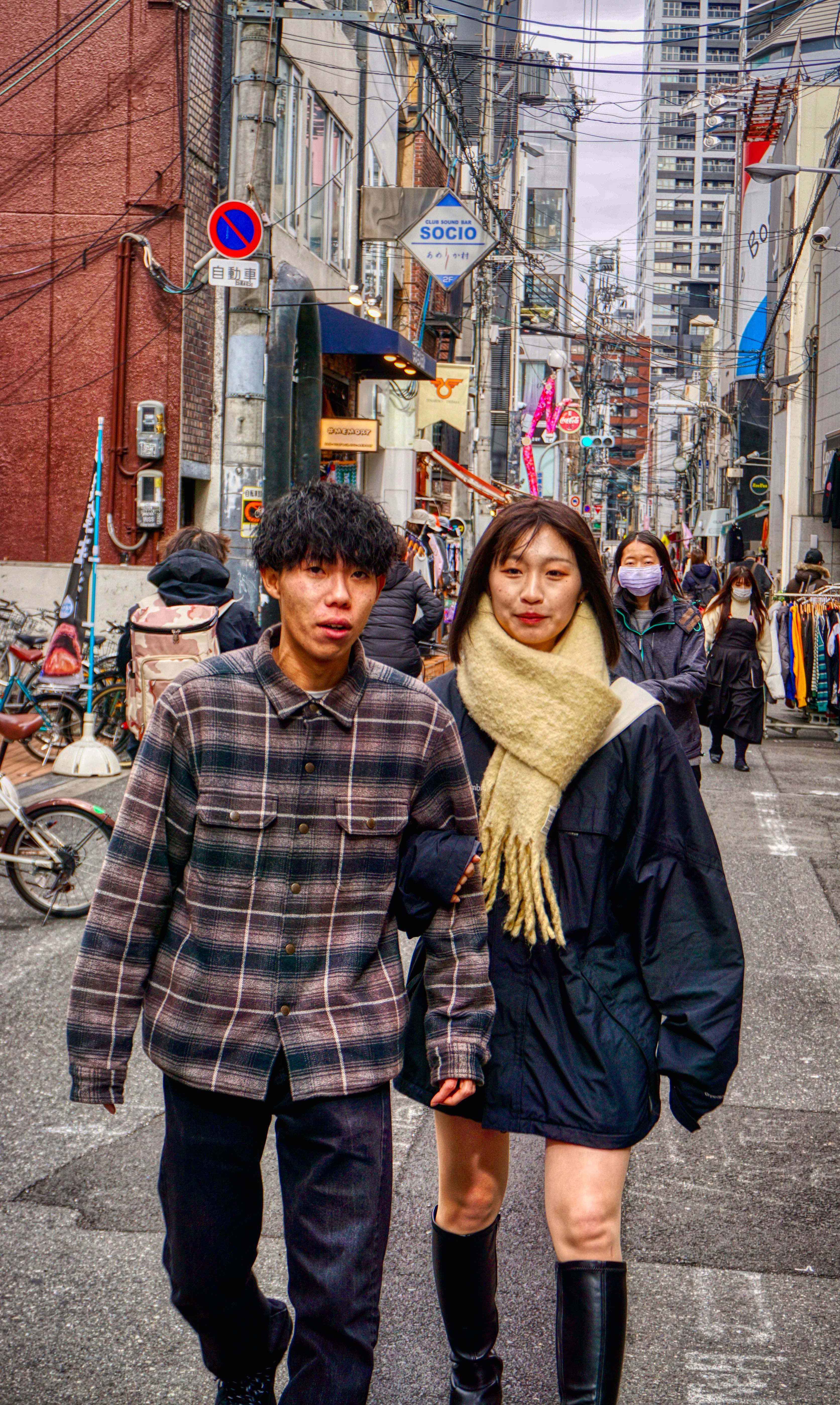
It’s a brisk 2-8 degrees here in Osaka, so a whopping 30-degree difference from home, but we love the cold, once in a while that is. Perfect conditions for pounding the streets and diving into the at first seemingly impenetrable Osaka Metro system – a day pass here costs ¥820 (around A$8 – less on weekends) for unlimited travel. The only thing you’ll need to have here is a clear head and heaps of patience, but once you get the hang of it, it’s fast, safe, efficient and, of course, spotless.
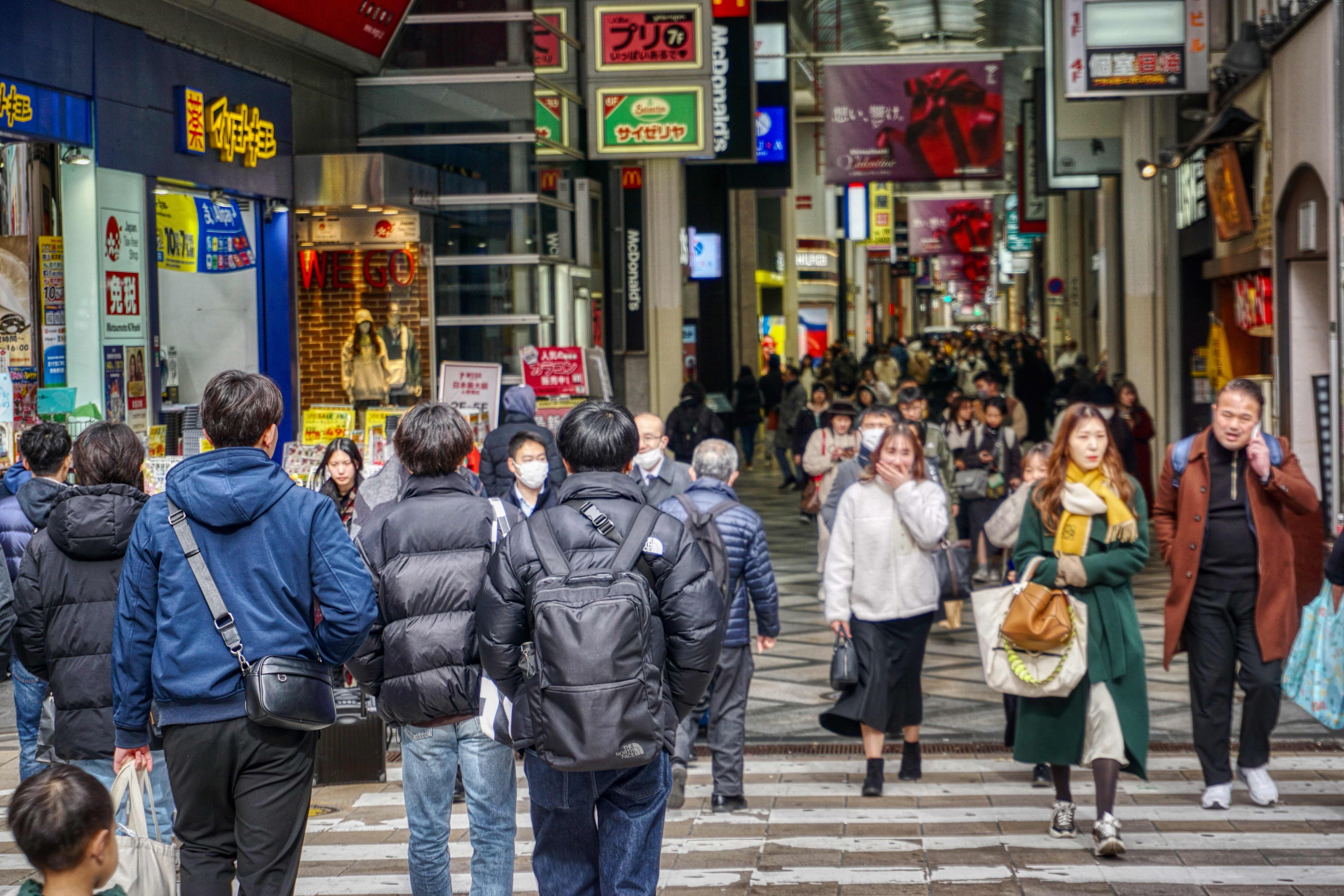
Osaka, Japan’s third largest city is vast. The metro area population is a staggering 18,967,000, so it’s crowded, particularly in the downtown areas of Minami and Umeda and, even more noticeably, the Osaka Station area – for this place is a truly sprawling rabbit-warren of malls topped by gigantic retail towers. We made the fateful error (in my view) of heading there on a Saturday morning, only to be met by half the population of Osaka seemingly entertaining the same idea. One of the largest department stores, Hankyu opened at 10am with a vast queue of people waiting patiently in line. On the stroke of ten, the staff bowed and the flood gates opened and the masses streamed into the store. Honestly, it was like witnessing an ant colony coming across a juicy morsell, only to devour it in seconds.
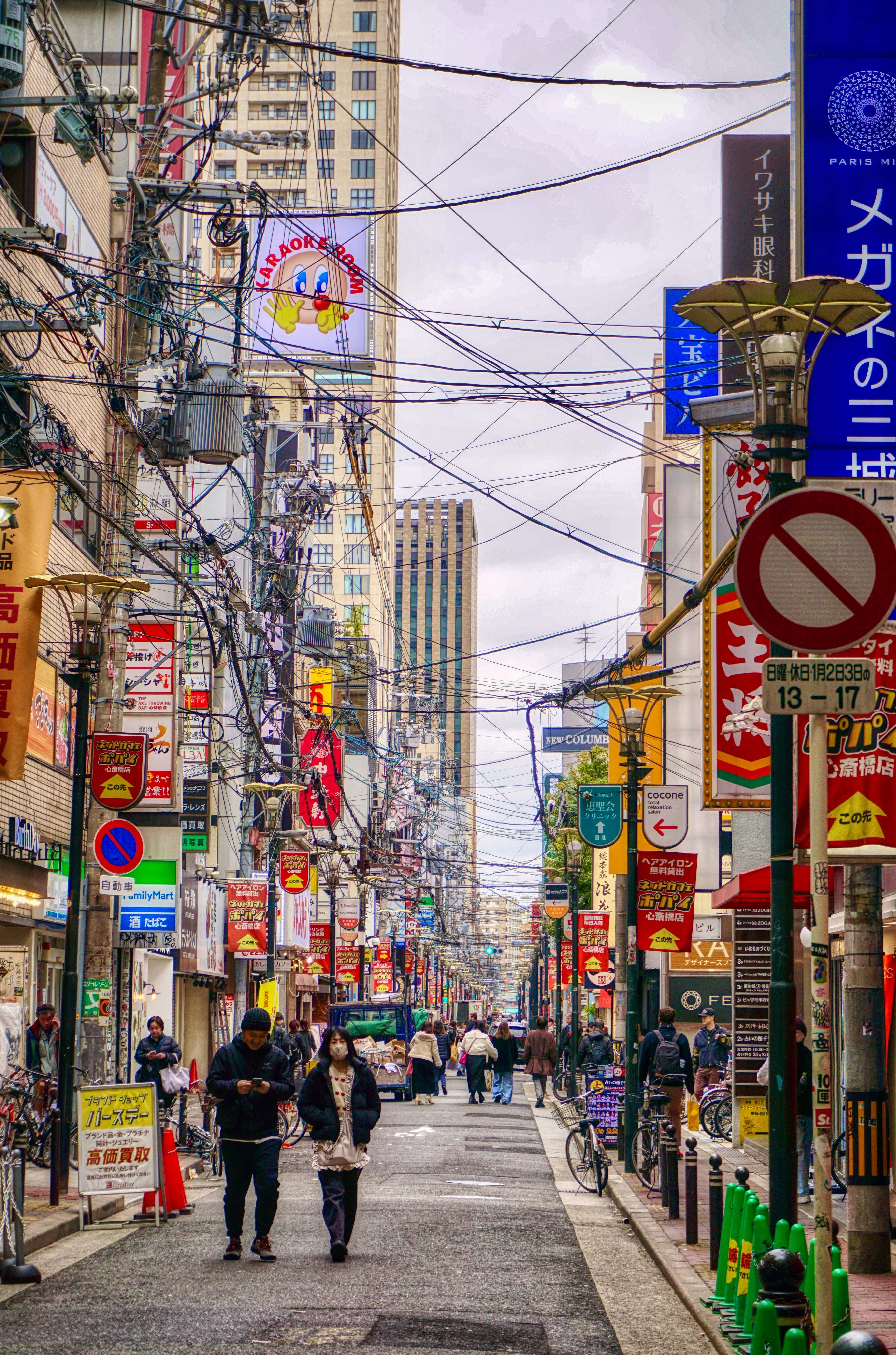
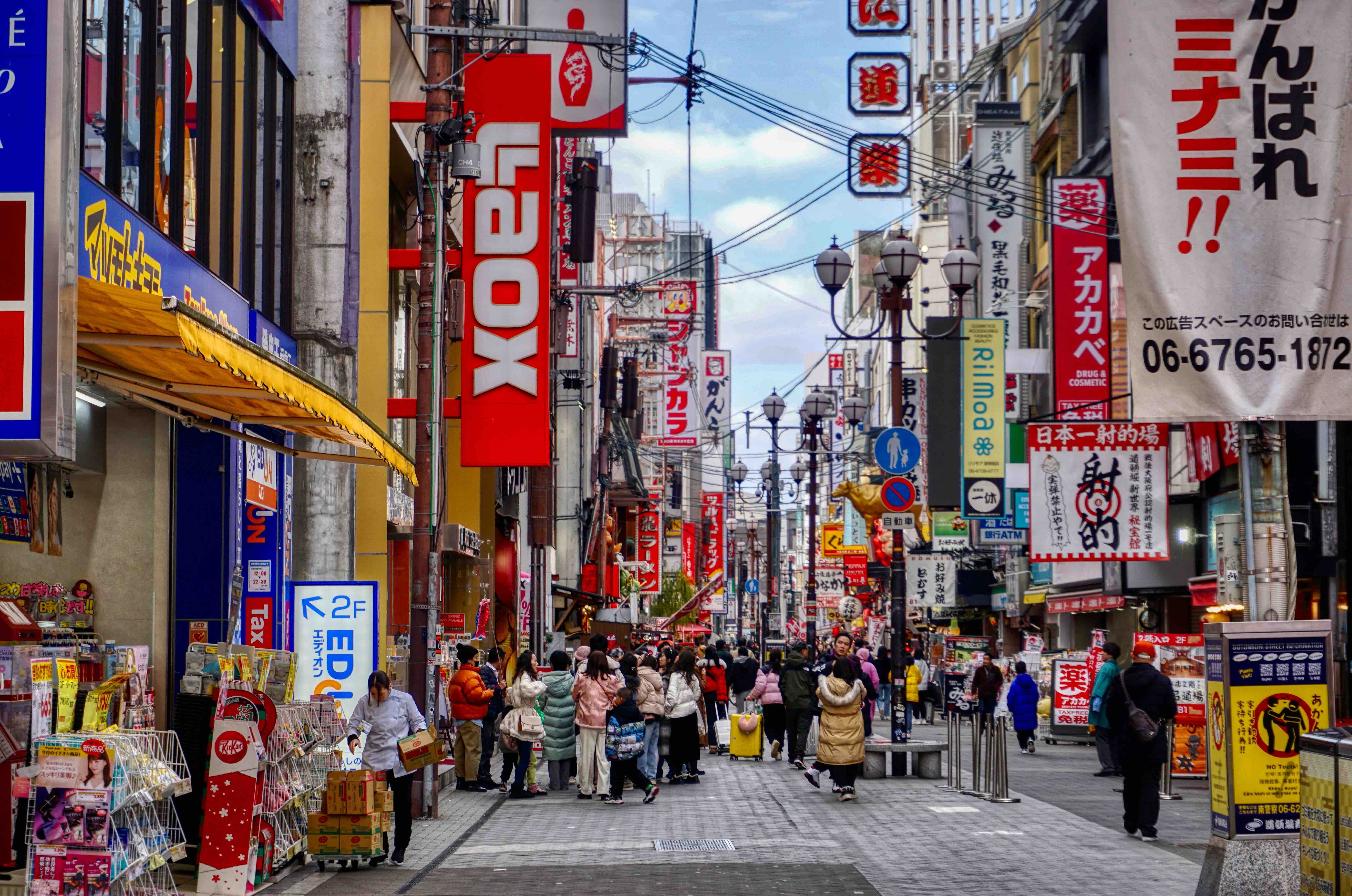
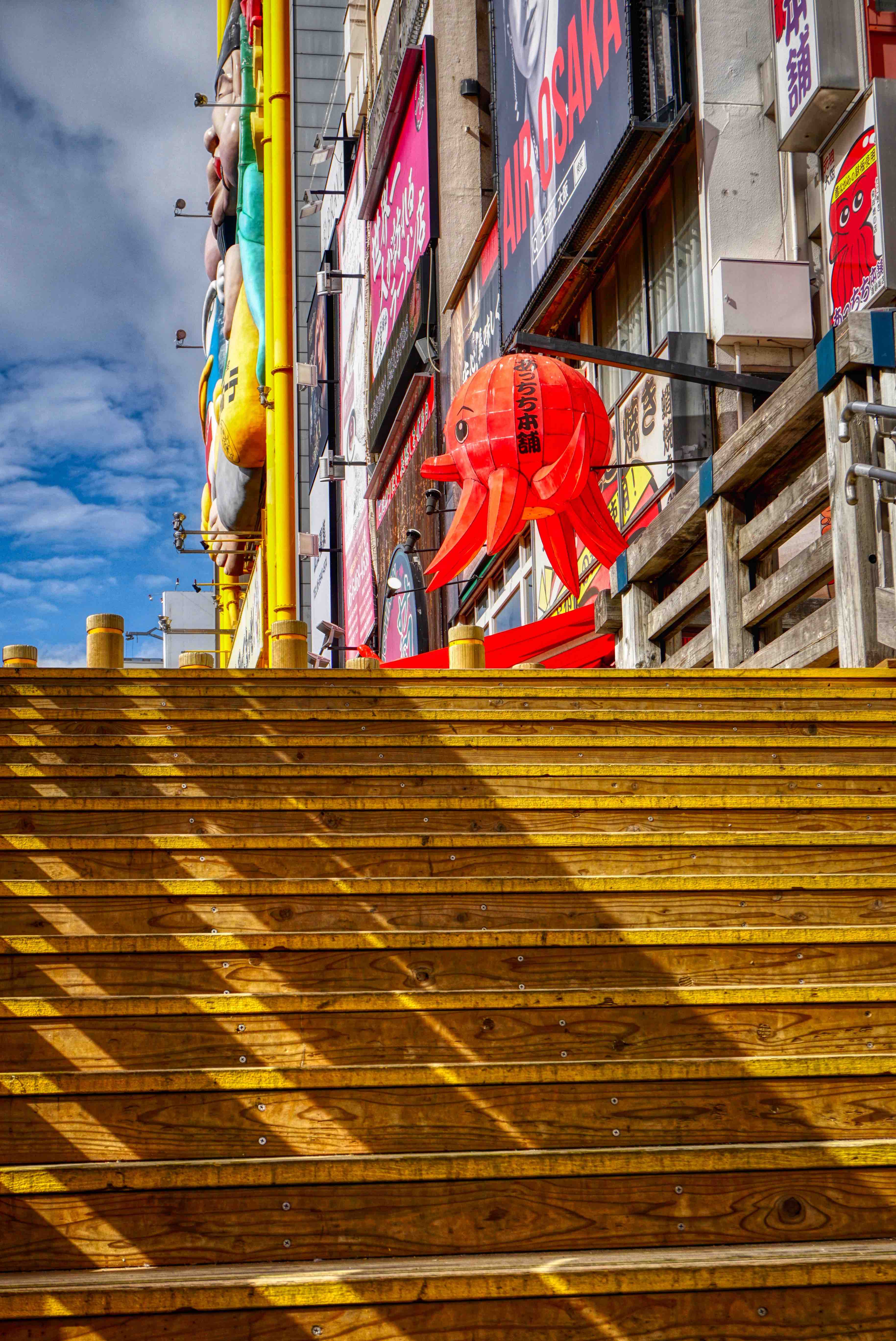
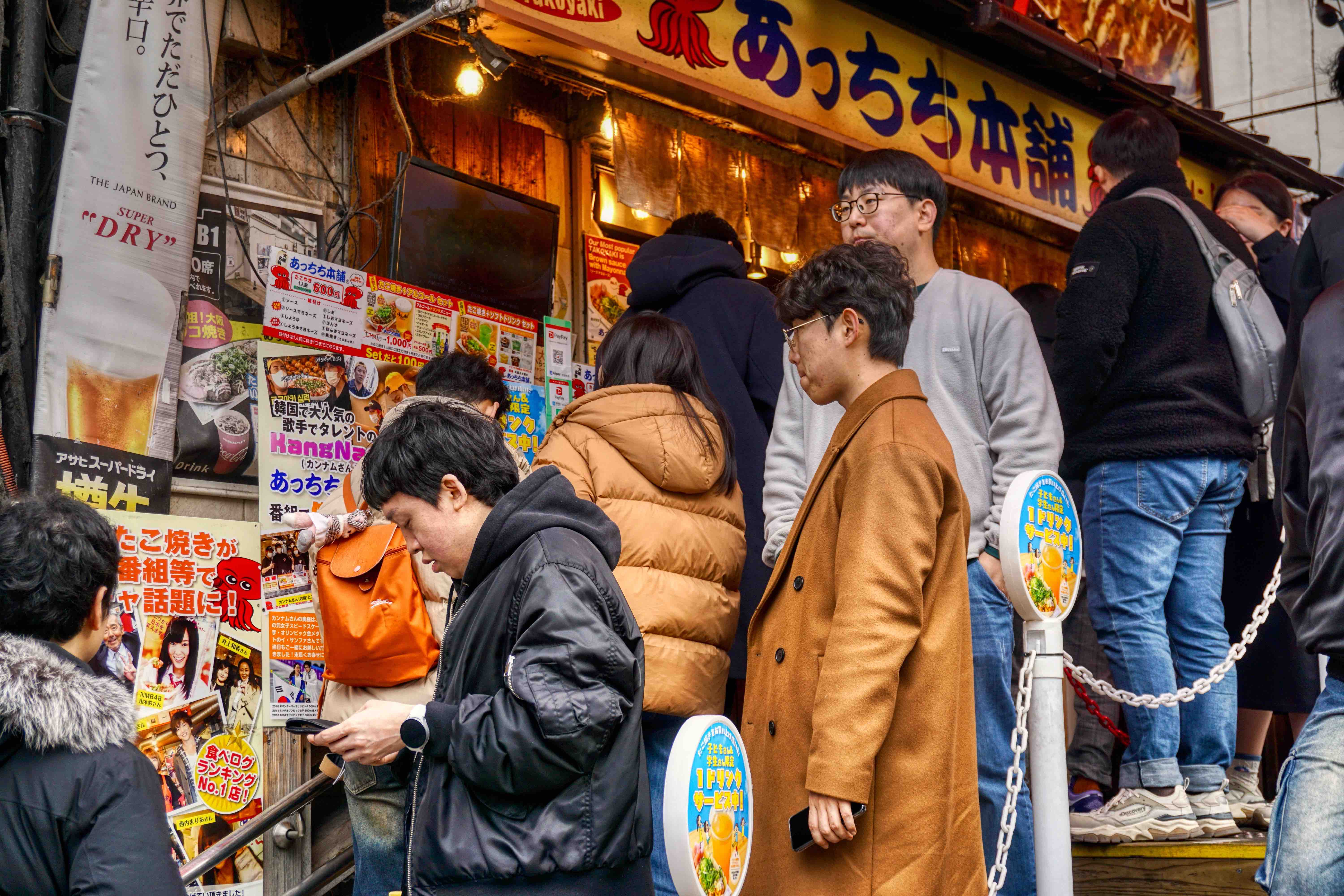
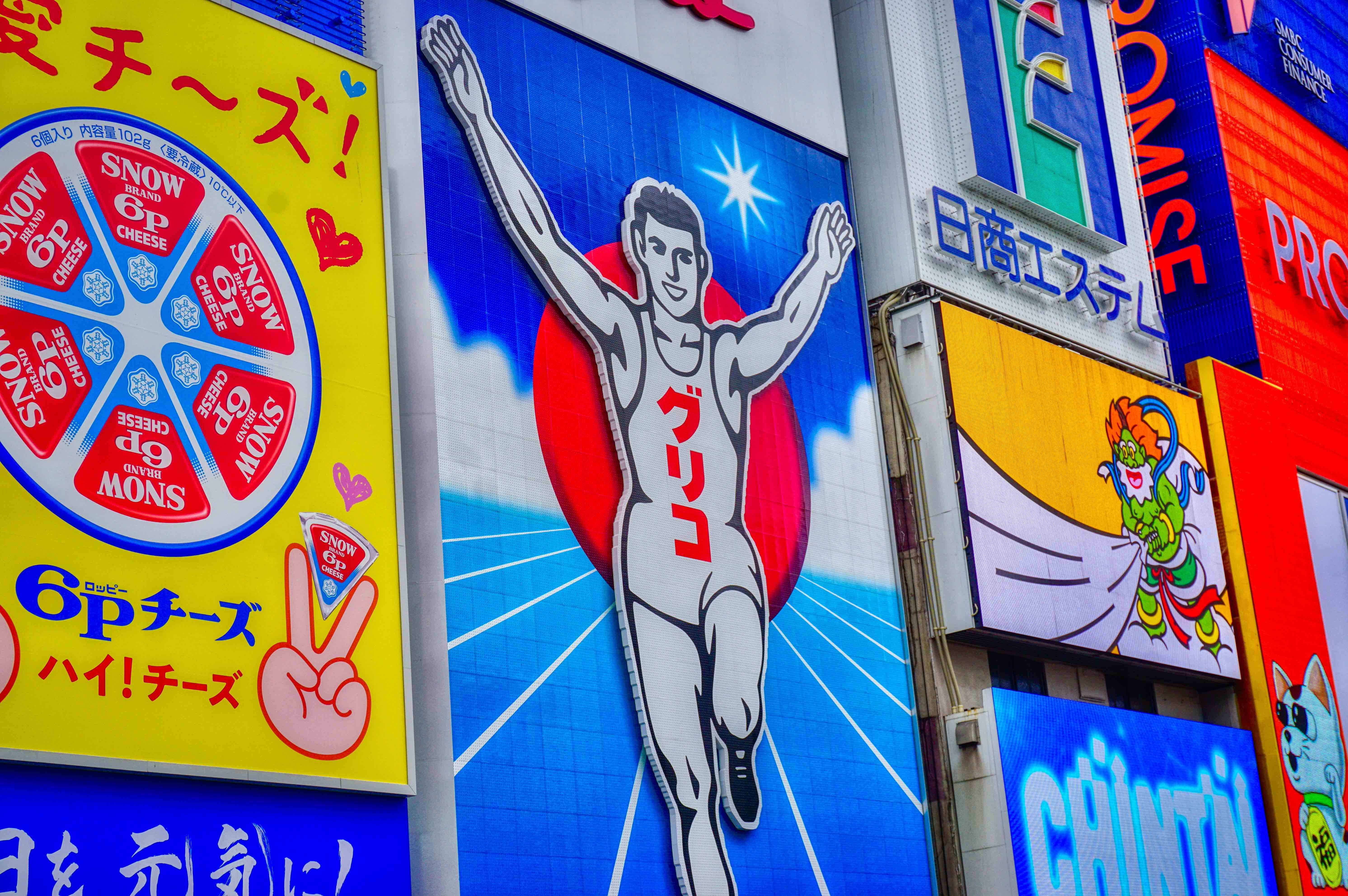
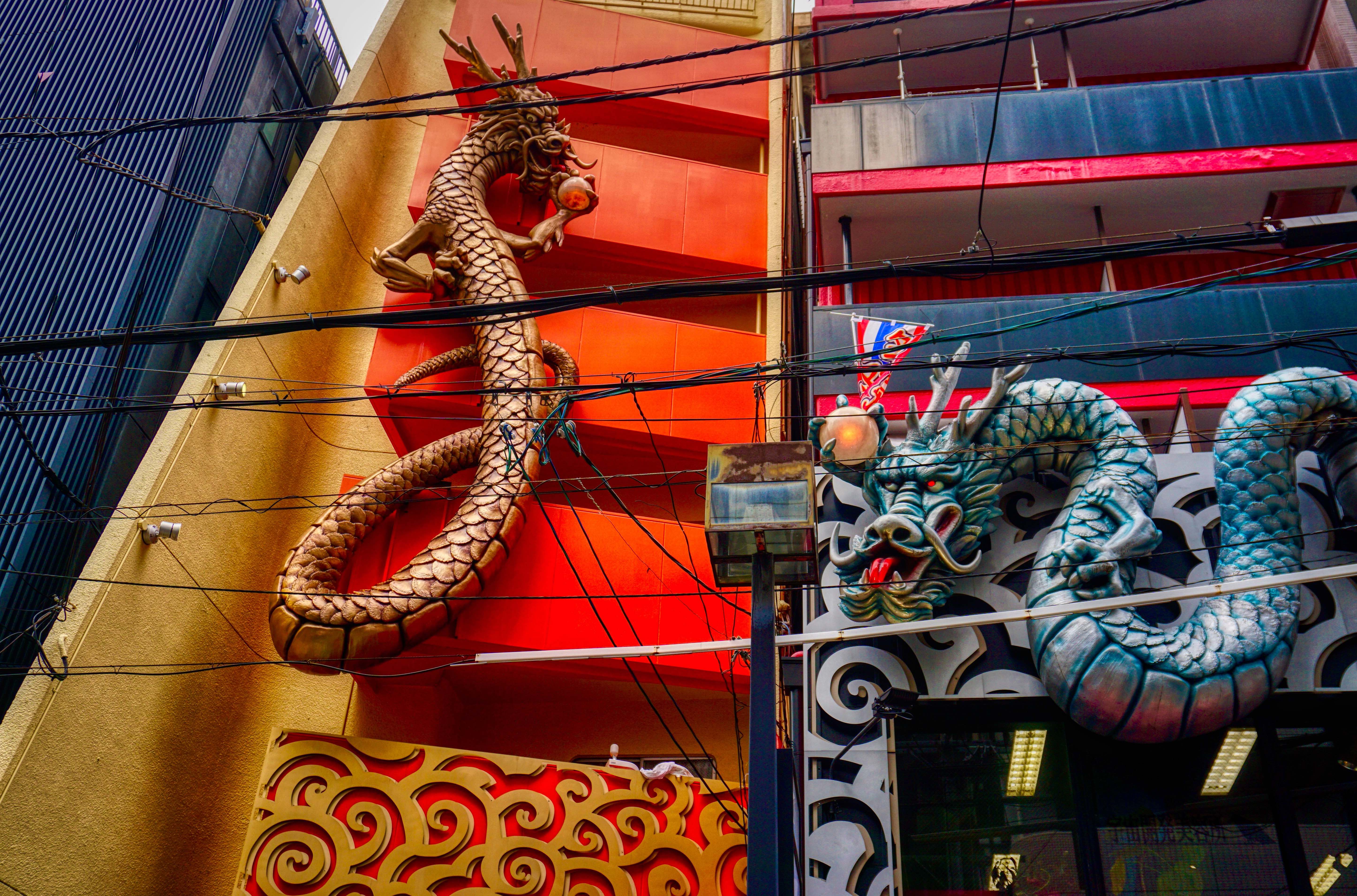
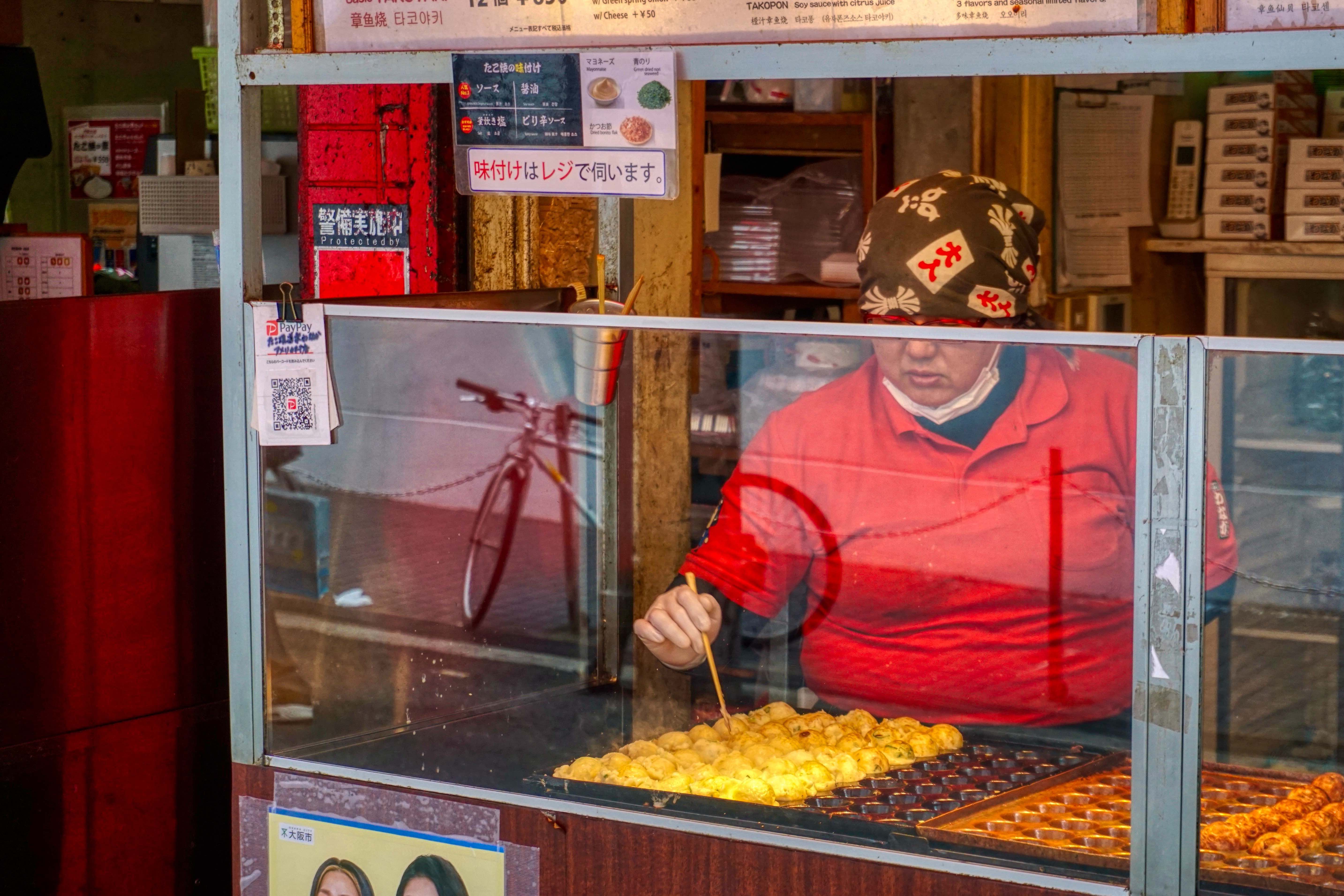
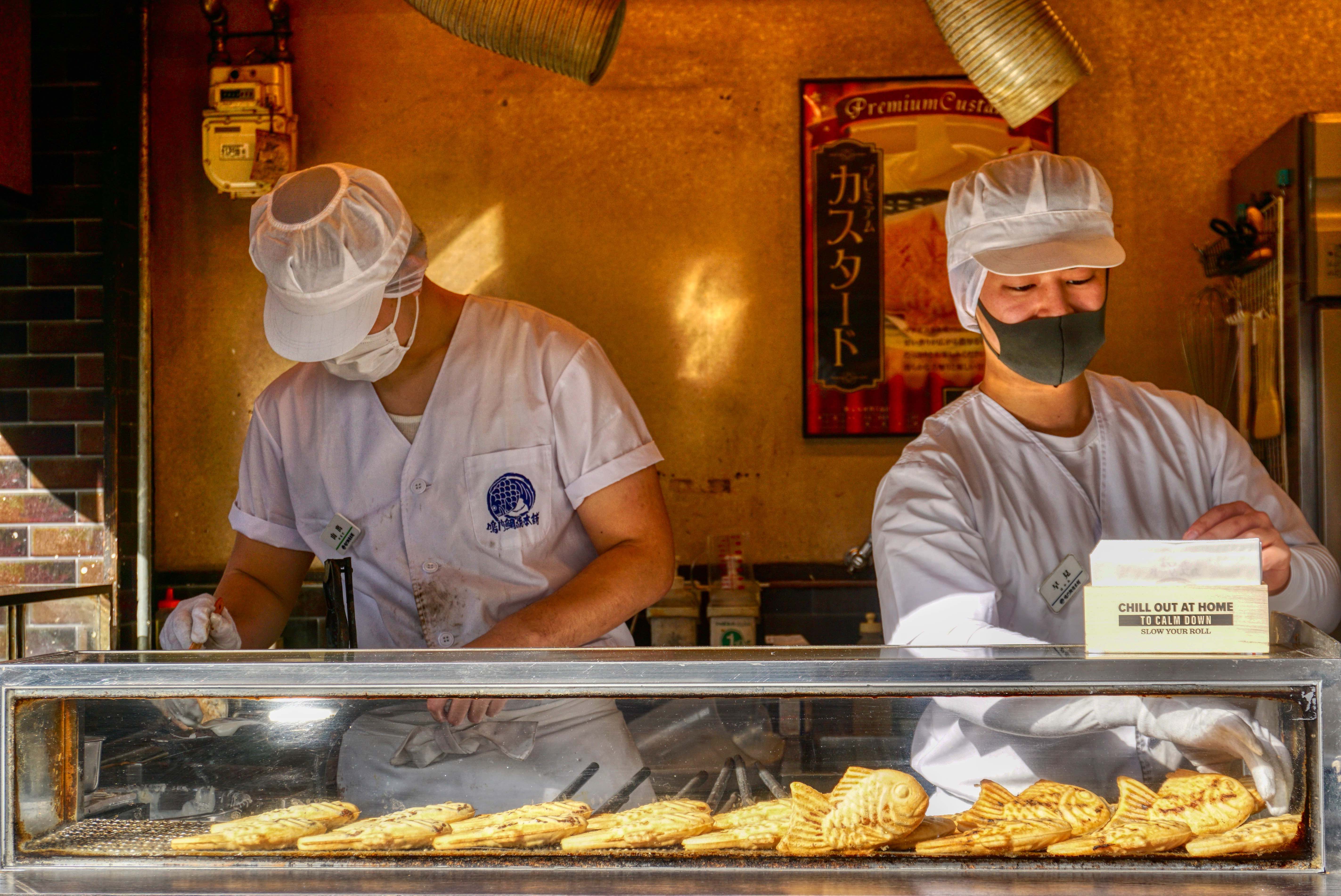
In contrast to Umeda and across town is the overly kitsch, crowded and bustling Dotonbori district, known as the ‘bright heart of Osaka’ – it’s a lively, some say gaudy tourist mecca, known for its neon lights and signage and the enormous variety of restaurants, bars and night clubs, all set alongside a bustling canal. By day it’s packed with people savouring its famous street food such as Takoyaki, pan-friend balls of batter filled with Octopus pieces – the quintessential Osaka street food.
Osaka is a modern city with little left of its ancient past. During World War 2, over 8 square miles or a third of the city were completely destroyed with almost 2000 tonnes of bombs raining down, but post war the rebuilding of this ancient city began and it soon regained its stature as Japan’s third city and, with its canals and cotton industry, the rather apt moniker of ‘The Manchester of the East’.
 Travels With My Ant